
REVIEW · MOUNT FUJI DAY TRIPS
Tokyo: Mt Fuji Lake Kawaguchi & Yamanaka Hot Spring Day Tour
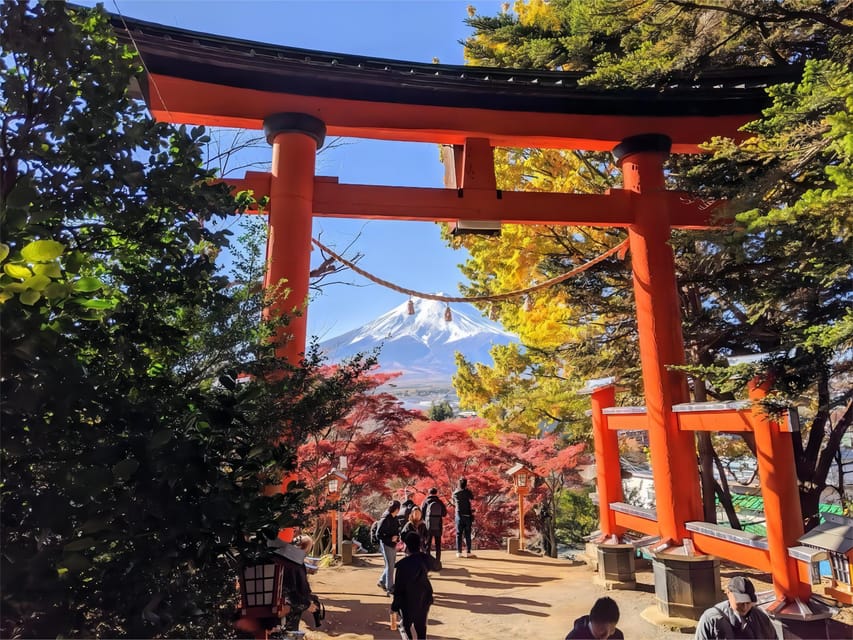
Mt Fuji photos start here, fast. This 10-hour day trip makes it easy to see major Fuji-area sights from Tokyo with a small-group pace and lots of quick photo stops. You get the classic viewpoints, plus a couple of quirky stops that feel very Japan, not just postcard views.
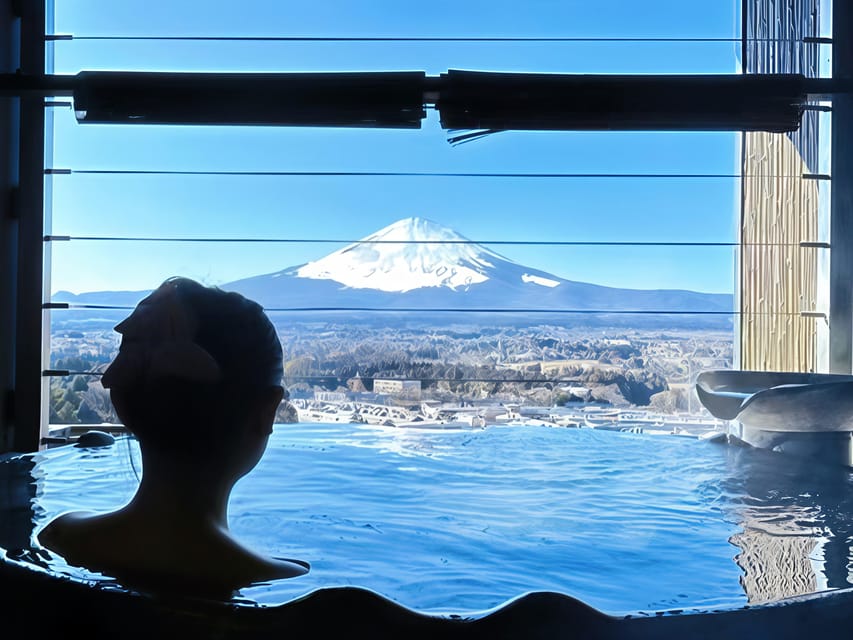
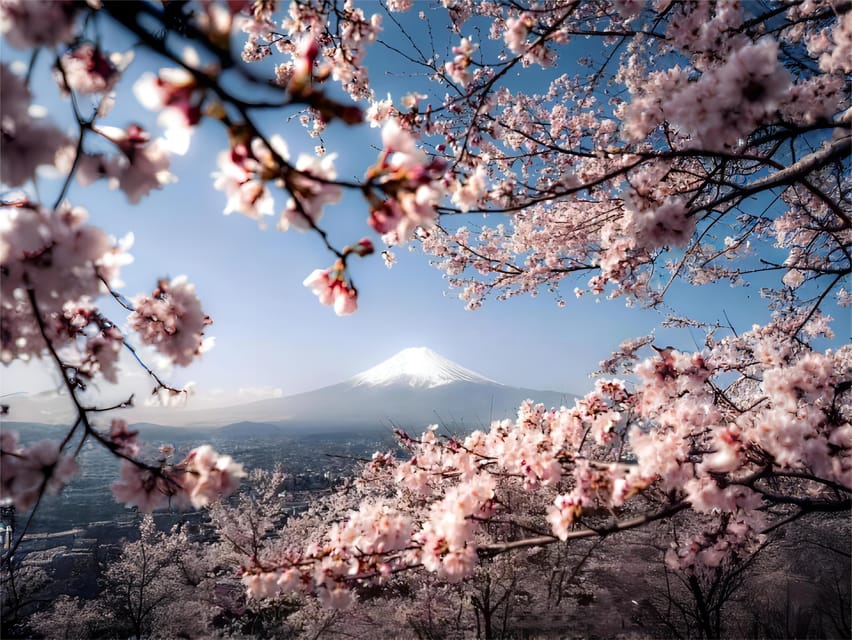
I like two things right away. First, the compact group size (up to 9) in a 10/14-seater vehicle means less time waiting around and more control if you want to move quickly for photos. Second, the hot spring payoff at Lake Yamanaka is the kind of moment you remember, especially when Mt Fuji is clear.
One possible drawback: this is a bilingual, non-private tour with a driver-guide who provides only basic English and limited storytelling at each stop. So you’ll get the sights, but you should expect the experience to be more self-guided than lecture-style.
In This Review
- Key highlights you’ll feel on the day
- Leaving Tokyo with a small-group plan that actually feels manageable
- Seasonal Oishi Park (or Maple Corridor) for Mt Fuji color that changes yearly
- The Lawson and Hikawa Clock Shop stops that feel like you’re in the story
- Oshino Hakkai, where the day gets calmer and water turns into the focus
- Lake Yamanaka for Mt Fuji views, then the hot spring reset you came for
- How the timing works, and where you might want more time
- Who this tour is perfect for, and who should skip it
- Should you book? My practical take on value and fit
- FAQ
- Where is the meeting point for this tour?
- Is hotel pickup included?
- What is included in the tour price?
- Are meals included?
- Is admission to Benifuji no Yu hot spring included?
- Are tattoos allowed in the hot spring?
Key highlights you’ll feel on the day
- Seasonal color at Oishi Park or Maple Corridor, timed for lavender in summer or kochia and autumn maple in fall
- Lawson near Kawaguchiko Station for that very Japanese Fuji background shot
- Hikawa Clock Shop, a photo-friendly street scene often called the Heavenly Town
- Oshino Hakkai, a calm break with fresh spring water and time to browse for snacks
- Lake Yamanaka Benifuji no Yu hot spring, Mt Fuji views while you soak (admission not included)
Fuji from Tokyo: the other approaches
- Mt Fuji and Hakone 1-Day Bus Tour Return by Bullet Train
★ 5.0 · 26,383 reviews - Mt Fuji & Hakone Cruise, Drum Show Bullet Train 1 Day from Tokyo
★ 4.0 · 7,413 reviews - Tokyo Mt Fuji 5th St & Hakone Cruise Bus Tour w/Bullet Train
★ 4.4 · 5,024 reviews - From Tokyo: Mount Fuji Full-Day Sightseeing Trip
★ 4.5 · 4,970 reviews
Leaving Tokyo with a small-group plan that actually feels manageable
This tour runs like a well-paced day, not a marathon of rushing. You depart from JR Tokyo Station Marunouchi North Exit (or you can choose hotel pickup in select districts). Either way, the day is built around one core goal: see Mt Fuji from multiple angles without you having to navigate buses and train transfers on your own.
The vehicle is a Toyota Hiace or similar, seating either 10 or 14 depending on availability. With a group capped at 9, you’re not fighting crowds for the same viewpoints. It also helps when timing gets tight. The bus leaves on time with no exceptions, so you’ll want to be at the meeting point a bit early and keep your phone charged.
Language-wise, you’ll usually have a driver-guide in Chinese, English, or Japanese. The important nuance is how you’ll experience explanations. You won’t get deep, attraction-by-attraction history. Think of it as someone helping you run the day and answer quick questions, while you handle the rest by exploring the spots at your own pace.
Price-wise, $68 per person for a 10-hour loop from Tokyo is pretty fair when you consider you’re paying for door-to-door transportation, fuel and tolls, and a guide. The key thing to watch is that meals and entry tickets are not included, so your day total can move depending on what you choose to pay for at the hot spring.
Seasonal Oishi Park (or Maple Corridor) for Mt Fuji color that changes yearly
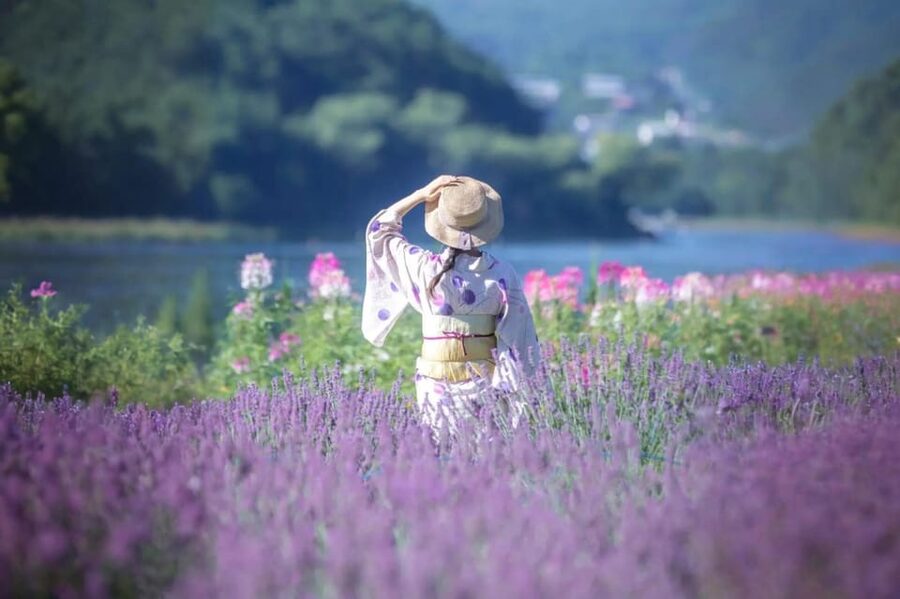
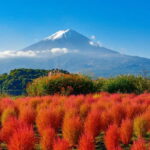
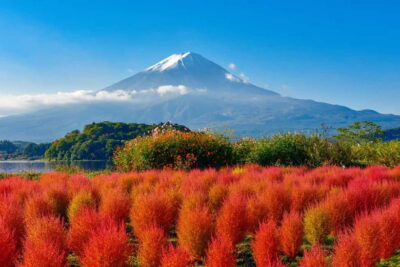
Your first major photography stop is Oishi Park, with the scenic plan shifting by season. In summer, Oishi Park can turn into a purple carpet with lavender, creating a strong contrast against Mt Fuji. In autumn, look for the kochia shrubs when they turn into a bright red tone that makes the Fuji background feel even sharper.
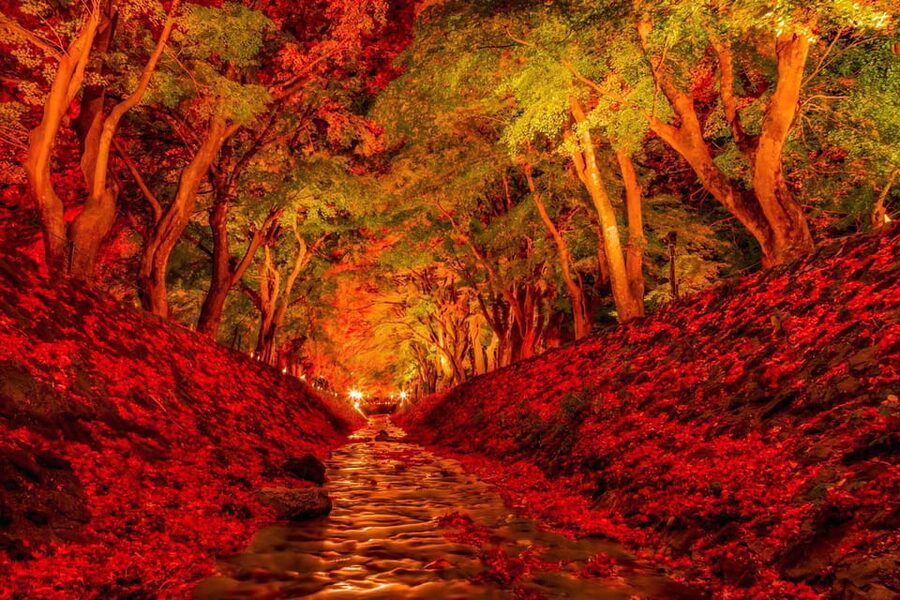
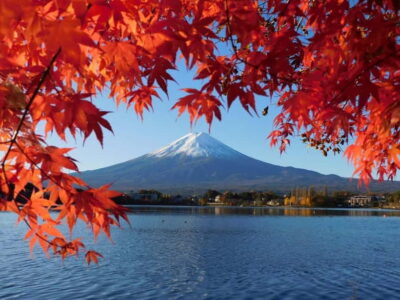
During peak autumn, usually from around October 30 to November 25, the tour swaps in Kawaguchiko Maple Corridor instead of Oishi Park. That change matters because the maple corridor setup can give you a once-a-year feeling: Mt Fuji framed by red leaves, often in a dramatic seasonal look. If you’re traveling in late October or early November, this is one of the most time-sensitive stops on the whole day. Even if clouds roll in, the park areas still offer strong photo angles.
Timing is also part of the value here. You get about 50 minutes at Oishi Park, which is enough for a walk, a few photo positions, and a reset without turning it into a full hike. If you want the best shot, don’t wait until the last 10 minutes. Fuji views can change quickly with light and cloud cover.
Practical tip: bring a hat and sunscreen. Parks around Lake Kawaguchi can feel bright and exposed. Comfortable shoes help too, because even a short walk involves uneven ground and standing in place while you frame photos.
The Lawson and Hikawa Clock Shop stops that feel like you’re in the story
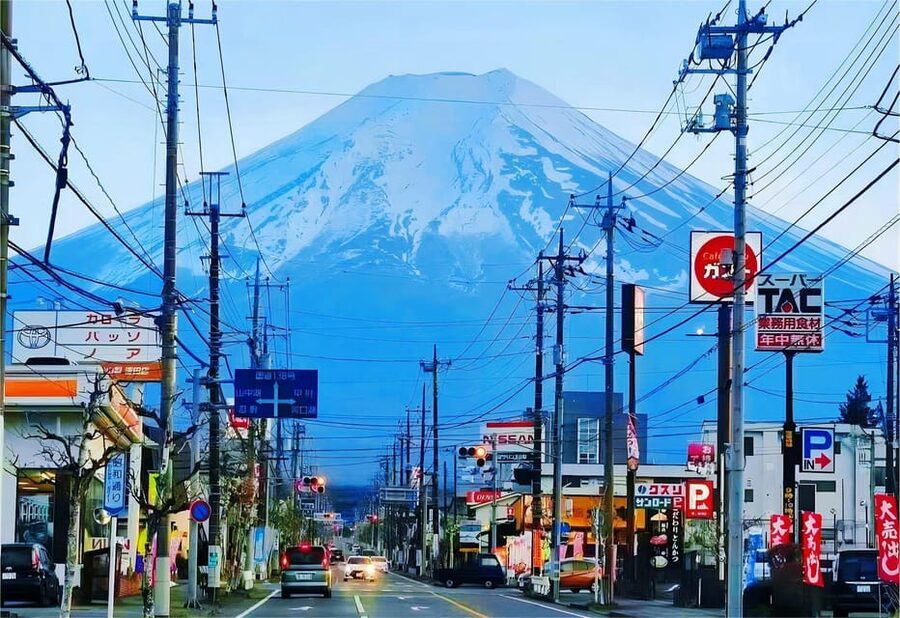
Next up is an unusual but very useful photo break: Lawson near Kawaguchiko Station. You’re not going there for a gourmet meal. You’re going for that classic, everyday Japan vibe, with Mt Fuji often in the far distance behind the street scene. It’s the kind of shot that looks real, not staged.
You also get a short break to shop and grab snacks. That matters because this tour is structured around driving and viewpoint time. A convenient rest stop keeps you from getting hit with the mid-day energy crash.
Then comes Hikawa Clock Shop, sometimes referred to as the Heavenly Town. This is one of those places where the architecture and street setup give you different Mt Fuji framing than the parks do. Instead of trying to catch Fuji from an open overlook, you can photograph it with buildings and street angles. It’s a great change of pace, and it also helps if you want variety in your photo set.
The clock shop stop is shorter, about 20 minutes, so treat it like a quick wandering window. If your goal is shopping, you’ll need to move efficiently. If your goal is photos, pick a direction, take a few steady shots, then adjust once you see where Fuji lines up.
Warmer options. Baths we have been into
- From Tokyo: Private Tour to Fuji/Hakone – Onsen, Art, Nature★ 5.0 · 116 reviews
- Mt. Fuji, Hakone Private Tour from Tokyo – Onsen, Arts and Nature★ 5.0 · 79 reviews
- Tokyo: Mt Takao Tour with Ramen and Tattoo-Okay Hot Spring★ 5.0 · 69 reviews
- [Seasonal Limited] Mt. Fuji 5th Station &Hot Spring Day Tour★ 4.5 · 53 reviews
- Full Day Hiking Tour at Mt.Takao including Hot Spring★ 5.0 · 52 reviews
Oshino Hakkai, where the day gets calmer and water turns into the focus
After the quicker photo moments, the tour shifts into a calmer rhythm at Oshino Hakkai, known for its traditional village feel and spring water. This stop is often a lunch-friendly break because you’re not just looking at one view. You’re walking a small area where the atmosphere slows you down, and the water theme gives the whole place a simple reason to visit.
You’re given about 80 minutes here, which is a good chunk. It’s long enough to walk, stop for food, and take a breath before the hot spring part of the day. The spring water is the star of the show, and you’ll likely notice people moving at a slower pace than at the big scenic parks.
One practical benefit: Oshino Hakkai is a good place to reset if earlier stops felt rushed. If the weather was harsh, you can still enjoy the setting without needing endless outdoor walking. If the weather was perfect, you can stretch the time and still make it comfortably to Lake Yamanaka.
Shoes matter here too. Village streets are usually manageable, but you still want traction, especially if it’s damp.
Lake Yamanaka for Mt Fuji views, then the hot spring reset you came for
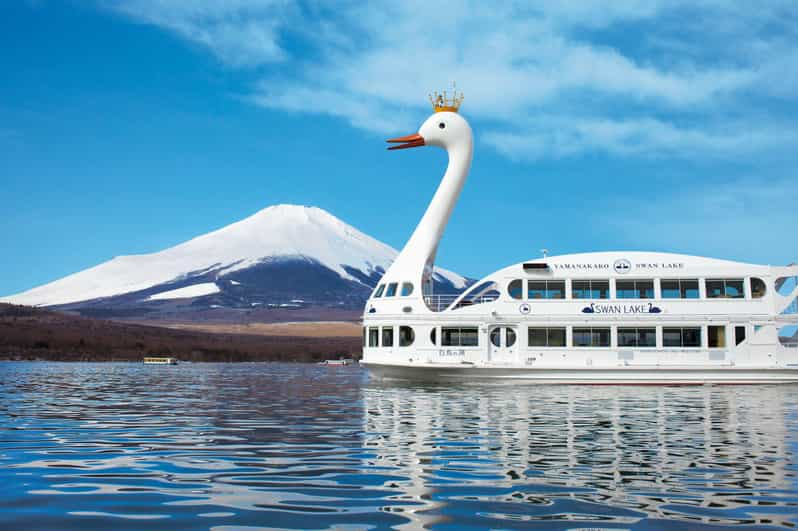
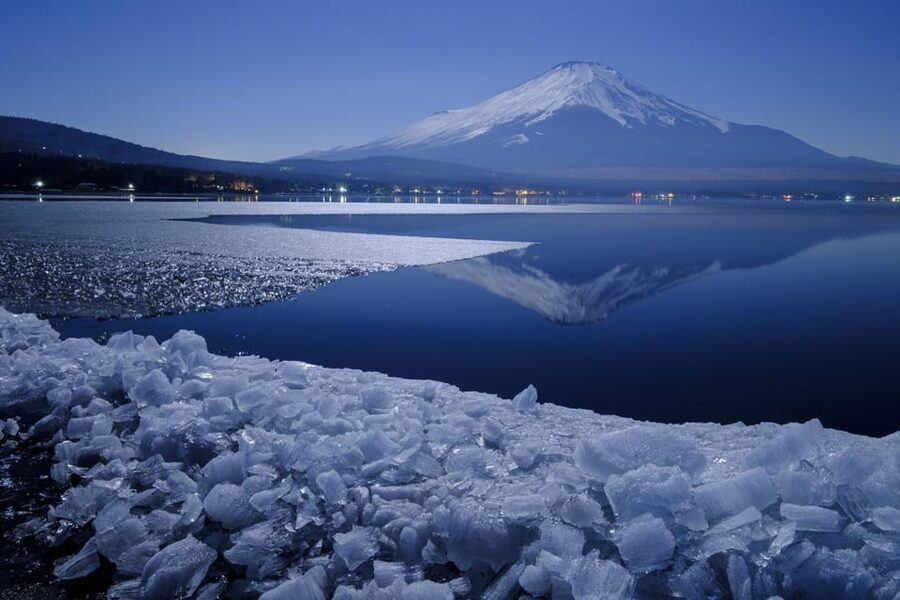
Your next big viewpoint stretch is Lake Yamanaka, with about 1.5 hours. This is where the tour delivers the relaxed side of the Fuji experience. Instead of only sprinting between scenic spots, you get time for a slower walk and longer looking.
Lake Yamanaka is also the gateway to the final highlight: Benifuji no Yu hot spring. The schedule builds time for both the lake views and then the soak. That sequencing matters. You don’t want to go soak immediately without seeing the surroundings. Seeing Fuji from the lakeshore first makes the hot spring view feel more earned.
Important: hot spring admission is not included. So you’ll want to budget a separate amount for entry. You’ll also need to think about what kind of hot spring experience you’re comfortable with.
For etiquette, the tour information notes that Japanese hot springs are typically enjoyed without swimwear. Tattoos are generally not permitted, and the option given is to cover tattoos with bandages. A private bath is also mentioned as an option for tattoo concerns, but it would be an additional fee.
On towels and pacing, the tour gives about 1.5 hours for the hot spring area. That’s enough time to check in, relax, and enjoy the views without feeling like you have to rush. Still, don’t plan to do a full second round of activities. This is the part of the day that works best if you actually slow down.
Family-friendly reality check: at Lake Yamanaka, kids often spend extra minutes watching things around the shoreline, and that can easily turn a simple photo stop into a more memorable moment. Even if you’re traveling solo, leaving room in your schedule for unexpected little scenes makes the day feel less mechanical.
How the timing works, and where you might want more time
The whole day is about 10 hours, with roughly 2 hours on the bus going out plus additional driving on the return side. In other words, you’re spending a real chunk of the day in transit even though the main focus is the Fuji area.
At each stop, you get a set window:
- Oishi Park (about 50 minutes)
- Lawson (about 20 minutes)
- Hikawa Clock Shop (about 20 minutes)
- Oshino Hakkai (about 80 minutes)
- Lake Yamanaka (about 1.5 hours)
- Hot spring time (about 1.5 hours)
That pacing is a good fit if you want to hit the highlights and come back to Tokyo at a reasonable hour, around 6:30 PM. It’s also why you’ll often enjoy this tour even if you’re not the kind of traveler who likes slow wandering all day.
But there is the one tradeoff: some people wish a few stops had more time. That makes sense. Oishi Park and the photo-town areas are short. If you’re the type who loves long scenic walks or you want to do serious photography in one location, you may feel a little pressure to move quickly.
So I’d frame it like this: this is an excellent choice for seeing and photographing Fuji from multiple angles in one day, and for experiencing a hot spring, but it’s not designed for deep exploration of just one town.
Also note there’s limited luggage space, so avoid big bags. If you’re traveling with suitcases, this can get annoying fast.
Who this tour is perfect for, and who should skip it
This works best for:
- You want Mt Fuji without transfers and stress
- You enjoy short photo walks and viewpoint hopping
- You want a hot spring with a view and don’t want to plan it yourself
- You’re comfortable exploring a place without a lot of guided commentary
It’s also a good option for locals. One of the biggest strengths of this itinerary is that it mixes well-known spots with a couple of offbeat photo stops, which helps even repeat visitors see Fuji from fresh angles.
It may not be ideal for:
- You want a lot of spoken explanation at each stop
- You need lots of time to shop or relax at one location
- You have mobility limits, since you’re doing walking and waiting in outdoor areas for views
- People over 80 are listed as not suitable
If you’re traveling with kids, the plan can still work well because Lake Yamanaka and the hot spring timing give a natural rhythm. Just remember the hot spring rules for swimwear and tattoo policies matter for planning.
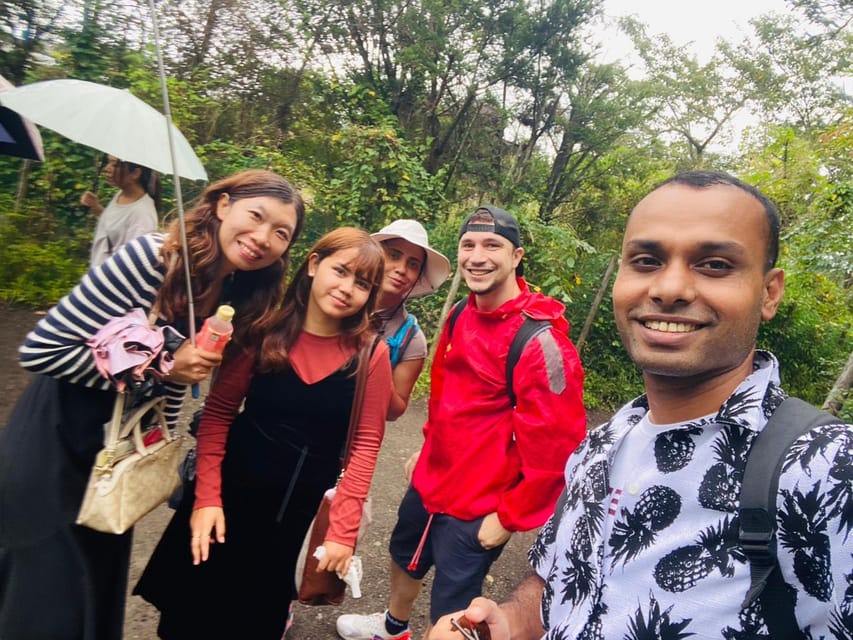
If you’re traveling solo, the small group helps you feel less lost. You still handle your own sightseeing, but you’re not alone driving and figuring out logistics.
Should you book? My practical take on value and fit
Book this tour if you want an efficient Fuji day that combines scenery, quirky photo stops, and a hot spring without turning your whole trip into transportation management. The price feels reasonable for what you get: roundtrip transport from Tokyo, a guide to run the day, and multiple Fuji-area hits that would take you longer to coordinate independently.
Skip it or look for a different style of tour if you’re the type who wants extended time in one location, or if you need rich commentary to enjoy the day. With this format, you’ll get limited explanation at attractions, so your enjoyment will depend on how much you like moving through places and reading the vibe on your own.
If you do book, go in with the right mindset:
- Expect photo stops more than museum-style time
- Bring the basics, especially hat, sunscreen, water, and comfortable shoes
- Plan for hot spring admission costs since they are not included
- Use the views at Lake Yamanaka and Benifuji no Yu as your slow-down moment
In short, it’s a solid choice for a classic Mt Fuji day, and the hot spring finish makes it feel like more than just a sightseeing checklist.
FAQ
Where is the meeting point for this tour?
You meet your guide at Tokyo Station Marunouchi North Exit, at 1-chōme-9-1 Marunouchi, Chiyoda City, Tokyo. Your guide will send you the gathering location photo, and you can also use hotel pickup if your hotel is in the selected pickup districts.
Is hotel pickup included?
Hotel pickup is included if you select the pickup option and your hotel is within the pickup area. If your hotel is outside the pickup area, you may still attend by meeting your guide at Tokyo Station with a partially refunded amount stated as 3200 JPY.
What is included in the tour price?
The price includes roundtrip transportation in a Toyota Hiace or similar vehicle, hotel pickup and drop-off if selected, a driver-guide, and fuel, toll, and highway fees.
Are meals included?
No. Meals are not included, and entry tickets are also not included.
Is admission to Benifuji no Yu hot spring included?
No. The hot spring admission at Benifuji no Yu is listed as not included. The tour provides the time for you to enjoy the hot spring, but you pay the admission separately.
Are tattoos allowed in the hot spring?
Tattoos are generally not permitted at Japanese hot springs. The tour information says tattoos may be covered with bandages, and it also mentions that you can opt for a private bath for an additional fee.
Baths We Have Been Into
Mount Fuji, Three More Ways
Newest Tokyo write-ups from the Loving Japan desk






Mount Fuji Day Trips, side by side.
 ★ 5.0Mt Fuji and Hakone 1-Day Bus Tour Return by Bullet TrainFrom $16326,383 reviews
 ★ 4.0Mt Fuji & Hakone Cruise, Drum Show Bullet Train 1 Day from TokyoFrom $1497,413 reviews
 ★ 4.4Tokyo Mt Fuji 5th St & Hakone Cruise Bus Tour w/Bullet TrainFrom $1545,024 reviews
 ★ 4.5From Tokyo: Mount Fuji Full-Day Sightseeing TripFrom $684,970 reviews
 ★ 4.7Mt. Fuji Tour, Hakone Ropeway, Owakudani, Lake AshiFrom $544,002 reviews
 ★ 4.4Mt.Fuji,Kawaguchiko Oishi Park,Arakurayama Sengen ParkFrom $542,682 reviews
 ★ 4.2Mt. Fuji 5th Station & Hakone Cruise 1-Day Bus TourFrom $1292,381 reviews
 ★ 4.7Mt Fuji Top 5 Spots Day Tour: Arakurayama Park,Oshino HakkaiFrom $532,066 reviews
Filed on these lists too