
REVIEW · MOUNT FUJI DAY TRIPS
Tokyo: Mt Fuji Lake Kawaguchiko Tour & Arakuyama Sengen Park
Fuji photos start before most people wake up. I like how this day strings together two of Japan’s most camera-friendly Mt Fuji moments, starting with Arakurayama Sengen Park and ending with the calm UNESCO ponds of Oshino Hakkai. The only downside I’d flag is that the plan is photo-focused, so some stops can feel a bit tight if you prefer slower wandering.
You start from a clear, central meeting point at Tokyo Station, and you spend the day with a professional guide plus a driver. On trips run by guides like Hikari, the communication tends to be organized and the explanations are easy to follow, which matters a lot when you’re meeting in a busy transit hub.
In This Review
- Key Things to Know Before You Go
- Why This Fuji Day Trip Works From Tokyo Station
- Tokyo Station Meeting: The Part That Can Make or Break the Morning
- Getting Out of the City: The 105-Minute Ride to Fuji Country
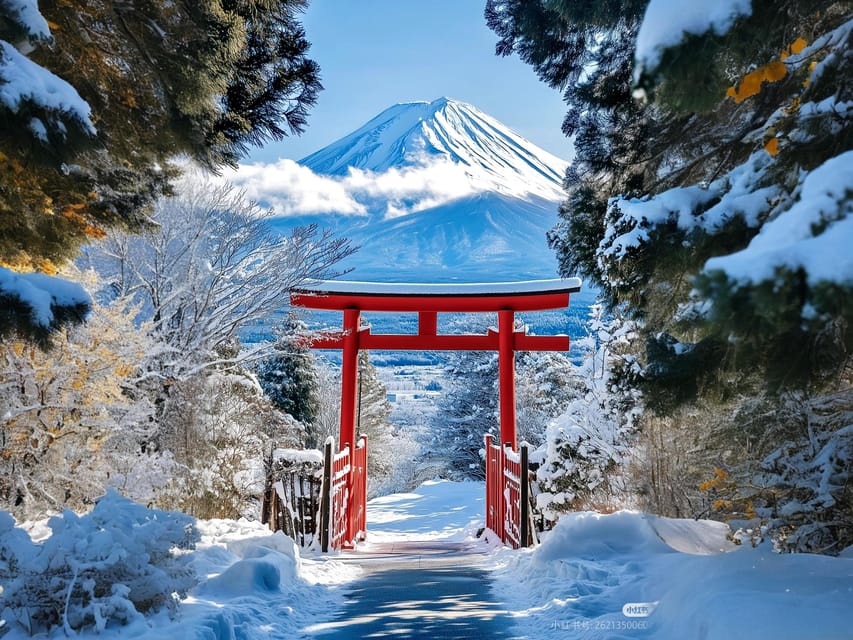
- Arakurayama Sengen Park and Chureito Pagoda: The Classic Fuji Shot
- Hidakaya Clock Street: Fuji Framed by a Quiet Lane
- Oshino Hakkai: UNESCO Ponds and Fuji Reflections
- Lawson Kawaguchiko Station: The Unexpected Photo Break
- Lake Kawaguchi and the Seasonal Color Choice
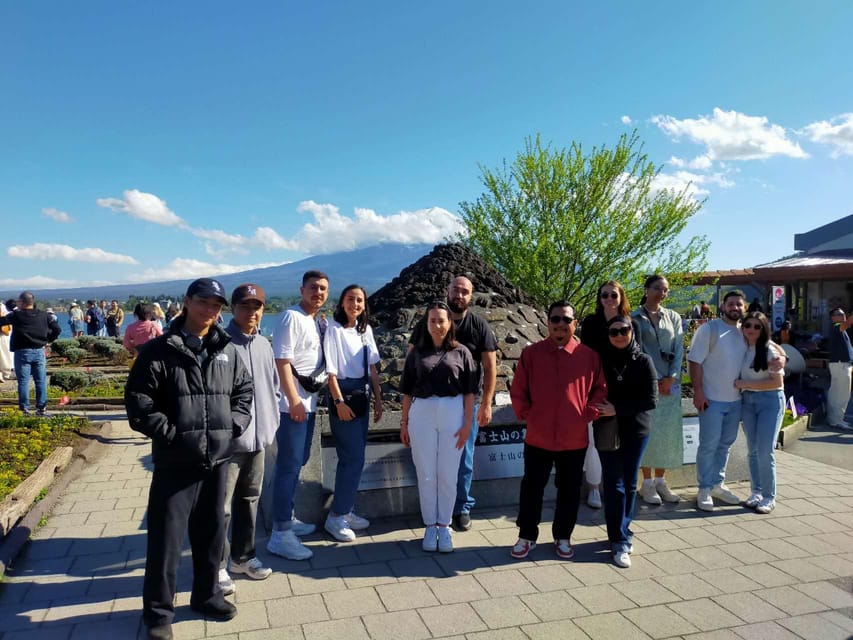
- Group Size, Pace, and What It Feels Like On the Ground
- What’s Included, What’s Not, and How to Budget Like a Pro
- Practical Tips for a Smoother Fuji Photo Day
- Should You Book This Mt Fuji and Lake Kawaguchiko Tour?
- FAQ
- What is the meeting point for the tour?
- What time does the tour start and how long is it?
- Which languages are available for the live guide?
- What is included in the price?
- Are meals included?
- What are the main seasonal changes for late October to mid November?
- Is free cancellation available?
Key Things to Know Before You Go
- Chureito Pagoda views from the steps give you that classic Mt Fuji framing in any season
- Oshino Hakkai is UNESCO-listed, and the pond reflections are the main reason to come
- Hidakaya Clock Street offers a quiet, Fuji-at-the-end composition you can actually walk and shoot
- Seasonal Lake Kawaguchiko stops swap between Oishi Park and the Maple Corridor depending on dates
- Small group option up to 13 or a larger bus means you’ll have different levels of flexibility
- No meals included, so plan to grab snacks during the scheduled break
Fuji from Tokyo: the other approaches
- Mt Fuji and Hakone 1-Day Bus Tour Return by Bullet Train
★ 5.0 · 26,383 reviews - Mt Fuji & Hakone Cruise, Drum Show Bullet Train 1 Day from Tokyo
★ 4.0 · 7,413 reviews - Tokyo Mt Fuji 5th St & Hakone Cruise Bus Tour w/Bullet Train
★ 4.4 · 5,024 reviews - From Tokyo: Mount Fuji Full-Day Sightseeing Trip
★ 4.5 · 4,970 reviews
Why This Fuji Day Trip Works From Tokyo Station
This is a classic one-day “best of Fuji” structure: you leave Tokyo early, hit multiple viewpoints, and return the same evening. At $58 per person for a 10-hour day, the value comes from what’s included, not from the sights alone. You’re paying for transportation, a guide, and a driver, plus fuel, tolls, and parking, so you’re not spending your day figuring out buses and train connections.
The best part is that you get variety without changing hotels or doing anything complicated. You see a pagoda viewpoint, a UNESCO pond area, a small traditional street, and then Lake Kawaguchiko, where the seasonal colors do their thing.
This works best if you have limited time in Tokyo or you’re the type who wants “iconic first” without sacrificing a couple of calmer moments.
Tokyo Station Meeting: The Part That Can Make or Break the Morning
You meet at Tokyo Station Marunouchi North Exit, specifically at 1-chōme-9-1 Marunouchi. The planned start is 7:50 meet time, with departure at 8:00, and you get back by about 6:50.
A detail worth taking seriously: the tour operator sends your guide’s phone number and a photo of the meeting point, plus the car license plate number and the flag color the day before, usually around 7:00 or 8:00 PM. Your guide will be holding a blue flag for recognition.
If you don’t see the message, check your spam folder. One past booking had a communication problem that made the flag color change hard to spot, and that nearly turned into a missed bus situation. It’s rare, but the fix is easy: don’t rely on memory alone. Use the emailed photo and license plate number to confirm you’re in the right place.
Getting Out of the City: The 105-Minute Ride to Fuji Country
Once you’re on the road, the day turns into a long, uninterrupted move toward Mt Fuji. The coach time is about 105 minutes each way, so you’re not just “passing time.” You’re in transit mode, which means you should treat the morning like part of your itinerary.
There’s no mention of meals being served, and food isn’t allowed in the vehicle, so the safest plan is to bring nothing messy for the bus ride. If you want snacks, save them for the stops, including the scheduled break at Lawson.
The ride also matters because Mt Fuji views are weather-dependent. The tour’s structure gives you multiple chances at different locations rather than betting everything on one viewpoint.
- Mt Fuji and Hakone 1-Day Bus Tour Return by Bullet Train★ 5.0 · 26,383 reviews
- 1-Day Tokyo Bus Tour★ 5.0 · 14,250 reviews
- Tokyo: teamLab Planets TOKYO Digital Art Museum Entry Ticket★ 4.6 · 9,779 reviews
- Mt Fuji & Hakone Cruise, Drum Show Bullet Train 1 Day from Tokyo★ 4.0 · 7,413 reviews
- Tokyo Mt Fuji 5th St & Hakone Cruise Bus Tour w/Bullet Train★ 4.4 · 5,024 reviews
Arakurayama Sengen Park and Chureito Pagoda: The Classic Fuji Shot
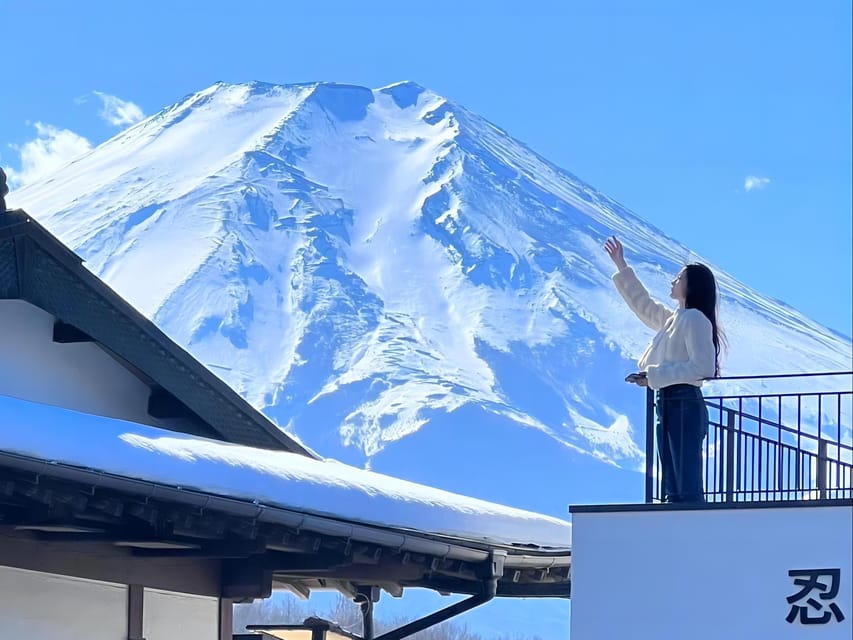
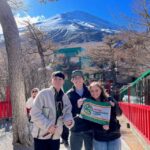
Arakurayama Sengen Park is the early anchor of the day, with a stop around 10:30 to 11:30. You’ll walk toward the area known for the Chureito Pagoda, taking in the wide, iconic composition Mt Fuji lovers chase.
This is the stop for the photo people and the everyone-else-too moment. You climb steps, you get close to the pagoda viewpoint, and you spend enough time to try multiple angles instead of one quick snapshot.
What I like about this stop: it’s instantly recognizable, and it gives you that classic “Fuji as the main character” framing. The fact that you get time to walk helps, because you can reposition rather than just standing where the crowd points you.
A practical consideration: comfortable shoes help here. You’re doing walking time and step climbing, so wear something you can do confidently for more than a few minutes.
Hidakaya Clock Street: Fuji Framed by a Quiet Lane
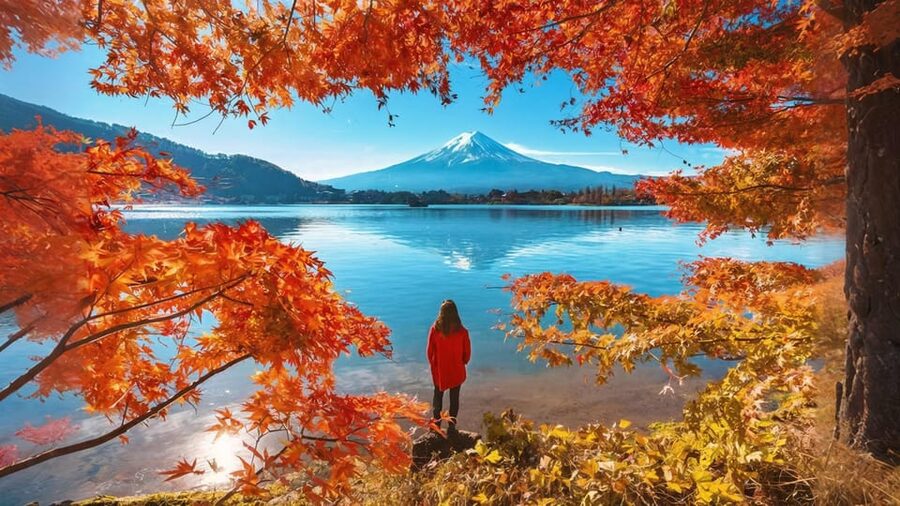
Next up is Hidakaya Clock Street, where the stop runs around 11:45 to 12:05. Even though the time is short, this is a different vibe from the pagoda viewpoint: a more human-scale street where Mt Fuji appears at the end of the lane.
This is nicknamed the Heavenly Town under Fuji, and the idea is simple. You’re looking for a composition that feels like a story instead of a postcard. With a guide in front of you, you can focus on where to stand and when to frame instead of searching for the best spot on your own.
If you’re traveling with a camera, bring the habit of pausing. This type of street photo often needs a few tries with steps, shadows, and people moving through the frame.
Oshino Hakkai: UNESCO Ponds and Fuji Reflections
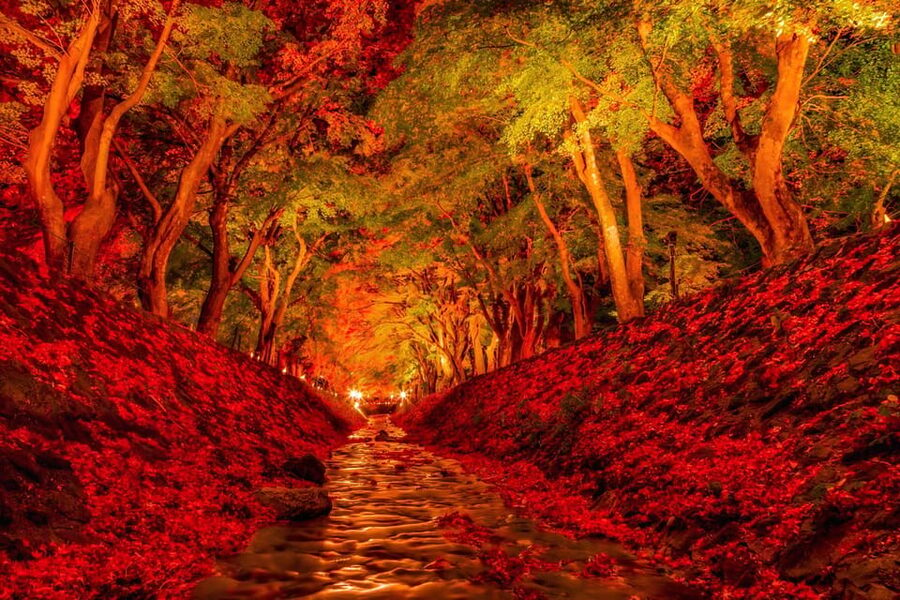
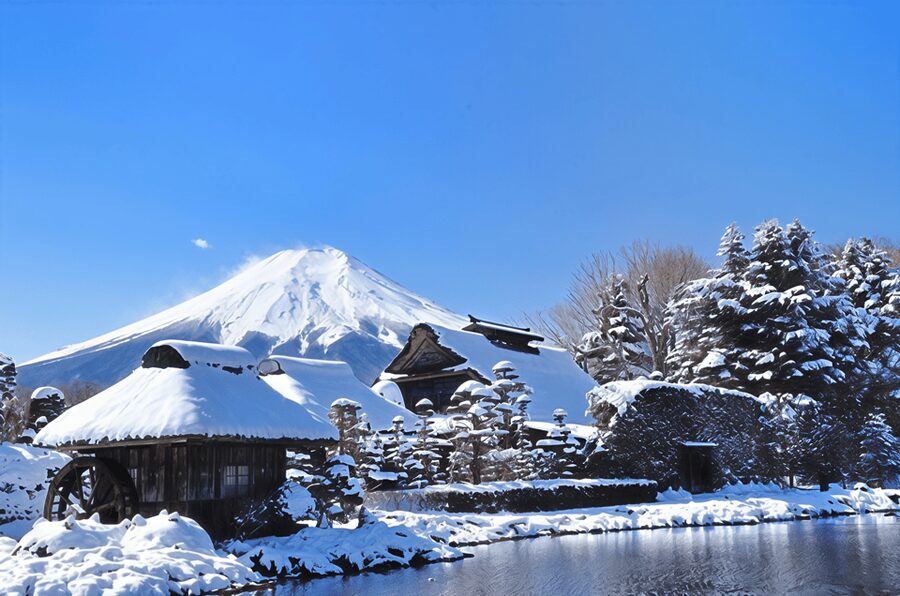
Oshino Hakkai is where the day turns calmer. You’ll spend about 80 minutes in the area, roughly 12:30 to 13:50, and it’s a UNESCO World Heritage site.
Here, the headline is the crystal-clear ponds that reflect Mt Fuji. This is less about one iconic structure and more about reading the water and light at ground level. Expect a peaceful setting where you can slow down and get photographs that don’t look like you were just at a theme landmark.
Why this stop is valuable: it balances the morning’s “iconic peak” views with something quieter and more atmospheric. If your day feels like a photo sprint, Oshino Hakkai is the speed reducer.
If you like reflective shots, this is one of your best bets on the entire route. Give yourself enough time to try different angles from where the water sits in relation to Mt Fuji.
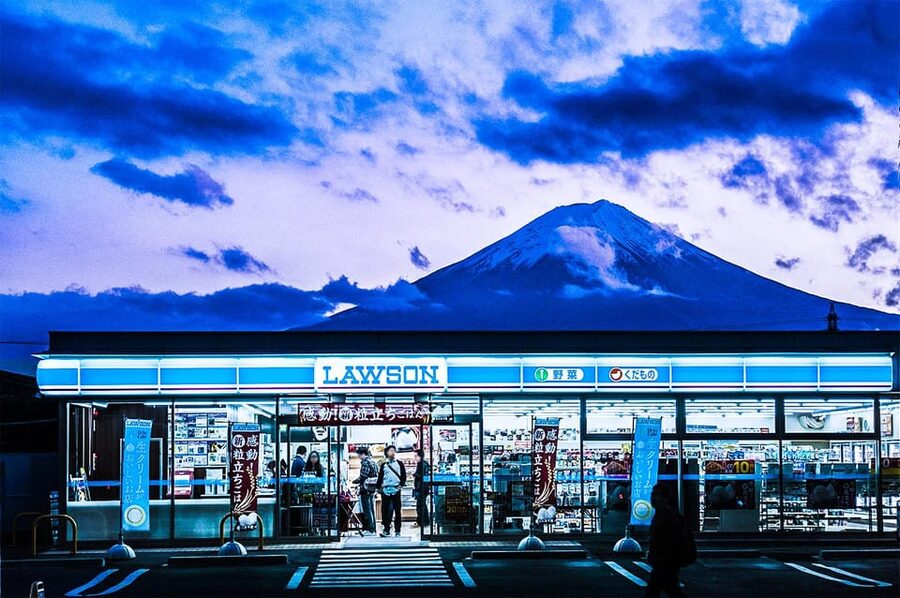
Lawson Kawaguchiko Station: The Unexpected Photo Break
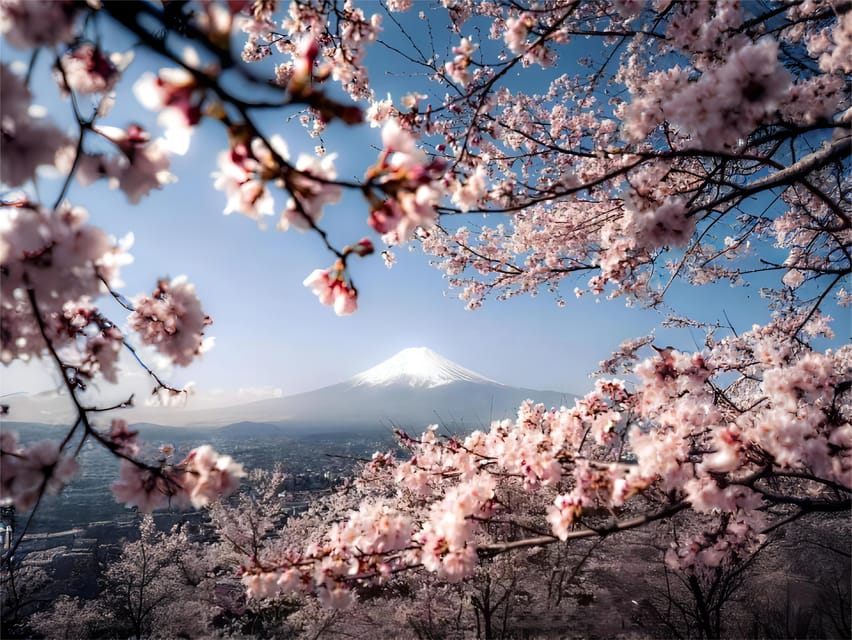
You’ll have a break around 14:30 to 14:50 at LAWSON Kawaguchiko Station. Yes, it’s a convenience store, and yes, it can be a very effective photo stop.
The key is timing and framing. You get a short window to take the classic street-meets-Fuji style shot, then use the time to grab a quick treat or local snack. The tour structure even lists shopping and personal time here, which helps because meals are not included.
This is also one of the only parts of the day where you can reset without feeling like you’ll miss your “must-see” moment elsewhere.
Lake Kawaguchi and the Seasonal Color Choice
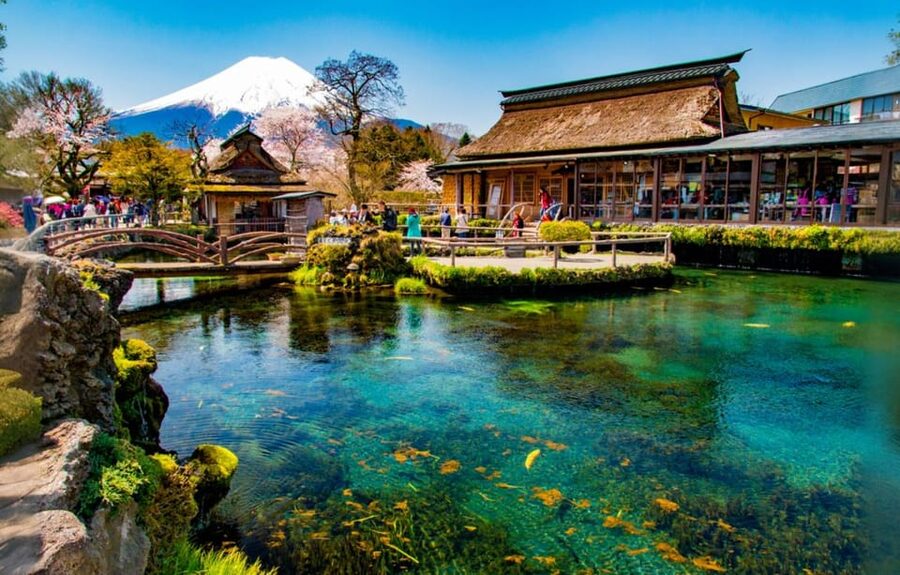
In the late afternoon you go to the lake area, starting around 15:20, with a stop of about 50 minutes. The exact spot depends on the season.
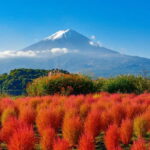
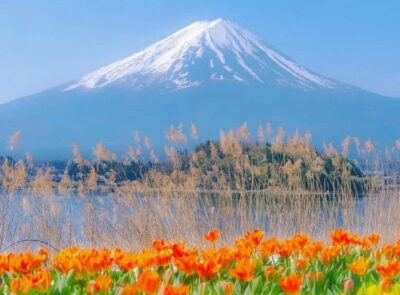
- If you’re in the normal schedule, you visit Oishi Park / Maple Corridor (Seasonal) as listed, with the idea of walking through flower fields and Fuji views in season.
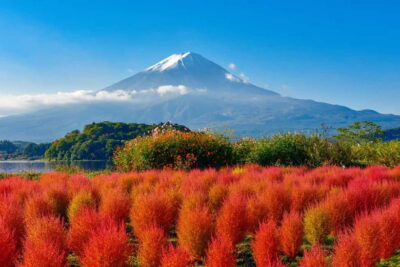
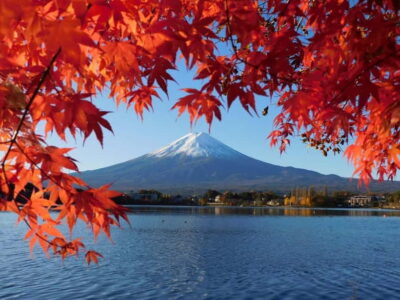
- From approximately October 30 to November 20, the tour visits the Kawaguchiko Maple Corridor instead of Oishi Park to showcase autumn colors.
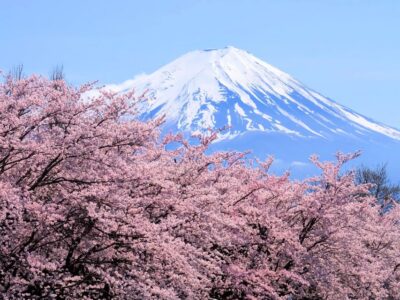
Dates matter because this whole region is seasonal by nature. The tour highlights call out different seasonal moments: cherry blossom season from about March 30 to April 14, and the maple corridor timing from around October 20 to November 20. That’s your clue that you should book based on the month you’re traveling, not just the destination.
How to make this stop work for you: think of it as your “final look at Fuji.” Earlier viewpoints focus on specific structures and viewpoints. This lake stop is about sweeping scenery with seasonal color elements, and it tends to be the kind of place where you want to slow your shutter speed down a bit and watch the light change.
Group Size, Pace, and What It Feels Like On the Ground
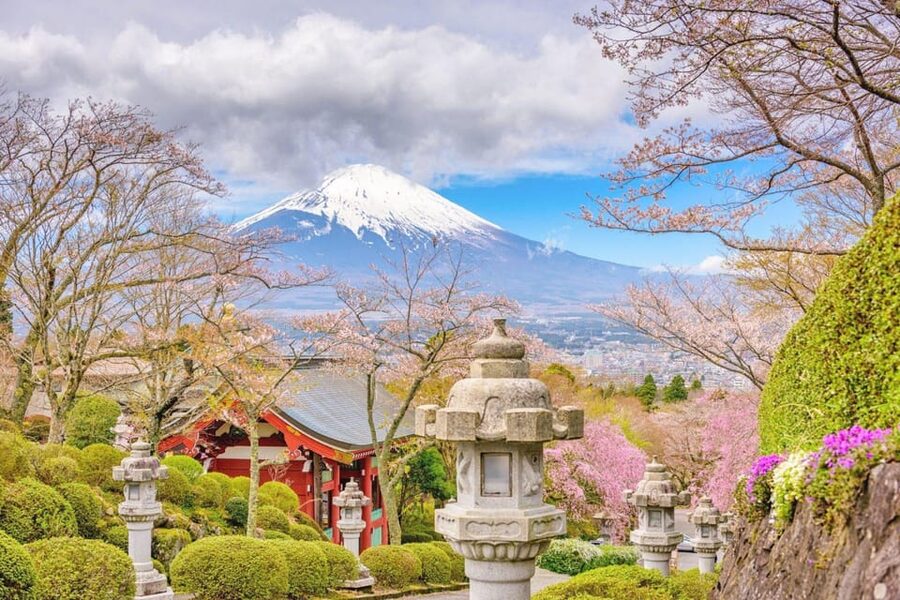
This tour runs either in a small group format, up to 13 guests, or on a larger bus, 14 to 45 guests. That difference changes the feel of your day more than you might expect.
In a small group, the guide can sometimes help you navigate timing, drop-off points, and photo placement faster. On a larger bus, you may find the rhythm becomes more fixed, with fewer chances to linger.
The duration stays the same, and the stops all have defined windows. That’s great for “seeing a lot,” but it also explains the main complaint I’d listen to if you’re sensitive to pace. If you prefer a long, slow day with lots of unplanned time, the structure might feel brisk.
The trade-off is that you do get an efficient set of Fuji moments without spending the entire day in transit planning.
What’s Included, What’s Not, and How to Budget Like a Pro
Here’s the value equation as I see it. For $58 per person, you’re paying for:
- transportation by coach and fuel, tolls, parking fees
- a professional guide and driver for the day
- a day plan with multiple stops
What you still need to cover:
- meals and beverages
- any optional entrance fees to attractions that might come up
- personal expenses like souvenirs or extra activities
So if you’re the kind of traveler who wants lunch included, you’ll have to adapt. The schedule does include a break at Lawson for shopping and local snacks, but you’re still responsible for your own meal decisions.
Also remember there’s one piece of luggage per person allowed. If you bring extra or oversized luggage, there can be an additional fee, so travel light.
Practical Tips for a Smoother Fuji Photo Day
Based on what this route emphasizes, a few habits will make your day easier.
First, prepare for walking. There’s walking time at the park, plus steps, plus time around Oshino Hakkai. Shoes that work for uneven footpaths and stairs matter.
Second, be ready to move. Each stop is scheduled with a start and end time, so if you set up a photo, confirm the pickup time with your guide and don’t disappear behind a crowd.
Third, use the guide’s instructions for drop-off and pick-up points. Clear handoff guidance is what keeps everyone coordinated at Tokyo Station and again in the countryside.
Fourth, bring a simple plan for food. Since food isn’t allowed in the vehicle and meals aren’t included, eat or snack during the breaks.
Fifth, if you’re traveling as a family, there is child-friendly policy for very young kids: children under 2 can ride free with lap seating, and children under 3 are free of charge if they do not occupy a seat.
Should You Book This Mt Fuji and Lake Kawaguchiko Tour?
Book it if you want a one-day way to hit Arakurayama Sengen Park, Chureito Pagoda views, Oshino Hakkai, Hidakaya Clock Street, and Lake Kawaguchiko without building a route yourself. This is also a great fit if you’re traveling in spring or autumn, when the seasonal Fuji looks are part of the point of the trip.
Skip it or consider alternatives if you need wheelchair access, or if you’re pregnant. The tour data says it’s not suitable for wheelchair users or pregnant women.
And think about pace. If you love quick photo sessions and hate planning, you’ll probably feel happy. If you’d rather slow down and linger more than the schedule allows, this day will feel structured.
If you decide to go, set yourself up for success by verifying the meeting details the night before, confirming the flag color and license plate, and showing up at Tokyo Station with extra buffer for the crowd.
FAQ
What is the meeting point for the tour?
You meet at Tokyo Station Marunouchi North Exit, at 1-chōme-9-1 Marunouchi, Chiyoda City, Tokyo. Your guide will be holding a blue flag, and you’ll receive meeting details and a photo the night before.
What time does the tour start and how long is it?
The meeting time is 7:50 AM and the departure is 8:00 AM. The tour runs for about 10 hours and returns to Tokyo Station around 6:50 PM.
Which languages are available for the live guide?
The live tour guide is available in English, Chinese, and Japanese.
What is included in the price?
Transportation with a professional guide and driver is included, along with fuel, tolls, and parking fees. The tour also runs in either a small group up to 13 guests or a larger bus format.
Are meals included?
No. Meals, beverages, and snacks are not included, so you’ll want to buy food during the scheduled breaks.
What are the main seasonal changes for late October to mid November?
From approximately October 30 to November 20, the tour visits the Kawaguchiko Maple Corridor instead of Oishi Park.
Is free cancellation available?
Yes. You can cancel up to 24 hours in advance for a full refund.
Mount Fuji, Three More Ways
Newest Tokyo write-ups from the Loving Japan desk






Mount Fuji Day Trips, side by side.
 ★ 5.0Mt Fuji and Hakone 1-Day Bus Tour Return by Bullet TrainFrom $16326,383 reviews
 ★ 4.0Mt Fuji & Hakone Cruise, Drum Show Bullet Train 1 Day from TokyoFrom $1497,413 reviews
 ★ 4.4Tokyo Mt Fuji 5th St & Hakone Cruise Bus Tour w/Bullet TrainFrom $1545,024 reviews
 ★ 4.5From Tokyo: Mount Fuji Full-Day Sightseeing TripFrom $684,970 reviews
 ★ 4.7Mt. Fuji Tour, Hakone Ropeway, Owakudani, Lake AshiFrom $544,002 reviews
 ★ 4.4Mt.Fuji,Kawaguchiko Oishi Park,Arakurayama Sengen ParkFrom $542,682 reviews
 ★ 4.2Mt. Fuji 5th Station & Hakone Cruise 1-Day Bus TourFrom $1292,381 reviews
 ★ 4.7Mt Fuji Top 5 Spots Day Tour: Arakurayama Park,Oshino HakkaiFrom $532,066 reviews
Filed on these lists too