
REVIEW · NIKKO SHRINES AND WATERFALLS
Tokyo: Nikko Day Tour Shrines, Lake Chūzenji & Kegon Falls
Tokyo to Nikko is a fast change of pace. You get UNESCO shrines and waterfall views in one day, then finish with Edo-period costumes at Edo Wonderland.
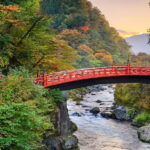
What I like most is how the day is built for comfort and flow, with a private car pickup and a driver who keeps expectations realistic. Another strong plus is the chance to cross the famous red Shinkyo Bridge and then keep moving into the mountain scenery.
One thing to consider: it is a long day. Even with private transport, the drive is often about 2.5 hours each way from central areas, so your pickup spot in Tokyo matters.
Key points that make this Nikko day tour worth planning for
- Private pickup and car choice: You ride in a climate-controlled Prado, Alphard, Crown, Vellfire, or Hiace style vehicle.
- Nikko Toshogu timing: You get time at the shrine complex plus the iconic bridge, so you are not just driving by.
- Mountain scenery that feels like a reset: Lake Chūzenji and Kegon Falls are the big nature anchors of the day.
- More than shrines: Futarasan Shrine and Narabi Jizo add a quieter riverside stop with stone statues.
- Edo Wonderland in the same day: Samurai and ninja shows, plus Edo-period streets, help break up the sightseeing.
- Drivers who manage the day: In multiple trips, guides like Umer, Aaryan, Ali, and Abdul are praised for punctuality, flexibility, and safety.
In This Review
- Why Nikko works so well as a private day trip
- The 10-hour rhythm, and how to make it feel less rushed
- Price and value: $500 per group up to 6, but what you really get
- Comfort details that matter more than you think
- Stop by stop: what Nikko looks like through a full-day route
- Nikko Toshogu Shrine Complex: the main reason most people plan Nikko
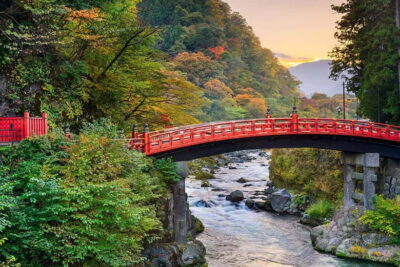
- Shinkyo Bridge: the red icon you will recognize instantly
- Lake Chūzenji: the slow, scenic breath between monuments and falls
- Kegon Falls: the payoff for the drive into the mountains
- Nikko Futarasan Shrine and Narabi Jizo: the calmer side of Nikko
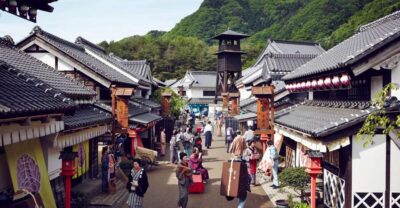
- Edo Wonderland: samurai and ninja show energy, plus Edo streets
- Timing strategy: when to start, and how to protect your best moments
- Weather and what to do when plans change
- Who this Nikko day trip is best for
- A few practical things to pack and remember
- Should you book this Nikko day tour?
- FAQ
- What is included in the Nikko day tour price?
- Are meals included on this day trip?
- Do I need to pay for attraction entry tickets?
- Where will pickup happen in Tokyo?
- Is airport or port pickup available?
- What should I bring for the day?
Why Nikko works so well as a private day trip
Nikko is the rare Japan destination where you can trade city noise for shrine splendor, then switch to lakes and falls without changing hotels or schedules. A private day tour makes that simple. You avoid the hassle of connecting trains and buses, and you get an English-speaking driver who can keep the day moving at a human pace.
The best part is the balance. Nikko Toshogu Shrine Complex is why people come, with its dense, high-detail architecture and ceremonial feel. But Lake Chūzenji and Kegon Falls are the other half of the emotional payoff. One moment you are looking at carved gates and layered temple courtyards, and the next you are staring at a dramatic waterfall in a highland setting.
This tour also gives you a cultural palate cleanser before the theme-park portion. Futarasan Shrine and Narabi Jizo bring a calmer, riverside mood. Then Edo Wonderland ramps the volume back up with samurai and ninja shows and streets designed to feel like a walk through the Edo era.
Up into the Nikko hills by another route
- Nikko: Kegon Falls, Lake Chuzenji & Toshogu Temple
★ 4.6 · 1,577 reviews - Tokyo: Nikko Toshogu Shrine and Kegon Waterfall Tour
★ 4.5 · 1,266 reviews - From Tokyo: Nikko World Heritage Site Private Full-Day Trip
★ 4.9 · 243 reviews - Nikko: Edo Wonderland Edomura Cultural Theme Park Ticket
★ 4.3 · 205 reviews
The 10-hour rhythm, and how to make it feel less rushed
This is a 10-hour private tour. That timing is your friend if you plan smart, because Nikko is far enough from central Tokyo that travel time is real. In at least one case, a pickup from Shibuya still took roughly 2.5 hours each way. If you can, choose a pickup location with easier access to highways and main routes so you protect more time at the sights.
Your driver waits up to 60 minutes beyond the scheduled pickup time. That is useful if your meeting spot is tricky or you are trying to consolidate everyone without panic. The flip side is you still want to be ready. This tour is built on an efficient route, and waiting too long compresses time at later stops.
The day is designed to be flexible, too. If weather turns ugly, the operator may adjust the plan, and a driver can sometimes shift the emphasis to keep the most important highlights on the agenda. In one rainy experience, the driver helped make it to the Chuzenji area for snowfall views when possible, which is exactly the kind of day-saving move you hope for.
Price and value: $500 per group up to 6, but what you really get
The price is listed as $500 per group up to 6. The tour can accommodate up to 7 people, so if your group is right at the limit, you will want to confirm how the operator will count your party for the vehicle size and booking. Either way, the value question is not just about the base cost. It is about what you avoid.
You are paying for:
- private, climate-controlled transport
- hotel-area pickup within Tokyo’s 23 wards
- an English-speaking driver
- onboard Wi-Fi hotspot
- tea, coffee, and water
- all fuel, toll, and parking fees
You are not paying for:
- meals
- attraction entry tickets
- airport and port pickup/drop-off
When I think about value for a day like this, private transport is the big lever. You are traveling long distance, and you are squeezing in multiple destinations. A shared option can save money, but it often loses the time advantage. Here, the private setup is what lets you keep stops organized, ask questions, and get to the viewpoints you care about.
Comfort details that matter more than you think
This tour is not just about getting from Tokyo to Nikko. It is about how you feel during the ride. The vehicle is climate-controlled, and the driver provides child seats and wheelchair accessibility upon request. At the same time, the tour notes say it is not suitable for wheelchair users, so this is one of those cases where you should confirm the practical reality directly with the operator before you assume access will work. If you need accessibility support, ask early and get a clear answer in writing if possible.
Other comfort touches:
- onboard Wi-Fi hotspot so you can plan photos, maps, or sanity breaks
- complimentary tea, coffee, and water
- photo and video assistance available, which is handy at places where you want a clean shot on Shinkyo Bridge or at the falls viewpoints
And you get an English-speaking driver, with the service listing also including Urdu, Japanese, and Hindi. That matters because it is easier to ask quick questions about where to stand, how long to stay, or what the best approach is in rain or fog.
- Mt Fuji and Hakone 1-Day Bus Tour Return by Bullet Train★ 5.0 · 26,383 reviews
- 1-Day Tokyo Bus Tour★ 5.0 · 14,250 reviews
- Tokyo: teamLab Planets TOKYO Digital Art Museum Entry Ticket★ 4.6 · 9,779 reviews
- Mt Fuji & Hakone Cruise, Drum Show Bullet Train 1 Day from Tokyo★ 4.0 · 7,413 reviews
- Tokyo: Shinjuku Food Tour (13 Dishes at 4 Local Eateries)★ 5.0 · 6,603 reviews
Stop by stop: what Nikko looks like through a full-day route
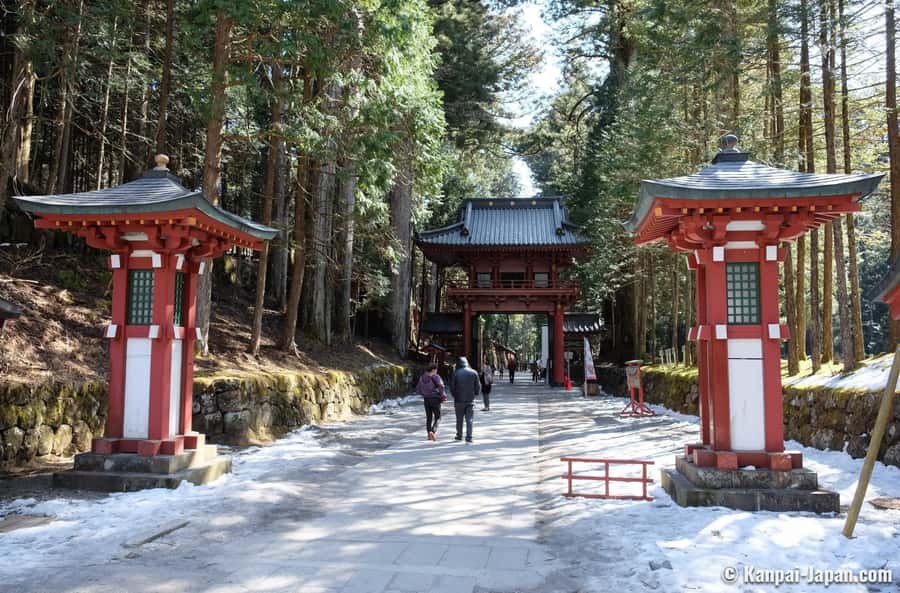
Nikko Toshogu Shrine Complex: the main reason most people plan Nikko
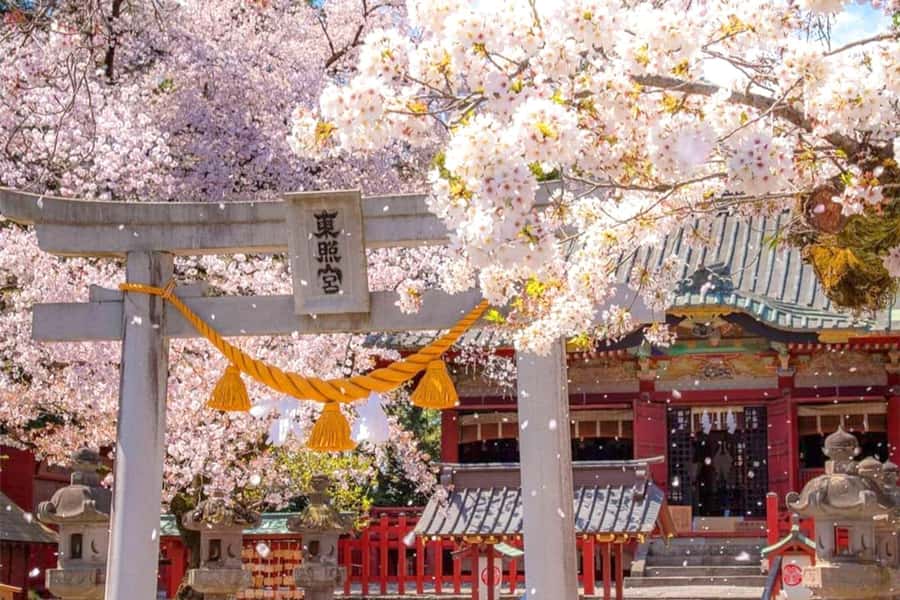
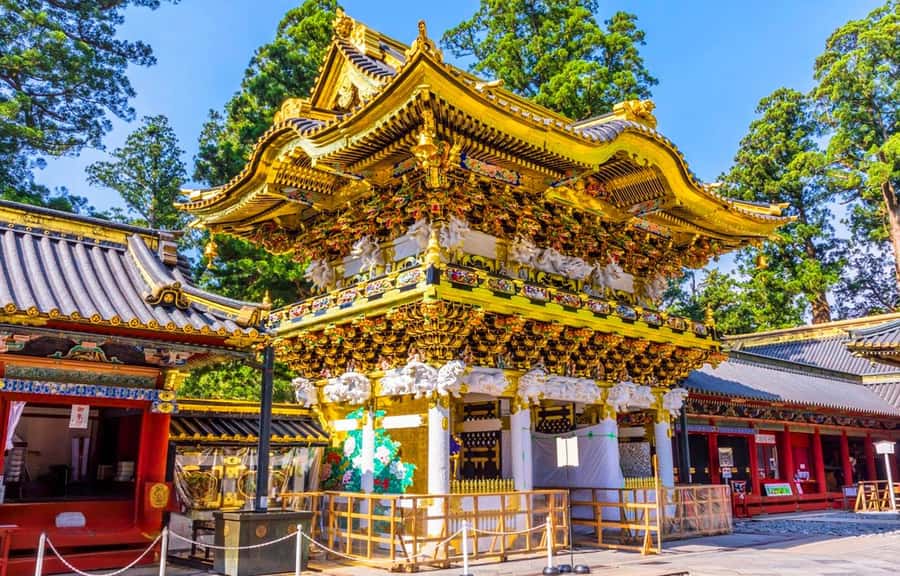
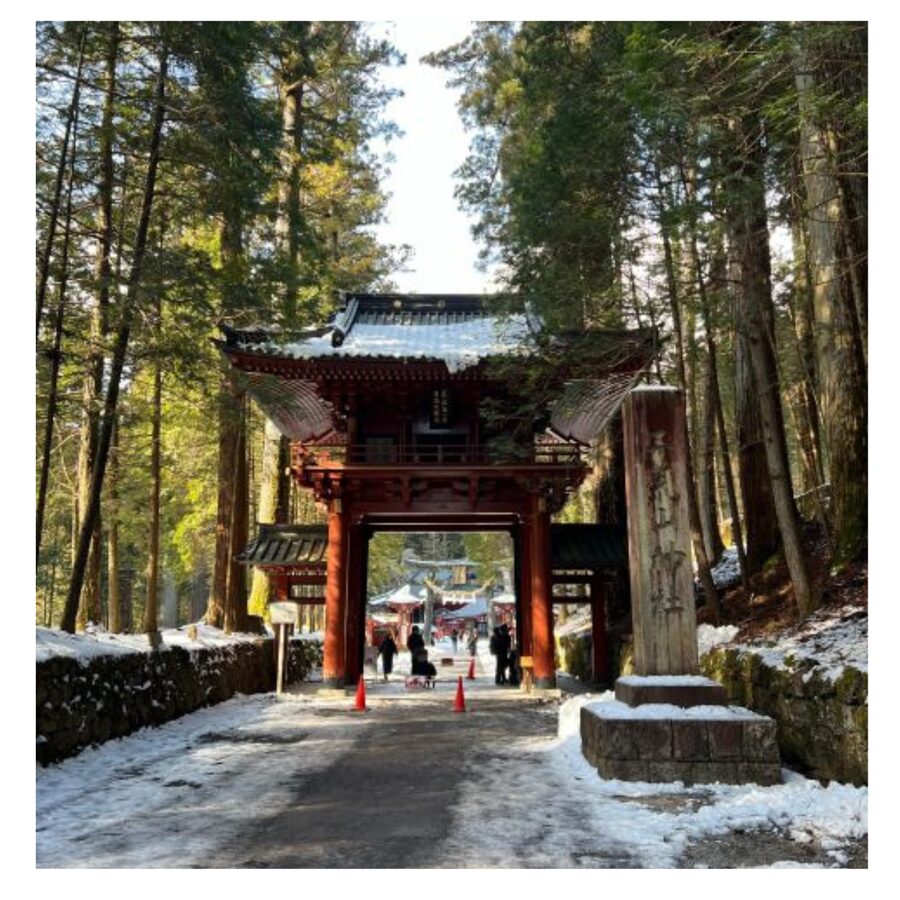
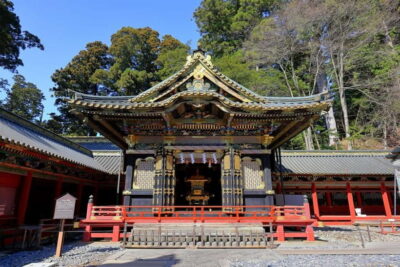
Nikko Toshogu Shrine Complex is the anchor. Expect a dense set of buildings and gates with ornate detail and a sense of ceremony. This is not a quick peek spot. You will want time to slow down, look up, and let your eyes adjust to the layers.
A private day trip works well here because the driver can manage the pace. In real-world trips, drivers like Abdul and Ali have been praised for explaining the area and keeping things organized so you can see the key elements without feeling swept along.
Tip for your visit: wear comfortable shoes. Even if the walking is not extreme, shrine grounds add up. Also, if you care about photos, plan to pause more than you think. The main structures reward stopping at multiple angles.
Shinkyo Bridge: the red icon you will recognize instantly
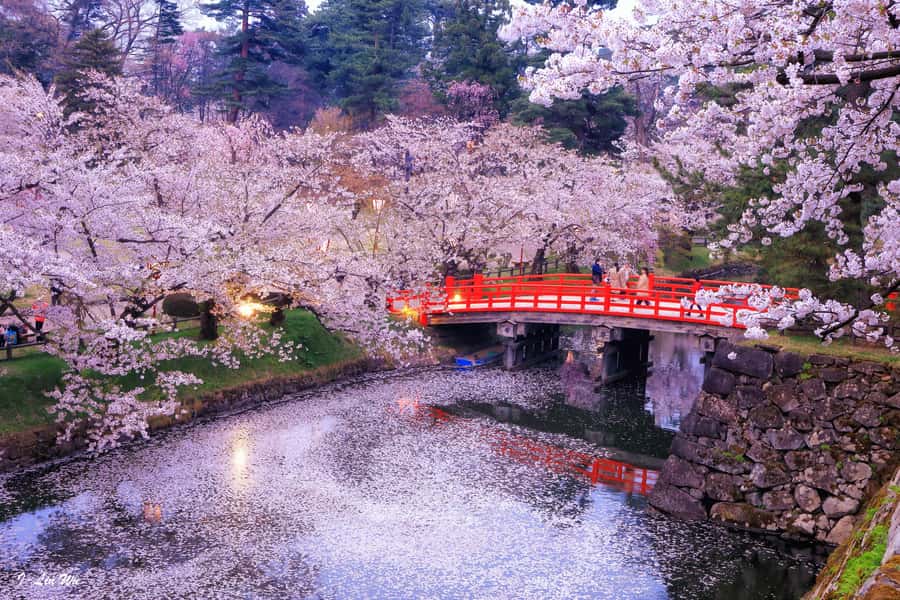
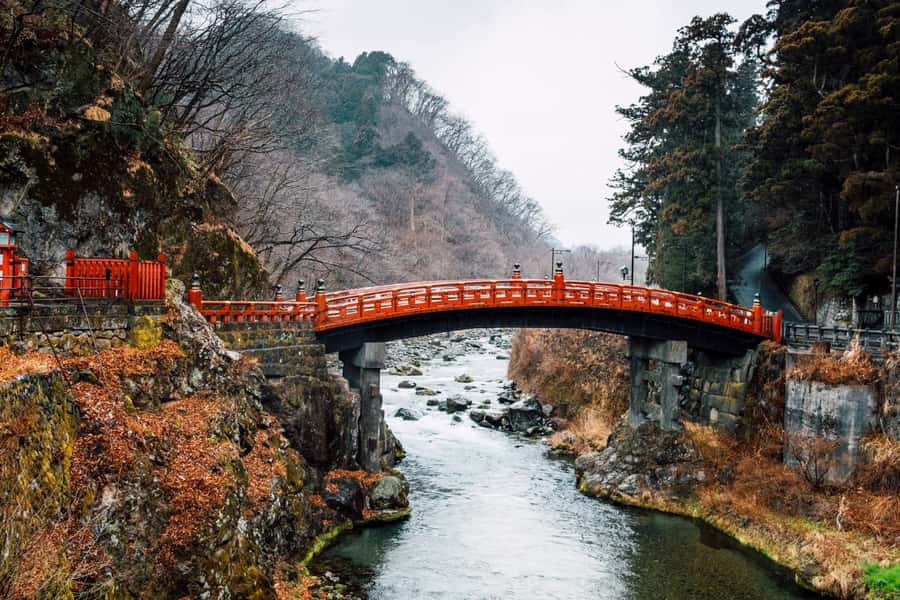
The red Shinkyo Bridge is one of those places that looks like a postcard even before you get close. Crossing it is a small moment, but it is memorable because the bridge is so instantly recognizable and because the setting frames the water and surrounding scenery.
This is also a great place for your first round of group photos. The tour includes photo and video assistance, which is helpful if you have trouble getting everyone positioned together without awkward arm stretching.
Lake Chūzenji: the slow, scenic breath between monuments and falls
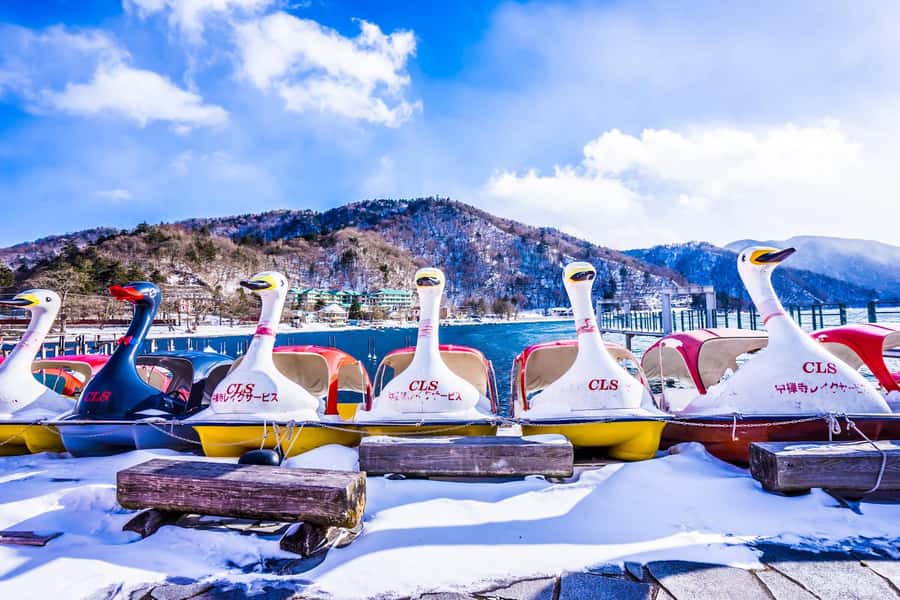
Lake Chūzenji is the point where Nikko shifts from architecture to atmosphere. Here the pace feels different. Even in less-than-perfect weather, the lake area gives you a broad sense of space. This matters because it breaks up the day so your energy is not locked into shrine mode.
If rain is around, it can still be worth it. In one rainy experience, the driver helped push toward Chuzenji to catch snowfall views. That is not something you can rely on, but it shows how drivers try to work with conditions to keep the scenery game strong.
Kegon Falls: the payoff for the drive into the mountains
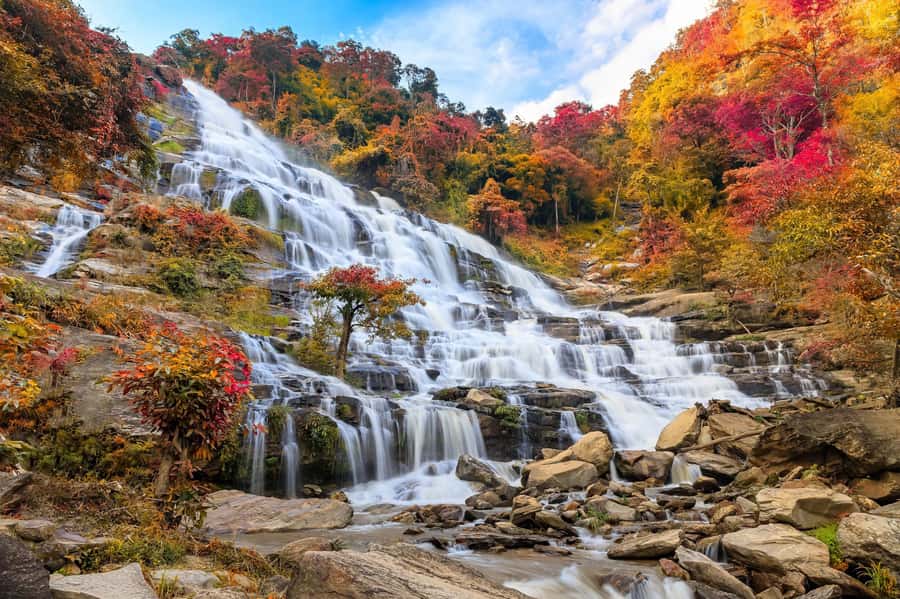
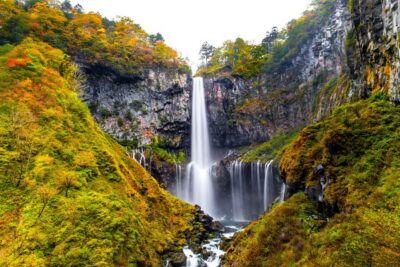
Kegon Falls is one of Japan’s most famous waterfalls, and for good reason. You go from red lacquer bridge imagery to real, physical scale. The falls viewpoint experience tends to make people stop talking for a minute. It is that kind of natural highlight.
Practical note: waterfalls and mist can mean slippery spots. Wear shoes with solid grip. If you brought sunscreen, use it even on cooler days, because weather can shift fast in mountain areas.
If weather is truly bad, the best move is to keep expectations flexible. The operator may reschedule or adjust due to adverse weather. That is not ideal, but in a mountains-and-waterfalls day, it is realistic.
Nikko Futarasan Shrine and Narabi Jizo: the calmer side of Nikko
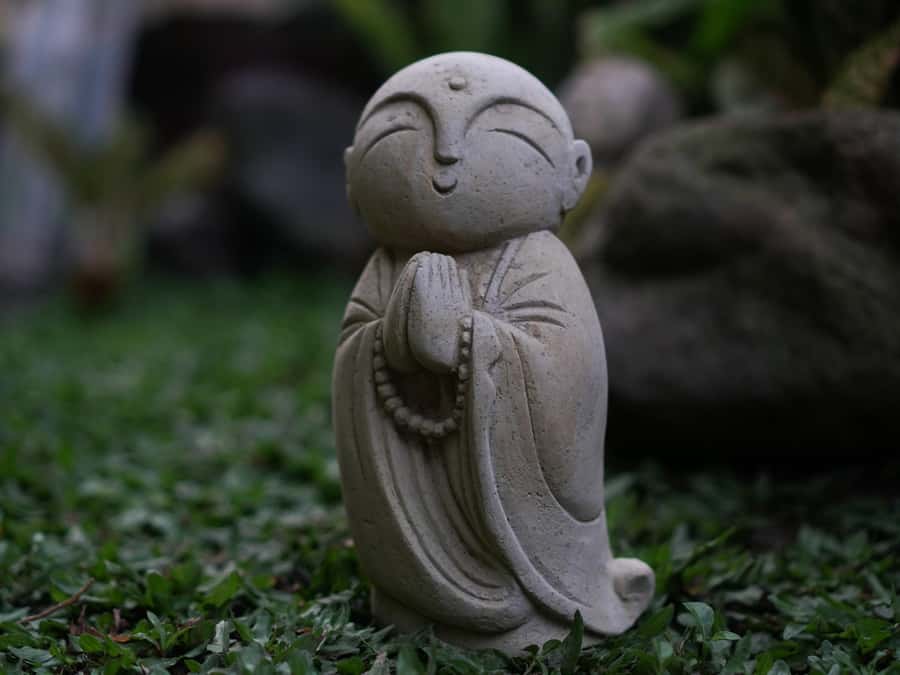
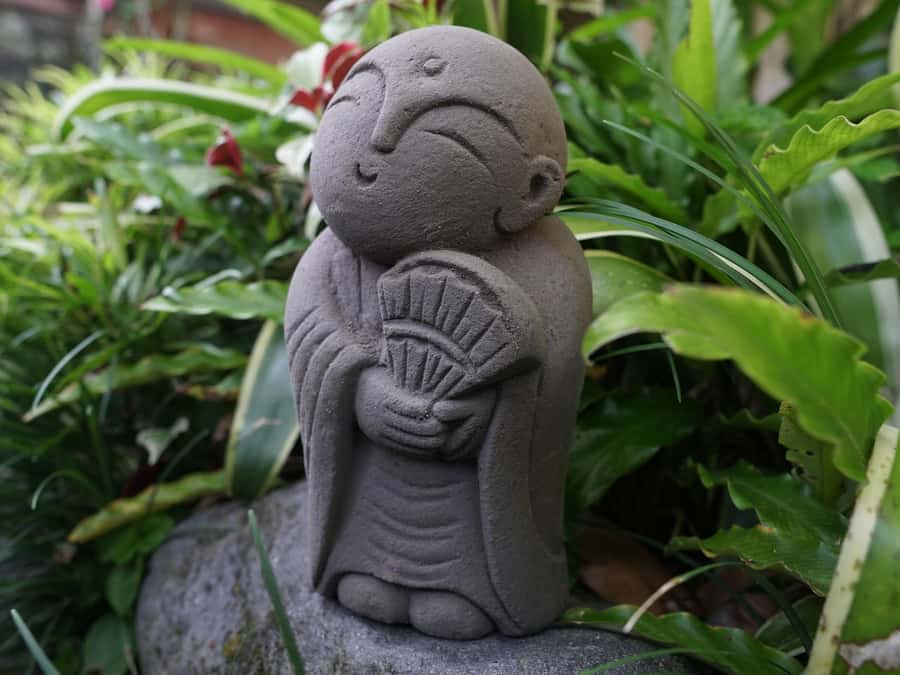
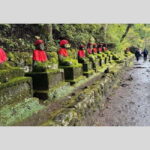
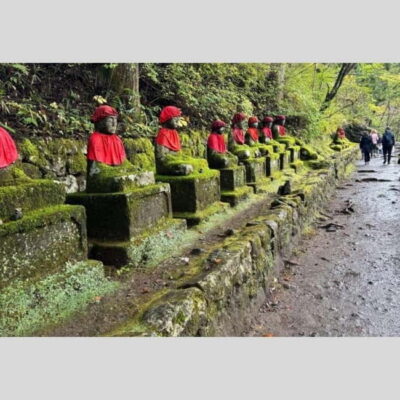
Not every Nikko day trip includes this side, but it is a smart addition. Nikko Futarasan Shrine brings a more grounded, spiritual stop that feels less like a photo checklist. Then Narabi Jizo adds something visually memorable but different, a riverside path lined with stone statues.
This is where the day becomes more than a highlights reel. You get a quiet interlude, and it often feels like a change from the louder spectacle stops. If your group includes kids, this calmer section can be a useful reset because it is easier to walk through slowly.
If you are the type who enjoys knowing the difference between shrine and temple styles, this portion is a good moment to ask your driver. One trip included a driver who clearly explained the distinctions, which made the experience click for someone who started with no background.
Edo Wonderland: samurai and ninja show energy, plus Edo streets
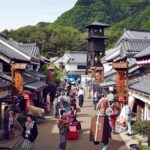
After the outdoors, Edo Wonderland acts like a time machine. You get samurai and ninja shows and Edo-period streets. It is entertaining, and it is also useful for pacing. When you have a full-day itinerary with multiple nature stops, a structured, indoor or staged attraction can keep the day from drifting.
This part is especially good for:
- families who want interactive, performance-based moments
- couples who want something lighter after temples and waterfall views
- anyone who likes costumes, characters, and story-driven experiences
Just remember that this is an additional stop with attraction entry tickets not included in the tour price. Plan budget for that so you do not get surprised at the gate.
Timing strategy: when to start, and how to protect your best moments
One of the most useful bits of advice from real experiences is starting early. Umer suggested a 7 am start to avoid Tokyo traffic, and it is hard to argue with that. Even if you live in central Tokyo, leaving at a reasonable hour helps you arrive with more daylight and better conditions for outdoor stops.
If you can, plan your pickup point to reduce travel friction. In one example, the drive from Shibuya was still about 2.5 hours each way, which means your middle-of-the-day time can get squeezed if you lose time in traffic. An earlier departure plus a convenient pickup can make your time at Lake Chūzenji and Kegon Falls feel more complete.
Also, communicate preferences early. Some guides in these trips were flexible, letting the group align the day with what they wanted to prioritize. In one case, Aaryan was described as letting people do exactly what they desired, so your priorities are not just noted, they can shape the order and pace.
Weather and what to do when plans change
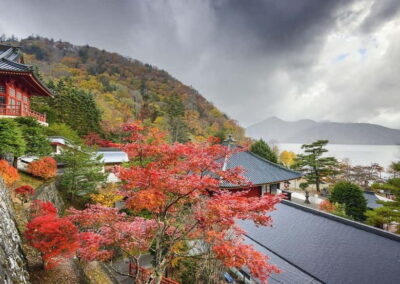
Nikko is a mountain destination. That means weather can shift quickly. Rain can make temples less enjoyable from a walking standpoint and can add mist to the falls experience. Fog can hide views. Snow can make everything magical but also slow down travel.
The tour notes say tours may be rescheduled due to adverse weather or other unforeseen circumstances. In practice, the best outcomes tend to come from drivers who are proactive. In a rainy trip, Aaryan helped maximize the day and even guided a route to see snowfall at Chuzenji, which shows the value of having someone who can react, not just follow a rigid script.
My practical advice: bring sunscreen, comfortable clothes, and comfortable shoes. Pack a daypack for layers. If rain hits, you will feel better having basic weather gear, even if umbrellas may be offered in some situations.
Who this Nikko day trip is best for
This tour fits a lot of groups because it balances culture and nature, then adds entertainment at the end.
I would point it to:
- couples who want a stress-free day and do not want to wrestle with transport changes
- families with kids who can handle a long day but want structured, fun stops at Edo Wonderland
- small groups who value comfort, want photo help, and like having time guidance
- people who care about safety and clear communication from the driver
It is also good for first-timers to Nikko because the flow makes the destination make sense: shrines, bridge, lake, falls, calmer riverside statues, then Edo-era performance energy.
A few practical things to pack and remember
From the tour guidance, bring:
- comfortable shoes
- sunscreen
- comfortable clothes
- a daypack
Also keep in mind what is not allowed in the vehicle. Smoking is not allowed, and alcohol and drugs are not allowed. The list also includes no making fire and no fireworks, which is standard for most tour settings.
Meals are not included, so plan lunch on your own. One driver recommended an excellent spot for lunch in an experience I saw, which is exactly what you should ask for if you have dietary needs or a timing preference.
Should you book this Nikko day tour?
If you want one day in Nikko that feels organized, comfortable, and rich in variety, I think this is a strong choice. The private transport, the shrine and waterfall pairing, and the added Edo Wonderland stop make it feel like a complete Nikko experience instead of a rushed checklist.
I would hesitate if you:
- have limited patience for long drives from Tokyo
- expect meals and attraction tickets to be included
- need confirmed wheelchair accessibility without any contradictions, in which case you must ask the operator carefully up front
If you can handle a full day, plan a smart pickup location, and start early, this tour is the kind of day trip that makes Nikko feel like more than a side trip. It is culture, nature, and a bit of theatrical fun, all wrapped in a single smooth route.
FAQ
What is included in the Nikko day tour price?
The tour includes private climate-controlled transport, licensed English-speaking driver, child seats and wheelchair accessibility upon request, onboard Wi-Fi hotspot, all fuel, toll, and parking fees, tea, coffee, and water, and photo and video assistance.
Are meals included on this day trip?
No. Meals are not included, so you will need to plan lunch on your own during the day.
Do I need to pay for attraction entry tickets?
Yes. Attraction entry tickets are not included, so you should budget separately for any paid sites you visit, including Edo Wonderland.
Where will pickup happen in Tokyo?
Pickup is available from any accommodation within Tokyo’s 23 Wards, including areas like Shibuya, Shinjuku, Minato, Chuo, and others listed by the operator.
Is airport or port pickup available?
No. Airport and port pickup and drop-off are not available.
What should I bring for the day?
Bring comfortable shoes, sunscreen, comfortable clothes, and a daypack. The tour also notes restrictions like no smoking in the vehicle and no alcohol or drugs.
Nikko, Up the Hill
Newest Tokyo write-ups from the Loving Japan desk
Nikko Shrines and Waterfalls, side by side.
 ★ 4.6Nikko: Kegon Falls, Lake Chuzenji & Toshogu TempleFrom $891,577 reviews
 ★ 4.5Nikko Toshogu Shrine and Kegon Waterfall TourFrom $841,266 reviews
 ★ 5.0Nikko Full-Day Private Tour with Government-Licensed GuideFrom $155259 reviews
 ★ 4.9From Tokyo: Nikko World Heritage Site Private Full-Day TripFrom $483243 reviews
 ★ 4.3Nikko: Edo Wonderland Edomura Cultural Theme Park TicketFrom $35205 reviews
 ★ 4.8Nikko World Heritage Private Day Trip Hotel Pick-upFrom $390145 reviews
 ★ 4.9Nikko – Beautiful Full-Day Personal and Private TourFrom $364119 reviews
 ★ 5.0Chartered Private Tour – Tokyo to Nikko, Toshogu, Edo WonderlandFrom $1,286105 reviews
Filed on these lists too