
REVIEW · PRIVATE DRIVERS
Tokyo Private Sightseeing Tour by Car and English Speaking Driver
Tokyo makes sense from a car window. This private day tour strings together top landmarks with an English-speaking driver and hotel pickup so you can focus on the sights, not the logistics.
I especially like that you can set your own pace. One of the best parts is how drivers keep you moving while still letting you stay longer when you want, which works great when the crowds feel like they’re winning.
The only real drawback is that the plan is full. If you want to go up Tokyo Skytree, you may not have enough time to comfortably hit every later stop too.
In This Review
- Key things to know before you go
- Why this Tokyo tour works: 9 hours, private pacing, and a driver who handles the city
- Timing reality check: how to fit Skytree and still enjoy the rest
- Stop 1 in Asakusa: Senso-ji and the Kaminarimon atmosphere
- Stop 2 in Sumida: Tokyo Skytree and how to plan for viewpoint time
- Tsukiji Fish Market is now the Outer Market: street food and snack logic
- Ginza and the Imperial Palace Gardens: contrast from shopping to quiet space
- Tokyo Tower in Minato: classic skyline vibes, with tickets not included
- Meiji Jingu in Harajuku: the forest break you will feel in your feet
- Takeshita Street and Omotesando: style, snacks, and architecture in two different flavors
- Shibuya Crossing to end the day: the symbol of Tokyo momentum
- What you get from a private English-speaking driver (and what you should not expect)
- Value for money: $273.90 per group and what makes it feel worth it
- Who this tour is best for
- Should you book this Tokyo private sightseeing tour?
- FAQ
- How long is the Tokyo private sightseeing tour?
- How much does the tour cost?
- Is hotel pickup and drop-off included?
- Do I need to pay for tickets at all the stops?
- Is there an English-speaking driver?
- What is included in the price besides the driver?
- Is there a walking guide during the stops?
- Is the tour private?
- Is the itinerary flexible?
- What is the cancellation policy?
Key things to know before you go
- Private car for up to 3 people means less waiting and easier stops than public transit.
- Drivers often handle timing well, including punctual pick-ups and patient waiting when you linger.
- Two major viewpoints are ticketed separately: Tokyo Skytree and Tokyo Tower (not included).
- Most guidance happens from the car, so you will still do your own wandering inside each site.
- The schedule is ambitious, so you’ll want to plan how long you truly want at each stop.
- Expect crowd energy, especially around Asakusa, Harajuku, and Shibuya Crossing.
Still weighing up options in Tokyo? These are the ones our reviewers rated highest.
- Mt Fuji and Hakone 1-Day Bus Tour Return by Bullet Train
★ 5.0 · 26,383 reviews - 1-Day Tokyo Bus Tour
★ 5.0 · 14,250 reviews - Tokyo: teamLab Planets TOKYO Digital Art Museum Entry Ticket
★ 4.6 · 9,779 reviews - Mt Fuji & Hakone Cruise, Drum Show Bullet Train 1 Day from Tokyo
★ 4.0 · 7,413 reviews
Why this Tokyo tour works: 9 hours, private pacing, and a driver who handles the city
Tokyo is huge, and trying to “optimize” your day with trains can eat hours fast. This tour is built around the simplest idea that actually helps: you get picked up, you ride in an air-conditioned vehicle, and your driver stays ready for the next stop.
The itinerary is a tight loop through classic Tokyo areas, with about one hour at most sights and two shorter hits (Omotesando and Shibuya Crossing are listed at about 30 minutes each). That matters because Tokyo time is rarely forgiving. A private car lets you spend the limited daylight where you feel like it, not where the transit map forces you.
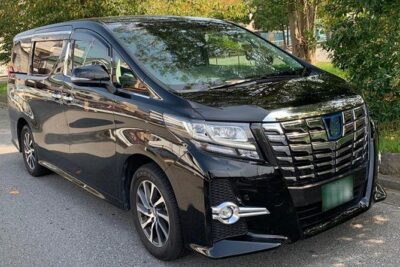
I also like the practical extras included in the price. You get bottled water and the trip cost covers fuel, parking, and tolls, so you are not juggling small payments or figuring out where to pull over. And since it is private, it is just your group, which cuts down the awkwardness of trying to keep pace with strangers.
If you care about communication, the tour’s biggest quality-of-life feature is the English-speaking chauffeur. In the reviews, drivers like Ken, Aki, Bek-san, Jeffrey, Ali, Adam, Louis, and Bob are praised for friendly, capable, and patient service, including good English and practical help.
Timing reality check: how to fit Skytree and still enjoy the rest
Here’s the honest part: this route is full. The stops are all great, but they do not have infinite time. In review feedback, the most common caution is that the day can feel ambitious, especially if you go up Tokyo Skytree.
Tokyo Skytree is not just a photo spot. It has two observation levels listed in the tour info: the Tembo Deck and the Tembo Galleria, sitting high above the city at 634 meters total height. If you plan to spend meaningful time up there, think of it like “a major event,” not a quick stop.
My practical suggestion is simple:
- Decide whether Skytree is a priority for the views.
- If it is, treat other stops as lighter walking and faster sightseeing.
- If it is not, you can enjoy more time later at Meiji Jingu, Harajuku areas, or Shibuya.
The good news is that reviews repeatedly highlight drivers who will wait and adapt. That flexible pacing is real. Just remember flexibility is not magic if every stop turns into an hour-and-a-half.
Stop 1 in Asakusa: Senso-ji and the Kaminarimon atmosphere
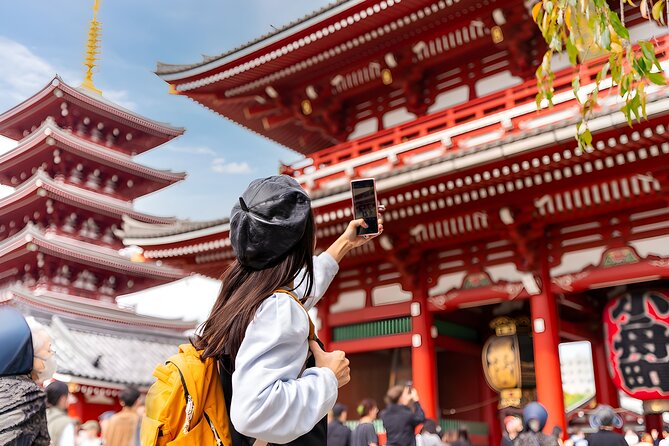
Senso-ji is Tokyo’s oldest and most famous Buddhist temple, founded in 645 AD. Even if you have seen temple photos before, it hits differently when you are walking through the temple approach yourself.
What makes this stop special is the combo of landmarks plus street life:
- Kaminarimon (Thunder Gate), the iconic gateway people photograph from every angle
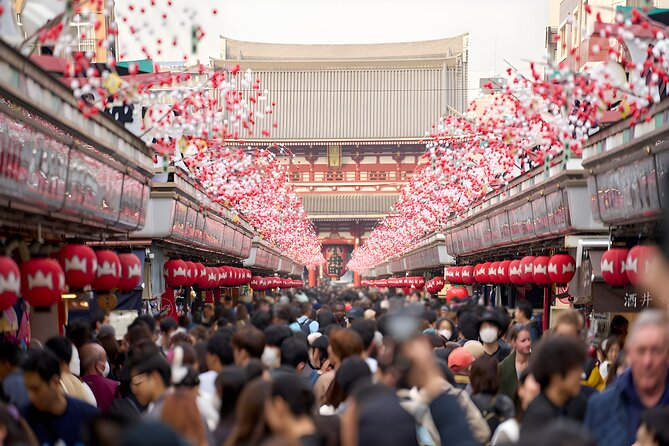
- Nakamise shopping street, where you can browse snacks and small souvenirs while moving toward the temple grounds
This is also the kind of place where you can easily spend 60 minutes without realizing it, because you’ll want photos, and you’ll naturally slow down near the gate. If you like people-watching, Senso-ji is prime for it.
One more practical tip: because the tour is car-based, you do not need to solve train transfers to reach Asakusa. Your driver brings you to the area, and you can focus on the walking part where it matters.
- Mt Fuji and Hakone 1-Day Bus Tour Return by Bullet Train★ 5.0 · 26,383 reviews
- 1-Day Tokyo Bus Tour★ 5.0 · 14,250 reviews
- Tokyo: teamLab Planets TOKYO Digital Art Museum Entry Ticket★ 4.6 · 9,779 reviews
- Mt Fuji & Hakone Cruise, Drum Show Bullet Train 1 Day from Tokyo★ 4.0 · 7,413 reviews
- Tokyo: Shinjuku Food Tour (13 Dishes at 4 Local Eateries)★ 5.0 · 6,603 reviews
Stop 2 in Sumida: Tokyo Skytree and how to plan for viewpoint time
Tokyo Skytree is Japan’s tallest structure at 634 meters and one of those sights that makes the city feel modern in a very physical way. The tour info notes two observation decks, Tembo Deck and Tembo Galleria, plus shopping around the complex.
The key detail for your planning is tickets. Skytree admission is listed as not included. So you should budget extra time to buy tickets and then move through security and elevators. If you want a lot of time at the top, it will squeeze the rest of your day.
How to get value here:
- Go early in your day (this itinerary does that) so you can settle into Skytree without rushing.
- If your group has different priorities, you can adjust how long you spend at the decks versus exploring lower levels.
Also, keep your expectations grounded. Even with a private tour, Skytree is still popular. You will likely share the view with plenty of other visitors.
Tsukiji Fish Market is now the Outer Market: street food and snack logic
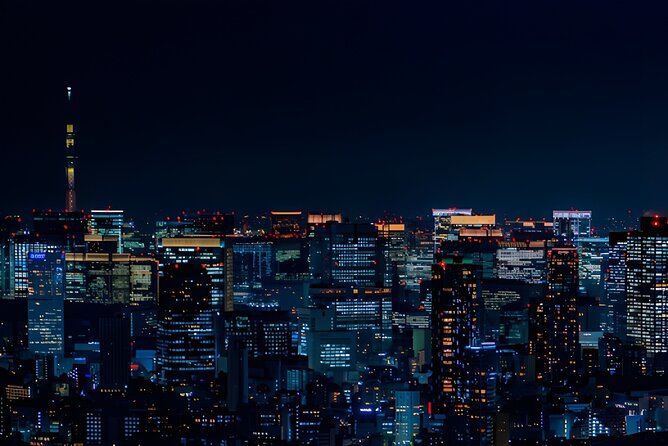
The itinerary calls this out as Tsukiji Fish Market, but the experience you will likely enjoy is the Outer Market area. The info explains that the wholesale market’s role changed over time, and now the outer market is known for:
- street food stalls
- fresh seafood
- Wagyu and local snacks
The admission for this stop is listed as free, which is good, because the real “cost” here is what you decide to eat. One of the best ways to use this hour is to snack with intention. If you treat it like a full meal, you can lose time to lines and choosing.
My favorite approach is to keep a light plan:
- pick 1 to 3 items you really want
- add one souvenir snack if you know you’ll be craving it later
With a driver waiting nearby for the next move, you’re not forced into a rushed meal the way you might be on a tight public-transit schedule.
Ginza and the Imperial Palace Gardens: contrast from shopping to quiet space
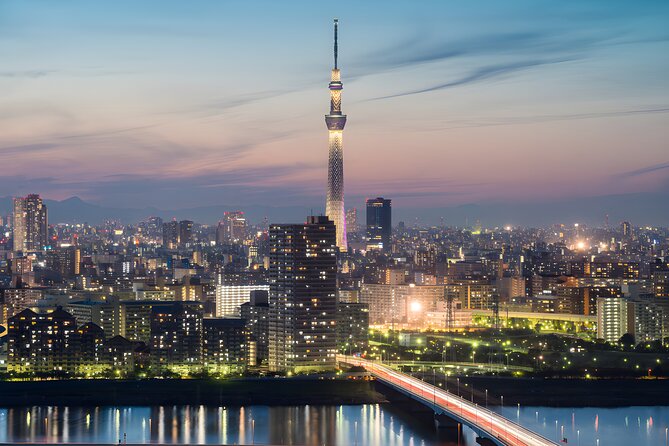
After Tsukiji, you roll into Ginza for about an hour. Ginza is described as Tokyo’s premier shopping and entertainment district, known for luxury boutiques, department stores, fine dining, and modern architecture alongside traditional charm. Admission is listed as free, so this is more about wandering and atmosphere than ticketed attractions.
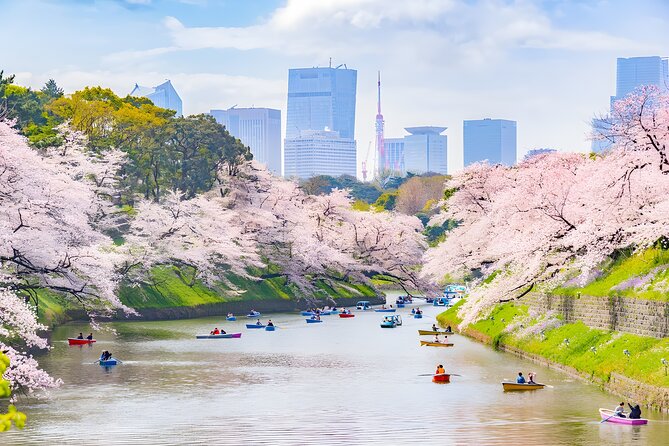
Then the itinerary shifts to Imperial Palace Gardens, another stop with free admission. The tour info frames it as peaceful public areas around the Tokyo Imperial Palace, with historic stone walls, moats, and seasonal flowers.
This pairing is smart because it balances your day:
- Ginza gives you modern Tokyo energy and architecture you can look at from the sidewalk.
- Imperial Palace Gardens give you a calmer pause, where you can slow down and reset before the next crowd-heavy neighborhoods.
I think this is one of the best parts of a private route: you get both extremes without spending an entire day commuting between them.
Tokyo Tower in Minato: classic skyline vibes, with tickets not included
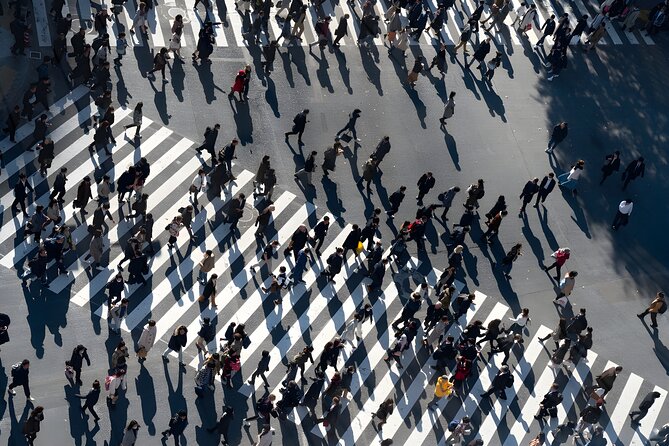
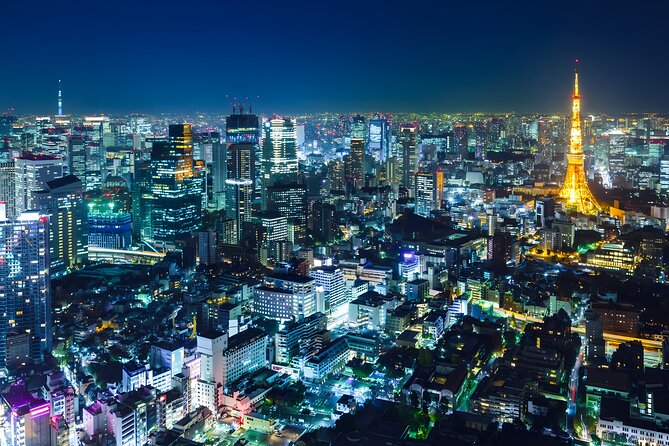
Tokyo Tower is a 333-meter observation and communications tower inspired by the Eiffel Tower. The itinerary gives it about one hour, and like Skytree, admission is not included.
Here’s the practical way to think about it: you are choosing between two different skyline experiences. Skytree is tall and modern, Tokyo Tower is iconic and classic in silhouette. If you are willing to pay for one viewpoint but not both, you can decide based on what the group cares about more.
The payoff, if you do go up, is straightforward: panoramic city views. Even if you do not, Tokyo Tower is still a recognizable landmark that changes the look and feel of the area.
Meiji Jingu in Harajuku: the forest break you will feel in your feet
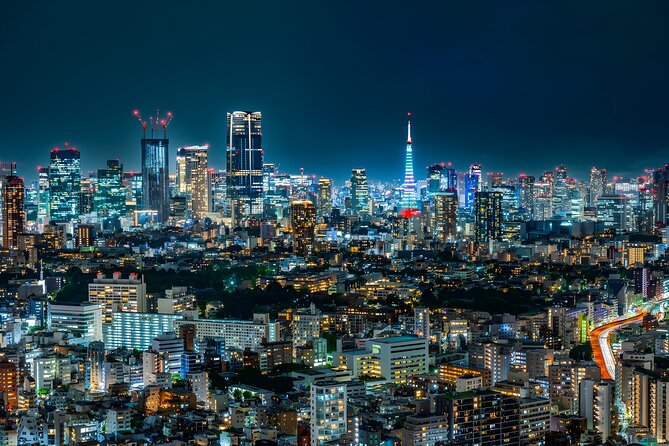
Next comes Meiji Jingu Shrine, listed as a major Shinto shrine dedicated to Emperor Meiji and Empress Shoken. It sits near Harajuku and is surrounded by a peaceful forest, with large torii gates as a defining feature.
Admission is free, and the tour allots about an hour. This is a different kind of “Tokyo” from the shopping districts and crossings. You get space to breathe, walk slower, and feel like the city is temporarily turning down the volume.
From a pacing standpoint, this stop is also a good middle reset before Takeshita Street. If your feet are getting tired, Meiji Jingu tends to reward a slower rhythm.
Takeshita Street and Omotesando: style, snacks, and architecture in two different flavors
Takeshita Street is described as a lively pedestrian street in Harajuku, known for trendy fashion, colorful shops, youth culture, street food, animal cafes, and quirky boutiques. The tour gives it about one hour, and admission is listed as free.
This is where the day gets louder again. It is fun, but it can be crowded and chaotic. If you like people-watching and quick browsing, it is a great match for a short, private-car day. If your group hates crowds, you might want to spend your time at the edges rather than pushing through the densest blocks.
Then comes Omotesando, an elegant avenue often compared to Tokyo’s Champs-Élysées. It’s about 30 minutes with free admission. The point here is architecture and vibe, plus modern cafés and upscale brand streets that feel cleaner and more designed than Takeshita.
I like this combination because it gives you two “Harajuku styles” in one day:
- Takeshita for energy and youth fashion
- Omotesando for sleek, modern streetscape
Shibuya Crossing to end the day: the symbol of Tokyo momentum
You finish with Shibuya Crossing, described as the world’s busiest pedestrian intersection. The tour allots about 30 minutes and notes the bright, energetic feel as hundreds cross from all directions.
This finale works because it is pure Tokyo spectacle. It is not a place that needs deep context to appreciate. You just stand there, watch the movement, and get it.
Also, ending here makes sense logistically. You are finishing near a major transit hub area, and you have already seen enough temples and viewpoints that Shibuya feels like a satisfying wrap-up.
One more practical note: Shibuya can be noisy and crowded. Build in patience. The value of having a driver is not that it removes crowds, it is that it gets you there and then moves you to the next spot on time.
What you get from a private English-speaking driver (and what you should not expect)
This tour does not include a walking guide on-site. Instead, you get insights mostly while riding between destinations. That is totally fine, but you should know what it means for your expectations.
You will do your own exploration inside each stop. If you love going deep on one place with a long guided walk, you might feel limited. If you prefer a structured route plus real-world orientation while moving around the city, this format is a good match.
The review pattern is consistent: drivers are repeatedly praised for being punctual, friendly, accommodating, and ready at the pickup spot. One reviewer specifically noted help for a family member with walking trouble, including dropping closer to the sites and picking up from the same spot. That kind of practical kindness can matter a lot, so if mobility is an issue, tell the operator before the day starts and ask about closer drop-offs.
Value for money: $273.90 per group and what makes it feel worth it
The price is listed as $273.90 per group, up to 3 people. For a 9-hour private sightseeing day, it can be good value because several expensive things are bundled in:
- private air-conditioned vehicle
- English-speaking chauffeur
- fuel, parking, and toll fees
- bottled water
To sanity-check it, think in per-person terms:
- If you fill all 3 spots, you are roughly under $100 per person for the day.
- If you book as 2 people, it becomes closer to the mid $100s per person.
Those numbers matter because Tokyo can be pricey if you rely only on taxis, and time lost to transfers adds up fast. This tour pays for the convenience so you can spend your energy on the actual sights.
The only extra costs you should expect are the ticketed viewpoints for Tokyo Skytree and Tokyo Tower, since those are listed as not included.
Who this tour is best for
This is a strong fit if you want:
- a first-time Tokyo day plan that covers a lot of ground without train stress
- couples and small groups who like flexibility and not being stuck to a rigid pace
- families who want a driver to handle logistics and get you close to each stop
It also suits travelers who prefer highlights over deep-dive museum time. You are moving through temples, viewpoints, market snacks, shopping streets, and the Shibuya finale.
Should you book this Tokyo private sightseeing tour?
Book it if you want a smooth, private day where a driver handles the hard parts: timing, car logistics, and clear stop-by-stop structure. The route is packed with Tokyo classics, and the repeated emphasis on punctuality and patience from drivers like Ken, Aki, Bek-san, Jeffrey, Ali, and Bob signals that the human service side is strong.
Skip it or modify your plan if your group dreams of doing everything slowly. With a 9-hour window and major ticketed viewpoints, you will need to make choices. If Skytree is a must-do, shorten other stops. If you do not care about both Skytree and Tokyo Tower, you can save money and protect your time.
If you enjoy a day of variety, temple to skyline to street fashion to Shibuya momentum, this tour is a smart way to get there.
FAQ
How long is the Tokyo private sightseeing tour?
The tour duration is approximately 9 hours.
How much does the tour cost?
The price is $273.90 per group, up to 3 people.
Is hotel pickup and drop-off included?
Yes, pickup and drop-off in Tokyo is offered.
Do I need to pay for tickets at all the stops?
Admission is listed as free for several stops, but Tokyo Skytree and Tokyo Tower are listed as not included.
Is there an English-speaking driver?
Yes, the tour includes an English speaking chauffeur.
What is included in the price besides the driver?
Included items are bottled water, an air-conditioned vehicle, and fuel, parking, and toll fees.
Is there a walking guide during the stops?
A walking guide is not included. Insights are provided mostly while you are in the car between destinations.
Is the tour private?
Yes. It is a private tour/activity, and only your group participates.
Is the itinerary flexible?
Yes. The itinerary is described as customizable and flexible to match your interests and pace.
What is the cancellation policy?
Free cancellation is available up to 24 hours in advance for a full refund. If you cancel less than 24 hours before the start time, the amount paid is not refunded.
Newest Tokyo write-ups from the Loving Japan desk
Private Drivers, side by side.
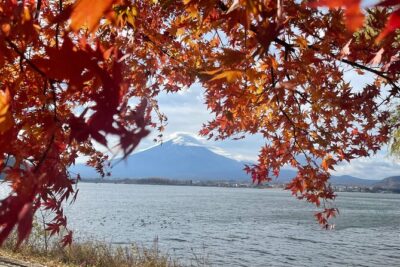 ★ 5.0Mt Fuji Private Tour with English Speaking DriverFrom $415861 reviews
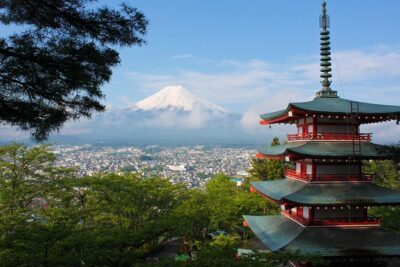 ★ 4.5Mt. Fuji & Hakone Private Day Tour with English-Speaking DriverFrom $453824 reviews
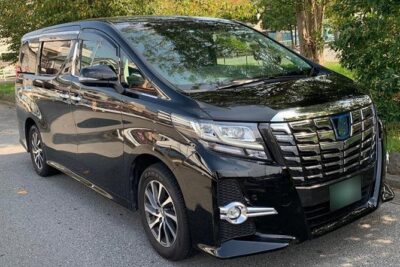 ★ 4.5Haneda Airport (HND) Private Transfer to Central TokyoFrom $104636 reviews
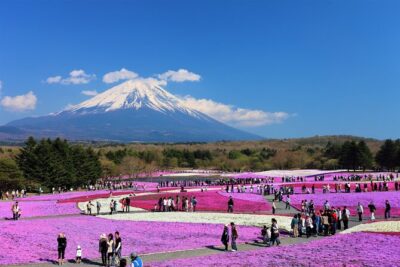 ★ 4.5Mt. Fuji, Hakone Full-Day Private Tour with English Driver GuideFrom $495458 reviews
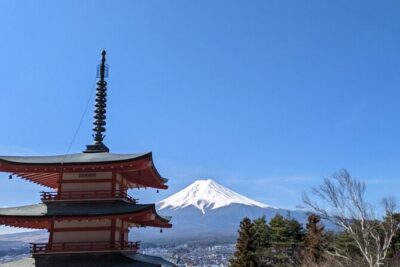 ★ 5.0Mt. Fuji Day Trip from Tokyo with English Speaking Driver GuideFrom $497443 reviews
★ 4.5Mt. Fuji Private Tour with English Speaking DriverFrom $464402 reviews
★ 5.0Mt. Fuji Day Trip from Tokyo with English Speaking Driver GuideFrom $497443 reviews
★ 4.5Mt. Fuji Private Tour with English Speaking DriverFrom $464402 reviews
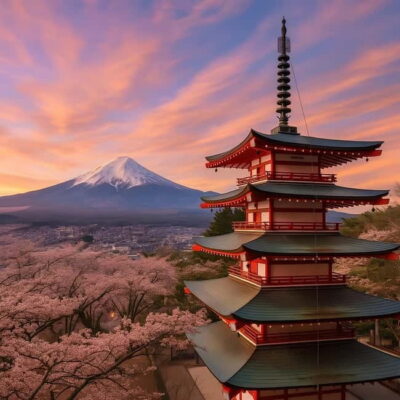 ★ 4.9Mt. Fuji & Hakone Private Custom Tour English DriverFrom $322351 reviews
 ★ 4.5Narita Airport (NRT) Private Transfer to Central TokyoFrom $166300 reviews
Filed on these lists too