
REVIEW · NAGOYA AND CENTRAL JAPAN
Grand Sumo Tournament Tokyo – Osaka – Nagoya
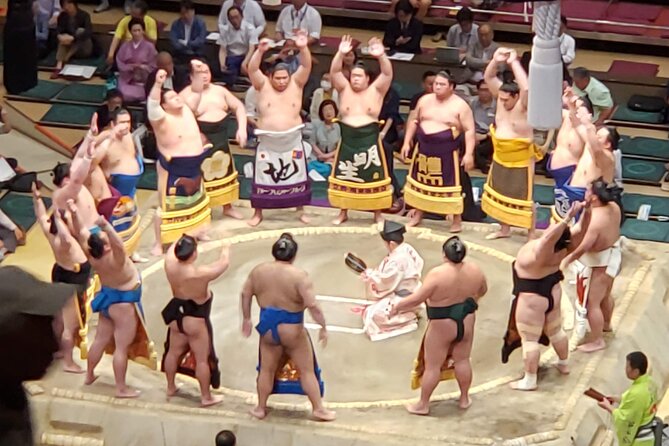
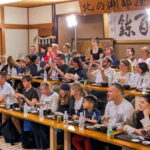
Sumo hits different once you’re in the crowd. This 4-hour ticket experience lines up your entry for the Grand Sumo Tournament and helps you understand what you’re watching, even if you know nothing about sumo today. You also get the right kind of atmosphere, fans acting like it’s game day, not a museum visit.
I especially like how simple the plan is, paper tickets included, and the group stays small (max 20). I also like that seat upgrades are available if you want a closer view, plus you’re set up to catch the festival feel before matches start, with food-stall energy and the chance to see sumo stars around the venue area.
One drawback to consider: pricing can feel high compared to face-value deals you may see online, and some events sell out fast. If you are set on a specific seating tier, you’ll want to compare your total cost carefully.
In This Review
- Key Points You’ll Care About
- Grand Sumo in Tokyo, Osaka, or Nagoya, What You’re Really Getting
- Price and Value, When Sold-Out Tickets Change the Math
- Your 4-Hour Game Plan, and Why the Timing Works
- Starting Point in Tokyo, Getting There Without Stress
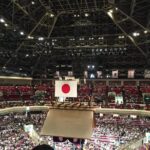
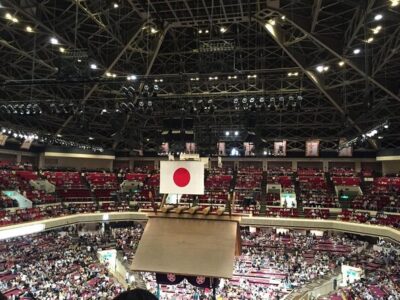
- Ryogoku Kokugikan, the Stadium Atmosphere You Don’t Get on TV
- Before the Matches, Learning the Rituals So the Cheering Makes Sense
- Ticket Reality: Paper Tickets and Seat-Finding Tips
- Optional Seat Upgrades, When They’re Worth the Extra
- Tokyo vs Osaka vs Nagoya, How to Choose the Right Day
- Who This Tour Suits Best (And Who Should Skip)
- What You’ll Take Home From the Match
- Should You Book This Grand Sumo Tournament Ticket Experience?
- FAQ
- How long is the Grand Sumo Tournament experience?
- Where is the Tokyo meeting point?
- Is transportation included?
- Are paper tickets provided?
- Can I upgrade my seats?
- Is this experience refundable?
Key Points You’ll Care About
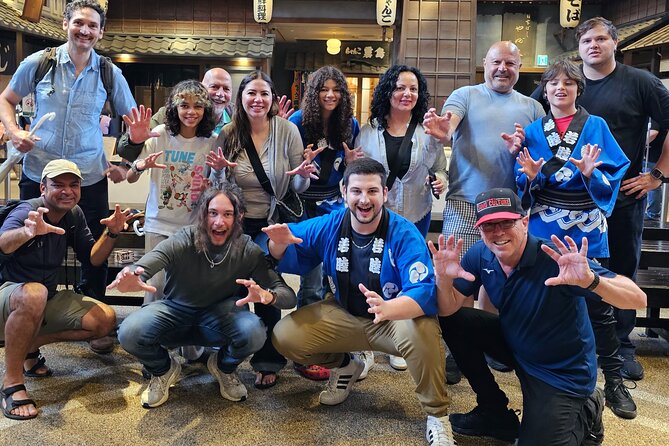
- Small group size (max 20) makes it easier to move and get squared away
- Paper tickets are included, so you are not scrambling at the last minute
- Optional seat upgrades can improve your view without changing the whole plan
- Pre-match context helps you understand rituals, rules, and what to watch for
- Ryogoku Kokugikan is the Tokyo hub, and the start point is easy to reach by public transit
- Sold-out events can raise prices, so double-check the final amount you pay
Central Japan, beyond the obvious stop
- Ultimate Sumo Tournament: Tokyo, Osaka, Nagoya, Fukuoka
★ 5.0 · 468 reviews
Grand Sumo in Tokyo, Osaka, or Nagoya, What You’re Really Getting
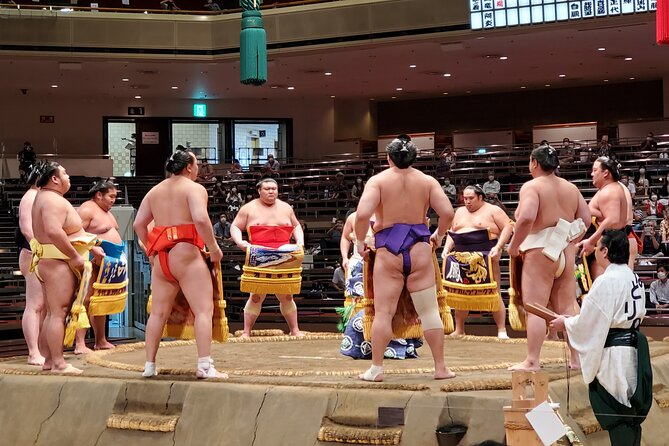
If you want Japan’s most famous loud-and-living sport, the Grand Sumo Tournament is one of the best ways to do it. You get the spectacle of the dohyo ring, but you also get something rarer: a room full of people who care deeply, and act like it.
This experience is built around getting you into the tournament smoothly. The match itself is ticket-only, and you are not relying on a day-long guided march through the city. Instead, the value is in the handoff: you show up, you get your admission sorted, and you have a clear path to enjoy the day.
You also have choices. You can book for Tokyo, Osaka, or Nagoya depending on tournament availability and your schedule. The venue and exact vibe can shift by city, but the core experience stays the same: sumo as locals experience it.
Where this tour fits best: if you are the kind of traveler who wants something authentic and high-energy, without spending your day decoding ticket steps in Japanese.
Price and Value, When Sold-Out Tickets Change the Math
The price listed for this experience is $946. On paper, that sounds steep, and one review issue in particular stands out: face-value prices online can be much lower than what you end up paying when an event is sold out.
Here’s how to think about value.
You are paying for:
- Guaranteed entry for a tournament that can sell out
- A smooth match-day flow, including paper tickets
- The option to upgrade seats if you choose better views
You may not be paying for:
- a bargain ticket face value
- a flexible, easy-to-change booking if plans shift
If you find cheaper tickets elsewhere, great. But be realistic about what “available” really means for sumo tournaments. In practice, sold-out dates often force higher pricing through second-market supply. This is why it pays to compare total cost, not just the number printed on a face-value ticket.
My practical tip: before you commit, check whether the tournament date is sold out and what seat tier you are truly buying. If you’re not sure, go for the seat option that gives you a better view. In sumo, view quality matters.
Your 4-Hour Game Plan, and Why the Timing Works
The experience runs about 4 hours. It also ends back at the starting meeting point, so you are not stuck figuring out a complicated return route after the matches.
That time window is long enough to:
- arrive in good shape
- get your tickets handled
- absorb some sumo context before the first action
- watch matches without feeling rushed
It’s short enough that it doesn’t crowd out the rest of your Tokyo, Osaka, or Nagoya day.
Also important: transportation is not included. You will want to plan your own getting-there time using public transit.
Morning practice or an evening show. Both reviewed
- Tokyo: Sumo Show and Dining Experience★ 4.8 · 2,742 reviews
- the SUMO show★ 5.0 · 1,960 reviews
- Tokyo: Sumo Show and Experience in Shinjuku★ 4.8 · 1,001 reviews
- Tokyo:Luxury Sumo Show Experience & Japanese cuisine & Drink★ 4.7 · 577 reviews
- Tokyo: Sumo Morning Practice Viewing Tour★ 4.8 · 570 reviews
Starting Point in Tokyo, Getting There Without Stress
For Tokyo, the meeting point is:
Ryōgoku Edo NOREN
Japan, 130-0015 Tokyo, Sumida City, Yokoami, 1-chōme320 1階
This area matters because sumo in Tokyo is anchored by the Ryogoku district. If you’ve ever felt overwhelmed by “where exactly is the venue?” moments, this is one of those tours where having a clear starting address helps a lot.
Another practical benefit: it’s near public transportation. That means you can structure your day around transit times, not around taxis and surprises.
Ryogoku Kokugikan, the Stadium Atmosphere You Don’t Get on TV
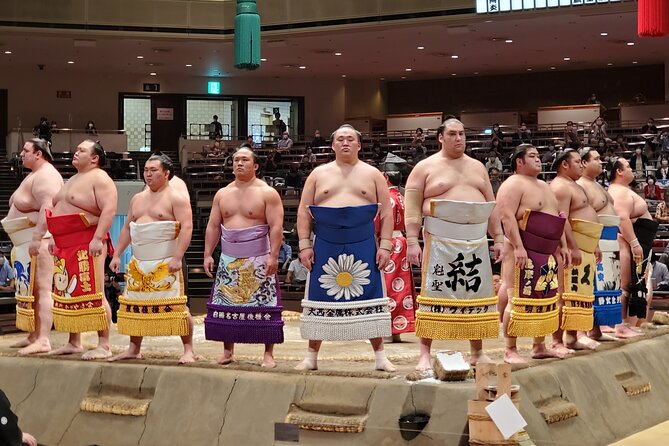
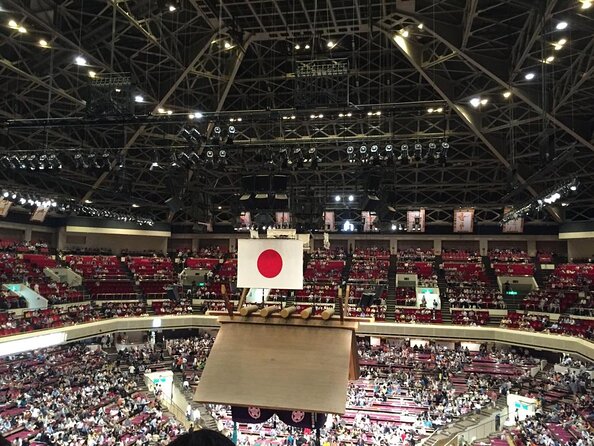
In Tokyo, the focus is Ryogoku Kokugikan. This is where sumo feels like a major-league sport.
What you can expect:
- A full-on cheering culture that feels built for noise and rhythm
- A lively, fun energy, the kind where you notice how fans react to rituals, not just outcomes
- A stadium layout where finding your seat matters for your enjoyment
One review detail I like a lot: there can be festive atmosphere around the venue area, including food stalls and the chance to meet sumo stars out front. That doesn’t mean every arrival day is identical, but it’s a common feel, and it’s part of why this is more than just sitting and watching.
If you go early, you generally get more of that pre-match buzz.
Before the Matches, Learning the Rituals So the Cheering Makes Sense
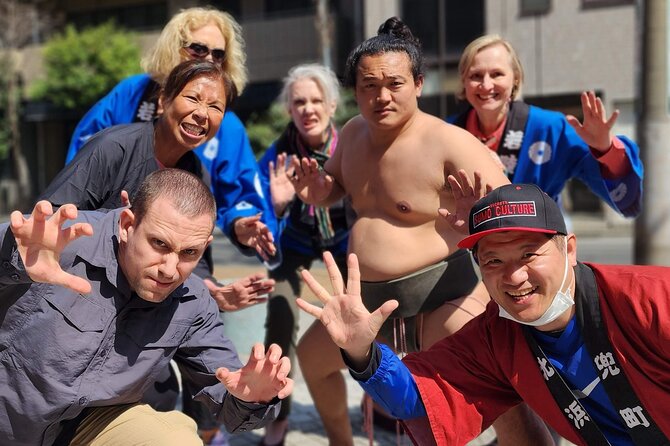
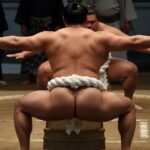
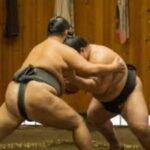
The biggest “wow” in sumo is not just the strength. It is the routine. The gestures, timing, and rituals give the sport its gravity.
Even if you have never watched sumo before, this experience is designed to reduce the awkward part: not knowing what you are seeing. In past experiences linked to this activity, people have mentioned learning the rules and the meaning behind key rituals before matches start.
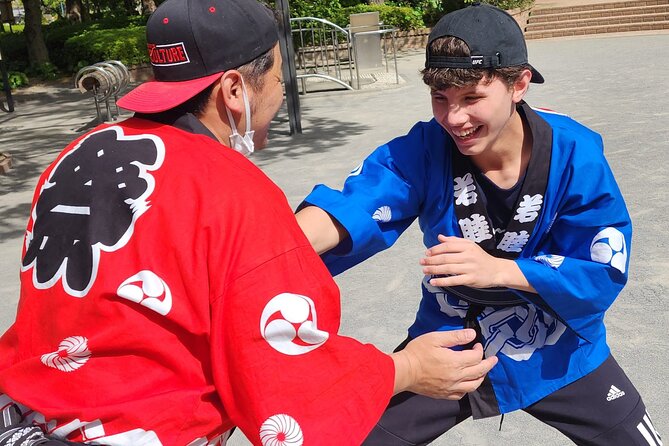
You may also get a tour-style explanation around the area near the venue, with stories and history pointers that make the sport feel less foreign. Some guests also reported interactive moments, including playful sumo-style activities and ritual explanations that kept families and even teenagers engaged.
Why this matters to you: when you understand what is happening, you can relax. You stop trying to guess, and you start noticing. You also appreciate why fans react the way they do.
Ticket Reality: Paper Tickets and Seat-Finding Tips
This is a paper ticket experience. That detail matters because paper is one more thing to keep secure on the day, especially if you are also carrying a phone, transit cards, and snacks.
Seat-finding can be the tricky part. One practical note from the experience: getting your seats can take a little time at first, but there are staff on hand to help locate seats. When you arrive, don’t treat it like a race. Ask, get pointed in the right direction, and you’ll settle faster.
Also, double-check your ticket details for the correct tournament and city. There was an issue reported where ticket details didn’t match what people expected for Osaka. You cannot prevent every mismatch from happening, but you can reduce the stress by confirming what you were booked for before you reach the gate.
Optional Seat Upgrades, When They’re Worth the Extra
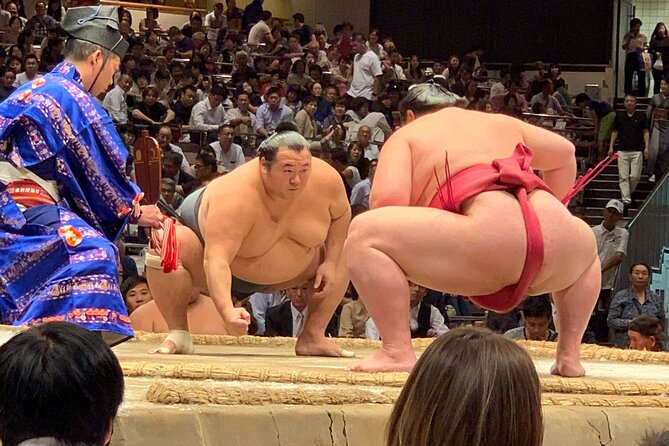
Seat upgrades are available for an additional fee. That’s not just a money option. In sumo, the view can change your whole experience, because the action happens fast and close to the center ring.
When upgrades are worth it:
- If you want a clearer line to the dohyo
- If you’re sensitive to distance and hate craning your neck
- If you are booking for a group and want everyone to feel included
If you do not upgrade, you can still have a great time. Sumo fans create energy even from less-than-perfect seats. But if you are paying a premium overall for a sold-out day, you might as well make sure your seat isn’t the weak link.
Tokyo vs Osaka vs Nagoya, How to Choose the Right Day
The big decision is not which city is prettier. It is which tournament date you can realistically lock in.
This activity supports Tokyo, Osaka, or Nagoya. The venue changes by location, but the structure stays similar: entry for the tournament, a short time block, and the same style of match-day experience.
My advice:
- Choose the city that fits your route and hotel location first.
- Then choose the date that gives you the best seat availability and price you can live with.
If you are trying to build an itinerary around sumo, pick your tournament day early. Once sold out, getting a good seat tier becomes harder and often more expensive.
Who This Tour Suits Best (And Who Should Skip)
This works best for you if:
- You want a high-energy sporting event in Japan that feels local, not tourist-only
- You want to handle tickets in advance so you’re not stuck searching on the day
- You value a guided or explained intro to rituals, so you understand the sport faster
- You like small groups (max 20)
It might not fit as well if:
- You are chasing the lowest possible ticket price above all else
- You dislike paying a premium for sold-out demand
- You want to travel fully independent with no pre-match explanation at all
If you are a serious sumo fan, you might already know enough to research seats and timings yourself. But if you are new, the structure is a big advantage.
What You’ll Take Home From the Match
A Grand Sumo Tournament isn’t just a spectacle. It’s also a window into how Japanese sports culture looks up close.
You get:
- The feel of fans cheering in a way that makes you understand the rhythm of the arena
- A sense of ceremony, because sumo is built on ritual as much as competition
- A memorable, photo-worthy atmosphere, especially if you arrive early for the venue buzz
And one more thing that matters: this kind of event can reset how you travel. It nudges you toward experiences that are local and live, not just planned museum stops.
Should You Book This Grand Sumo Tournament Ticket Experience?
Yes, if you want a smooth match-day entry into a sport that is usually tricky to organize on your own. The combination of paper tickets, a small group cap, and the option to improve your seats makes it a practical choice for most people who care about seeing sumo without stress.
Be smart about the decision if price is your main concern. For sold-out tournaments, the final cost can be much higher than what you might see elsewhere. If that’s going to bother you, you may want to hunt for different dates or accept a lower seat tier instead of paying for premium availability.
Bottom line: for an unforgettable, real-sumo day with reduced hassle, this is a strong booking.
FAQ
How long is the Grand Sumo Tournament experience?
It runs for about 4 hours and finishes back at the meeting point.
Where is the Tokyo meeting point?
In Tokyo, the meeting point is Ryōgoku Edo NOREN, 130-0015 Tokyo, Sumida City, Yokoami, 1-chōme320 1階.
Is transportation included?
No. Transportation is not included, so you will need to arrange your own way to the meeting point.
Are paper tickets provided?
Yes. This experience includes paper tickets.
Can I upgrade my seats?
Yes. Upgraded seats are available for an additional fee.
Is this experience refundable?
No. This experience is non-refundable and cannot be changed for any reason, and the amount you paid will not be refunded.
Practice Rooms and Show Nights


Central Japan Beyond the Obvious
Newest Tokyo write-ups from the Loving Japan desk

Nagoya and Central Japan, side by side.
 ★ 5.0Ultimate Sumo Tournament: Tokyo, Osaka, Nagoya, FukuokaFrom $184468 reviews
 ★ 4.4From Nagoya: Gujo, Hida Takayama, and Shirakawa-go Day TourFrom $61398 reviews
 ★ 4.5Ghibli Park 1-Day Bus Tour from NagoyaFrom $179277 reviews
 ★ 4.5From Nagoya: Hida Takayama & Shirakawa-go Tour w/Opt. LunchFrom $61256 reviews
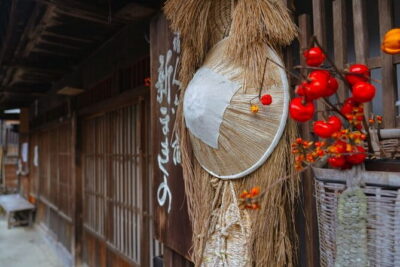 ★ 5.0Hiking the Historic Nakasendo Trail [1 Day Tour from Nagoya]From $210104 reviews
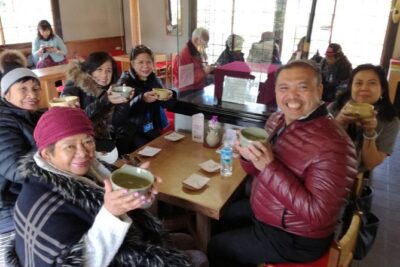 ★ 5.0Nagoya Highlight Tour guided by a friendly localFrom $11286 reviews
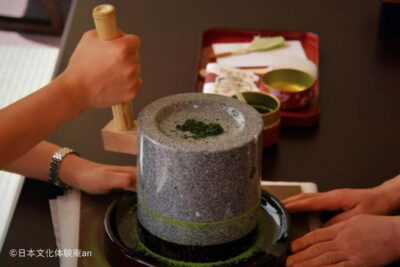 ★ 4.9Japanese Traditional Sweets making and Tea CeremonyFrom $1876 reviews
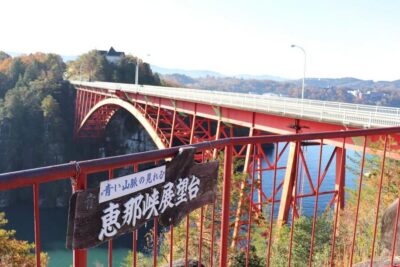 ★ 4.6Magome-juku, Tsumago-juku & Ena-kyo 1d Bus Tour from NagoyaFrom $6175 reviews
Filed on these lists too