
REVIEW · 1-DAY TOURS
1 Day Private Charter Tokyo Tour (Green Number Plates)
Tokyo has a lot going on. This tour helps you steer it.
A private day charter means you ride in a dedicated air-conditioned vehicle and hit the big names without getting crushed by train crowds. You also get an English-speaking guide who can explain what you are seeing, and help shape the day around your pace.
I especially like how the route balances classic Tokyo with a few culture-heavy stops. For me, the standout moments were getting a smooth, guided overview and feeling flexible when weather or interests changed, like when guides adjusted plans on rainy days. One possible drawback: entry fees are mostly on you, and at times your driver-guide may not walk inside every site, so you should plan to rely on their instructions once you arrive.
In This Review
- Key Highlights That Make This Charter Worth It
- The Real Value: A Private Day That Saves Your Legs
- Price and Group Math: When $400 Can Feel Like a Smart Split
- Green Number Plates and the Dedicated Car Feel
- Pickup and How the Day Starts Smooth
- Stop 1: Senso-ji in Asakusa, the Classic Start
- Nakamise Street and Kaminarimon: Short, Worth It
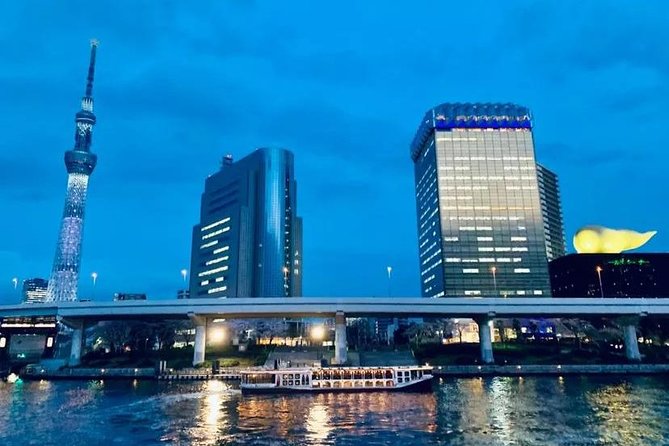
- Stop 2: Tokyo Skytree Area, with Entry on You
- Quick Imperial Palace Outside Walk: A Small Stop With Big Symbol
- Stop 5: Meiji Jingu Shrine, Calm Reset Time
- Harajuku: Takeshita Street for Fun, Fashion, and People-Watching
- Shibuya Crossing and Hachiko: Tokyo in One Photo
- Shinjuku Gyoen National Garden: Your Cherry Blossom Backup Plan
- How the Guide Handles Real Tokyo Problems
- The Itinerary Balance: Culture Meets Neighborhood Energy
- When This Tour Is a Great Fit
- Who Should Consider a Different Option
- Should You Book This Tokyo Day Charter?
- FAQ
- What is the price for this Tokyo private charter tour?
- How long is the tour?
- Does the tour include pickup and transportation?
- Are entrance tickets included for the attractions?
- What stops are included during the day?
- What is the cancellation policy?
Key Highlights That Make This Charter Worth It
- Private car, not train stress, so you can conserve energy for walking and photos
- English-speaking guide time with culture and context, not just drop-offs
- A tight hits-the-main-sights loop, from Asakusa to Shibuya and into Shinjuku
- Great weather adaptability, including advice and alternate ideas when it rains
- Up to 5 people per group, which can make the $400 feel reasonable for families or small friend groups
- Multiple free entry stops, like Senso-ji, Meiji Jingu, and major neighborhood photo stops
Still weighing up options in Tokyo? These are the ones our reviewers rated highest.
- Mt Fuji and Hakone 1-Day Bus Tour Return by Bullet Train
★ 5.0 · 26,383 reviews - 1-Day Tokyo Bus Tour
★ 5.0 · 14,250 reviews - Tokyo: teamLab Planets TOKYO Digital Art Museum Entry Ticket
★ 4.6 · 9,779 reviews - Mt Fuji & Hakone Cruise, Drum Show Bullet Train 1 Day from Tokyo
★ 4.0 · 7,413 reviews
The Real Value: A Private Day That Saves Your Legs
Tokyo looks easy on a map and then gets complicated fast. Stations are huge, lines change, and crowds can drain you before lunch. This charter’s basic promise is simple: you get a private ride for an 8-hour day, so you spend your energy where it matters, at the shrines, streets, and viewpoints.
I like that the itinerary is built like a first-time orientation, with famous stops spaced in a sensible order. You are not bouncing around Tokyo on public transit with suitcases, umbrellas, and sore feet. Instead, you get a car and a guide to help you understand what you are seeing, which makes even quick moments feel purposeful.
The other big value is personalization. Even though the day has set stops, the guide can often nudge timing, add small detours, and make adjustments if your group moves slower or wants more time somewhere specific. In the real world, that difference shows up when you get stuck in rain or traffic and need a plan that still works.
Price and Group Math: When $400 Can Feel Like a Smart Split
The price is $400 per group, up to 5 people. That is the key number. If you have two or three people, it may feel pricey for one day. If you have a family of four, or a small group of friends, it can start to feel like a bargain compared with the total cost of taxis plus guided time plus entry organization.
Here is the math you should do before booking:
- Count how many people you will bring (max 5).
- Consider how much you would otherwise spend on taxis or private transfers.
- Add in the fact that you still have to pay most site entries yourself, so this price mainly pays for transportation and guidance time.
I would call it good value when you want a high-efficiency, low-friction day and you do not want to spend the morning figuring out routes. It also tends to work well for people who have limited time in Tokyo and want to feel oriented by the end of the day.
Green Number Plates and the Dedicated Car Feel
The tour is described as a private charter with green number plates. In plain terms, you are not sharing a vehicle with random strangers. Your group gets the ride, and the guide can manage timing with that advantage.
Practically, this helps in three ways:
1) You can leave when your group is ready, not when a group bus schedules you.
2) You can adjust the day when traffic and weather get messy.
3) You can keep meeting points simple, since your driver already knows where you are headed next.
The vans are described as clean, but not luxury. That is fine. You are mostly using the car as a moving base, especially in Tokyo heat or in the rain.
- Mt Fuji and Hakone 1-Day Bus Tour Return by Bullet Train★ 5.0 · 26,383 reviews
- 1-Day Tokyo Bus Tour★ 5.0 · 14,250 reviews
- Tokyo: teamLab Planets TOKYO Digital Art Museum Entry Ticket★ 4.6 · 9,779 reviews
- Mt Fuji & Hakone Cruise, Drum Show Bullet Train 1 Day from Tokyo★ 4.0 · 7,413 reviews
- Tokyo: Shinjuku Food Tour (13 Dishes at 4 Local Eateries)★ 5.0 · 6,603 reviews
Pickup and How the Day Starts Smooth
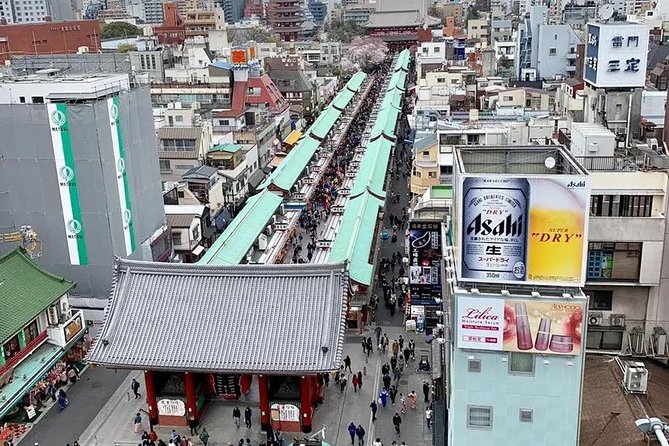
Pickup is offered, and you typically get collected from your hotel area. That matters more than you might think. Tokyo can be chaotic for first timers, and a smooth start reduces the risk of losing time before you even begin sightseeing.
A couple of reviews mentioned guides arriving early and keeping the day organized from the moment you get in the car. That is exactly what you want. When you start with a clear plan, you spend the day reacting less and enjoying more.
Stop 1: Senso-ji in Asakusa, the Classic Start
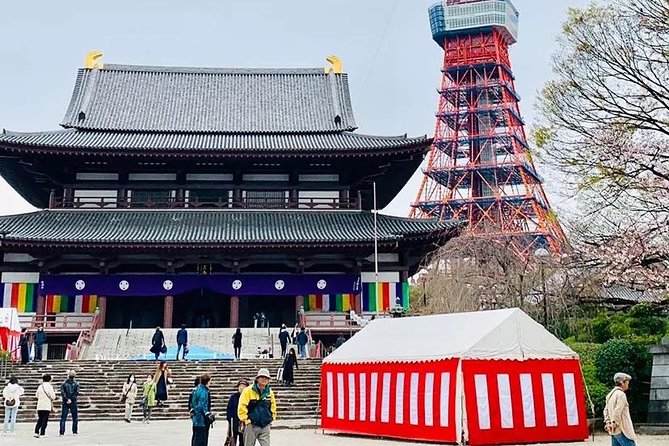
Senso-ji is Tokyo’s old-school anchor in Asakusa. It is one of the city’s most significant Buddhist temples, and it is also one of the places that makes Tokyo feel real fast. The stop is about 1 hour, and entry is free.
Why it works early in the day:
- You arrive while energy is high and crowds can still be manageable.
- You set a cultural baseline before you jump to modern neighborhoods.
- You get to experience the temple area’s atmosphere before you move on to shopping streets and city landmarks.
If you like photos, this is a great start. If you like people-watching, it is even better. Just remember that temple areas can be busy and walking is part of the experience.
Nakamise Street and Kaminarimon: Short, Worth It

Next comes Nakamise Shopping Street and Kaminarimon, the iconic gate area. This is a quick stop, around 15 minutes, and it is free.
You are not going for a shopping spree here. Think of it as a taste of the old downtown vibe. Grab a snack if something looks good, then move on before your group gets stuck browsing for 45 minutes when you still have half a day ahead.
Practical tip: wear comfortable shoes. This part is short, but it is still walking in a crowd.
Stop 2: Tokyo Skytree Area, with Entry on You
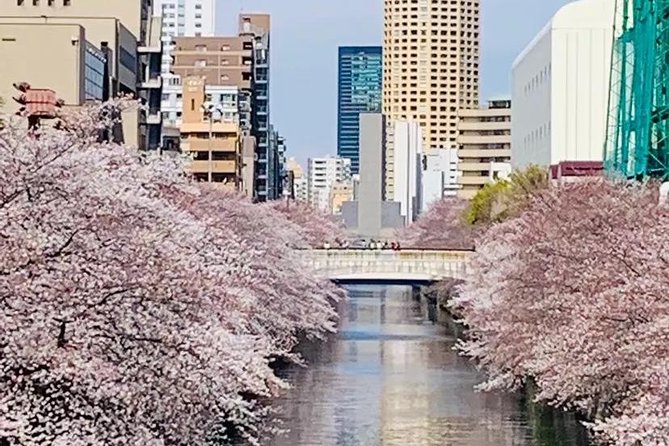
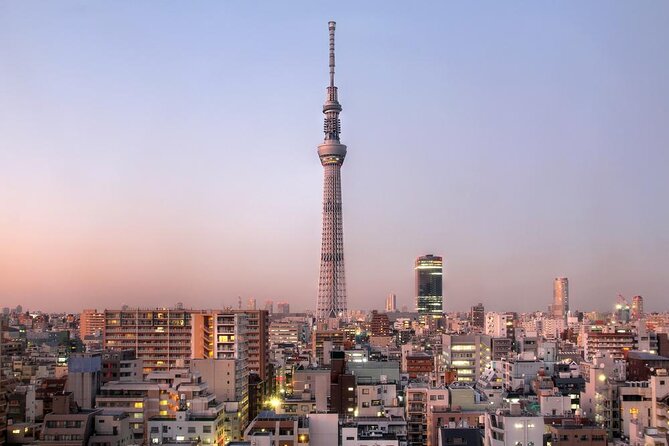
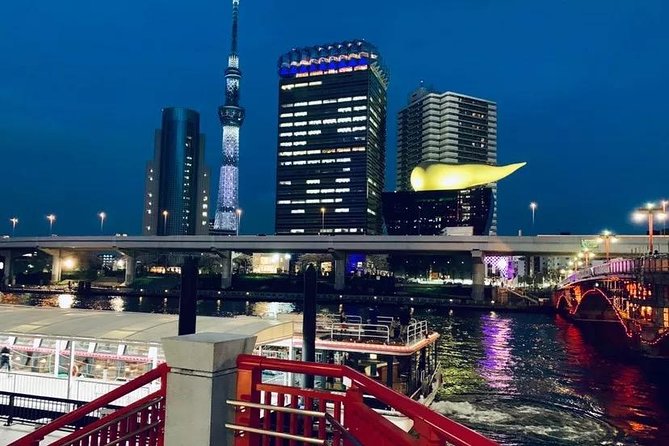
Tokyo Skytree is next, with about 1 hour on the agenda. Admission is not included, so plan on paying separately if you go up or do an indoor ticketed experience.
Why include it at all:
Skytree is a major landmark and a key part of the broader Asakusa district experience. Even if you do not pay for a view, the area helps you connect old Tokyo with the skyline.
One thing to be ready for: after leaving this type of attraction, you may need help finding your next meeting point or direction. One review mentioned getting a bit lost after SkyTree, then finding the guide again. The fix is simple: get very clear instructions before you break away from the group.
Quick Imperial Palace Outside Walk: A Small Stop With Big Symbol
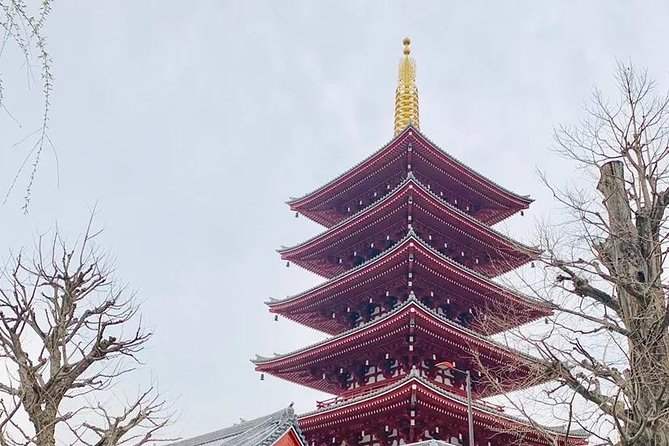
The Imperial Palace stop is brief, around 10 minutes, and it is free. You do not come here for a long ticketed visit. You come here for the sense of place and for a moment of Tokyo’s political and historical center.
In this kind of private day, short stops are useful because they keep your momentum. You still check the box, you get a photo moment, and you do not lose your whole hour to a site that is more about walking and atmosphere than a single must-see interior.
Stop 5: Meiji Jingu Shrine, Calm Reset Time
Meiji Jingu is a Shinto shrine dedicated to Emperor Meiji and Empress Shōken. The visit is around 30 minutes, and admission is free.
This stop is one of the best examples of why a guide matters. The shrine is not just a place to look at structures. It is a living environment with cultural meaning, and time here helps you slow down after busier streets.
I like putting a nature-feeling stop like this mid-day. It balances the more energetic neighborhoods you will hit soon.
Harajuku: Takeshita Street for Fun, Fashion, and People-Watching
Takeshita Street is next, about 30 minutes, and it is free. This is Harajuku’s famous pedestrian shopping street, with fashion boutiques, cafes, and constant foot traffic.
If your group is into quirky style, snacks, or just watching what Tokyo youth trends look like in real life, this is a fun detour. If your group hates crowds, treat it as a quick pass. You are there for the vibe, not for a relaxed stroll without people around.
Shibuya Crossing and Hachiko: Tokyo in One Photo
Then you hit Shibuya Crossing (about 15 minutes, free) and Hachiko (about 30 minutes, free). These are the kinds of stops that feel like they belong in movies, because they have been used in pop culture again and again.
Why you should not skip them:
- Shibuya Crossing gives you a quick reality check on Tokyo’s scale and energy.
- Hachiko adds heart. You are standing in front of a story that is part of modern Tokyo identity.
Even with short time blocks, the combo works. You get the famous moment, then something more personal and human.
Shinjuku Gyoen National Garden: Your Cherry Blossom Backup Plan
The final major stop is Shinjuku Gyoen National Garden, about 1 hour. Admission is not included, so you will likely buy entry ticket separately.
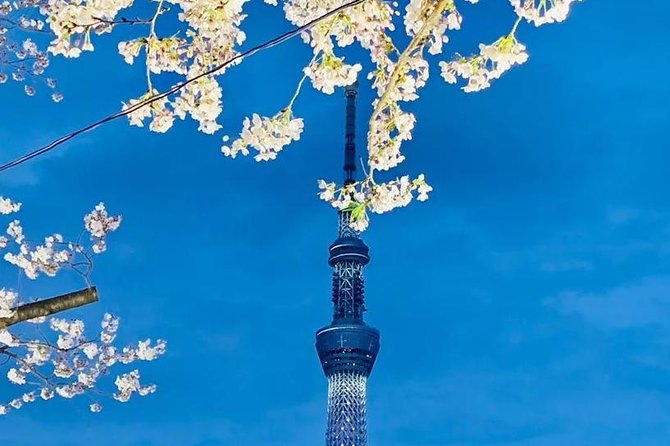
This is also the stop you should pay attention to if you are visiting during cherry blossom season, since the garden is a recommended choice during that time. Even outside peak bloom, it is a good place to switch gears from streets to greenery and walk through a more park-like setting.
If it is raining, you might not want long outdoor walking. The good news is that guides can help you plan around weather. One guide used umbrellas and offered alternate sight ideas when rain made garden time less comfortable.
How the Guide Handles Real Tokyo Problems
Tokyo is not a quiet place. Traffic can be slow, weather can change fast, and directions can get confusing when you exit major attractions. This is where the best guides separate from the average ones.
In the feedback I saw, guides like Ahamed, Ahmed, Zia, Zohaib, Shoaib, Mukarram, and Petteri were praised for being prepared and for adjusting on the fly. One driver even handled a challenge like navigating rain and suggested alternate ideas so the day still felt productive. Another guide helped an elderly traveler move comfortably by accommodating slower walking.
Also, one pattern worth knowing: sometimes the driver-guide may not accompany you inside every attraction. They might give instructions and then meet you again at the next point. That is not bad, but you should expect it. Ask your guide how they want to handle meeting times at ticketed entries, especially places where you might separate briefly.
The Itinerary Balance: Culture Meets Neighborhood Energy
What makes this day feel like a true orientation is the mix:
- Temple and shrine stops give you a cultural anchor.
- Shopping streets and photo landmarks show you Tokyo’s modern personality.
- A garden stop offers a break and a different pace.
You end up with a well-rounded sample, from traditional spaces like Senso-ji and Meiji Jingu to iconic modern intersections like Shibuya Crossing.
If you only had one day, this type of balance is exactly what you want. It helps you decide what neighborhoods deserve a second visit later in your trip.
When This Tour Is a Great Fit
This charter tends to work best if you:
- Have limited time in Tokyo and want an efficient route.
- Get overwhelmed by crowded trains and long station walks.
- Want a guide who can explain culture and context, not just point you to stops.
- Travel as a family or small group up to 5, so you split the cost.
It also works well for first-timers because it naturally covers layout basics across Tokyo, from east-side old Tokyo through central shrines into Shibuya and Shinjuku.
Who Should Consider a Different Option
This may not be ideal if you:
- Want to spend lots of time at one single attraction. The day is fast by design.
- Expect all entry fees to be included, because most entries are not included.
- Prefer a guide who walks with you inside every site. Some guides mainly handle directions and timing rather than staying with you the whole time in each building.
Also, since you are covering many stops, comfortable shoes are not optional.
Should You Book This Tokyo Day Charter?
Yes, you should book it if you want a guided, private Tokyo overview that trades transit headaches for a dedicated car and smart pacing. The big value is the combination of comfort, English guidance, and the ability to adjust when Tokyo throws you curveballs like rain or slow traffic.
I would not book it expecting a fully guided walking tour at every single ticketed place. Think of it as a private ride with structured stops and strong guidance, plus flexibility from your guide.
If your top goal is to see the major sights in one day without stress, this charter is a solid pick. And if you time your day right and wear comfy shoes, you will come away with a much better feel for where Tokyo’s different moods live.
FAQ
What is the price for this Tokyo private charter tour?
The price is $400 per group, up to 5 people.
How long is the tour?
The tour duration is about 8 hours.
Does the tour include pickup and transportation?
Yes. Pickup is offered, and private transportation in an air-conditioned vehicle is included.
Are entrance tickets included for the attractions?
No. Entry to any place is not included.
What stops are included during the day?
The tour includes Senso-ji Temple, Tokyo Skytree, Nakamise Shopping Street (Kaminarimon), a small walk outside of the Imperial Palace, Meiji Jingu Shrine, Takeshita Street, Shibuya Crossing, Hachiko, and Shinjuku Gyoen National Garden.
What is the cancellation policy?
You can cancel for a full refund if you cancel up to 24 hours in advance. The experience requires good weather, and if it is canceled due to poor weather you will be offered a different date or a full refund.
Newest Tokyo write-ups from the Loving Japan desk

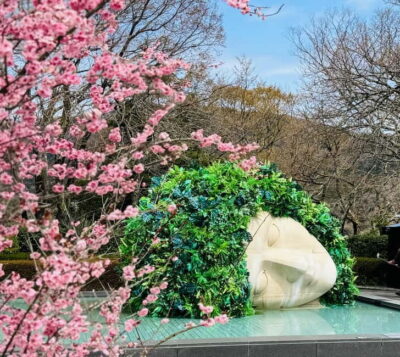
1-Day Tours, side by side.
 ★ 5.0Mt Fuji and Hakone 1-Day Bus Tour Return by Bullet TrainFrom $16326,383 reviews
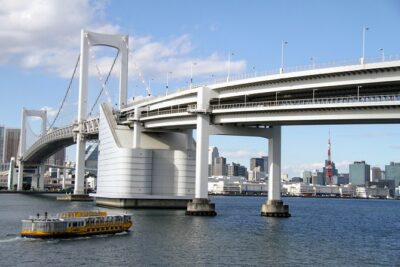 ★ 5.01-Day Tokyo Bus TourFrom $12914,250 reviews
 ★ 5.0PERFECT KYOTO 1-Day Bus TourFrom $12913,518 reviews
 ★ 4.0Mt Fuji & Hakone Cruise, Drum Show Bullet Train 1 Day from TokyoFrom $1497,413 reviews
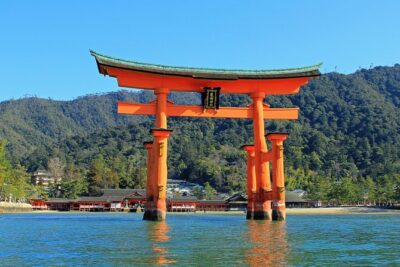 ★ 5.0Peaceful Hiroshima & Miyajima UNESCO 1 Day Bus TourFrom $1295,309 reviews
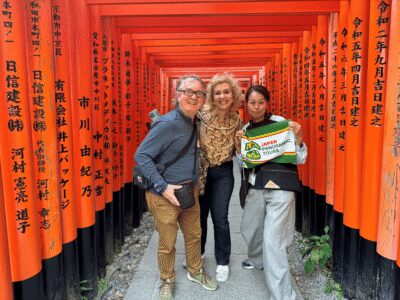 ★ 4.8Fushimi Inari, Kinkakuji, Bamboo Grove 1 Day Bus TourFrom $1224,316 reviews
 ★ 4.5DisneySea 1-Day PassportFrom $572,726 reviews
 ★ 4.6Tokyo Disneyland 1-Day PassportFrom $572,512 reviews