
REVIEW · TOURS WITH GOVERNMENT-LICENSED GUIDES
Aomori Full-Day Private Trip with Government-Licensed Guide
Aomori makes sense with a real local guide. I especially love how Nebuta Museum Wa Rasse frames the famous festival with real floats and sound, and how Sannai-Maruyama turns Jomon life into something you can actually picture. The main drawback to plan for is that this is a walking tour, so comfortable shoes and a realistic pace matter.
You get a private experience for your party, with a government-licensed local English-speaking guide who helps you customize the day around your interests. The day runs about 6 hours and usually focuses on 3 to 4 stops from a solid mix of festival culture, archaeology, and art.
Before you book, keep one practical limit in mind: entrance fees and transportation are not included, and the tour stays in Aomori city, so you cannot include Hirosaki.
In This Review
- Key highlights you will feel right away
- Why Aomori feels different when you have a local guide
- What you actually do for 6 hours, and why that timing works
- A few smart pacing tips
- Nebuta Museum Wa Rasse: festival culture you can see and hear
- Watch for the museum’s “more than objects” approach
- Aomori Prefectural Kyodokan: Jomon pottery and reconstructed life
- A practical consideration
- Aomori Contemporary Art Center: Tadao Ando’s space and water feature
- Who this stop fits best
- Munakata Shiko Memorial Museum of Art: woodblock prints with a local star
- A small tip
- Aomori Museum of Art and Sannai-Maruyama: when art and archaeology connect
- Aomori Museum of Art: architecture built to harmonize
- Sannai-Maruyama Site: reconstructed Jomon settlement foundations
- What to do while you are there
- Money and logistics: what is included, what you pay for, and what you should ask
- How to get your best value from the $154.84 per person price
- A realistic heads-up on guide quality and day flow
- Should you book this Aomori private guide tour?
- FAQ
- What sites can I visit on this private tour?
- How long is the Aomori full-day private trip?
- Is this tour mostly walking?
- Are entrance fees included?
- Can I add Hirosaki to the same day?
- Are service animals allowed?
- What is the cancellation window for a full refund?
Key highlights you will feel right away

- Nebuta Museum Wa Rasse: festival floats, plus video and sound context so you are not just looking at objects
- Sannai-Maruyama: reconstructed Jomon settlement foundations, discovered in 1992
- Tadao Ando architecture at Aomori Contemporary Art Center, plus its quiet water feature
- Munakata Shiko woodblock prints at a museum dedicated to Aomori’s standout artist
- Jun Aoki’s Aomori Museum of Art placed near the archaeological site, so art and history connect
Why Aomori feels different when you have a local guide
Aomori city has a plain, practical shape. You can see the old Edo Period grid pattern, but much of what you might expect from earlier eras was heavily damaged during World War II, and a lot of what you walk past today is newer. That means you need help connecting the dots, and that is exactly where a guide pays off.
I like that your guide is not just ticking boxes. They can explain why a museum matters to Aomori today, how Nebuta culture is tied to local identity, and what you are actually looking at when you see reconstructed sites. Even small details, like the meaning behind a festival tradition or how Jomon tools tell a story, are hard to piece together on your own in a single afternoon.
The payoff is momentum. In a city where the layout may feel unfamiliar at first, you still end the day feeling like Aomori clicked into place.
What you actually do for 6 hours, and why that timing works
This is built as a walking private tour, with you meeting your guide on foot within a designated area in Aomori city. Pickup is offered, but since it is still walking-based, think of pickup as getting you started, not as handing you a driver for the whole day. The stops are grouped so you can cover a lot without spending the day on transfers.
You choose 3 to 4 sites from the set list. That flexible structure is one of the best parts, because you are not forced into an all-or-nothing marathon. If you are more art-forward, you can lean toward the Contemporary Art Center, Aomori Museum of Art, and Munakata Shiko. If you want history and archaeology, you can emphasize Kyodokan and Sannai-Maruyama.
Now, the practical value question. The price is $154.84 per person for about 6 hours, and the tour includes a licensed local English-speaking guide plus customization. Entrance fees, lunch, and transportation are not included, so your total day cost will rise if you add multiple museums’ paid entry. Still, for many visitors, paying for a guide for a full block of time is cheaper than spending that time struggling with logistics, transit, and translations across several museums.
A few smart pacing tips
- Wear shoes you can walk in for hours, because the day is structured around walking between stops.
- If you have mobility needs, tell your guide early, because timing and movement in crowds can make a bigger difference than you think.
- Keep a little patience for museum lines, especially around peak seasons.
Nebuta Museum Wa Rasse: festival culture you can see and hear
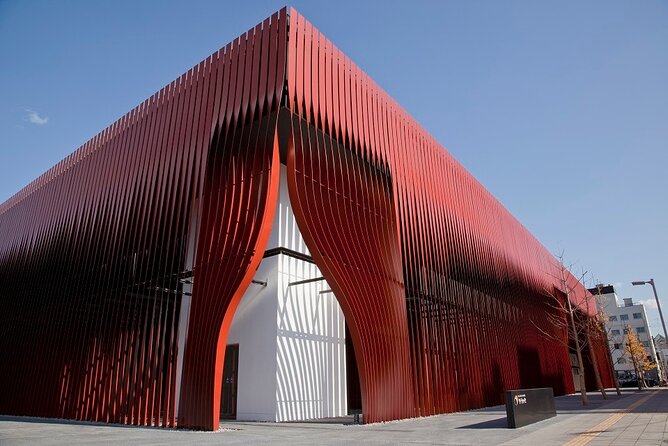
Stop here first if Nebuta is even remotely on your radar. Wa Rasse is the Aomori arts and cultural center dedicated to the Nebuta Festival, and it is designed so you do not just see floats, you understand them.
Plan for about 1 hour. Admission is not included, but the museum experience is where the guide helps most. You can expect to see multiple Nebuta floats from the previous year, plus video installations, sounds, and photographs. The combination matters. Without the sound and explanations, a float can look like impressive craft. With context, it becomes a local story about artistry, rhythm, and community participation.
One useful season note: the Nebuta Festival runs from August 2 to August 7. If your trip lines up with that, the museum visit can act like a warm-up, so the real festival imagery later feels familiar instead of random.
Watch for the museum’s “more than objects” approach
A guide can point out what to focus on, like how the floats are presented, and what themes stand out. That turns a 60-minute stop from sightseeing into cultural understanding.
Aomori Prefectural Kyodokan: Jomon pottery and reconstructed life
If Wa Rasse is your cultural ignition, Kyodokan is the reality check that stretches your timeline back. This stop is a folk museum with a strong Jomon period collection, including Jomon pottery and miniature reconstructions of Jomon huts and tools.
You will spend about 1 hour here, and again, admission is not included. What makes this stop worth it is how visual it is. Jomon can sound like a buzzword if you only read labels. In Kyodokan, the reconstructed tools and hut forms let you imagine daily life, even without deep background knowledge.
I like how this pairs with Nebuta. It is a reminder that Aomori is not only about modern traditions and festival nights. You are seeing how different eras of life shaped local identity, and a guide can explain how the archaeological story connects to what you see later in the day.
A practical consideration
Museums can be time-sensitive. If you are choosing only three stops, Kyodokan should be one of your picks if you want history rather than just art.
Aomori Contemporary Art Center: Tadao Ando’s space and water feature
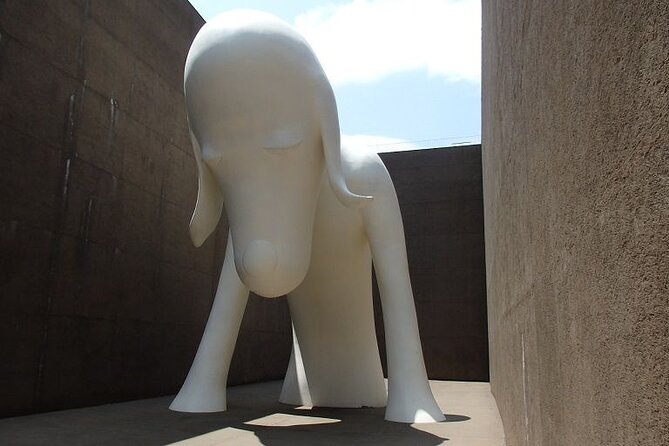
Next comes the kind of place where a guide helps you read the room. The Aomori Contemporary Art Center sits on the grounds of Aomori Public College and was designed by internationally known architect Tadao Ando. The building and its water feature are part of the experience, not background decoration.
You are looking at about 1 hour, and admission is not included. Even if contemporary art is not your usual thing, this stop can still be worthwhile because the architecture changes how the space feels. Ando’s design style tends to make you slow down, notice light, and pay attention to edges, reflections, and rhythm.
Who this stop fits best
- You enjoy design and architecture.
- You want one modern contrast to Jomon archaeology and festival culture.
- You are okay with a quieter, more reflective museum feel.
If contemporary art is not your priority, you can swap it out for another site from the list, since the tour is customizable.
Munakata Shiko Memorial Museum of Art: woodblock prints with a local star
Munakata Shiko is an Aomori native, known for woodblock prints, and this museum is devoted to his work. The setting focuses the day around a single artist, which makes it easier to appreciate the collection without hopping between totally different themes.
Plan for about 1 hour. Admission is not included. The museum highlights his art and includes his reputation as the Vincent van Gogh of Aomori, a nickname that gives you a clue about the energy and individuality people associate with his prints.
A guide can help you interpret what you are seeing, such as recurring motifs, stylistic shifts, and how woodblock printmaking connects to regional culture. Without that context, you may still enjoy the artworks, but you might miss why they matter to the area.
A small tip
If you are the type who loves details, ask your guide what to look for. Even a simple pointer, like which works to prioritize first, can keep this stop feeling focused instead of overwhelming.
Aomori Museum of Art and Sannai-Maruyama: when art and archaeology connect
These two stops pair exceptionally well because they sit close together and they speak to different ways of understanding the past.
Aomori Museum of Art: architecture built to harmonize
You will spend about 1 hour at the Aomori Museum of Art. The building is a white cubic design by architect Jun Aoki, and it was created to harmonize with its historical surroundings. Admission is not included.
This stop is best if you like seeing how architecture frames meaning. The guide can point out how the building’s form relates to the archaeological area nearby, so the museum feels like an introduction rather than a separate detour.
Sannai-Maruyama Site: reconstructed Jomon settlement foundations
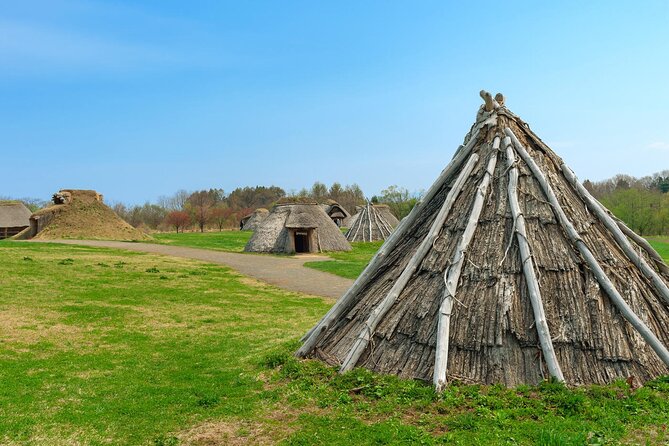
Then you move to Sannai-Maruyama, the archaeological site with reconstructed foundations of a Jomon-era settlement. This is the stop that makes you pause. You are looking at a way of understanding daily life through remnants and reconstructions, not just artifacts behind glass.
You will spend about 1 hour here. It is not described as having entrance included, so budget for any entry fees when you plan your day. The site was first discovered in 1992 and later declared a special national historic landmark, which tells you this is not a small local hobby project. It is a major window into Japan’s earlier human settlement history.
What to do while you are there
- Let the guide talk through the reconstructions. The value is in interpretation, not only in walking around.
- Take photos, but also look up and around, because site layout helps you understand scale.
- Keep an eye on the weather. This stop is outdoors enough that comfort matters.
Money and logistics: what is included, what you pay for, and what you should ask
The core included items are a licensed local English-speaking guide and a customizable plan built around 3 to 4 sites from the list. You also get help meeting up on foot in a designated area in Aomori city, plus a mobile ticket.
What is not included:
- Transportation fees
- Entrance fees
- Lunch
- Other personal expenses
- Private transportation
And there is an important limit: you cannot visit Hirosaki on this tour. You also cannot combine multiple tour groups.
How to get your best value from the $154.84 per person price
Ask for customization before you settle on your final mix of stops. If you are short on time or want to avoid paying for extra entries, focus on the “big feeling” sites:
- Wa Rasse for festival context
- Sannai-Maruyama for Jomon reconstructions
- One art-focused stop if you want variety, like the Ando-designed art center or the Munakata Shiko museum
If you care about shopping or food, build that into your choices with your guide, since lunch is not included and timing can affect what fits comfortably.
A realistic heads-up on guide quality and day flow
Most guide experiences associated with this kind of private tour tend to be positive, especially when the guide is proactive with pacing and explanations. Some guides have a reputation for going beyond the basics, like helping you customize on the spot, adjusting for time, or sharing local flavor tips such as what to taste in season.
That said, not every day runs perfectly. There have been cases where a tour start felt delayed due to unforeseen circumstances, and there have also been complaints about pacing or missing planned stops. When you book, you can protect yourself with two simple habits:
- Confirm your meeting time and location clearly.
- Tell your guide right away what matters most to you, so the day can adjust if timing compresses.
Also remember: this tour is walking-based. Even a great guide can only do so much if your group needs extra pauses.
Should you book this Aomori private guide tour?
I think you should book this tour if you want a focused Aomori day that blends Nebuta culture with archaeology and art, and you prefer a guide who can steer you through meaning, not just directions. It is a strong choice for first-timers who want to feel oriented fast, and for couples or small groups who enjoy museum visits without turning the day into a sprint.
Skip it or choose a different option if your heart is set on Hirosaki, since this one stays in Aomori city. Also skip it if you hate walking, because the entire format is built around a walking route with museum stops.
If you book, do this: message your guide ahead of time with your priorities, like festival focus versus Jomon focus, and any timing concerns. When you align the day to your interests, this tour’s value is much higher than just doing a string of ticketed entrances.
FAQ
What sites can I visit on this private tour?
You can customize the day around 3 to 4 stops from the included list. The stops are Nebuta Museum Wa Rasse, Aomori Prefectural Kyodokan (folk museum), Aomori Contemporary Art Center, Munakata Shiko Memorial Museum of Art, Aomori Museum of Art, and Sannai-Maruyama archaeological site.
How long is the Aomori full-day private trip?
It runs about 6 hours (approx.).
Is this tour mostly walking?
Yes. It is a walking tour, and the meet up with the guide is on foot within a designated area in Aomori city.
Are entrance fees included?
No. Entrance fees are not included.
Can I add Hirosaki to the same day?
No. You cannot visit Hirosaki on this tour.
Are service animals allowed?
Yes. Service animals are allowed.
What is the cancellation window for a full refund?
You can cancel for a full refund up to 24 hours before the experience’s start time. If you cancel less than 24 hours before, the amount paid will not be refunded.
Tours with Government-Licensed Guides, side by side.
 ★ 5.0Tokyo 6hr Private Tour with Government-Licensed GuideFrom $1553,902 reviews
 ★ 5.0Kyoto 6hr Private Tour with Government-Licensed GuideFrom $1551,369 reviews
 ★ 5.0Hiroshima / Miyajima Full-day Private Tour with Government Licensed GuideFrom $2021,298 reviews
 ★ 5.0Kyoto 4hr Private Tour with Government-Licensed GuideFrom $109629 reviews
 ★ 4.8Private Tour with Local Licensed GuideFrom $106463 reviews
 ★ 5.0Hiroshima City 4hr Private Walking Tour with Licensed GuideFrom $122437 reviews
 ★ 5.0Private Kyoto Tour with Licensed Guide & Vehicle (Max 15 persons)From $634417 reviews
 ★ 5.0Osaka 4hr Private Tour with Government-Licensed GuideFrom $109359 reviews
Filed on these lists too