
REVIEW · TOURS WITH GOVERNMENT-LICENSED GUIDES
Tokyo 6hr Private Tour with Government-Licensed Guide
Tokyo gets big fast, and this tour helps you aim. I like that the day is led by a government-licensed guide who can explain what you are seeing, not just point at it. It is also private, so the route matches your pace and interests instead of forcing you into a rigid group loop.
What I really like is the customization. You choose from a menu of major sights, usually landing on about 3-4 places, with the logistics handled so you avoid the classic Tokyo problem, getting turned around. One possible drawback: it is a walking tour, so you should expect real steps and time hopping around by public transportation.
In This Review
- Key points that make this Tokyo tour work
- Government-licensed guide: what you actually get in the streets
- Price and value: why $155.86 can still feel fair
- The walking and subway reality (and how to prep for it)
- Build your own Tokyo loop: what each possible stop feels like
- Asakusa and Sensoji Temple: old Tokyo energy in one hour
- Imperial Palace area: moats, walls, and a calm pause
- Shinjuku Gyoen National Garden: a break from the rush
- Shibuya Crossing and Hachiko: the photo spot with real meaning
- Tsukiji Fish Market: food heaven, with a practical strategy
- Meiji Jingu Shrine: Shinto calm near Harajuku
- Akihabara: electronics and pop culture shopping
- Koishikawa Korakuen Garden: older Edo-period serenity
- Hama Rikyu Gardens: tide-linked ponds and a teahouse feel
- Tokyo National Museum: for museum days, not quick hits
- Rikugien Garden: six poems and long garden lines
- Yoyogi Park: easy outdoors time near Harajuku
- Takeshita Street (Harajuku): fashion street energy
- Odaiba District: shopping and entertainment by Tokyo Bay
- Shibamata: old-school neighborhood charm
- Nezu and Yanaka-style streets: last-century Tokyo feel
- Shinjuku Golden Gai: tiny bars and historic vibes
- Tokyo Tower: main deck access only
- Gotokuji Temple: the maneki-neko origin story
- Ueno Park: museums, pond vibes, and cherry blossom fame
- Temple and shrine etiquette, plus the local tips that make it feel effortless
- Crowds, timing, and how to pick the right mix of stops
- Should you book this 6-hour private Tokyo tour?
- FAQ
- How long is the Tokyo private tour?
- Is this tour private or shared?
- Can I customize which sights we visit?
- Is pickup included?
- How do we get between locations?
- Are meals included?
- Are entrance fees included?
- Does the tour include going inside the Imperial Palace?
- Is Tokyo Tower the full tower visit?
- Can I get a full refund if I cancel?
Key points that make this Tokyo tour work
- Government-licensed, English-speaking guidance so history, customs, and practical tips come with context
- Pick 3-4 stops from a wide list, including Asakusa, Shibuya, Tsukiji, Meiji Jingu, and gardens
- Private pace and priorities, not a fixed itinerary that rushes you
- Walking plus subway strategy, which is efficient in Tokyo but requires comfortable shoes
- Many top sights are free to enter, but gardens and museums often cost extra
- Local etiquette help for shrines and temples, plus guidance for getting around
Licensed guides working the same ground
- Tsukiji Food and Toyosu Market with Government-Licensed Guide
★ 5.0 · 158 reviews - Toyosu Market Morning Tuna Auction and Tsukiji Food Tour with Licensed Guide
★ 4.5 · 146 reviews - Tokyo 8hr Private Tour with Government-Licensed Guide
★ 5.0 · 121 reviews - Private Tokyo Tour with Licensed Guide & Vehicle (Max 15 persons)
★ 5.0 · 107 reviews
Government-licensed guide: what you actually get in the streets
Tokyo is not short on signs. It is short on understanding. A government-licensed guide matters because the explanations are tied to what you are looking at, from temple layouts to why certain neighborhoods feel the way they do.
In practice, you get more than background facts. A good guide will point out what to notice on the walk, like how a shrine entrance is used, or why a park feels different from a commercial district. If your day includes Meiji Jingu or a garden stop like Shinjuku Gyoen, the guide can help you slow down enough to feel the difference instead of just checking boxes.
You also tend to get practical city skills. Several guides in this program are praised for helping people learn the rail rhythm, and for making transit feel less intimidating once you have tried it once with support.
Price and value: why $155.86 can still feel fair
At $155.86 per person for about 6 hours, this is not a budget bargain. But it can be good value if you consider what you would otherwise pay in time and stress.
Here is what your money is buying:
- A licensed local English-speaking guide
- A private, customizable day
- Guide support for selecting and reaching 3-4 recommended sights
- Guide entry fees covered for sights that are part of the included selection
Here is what you should plan to pay on top:
- Meals (not included)
- Entrance fees may be extra, especially for gardens and museums listed as not included
- Transportation fees (you handle your own subway, bus, and local travel costs)
- Any personal expenses
So the value comes from avoiding wasted time. If you are first-time in Tokyo, or you only have one day for the basics, this can be a smart way to trade money for efficiency. If you already know the city well and you prefer wandering without a plan, you might find the cost harder to justify.
The walking and subway reality (and how to prep for it)
This is not a bus tour. It is a walking tour, with transfers by public transportation in between stops. Pickup is offered, but it is handled as a walk meet-up in a designated area, meaning you should still expect to be starting on foot and spending time moving.
What I suggest before you go:
- Wear shoes you trust for long days. Think concrete sidewalks, train stairs, and crowd flow.
- Have some yen available for transit, since you will likely use trains and buses.
- If you have one, bring a transit card like Suica or PASMO, it can make getting around smoother.
One more thing: many of the top Tokyo sites sit near major stations, which is great. But station areas can be crowded, and timing matters. A private guide helps you move at the right moments, not just the shortest route on a map.
- Mt Fuji and Hakone 1-Day Bus Tour Return by Bullet Train★ 5.0 · 26,383 reviews
- 1-Day Tokyo Bus Tour★ 5.0 · 14,250 reviews
- Tokyo: teamLab Planets TOKYO Digital Art Museum Entry Ticket★ 4.6 · 9,779 reviews
- Mt Fuji & Hakone Cruise, Drum Show Bullet Train 1 Day from Tokyo★ 4.0 · 7,413 reviews
- Tokyo: Shinjuku Food Tour (13 Dishes at 4 Local Eateries)★ 5.0 · 6,603 reviews
Build your own Tokyo loop: what each possible stop feels like
Your guide builds the day from a list of recommended sights, so you will not do everything. Still, it helps to know what each option gives you, and what it might cost in time or money.
Asakusa and Sensoji Temple: old Tokyo energy in one hour
If you pick Asakusa, you are choosing one of the easiest ways to understand Tokyo’s older neighborhoods. You will be in the shitamachi feel, where the atmosphere feels more like past decades than like corporate towers.
Sensoji is the star. It is also free to enter, which makes it a strong choice if entrance fees matter to your budget. Expect crowds, especially during peak hours, so come ready for photos, smells, and lots of foot traffic.
Imperial Palace area: moats, walls, and a calm pause
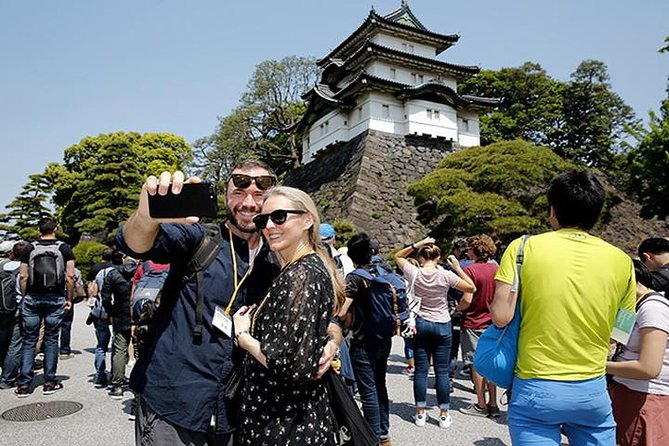
The Imperial Palace stop focuses on the grounds, the former Edo Castle site with stone walls and moats. This is a good choice if you want a quieter, more ceremonial mood than you get in shopping districts.
Important note: access to the inside of the Imperial Palace is not included. Even so, the exterior setting is worth it, especially if you like architecture and city planning. It is also free, so it is a high-impact pick.
Shinjuku Gyoen National Garden: a break from the rush
This is your reset button. Shinjuku Gyoen is one of Tokyo’s major parks and a popular escape near Shinjuku Station. If your day is already heavy on neon and crowds, this kind of park stop can save your sanity.
Admission for this garden is not included, so budget for the ticket. The payoff is the walking paths and the chance to feel like Tokyo can be spacious. Give it time if you choose it, otherwise it becomes just another quick photo stop.
Shibuya Crossing and Hachiko: the photo spot with real meaning
Shibuya Crossing is famous for a reason. It is busy, loud, and oddly organized, and it is where many first-timers finally feel the scale of Tokyo.
You will also see the Hachiko statue, the loyal dog that locals love. The area around it is intense, so it is best as a short, timed moment rather than a long sit-and-stare. Free to enter, it is also a dependable stop when you want a clear “I was there” memory.
Tsukiji Fish Market: food heaven, with a practical strategy
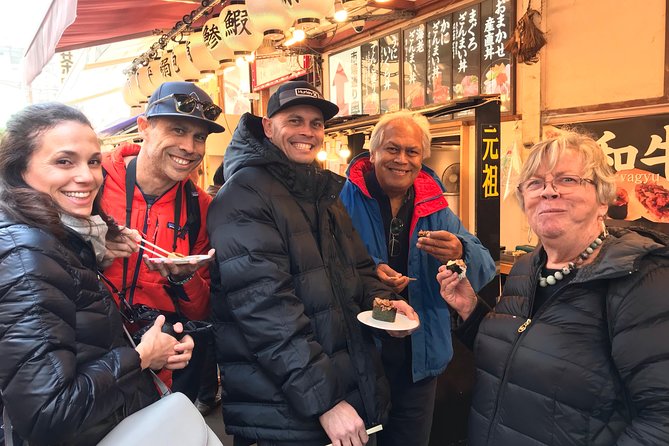
Tsukiji is the old fish market of Japan, and it is set up for tasting and buying. If you like food culture, this is one of the easiest places to spend money in a good way, since you can pick small things and snack your way around.
This stop is free to enter. The main cost is what you choose to eat. A guide can help you find where the action is and how to navigate the flow without feeling lost in the crowd.
Meiji Jingu Shrine: Shinto calm near Harajuku
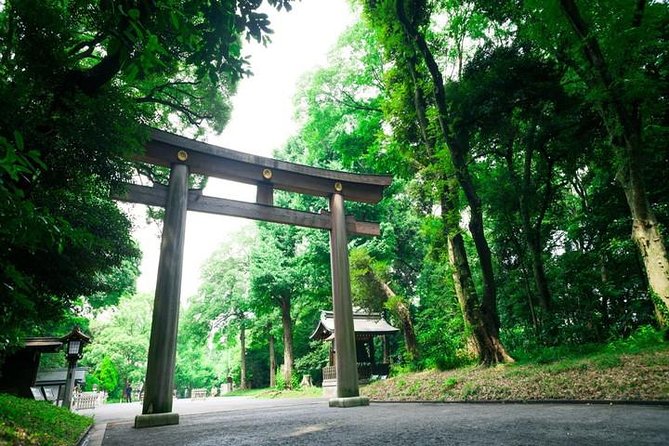
Meiji Jingu is dedicated to the deified spirits of Emperor Meiji and his consort, Empress Shoken. It sits close to busy Harajuku, which makes the contrast even more striking.
This stop is free to enter. If your guide includes shrine etiquette in the explanation, you will get more out of it than just a walk through trees. Also, since you may pass through Harajuku later, pairing shrine calm with fashion street energy can be a satisfying rhythm.
Akihabara: electronics and pop culture shopping
Akihabara is the spot for electronics and the world of Japanese fandom culture. Even if you are not shopping, walking the streets here is fun because the storefronts move fast and everything feels specialized.
This stop is free to enter. You will want to decide your shopping goal before you arrive, or you can lose time fast. A guide helps you keep the day moving if you have other must-sees.
Koishikawa Korakuen Garden: older Edo-period serenity
If you like traditional gardens, Koishikawa Korakuen is one of the oldest and best options, built in the early Edo period. It is a slower choice, which can be great if you are building a day around culture and design.
Admission is not included, so plan for the ticket. It is not the kind of place where you need to hurry. If you choose it, give it enough time to actually walk, not just glance.
Hama Rikyu Gardens: tide-linked ponds and a teahouse feel
Hama Rikyu is a garden by Tokyo Bay with seawater ponds that change level with the tides, plus a teahouse atmosphere. This is a different kind of nature stop, tied to the city’s relationship with the water.
Admission is not included. The weather can also change how the ponds feel, so if you are picky about atmosphere, ask your guide about the best time of day to go.
Tokyo National Museum: for museum days, not quick hits
The Tokyo National Museum is the oldest and largest national museum in the country. If art and artifacts matter to you, this is where you will get a real education instead of a quick glance.
Admission is not included. Also, museums eat time. If you have only 6 hours and you want multiple stops, you may have to compromise on how much you can see in one museum visit.
Rikugien Garden: six poems and long garden lines
Rikugien is often mentioned as one of Tokyo’s most beautiful landscape gardens in the same conversation as Koishikawa Korakuen. It was built around 1700 for the 5th Tokugawa Shogun, and the name connects to the idea of six poems.
Admission is not included. This is another stop where time matters. If you pick it, you will enjoy it most if you plan for unhurried walking.
Yoyogi Park: easy outdoors time near Harajuku
Yoyogi Park is one of Tokyo’s larger city parks, with ponds and wide lawns that invite jogging and picnicking. It is a great choice if you want to breathe but still stay near the action.
Some parts are free to enter, and the atmosphere is the main point. It also works well as a buffer stop between Harajuku and other downtown areas, giving your legs a chance to reset.
Takeshita Street (Harajuku): fashion street energy
Takeshita Street is Harajuku, and it is known for teenage fashion and bold style. Even if you do not buy anything, walking it is a quick pulse-check for modern Tokyo trends.
This stop is free. The crowd level can be intense, so treat it like a short visit unless you are sure you want to shop or people-watch for longer.
Odaiba District: shopping and entertainment by Tokyo Bay
Odaiba sits on a man-made island in Tokyo Bay, and it is known for shopping and entertainment. It is a fun change of pace from classic temple and market days.
This stop is listed as free to enter. You might like it more if you enjoy modern Tokyo and water views, and you want a break from the densest station neighborhoods.
Shibamata: old-school neighborhood charm
Shibamata is on the eastern side of Tokyo, near the Edogawa River, and it keeps a more old-school feel. If you want to see Tokyo that is less about landmark photo angles and more about local streets, this is a good pick.
This stop is free to enter. The main drawback is that it can be less exciting if you only want giant, famous monuments. But for texture, it is a solid choice.
Nezu and Yanaka-style streets: last-century Tokyo feel
Nezu and Yanaka are known for having survived major turmoil with their old neighborhood character. The area can feel calmer, with small streets and an everyday pace.
This stop is free to enter. If your day is already packed with crowds, this can be a nice contrast. If you want big ticket sights, it might feel quieter, but that is often the point.
Shinjuku Golden Gai: tiny bars and historic vibes
Golden Gai is famous for its small eating and drinking spots, and the area started shaping up around the 1950s. It is a compact maze-like district, which makes it fun if you like exploring on foot.
This stop is free. It is also a stop where timing matters, since you might want to arrive when it is lively. If nightlife is not your thing, you may prefer another neighborhood.
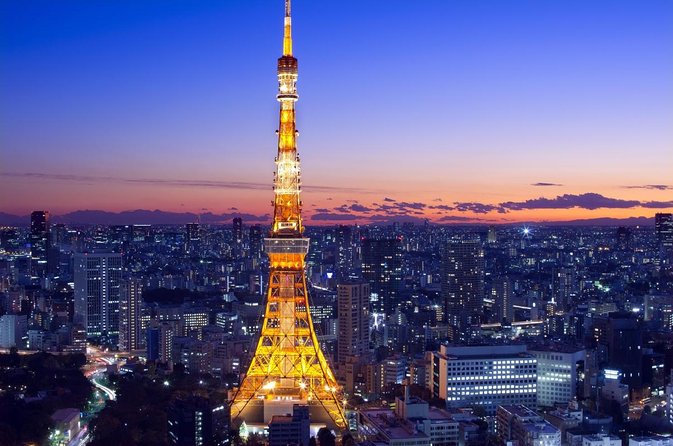
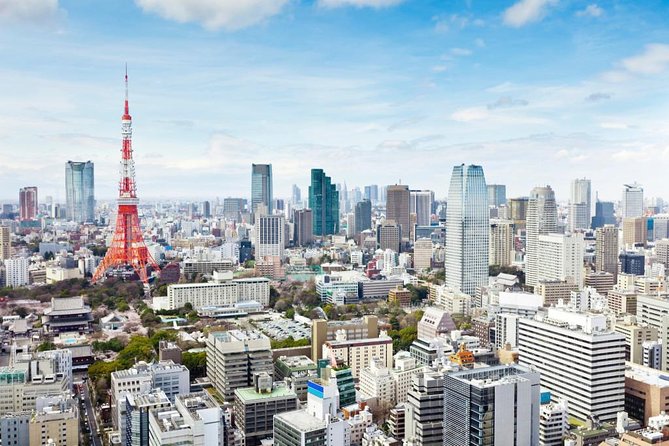
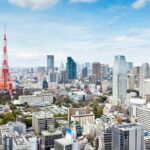
Tokyo Tower: main deck access only
Tokyo Tower is a classic visual marker, a retro red-orange icon. The big detail here is that only the main deck is included, the top deck is not.
This stop is listed as not included for admission. If you care about the views, factor in the ticket cost and the time. It is also a short stop that works well if your schedule is tight.
Gotokuji Temple: the maneki-neko origin story
Gotokuji Temple is connected to the maneki-neko, the luck-inviting cat figurine. If you like Tokyo’s playful side and folklore, this is a unique stop.
This stop is free. It is also a good choice when you want something different from temples like Sensoji, because it has a very specific, story-driven identity.
Ueno Park: museums, pond vibes, and cherry blossom fame
Ueno Park is packed with things to do, including museums, a zoo, a Toshogu shrine, and Shinobazu Pond. It is also famous as a cherry blossom party spot, which gives you a sense of why the area draws crowds.
This stop is not included for admission. If you are selecting sights from a limited list, I would treat Ueno Park as a flexible option, depending on what time of year you go and which specific attraction you want inside.
Temple and shrine etiquette, plus the local tips that make it feel effortless
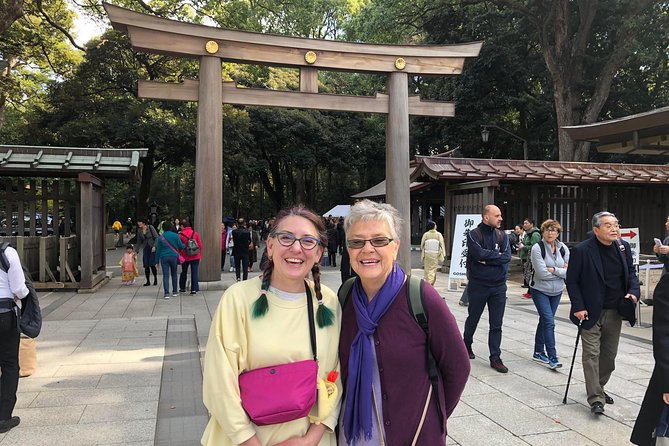
One reason this tour often earns high marks is how guides help with the “how” of visiting temples and shrines. You do not just walk through. You learn what to do at entrances and how to pay respects in a way that feels respectful.
If you pick Meiji Jingu, Sensoji, or Gotokuji, ask your guide to explain the steps before you start. It makes the visit smoother and helps you avoid awkward guesswork.
Guides also tend to offer practical help that goes beyond sight explanations. People have been helped with transit basics like using the subway efficiently, and some guides offer suggestions for where to eat so you are not spending your meal time searching blindly.
Crowds, timing, and how to pick the right mix of stops
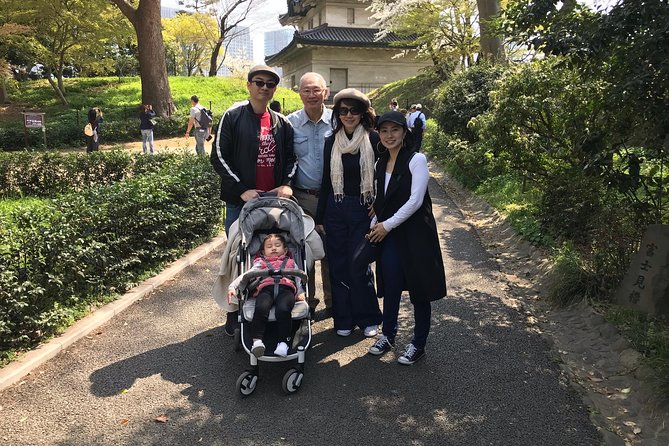
Tokyo crowds are real. A private guide helps you handle them, but your choices still matter.
If you choose Shibuya Crossing plus Harajuku or Takeshita Street, expect high foot traffic. Balance them with calmer stops like Meiji Jingu or a garden such as Shinjuku Gyoen, Koishikawa Korakuen, or Rikugien.
If you are traveling at a busy time of year, you should also expect long lines and tighter schedules. One guide experience noted handling New Year period crowds with good humor and steady pacing. That is where a flexible, private plan shines, because you can adjust the order or the time spent without ruining the whole day.
Should you book this 6-hour private Tokyo tour?
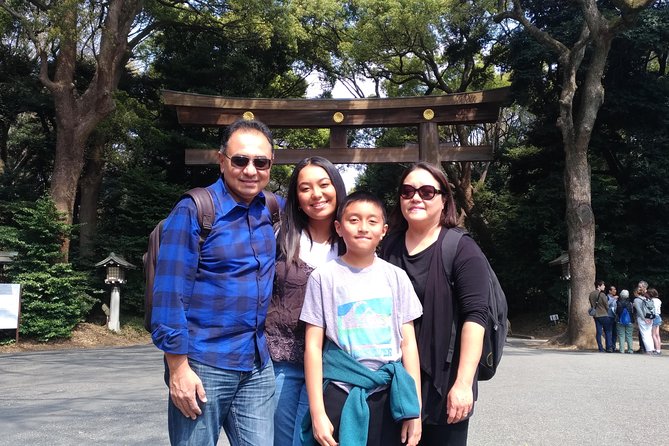
Yes, if you want a guided first pass through Tokyo without the stress of planning the route yourself. This tour is a strong choice when you have limited time, you like being shown how to move around, and you want context at iconic stops like Asakusa, Shibuya, Tsukiji, and Meiji Jingu.
I would think twice if you hate walking, because it is a walking day with public transport transfers. I would also make sure you are comfortable paying extra for meals and for several gardens and museums that are not included.
If you book, do one smart thing: before your start time, tell your guide what you care about most, and choose your 3-4 stops with balance in mind, one or two big crowd magnets, one calm cultural stop, and one flexible neighborhood walk.
FAQ
How long is the Tokyo private tour?
It runs about 6 hours.
Is this tour private or shared?
It is private. Only your group participates.
Can I customize which sights we visit?
Yes. You can choose from recommended sights to create a custom itinerary, typically selecting 3-4 sites.
Is pickup included?
Pickup is offered, but the tour is a walking tour with meeting on foot within a designated area of Tokyo.
How do we get between locations?
The tour is a walking tour and you will likely use public transportation between stops.
Are meals included?
No. Meals are not included.
Are entrance fees included?
Entrance fees are not included in general, and some specific stops are listed as not included. The guide entry fees are covered only for sights listed under what to expect.
Does the tour include going inside the Imperial Palace?
No. The tour does not include access to the inside of the Imperial Palace.
Is Tokyo Tower the full tower visit?
Only up to the main deck is included. The top deck is not included.
Can I get a full refund if I cancel?
Yes. You can cancel up to 24 hours in advance for a full refund.
Licensed Guides on the Same Ground


Newest Tokyo write-ups from the Loving Japan desk

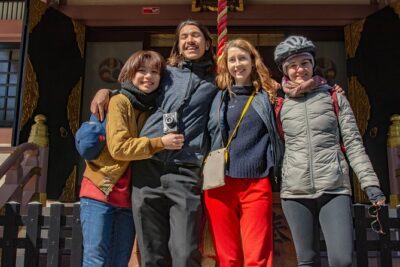
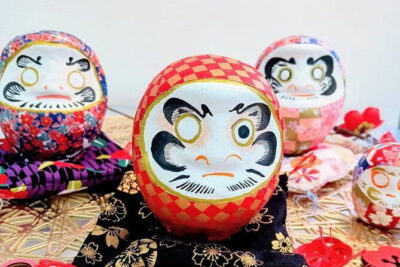
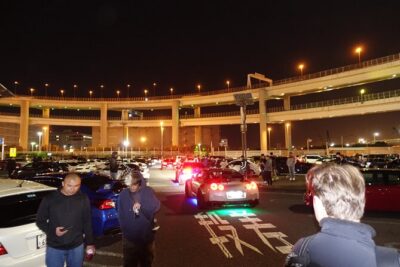
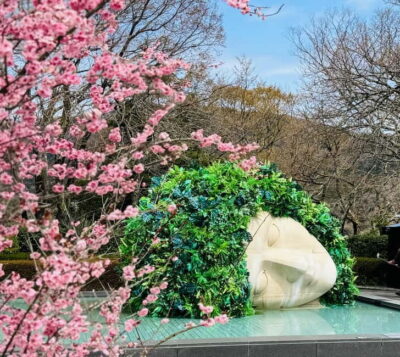
Tours with Government-Licensed Guides, side by side.
 ★ 5.0Kyoto 6hr Private Tour with Government-Licensed GuideFrom $1551,369 reviews
 ★ 5.0Hiroshima / Miyajima Full-day Private Tour with Government Licensed GuideFrom $2021,298 reviews
 ★ 5.0Kyoto 4hr Private Tour with Government-Licensed GuideFrom $109629 reviews
 ★ 4.8Private Tour with Local Licensed GuideFrom $106463 reviews
 ★ 5.0Hiroshima City 4hr Private Walking Tour with Licensed GuideFrom $122437 reviews
 ★ 5.0Private Kyoto Tour with Licensed Guide & Vehicle (Max 15 persons)From $634417 reviews
 ★ 5.0Osaka 4hr Private Tour with Government-Licensed GuideFrom $109359 reviews
 ★ 5.0Nikko Full-Day Private Tour with Government-Licensed GuideFrom $155259 reviews
Filed on these lists too