
REVIEW · TOURS WITH GOVERNMENT-LICENSED GUIDES
Kyoto: Private Tour with Local Licensed Guide
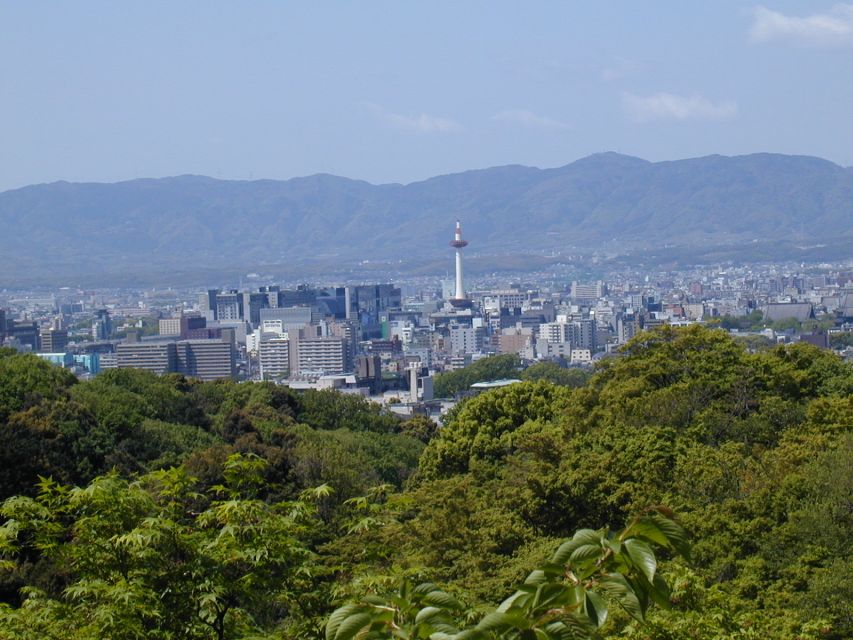
Kyoto feels less like a list here. On this private walking tour, you move with a nationally licensed guide who can explain places like Fushimi Inari and Kinkaku-ji in plain terms you can actually use.
I really like the customizable itinerary and the way your guide handles timing, transit, and crowd pressure. That said, it is still a walking day, and entrance fees plus transport between sites are not included, so you will want extra cash in Japanese yen.
You choose 4, 6, or 8 hours, then pick 2 to 6 sites from the classic Kyoto lineup, with help from a guide who can steer you toward the version of Kyoto that fits your energy level.
In This Review
- Key Points You’ll Care About
- Price and What You’re Actually Buying at This Level
- How to Pick the Right Stops for 4, 6, or 8 Hours
- Fushimi Inari and the Geisha Film Spot: Torii Gates With Meaning
- Kinkaku-ji Golden Pavilion: Big Impact in a Compact Stop
- Kiyomizu-dera to Gion: Panoramas, Shops, and Food That Fits You
- How the Guide Makes Logistics Feel Effortless
- Dining, Markets, and Shopping: Where You Don’t Waste Time
- What If You Want Fewer Crowds?
- Who This Kyoto Private Walking Tour Is Best For
- Should You Book This Kyoto Tour?
- FAQ
- How long is the Kyoto private walking tour?
- Is this tour private?
- Which languages are available?
- Are entrance fees included?
- Are food and drinks included?
- Will I need money for transportation during the tour?
- How does pickup work?
- What if it rains?
- Can I cancel and get a full refund?
Key Points You’ll Care About
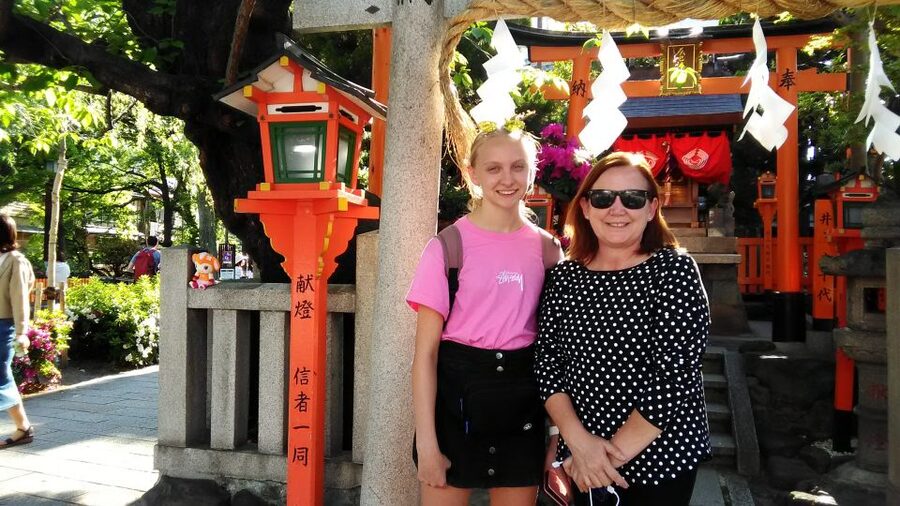
- Nationally licensed guide who is certified to interpret Kyoto’s culture and history
- Private group of up to 7, so your pace is yours
- Route customization for 4, 6, or 8 hours, based on how many stops you pick
- Crowd and logistics help so you waste less time at ticket lines and wrong turns
- Walking-first format with public transit or taxis between clusters
- Guides who share practical local tips, including where to snack or eat in Gion
Licensed guides working the same ground
- Kyoto 4hr Private Tour with Government-Licensed Guide
★ 5.0 · 629 reviews - Kyoto: Private Tour with Local Licensed Guide
★ 4.8 · 463 reviews - Private Kyoto Tour with Licensed Guide & Vehicle (Max 15 persons)
★ 5.0 · 417 reviews - Nara 8hr Private Tour – Kyoto DEP. with Licensed Guide
★ 5.0 · 115 reviews
Price and What You’re Actually Buying at This Level
At $106 per person, this is not a cheap sightseeing bus tour. You are paying for something you feel quickly in Kyoto: coordination plus cultural context in real time. Instead of googling your way from one gate to another, you get a nationally licensed Tour Guide-Interpreter who can connect what you see to why it matters.
Here is the value math that helps. You are buying a block of time, 4 to 8 hours, and you get a private walking format. That means the guide can shape the day around you, including how long you linger at a shrine, when you grab a snack, and how you travel between areas. One guide, Kazuo, stood out in particular for building a day around complex transit logistics and still leaving breathing room. Another, Tatsuyo Ito, is repeatedly praised for adjusting the plan to dodge crowds when it made sense.
What is not included is also part of the deal. Entrance fees are not included, and food and drinks are not included. If you use trains or local taxis to move between sites, the guide will discuss the costs after booking, and you will want yen on hand. For many people, that ends up being fine because it lets you choose what fits your tastes and budget.
How to Pick the Right Stops for 4, 6, or 8 Hours
The biggest advantage here is control. You are not stuck with a fixed route. You choose sites from the list, and the guide builds the day around that selection.
A useful rule of thumb based on the tour design:
- 4 hour option: plan for about 2 to 3 places
- 6 hour option: plan for about 3 to 4 places
- 8 hour option: plan for about 4 to 6 places
Also, do not just think in terms of “famous.” Think in terms of distance and mood. Kyoto’s top sights often sit in different neighborhoods. Your guide can group stops so you’re not burning time in transit. Some guides also use crowd timing. One example from the experience style: Tomi guided an itinerary that included Fushimi Inari, Nijo Castle, and Nishiki, and the pacing worked well for a short stay, even when the popular markets and gates get busy fast.
If you want an easy first-timer plan, you usually pair:
- South/East Kyoto: Fushimi Inari, Kiyomizu-dera, then Gion
If you want a more temple-and-garden day:
- Temple circuits: Kinkaku-ji, Ginkaku-ji, Nanzenji, plus one extra shrine stop
If you want to keep it flexible, send your guide your priorities before the tour day. Several guides are praised for quick communication and tailoring. Michi, for instance, was highlighted for matching the day to family needs and still getting everyone to the right places.
Fushimi Inari and the Geisha Film Spot: Torii Gates With Meaning
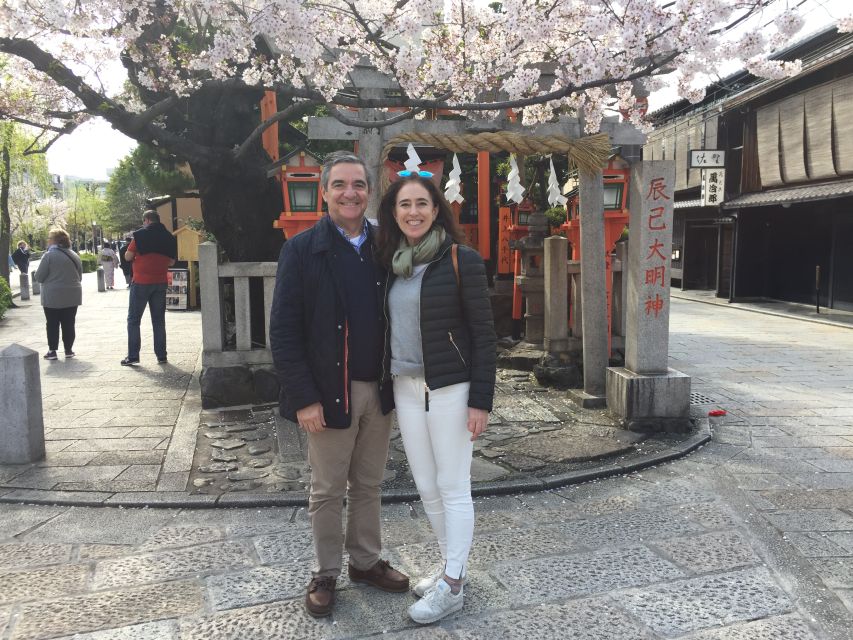
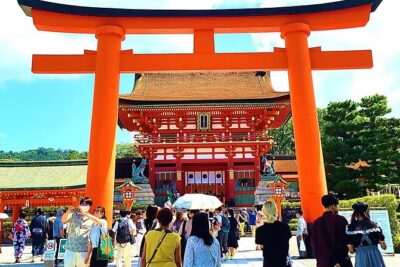
If Kyoto has one instantly recognizable symbol, it is Fushimi Inari. On this tour, it is usually a centerpiece stop, because the torii corridor is not just pretty, it is part of a living tradition.
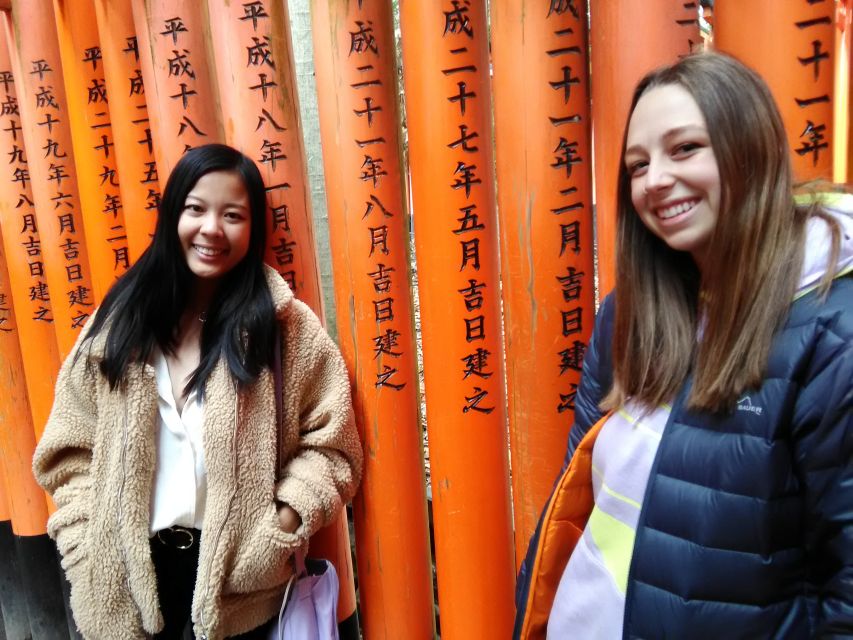
Expect a walk through the corridor of torii gates where the path keeps pulling you onward. Your guide will explain what you are seeing and how people understand the shrine. One detail you may hear, and it is a good one to remember, is the idea of a gate symbolizing a continuing passage from the current world to the world of the dead inhabited by the gods. That kind of explanation changes how you experience the climb. It stops being just a photo line and starts feeling like a place with rules and purpose.
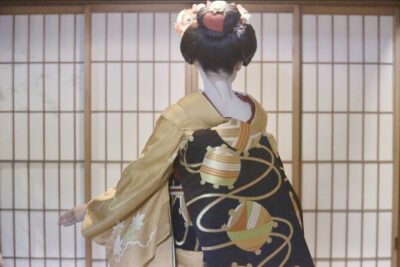
You may also be taken to a Memoirs of a Geisha filming location, described as having a crimson atmosphere and a mysterious feel. Even if you do not care about the movie, the framing is useful. It teaches you how Kyoto landscapes get used in storytelling, and it gives you a different angle on the city.
Practical tip: start earlier if you can. One traveler noted Fushimi Inari gates were packed around 9:30am. With a private guide, you can still time your visit smartly. Kazuo and Noriko are repeatedly praised for pacing and adapting when crowds or traffic threaten the plan.
- PERFECT KYOTO 1-Day Bus Tour★ 5.0 · 13,518 reviews
- Kyoto: Fushimi Inari, Kinkakuji, Bamboo Grove 1 Day Bus Tour★ 4.8 · 4,316 reviews
- Kyoto: Tea Ceremony in a Traditional Tea House in Kiyomizu★ 4.9 · 3,519 reviews
- Kyoto Geisha Walking Tour: Gion District & Hidden Gems★ 4.7 · 3,273 reviews
- Kyoto: Tea Ceremony Ju-An at Jotokuji Temple★ 4.9 · 3,207 reviews
Kinkaku-ji Golden Pavilion: Big Impact in a Compact Stop
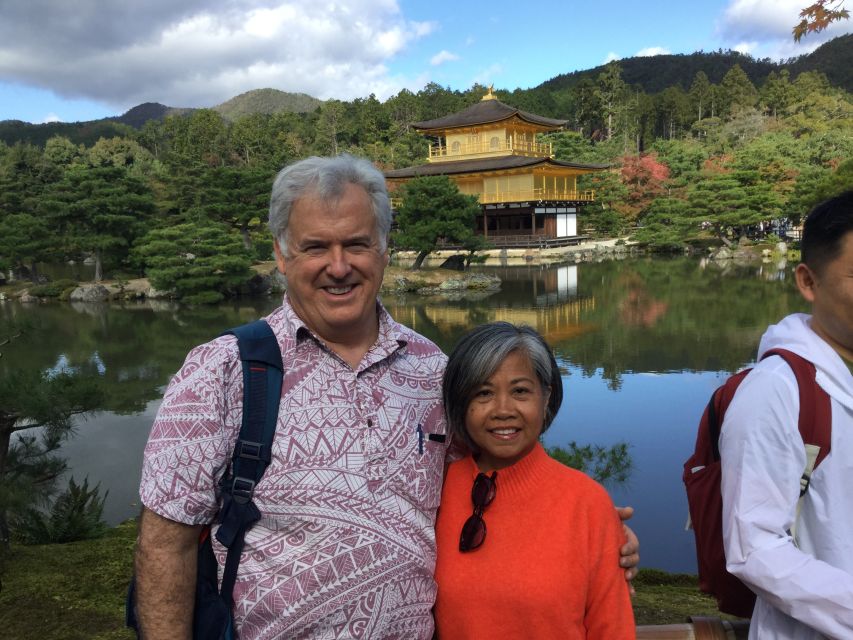
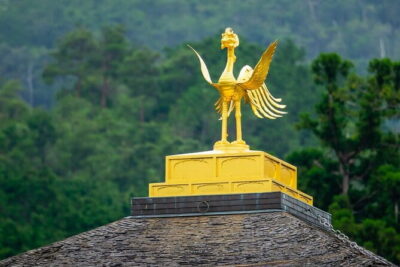
Kinkaku-ji is famous for a reason, and your guide helps you notice what the headlines do not. The temple’s golden color comes from the reliquary hall, and what I find useful is how the guide connects the structure to the view. You are not just staring at gold. You are looking at the way the building sits against the surrounding mountains and how that contrast creates the iconic look.
This stop is also where a good guide helps with expectations. Entrance fees may apply, and the timing matters because the viewing areas can get busy. A private walking format means you can take small detours inside the permitted areas and find your preferred rhythm for photos and quiet moments.
If you want to maximize your time, ask your guide how much you want to focus on the main views versus calmer viewpoints. Some guides, like Haru, are praised for staying organized without rushing you, which is exactly what you want at a stop where you could easily spend too long.
Kiyomizu-dera to Gion: Panoramas, Shops, and Food That Fits You
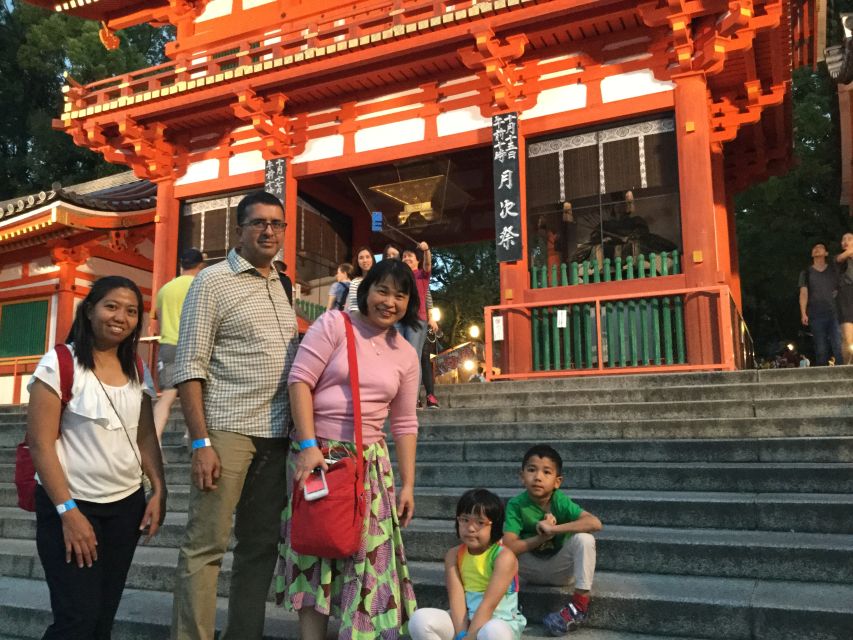
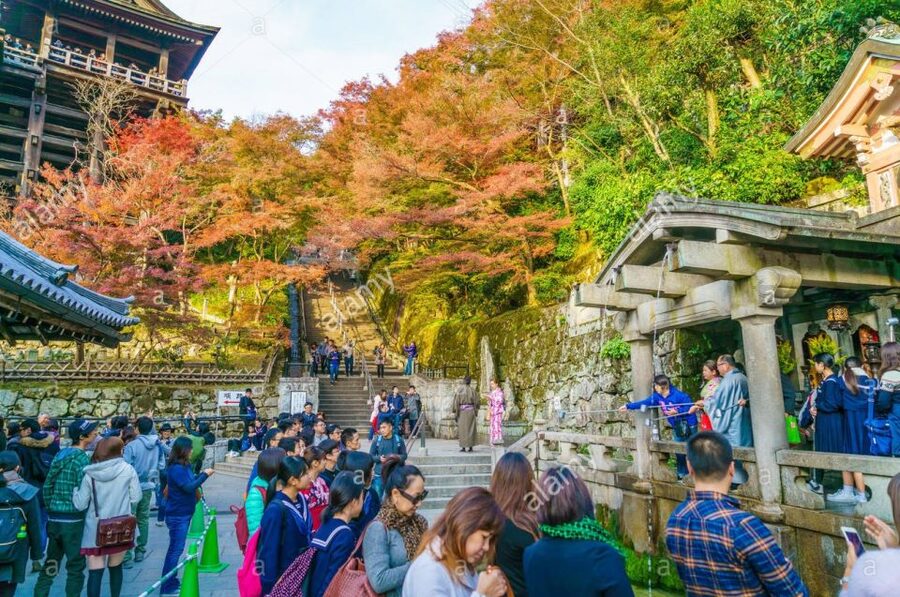
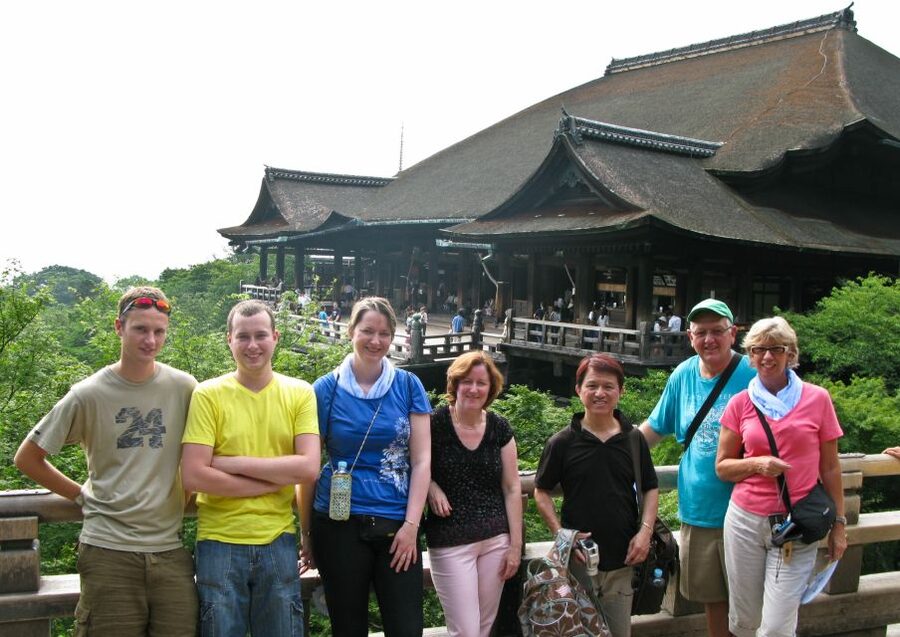
Kiyomizu-dera is often the “stop that makes Kyoto feel real.” You get panoramic city views from the large veranda, and you feel the scale of the hills and districts around you. It is one of those places where the setting is part of the show, so a guide’s explanation makes the architecture and layout click.
After Kiyomizu-dera, the path toward Gion becomes your afternoon of Kyoto texture. This is where the tour can feel less like sightseeing and more like moving through a neighborhood. You will likely walk into lanes where Kyoto-esque shops sell souvenirs that feel more local than generic. The goal is not to pressure you into buying anything. It is to help you shop with context, so you know what you are looking at.
Then comes Gion itself, which is where you can shift from temples to daily-life Kyoto. Your guide can recommend places to snack or have dinner in the area. This is not vague advice. One guide, Yasu, is praised for giving a personal ramen recommendation that turned into one of the best meals people had in Japan. Another highlight you might see: guides offer a coffee break when requested, and that matters. Kyoto days add up fast.
If you want a smooth finish, ask your guide to end with Gion time that matches your plans. Some guides even add a short extra walk in their favorite Gion area after the main stops, which helps the day feel coherent instead of chopped into disconnected points.
How the Guide Makes Logistics Feel Effortless
Kyoto punishes unplanned walking. It also rewards a good plan. That is where the licensed guide becomes more than a walking encyclopedia.
Here is what you are likely to notice:
- Your guide makes quick transitions between sights, using walking plus train or bus when it saves time.
- They adjust the route when traffic or crowd density gets in the way.
- They help you understand how to move and what to expect at each location.
Multiple guides are praised for communication and preparation. Michi sent photos of the exact meeting point and shared a phone number in case you needed it. Joji is praised for helping with train times before and after the tour, including making sure people caught the right connection. You also often meet in the hotel lobby or station area your request specifies, with the guide waiting around 10 minutes before pickup time.
A real benefit is how guides tailor the pacing. Elaine’s experience mentions flexible pacing and thoughtful organization. Shoji is praised for answering questions on the spot. Yuka is praised for being sensitive to comfort needs and keeping energy up while still respecting the group.
One more practical point: you might travel between sites using public transit or taxis, and those transportation costs are not included. The guide can discuss the amount after booking, but you should keep yen available. Planning for that cash reduces stress later.
Dining, Markets, and Shopping: Where You Don’t Waste Time
This tour is designed as a day that includes time for food and shopping, even though it is not “food included.” That is an important difference. It means you can choose your meal style based on your schedule and appetite.
Possible stops from the list that fit this “shop and snack” energy include:
- Nishiki Market Shopping District: great for walking and sampling at your own speed
- Pontocho: a neighborhood feel that pairs nicely after temple time
- Gion: shops and dinner options that match the mood of the evening light
In the experiences described, guides were also praised for helpful shopping tips and for understanding what matters to different people. For example, guides taught people how to properly pray at shrines, and even where fortune reading fits into the cultural flow. If you want that kind of hands-on guidance, tell your guide. A private tour is the perfect place to ask questions you would never ask in a crowd.
What If You Want Fewer Crowds?
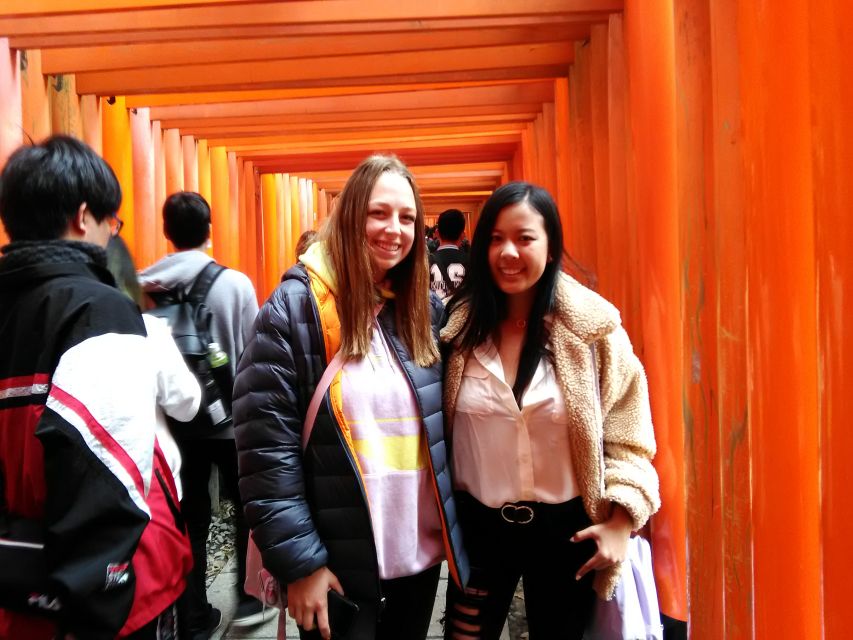
You cannot control Kyoto’s popularity. You can control your strategy. A private guide is how you convert that reality into a calmer day.
Several guides are specifically praised for adjusting itineraries to avoid crowded areas and traffic, including Noriko making changes to reduce road time. Tatsuyo Ito is repeatedly mentioned for shifting the plan to escape crowds and find less-visited spots, while still hitting the major sights you came for.
If you want a crowd-sensitive plan, ask your guide for two things upfront:
1) when to start the most popular stop, like Fushimi Inari
2) where you can add one quieter temple moment instead of repeating a line-up photo stop
And wear good shoes. This kind of plan works best when you treat walking as part of the experience, not a punishment.
Who This Kyoto Private Walking Tour Is Best For
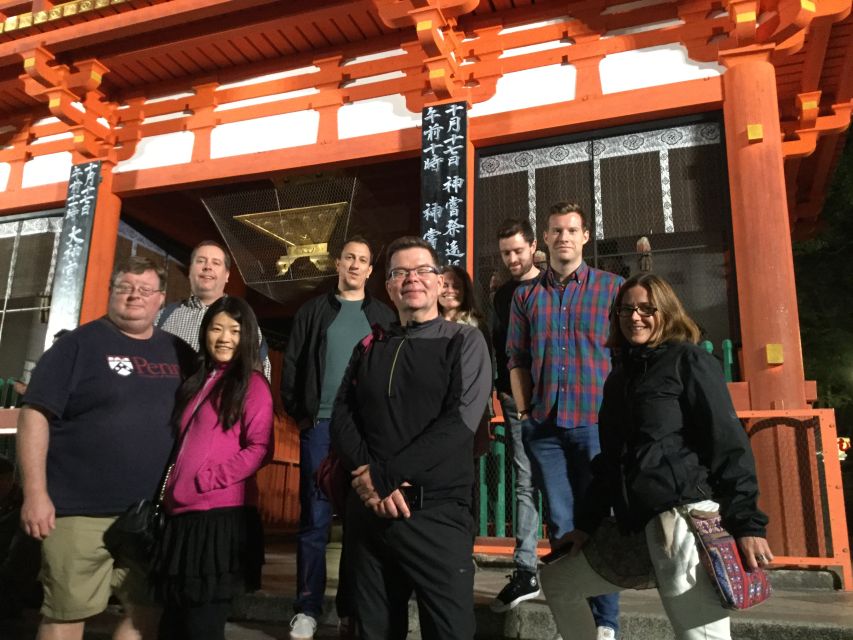
This is a strong match if you fit one or more of these profiles:
- First-time Kyoto visitors who want the headline sights but do not want to feel lost or rushed
- Couples or small groups who want a private pace, not a group shuffle
- Families with mixed ages who need someone to manage timing and comfort, including senior travelers and kids
- People who like context and want their shrines and temples explained in a human way
It may be less ideal if you want a mostly seated, low-walking plan. It is a walking day tour, and even with smart transit between neighborhoods, you should expect to walk.
Wheelchair accessibility is listed, which is great to know. If you use a wheelchair or mobility aids, confirm the practical route and any steps or steep sections with the guide before you lock in your site choices.
Should You Book This Kyoto Tour?
I think this is an easy yes for many visitors because it solves two Kyoto problems at once: direction and meaning. You get a licensed guide who can explain what you are seeing, and you get a private pace that helps you actually enjoy the city instead of racing between pins on a map.
Book it if:
- You want Fushimi Inari plus at least one major temple like Kinkaku-ji or Kiyomizu-dera
- You care about local etiquette, shrine meaning, and practical advice for shops and meals
- You only have one day (or a short Kyoto stay) and you want it well planned
Consider skipping or choosing fewer stops if:
- You hate walking and would rather take more time per stop on your own
- You do not want to handle entrance fees and local transport costs separately
- Your schedule is so tight that you cannot accept a walking-heavy format
If you book, send your site priorities early and tell your guide what you want to feel by the end of the day. Guides like Akira, Haru, Noriko, and Kazuo come across as people who can shape the experience when you give them a clear goal.
FAQ
How long is the Kyoto private walking tour?
It runs for 4, 6, or 8 hours. You can check available starting times when you reserve.
Is this tour private?
Yes. It is a private group experience with a maximum number of passengers of 7.
Which languages are available?
The live tour guide is available in English and Japanese.
Are entrance fees included?
No. Entrance fees are not included in the tour price.
Are food and drinks included?
No. Food and drinks are not included, but your guide can recommend places to eat and where to grab snacks.
Will I need money for transportation during the tour?
Yes. Public or taxi transportation between sites may be used, and the transportation costs are not included. You should have Japanese yen available, and the exact costs can be discussed with the guide after a reservation is finalized.
How does pickup work?
Pickup is included. Your guide will wait in your hotel lobby or requested train station location about 10 minutes before pickup time. If your accommodation is within reasonable walking distance, pickup may be on foot.
What if it rains?
The tour takes place rain or shine.
Can I cancel and get a full refund?
Yes. Free cancellation is available up to 24 hours in advance for a full refund.
Licensed Guides on the Same Ground
Newest Kyoto write-ups from the Loving Japan desk

Tours with Government-Licensed Guides, side by side.
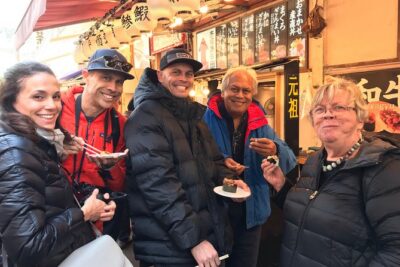 ★ 5.0Tokyo 6hr Private Tour with Government-Licensed GuideFrom $1553,902 reviews
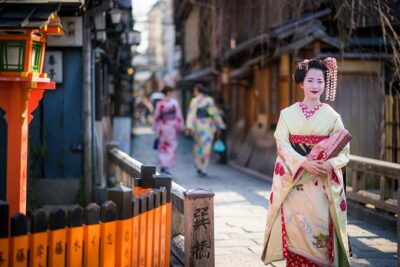 ★ 5.0Kyoto 6hr Private Tour with Government-Licensed GuideFrom $1551,369 reviews
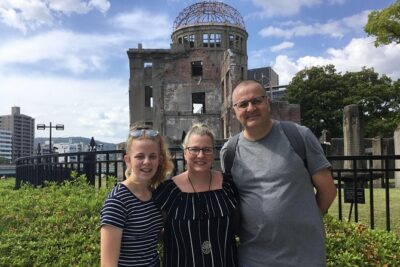 ★ 5.0Hiroshima / Miyajima Full-day Private Tour with Government Licensed GuideFrom $2021,298 reviews
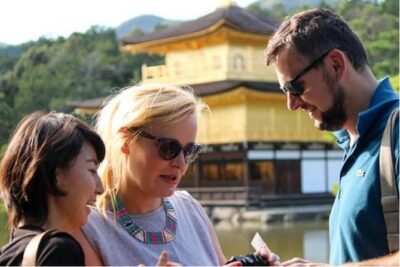 ★ 5.0Kyoto 4hr Private Tour with Government-Licensed GuideFrom $109629 reviews
 ★ 5.0Hiroshima City 4hr Private Walking Tour with Licensed GuideFrom $122437 reviews
 ★ 5.0Private Kyoto Tour with Licensed Guide & Vehicle (Max 15 persons)From $634417 reviews
 ★ 5.0Osaka 4hr Private Tour with Government-Licensed GuideFrom $109359 reviews
 ★ 5.0Nikko Full-Day Private Tour with Government-Licensed GuideFrom $155259 reviews
Filed on these lists too