
REVIEW · NAGOYA AND CENTRAL JAPAN
Discover The Hidden Pottery Town of Tokoname
Tokoname is pottery with a point of view. This 2-hour walk through the Pottery Footpath is guided by a local ceramic artist, and you get history, culture, and real maker talk. You’ll also see the famous places, from the slope lined with earthenware pipes to a museum with an actual kiln.
What I liked most is the small group size (up to 8 people), which makes questions easy and keeps the pace relaxed. I also really valued the guide’s perspective, including English support from Mr. Yagi in one reviewed tour, plus the chance to visit local workshops like 一菁陶園 Issei-Touen.
One thing to think about: this is a walking circuit with multiple stops along the pottery route, so wear comfy shoes and expect some stairs and inclines, especially around Dokanzaka.
In This Review
- Key highlights if you care about pottery
- Tokoname Pottery Footpath, what you’re really doing for 2 hours
- Meeting at Tokoname Ceramic Hall, your story starts here
- Tokonyan giant Maneki Neko, a fun breather with local flavor
- Dokanzaka slope, earthenware pipes and shochu jars on the walls
- Togama Square Museum, an actual kiln plus paint time
- Issei-Touen pottery garden, seeing ceramics in a real workshop setting
- Why the $65.32 price often feels fair
- Timing, group size, and how to prepare for the walk
- Who this Tokoname tour fits best
- Should you book the Tokoname Pottery Footpath tour?
- FAQ
- How long is the Tokoname Pottery Footpath tour?
- How many people are in a group?
- Where do I meet, and where does the tour end?
- What languages are offered?
- Is the ticket digital?
- What’s included in the price?
- Which stops are part of the tour?
- Is there hands-on activity?
- Can I get a full refund if I cancel?
- Are service animals allowed?
Key highlights if you care about pottery
- A guided Pottery Footpath circuit with a local ceramic artist, not just a sightseeing guide
- Up-close kiln time at Togama Square Museum, plus a chance to paint
- Dokanzaka’s slope walls lined with earthenware pipes and shochu jars
- Tokonyan Maneki Neko makes a fun break on the way between pottery stops
- Issei-Touen workshop visit to see handmade ceramics in a maker setting
- Multilingual tour options including English and Spanish, plus more
Tokoname Pottery Footpath, what you’re really doing for 2 hours
Tokoname pottery isn’t just something you buy in a shop. On this tour, you walk a route built around how the town works, where materials and tools show up in daily streets, and how ceramic culture spreads from kiln to neighborhood.
You’re signing up for a guided route that strings together five very specific places, each one teaching a different angle. One stop helps you understand Tokoname’s craft base, another puts you next to the famous giant Maneki Neko, and two stops focus on the built environment around firing and making. The final stop brings you to 一菁陶園 Issei-Touen, where the maker side feels personal.
The best part for most people: it’s not a big group march. With a maximum of 8 travelers, you can ask questions, and the guide can adjust the rhythm. That matters when you’re talking pottery, because people usually want to know things like how the process differs from region to region, or what to look for in glazes and forms.
Meeting at Tokoname Ceramic Hall, your story starts here
The tour begins at Tokoname Ceramic Hall on Sakaemachi, Tokoname. You’ll spend about 20 minutes here, and the admission for this stop is listed as free.
This is the right opening move. Ceramic Hall stops often act like a map for the town’s craft, and it helps you understand what you’re seeing later. Even if you only catch part of the explanation, you’ll have better instincts for spotting pottery-related details as you move down the route.
Because the guide is a local ceramic artist who grew up in the area and studied abroad, you also get a translation between worlds. You hear how locals think about the craft day to day, and you get context for how Tokoname pottery is explained to visitors.
Practical note: arrive a few minutes early, and take a quick look around before the group gathers. It makes the first explanation land better.
Tokonyan giant Maneki Neko, a fun breather with local flavor
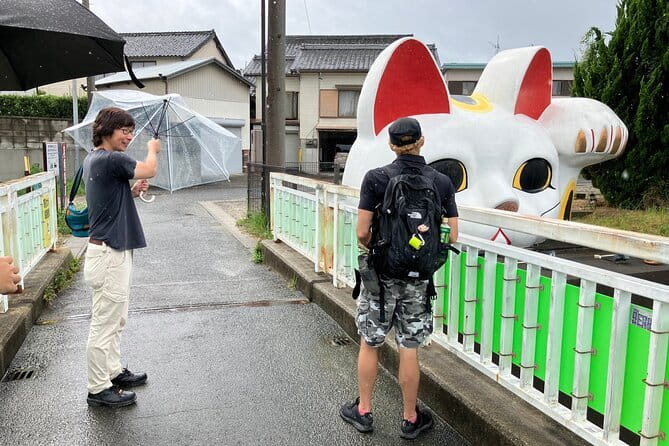
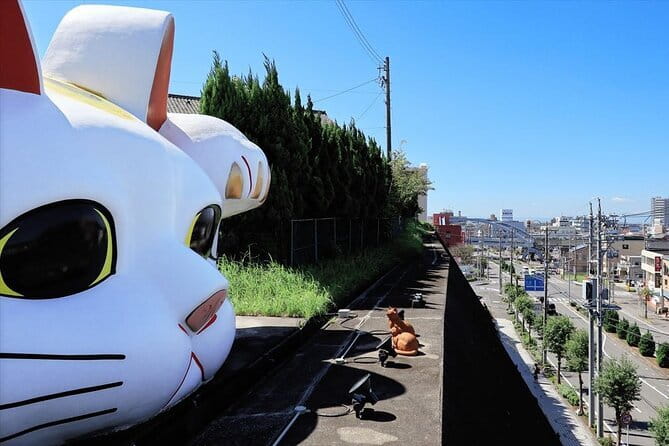
One stop is Tokonyan, a 3.8-meter-tall, 6.3-meter-wide Maneki Neko cat. It’s one of those “of course I’m photographing this” moments, but it also works as a timing reset in a short tour.
You’ll have about 10 minutes here, and admission is listed as free. This isn’t the core pottery lesson, but it’s still part of the town’s personality. Tokoname doesn’t present pottery as a museum-only thing. It mixes it with everyday landmarks that tourists and locals both recognize.
If you want the photo to actually come out, think about timing. Even on a shorter stop, you can step aside for a clear shot, then come back for group listening.
Dokanzaka slope, earthenware pipes and shochu jars on the walls
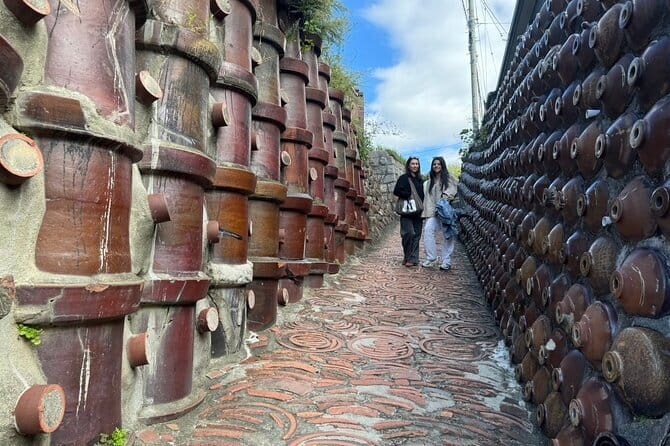
Then comes Dokanzaka, located near the center of the Pottery Footpath area. You’ll spend about 30 minutes there, and it’s marked as free admission.
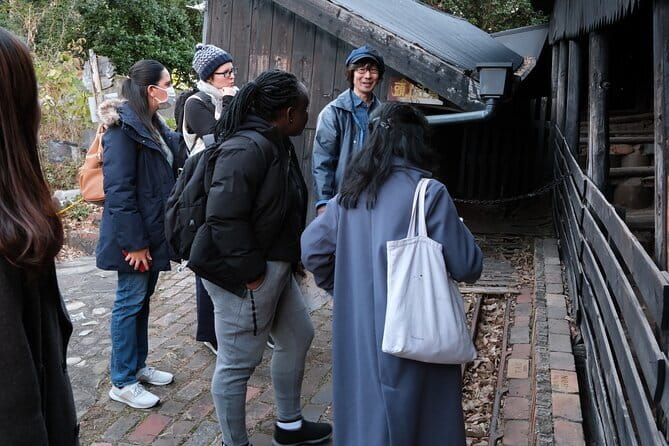
What makes Dokanzaka special is the way it uses pottery-adjacent structures as scenery. The slope is lined with large earthenware pipes and shochu jars along the walls. As you ascend, you’re not just walking through a pretty street. You’re moving through a built display of ceramic materials tied to everyday life.
This stop also helps you understand the town scale of pottery. In some places, ceramics feel sealed inside galleries. Here, ceramic-related shapes and containers show up as part of the street system and neighborhood texture.
Tip: bring your camera, but also keep your eyes up. The best views aren’t just the slope in general, they are the side details along the walls that show up as you change elevation.
Togama Square Museum, an actual kiln plus paint time
At Togama Square Museum, you get one of the most tactile moments on the route. The stop runs about 30 minutes, and the museum’s admission is listed as free.
The museum experience includes stepping into an actual kiln for an up-close look. That’s valuable because seeing a kiln in photos is one thing, but standing near one gives you a sense of scale and function. You also get a hands-on pottery activity, specifically painting, with Tokoname pottery as the theme.
Here’s a practical way to think about it: painting is great if you want a souvenir that connects to what you just learned. If you’re not into crafts, you can still enjoy the kiln portion and treat the painting as a bonus. Either way, this is the stop that turns the tour from “places I visited” into “process I understood.”
Also, keep in mind that the tour lists included items as only the guide fee, while personal expenses are not included. If you choose to buy something from the shop or add-on items during the stop, that would fall under personal spending.
Issei-Touen pottery garden, seeing ceramics in a real workshop setting
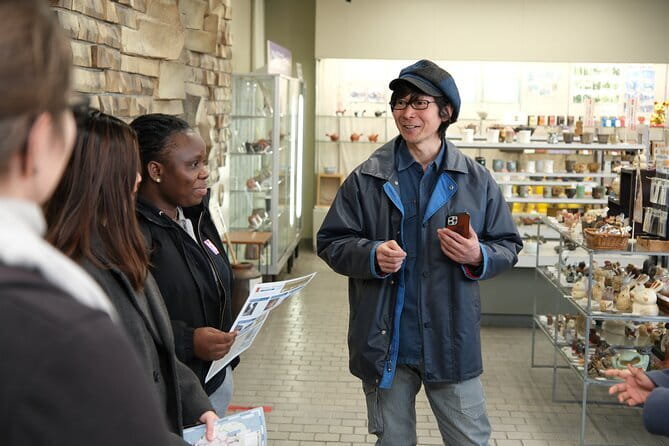
The final pottery-making stop is 一菁陶園 Issei-Touen Tokoname. You’ll have about 30 minutes here, and admission is also listed as free.
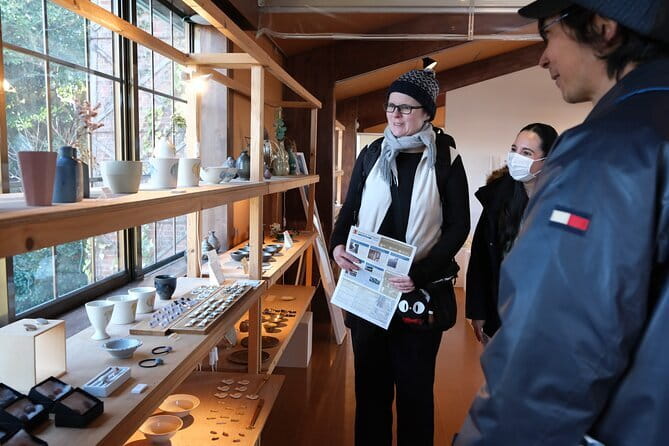
This stop is described as a place where traditional craftsmanship meets contemporary design. You’ll explore the tranquil workshop area, admire handmade ceramics, and you can also spend time in the shop.
Why this is more than a store visit: the tour is built around a ceramic artist guide, and this stop ties your walking route to a creator’s space. In reviews, the guide experience is repeatedly praised for being patient, flexible, and able to translate the conversation. One review even mentions Mr. Yagi speaking English fluently and facilitating conversation.
You don’t need to be a pottery expert. What you need is curiosity. If you like the idea of asking questions about technique or design choices, this stop is where you can actually get answers.
Why the $65.32 price often feels fair
The tour price is $65.32 per person, and it runs about 2 hours. That works out best if you treat it as a guided lesson rather than transportation plus photos.
What you’re paying for is the guide fee, plus the structure that puts you at five specific sites with context. The stops themselves are listed with free admission tickets in the itinerary, which helps the value math. The real value is that you’re not just reading plaques. You’re hearing commentary from someone who grew up in the area and studied abroad, then applying that context while you walk.
It’s also booked fairly ahead of time, with an average booking window of about 66 days. That’s a clue the tour draws people who want pottery-focused guidance and a calmer group size.
If you’re doing Tokoname as a pottery day, this price can feel like a good deal because pottery craft takes time to understand, and a guided route compresses that learning without forcing you into a full-day schedule.
Timing, group size, and how to prepare for the walk

Duration is listed as 2 hours (approx.), and the route ends back at the meeting point. The total time is short enough that you’ll likely feel satisfied without getting “tour tired,” but long enough that you’ll want to show up with energy.
Group size matters here. With a maximum of 8 people, the pace stays human. In practice, it means the guide can slow down if you’re interested in a detail, and it also makes it easier for multilingual communication to land.
Come prepared for the terrain. Dokanzaka is a slope, and you’ll be walking between clustered stops. Comfortable shoes are the simplest smart move.
For tickets, you’ll receive a mobile ticket. That’s helpful because it reduces last-minute scrambling for printed tickets.
Finally, you’re in Tokoname, so you’ll likely be mixing this tour with other regional plans. With a quick circuit, you can usually pair it with other Aichi-day activities, or keep it as your central focus and build the rest of your day around buying pottery and wandering.
Who this Tokoname tour fits best
This tour is a strong fit if:
You want a maker-led explanation of Tokoname ceramics, not just a checklist of sights.
You care about kiln-related craftsmanship and want something more hands-on than browsing.
You like small groups and appreciate time for questions and translation.
It may be less ideal if:
You only want quick photo stops and you’re not interested in the pottery explanations.
You strongly prefer to stay completely hands-off and you don’t want any painting activity option.
It also fits multilingual needs. The tour is described as multilingual, including English, Spanish, and more, which is helpful if you’re traveling with mixed-language companions.
Should you book the Tokoname Pottery Footpath tour?
I’d book it if Tokoname pottery is a priority for you and you want context you can feel in your feet. The combination of a local ceramic artist guide, a kiln visit at Togama Square Museum, and a workshop stop at 一菁陶園 Issei-Touen makes the day feel connected, not random.
I’d skip it only if you want a purely independent browsing day or you dislike walking slopes. If you’re comfortable with a short walking circuit and you like the idea of conversation with a ceramic artist, this is one of the more practical ways to get real meaning from Tokoname.
FAQ
How long is the Tokoname Pottery Footpath tour?
The tour lasts about 2 hours.
How many people are in a group?
The tour has a maximum of 8 travelers.
Where do I meet, and where does the tour end?
You meet at Tokoname Ceramic Hall, 3-chōme-8 Sakaemachi, Tokoname, Aichi 479-0836, Japan. The tour ends back at the meeting point.
What languages are offered?
The tour is described as multilingual, with English and Spanish listed, plus more.
Is the ticket digital?
Yes, the tour uses a mobile ticket.
What’s included in the price?
The included item is the guide fee. Other personal expenses are not included.
Which stops are part of the tour?
The itinerary includes Tokoname City Ceramic Hall, Tokonyan (the giant Maneki Neko), Dokanzaka, Togama Square Museum (with an actual kiln and painting), and 一菁陶園 Issei-Touen Tokoname.
Is there hands-on activity?
At Togama Square Museum, you can enjoy a hands-on painting activity.
Can I get a full refund if I cancel?
Yes. You can cancel up to 24 hours in advance for a full refund.
Are service animals allowed?
Yes, service animals are allowed.
Nagoya and Central Japan, side by side.
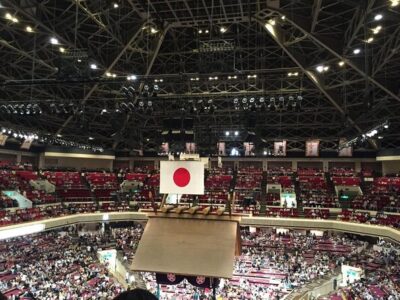 ★ 5.0Ultimate Sumo Tournament: Tokyo, Osaka, Nagoya, FukuokaFrom $184468 reviews
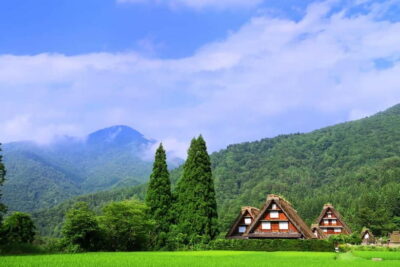 ★ 4.4From Nagoya: Gujo, Hida Takayama, and Shirakawa-go Day TourFrom $61398 reviews
 ★ 4.5Ghibli Park 1-Day Bus Tour from NagoyaFrom $179277 reviews
 ★ 4.5From Nagoya: Hida Takayama & Shirakawa-go Tour w/Opt. LunchFrom $61256 reviews
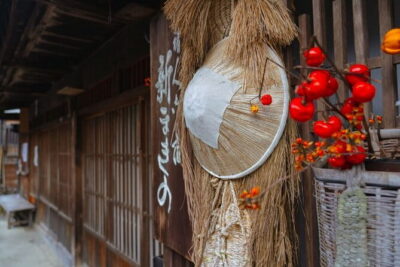 ★ 5.0Hiking the Historic Nakasendo Trail [1 Day Tour from Nagoya]From $210104 reviews
 ★ 5.0Nagoya Highlight Tour guided by a friendly localFrom $11286 reviews
 ★ 4.9Japanese Traditional Sweets making and Tea CeremonyFrom $1876 reviews
 ★ 4.6Magome-juku, Tsumago-juku & Ena-kyo 1d Bus Tour from NagoyaFrom $6175 reviews
Filed on these lists too