
REVIEW · KYOTO TEA CEREMONIES AND MATCHA
Nagoya: Japanese Traditional Sweets making and Tea Ceremony
In 95 minutes, you craft wagashi and matcha. This Nagoya class is built around hands-on Nerikiri sweet shaping and a guided tea moment with single-origin Uji Matcha, so you leave with both skills and something delicious to eat.
I especially like how they start with the sweetmaking basics, coloring bean paste and shaping it into season-matching forms. I also like that the teacher connects ingredients to taste, so the rich sweetness of the Kyoto-produced bean paste makes the matcha taste cleaner.
One consideration: it is on the 3rd floor with no elevator, so plan for stairs. Also, English support is provided as much as possible, and the activity itself runs in Japanese.
In This Review
- Key things to know before you go
- Getting to the Workshop Near Nagoya Station
- First Hour Focus: Color, Shape, and Finish Your Nerikiri
- The Ingredients Matter: Kyoto Bean Paste Meets Uji Matcha
- Tea Break and the Shift From Hands-On Craft to Tea Skills
- Matcha Grinding and a Guided Tea Ceremony Moment
- Enjoying Your Wagashi: Eat It Fresh, Then Decide on Take-Home
- Price and Value: What $18 Gets You in Nagoya
- Practical Logistics: Floors, Language, and Timelines
- Who This Workshop Suits Best
- Should You Book This Nagoya Wagashi and Tea Lesson?
- FAQ
- How much does the Nagoya Japanese Traditional Sweets making and Tea Ceremony cost?
- How long is the experience?
- What will I make during the class?
- What matcha do you use?
- Does the program include tea ceremony practice, or just drinking matcha?
- Where is the meeting point?
- Is a take-out box for the sweets included?
- Is an experience completion certificate available?
- Do I need to speak Japanese?
- Can I cancel if my plans change?
- Is there an elevator at the venue?
Key things to know before you go
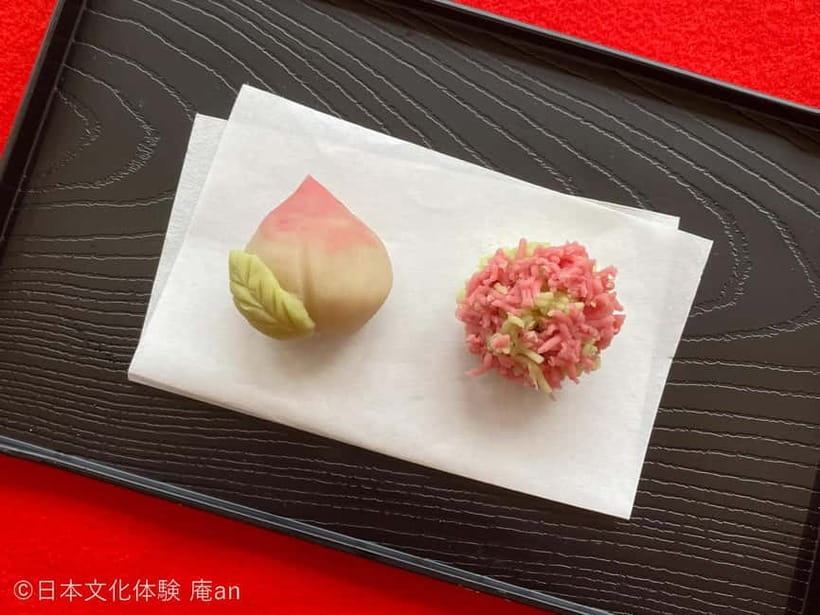
- Two Nerikiri-style sweets, season-matched so you do more than one project.
- Kyoto-produced white/red bean paste used for the wagashi you make.
- Uji Matcha with a grinding demo, so you get the process behind the cup.
- Tea session is taught, not left to chance, with clear steps and time to taste.
- No elevator at the venue, since you’re going up to the 3rd floor.
Still weighing up options in Nagoya? These are the ones our reviewers rated highest.
- From Nagoya: Gujo, Hida Takayama, and Shirakawa-go Day Tour
★ 4.4 · 398 reviews - Ghibli Park 1-Day Bus Tour from Nagoya
★ 4.5 · 277 reviews - From Nagoya: Hida Takayama & Shirakawa-go Tour w/Opt. Lunch
★ 4.5 · 256 reviews - Hiking the Historic Nakasendo Trail [1 Day Tour from Nagoya]
★ 5.0 · 104 reviews
Getting to the Workshop Near Nagoya Station
This is a practical Nagoya activity if you want something cultural but not too time-consuming. You meet up just a 1-minute walk from Exit 3 of the Sakura-dori Line at Kokusai Center Station, or about a 13-minute walk from Nagoya Station along the Sakura-dori side. That makes it easy to slot into a day without relying on long transfers.
The program runs 95 minutes, starting within operating hours from 10:00 to 17:00. If you book a time that lands after 17:00, it processes the next day. Plan to arrive with enough buffer because they cannot hold the experience for delays.
First Hour Focus: Color, Shape, and Finish Your Nerikiri
You begin with a sweets overview so you understand what you’re making before your hands start moving. Then it’s straight into Nerikiri sweetmaking, starting with the coloring of white bean paste. This part is more interesting than it sounds. When you color the paste, you are not just making it prettier. You’re learning how wagashi gets its seasonal identity, often shaped to resemble flowers or fruit.
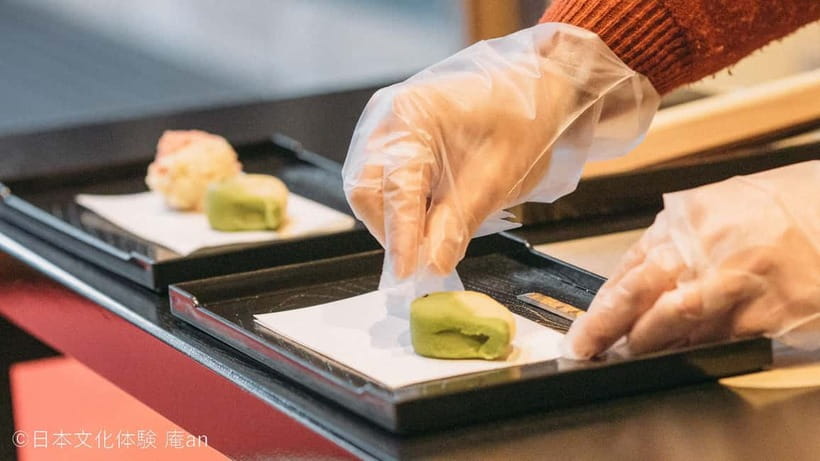
After the explanation, you craft your sweets step by step. The schedule clearly splits the sweet work from the tea work, with sweetmaking running until about the 55-minute mark. You then get a short break before tea instructions begin.
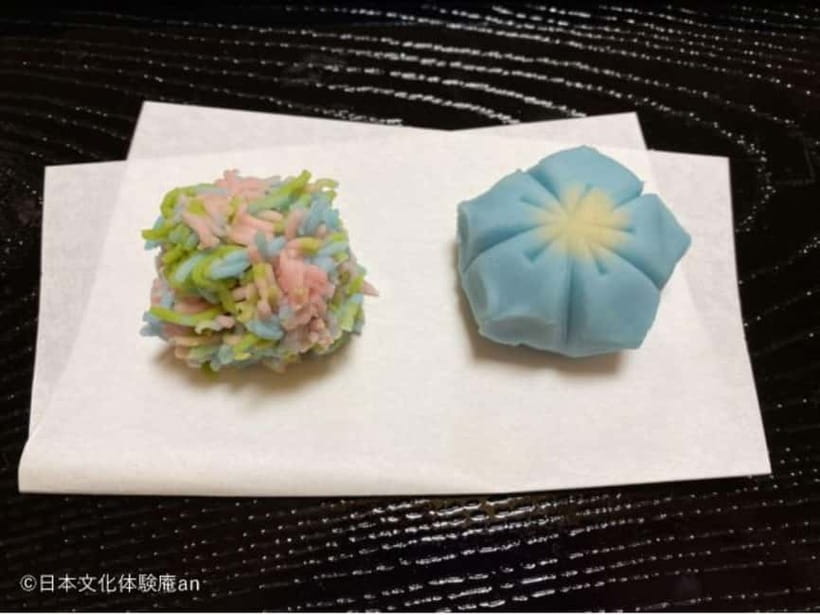
Depending on the season, your two sweets will match the theme. The class is set up for you to make two Japanese traditional sweets, so you’ll likely feel like you get “real output,” not just a sample or a demo. One of the forms mentioned in the flow is Kinton Nerikiri, which suggests you’ll be working with a style where shape and color matter for the final look.
From reviews, I also picked up that people often end up making very recognizable nature-themed designs, like ginkgo leaf or chestnut style sweets. If you enjoy crafts, this is the sweet spot: you are shaping, molding, and refining, not just tasting.
The Ingredients Matter: Kyoto Bean Paste Meets Uji Matcha
Here’s where the class becomes more than a cooking hobby. They use white and red bean paste produced by long-established shops in Kyoto. That matters because bean paste quality affects texture and sweetness, and the class is built around tasting the difference.
They also use single-origin special Matcha, specifically Uji Matcha. That is a big deal in tea circles, because “good matcha” is not just about the green color. It’s about a clean balance of bitterness and sweetness, and it should pair with wagashi instead of clashing with it.
You will prepare your matcha after the sweets are made, and then you eat your sweets with the tea. In plain terms, the class teaches you the logic of the pairing: high-quality bean paste sweetness helps round off matcha’s edge, so your cup feels smoother and your sweets taste more defined.
That pairing shows up again in what people praise most. Several reviews highlight that the ingredients feel premium and that the sweetness-to-matcha balance is spot on. If you’ve ever had matcha that tastes too sharp with dessert, this is the chance to learn how Japanese sweets cooking is designed around harmony.
Central Japan, beyond the obvious stop
- Ghibli Park 1-Day Bus Tour from Nagoya★ 4.5 · 277 reviews
- Hiking the Historic Nakasendo Trail [1 Day Tour from Nagoya]★ 5.0 · 104 reviews
- Nagoya Highlight Tour guided by a friendly local★ 5.0 · 86 reviews
- Nagoya: Japanese Traditional Sweets making and Tea Ceremony★ 4.9 · 76 reviews
- Magome-juku, Tsumago-juku & Ena-kyo 1d Bus Tour from Nagoya★ 4.6 · 75 reviews
Tea Break and the Shift From Hands-On Craft to Tea Skills
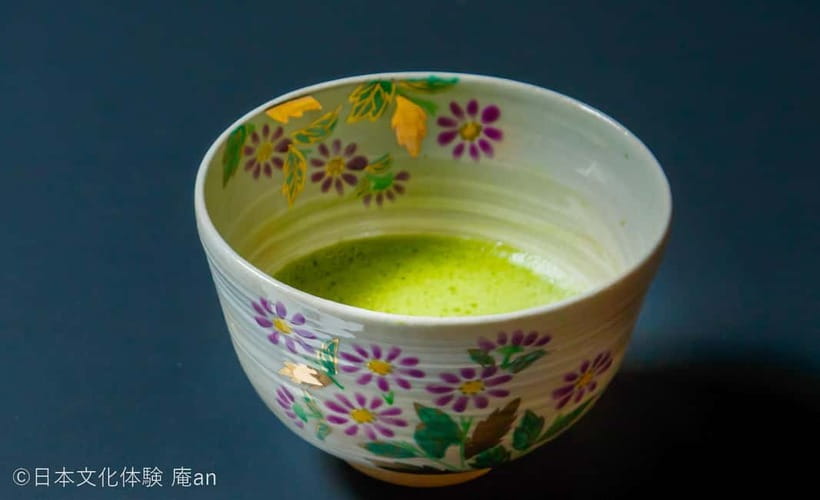
After the sweetmaking portion ends around 55 minutes, you get a break. The schedule then restarts around 65 minutes with tea-related explanations.
This break is useful in two ways. First, your hands are tired by then, especially if you’re shaping delicate details. Second, it resets your attention for the tea steps that come next. Tea training is all about timing and motion, so you’ll enjoy it more if you’re not still pushing through fatigue.
One small note from the experience flow: you may also see picture time later in the schedule. Keep your phone ready, because you’ll want a record of what you made before it gets eaten.
Matcha Grinding and a Guided Tea Ceremony Moment
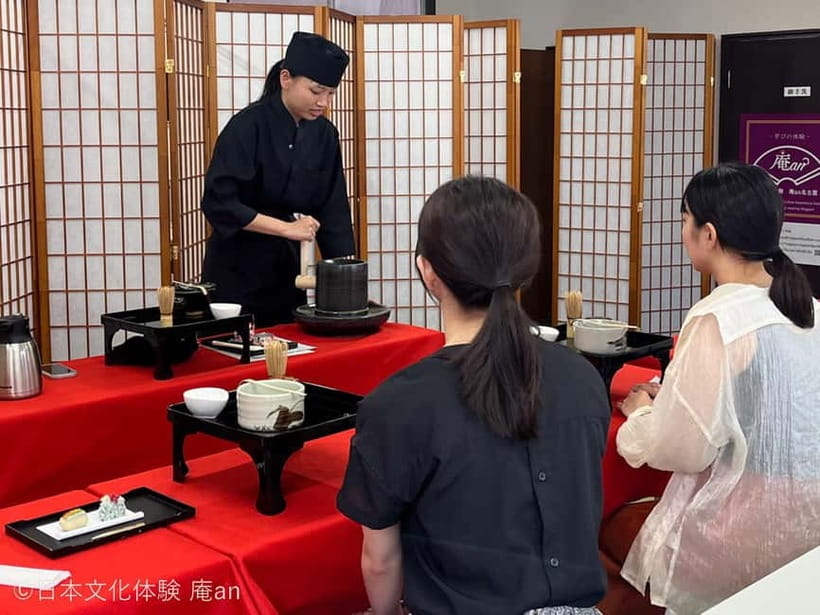
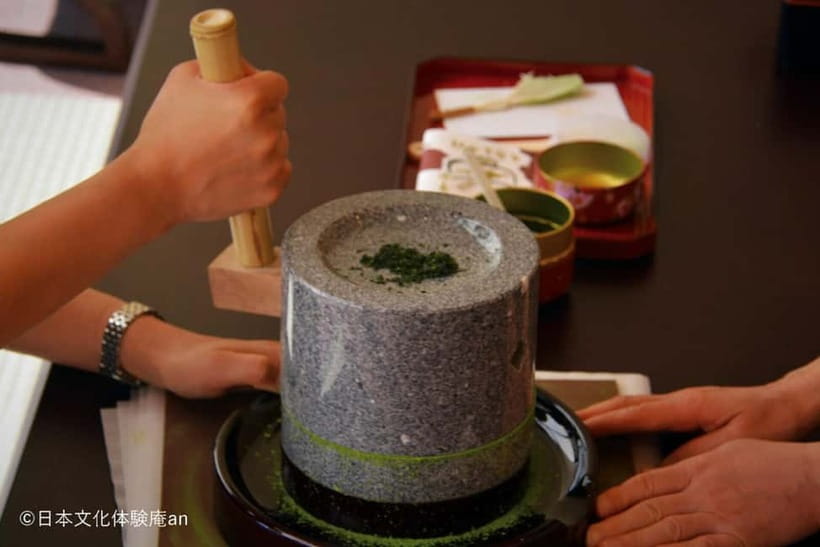
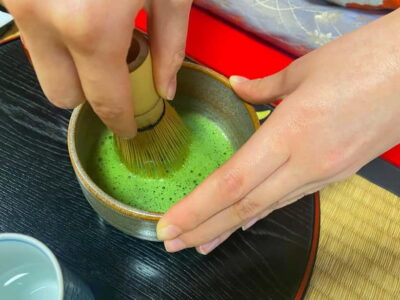
The tea section starts with an explanation of tea, then moves into a matcha grinding demonstration. That demo matters because matcha doesn’t taste the same when you skip the fundamentals. Grinding and preparing properly affects how the tea tastes and how it feels in your mouth.
Then comes the tea-ceremony experience. They guide you through the steps and you taste the results with the sweets you prepared earlier. In reviews, people often describe the session as educational and structured, with the teacher explaining what to do and why.
Also, a heads-up that can save you expectations: the class is not positioned as a long, fully formal tea ceremony spanning multiple courses and strict etiquette. It’s a tea-ceremony experience inside a workshop format, with clear teaching and enough time to practice and drink your cup.
Two instructor names show up in feedback: Mariko and Saki. People highlight that instructions are clear, and that the teacher patiently includes everyone during the hands-on parts. If you want a calm, focused way to learn without feeling rushed, this teaching style seems to be a strong point.
Enjoying Your Wagashi: Eat It Fresh, Then Decide on Take-Home
Around the end of the class, you move into eating and drinking time. This is the payoff moment. You get to taste what you just made, paired with the matcha you prepared.
If you want a take-home option, sweets take-out boxes are not included, but you can purchase one for 100 JPY. This is handy if you’re making two sweets and would like to share with someone who couldn’t join.
There’s also an optional experience completion certificate. It costs 300 JPY. If you want a nominative certificate, let them know your names in advance, otherwise they leave a blank space for your name.
Reviews often mention that the sweets taste genuinely good, not like a token craft project. So give yourself a moment to taste slowly, not just quickly for a photo.
Price and Value: What $18 Gets You in Nagoya
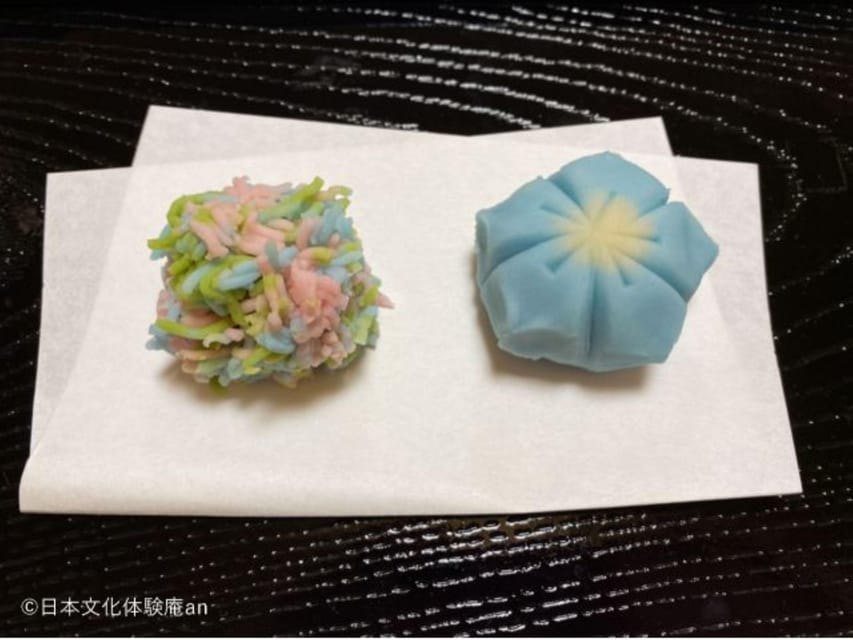
At $18 per person for 95 minutes, this is priced like a serious workshop rather than a quick tasting. You’re getting two included experiences: Japanese traditional sweets making and a tea-ceremony style session. That means your time is split between crafting and learning how to prepare and drink matcha properly.
The value is boosted by the ingredients they advertise: Kyoto bean paste for the wagashi base and single-origin Uji matcha. The pairing is also built into the lesson, so you don’t just make something and leave. You eat it with tea while the teacher is still walking you through what matters.
What is not included is also clearly laid out. You can buy a take-out box for 100 JPY if you want it, and certificates are optional at 300 JPY. If you don’t plan to take anything home or get paperwork, the base price stays clean and simple.
Practical Logistics: Floors, Language, and Timelines
The venue is on the 3rd floor with no elevator. If you have heavy bags or mobility limits, plan accordingly. It’s also an indoor workshop, so wear comfortable shoes you can move in easily.
Language is Japanese, and English translation is provided as much as possible. In practice, that means you can follow along even if you do not speak Japanese, but it’s smart to recognize that some parts might move faster when the teacher is speaking. If you’ve ever felt worried about language barriers, the good news from feedback is that several instructors can handle English support well.
Two more timing realities from the rules: they can’t accommodate delays, and those who do not participate in the experience will not be allowed to enter. So treat this like a scheduled class, not a drop-in.
Who This Workshop Suits Best
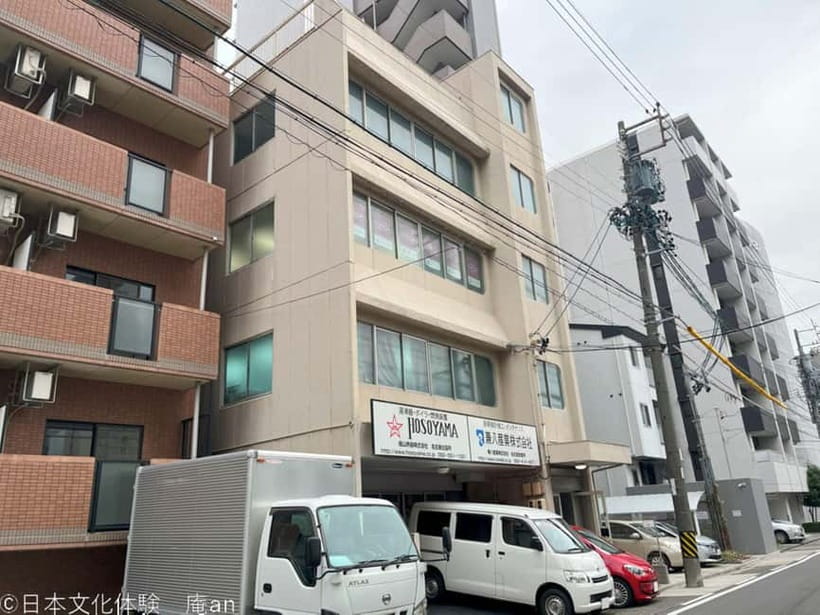
This is a strong choice if you want a hands-on cultural experience in Nagoya that teaches you more than one skill. You’ll make sweets, learn how they connect to seasonality, and then learn how matcha is prepared and served.
It also fits well for a short on-the-ground day. Several people describe it as a way to slow down and recharge while still doing something memorable and educational.
It may not suit you if you specifically want a long, strict, etiquette-heavy tea ceremony. The format here is taught and practical, and that’s usually what people like.
And if you’re traveling with kids: the rules state that children who sit on their parents’ laps are free of charge if they are under 2. A few reviews also mention the hosts being supportive for young participants, which can make the experience feel more relaxed for families.
Should You Book This Nagoya Wagashi and Tea Lesson?
Book it if you want a genuine taste of Japanese sweets culture without needing prior knowledge. The class gives you two season-matching Nerikiri-style sweets, pairs them with Uji matcha, and includes grinding and tea steps, so it feels like real learning instead of a quick show.
Skip it if stairs are a deal-breaker for you, since it’s on the 3rd floor with no elevator. Also consider your tea expectations. If you are hunting for a full ceremonial immersion that runs for hours, this workshop-style experience may feel shorter than you want.
If your goal is a well-paced craft-and-tea class in Nagoya, with premium ingredients and clear instruction, this is the kind of activity that becomes an easy highlight.
FAQ
How much does the Nagoya Japanese Traditional Sweets making and Tea Ceremony cost?
It costs $18 per person.
How long is the experience?
The duration is 95 minutes.
What will I make during the class?
You will make two Japanese traditional sweets that match the season. The class includes Nerikiri sweetmaking, and it also mentions Kinton Nerikiri making.
What matcha do you use?
You use Uji Matcha, described as single-origin special Matcha.
Does the program include tea ceremony practice, or just drinking matcha?
It includes a tea-ceremony experience, including an explanation, a matcha grinding demonstration, and then drinking your tea along with the sweets you made.
Where is the meeting point?
It is 1 minute walk from Exit 3 of the Subway Sakura-dori Line Kokusai Center Station, or about 13 minutes walk from the Sakura-dori side of Nagoya Station. Coordinates are 35.1715323, 136.891893.
Is a take-out box for the sweets included?
No. A sweets take-out box is available for 100 JPY.
Is an experience completion certificate available?
Yes. The certificate costs 300 JPY. If you want it with your names, you should let them know in advance.
Do I need to speak Japanese?
The instructor speaks Japanese, and English translation is provided as much as possible.
Can I cancel if my plans change?
You can cancel up to 24 hours in advance for a full refund. If you cancel after that, fees may apply. If the event is canceled, travel expenses to the venue are not compensated.
Is there an elevator at the venue?
No. The venue is on the 3rd floor and there is no elevator.
Central Japan Beyond the Obvious


Newest Nagoya write-ups from the Loving Japan desk
Kyoto Tea Ceremonies and Matcha, side by side.
 ★ 4.9Tea Ceremony in a Traditional Tea House in KiyomizuFrom $493,519 reviews
 ★ 4.9Tea Ceremony Ju-An at Jotokuji TempleFrom $293,207 reviews
 ★ 4.345-Minute Tea Ceremony Lesson ExperienceFrom $222,378 reviews
 ★ 5.0World Heritage Kyoto & Nara Uji Authentic Matcha ExperienceFrom $1291,573 reviews
 ★ 4.9Tea Ceremony ExperienceFrom $251,426 reviews
 ★ 4.9Table-Style Tea Ceremony at a Kyo-MachiyaFrom $451,211 reviews
 ★ 4.8Kenrokuen Tea Ceremony ExperienceFrom $351,139 reviews
 ★ 5.0Kimono Tea Ceremony at Kyoto Maikoya, NISHIKIFrom $65911 reviews
Filed on these lists too