
REVIEW · NAGOYA AND CENTRAL JAPAN
Magome-juku, Tsumago-juku & Ena-kyo 1d Bus Tour from Nagoya
Magome and Tsumago feel like a rewind button. This 9-hour bus tour strings together three very different tastes of central Japan, starting with quiet temple grounds, then swinging to dramatic gorge scenery at Enakyo, and finally walking preserved Edo-era post towns along the Nakasendo trail. I especially like how the timing keeps you moving without feeling like a sprint, and I like the bilingual conductor support when questions pop up. The one thing to watch is that the day includes moderate walking, and lunch is on your own.
If you want countryside Japan without the hassle of transfers and route planning, this is a solid pick. You start at the VIPLINER Nagoya stop, ride comfortably with air-conditioning, and come back to Nagoya the same day with photos, history, and that slow, lived-in feeling you get when old streets are still used by people today.
In This Review
- Key highlights you will actually feel
- How this Nagoya day trip wins (and where it may not)
- Meeting up at VIPLINER Nagoya, and why the timing matters
- Eihoji Temple: the calm start that keeps the rest of the day pleasant
- Enakyo Observatory: 30 minutes of gorge views for your camera roll
- Magome-juku: Edo-era streets, lunch on your terms, and time to browse
- Tsumago-juku: a well-preserved contrast with a tighter 70-minute window
- Getting the most out of a self-guided day (without feeling lost)
- Comfort and pacing: the small logistics that make or break a day
- When things do not go to plan, and how to stay flexible
- Value for money: $61 and what you actually get
- Who should book this tour
- Should you book? My honest take
- FAQ
- What time do I need to meet at the bus stop?
- Where is the meeting point?
- How long is the tour?
- What is included in the price?
- Is lunch included?
- What languages are available with the guide?
- How much walking is involved?
- Will the bus leave on time?
- What should I bring?
- Is the tour suitable for wheelchair users?
- What if sites are closed or the itinerary changes?
Key highlights you will actually feel
- Eihoji Temple gardens: a calm, self-guided hour with ancient structures and quiet grounds to reset your pace.
- Enakyo Observatory photo stop: 30 minutes with wide gorge views, ideal for panoramic phone shots and steady breathing.
- Magome-juku walking time: about 2 hours that includes lunch and free time, which is great if you like browsing.
- Tsumago-juku atmosphere: a shorter 70-minute stop that still gives time to wander well-preserved lanes.
- Bilingual conductor help: English and Chinese support on the bus, useful for navigating and timing.
- Comfort-first transport: air-conditioned vehicle and an organized day plan that keeps returns to the bus clear.
Central Japan, beyond the obvious stop
- From Nagoya: Gujo, Hida Takayama, and Shirakawa-go Day Tour
★ 4.4 · 398 reviews - Ghibli Park 1-Day Bus Tour from Nagoya
★ 4.5 · 277 reviews - From Nagoya: Hida Takayama & Shirakawa-go Tour w/Opt. Lunch
★ 4.5 · 256 reviews - Hiking the Historic Nakasendo Trail [1 Day Tour from Nagoya]
★ 5.0 · 104 reviews
How this Nagoya day trip wins (and where it may not)
This tour works best when you want a structured day in the countryside, with just enough freedom to wander. You are not trying to decode train schedules or connect multiple bus routes while carrying luggage and jet lag. You show up at VIPLINER Nagoya, hop on, and the day runs on a clear rhythm: temple, viewpoint, two post towns, back to Nagoya.
Two parts stand out for me as the “value per minute” moments. First, the Eihoji Temple stop is long enough to slow down. You are not just passing through; you get a full self-guided hour in a garden setting with ancient structures, which is a nice contrast after the bustle of Nagoya. Second, the post-town sequence is the heart of the experience. Magome-juku and Tsumago-juku are preserved Edo-era post towns on the Nakasendo, and walking their streets feels like a real change of scenery, not a quick photo stop.
The trade-off is simple: you will be on your feet. The itinerary includes a moderate amount of walking, and if your travel style is minimal steps, you may want to plan on taking breaks during free time in the towns. Also, lunch is not included, so budget time and money for that meal on your own.
Meeting up at VIPLINER Nagoya, and why the timing matters
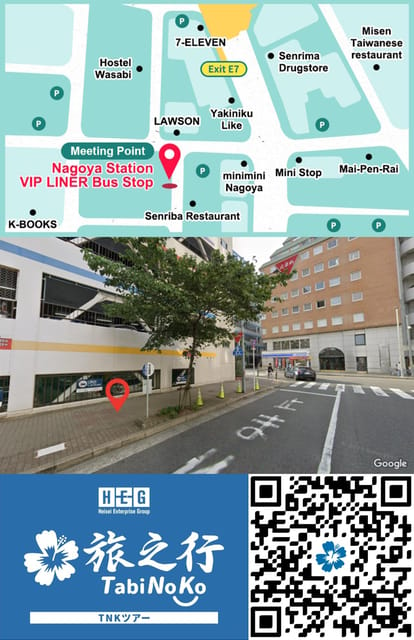
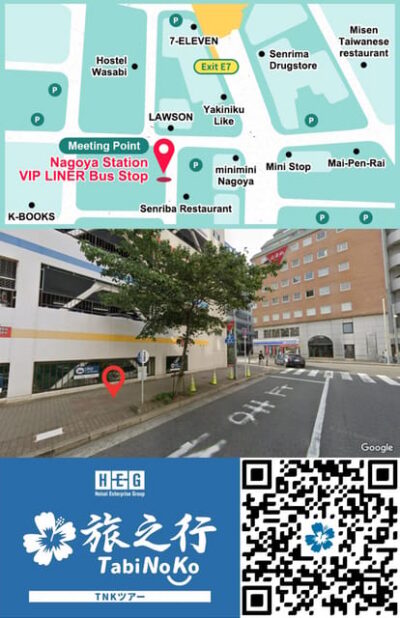
Your day starts at the VIPLINER Nagoya bus stop near Nagoya Station Taiko-dori side (太閤通口). Meet-up starts at 8:20, with departure at 8:30. The meeting point is about a 3-minute walk from Nagoya Station’s Taiko-dori exit side, and there is a Google Maps pin provided for the exact spot.
This is one of those tours where being early is not optional. The guide will be waiting at the meeting point, and you are expected to check in with your name on the list. The bus departs on time, with no exceptions, and late arrivals do not get refunds. Practically speaking: if you are coming from a hotel, add extra buffer time for walking and crowds around the station.
If you get turned around, message beforehand while the operator is in business hours (9:30am to 6pm JST, Monday to Saturday). Outside of those hours, responsiveness may be limited, so plan to arrive before you need help.
Eihoji Temple: the calm start that keeps the rest of the day pleasant
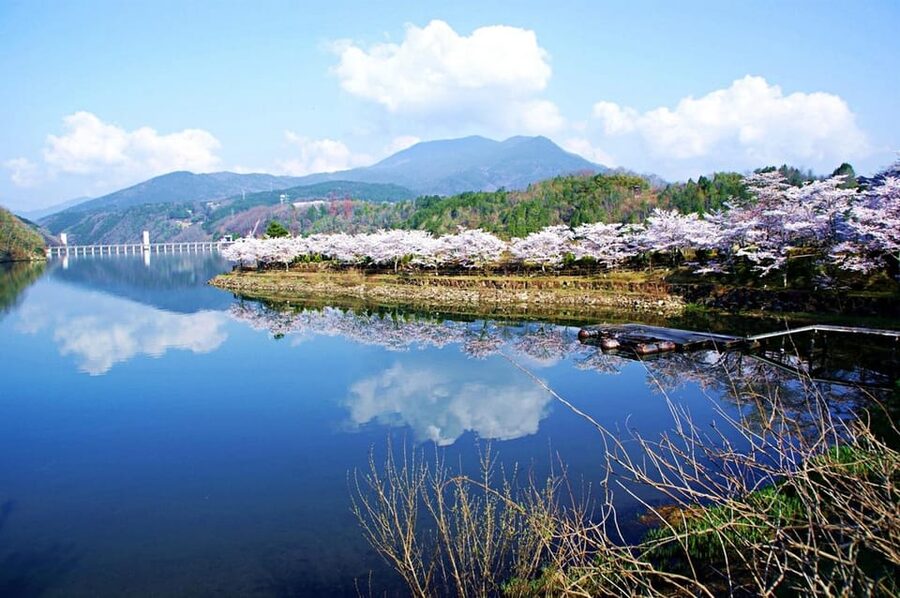
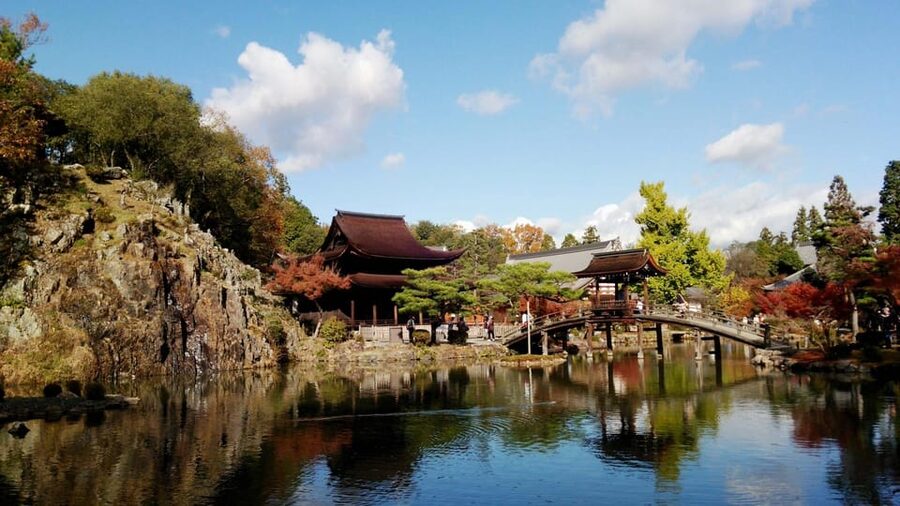
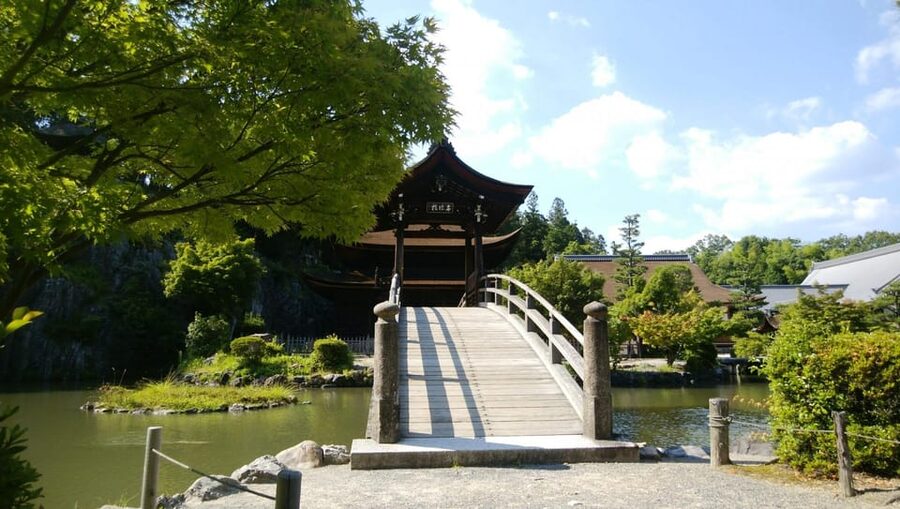
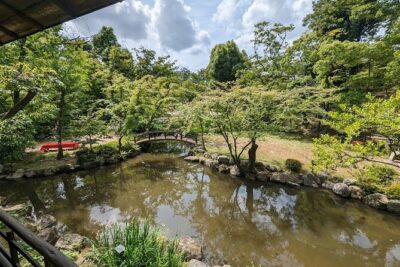
The first major stop is Kokeizan Eihoji Temple. You get about 1 hour for sightseeing and a self-guided visit. The best part here is the pacing. After pickup and bus time, this temple stop gives you a chance to settle in and walk slowly through serene grounds.
What you can expect from the way this visit is described:
- A quiet, countryside-feeling setting
- Lush gardens and ancient structures
- Enough time to look around without rushing
Why it matters: temple visits often become either a quick pass-through or a long detour. Here, the hour is a sweet spot. It sets the tone for the rest of the day, especially before you step onto older streets in Magome and Tsumago, where you’ll be walking and taking photos more actively.
Practical tip: wear comfortable shoes. Even on “easy” temple paths, surfaces can be uneven, and you will likely be stopping to look around.
Let something else do the walking
- Shirakawago & Takayama Bus Tour from Nagoya w/Optional Lunch★ 4.5 · 37 reviews
Enakyo Observatory: 30 minutes of gorge views for your camera roll
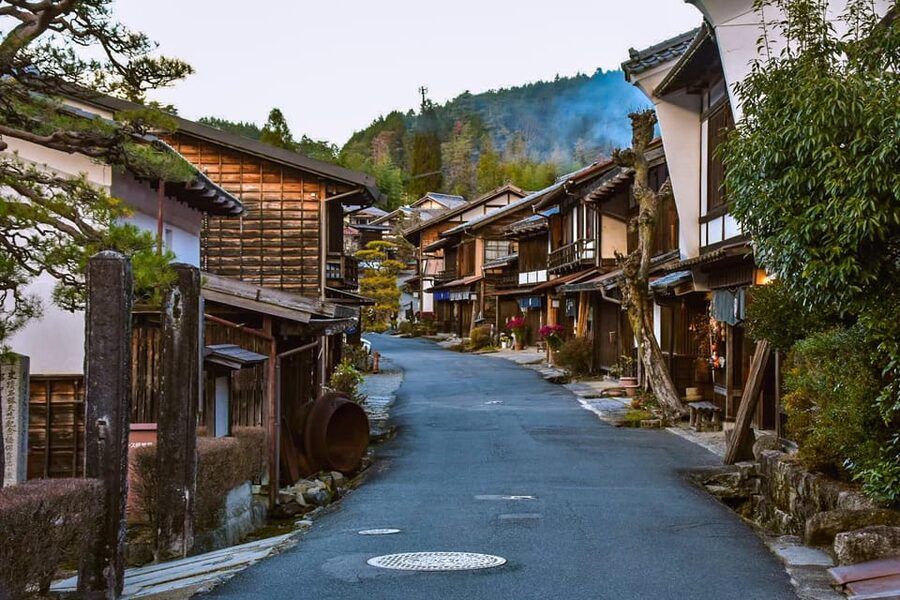
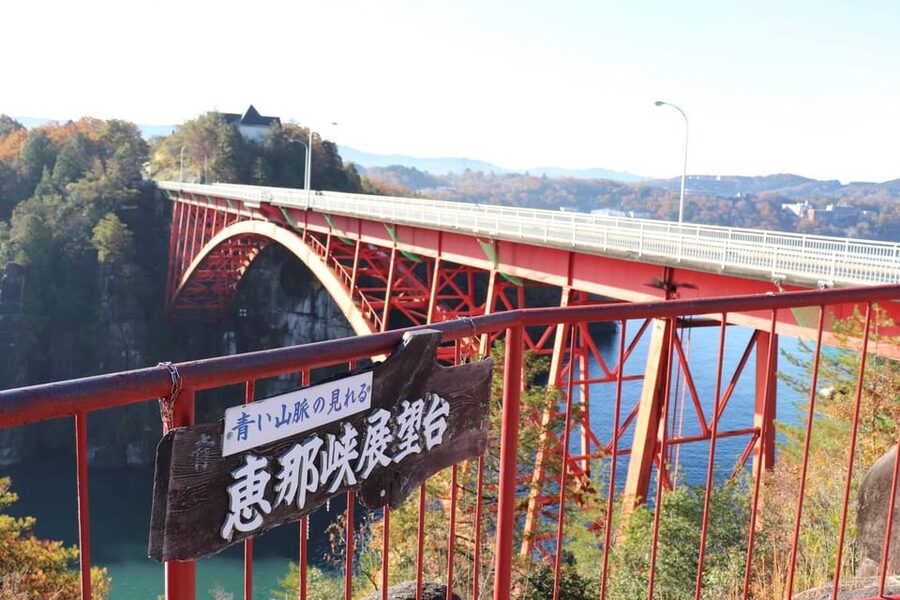
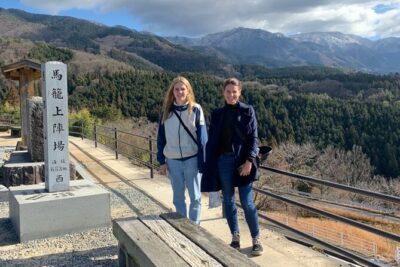
Next up is Enakyo Observatory (恵那峡 展望台), a short 30-minute photo stop. This is designed as a fixed window for panoramic views, not a long hike.
From the description, the key visual payoff is straightforward:
- Panoramic views of Ena Gorge
- A look at the winding river and surrounding mountains
- Time to photograph without feeling pressured to run
Why a short stop works: gorge viewpoints are one of those places where your first look is usually your best look. You take in the big picture, then you refine angles. A 30-minute window is long enough to do that, without stealing time from the post towns which are the main walking experience.
If you care about photos, keep your camera ready before you get to the platform area. You can lose a few minutes just unzipping bags, so having your gear in hand pays off.
Magome-juku: Edo-era streets, lunch on your terms, and time to browse
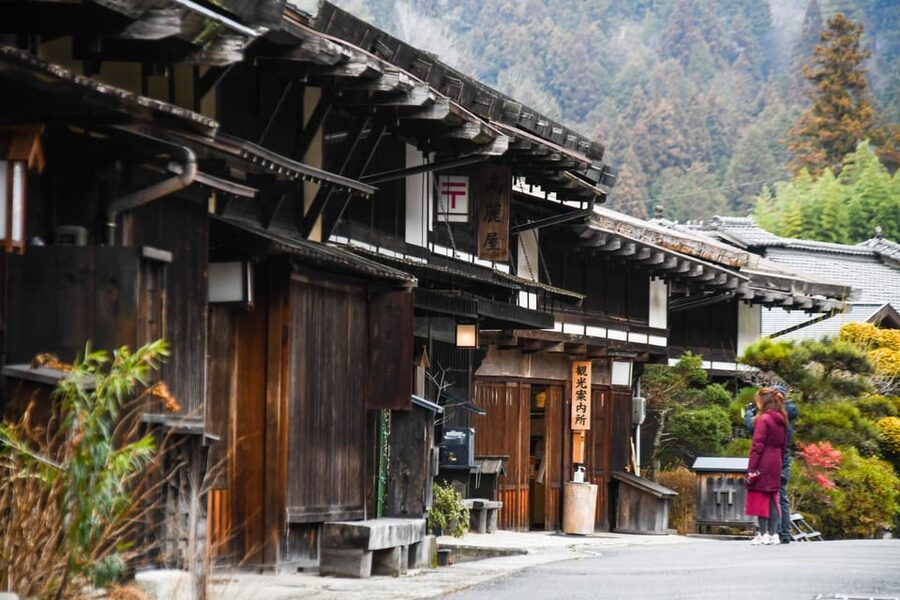
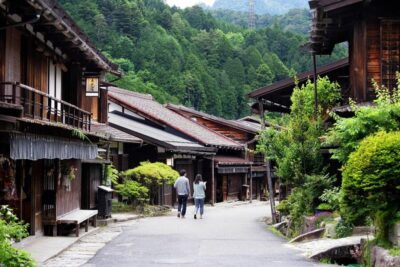
Then comes the main event: Magome-juku, a preserved post town along the historic Nakasendo trail. You get about 2 hours, including lunch and free time.
What makes Magome-juku satisfying is the combination of strolling and choice. With free time, you can:
- Walk the cobblestone and traditional-street vibe
- Peek into shops with handmade craft items
- Eat at your own pace, instead of being rushed by a group schedule
This stop is longer than Tsumago-juku, and that can be a plus or a mild mismatch depending on your style. If you enjoy browsing and lingering, the extra time feels right. If you prefer faster walking and fewer stops, you might find two hours more than you need. Either way, the time is there for you to find your own rhythm.
Practical advice for this section:
- Plan to buy or pack water, since you will be walking and the day is long.
- Don’t expect every shop to be open at every moment. Edo-era streets can include small businesses with their own operating hours.
Tsumago-juku: a well-preserved contrast with a tighter 70-minute window
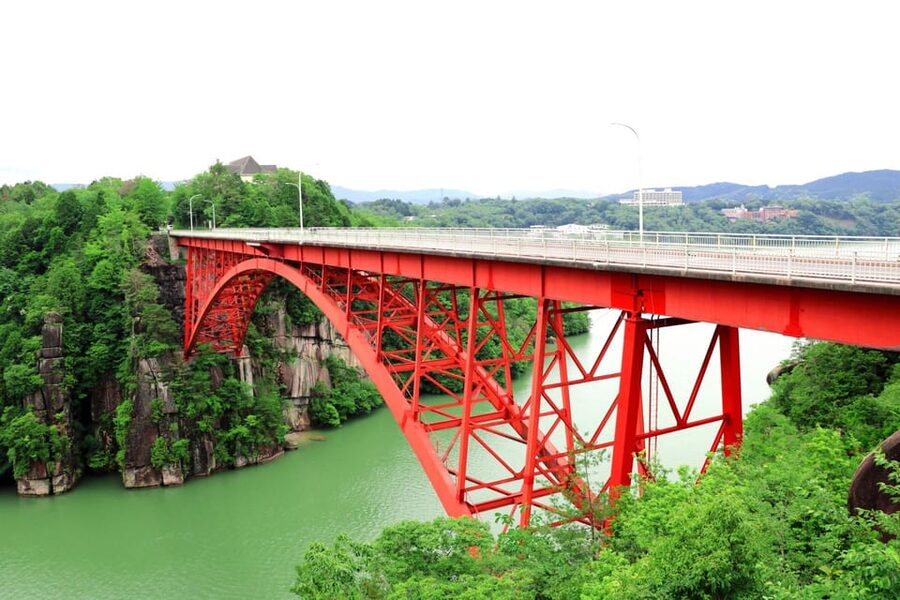
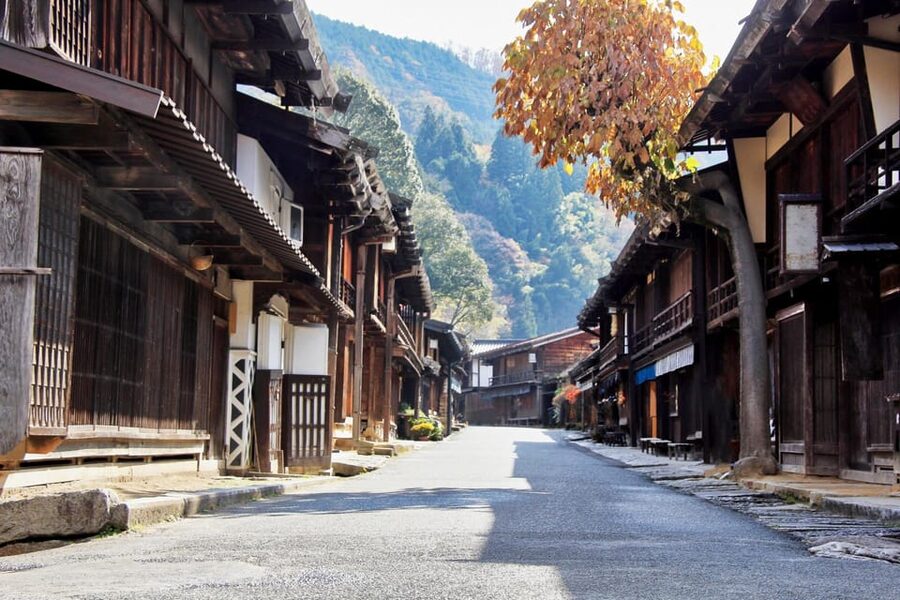
After Magome, you move to Tsumago-juku, another charming post town with well-preserved Edo-era streets. The scheduled time here is about 70 minutes for a visit and free time.
In practice, the shorter window can be a strength. You get enough time to walk the lane sections that feel most atmospheric, while the bus schedule keeps the day from dragging. If Magome is the “browse and linger” stop, Tsumago feels more like “wander and soak it in” before moving on.
What you are looking for here:
- Preserved streets and a strong sense of stepping into a different era
- A calm pace that still supports photos and short breaks
If you are the type who loves comparing towns side by side, this pairing is useful. Two post towns, similar theme, different feel, same day. You come away with more than one snapshot of the Nakasendo experience.
Getting the most out of a self-guided day (without feeling lost)
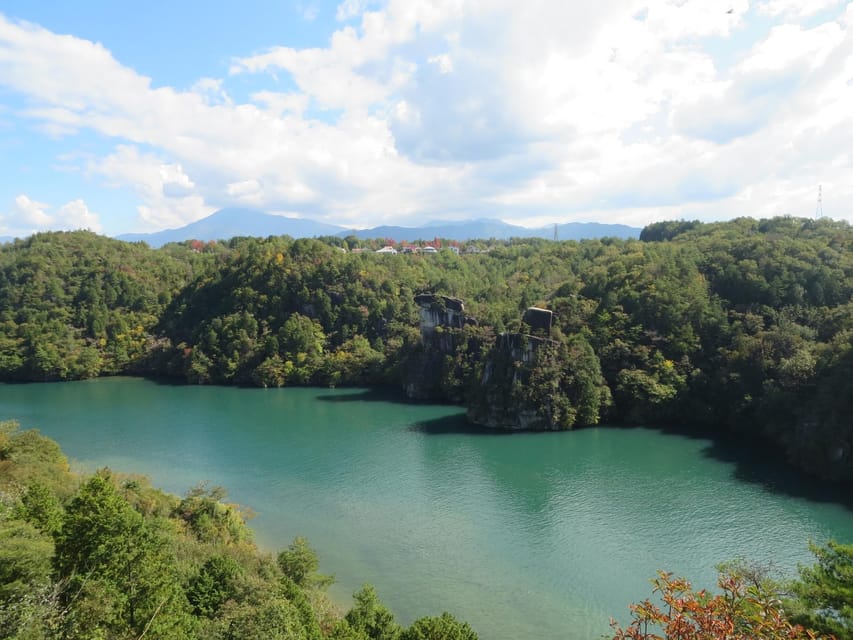
You have self-guided time at temple, at the observatory, and in both towns. That is a good thing, because you control how long you linger at what interests you.
But self-guided also means you should have a simple strategy. Here are the habits I think you’ll appreciate on this kind of day trip:
- Decide in advance what you want most: old streets, photos, or garden calm.
- Use the bus as your time anchor. When the group returns, you should be ready.
- If you see a photo angle that truly works, take it early. Later you might get distracted by shops or side streets.
The tour’s structure helps. There are specific scheduled blocks for each stop. You are not left guessing for hours. Just remember that the bus departs on time, so “one more shop” should stay within your planned free time.
Comfort and pacing: the small logistics that make or break a day
This tour includes an air-conditioned vehicle and an English-speaking and Chinese-speaking conductor. That matters more than it sounds. It reduces stress when you want to confirm where you need to be or when you are unsure how much time you have at a site.
The total duration is listed as 9 hours, but the transfer time is approximate and depends on traffic and the time of day. In other words, you should treat the site durations as the main certainty, not the exact minutes between each place.
Walking is described as moderate. That likely means cobblestones, uneven ground around old streets or temple paths, and plenty of time standing and photographing. Comfortable shoes are the obvious answer, but also think about layer clothing. Morning and countryside temperatures can shift.
Also note a practical constraint: if there are more participants, English and Chinese speakers may share the same bus. Cooperation is requested, and in practice that usually means the conductor switches languages when needed so everyone can follow.
When things do not go to plan, and how to stay flexible
Even a well-organized day can run into seasonal timing issues. The itinerary notes that the tour departs regardless of weather or traffic conditions unless notified otherwise. In severe traffic caused by holidays or adverse weather, the operator may change the itinerary without refunds.
There is also a specific heads-up worth taking seriously: during a visit around New Year season, some locations were closed, and the group still enjoyed the sites despite closures. That tells me you should not treat every single spot as guaranteed open on every date, especially around major holidays.
My advice is simple:
- If your travel dates fall on a holiday peak, check any site hours you can ahead of time.
- Keep your expectations flexible. If a stop is partially unavailable, the value will shift toward what remains open, and the post towns usually still deliver a lot.
Value for money: $61 and what you actually get
At about $61 per person for a 9-hour day trip, you are paying for transportation, bilingual conductor support, and the structure that gets you out to areas that are harder to reach on your own in a single day.
What is included:
- Air-conditioned vehicle
- English-speaking/Chinese-speaking conductor
What is not included:
- Lunch
- Hotel pick-up and drop-off
That last point matters because it means you will be responsible for getting to the meeting point yourself, and you will need to plan your meal. But you also get something important: you are not paying extra for a hotel transfer you might not even need if you are already staying near Nagoya Station.
Where the money feels well spent:
- If you want a one-day sampler of Magome-juku, Tsumago-juku, and Ena Gorge without arranging multiple connections.
- If you want a guided, bilingual supported experience that keeps timing under control.
Where you might feel it is less efficient:
- If you prefer to spend more time in only one town and less time in others.
- If you hate walking and want a mostly seated tour format.
Who should book this tour
This tour fits best if you:
- Want an organized day trip from Nagoya with countryside scenery
- Like preserved old streets and want to walk them, not just see them from a bus window
- Value a quiet start at a temple before the viewpoint and post town walking
It may not fit as well if you:
- Have limited mobility, since wheelchair users are noted as not suitable
- Want lunch included in the price
- Have a very strict walking tolerance, given the moderate walking and self-guided wandering
Should you book? My honest take
I would book this tour if you want a smooth, well-paced way to experience central Japan in one day. The pairing of temple calm, gorge views, and two Edo-era post towns is a smart use of time, and the bus setup with bilingual conductor help reduces stress when you are moving between places.
I would think twice if you are the type who wants lots of time in one place. Magome gets about 2 hours, Tsumago gets about 70 minutes, so your “most time” will likely depend on how you spend the free time blocks. And if you are traveling during a holiday rush, keep expectations flexible because closures can happen.
If you show up on time, wear comfortable shoes, and plan to handle lunch on your own, this is a good-value day trip that delivers the kind of old-street photos and countryside quiet that are hard to recreate with a do-it-yourself plan.
FAQ
What time do I need to meet at the bus stop?
You meet at 8:20 and the bus departs at 8:30. Plan to arrive 10 minutes before departure to check in with the guide.
Where is the meeting point?
The meeting point is at the VIPLINER Nagoya bus stop, about a 3-minute walk from Nagoya Station Taiko-dori side. An exact Google Maps link is provided.
How long is the tour?
The total duration is listed as 9 hours.
What is included in the price?
The tour includes an air-conditioned vehicle and an English-speaking/Chinese-speaking conductor.
Is lunch included?
No. Lunch is not included, and Magome-juku has scheduled lunch and free time.
What languages are available with the guide?
The tour offers live guide support in English and Chinese.
How much walking is involved?
The itinerary includes a moderate amount of walking. Comfortable shoes are strongly recommended.
Will the bus leave on time?
Yes. The bus will depart on time with no exception, so being at the meeting point before departure is important.
What should I bring?
Bring comfortable shoes and comfortable clothes.
Is the tour suitable for wheelchair users?
No. The tour is not suitable for wheelchair users.
What if sites are closed or the itinerary changes?
In severe traffic or adverse conditions, the itinerary may be changed without refunds. Weather-dependent changes are only made if the local operator notifies the group.
Let Something Else Do the Walking

Central Japan Beyond the Obvious



Newest Nagoya write-ups from the Loving Japan desk


Nagoya and Central Japan, side by side.
 ★ 5.0Ultimate Sumo Tournament: Tokyo, Osaka, Nagoya, FukuokaFrom $184468 reviews
 ★ 4.4From Nagoya: Gujo, Hida Takayama, and Shirakawa-go Day TourFrom $61398 reviews
 ★ 4.5Ghibli Park 1-Day Bus Tour from NagoyaFrom $179277 reviews
 ★ 4.5From Nagoya: Hida Takayama & Shirakawa-go Tour w/Opt. LunchFrom $61256 reviews
 ★ 5.0Hiking the Historic Nakasendo Trail [1 Day Tour from Nagoya]From $210104 reviews
 ★ 5.0Nagoya Highlight Tour guided by a friendly localFrom $11286 reviews
 ★ 4.9Japanese Traditional Sweets making and Tea CeremonyFrom $1876 reviews
 ★ 5.0Seki: Samurai Knife Making Experience at the Knife MuseumFrom $32261 reviews
Filed on these lists too