
REVIEW · NAGANO, SNOW MONKEYS AND SKI COUNTRY
Explore Jigokudani Snow Monkey Park with a Local Guide
Steam, snow, and monkey hugs in Nagano. This guided trip takes you into Jigokudani Snow Monkey Park, where Japanese macaques pop up in hot spring steam like they own the place. Add a local guide, small-group pacing, and a couple of smart stops along the way, and it becomes more than a checklist photo stop.
I especially love the small group size and the way your guide helps you move efficiently through the valley. I also like that the experience includes a hot-spring foot spa, so you’re not just freezing and waiting for the return train.
One consideration: this is a winter walk. You’ll need moderate fitness, good footwear, and you should expect uneven, sometimes muddy or slippery trails.
In This Review
- Key highlights before you go
- Why Jigokudani feels different in winter
- Getting to Yudanaka Station and pacing your day
- Yamanouchi Information Center: a quick win before the valley
- Jigokudani Fountain and the walk into Hell Valley
- Snow monkeys in steaming onsen: how to watch well
- Cafe stop for warming up, then Kaede no Yu foot spa
- Sake and beer samples, and how to handle souvenirs
- Price, walking realities, and what you truly get for $112
- Who this tour suits best
- Should you book the guided Jigokudani snow monkey tour?
- FAQ
- Where is the meeting point for the Jigokudani tour?
- What time should I arrive for the tour?
- How long is the experience?
- How many people are in the group?
- What’s included in the $112.01 price?
- Is admission to Jigokudani Snow Monkey Park included?
- Do you stop at a foot spa?
- Are meals and drinks included?
- What should I wear or bring for the walking?
Key highlights before you go
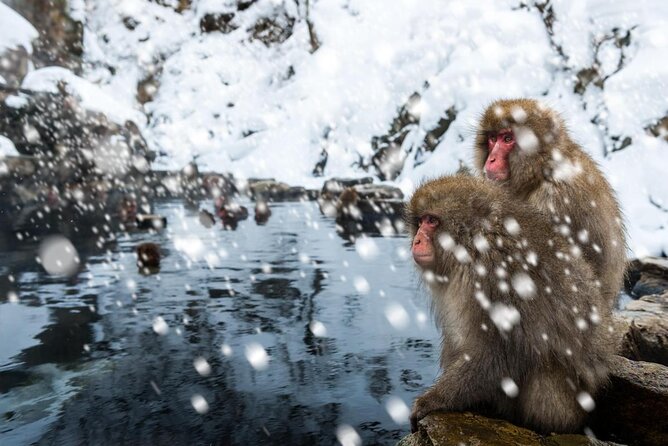
- Up-close snow monkey viewing: You’ll spend focused time at Jigokudani in a natural onsen setting.
- Small group energy: It’s capped small, up to 8 per booking, with a limit of 6 travelers on the activity.
- Included foot spa stop (Kaede no Yu): Free use, a nice reset before heading back.
- Local tastings are part of the theme: The tour description calls out sake and beer from a local brewery.
- Guides matter here: People repeatedly praise guides such as Teddy, Tamio, Michiko, and Takeshi for pacing, clear explanations, and helpful logistics.
Snow country and the monkey valley, other departures
- 1-Day Snow Monkeys, Zenko-ji Temple & Sake in Nagano
★ 5.0 · 1,020 reviews - Nagano: Snow Monkeys, Zenkoji Temple & Sake Day Trip
★ 4.9 · 833 reviews - 1-Day Snow Monkeys & Snow Fun in Shiga Kogen Tour
★ 5.0 · 94 reviews - Full-Day Tour: Matsumoto Castle & Kamikochi Alpine Valley
★ 4.8 · 78 reviews
Why Jigokudani feels different in winter
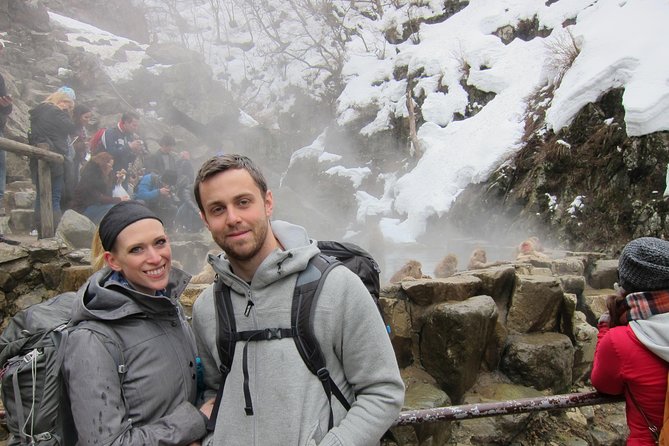
If you’ve ever seen snow monkeys in photos, you might expect a staged zoo moment. Jigokudani breaks that expectation. The whole experience is built around hot spring water and steam, which means the animals feel like part of the environment, not a separate attraction.
Your guide’s job is to help you read the scene fast. Where to stand for less crowding. How to follow the walking route without burning time. What to notice in the macaques’ behavior as they settle into or leave the hot water.
This is also why the timing of the visit matters. Winter crowds can be intense, but a well-run group walk can help you get better viewing windows. You’ll usually have around 40 minutes at the park itself, so the goal is to watch first, shoot second, then enjoy the walk back.
Getting to Yudanaka Station and pacing your day
Your tour starts at Yudanaka Station. The meeting point is outside at the station area, with the activity listed to begin at 12:20 pm, and the tour flow describing a meeting near the ticket gate. Either way, the practical move is simple: arrive early, find your guide, and keep your day calm.
From there, you’re headed into the valley by round-trip bus from Yudanaka. That matters for two reasons. One, you avoid the stress of arranging local transport on winter timing. Two, it keeps the group together so you can focus on the snow monkey part instead of logistics.
The day is also built to move in blocks. You’ll have short stops before and after the park. That means you aren’t stuck on one long coach ride followed by a hurried park sprint. It’s closer to a managed winter outing: walk, watch, relax, then get back in time for the return train rhythm.
One more note from real-world experience with this kind of place: winter makes everything slower. The good news is the tour pacing helps. The bad news is you should still dress for cold and plan on real walking.
Yamanouchi Information Center: a quick win before the valley
One of the first stops is the Yamanouchi Information Center, a small place but useful. You’ll typically spend about 10 minutes here, and it’s a chance to pick up a map or brochures.
Why I like this stop: it gives you context before you start walking in the valley. Even if you think you’ll just follow your guide, knowing what the route looks like helps your brain relax. You stop wondering where you are and start noticing what’s around you.
Also, this is a good moment for practical questions. If you’re unsure about the terrain, it’s easier to ask early rather than mid-walk. And if you’re the type who likes photos, you can mentally connect the map to where you’ll likely want to pause later.
- (Spring Only) 1-Day Snow Walls of Tateyama-Kurobe Alpine Route Tour★ 5.0 · 75 reviews
- Private Nagano 1-Day Tour:Snow Monkeys,Zenko-ji,Obuse,Sake,Onsen★ 5.0 · 71 reviews
- Izakaya Food Tour in Nagano★ 5.0 · 60 reviews
- Food & Cultural Walking Tour around Zenkoji temple in Nagano★ 5.0 · 58 reviews
- Snow Monkey & Shibu Onsen Afternoon Tour (Depart: Iiyama & Nozwa)★ 5.0 · 54 reviews
Jigokudani Fountain and the walk into Hell Valley
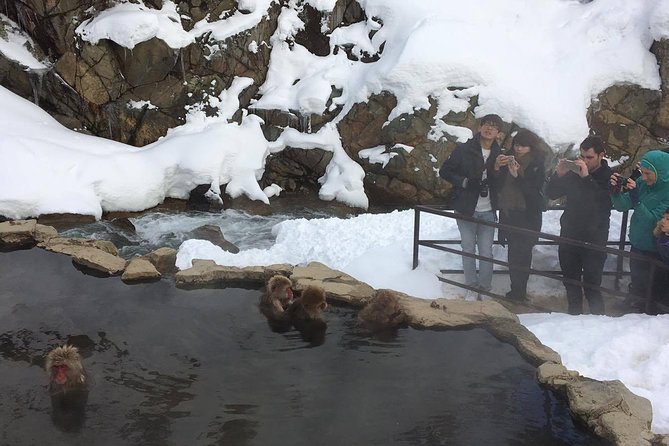
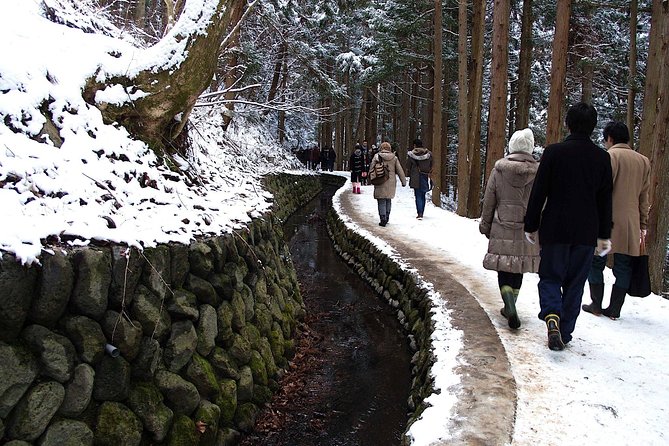
The name Jigokudani literally points to Hell Valley, and the area’s look matches the name in the best way. As you move through the early part of the park approach, you’ll encounter steam and hot spring activity in a river valley setting.
You’ll also pass the Jigokudani Fountain, which is described as a national natural monument. It’s the kind of natural feature that makes the hot spring theme feel real, because the water is visibly gushing and the steam is in your face.
The park area sits in the Yokoyu River Valley at about 850 meters altitude. You also get that winter-specific feel because the grounds can be buried in snow for about a third of the year. That affects the walking surface, the timing of steam visibility, and how the scene looks overall. When conditions are right, it looks like winter magic. When conditions are mild, you still get the steam, and the monkeys still do their thing.
In short: the walk is part of the show here. The local flora and the valley feel can be genuinely soothing in cold weather. Just remember that your comfort depends on footwear and slow steps.
Snow monkeys in steaming onsen: how to watch well
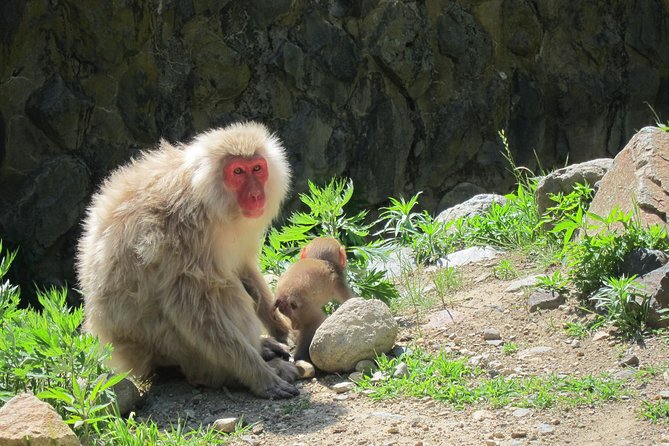
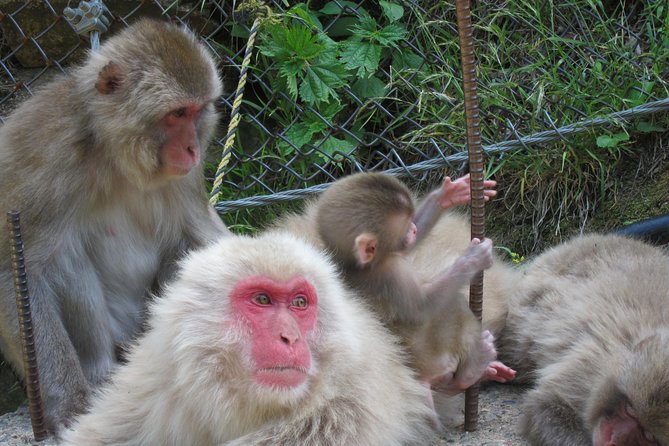
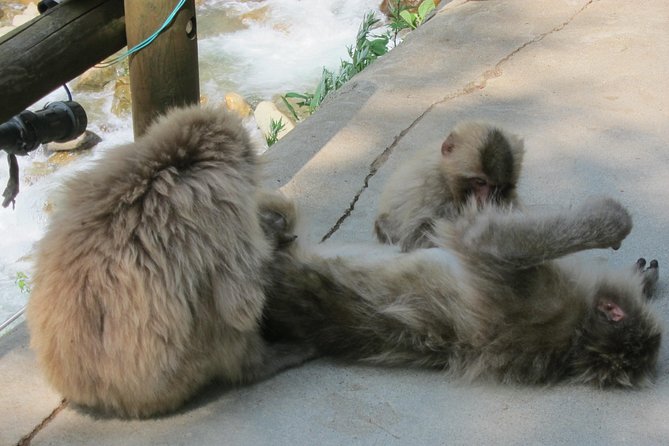
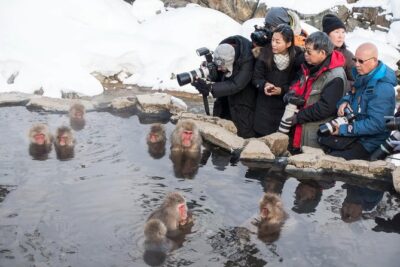
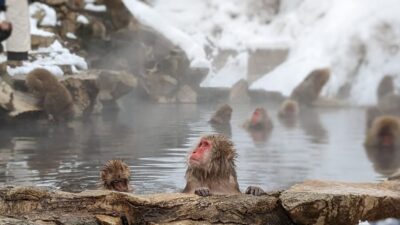
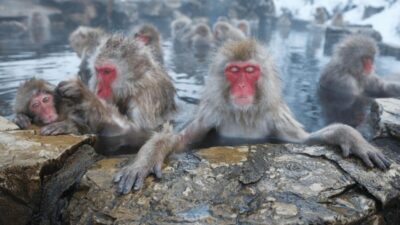
This is the heart of the tour. At Jigokudani Snow Monkey Park, you’ll observe Japanese macaques as they bathe in steaming hot springs. The well-known image is red-faced monkeys lounging in warm water while snow falls around them. In reality, you’ll see a lot of movement too: arrivals, exits, and social moments.
Your guide helps you spot the best viewing points at the right time. That’s not just about photography. It’s also about animal welfare and your comfort. If you watch from the wrong spot, you’ll stand in cold air or block other viewers. Good guiding means you get closer to the right places without chaos.
Photo tip, plain and practical: winter light can shift fast, and steam can blur. I like to take steady video first, then switch to photos once you see a pose hold. When steam drifts, the image can change minute to minute, so quick bursts work better than trying to lock one perfect frame.
You’ll get about 40 minutes at the park, which is a healthy chunk of time if you pace yourself. One review noted you may walk around a mile each way, so plan for that. The viewing time is real, but your schedule still depends on keeping walking energy for the route.
Also, don’t panic if it doesn’t look like a snow-globe day. One account noted the season had no snow at that moment, and monkeys still bathed and stayed visible. Cold weather doesn’t have to be dramatic for the onsen viewing to work.
Cafe stop for warming up, then Kaede no Yu foot spa
Between the park and the return flow, you may have a short stop at Enza Cafe & Ramen Enza. The idea here is simple: if you feel peckish or thirsty while waiting for the next travel segment, you can grab something like coffee or apple pie for takeout.
This is not a full meal stop in the tour design. It’s more of a convenience window. Since food and drinks are not generally listed as included (unless specified), I treat this as optional. If you’re sensitive to cold stomachs, it’s a smart time to buy a warm drink or a small snack.
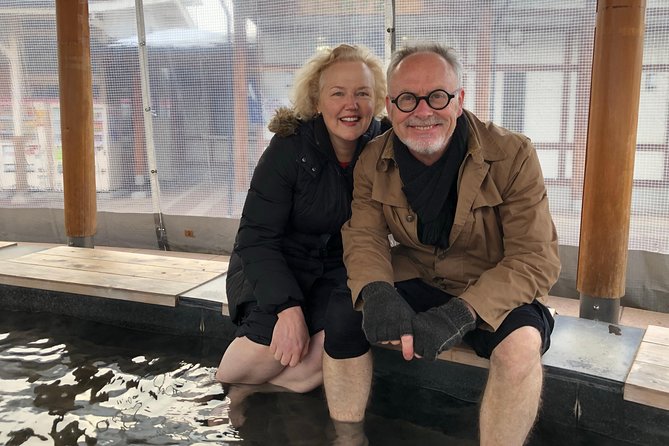
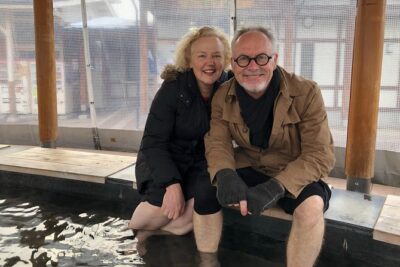
Then comes Kaede no Yu, a foot spa. It’s described as an ashi-yu style foot soak, and it’s free of charge. You’ll have about 15 minutes here, with the straightforward routine of taking shoes and socks off and rolling up your pants.
To me, this stop is more than a perk. It’s a recovery plan. Walking over uneven ground in winter shoes can leave your feet sore, and the warm water reset makes the ride home feel less punishing. It’s the kind of included comfort that helps you remember the day as fun instead of tiring.
Sake and beer samples, and how to handle souvenirs
The tour description highlights tasting sake and beer manufactured at a local brewery. That’s a strong theme because it connects the nature experience to the region’s food culture without requiring a long restaurant detour.
What I like about tastings like this: you get a sense of local flavors without committing to a full meal. And in winter, a warm drink can feel like a small victory.
One review also described walking to a sake factory after the park and tasting multiple varieties, including an unfiltered style, then buying bottles for gifts. That lines up with the overall idea of local brewing tastings being part of the day.
If you do buy, keep your bag light. The tour specifically warns you not to bring heavy baggage, and you’ll be walking mountain paths. A small tote or a compact shopping bag is the smart move, so you don’t end up dragging weight through mud or snow.
Price, walking realities, and what you truly get for $112
The price is listed at $112.01 per person. On paper, that can look pricey until you break down what’s actually included.
You’re paying for:
- a professional guide
- round trip bus tickets from Yudanaka Station
- park admission included
- Kaede no Yu foot spa
- all fees and taxes
That’s why I think this tour can be good value if you care about doing it smoothly. Jigokudani can be more complicated than people expect, especially in winter when trains, buses, and walking take longer. A guide helps you avoid wasted time and keeps you from making wrong turns on slippery paths.
Now, the balanced part. Some experiences like this can feel like you’re paying mostly for companionship and navigation. If you’re hoping for a fully all-inclusive day with all meals and a big spectacle beyond the park, you might feel shorted. The data here is clear that food and drinks are not included unless specified, so budget for personal snacks if you need them.
The other reality is your body. The tour asks for moderate physical fitness and suggests shoes that are easy to walk in, with no heavy baggage. If you hate walking, this is the wrong match. One account called out that you may walk over a mile each way, and that matters. Even if you’re physically fine, cold weather plus mud can make your pace slower.
Finally, guides make a real difference. Several praised guides like Teddy for patience and strong answering of questions, and Tamio for friendly, organized guiding. Others had complaints about guide timing in one case. My practical advice: arrive a few minutes early at Yudanaka and stay calm. It’s still a local winter day, not a polished airport clock.
Who this tour suits best
This tour fits you if you want:
- close snow monkey viewing without planning transport and timing yourself
- a small-group winter day with a local guide
- a complete winter loop, including foot spa and local tastings
It’s also a strong pick for families who can handle walking. One review singled out a guide who made the day especially great for a 6-year-old, and the pacing can work well when a guide keeps the group moving at a comfortable speed.
If you have mobility limits, this might be difficult due to uneven winter trails and the walking portion. And if you hate cold hands and wet shoes, consider packing smart. I’d rather you over-prepare than tough it out.
Should you book the guided Jigokudani snow monkey tour?
I’d book it if you want the easiest path to seeing Japanese macaques in their onsen world, and you like having a guide handle routing, timing, and the small decisions that can ruin a winter day. The included bus ride, park admission, and Kaede no Yu foot spa are practical value, and the small-group limit keeps things from feeling like a conveyor belt.
Skip it if your top priority is minimal walking or if you want a fully meal-heavy, restaurant-style itinerary. This is a nature walk with hot spring watching, then recovery and tastings. Go in with that mindset, wear proper shoes, and you’ll be set for one of Nagano’s most famous winter moments.
FAQ
Where is the meeting point for the Jigokudani tour?
You meet at Yudanaka Station (Yamanouchi, Shimotakai District, Nagano). The meeting is described as outside near the ticket gate area.
What time should I arrive for the tour?
The activity lists a start time of 12:20 pm at Yudanaka Station. The tour description also references meeting at the ticket gate around 1:00 pm, so check your confirmation for the exact meeting time.
How long is the experience?
The tour duration is listed as about 3 hours 15 minutes.
How many people are in the group?
The group is kept small. The information says a maximum of 8 people per booking, and also notes a maximum of 6 travelers for the activity.
What’s included in the $112.01 price?
The included items are a professional guide, foot spa, round-trip bus tickets from Yudanaka Station, and all fees and taxes.
Is admission to Jigokudani Snow Monkey Park included?
Yes. The park stop lists admission ticket included.
Do you stop at a foot spa?
Yes. You’ll stop at Kaede no Yu, and it notes free use of the foot spa.
Are meals and drinks included?
Food and drinks are not included unless specified. The tour description says you’ll sample sake and beer made by a local brewery, but it does not list full meals.
What should I wear or bring for the walking?
Wear shoes that are easy to walk in, and avoid bringing heavy baggage since you’ll walk mountain paths. The tour also notes moderate physical fitness is needed.
Snow Country and the Monkey Valley

Newest Nagano write-ups from the Loving Japan desk
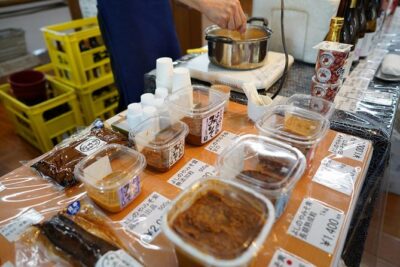
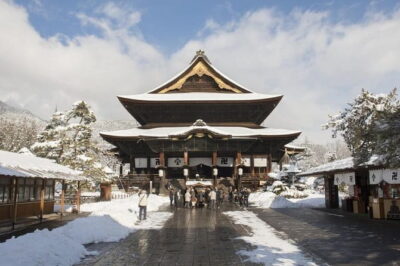
Nagano, Snow Monkeys and Ski Country, side by side.
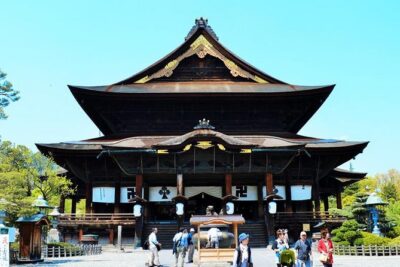 ★ 5.01-Day Snow Monkeys, Zenko-ji Temple & Sake in NaganoFrom $1511,020 reviews
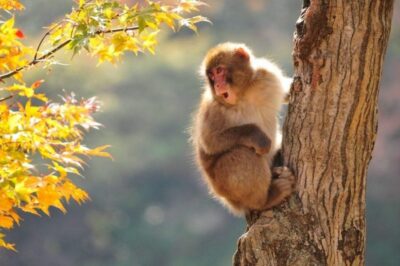 ★ 4.9Nagano: Snow Monkeys, Zenkoji Temple & Sake Day TripFrom $135833 reviews
 ★ 4.6From Tokyo: Snow Monkey 1 Day Tour with Beef Sukiyaki LunchFrom $151295 reviews
 ★ 4.7From Tokyo: Private Tour Snow Monkey Park & Zenko-ji TempleFrom $445184 reviews
 ★ 4.7Hokkaido Seasonal: Lake Toya & Noboribetsu Jigokudani ValleyFrom $55173 reviews
 ★ 4.8Snow Monkey & Nagano Customiseable Private Day TourFrom $466138 reviews
 ★ 4.9Matsumoto Castle Tour & Samurai ExperienceFrom $88128 reviews
 ★ 4.5Nagano Snow Monkey 1 Day Tour with Beef Sukiyaki Lunch from TokyoFrom $151123 reviews
Filed on these lists too