
REVIEW · NAGANO, SNOW MONKEYS AND SKI COUNTRY
Nagano All Must-Sees 4hr Private Tour with Licensed Guide
Four hours in Nagano goes deeper than you expect. This private tour pairs a nationally licensed interpreter guide with a walkable plan that focuses on Shinto and Buddhist landmarks close together, plus historic streets and old neighborhoods you can actually feel. I like that you can tailor the afternoon, choosing 2 to 3 stops in one area, so you are not racing across town.
I also love the mix of what you get to see. In the Zenko-ji zone, you can connect the big-name temple story with the stone-paved approach street and the small details around it. In the Matsushiro and Obuse zones, the tour shifts gears into samurai-era Nagano and Hokusai-linked art, plus atmospheric lanes and traditional buildings. Guides like Emi (also listed as Amy) and YOSHI are praised for clear English and for making the sights make sense, not just pointing and walking.
One thing to keep in mind: this is a walking and public-transport format only. There is no private vehicle, and if your guide is having a rough time with local navigation, the schedule can feel tight. I would plan for an easy pace and bring a little patience, just in case.
Key takeaways before you book
- Licensed guide, not just a storyteller: The guide is a Japanese government certified interpreter type, built for culture and history explanations.
- Pick one area, then choose your 2-3 sites: Zenko-ji, Matsushiro, or Obuse, with rules limiting how far you can jump between areas.
- A walk-first plan: Pickup is on foot in a designated area, and most of the experience is designed for getting around without a car.
- You can mix free sights and ticketed museums: Some stops are admission free, while others (like art and Hokusai museums) are not included in the listed price.
- Past guests highlight guide English and explanations: Multiple reviews call out guides such as Emi and YOSHI as especially helpful.
- Schedule can be sensitive: Since it is 4 hours and walking heavy, you’ll want to be ready to keep moving.
In This Review
- Why this Nagano private tour feels focused in four hours
- Price and logistics: what you really pay for (and what you do not)
- What you’ll do: Zenko-ji, Matsushiro, or Obuse, in a tight 4-hour loop
- Zenko-ji area: temple impact, the stone-paved walk, and a park breather
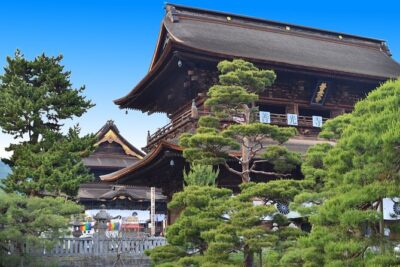
- Zenko-ji Temple (often your main anchor)
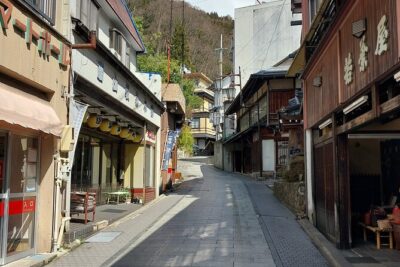
- Nakamisedori approach street near Zenko-ji
- Nishi-no-Mon Yoshinoya (a sake-related stop that adds texture)
- Shinano Art Museum, Higashiyama Kaii Gallery (ticketed art)
- Joyama Park (free seasonal scenery)
- Matsushiro area: Sanada clan sites, Zozan Underground, and science-meets-spirit at Zozan Shrine
- Matsushiro Castle Ruins (Sanada legacy)
- Zozan Shrine (Sakuma Shozan and a big idea)
- Sanada Treasure Museum (artifacts, weapons, and documents)
- Sanada House (traditional residence feel)
- Zozan Underground Bunker (WWII tunnel network)
- Former Yokota Residence and the Matsushiro bunbu education angle
- Jozan Yamadera Historic Residence (a strategist’s home)
- Obuse area: Hokusai ceiling art, chestnut lanes, and classic sake stops
- Hokusai-kan Museum (Hokusai’s later life focus)
- Matsubaya Honten (historic sake brewery building)
- Joko-ji and Ganshoin Temple (two different moods, both quiet)
- Obuse Museum Nakajima Chinami Hall (rotating exhibitions)
- Kurino Komichi (Chestnut Lane, walkable charm)
- Kozan Takai Memorial Museum (another Hokusai friend thread)
- How I’d plan your customization request so you get what you want
- What to expect from the guide, based on real feedback
- Practical tips for a smooth walk-first afternoon
- Should you book this Nagano private tour?
- FAQ
- How long is the Nagano private tour?
- What does the price include?
- Is this tour private?
- How does the customization work?
- Is transportation included?
- Are entrance fees included for museums and temples?
- Where do I meet the guide?
- Can I change my tour date?
- What is the cancellation policy?
- Can service animals join the tour?
Why this Nagano private tour feels focused in four hours
Nagano can feel like two trips at once. There is the classic temple-and-shrine Japan you expect, and then there is the local layer that brings it to life, the lanes, the gardens, the crafts, and the education and military history behind the samurai stories. This tour is built to give you that local layer without turning your afternoon into a transit headache.
The big value is that you are not stuck with a rigid checklist. You tell the guide what you want within the allowed area options, and the plan adapts around that. You can end up with an afternoon that leans spiritual, artistic, or historical, depending on your choices.
Another reason this works well is the balance between “wow” landmarks and “stop and notice” details. Zenko-ji is not just a postcard temple. The approach street is part of the experience, and you can pair it with nearby park views or art stops that add variety without extra travel.
Snow country and the monkey valley, other departures
- 1-Day Snow Monkeys, Zenko-ji Temple & Sake in Nagano
★ 5.0 · 1,020 reviews - Nagano: Snow Monkeys, Zenkoji Temple & Sake Day Trip
★ 4.9 · 833 reviews - 1-Day Tour from Nagano and Matsumoto Kamikochi & Matsumoto Castle
★ 5.0 · 105 reviews - 1-Day Snow Monkeys & Snow Fun in Shiga Kogen Tour
★ 5.0 · 94 reviews
Price and logistics: what you really pay for (and what you do not)
At about $120.84 per person for roughly 4 hours, you are paying for a private experience with a licensed guide and a guided route in Nagano. That means the cost is less about tickets and more about interpretation, pacing, and local navigation.
A few practical notes that matter for value:
- This is a walking and public-transport tour only. There is no private vehicle included.
- Pickup is offered, but it is on foot within a designated meeting area.
- Some sights are admission free, but others are not included. That changes your total day cost depending on what you pick.
- Guide entry fees are covered only for the sights that are part of the chosen itinerary list, so your selections matter.
If you compare this to doing Nagano alone, the fee starts to make sense when you factor in time. In four hours, having someone explain what you are seeing and help connect the dots saves you from the usual “I saw it, but did not get it” problem.
Also worth noting: mobile ticket and group discounts are available, which can help if you are traveling with people you already know.
What you’ll do: Zenko-ji, Matsushiro, or Obuse, in a tight 4-hour loop
The tour is organized around three areas. You choose one area, then select 2 to 3 sites in that same area. The rules also prevent combining too many different zones, which keeps the tour from turning into a long transit crawl.
Here’s the mental model I’d use when planning:
- If you want religion and old town vibes, pick the Zenko-ji area.
- If you want samurai-era Nagano and wartime tunnels, pick Matsushiro.
- If you want Hokusai-linked art culture and traditional Obuse streets, pick Obuse.
Once you pick your area, you can mix free sights with ticketed museums, and the guide will shape the route around what you care about.
Zenko-ji area: temple impact, the stone-paved walk, and a park breather
If you choose the Zenko-ji zone, your afternoon can feel like a gentle “from sacred to everyday life” storyline. The area is compact and easy to connect on foot.
Here are the standout stops you can build around.
- Full-Day Tour: Matsumoto Castle & Kamikochi Alpine Valley★ 4.8 · 78 reviews
- (Spring Only) 1-Day Snow Walls of Tateyama-Kurobe Alpine Route Tour★ 5.0 · 75 reviews
- Private Nagano 1-Day Tour:Snow Monkeys,Zenko-ji,Obuse,Sake,Onsen★ 5.0 · 71 reviews
- Izakaya Food Tour in Nagano★ 5.0 · 60 reviews
- Food & Cultural Walking Tour around Zenkoji temple in Nagano★ 5.0 · 58 reviews
Zenko-ji Temple (often your main anchor)
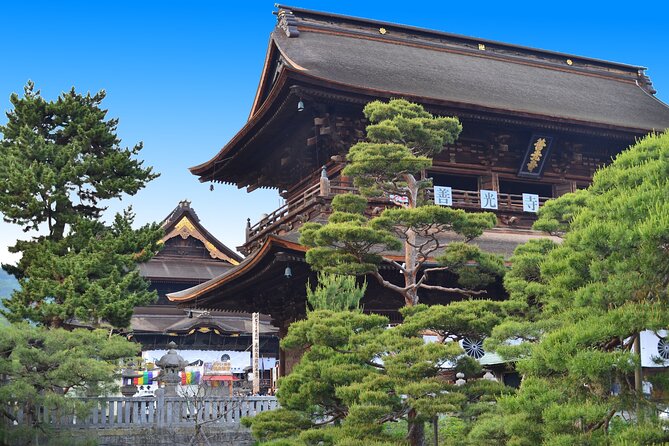
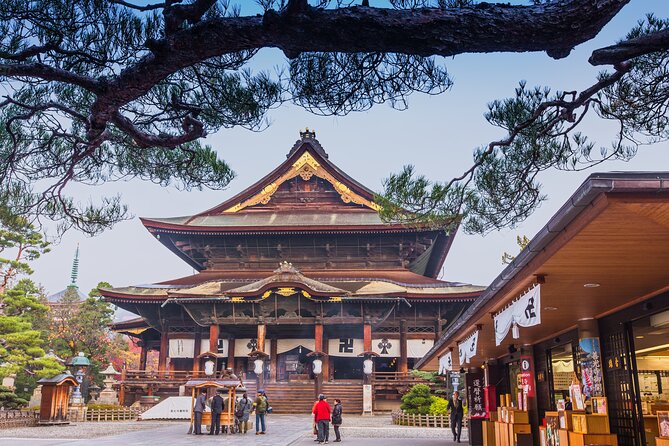
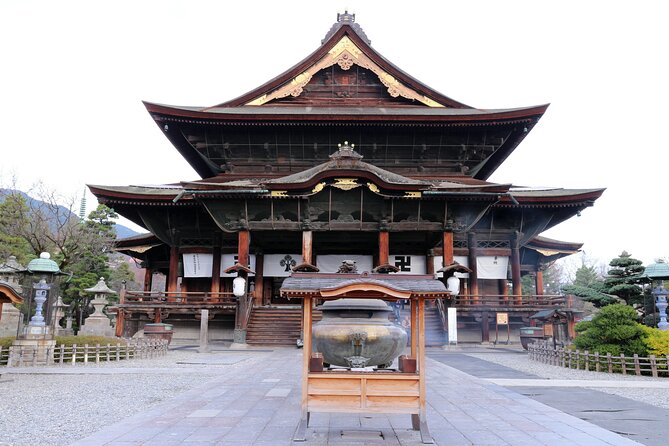
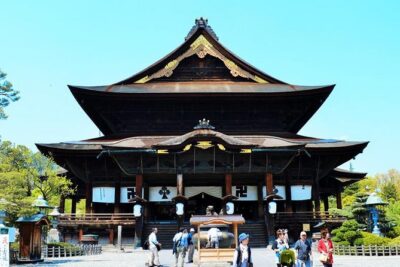
Zenko-ji dates back to 642, and it is one of Japan’s oldest and most important Buddhist temples. It is only about a 20-minute walk from Nagano Station, so it works well even if you arrive earlier. If you like big religious history, this is the place to start.
Admission is listed as free for this stop, which helps your budget.
Nakamisedori approach street near Zenko-ji
This is the stone-paved approach street stretching from the Nio-mon Gate area. A cool detail here: it is said that around 7,777 stones were used to pave roughly 450 meters of the approach.
This stop is free, but it is not filler. It helps you slow down and understand how people experienced the temple before phones and taxis. If you want photos, this is where you get them, plus you see traditional street texture without needing a museum ticket.
Nishi-no-Mon Yoshinoya (a sake-related stop that adds texture)
This spot ties Nagano’s identity to local craft. It is described as a sake brewery with an attached gift shop, museum, and restaurant. The tour includes the chance to tour the brewery and museum to see a “ran” display, which suggests there is something specific to look for inside.
Admission is listed as free for this stop, making it a smart add-on if you want a break from pure temple architecture.
Shinano Art Museum, Higashiyama Kaii Gallery (ticketed art)
If you want a change of pace, the Nagano Prefectural Shinano Art Museum Higashiyama Kaii Gallery is nearby and uses a bright, open design that harmonizes with the surrounding landscape and scenery. The catch: admission is not included, so factor in museum tickets when you plan your budget.
This is the stop to choose if your “temple time” is already filled and you want art with a different kind of meaning.
Joyama Park (free seasonal scenery)
Joyama Park sits on a small hill near Zenko-ji. It is all about seasonal views, from cherry blossoms in spring to colorful foliage in autumn. Admission is free, so it is a low-cost mood reset if your legs start to feel the day.
This stop works best if you enjoy quiet, slow walking and want the guide to point out what is worth noticing.
Matsushiro area: Sanada clan sites, Zozan Underground, and science-meets-spirit at Zozan Shrine
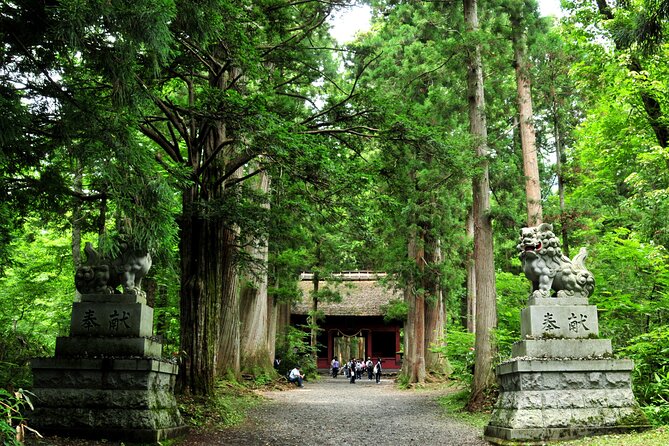
Matsushiro gives you a very different vibe. Instead of temple crowds and approach streets, you get samurai-era living, historical residences, and serious history places, including WWII tunnels.
This is the zone I recommend if you like “people and power” history, not just architecture.
Matsushiro Castle Ruins (Sanada legacy)
The Matsushiro Castle Ruins preserve the legacy of the Sanada clan. The site is surrounded by moats and stone walls, with reconstructed gates, so you can picture the scale. Admission is listed as not included for this stop, so check your final cost when you choose it.
This is a good first pick because it frames the whole Matsushiro story. Without it, the later homes and museums can feel like random buildings.
Zozan Shrine (Sakuma Shozan and a big idea)
Zozan Shrine honors Sakuma Shozan, described as a late Edo period visionary who promoted the fusion of Western science and Japanese spirit. That mix of ideas is a fascinating angle for modern travelers, especially if you are interested in how Japan changed while still holding onto identity.
Admission is listed as not included.
Sanada Treasure Museum (artifacts, weapons, and documents)
The Sanada Treasure Museum focuses on Sanada-era items like samurai armor, weapons, documents, and artworks. Admission is not included, but if you want the objects that make the stories real, this is where you get them.
This stop is a strong choice if you tend to learn by seeing physical things, not only reading plaques.
Sanada House (traditional residence feel)
The Sanada Residence brings you into the rhythm of traditional Edo-era domestic life, with traditional wooden architecture, tatami rooms, and elegant gardens. Admission is not included.
I like this stop because it balances “war history” with how people actually lived.
Zozan Underground Bunker (WWII tunnel network)
The Zozan Underground Bunker is a constructed secret military command center built during World War II, with a vast network of tunnels carved into the mountain. Admission is listed as free for this stop.
This is the stop with the sharpest emotional contrast. You go from cultural buildings to a hidden, operational world. It also fits perfectly into four hours because it is a clear point in the story.
Former Yokota Residence and the Matsushiro bunbu education angle
The Former Yokota Residence is described as a preserved samurai house belonging to a high-ranking retainer of the Sanada clan, including tatami rooms and gardens. Admission is free.
Then you can add Matsushiro Literary and Military School, described as an educational institution teaching both literary and martial arts, including original buildings, classrooms, and a dojo. Admission is not included.
If your “history interest” includes how people trained and learned, this pairing is a smart use of your limited time.
Jozan Yamadera Historic Residence (a strategist’s home)
Jozan Yamadera Jozan Residence connects to Yamadera, described as a scholar and strategist connected to service for the Sanada clan. It includes a well-preserved house and garden. Admission is not included.
This is for travelers who like quiet reflection after the more intense WWII-related stop, or if you want the story to include intellectual life.
Obuse area: Hokusai ceiling art, chestnut lanes, and classic sake stops
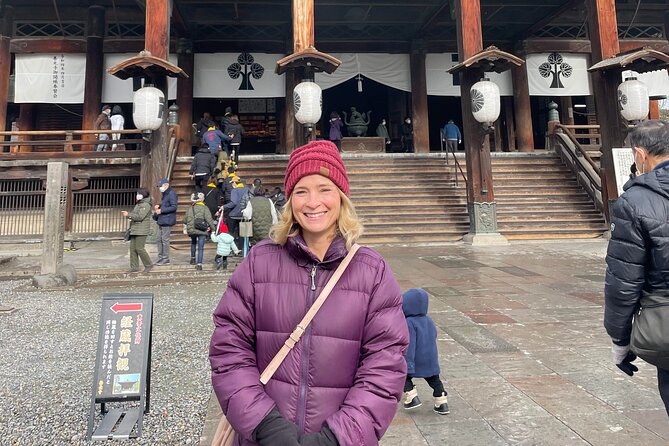
Obuse feels like a slower, more artistic Nagano. It is a great choice if you want creativity, craft, and a town you can wander without feeling like you need a car.
You can shape your Obuse afternoon around three themes: Hokusai art, traditional sake culture, and easygoing streets.
Hokusai-kan Museum (Hokusai’s later life focus)
The Hokusai-kan Museum celebrates Katsushika Hokusai, including art and sketches created during his later years. Admission is not included.
If you pick this stop, you are essentially building your day around one artist. That makes the rest of Obuse connect better.
Matsubaya Honten (historic sake brewery building)
Matsubaya Honten is a historic sake brewery in Obuse, established in the Edo period and relocated here in 1889. It is described as housed in a 200-year-old building with a red-brick chimney. Admission is listed as free.
This is the most practical, break-friendly cultural stop. Even if you do not buy anything, it gives you a sense of how everyday Nagano connects to famous figures and crafts.
Joko-ji and Ganshoin Temple (two different moods, both quiet)
Joko-ji Temple is known for peaceful atmosphere and historical charm, with centuries-old trees and traditional architecture. Admission is not included.
Ganshoin Temple is famous for its magnificent ceiling painting of a phoenix by Hokusai, completed when he was in his 80s. Admission is not included.
These two together work well because they offer contrast: one is a calm temple atmosphere, the other has a specific, dramatic art detail tied to Hokusai’s late career.
Obuse Museum Nakajima Chinami Hall (rotating exhibitions)
This museum showcases the town’s artistic and cultural heritage through rotating exhibitions of local and contemporary art. It is connected to the Takai Kozan Memorial Museum. Admission is not included.
Pick this if you like seeing how local culture continues after the famous artist spotlight.
Kurino Komichi (Chestnut Lane, walkable charm)
Kurino Komichi is the chestnut lane, lined with chestnut trees and traditional buildings. It includes cafes, shops, and museums. Admission is listed as free.
This is the stop you choose if you want the Obuse feeling, not just the “must see” art. It is also where you can slow down and let the afternoon breathe.
Kozan Takai Memorial Museum (another Hokusai friend thread)
The Kozan Takai Memorial Museum honors Takai Kozan, described as a scholar, painter, and close friend of Hokusai. It includes a preserved residence and studio exhibiting artworks, calligraphy, and personal items. Admission is not included.
If you liked the Hokusai idea but want to understand his circle, this helps.
How I’d plan your customization request so you get what you want
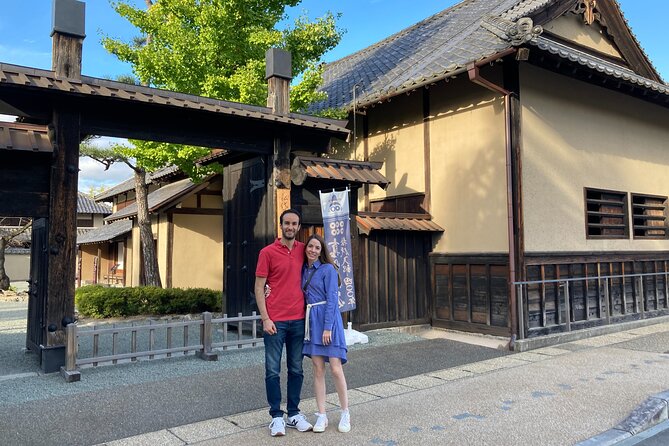
The tour is customizable, but you still have to make choices. Here is how to make your 2-3 site picks pay off.
If you want temple depth:
- Start with Zenko-ji Temple, then pair with Nakamisedori and either Joyama Park for a calm reset or the nearby Shinano Art Museum Higashiyama Kaii Gallery if you want art between sacred stops.
If you want samurai history that feels real:
- Build around Matsushiro Castle Ruins, then add Sanada Treasure Museum for artifacts and Zozan Underground Bunker if you want the wartime shock value and a free admission anchor.
If you want art and town atmosphere:
- Pair Hokusai-kan with Ganshoin Temple for the phoenix ceiling painting reference, then add Kurino Komichi for the street-life feeling. Toss in Matsubaya Honten if you want a classic building break that is free.
One more practical thought: reviews highlight that Emi took time to explain facets of Zenko-ji and pointed out places to sample and cultural history while walking. That tells me you should ask for “what should I notice while we walk?” because it changes the entire tour experience.
What to expect from the guide, based on real feedback
The licensed guide format seems to be a core strength here. Multiple reviews call out strong English and the ability to explain the context behind what you see.
Two names show up clearly in the feedback:
- Emi (listed as Amy in one review) is praised for explaining many facets of Zenko-ji and for energy and clear English.
- YOSHI is praised for showing visitors the temple and for helping with train station and other transportation needs.
That last point matters because Nagano can be easy or annoying depending on timing. When a guide can help you get from point A to point B in a practical way, it reduces stress.
At the same time, one review mentioned time lost when the guide got lost and wasn’t familiar with the area. The provider’s response emphasized that guides are only allowed to tour where they live or currently work, and they asked the traveler to email details. Translation for you: if anything feels off during the tour, flag it early rather than letting time evaporate.
Practical tips for a smooth walk-first afternoon
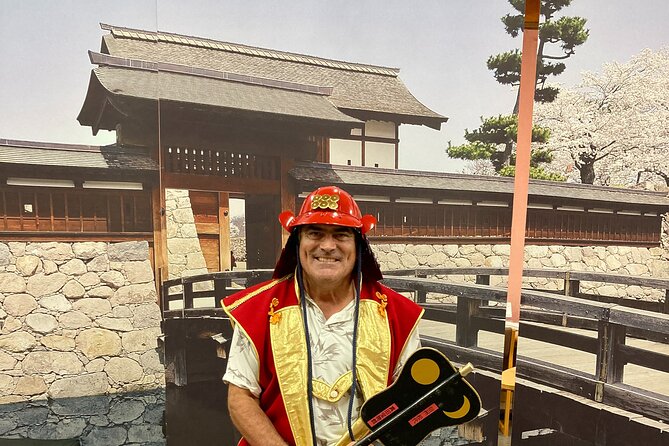
A few practical things make this kind of tour go smoother:
- Wear comfortable shoes. This is a walking tour, not a “two stops and done” situation.
- Bring a light layer. Temple and museum areas can swing in temperature, and you will be outside between stops.
- Plan for extra cash only for ticketed sites. Many stops list admission as not included, especially museums and some temples in Obuse and Matsushiro.
- If you are traveling with a service animal, the tour notes that service animals are allowed.
- Expect to rely on public transit between zones if you ever end up splitting your day across areas. A private vehicle is not part of the offer.
Also, because pickup is on foot within a designated area, you will want to arrive close to that meeting zone so you are not scrambling.
Should you book this Nagano private tour?
Book it if you want a focused, guided Nagano afternoon and you like having context. This is a great match for people who enjoy walking, want to connect temple and town details, and prefer a flexible plan where you choose 2 to 3 sites in one area.
Skip it or adjust your expectations if:
- you strongly prefer car-based touring,
- you hate walking and transitions,
- or you want a long list of distant stops across Nagano. The format is designed to stay walkable, so it will not function like a full-day Nagano bus tour.
If you are torn between areas, pick the zone that matches your mood. Zenko-ji is spiritual and old-town textured. Matsushiro is samurai and WWII history with museum-and-tunnel contrasts. Obuse is art-linked quiet charm, chestnut lane strolling, and Hokusai-era connections.
With that setup, you are very likely to leave with more than photos. You’ll leave with a better sense of why Nagano feels different.
FAQ
How long is the Nagano private tour?
The tour is approximately 4 hours.
What does the price include?
It includes a licensed local English speaking guide and a customizable selection of 2-3 sites from the listed itinerary in the same area. Pickup is offered on foot within a designated area. Entrance fees, lunch, transportation fees, and other personal expenses are not included.
Is this tour private?
Yes. It is a private tour/activity, and only your group participates.
How does the customization work?
You choose one of the listed areas (Zenko-ji, Matsushiro, or Obuse), then select 2 to 3 sites from that same area. You cannot visit more than 2 areas.
Is transportation included?
No. This is a walking and public transportation tour only, and a private vehicle is not included.
Are entrance fees included for museums and temples?
Not automatically. Some stops list admission as free, while others are not included. Also, guide entry fees are only covered for sights listed under the itinerary you select.
Where do I meet the guide?
You meet the guide on foot within a designated area of Nagano.
Can I change my tour date?
Tour dates can be changed up to 2 days before the tour, and a change may result in a change of guide or unavailability.
What is the cancellation policy?
Free cancellation is available if you cancel at least 24 hours before the experience start time. Less than 24 hours before start time is not refunded.
Can service animals join the tour?
The tour notes that service animals are allowed.
Snow Country and the Monkey Valley


Newest Nagano write-ups from the Loving Japan desk
Nagano, Snow Monkeys and Ski Country, side by side.
 ★ 5.01-Day Snow Monkeys, Zenko-ji Temple & Sake in NaganoFrom $1511,020 reviews
 ★ 4.9Nagano: Snow Monkeys, Zenkoji Temple & Sake Day TripFrom $135833 reviews
 ★ 4.6From Tokyo: Snow Monkey 1 Day Tour with Beef Sukiyaki LunchFrom $151295 reviews
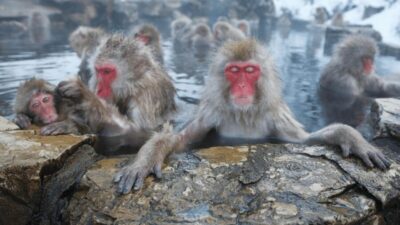 ★ 4.7From Tokyo: Private Tour Snow Monkey Park & Zenko-ji TempleFrom $445184 reviews
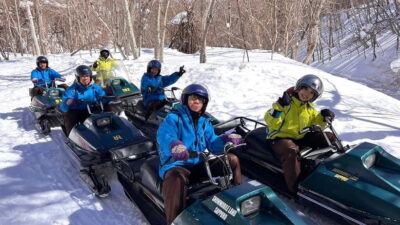 ★ 4.7Hokkaido Seasonal: Lake Toya & Noboribetsu Jigokudani ValleyFrom $55173 reviews
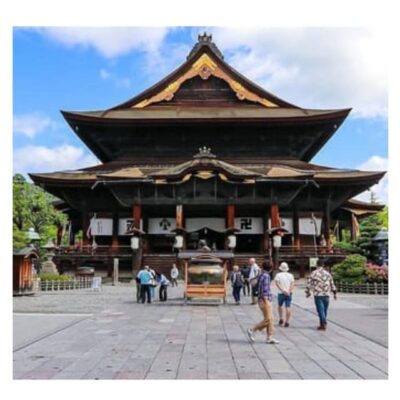 ★ 4.8Snow Monkey & Nagano Customiseable Private Day TourFrom $466138 reviews
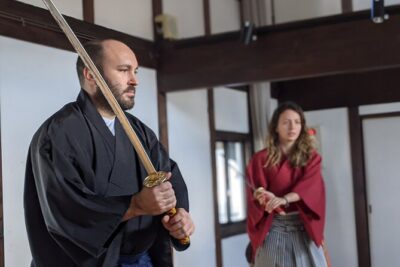 ★ 4.9Matsumoto Castle Tour & Samurai ExperienceFrom $88128 reviews
 ★ 4.5Nagano Snow Monkey 1 Day Tour with Beef Sukiyaki Lunch from TokyoFrom $151123 reviews
Filed on these lists too