
REVIEW · NAGANO, SNOW MONKEYS AND SKI COUNTRY
Nagano Snowshoe Hiking Tour
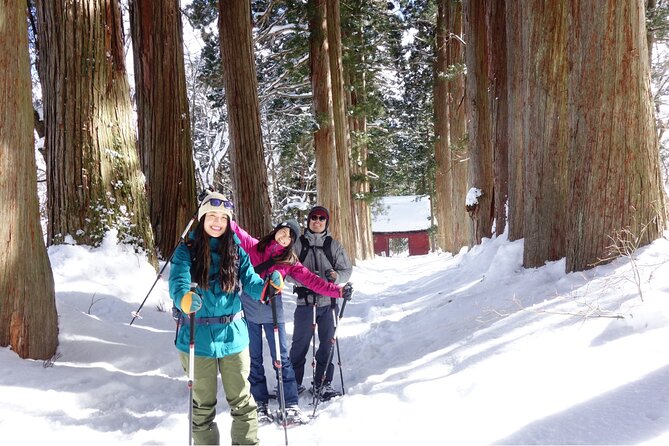
Frozen lake snowshoeing in Japan’s cedar wonderland. I love the Togakushi cedar-lined path and the chance to step onto Lake Kagami’s frozen surface with MSR gear. The only catch is the day can get rerouted or shortened if conditions create avalanche or weather risk near the shrine approach.
I also like the human touch. Guides like Kouhei Nishida keep the pace friendly, and you get winter comforts along the way, including coffee served during snowy breaks and time to look for animal tracks in the forest. You should be ready for a half-day of walking and for the possibility of extra cost if you need winter boots.
In This Review
- Key highlights to know before you go
- Why Togakushi winter feels different on snowshoes
- Price, gear, and group size: what $97.98 really buys
- Getting there from Kurohime Station, and why that matters
- Stop 1: Togakushi Shrine Okusha approach, cedars and snow worship
- Stop 2: Lake Kagami on foot, the frozen-lake wow factor
- Stop 3: Myoko-Togakushi Renzan National Park, footprints, giant trees, and slow wonder
- Gear that keeps you comfortable: MSR snowshoes, poles, and the smart way to use them
- Pace, fitness level, and weather realities
- What to bring, and what costs extra
- Pickup, mobile tickets, and how to make it easy on yourself
- Who this tour fits best (and who might want another option)
- Should you book the Nagano Snowshoe Hiking Tour?
Key highlights to know before you go
- MSR snowshoe and pole rental included, so you do not have to figure out gear last minute
- Cedar-lined Togakushi Shrine approach in heavy snowfall country, built for winter wonder
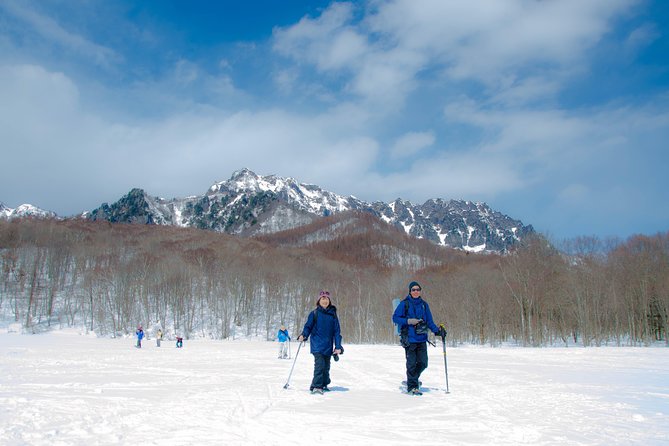
- Lake Kagami on snowshoes, the wow moment that feels like walking on a frozen postcard
- Small group size (max 8 travelers) for a more personal rhythm on the trail
- Coffee and a hands-on snowy break, including the fun idea of a table made from snow
- Kurohime Station start and end, easy to plan around with public transport nearby
Snow country and the monkey valley, other departures
- 1-Day Snow Monkeys, Zenko-ji Temple & Sake in Nagano
★ 5.0 · 1,020 reviews - Nagano: Snow Monkeys, Zenkoji Temple & Sake Day Trip
★ 4.9 · 833 reviews - 1-Day Tour from Nagano and Matsumoto Kamikochi & Matsumoto Castle
★ 5.0 · 105 reviews - 1-Day Snow Monkeys & Snow Fun in Shiga Kogen Tour
★ 5.0 · 94 reviews
Why Togakushi winter feels different on snowshoes
If you think snowshoeing is just exercise with a pretty view, this tour nudges you to slow down. Togakushi is famous for deep winter snowfall, and you feel that difference fast, even before you get far from the start area. Everything looks quieter. Tracks matter. Every step counts, because the snow is part of the story, not just the ground.
The two things I’d bet on for your memory are the cedar-lined walking and the frozen lake walk. The cedar approach is what you came for if you like atmosphere and photo chances without feeling like you’re in a theme park. And Lake Kagami is the sort of scene that makes you forget you paid for a ticket at all.
Still, keep one reality check in mind: winter in the mountains is not controllable. Avalanche risk or rough weather can change how far you go toward the shrine area. That is not the operator being careless, it’s just how mountain winter works.
Price, gear, and group size: what $97.98 really buys
At $97.98 per person for about five hours, the value here comes from what you do not need to buy or arrange yourself. Snowshoes and poles are included, and they’re described as the latest MSR models. That’s a big deal. With the right gear, you walk more naturally, and you waste less energy fighting the snow.
Insurance is also included in the tour price. That does not mean you stop thinking about safety, but it does mean you’re not scrambling for add-ons.
Where the price can surprise some people is footwear. Winter boot rental is available for an extra 1000 JPY, and the note says sizes and quantities are limited. If you already own proper winter boots, you’ll likely keep costs down. If you do not, plan for that added fee and try to bring socks that fit the boots you use.
Group size is capped at 8 travelers. For winter activities, I love small groups because you move as a unit without long waits. It also makes it easier for the guide to check in with you if your snowshoe fit or balance needs a quick tweak.
Getting there from Kurohime Station, and why that matters
The tour starts and ends back at the meeting point, Kurohime Station in Nagano (Kashiwabara, Shinano, Kamiminochi District, Nagano 389-1305). That “return to start” setup is practical. It saves you from last-mile planning when your legs are tired and winter light is fading.
It’s also marked as near public transportation, which is a comfort if you’re not renting a car. If you’re combining this with other Nagano plans, having a known station to pivot from is one less headache.
Pickup is offered, which is great if your hotel or schedule lines up. Just be sure you confirm details after booking, because “pickup offered” does not always mean door-to-door for every address.
- Full-Day Tour: Matsumoto Castle & Kamikochi Alpine Valley★ 4.8 · 78 reviews
- (Spring Only) 1-Day Snow Walls of Tateyama-Kurobe Alpine Route Tour★ 5.0 · 75 reviews
- Private Nagano 1-Day Tour:Snow Monkeys,Zenko-ji,Obuse,Sake,Onsen★ 5.0 · 71 reviews
- Izakaya Food Tour in Nagano★ 5.0 · 60 reviews
- Food & Cultural Walking Tour around Zenkoji temple in Nagano★ 5.0 · 58 reviews
Stop 1: Togakushi Shrine Okusha approach, cedars and snow worship
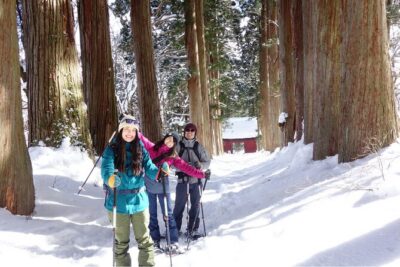
Your first main stop is Togakushi Shrine Okusha. In winter, the approach is the point. You’ll walk through a cedar-lined corridor where the trees are covered in snow. It is visually intense, but it also feels spiritual in a quiet, practical way, because the snow slows you down.
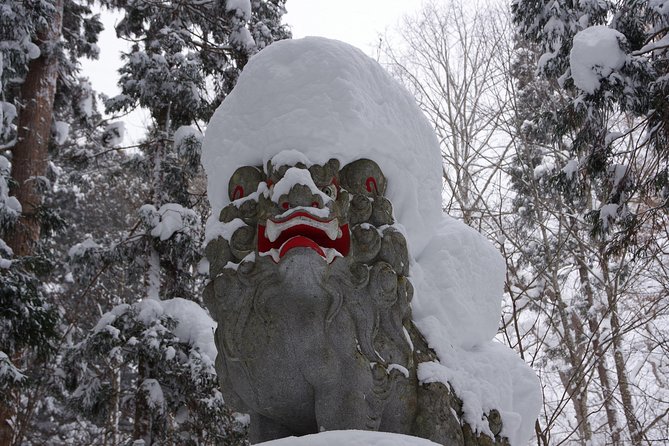
This is also where the tour connects modern snowshoeing with a mountain tradition. Togakushi is tied to long-standing mountain ascetic practices and worship. When you’re walking under centuries-old cedars, it’s easier to understand why people felt drawn to these mountains for so long.
Expect atmosphere, not a sprint. The snowy path can be uneven, and with snowshoes you’ll learn quickly that balance is part of the technique. You’ll likely do some gentle pacing behind the guide, with a chance to stop and look.
One consideration: reaching some shrine areas can be affected by avalanche risk. One guest story mentioned not being able to visit the Okusha shrine due to that concern. So if this stop is the one you’re most focused on, keep your expectations flexible. In winter, safety decisions come first.
Stop 2: Lake Kagami on foot, the frozen-lake wow factor
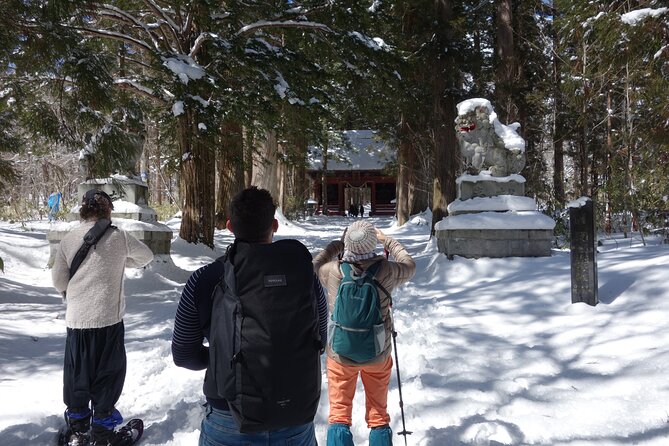
Lake Kagami is the highlight stop for good reason. Walking on a frozen lake is the kind of experience that sticks because it feels out of scale with everyday life. The forest still surrounds you, but suddenly the terrain opens up into wide, silent space.
This is also where your snowshoe technique really clicks. On a lake surface, you can settle into rhythm. Your steps become steadier, and you start noticing details like how the snow crunch sounds underfoot and how the light changes across the ice.
If you like small moments, this stop delivers them. You’re not just collecting photos, you’re moving through a winter scene that looks staged but is very real. And because the tour includes snowy breaks, you’re not stuck out there without warmth.
Also, the guide makes the group pause for the right reasons: to enjoy, to take in the scene, and to keep everyone comfortable.
Stop 3: Myoko-Togakushi Renzan National Park, footprints, giant trees, and slow wonder
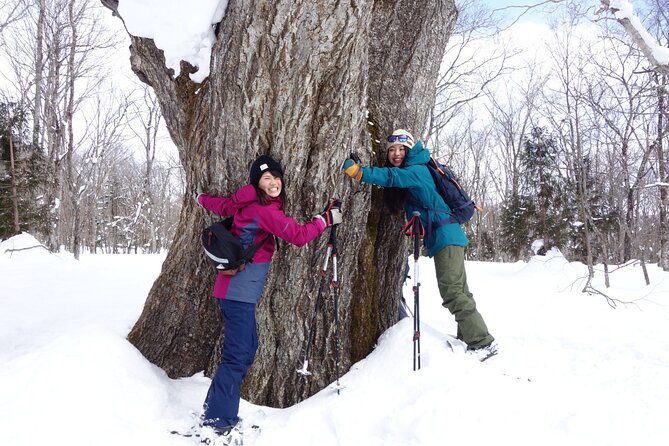
After Lake Kagami, the route continues into Myoko-Togakushi Renzan National Park. This is where the tour shifts from single “wow moment” scenes into deeper immersion in winter forest travel.
Look for animal footprints in the quiet woods. That is one of those details that seems small until you start seeing how many tiny signs winter leaves behind. It turns your hike into an observation walk, not only a walking workout.
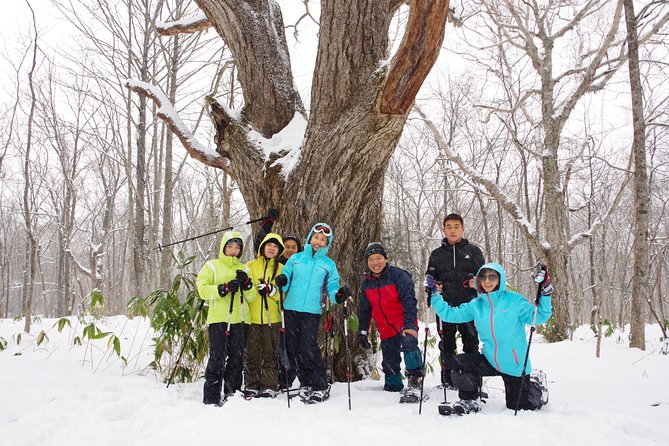
You’ll also be told about and guided to a giant tree that can only be reached during snowy season. I love this kind of winter-only access, because it changes what the area even means. In summer, paths might look straightforward. In winter, the snow reshapes everything, including where you can go safely.
This stop is also where you’ll feel why the tour limits group size. With a small group, you can slow down, stop for a better view, and still keep the pace moving. You’re not trapped waiting for a long line behind someone taking forever to figure out their snowshoe fit.
Gear that keeps you comfortable: MSR snowshoes, poles, and the smart way to use them
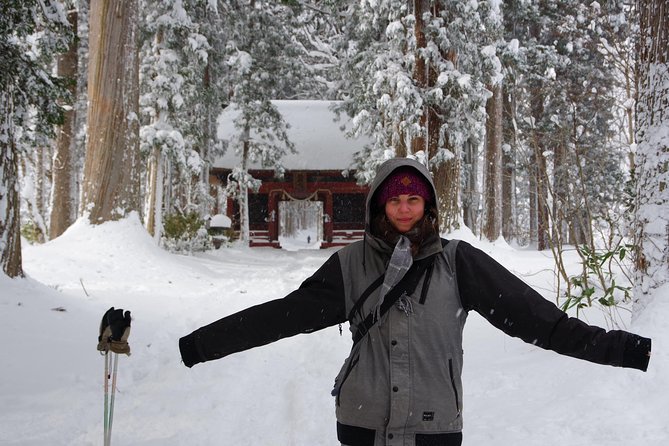
The tour includes snowshoe and pole rentals, described as the latest MSR snowshoes and poles. That matters because snowshoes are not all the same. The right model helps distribute your weight across the snow so you do not sink as much and you do not feel like you’re doing leg day on hard mode.
Poles are the other half of the comfort equation. In deep snow, poles help you keep your balance and reduce the strain on your knees. For a half-day tour, small differences in technique can mean a big difference by hour four.
I’d treat this tour like a guided lesson in snowy walking. Keep your steps shorter than you think you need. Plant the pole, shift your weight smoothly, then move. If you rush, snowshoeing punishes you with slips and wasted energy.
And during breaks, you’ll get warm drinks, including coffee. It’s not just a treat. It also helps you reset before you go back to walking.
Pace, fitness level, and weather realities
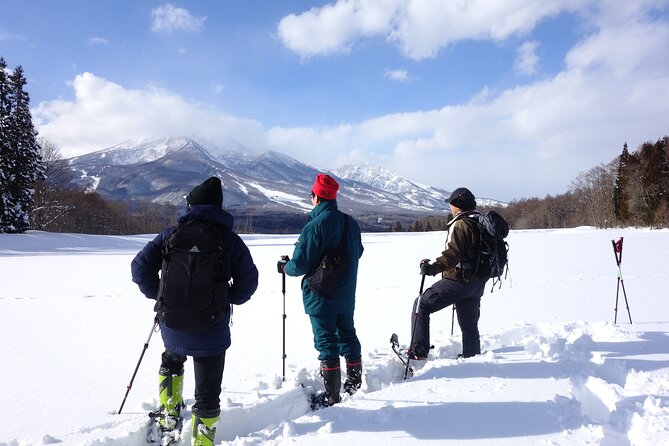
The tour asks for a moderate physical fitness level. That translates to: you do not need to be an athlete, but you should be comfortable walking for about five hours with snowshoe gear and some uneven winter footing. If you’re used to city walking but not hilly winter trails, take it slow early so you do not burn energy too fast.
One important reality check is weather. This experience requires good weather, and the tour notes it may be canceled due to poor weather. In winter mountains, fog, heavy snowfall, or wind can change conditions quickly, and it’s better to stay flexible than push through.
Even with good weather, avalanche risk can affect route choices, including the shrine approach. That’s not a reason to fear the day. It is a reason to treat the tour like a mountain outing, not a guaranteed script.
What to bring, and what costs extra
You’ll do fine if you come prepared for cold and snow. Winter boots might be the biggest unknown for many people.
Here’s what the tour data explicitly flags:
- If you need to rent winter boots, it’s an extra 1000 JPY (sizes and number of pairs are limited)
- Lunch is not included
So I recommend you plan on a snack and a warm drink strategy before or after the tour, depending on how early you start. Since lunch is not provided, your best option is to eat before you arrive or plan a post-tour meal nearby.
Also, bring gear that works with snowshoe walking. Even though snowshoes and poles are included, your footwear and outer layers are still on you. Dress for cold, not for comfort in the car.
Pickup, mobile tickets, and how to make it easy on yourself
This tour offers pickup, and it uses a mobile ticket. That’s a simple convenience that matters in winter. When roads are slick and temps are low, fewer steps in your planning is a win.
If you’re using pickup, make sure you understand the timing window after you book. Winter days can be short, and you don’t want to arrive stressed.
If you’re using public transportation, the Kurohime Station start and end loop is straightforward, and the “near public transportation” note helps. I’d still give yourself time to warm up before the tour begins, because cold hands do not make for fun snowshoe adjustments.
Who this tour fits best (and who might want another option)
This works especially well if you want an authentic winter day that mixes nature, culture, and gentle adventure. You’ll like it if you enjoy forest walking, want a real frozen-lake experience, and appreciate guides who focus on more than just moving from A to B.
You’ll also probably like it if you travel as a small group, since the tour is capped at 8 travelers. For families, the tone from guide-led experiences like this tends to stay relaxed, as long as kids and adults can handle snow walking comfortably.
You might consider a different activity if:
- you dislike cold-weather outdoor walking
- you have limited mobility and cannot manage uneven snowy ground
- you want a guaranteed visit to every shrine area regardless of conditions
For most people with moderate fitness, though, this is a strong bet. It’s winter magic with practical support.
Should you book the Nagano Snowshoe Hiking Tour?
Yes, I think you should book it if you want a winter experience that feels specific to Togakushi, not just generic snowshoeing. The combination of cedar-lined shrine approach, Lake Kagami on snowshoes, and Myoko-Togakushi Renzan National Park walking hits a sweet spot between cultural atmosphere and nature play.
Book with confidence if you:
- are happy to walk for about five hours with snowshoes
- want included gear (MSR snowshoes and poles)
- value small groups and guided pacing
- are okay with winter conditions potentially changing access near shrine areas for safety
And if you’re on the fence because of boots or lunch, plan around the two known gaps. Bring or rent winter boots as needed, and eat before or after since lunch is not included.
If your goal is a memorable Nagano winter day that feels calm, scenic, and hands-on, this one delivers.
Snow Country and the Monkey Valley

Newest Nagano write-ups from the Loving Japan desk
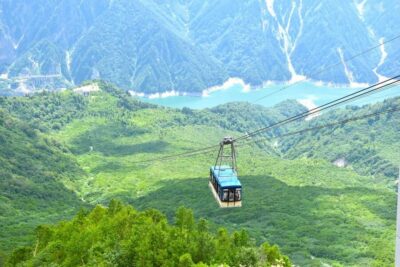
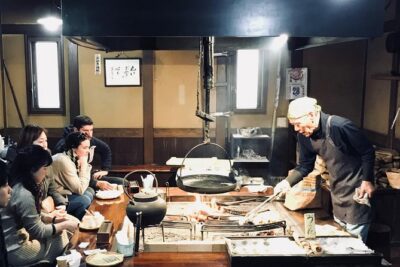
Nagano, Snow Monkeys and Ski Country, side by side.
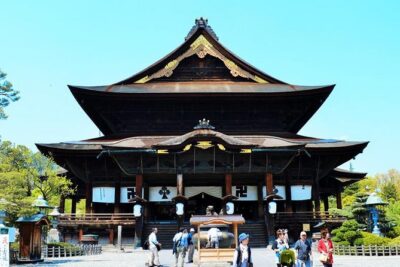 ★ 5.01-Day Snow Monkeys, Zenko-ji Temple & Sake in NaganoFrom $1511,020 reviews
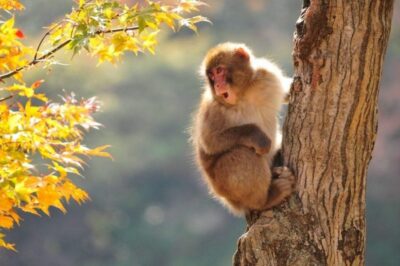 ★ 4.9Nagano: Snow Monkeys, Zenkoji Temple & Sake Day TripFrom $135833 reviews
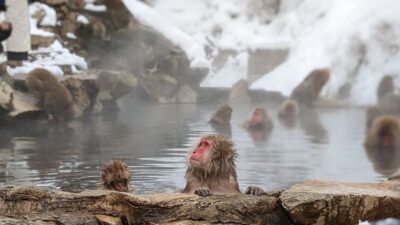 ★ 4.6From Tokyo: Snow Monkey 1 Day Tour with Beef Sukiyaki LunchFrom $151295 reviews
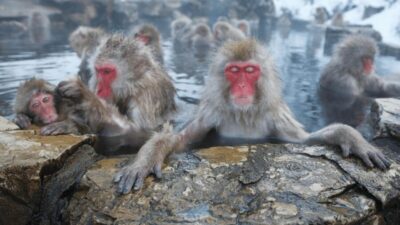 ★ 4.7From Tokyo: Private Tour Snow Monkey Park & Zenko-ji TempleFrom $445184 reviews
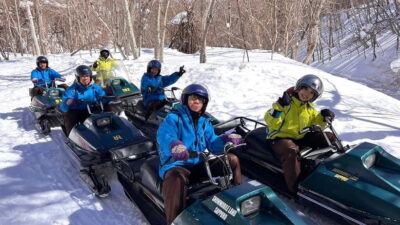 ★ 4.7Hokkaido Seasonal: Lake Toya & Noboribetsu Jigokudani ValleyFrom $55173 reviews
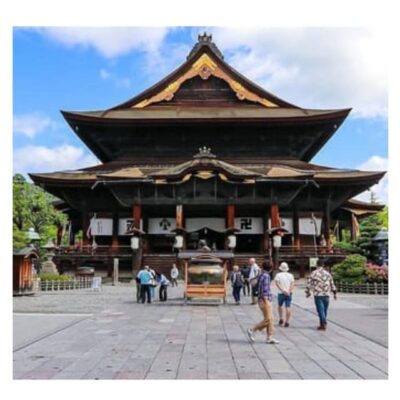 ★ 4.8Snow Monkey & Nagano Customiseable Private Day TourFrom $466138 reviews
 ★ 4.9Matsumoto Castle Tour & Samurai ExperienceFrom $88128 reviews
 ★ 4.5Nagano Snow Monkey 1 Day Tour with Beef Sukiyaki Lunch from TokyoFrom $151123 reviews
Filed on these lists too