
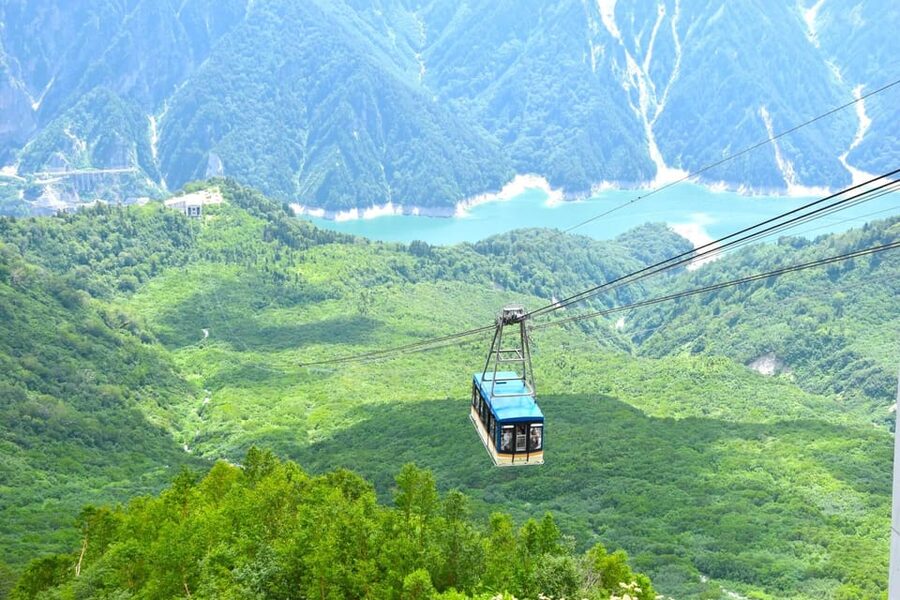
REVIEW · NAGANO, SNOW MONKEYS AND SKI COUNTRY
Nagano: Tateyama-Kurobe Guided Walking Tour
A day trip that feels like a whole expedition. This guided route earns its wow factor with a chain of mountain transports plus a top-floor feeling at Murodo (2450m), where you get an easy, scenic walk and time to look around. I like that the guide helps you understand what you are seeing, not just where to stand. One caution: it is a long, busy logistics day, and lunch is not included, so you need to plan food and energy.
You’ll start in Nagano with an early meet at 08:15 at JR Nagano Station, then move straight into the high-country rhythm. Expect English guidance, clear timing at each transfer point, and a calm, “we’ve got you” structure, even if you’re traveling solo. You should be ready to walk a fair bit even though the main trail time is about an hour.
Season matters here. In September and October you can catch striking autumn colors in the alpine meadows and forests, while summer brings cooler mountain temperatures and summer alpine flowers. In November, you can run into snow and ice on higher paths, so dress for cold and consider smart traction if conditions turn.
In This Review
- Quick hits to know before you go
- Entering The Tateyama-Kurobe Alpine Route, the real reason it works
- Meeting in Nagano at 08:15, then the day starts moving fast
- Ogizawa Station prep time, plus a calm breather before the climb
- Kurobe Dam, where engineering becomes the viewpoint
- Tateyama Ropeway to Daikanbo, then up to Murodo at 2450m
- The guided walk under Mount Tate, plus your own time to wander
- Winter-to-autumn reality check: temperatures and how to dress
- Going back down to Nagano, and why timing feels tight but doable
- Price and value for $232, what you’re really paying for
- Who should book this day tour, and who should think twice
- Should you book the Nagano Tateyama-Kurobe tour?
- FAQ
- How long is the Nagano: Tateyama-Kurobe guided walking tour?
- Where do I meet the guide?
- What does the tour price include?
- Is lunch included?
- Are Shinkansen tickets included in the tour?
- What time do you reach Ogizawa Station and what happens there?
- How much walking is included?
- What altitude do you reach?
- Is the tour wheelchair accessible?
- What temperatures should I plan for?
- Can I get a refund if I cancel?
Quick hits to know before you go
- Kurobe Dam scale: A massive project built from 1956 to 1963, with up to 10 million workers involved, and it’s Japan’s highest dam.
- A true “Roof of Japan” day: You reach Murodo at 2450 meters, Japan’s highest station.
- One hour on foot, at a reasonable pace: A guided walking segment under Mount Tate, described as suitable for reasonable fitness.
- Multiple transport types in one day: Kanden Tunnel trolley bus, Tateyama Ropeway (1700 meters), trolley bus, and an electric-car segment.
- Top-season color potential: September and October can bring grasses and shrubs in red, orange, and brown, plus forest views from the ropeway.
- Guide quality varies by person, but timing is the theme: On recent departures, guides such as Kieron, Orlando, Luki, and Jans were highlighted for friendly, patient help and keeping everyone moving on time.
Snow country and the monkey valley, other departures
- 1-Day Snow Monkeys, Zenko-ji Temple & Sake in Nagano
★ 5.0 · 1,020 reviews - Nagano: Snow Monkeys, Zenkoji Temple & Sake Day Trip
★ 4.9 · 833 reviews - 1-Day Tour from Nagano and Matsumoto Kamikochi & Matsumoto Castle
★ 5.0 · 105 reviews - 1-Day Snow Monkeys & Snow Fun in Shiga Kogen Tour
★ 5.0 · 94 reviews
Entering The Tateyama-Kurobe Alpine Route, the real reason it works
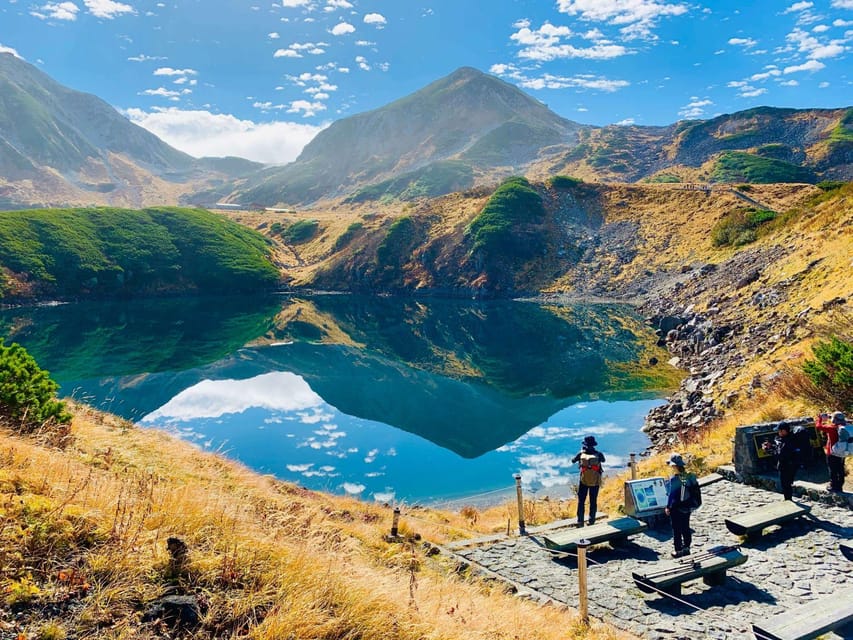
This tour’s strength is that it does not treat the high mountains like a single photo stop. You climb through several different transport systems that each feel like part of the journey, not a boring commute.
The day is built around the famous Tateyama-Kurobe Alpine Route, often called a route to the Roof of Japan. What makes it special is the mix of engineered viewpoints and real walking time. You get a guided segment under Mount Tate, then breathing-room to wander on your own near Murodo, where altitude makes the air feel sharper and the scale sinks in.
I also like that the guide frames the mountain for you. You’ll hear about the surrounding landscape and its place within Japan’s mountain worship tradition, which turns simple scenery into something with meaning. And because you’re not driving or figuring out transfers alone, you can focus on experiencing the route.
Meeting in Nagano at 08:15, then the day starts moving fast
Meet your guide at JR Nagano Station at 08:15, in front of the Information Board opposite the Shinkansen ticket gates. It’s an early start, but it’s also the kind of start that protects your timing later. High-country routes depend on getting on the right vehicle at the right time.
After pickup, you travel by bus/coach toward the route area. The ride time listed is about 115 minutes, so bring a layer even in summer. Mountain weather changes quickly, and you’ll feel it once you start moving through colder zones.
This is also where having an English-speaking guide matters. You’ll get simple instructions for what to do next, where to be, and how to prepare for the first ascent ride. That “keep it organized” approach is exactly what makes a one-day tour feel manageable.
Ogizawa Station prep time, plus a calm breather before the climb
You’ll arrive at Ōgizawa Station around 09:45, and your guide gives you time to prepare for the ascent. The itinerary includes a visit and guided sightseeing stop here of about 25 minutes, which is the right length for a quick reset.
This is not a long sightseeing diversion. It’s more like a buffer so you can use the bathroom, get your daypack sorted, and check that you’re ready to switch into the route’s mountain transport system.
Practical tip: treat Ōgizawa as your last easy chance to get comfortable before the altitude and cold start taking over. If you tend to snack small and often, this is also when to have something in hand, since the tour itself doesn’t include lunch.
- Full-Day Tour: Matsumoto Castle & Kamikochi Alpine Valley★ 4.8 · 78 reviews
- (Spring Only) 1-Day Snow Walls of Tateyama-Kurobe Alpine Route Tour★ 5.0 · 75 reviews
- Private Nagano 1-Day Tour:Snow Monkeys,Zenko-ji,Obuse,Sake,Onsen★ 5.0 · 71 reviews
- Izakaya Food Tour in Nagano★ 5.0 · 60 reviews
- Food & Cultural Walking Tour around Zenkoji temple in Nagano★ 5.0 · 58 reviews
Kurobe Dam, where engineering becomes the viewpoint
The first big landmark you’ll hit is Kurobe Dam. You get a break and guided sightseeing time of about 30 minutes. Even if you’ve seen modern dams before, this one is hard to ignore.
Kurobe Dam was constructed between 1956 and 1963, and it required labor of up to 10 million people, which gives you a sense of how enormous this project was in human terms. The guide also frames it as Japan’s highest dam and a symbol of humankind’s attempts to conquer nature. That makes the visit feel less like a stop, and more like a story you’re walking through.
What I like here is the pacing. You’re not thrown straight into a steep climb without a pause. You get a chance to look at the dam and the surrounding mountain views, then move on with the day’s rhythm already established.
Tateyama Ropeway to Daikanbo, then up to Murodo at 2450m
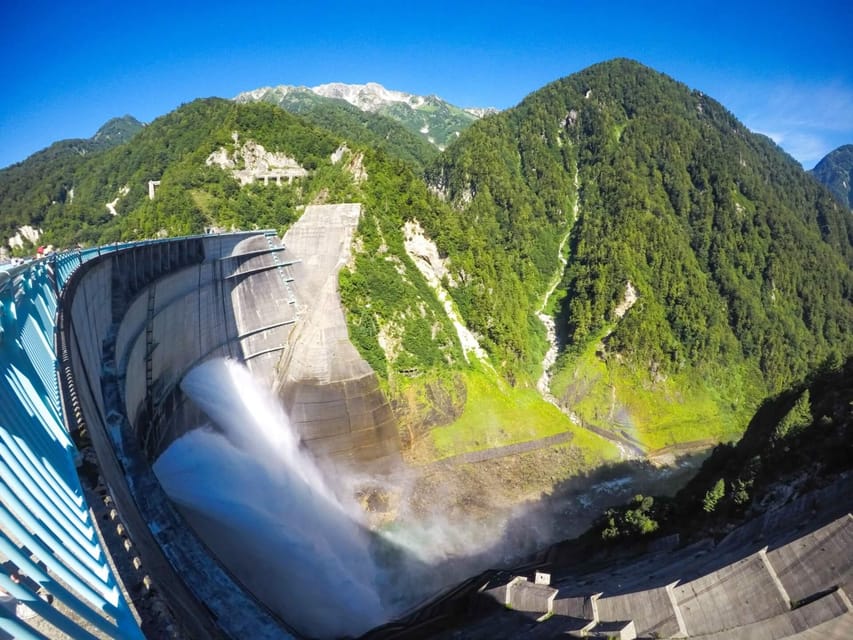
Now the day turns into pure vertical travel.
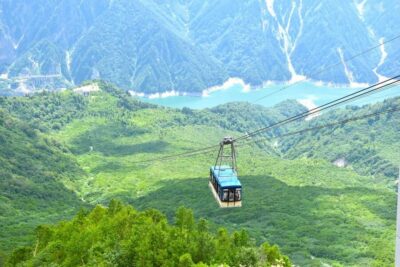
The route’s major lift is the Tateyama Ropeway, which spans 1700 meters. From there, you head to the final stop Daikanbo, and then you take the final trolley bus segment to reach Murodo. Murodo sits at 2450 meters, and it’s Japan’s highest station.
If you hate crowds, this is where your expectations should be realistic. High-season mountain routes can be busy, and you are sharing compact stations with other people experiencing the same moment. But the trade-off is you’re getting efficient altitude gain and big views in return.
At Murodo, the tour gives you substantial time. The itinerary lists about 2.5 hours that include guided and sightseeing time, plus another 2 hours of free time. That means you’re not rushed through the top like a checklist. You can take photos, pause, and just feel what high altitude does to your perception.
The guided walk under Mount Tate, plus your own time to wander
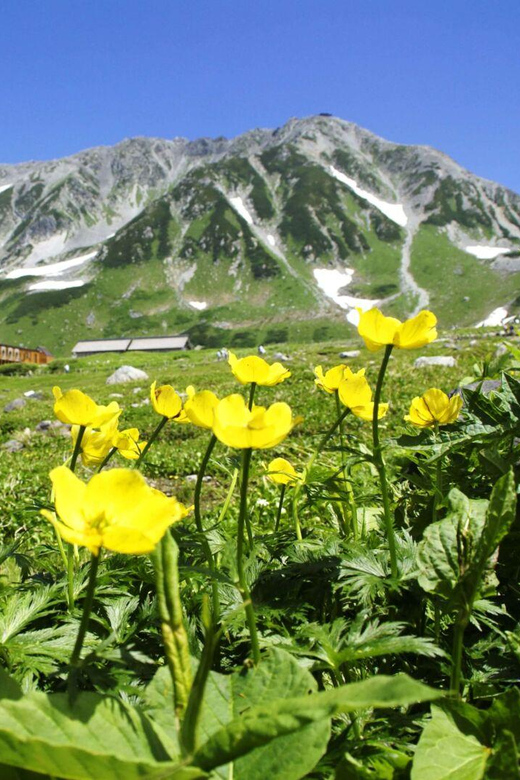
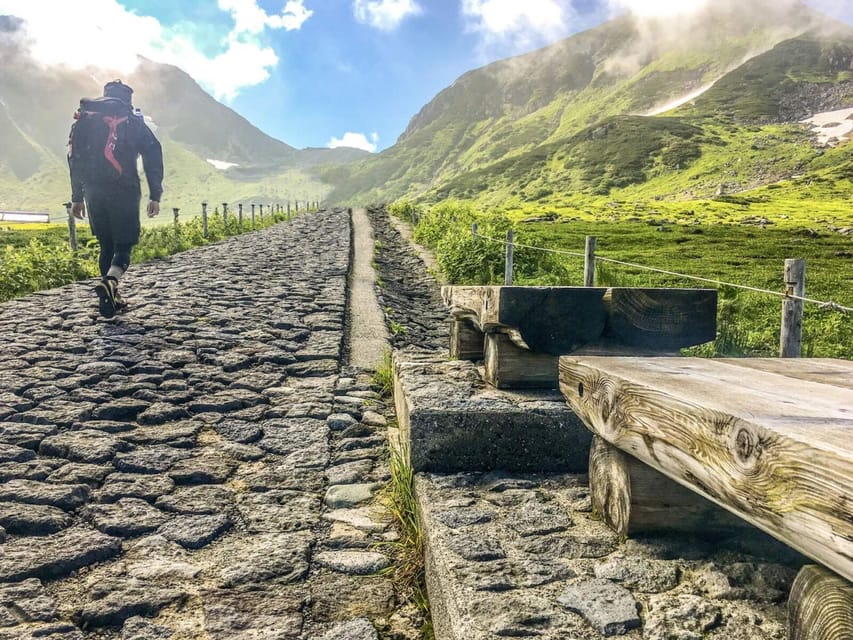
One highlight is the leisurely walk near the top, described as about one hour along a trail beneath the summit of Mount Tate. This is the part where the tour shifts from “ride and look” to “walk and learn.”
Your guide introduces why this area matters in mountain worship tradition. It’s not heavy-handed; it’s more like you’re seeing the route with a translator for the cultural layer. You’ll also have the option to explore at your own pace rather than constantly following the guide, as long as you meet up at the appointed time.
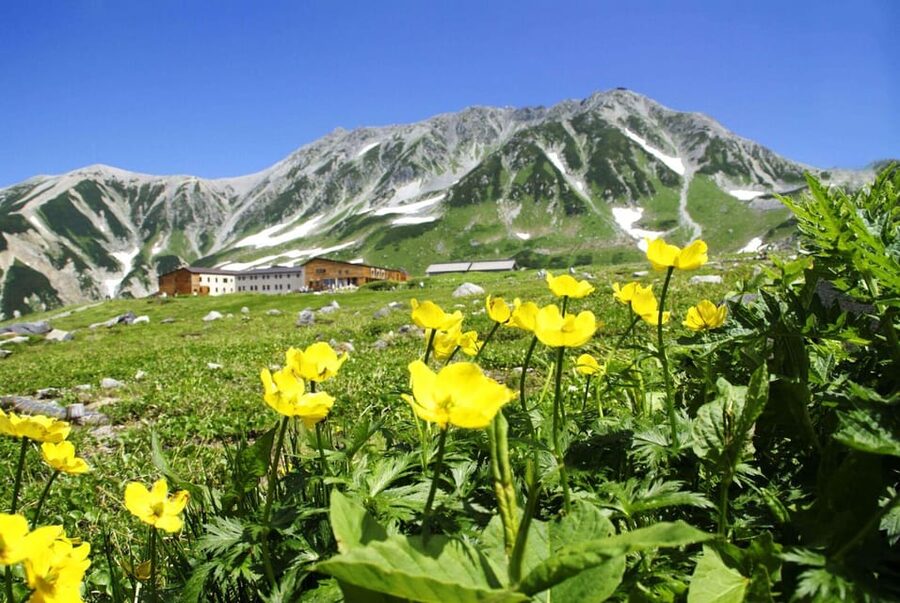
This is the sweet spot for many visitors: reasonable effort, meaningful scenery, and a chance to notice small details like how alpine plants change with elevation. If you’re hoping for summer alpine flowers, this is where you’ll feel it most.
If you’re visiting in colder months, keep expectations flexible. The route can involve icy patches on higher paths. One practical takeaway from recent experiences is that if you are going in November, it’s smart to have traction solutions like spiked overshoes if you have them.
Winter-to-autumn reality check: temperatures and how to dress
The tour provides average daytime temperatures by month, and that’s useful because it tells you what to pack. July averages around 11 to 16°C, August 12 to 18°C, September 9 to 15°C, October 3 to 10°C, and November can be -5 to 2°C.
That’s a huge spread for a one-day outing. So layer like a pro: base layer, warm middle layer, and a windproof shell. If you get cold easily, bring gloves and a hat. Even when the sun is out, shade and higher elevation can feel sharply colder.
Also remember that the day includes multiple vehicle rides and station waits. That means you can feel colder than you expect if you rely on a single outfit. Dress for standing still as much as for walking.
Going back down to Nagano, and why timing feels tight but doable
The descent begins with collection by the guide between 15:00 and 15:30, then you head back down. You’ll return to Ogizawa, where the tour bus waits, and you arrive back in Nagano between 18:00 and 19:00.
The itinerary lists an electric car segment of about 2 hours as part of the return flow. So even on the way down, you’re still experiencing different systems, not just repeating the ropeway.
This is one of those days where the schedule matters. The route is scenic, but it’s also a machine. If you show up late to a transfer, you’re the one who eats the delay. The upside is that with a guide and set pickup times, most people find the day stays organized.
Guides on recent departures were praised for being patient and polite and for keeping everyone moving to the next transport. If you do tend to get turned around in busy station environments, that support is not a small thing.
Price and value for $232, what you’re really paying for
At $232 per person for a one-day guided tour, you’re paying for convenience and structure, not just sightseeing.
What you get included:
- Transport from and to Nagano and the route via Ogizawa Station
- The Tateyama-Kurobe Alpine Route return ticket
- An English-speaking guide
What you do not get included:
- Shinkansen tickets to and from Nagano
- Lunch and other snacks
- Accommodation
So the value calculation is this: instead of buying a route ticket and trying to coordinate every transport leg on your own, you get a full guided day with transfers handled. That’s especially valuable if you’re not traveling with a car or if you’d rather spend energy enjoying the view than reading transit puzzles.
You also get time at the top that makes the day feel complete, not just “up and out.” And because the day is tightly managed, you’re more likely to hit the ropeway and trolley connections without stress.
Who should book this day tour, and who should think twice
This is a great fit if:
- You want the Alpine Route highlights in one day
- You prefer an English guide to explain what you’re seeing
- You’re okay with a schedule that moves and includes several vehicle changes
- You can handle a leisurely one-hour walking segment at reasonable fitness
It’s less ideal if:
- You want a slow, independent day with zero timing pressure
- You are sensitive to cold and you don’t want to layer for big temperature swings
- You strongly dislike long transit days
Good news: the tour is marked as wheelchair accessible, which makes it more flexible than many high-country walking experiences. Still, because you’re using multiple mountain transports and stations, it helps to review what you personally need for comfort.
If you’re traveling solo, this kind of guided setup can be easier than building the route yourself. English support and clear meetup points reduce the “where do I go next” anxiety.
Should you book the Nagano Tateyama-Kurobe tour?
I think you should book if you want one day that delivers the Roof of Japan core experience, with the heavy lifting done for you: transport, timing, and an English guide.
Do it if you’re excited by altitude, mountain transport variety, and a real top-time with a guided walk. And pack smart for weather, especially if you’re going later in the year.
Skip it if you’d rather travel slower than the schedule allows, or if you really need lunch included and don’t want to plan food on your own. With a little prep, though, this is the kind of day that turns Nagano from a base city into a mountain story.
FAQ
How long is the Nagano: Tateyama-Kurobe guided walking tour?
The tour lasts 1 day.
Where do I meet the guide?
Meet your guide at JR Nagano Station at 08:15, in front of the Information Board directly opposite the shinkansen ticket gates.
What does the tour price include?
It includes transport from and to Nagano and the Tateyama-Kurobe Alpine Route via Ogizawa Station, the Tateyama-Kurobe Alpine Route return ticket, and an English-speaking guide.
Is lunch included?
No. Lunch and other snacks or drinks are not included.
Are Shinkansen tickets included in the tour?
No. Shinkansen tickets to and from Nagano are not included.
What time do you reach Ogizawa Station and what happens there?
You arrive at Ogizawa Station around 09:45, and the guide gives you time to prepare before boarding the first ascent transport. Ogizawa also includes a short visit and guided sightseeing time.
How much walking is included?
You’ll do a leisurely guided walk of around 1 hour at about the Murodo area, described as suitable for anyone with reasonable fitness.
What altitude do you reach?
Murodo is at 2450 meters and is described as Japan’s highest station.
Is the tour wheelchair accessible?
Yes. The tour is marked as wheelchair accessible.
What temperatures should I plan for?
Average daytime temperatures vary by month: July 11 to 16°C, August 12 to 18°C, September 9 to 15°C, October 3 to 10°C, and November -5 to 2°C.
Can I get a refund if I cancel?
Yes. You can cancel up to 24 hours in advance for a full refund.
Snow Country and the Monkey Valley


Newest Nagano write-ups from the Loving Japan desk

Nagano, Snow Monkeys and Ski Country, side by side.
 ★ 5.01-Day Snow Monkeys, Zenko-ji Temple & Sake in NaganoFrom $1511,020 reviews
 ★ 4.9Nagano: Snow Monkeys, Zenkoji Temple & Sake Day TripFrom $135833 reviews
 ★ 4.6From Tokyo: Snow Monkey 1 Day Tour with Beef Sukiyaki LunchFrom $151295 reviews
 ★ 4.7From Tokyo: Private Tour Snow Monkey Park & Zenko-ji TempleFrom $445184 reviews
 ★ 4.7Hokkaido Seasonal: Lake Toya & Noboribetsu Jigokudani ValleyFrom $55173 reviews
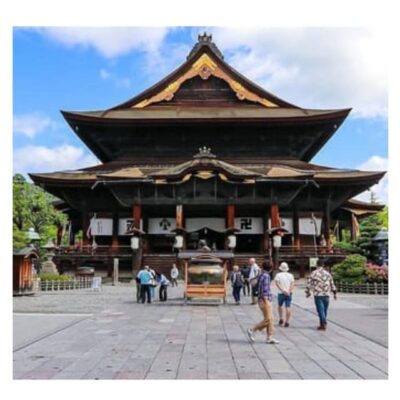 ★ 4.8Snow Monkey & Nagano Customiseable Private Day TourFrom $466138 reviews
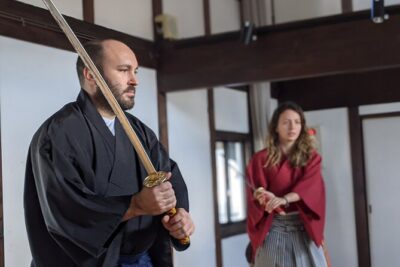 ★ 4.9Matsumoto Castle Tour & Samurai ExperienceFrom $88128 reviews
 ★ 4.5Nagano Snow Monkey 1 Day Tour with Beef Sukiyaki Lunch from TokyoFrom $151123 reviews
Filed on these lists too