
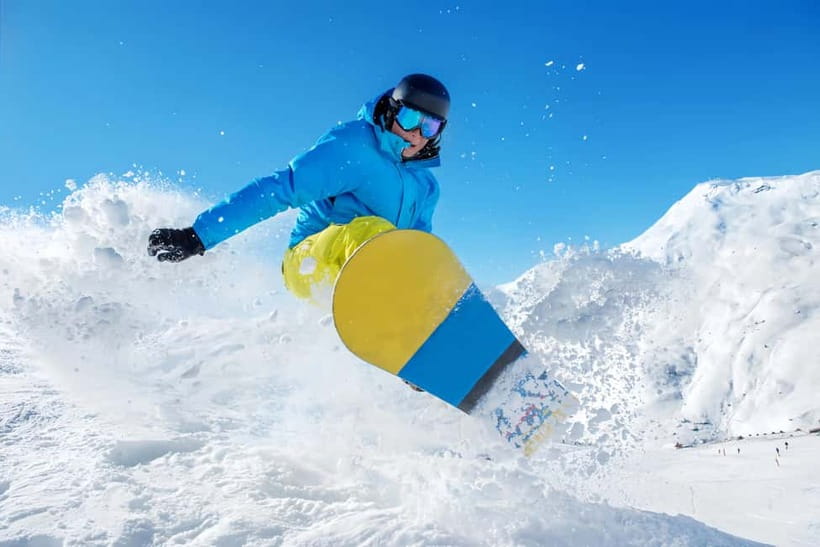
REVIEW · NAGANO, SNOW MONKEYS AND SKI COUNTRY
Sapporo: Otaru Asarigawa Ski Resort Day Trip with Gear
Ski day planning in Hokkaido can feel complicated. This one is built for you, with beginner coaching plus a full gear-and-lift package that takes the stress out of getting on the slopes. The main drawback is the day is long and active, so if you want a super relaxed outing, you may feel the schedule squeeze.
You start at Sapporo Station and go straight to the snow for a structured lesson morning, then practice afterward. There are also board options (single and double board packages), so you can match what you’re most comfortable riding. My only caution: the activity is higher-risk, and the rules say you must ski within your ability.
In This Review
- Key Reasons This Ski Day Trip Works
- From Sapporo Station to Asarigawa Snow, Without Guesswork
- Included Gear and Lift Pass, the Real Value Hidden in the Details
- The Morning Lesson: Gentle Slopes, Real Basics, English or Chinese
- Lunch Break: 1 Hour to Refuel Your Legs
- Afternoon Practice: Turning Skills into Something You Can Use
- Getting Back to Sapporo Early Evening, Tired in a Good Way
- Who This Trip Suits Best (And Who Should Skip It)
- Price and Value: Why $185 Can Make Sense
- A Few Safety and Skill Notes That Matter
- Should You Book This Sapporo to Otaru Asarigawa Ski Day Trip?
- FAQ
- Where do I meet for the ski day tour?
- What time does the tour run?
- What ski gear and lift access are included?
- What should I bring since some items are not included?
- Are the lessons offered in English and Chinese?
- Is this tour suitable for kids and older adults?
Key Reasons This Ski Day Trip Works
- Free photo service so you can focus on skiing, not your phone timing
- English and Chinese instruction for beginners, with an instructor who keeps things organized
- Everything you need to start, including helmet, goggles, boots, skis, poles, and a lift pass
- Small coaching groups, with each instructor guiding up to 10 participants
- A planned flow (lesson, lunch break, slope practice) that stops the day from turning into chaos
Further north. Our other Hokkaido write-ups
- Sapporo Bar Hopping Food Tour
★ 5.0 · 232 reviews - Hokkaido Seasonal: Lake Toya & Noboribetsu Jigokudani Valley
★ 4.7 · 173 reviews - Sapporo Private Tour with a Local – Highlights & Hidden Gems
★ 5.0 · 91 reviews - Sapporo: Sumo Show Experience with Japanese food & Photo
★ 4.9 · 81 reviews
From Sapporo Station to Asarigawa Snow, Without Guesswork
The day begins at Sapporoekikitaguchi, at the bus parking lot. You meet your guide holding a sign that reads Ski Day Tour, then you board the round-trip bus. The bus ride is about an hour each way, which is a big part of why this works as a one-day trip, not a full ski holiday.
Because Sapporo Station is under construction, I’d treat the first morning like it matters. Arrive with extra time and verify you’re at Sapporoekikitaguchi before the group boards. When you’re learning to ski, there’s no benefit to rushing, because you’ll need a clear head for the safety talk later.
Once you arrive at Otaru Asarigawa Ski Resort, the timing is set up so you’re not stuck waiting around. You pick up your equipment and get moving toward the slopes with your instructor guiding the start of the day.
Included Gear and Lift Pass, the Real Value Hidden in the Details
A lot of ski day deals look similar until you compare what’s actually included. Here, you get skis, boots, poles, helmet, goggles, and a lift pass in the core package. That matters because those are the items that usually cost extra when you travel independently, and they are also the easiest things to get wrong if you’re not sure what size you need.
Gloves are not included, so plan to bring your own or rent them if the resort offers it. If you’re coming from Sapporo in winter layers, I strongly recommend you wear or pack warm base layers, plus something you can move in easily. Helmet and goggles are included, which helps you avoid the common problem of poor fit or last-minute rental stress.
You also have an option for skiwear rental if you want it. If you already have your own ski clothing, great. If not, this is the kind of add-on that can make your day smoother because you’ll be dressed correctly before you start the lesson.
The lift pass is built into the package, so you’re not standing there at the counter wondering how to buy access. For beginners, that reduces friction a lot. For anyone still building confidence, it means you can spend more time practicing turns instead of figuring out logistics.
The Morning Lesson: Gentle Slopes, Real Basics, English or Chinese
The lesson is the heart of this day trip. You get a professional morning lesson for about 2 hours, available in English and Chinese (including Traditional Chinese options). The goal is straightforward: learn the basics on gentle slopes with high-quality snow, which is exactly what you want when you’re starting out.
This is not just “watch and hope.” The instructor is there to help you get the foundations down early, while you’re still fresh. That’s the moment your body learns what to do next time, and it’s usually where independent beginners struggle most, especially when snow and speed start feeling unpredictable.
Group size also matters here. Each instructor guides up to 10 participants, which is small enough for you to ask questions and get feedback. That’s a big advantage over larger lessons where you might feel lost.
If you’re choosing between coaching and other styles, read the fine print on what package you select. If you choose the freestyle skiing package, the assumption is that you are already proficient, and no ski coach will be arranged. Beginners should stick with a package that includes coaching, otherwise you’ll lose the support that makes this trip beginner-friendly.
Snow country and the monkey valley, other departures
- [Departure from Sapporo] Noboribetsu Jigokudani, Lake Toya, Cape Chikyu by private car★ 5.0 · 37 reviews
- Sapporo: Otaru Asarigawa Ski Resort Day Trip with Gear★ 4.9 · 27 reviews
Lunch Break: 1 Hour to Refuel Your Legs
After the morning session, you get about an hour for lunch. Lunch is on your own, so you can pick something you like instead of eating one pre-set menu option. This is also your chance to warm up, reset your socks (yes, it matters), and deal with anything you realized you forgot earlier.
Because skiing uses legs and core muscles you don’t always train, one hour is usually enough to eat, get a hot drink, and head back out. If you try to stretch lunch into a long stop, you’ll cut into your afternoon practice time, which is the part where skills start clicking.
A practical approach: eat something simple, keep it warm, and avoid anything that makes you feel heavy. You want your energy back for the afternoon slopes.
Afternoon Practice: Turning Skills into Something You Can Use
In the afternoon, you return to the slopes for another 2 hours of practice. This is where the day stops being a class and becomes real progress. If your morning lesson worked, you’ll start noticing small improvements fast, like smoother weight shifts or better control on gentle terrain.
The structure also helps. You’re not wandering around guessing which runs match your level. Your instructor can guide you based on what you learned in the morning, and you can spend your time practicing rather than interpreting the mountain like a mystery map.
There’s also cable car access at the resort, and before boarding, the instructor provides safety advice based on your level. In principle, everyone can board, but the key is to listen and follow guidance exactly. That safety moment is not there to slow you down. It’s there to keep the day fun for everyone.
The tour includes the lift pass, so you don’t have to keep re-checking tickets. You can focus on the real work: learning how to slow down, how to stop, and how to turn with less panic.
Getting Back to Sapporo Early Evening, Tired in a Good Way
After your afternoon practice, you return your equipment and head back to Sapporo by bus. You’ll be back in the early evening at Sapporoekikitaguchi. Returning earlier rather than later is a subtle win because you still have time to shower, eat dinner, and not feel like the entire day swallowed you.
This is also where the “gear handling” detail matters. Returning equipment before you board keeps the day organized and prevents the last-minute scramble that can happen when your bags are mismatched or someone forgot a helmet strap.
One more practical bonus: the tour includes free photo service. Skiing is cold, fast, and full of forgetfulness. Getting highlight photos captured by your instructor means you can relive the day without staging anything in awkward weather.
Who This Trip Suits Best (And Who Should Skip It)
This is a strong fit if you want a beginner-focused ski experience from Sapporo without renting a dozen items and building a plan from scratch. It also suits people who like structure, because you get coaching in a clear morning block and practice afterward.
You should especially consider it if you’re traveling with someone who speaks Chinese or you want instruction in English, since languages available include Chinese, English, and Traditional Chinese. Having the instruction in your language level matters when you’re learning safety and technique.
Not suitable for:
- Children under 7
- Pregnant women
- People under 130 cm (4 ft 3 in)
- People with pre-existing medical conditions
- People over 70
Also, skiing is listed as high-risk, and you must ski within your ability. The instructor provides guidance but isn’t liable for personal safety. If you want extra peace of mind, consider travel and accident insurance before you go.
Price and Value: Why $185 Can Make Sense
At $185 per person for a 9-hour day, the price might look “premium” at first glance. But ski days are expensive because you’re buying three things at once: transport, equipment, and access to the mountain, plus instruction for beginners.
Here, you’re getting round-trip bus transport, full ski gear (skis, boots, poles, helmet, goggles), and a lift pass. On top of that, you’re getting professional coaching in English or Chinese for a total of 2 hours in the morning, with additional practice time afterward.
That’s why I think this price can work well for first-timers or anyone who wants to reduce uncertainty. If you were to piece it together yourself, you’d likely spend similar money on gear rental, lift access, and transportation, and you still might not get the same beginner-friendly teaching structure.
Also, the free photo service is not huge on paper, but it helps you remember the day. It’s one less thing to juggle when you should be focusing on balance and technique.
A Few Safety and Skill Notes That Matter
Follow the safety instructions closely, especially around lifts. The tour notes that instructors will give cable car safety advice based on your level, and everyone can board in principle, but you still need to obey what your instructor tells you.
Pay attention to the package type too. If you pick a freestyle skiing package, you should already be proficient, since no coach will be arranged. If you’re not sure, choosing the coaching option is the safer bet.
Finally, come prepared for cold. Warm layers, proper socks, and a plan for gloves will change how enjoyable the day feels. The more comfortable you are, the faster your learning improves.
Should You Book This Sapporo to Otaru Asarigawa Ski Day Trip?
Book it if you want a smooth beginner experience that handles the hard parts for you: transport, gear, lift access, and instruction in English or Chinese. The structure makes it easier to learn without turning the day into a scavenger hunt, and the small group size helps you actually get feedback.
Skip it if you prefer to freestyle independently with no guidance, or if your group plans to treat skiing as a casual maybe. Also skip if you fall into the tour’s listed limits, like under 7, under 130 cm, over 70, pregnant, or with pre-existing medical conditions.
If you’re ready for snow and you want your first turns to come with support, this is one of the more practical ways to do it from Sapporo.
FAQ
Where do I meet for the ski day tour?
You meet at Sapporoekikitaguchi bus parking lot, address 3 Chome Kita 7 Jonishi, Kita Ward, Sapporo, Hokkaido 060-0807 Japan. On the day, the guide will be holding a sign that reads Ski Day Tour.
What time does the tour run?
The total duration is 9 hours. You should check availability to see the starting times.
What ski gear and lift access are included?
The tour includes skis, boots, poles, helmet, goggles, and a lift pass. Skis and related gear are included as part of the package.
What should I bring since some items are not included?
Lunch is not included, and gloves are not included. You may want to bring warm layers and your own gloves, depending on your needs.
Are the lessons offered in English and Chinese?
Yes. The instructor provides instruction in Chinese and English, with Traditional Chinese also listed.
Is this tour suitable for kids and older adults?
It is not suitable for children under 7, people under 130 cm, pregnant women, people with pre-existing medical conditions, and people over 70.
Snow Country and the Monkey Valley
Hokkaido, Further North


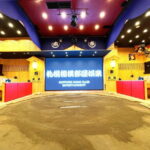

Newest Sapporo write-ups from the Loving Japan desk
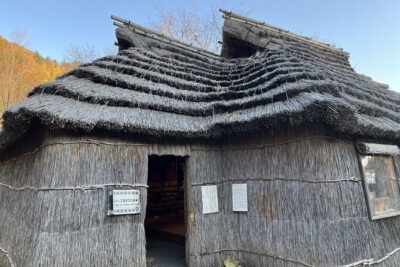
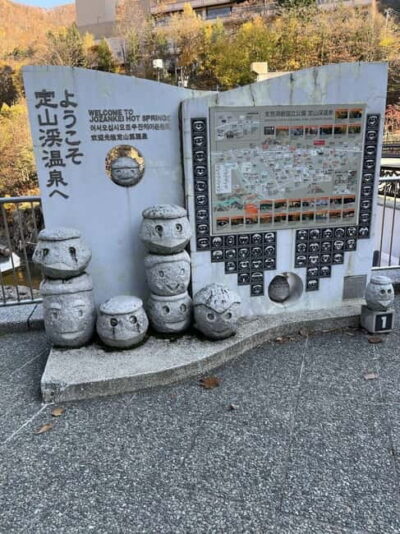
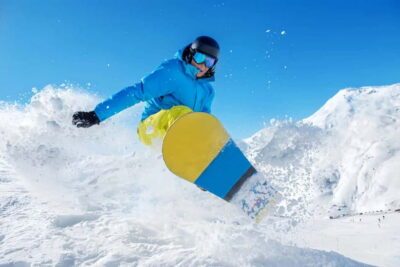
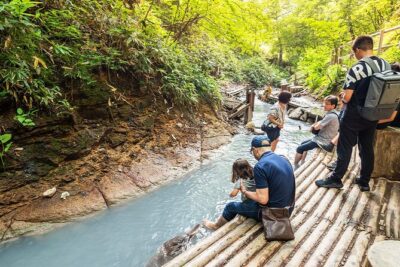


Nagano, Snow Monkeys and Ski Country, side by side.
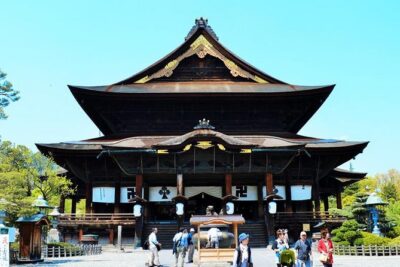 ★ 5.01-Day Snow Monkeys, Zenko-ji Temple & Sake in NaganoFrom $1511,020 reviews
 ★ 4.9Nagano: Snow Monkeys, Zenkoji Temple & Sake Day TripFrom $135833 reviews
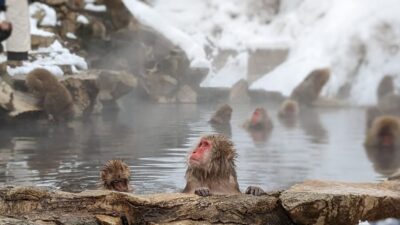 ★ 4.6From Tokyo: Snow Monkey 1 Day Tour with Beef Sukiyaki LunchFrom $151295 reviews
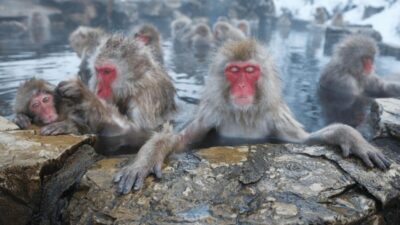 ★ 4.7From Tokyo: Private Tour Snow Monkey Park & Zenko-ji TempleFrom $445184 reviews
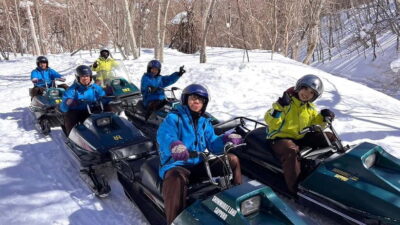 ★ 4.7Hokkaido Seasonal: Lake Toya & Noboribetsu Jigokudani ValleyFrom $55173 reviews
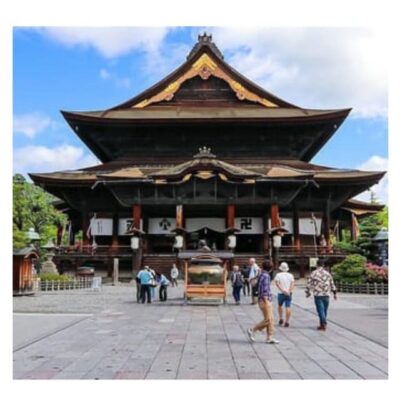 ★ 4.8Snow Monkey & Nagano Customiseable Private Day TourFrom $466138 reviews
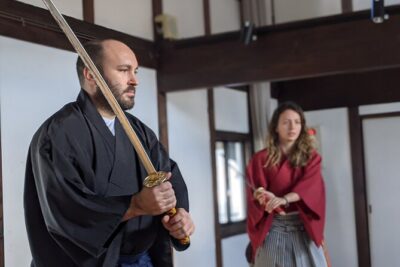 ★ 4.9Matsumoto Castle Tour & Samurai ExperienceFrom $88128 reviews
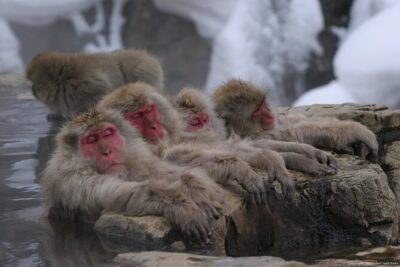 ★ 4.5Nagano Snow Monkey 1 Day Tour with Beef Sukiyaki Lunch from TokyoFrom $151123 reviews
Filed on these lists too