
REVIEW · FUSHIMI INARI AND THE TEMPLES OF KYOTO
Authentic Sapporo: Nijo Market Seafood Lunch & Local History Tour
Sapporo tastes like history. This 2.5-hour food and history walk ties the Clock Tower bell and early Sapporo story to a Nijo Market seafood lunch that feels like it belongs to local routines.
You also get a ticketed spin up Sapporo TV Tower for wide 360-degree views, plus several short stops that keep the pace friendly and efficient. One catch: if you have a fish or shellfish allergy, this tour is not recommended.
In This Review
- Key highlights you will actually care about
- Where this 2.5-hour tour fits in your Sapporo plans
- Price and value: why $63.20 is more than just a walk
- Meeting point at the Clock Tower, and how the day flows
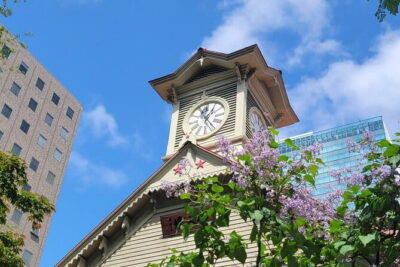
- Clock Tower (Tokei-dai): the bell that tells you Sapporo is old enough to matter
- Sapporo City Hall and Odori Park: institutions, then everyday life
- Sapporo TV Tower: the included 360-degree payoff
- The Sosei Bridge stop that many visitors miss
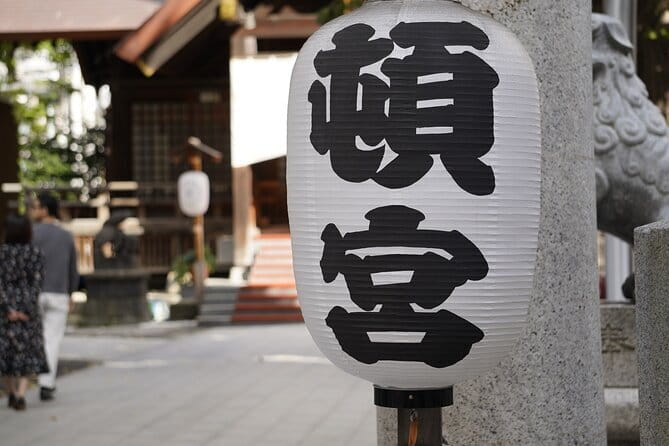
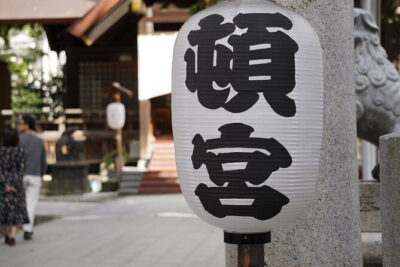
- Hokkaido Jingu Ton-gu: a local-favorite shrine visit without the tour-bus vibe
- Nijo Market seafood lunch: what you need to know before you go
- Winter reality check: what to wear in Sapporo
- Guide style: why small-group history feels personal
- Who should book this tour
- Final decision: should you book Authentic Sapporo, Nijo Market Seafood Lunch & Local History Tour?
- FAQ
- How long is the tour?
- Where does the tour start and what time?
- Where does the tour end?
- Is lunch included?
- What admission is included?
- Does the guide attend lunch?
- Are bottled drinks included?
- Is coffee or tea included?
- Is the tour suitable for seafood allergies?
- What happens if the weather is poor?
Key highlights you will actually care about
- 90m Sapporo TV Tower observation deck with included admission, so you do not have to plan tickets
- Clock Tower (Tokei-dai) and its unchanged ringing bell that signals the city’s early era
- Sosei Bridge as Sapporo’s oldest bridge with a story many visitors skip
- Hokkaido Jingu Ton-gu shrine stop that locals value, and it is not treated like a tourist box
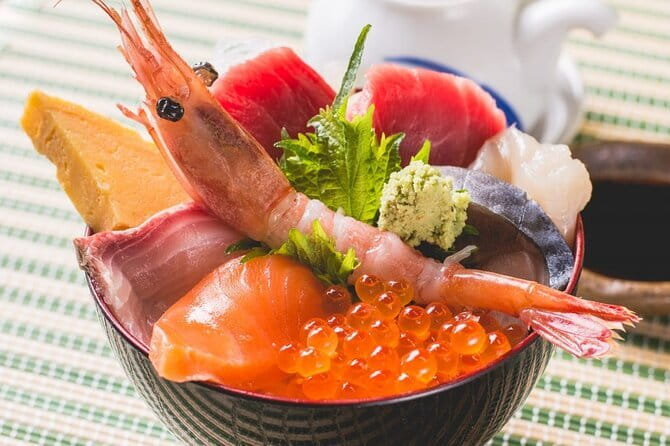
- Nijo Market seafood lunch with 45 minutes of meal time, and your guide might not join the dining part
- Small group max of 8 people, which usually means more questions answered on the move
Which temple to give the morning to, reviewed
- Authentic Sapporo: Nijo Market Seafood Lunch & Local History Tour
★ 5.0 · 13 reviews
Where this 2.5-hour tour fits in your Sapporo plans
If your Sapporo day already has shopping or a big museum, this tour is a great way to add two things fast: direction and context. You start at a major landmark, then walk through the central area in a tight sequence of short stops. By the time you hit lunch, you understand what you are looking at, instead of treating the city like a blur.
The schedule is built around momentum. Each site is mostly a quick visit, not an all-afternoon slog. The total time is about 2 hours 30 minutes, and the start time is 10:00 am. That means it works well as a morning anchor before lunch, or as a way to reset after a night out.
And because the group is capped at 8 travelers, it is easier to keep things conversational. You get a live guide in English or Japanese, and the route is designed so you are not always waiting around.
Price and value: why $63.20 is more than just a walk
At $63.20 per person, you are paying for three real buckets of value.
First, the tour includes lunch at Nijo Market, and it is not a tiny snack. The meal is seafood-based, and the tour is set up so you do not have to hunt down a good local spot.
Second, you get included admission to Sapporo TV Tower. That is a practical win. When a tour includes the ticket, you spend less time at machines and more time actually enjoying the view.
Third, you get a live guide and insurance. Live guidance matters in Sapporo because names, dates, and symbols can be hard to decode on your own. Insurance is also one of those quiet benefits that makes the day feel safer.
Yes, you still need to budget for personal drinks, since bottled water is not included. But overall, this price feels fair for what is bundled.
Meeting point at the Clock Tower, and how the day flows
You meet at Sapporo Clock Tower 2 Chome Kita 1 Jonishi in Chuo Ward, near the landmark area everyone uses as a reference point. This is helpful when you want to arrive calm, not sprinting across town.
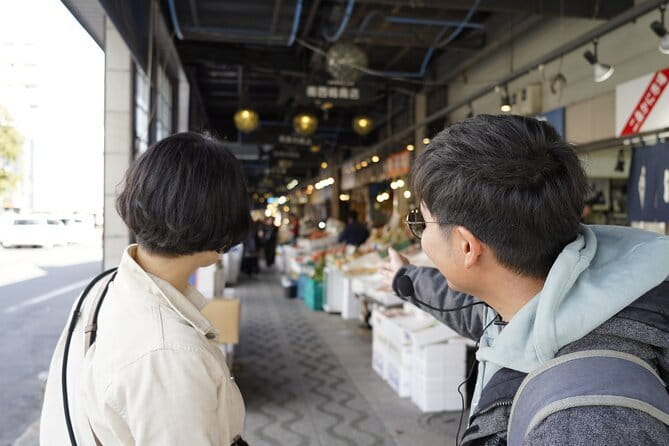
From there, the tour takes you through central Sapporo and ends at Nijo Market after lunch. So you do not finish back at the start. You are dropped near where locals go to eat and browse, which makes it easy to keep going after the tour ends.
One practical note for timing: lunch is set aside for about 45 minutes. The tour pacing before lunch is short stops that add up without feeling rushed.
Also, you get a mobile ticket. If you prefer everything digital, this keeps your day simple.
Further north. Our other Hokkaido write-ups
- Sapporo Bar Hopping Food Tour★ 5.0 · 232 reviews
- Hokkaido Seasonal: Lake Toya & Noboribetsu Jigokudani Valley★ 4.7 · 173 reviews
- Sapporo Private Tour with a Local – Highlights & Hidden Gems★ 5.0 · 91 reviews
- Sapporo: Sumo Show Experience with Japanese food & Photo★ 4.9 · 81 reviews
- Mondo’s most popular plan! Experience making soba noodles and the king of Japanese cuisine, tempura, in Sapporo!★ 5.0 · 71 reviews
Clock Tower (Tokei-dai): the bell that tells you Sapporo is old enough to matter
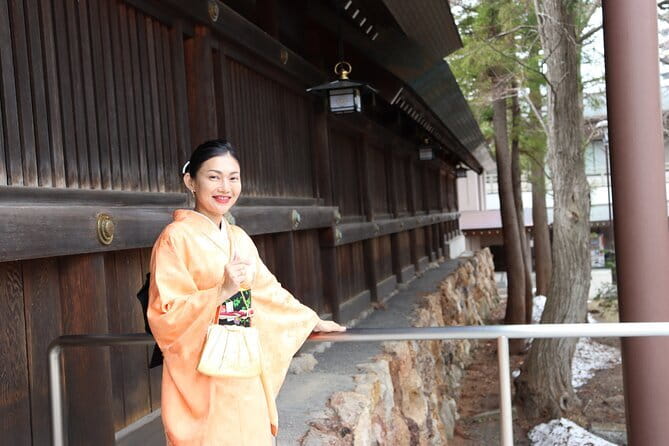
The first stop is the Clock Tower (Tokei-dai). It is one of those places where you can stand and take photos, sure. But the real value here is learning what it represents in the city’s early era.
You also get a detail that is easy to miss on your own: the bell is described as unchanged since it was installed. That kind of continuity makes the building feel more than decorative. It becomes a clue. You start noticing how Sapporo’s layout and institutions connect to its beginnings.
This stop lasts about 20 minutes. It is not a long lecture. Think of it as a fast orientation stop that sets the tone for the rest of the walk.
Sapporo City Hall and Odori Park: institutions, then everyday life
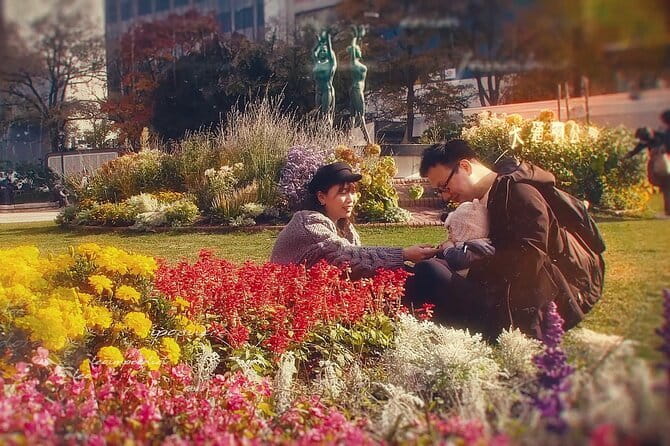
Next up is Sapporo City Hall, where you learn about key people connected to the development of Sapporo. The stop is about 15 minutes, so the guide focuses on the essentials and ties the stories to what you can see nearby.
Then you visit Odori Park. This is not there for architecture homework. It is there because it is where you watch locals spend time. Odori is the kind of place where you can read the city’s daily rhythm without needing a ticket or a reservation.
These middle stops are short by design. They help you connect the dots from the early days at the Clock Tower to the more modern city systems around you.
Sapporo TV Tower: the included 360-degree payoff
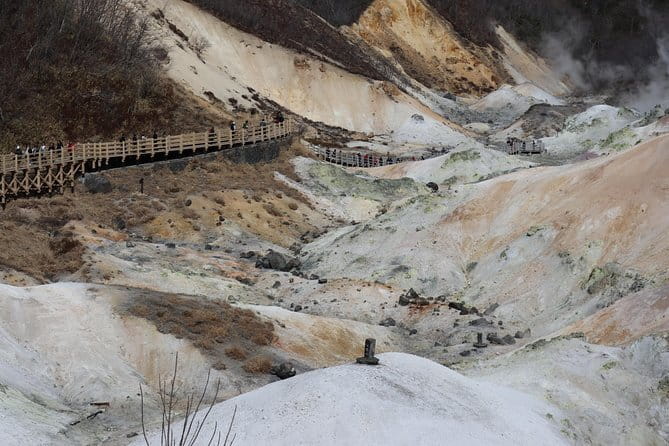
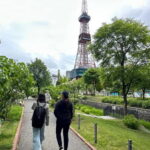
If you want one moment that feels like a reward, this is it. The tour includes admission to Sapporo TV Tower, and you go up to the observation deck.
The height is about 90 meters, and the big promise here is 360-degree views. Even if you are not a skyline person, the height changes how you understand the city. Streets, parks, and the spacing of neighborhoods make more sense after you see them from above.
The time here is about 30 minutes. That is usually enough to take photos, look around patiently, and read the view back to the spots you just visited.
In winter, views from the top can be extra satisfying because the city often looks clean and defined. Just be ready for cold air up there.
The Sosei Bridge stop that many visitors miss
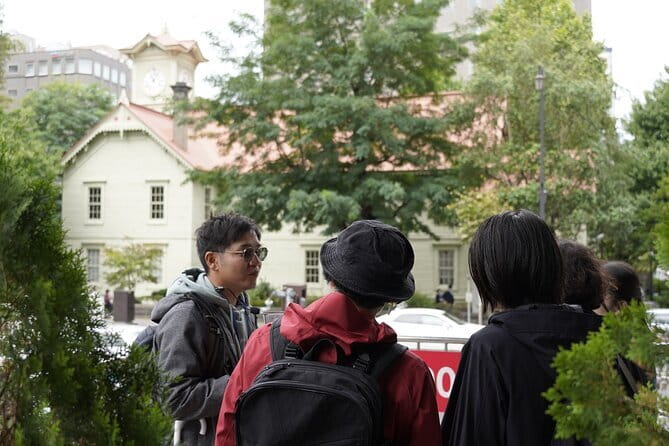
Then comes Sosei Bridge, presented as the oldest bridge in Sapporo. The best part of a stop like this is that it slows you down just enough to notice small historical details that do not scream for attention.
You are there for about 20 minutes, and admission is free. The guide also frames it as a place even some locals may not talk about much, which is exactly the kind of moment that makes a guided walk worth it.
If you like history but hate museums, this is your style. It is history you can point to, not just read about.
Hokkaido Jingu Ton-gu: a local-favorite shrine visit without the tour-bus vibe
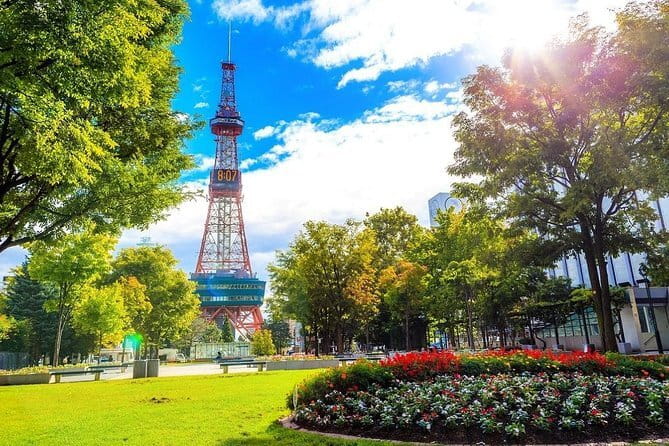
Next is Hokkaido Jingu Ton-gu. This stop is about 15 minutes, and admission is free.
The description focuses on two things: learning the religion and visiting a shrine loved by local people. It is also described as not being widely found as a tourist spot. Translation: you are more likely to feel like you stepped into daily life rather than marching through a staged attraction.
If you are respectful and keep your voice down, this kind of stop can add a grounded, human layer to the day. You also get a break from the city-scape running, which can help if you are tired of walking.
Nijo Market seafood lunch: what you need to know before you go
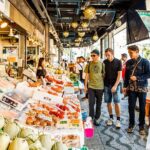
The day closes with Nijo Market, including time for lunch. This part is the heart of the food side.
The market is described as having once been called the People’s Kitchen, which is a great framing. You are not just eating seafood because it is available. You are eating within a place that served everyday needs in the past.
Lunch is about 45 minutes, and it is seafood. The tour provides a fresh seafood meal at a local restaurant in the market area. The type of meal is described as sushi or donburi.
One important operational detail: the tour guide may not join your lunch. That is common when groups split for seating, but it is still worth knowing. It means you should pay attention to the guide’s instructions on where to go and when to meet back at the market.
Since bottled water is not included, consider bringing a refillable bottle or buying drinks on-site. In warmer weather, you may find a place to refill, but it is not guaranteed every time.
Also, the tour warns that people with fish and shellfish allergies should not take it. If you fall into that category, skip this one and find a different food tour that fits your needs.
Winter reality check: what to wear in Sapporo
Sapporo can be snow and slippery roads energy. The tour is designed as a walking route, so clothing matters.
A good approach is insulated layers, something that protects your head, and sturdy snow shoes. An umbrella can help in snow if it is actively falling. And if you wear shoes that grip only on dry sidewalks, you will feel it.
The routes are short between stops, but you still spend time walking and standing around. If the day is icy, your footwear is what decides whether you enjoy the experience or spend it thinking about your feet.
Guide style: why small-group history feels personal
This is a small-group tour, and that changes the tone. With a max of 8 people, the guide can slow down for questions without turning the tour into a one-way slideshow.
The route also feels intentionally paced for first-time visitors. You do not get stuck for long at a single location. Instead, you get a chain of short learning moments that add up.
In particular, guides on this route are known for being patient and informative, even when conditions are snowy. That matters because Sapporo weather does not always cooperate, and a good guide makes the day feel calm.
If you like asking for food suggestions, this tour also tends to leave you with that. People appreciate when the guide can point you toward other worthwhile places in town after the lunch stop.
Who should book this tour
This is a strong fit if you want:
- A quick overview of Sapporo’s central sights, without needing to plan tickets
- A guided history thread that connects landmarks and stories
- A food highlight that is practical and local, not a generic restaurant hunt
- A manageable pace for a morning schedule
It is not the best fit if:
- You have a fish or shellfish allergy
- You want a long, sit-down walking pace with frequent breaks
- You need bottled water provided for you
If you are traveling solo, this is also workable because you will likely blend in well with a small group and a guide who can answer questions as you move.
Final decision: should you book Authentic Sapporo, Nijo Market Seafood Lunch & Local History Tour?
Yes, you should book it if you want one morning in Sapporo to do real work for you. The combo of included TV Tower admission, a structured set of historical and cultural stops, and a seafood lunch at Nijo Market gives you value that is hard to recreate on your own in the same time.
Skip it if allergies are involved, because the lunch portion is clearly seafood-based. And if weather is a factor, plan to dress for the conditions. This tour works best when you treat it like a real walk, not a casual stroll.
If you want Sapporo to feel like a place with depth, not just photo stops, this one is a smart choice. It gives you a story to carry with you after lunch, while also feeding you well.
FAQ
How long is the tour?
It runs for about 2 hours 30 minutes.
Where does the tour start and what time?
The meeting point is Sapporo Clock Tower area, and the start time is 10:00 am.
Where does the tour end?
The tour ends at Nijo Market after the lunch.
Is lunch included?
Yes. Lunch is included at Nijo Market, and it is a seafood lunch at a local restaurant.
What admission is included?
Admission to Sapporo TV Tower is included.
Does the guide attend lunch?
The guide may not be joining you for the lunch, depending on how the meal arrangements work.
Are bottled drinks included?
No bottled water is included. You can buy drinks on your own, and you may find places to refill in summer.
Is coffee or tea included?
Coffee and/or tea are not included. The tour may introduce Kotobuki Coffee, but drinks are not included.
Is the tour suitable for seafood allergies?
No. The tour is not recommended for guests with allergies to fish or shellfish.
What happens if the weather is poor?
The experience requires good weather. If it is canceled due to poor weather, you will be offered a different date or a full refund.
Hokkaido, Further North


Which Kyoto Temple Gets Your Morning
Newest Sapporo write-ups from the Loving Japan desk



Fushimi Inari and the Temples of Kyoto, side by side.
 ★ 4.8Fushimi Inari, Kinkakuji, Bamboo Grove 1 Day Bus TourFrom $1224,316 reviews
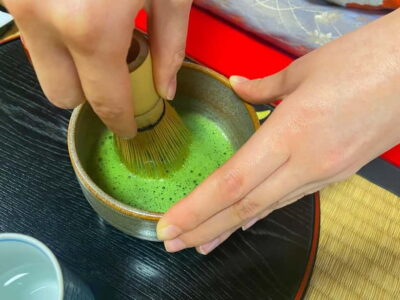 ★ 4.9Tea Ceremony in a Traditional Tea House in KiyomizuFrom $493,519 reviews
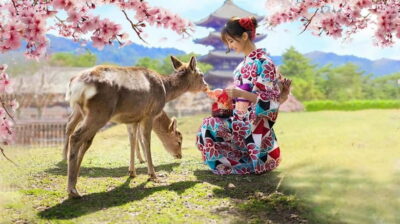 ★ 4.7Kyoto/Osaka: Nara, Fushimi Inari Taisha, Arashiyama Bus TourFrom $521,275 reviews
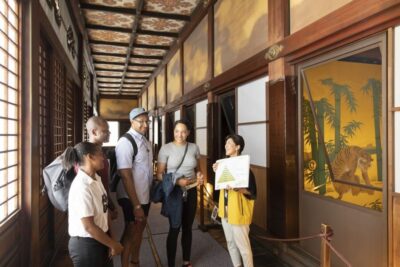 ★ 4.7Nijo-jo Castle and Ninomaru Palace Guided TourFrom $161,020 reviews
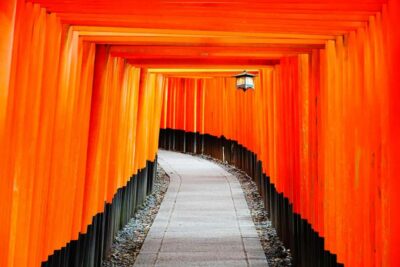 ★ 4.4Osaka/Kyoto: Arashiyama, Nara & Fushimi Inari Shrine w/LunchFrom $61754 reviews
 ★ 4.7Nijo Castle, Kiyomizu & Fushimi Inari Guided TourFrom $54700 reviews
 ★ 5.0Nijo, Kinkaku-ji, Arashiyama, Kiyomizu & Fushimi InariFrom $51699 reviews
 ★ 4.7Imperial Palace & Nijo Castle Guided Walking TourFrom $49453 reviews