
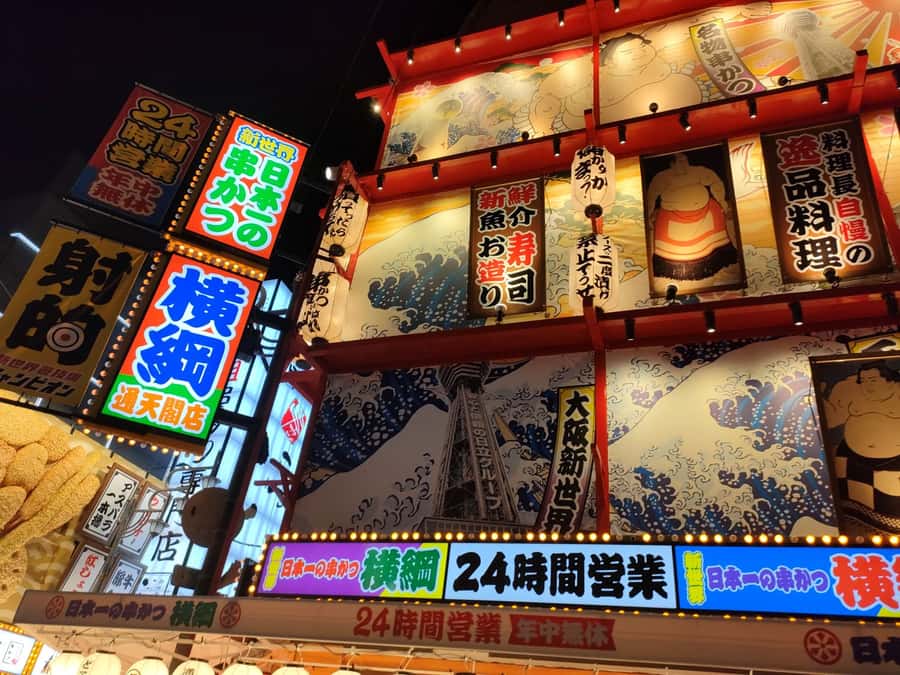
REVIEW · FOOD & DRINK
Hungry Osaka Street Food Tour: 15 Dishes & 3 Drinks
Osaka’s street snacks, organized and delicious. This tour threads through Shinsekai with a guide who helps you order, plus you get a serious spread of 15 dishes built around Osaka comfort foods. I like that it is not just a list of bites, it is an evening with context, little neighborhood stories, and stops where the food actually drives the pace.
If you need gluten-free food or you follow a vegan diet, this won’t work. The tour cannot cater for gluten-free or vegan diets, and it is not suitable for vegans.
In This Review
- Key Things I’d Prioritize
- Why Shinsekai Makes This Tour Worth Your Evening
- Meeting at Ebisucho Station, Then Letting Someone Else Handle the Ordering
- Opening Stop: Kushikatsu and Doteyaki to Set the Osaka Mood
- Karaage and Takoyaki: The Two Street Favorites That Always Hit
- Yakitori and Izakaya-Style Stops: Charcoal Smoke and Small, Smart Pairings
- The Standing Bar Finish: Oden and Osaka-Style Udon When You’re Ready to Slow Down
- How the Dishes and Drinks Add Up, Without Leaving You Guessing
- The Biggest MVP Is the Guide, From Andy to Anna to Tim and Beyond
- Diet Rules, Allergies, and What You Should Confirm Before You Book
- Price and Value: $79 for 15 Dishes, Drinks, and Local Access
- Who This Tour Suits Best, and Who Might Want a Different Plan
- Should You Book the Hungry Osaka Street Food Tour?
- FAQ
- How much does the Hungry Osaka Street Food Tour cost?
- What is included in the tour?
- Is the tour suitable for vegetarians?
- Can you do gluten-free or vegan diets on this tour?
- Where do I meet, and where does the tour end?
- What language is the tour guided in?
- Are video or audio recordings allowed?
- Is the tour suitable for children?
- What is the cancellation policy?
Key Things I’d Prioritize
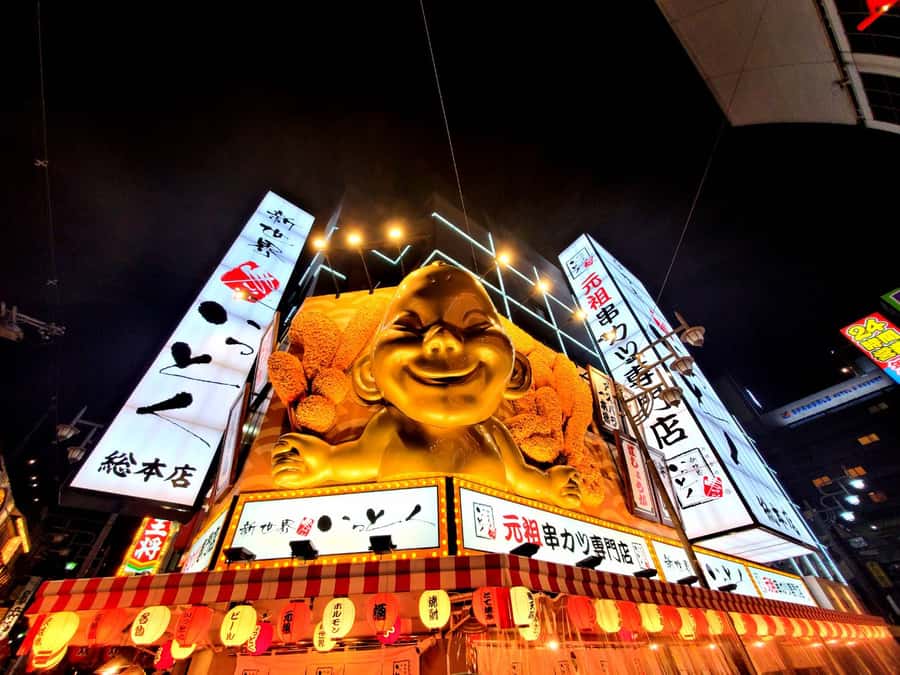
- Shinsekai at night: a retro district feel, with backstreets tourists often miss
- 15 dishes, not tiny samples: a proper Osaka street-food meal plan
- Osaka classics in sequence: kushikatsu, doteyaki, karaage, takoyaki, yakitori, oden, udon
- Bilingual guide support: practical help ordering and talking with staff
- Diet limits are real: vegetarian might work with notice, but no gluten-free and no vegan
Still weighing up options in Osaka? These are the ones our reviewers rated highest.
- Osaka Go Karting Tour with Funny Costume
★ 5.0 · 2,658 reviews - Osaka Castle: Museum and Tower Entry Ticket
★ 4.5 · 2,380 reviews - Osaka: Shinsekai Food Tour with 13-15 Dishes at 5 Eateries
★ 4.8 · 2,204 reviews - Osaka Food Tour: 13 Dishes at 5 Local Eateries
★ 5.0 · 2,149 reviews
Why Shinsekai Makes This Tour Worth Your Evening
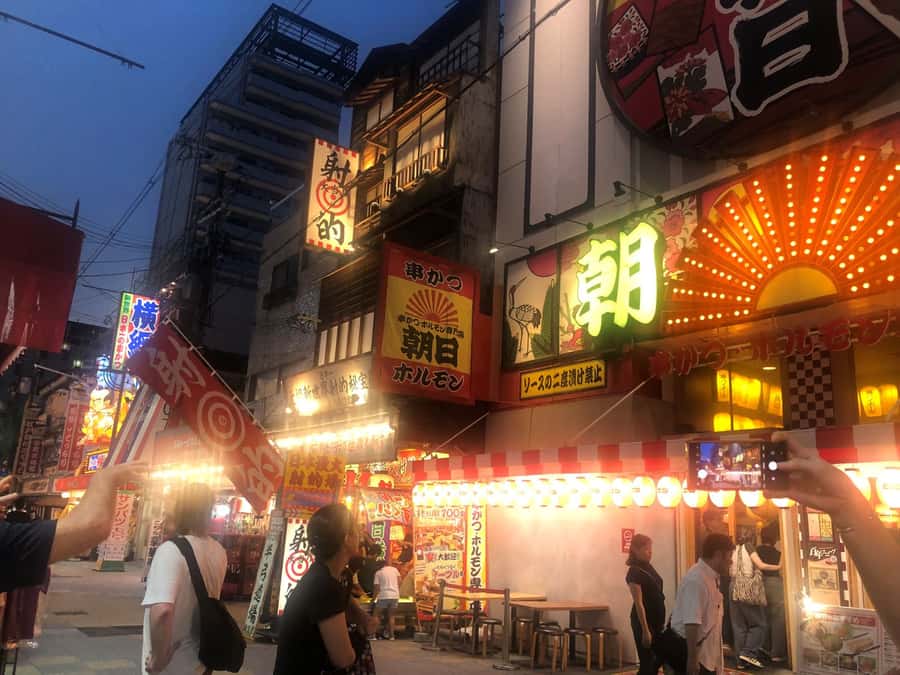
Osaka has a reputation for being the kind of city where food is social, casual, and everywhere. Shinsekai is where that personality shows up in one place. Think older-style neighborhood streets, lots of small spots, and the feeling that the area lives differently after sunset.
What I like about starting here is that your food choices make sense. You are not bouncing randomly across town chasing one dish at a time. Instead, the route flows through a single district, so you can focus on taste and small discoveries, like how certain foods are meant to be eaten on the spot, with the right sauce, at the right temperature.
The tour keeps that rhythm. You walk between stops while your guide explains what you’re about to eat and why Osaka does it its way. It is a simple trick, but it changes how you experience street food. You go in hungry, then you leave with more than a full stomach, you leave with a map of what to look for later.
Meeting at Ebisucho Station, Then Letting Someone Else Handle the Ordering
You meet at the top of the stairs at Exit 3 at Ebisucho Station on the Metro Sakaisuji Line, about 15 minutes early. The tour ends back at the same meeting point, so you do not have to worry about getting yourself across town at the end when you’re already stuffed.
This kind of night out works best when you have a plan you do not have to think about. The guide sets the pace, keeps the group moving, and helps with ordering so you can spend your energy eating instead of pointing at menus.
One more practical note: the tour does not include transportation to and from the meeting point. So if you are staying near a station, build in a little extra time to get to Ebisucho. The upside is that once you’re there, the evening runs like a set itinerary, with food and drinks at each stop.
Opening Stop: Kushikatsu and Doteyaki to Set the Osaka Mood
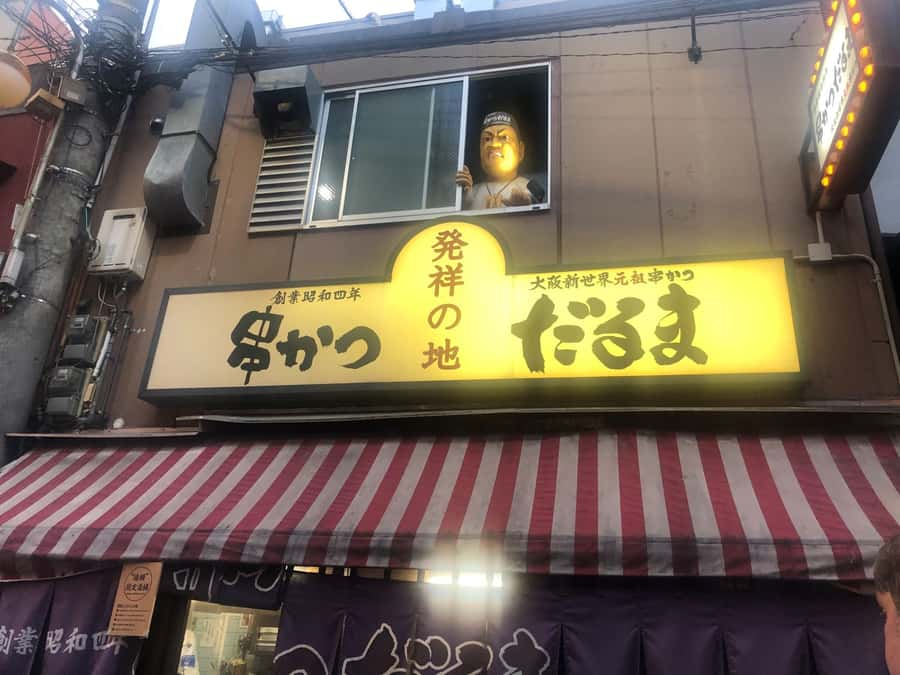
The night starts in true local style, with kushikatsu. This is lightly battered and fried skewers of meat and vegetables, served with savory sauces. The way you eat it matters. It is not just finger food, it is a ritual. You dip, you bite, you keep going. It is easy to feel like you can power through, but it’s better to pace yourself, because the tour has a lot of food built in.
Next comes doteyaki, a rich miso-simmered beef tendon stew. It is served alongside roasted garlic cloves, which gives you a sharp, savory contrast against the deep, slow-cooked flavor of the stew. This pairing is a good example of why the tour feels like more than just a snack run. Osaka comfort food usually hits on multiple levels: fried crunch, then a warming, savory bowl.
If you usually avoid odd cuts, doteyaki might surprise you. Tendon can sound intimidating until you taste how it turns silky after simmering. Even if you are not a stew person, this is the kind of dish that makes you reconsider.
- Osaka Go Karting Tour with Funny Costume★ 5.0 · 2,658 reviews
- Osaka Castle: Museum and Tower Entry Ticket★ 4.5 · 2,380 reviews
- Osaka: Shinsekai Food Tour with 13-15 Dishes at 5 Eateries★ 4.8 · 2,204 reviews
- Osaka Food Tour: 13 Dishes at 5 Local Eateries★ 5.0 · 2,149 reviews
- Hungry Osaka Street Food Tour:15 Tastings & 3 Drinks with a Local★ 5.0 · 1,727 reviews
Karaage and Takoyaki: The Two Street Favorites That Always Hit
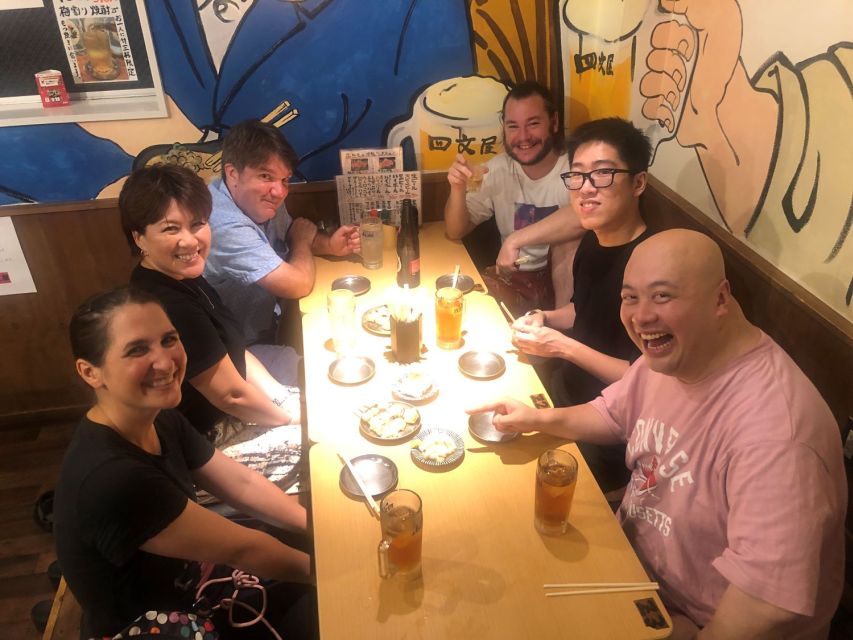
After you’ve warmed up, the tour shifts into pure street-food joy. Karaage is Japan’s take on fried chicken: crispy outside, juicy inside, and coated with bold seasonings. The nice thing is that this is familiar enough to eat confidently on a first night, while still being distinctly Osaka in flavor style.
A lot of the best street-food tours include one dish that is easy to name, and that you already expect to like. Karaage is that. Then comes takoyaki, Osaka’s signature snack: octopus balls cooked in cast-iron molds and topped with sauces you choose.
Takoyaki is one of those foods where you can learn fast. You notice the texture right away, crispy outside, gooey inside. If you have eaten takoyaki in a tourist spot, it probably felt fine. Here, it feels like a real street snack, the kind you chase when you smell the sauce and the pan heat.
One detail I appreciate is that the route builds in variety on purpose. Fried chicken, then molded octopus balls. It keeps you from getting stuck in the same flavor lane for too long.
Yakitori and Izakaya-Style Stops: Charcoal Smoke and Small, Smart Pairings
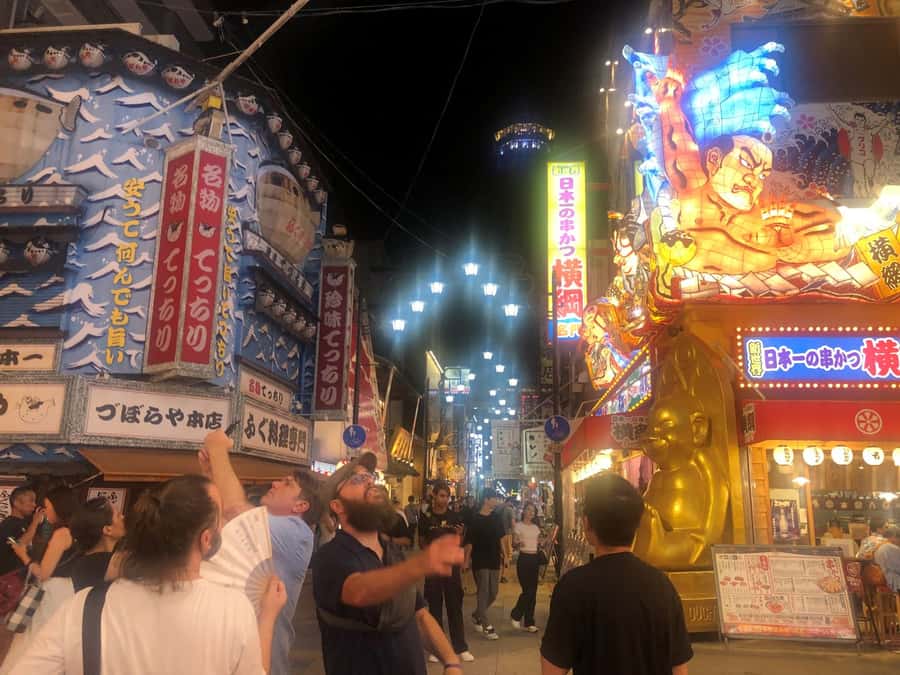
At the yakitori restaurant, you get charcoal-grilled meats and vegetables, plus marinated sides. Yakitori has a different energy from the fried foods earlier. Instead of crunch, it is about smoky depth and salt-forward sauces.
You’ll also have drinks here. The tour includes 2 drinks (alcoholic and non-alcoholic options are available), and the tour is marketed as a 15-dish, 3-drink evening, with extra drink added as the experience has been updated. Either way, the pacing works. You’re not chugging, you’re tasting along with each stop.
What makes this part valuable is the contrast. Fried foods can blur together if you eat them in a row. Charcoal-grilled yakitori resets your palate and keeps the evening from turning into a blur of batter and sauce.
Also, this is one of the points where your guide’s role gets practical. Being able to translate what you like, what you do not like, and how you want your food can be the difference between a “good meal” and a “now I get it” meal.
The Standing Bar Finish: Oden and Osaka-Style Udon When You’re Ready to Slow Down
By the time you reach the end, you are probably full in the best way. The last stops are designed for comfort. First is oden, a hot pot of simmered vegetables and fish cakes in seaweed broth. Then comes udon noodles served Osaka-style in a rich, savory broth.
Oden is a winter dish in spirit, even if you’re eating in warmer months. It tastes like someone took time. It warms you through, and it makes sense as a closer because it balances earlier flavors.
Udon brings thickness and satisfaction. Osaka-style udon is a “no question” comfort food when you want something filling and grounding. It is also a great way to end if you want your final bites to feel less street-chaos and more slow comfort.
And yes, the last stop is a standing bar. That means you may be on your feet at least part of the time, which is part of the vibe. If you hate standing at night, plan to take it easy and enjoy the food without rushing your posture.
You also get dessert to cap it off. That last sweet bite matters. Street food tours can sometimes feel like the finish line never arrives. This one closes the loop.
How the Dishes and Drinks Add Up, Without Leaving You Guessing
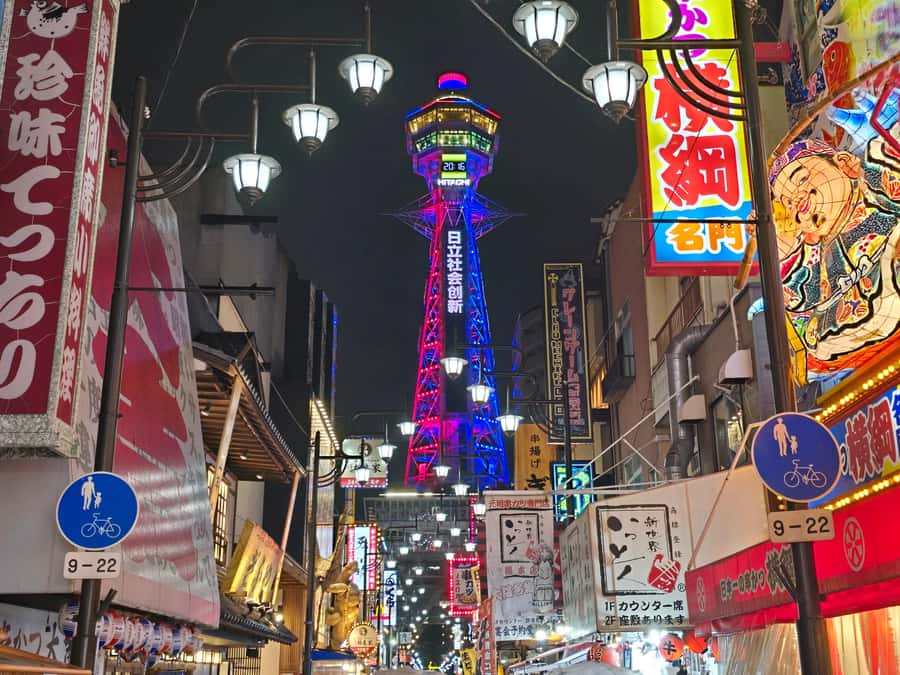
The headline is 15 local dishes and drinks across multiple stops: an izakaya, a stall, a standing bar, and two restaurants. Translation help and drink choices are built into the flow, so you are less likely to end up eating whatever happens to be easiest.
I think the best way to judge value here is to look at what is actually included. You are paying for a fixed evening: food across several places, plus drinks, plus a bilingual guide who helps you order. That matters in Japan because you are not just eating, you are navigating tiny menus, quick ordering windows, and busy kitchens.
Also, because the tour is structured, you avoid the common beginner mistake of under-ordering early and over-ordering late. The route gives you a progression: fried skewers to start, then stews and chicken, then takoyaki, then grilled yakitori, and then the cozy finish with oden and udon.
If you like variety, this tour is set up for you. If you hate variety and want one perfect dish repeated three times, you may find the schedule a bit intense. But if you can handle an eating marathon, you’ll likely feel the win quickly.
The Biggest MVP Is the Guide, From Andy to Anna to Tim and Beyond
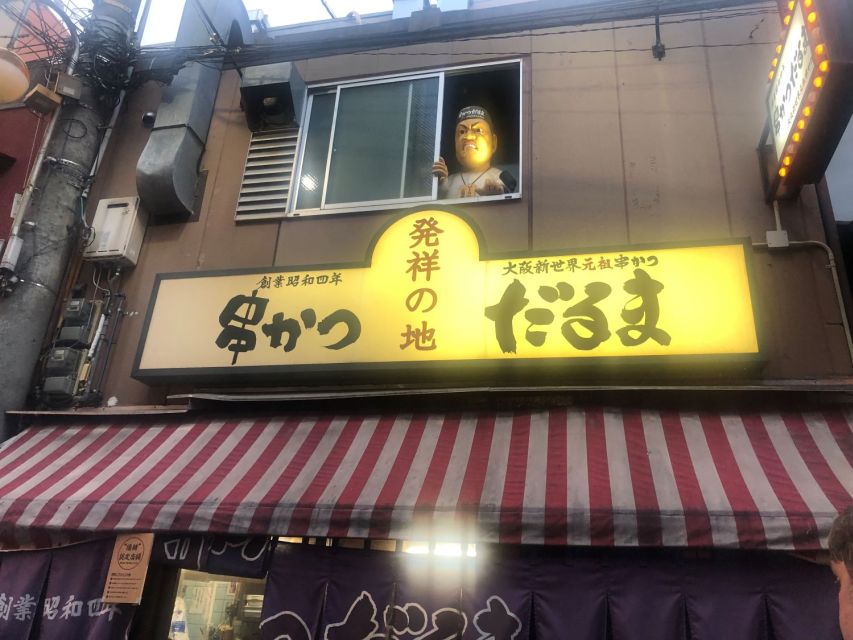
A street food tour lives or dies by the guide. Here, the guides listed include Andy, Scott, Tim, Anna, and Kenzo, and on real departures you may meet other local hosts such as Miyako or Emi. The big theme across their approaches is the same: they make the neighborhood feel understandable fast.
What I look for is not just facts, it’s timing and translation. When you can ask for something specific, confirm what you’re eating, and get a quick explanation before the first bite, you taste more on the same plate.
You also get historical and quirky neighborhood stories while you walk. Shinsekai has a personality, and your guide helps you read it. The stories are not just trivia, they shape how you interpret the food scene around you.
If you are traveling solo, or if you want a way to meet other people without forcing conversation, the guide also helps create that group energy. The night is lively, but it stays organized.
Diet Rules, Allergies, and What You Should Confirm Before You Book
Here’s the honest part: you need to read this section carefully.
- No gluten-free accommodation: the tour cannot cater for gluten-free diets.
- No vegan accommodation: it is not suitable for vegans.
- Vegetarian options exist, but you should contact before booking to confirm what they can do for your situation.
If you have an allergy, the right move is to contact the operator before you go. On past runs, the guide has been able to arrange suitable alternatives for a fish and seafood allergy, which is a strong sign that they take dietary needs seriously. Still, you cannot assume every allergy request can be handled the same way, so give them the details early.
One more practical tip: because you are eating across multiple small places, you’re not ordering from one controlled kitchen. That’s part of the street food charm, but it means you should be extra clear about what you need.
If your diet is flexible, you’ll have a smooth night. If it is not, the smartest strategy is to double-check before you spend the $79.
Price and Value: $79 for 15 Dishes, Drinks, and Local Access
At $79 per person, you might wonder if this is “just” a food tour. For Osaka, the value is in three areas.
First, you are getting a large set of food and drinks with no menu decision fatigue. Fifteen dishes is not one or two bites. It’s an actual meal plan.
Second, drinks are included as part of the fixed price. You are not constantly asked to pay extra for each stop.
Third, you’re buying guide support. In places where you might struggle to order or understand ingredients, having a bilingual guide who can help you communicate and translate changes the entire experience.
The main limitation, value-wise, is that you cannot add extra drinks beyond what is included. So if you plan a heavy night of drinking, this might feel restrictive. But if your goal is tasting Osaka food and getting the story behind it, this pricing structure fits the activity.
Who This Tour Suits Best, and Who Might Want a Different Plan
I’d recommend this tour if you:
- want a strong first-night introduction to Osaka food
- like variety and comfort foods
- want someone else to handle ordering and pacing
- enjoy neighborhoods where people actually eat after dark
I would consider skipping it if you:
- are strictly gluten-free
- follow a vegan diet
- want a relaxed sitting-down meal the whole way
- are traveling with very young kids, since it is not suitable for children under 5
If you are someone who does not usually love tours, you’ll still likely appreciate this one because it stays food-first and practical. It is not about museums or long lectures. It is about tasting, walking, and learning just enough to make the rest of your trip easier.
Should You Book the Hungry Osaka Street Food Tour?
If you are hungry, curious, and okay with standing at least part of the night, I think this is an excellent way to spend your Osaka evening. The route is built around classic flavors, and the guide support makes the experience smoother than trying to copy the same eating plan on your own.
Book it if you want a local route through Shinsekai, a set list of 15 dishes, and a guide who helps you order and understand what you’re eating. Skip it if gluten-free needs or a vegan diet are non-negotiable, because the tour cannot accommodate those.
FAQ
How much does the Hungry Osaka Street Food Tour cost?
The price is $79 per person.
What is included in the tour?
You get an experienced fully bilingual guide, food at 1 izakaya, 1 stall, 1 standing bar, and 2 restaurants (up to 15 dishes), plus 2 drinks with alcohol and non-alcohol options available.
Is the tour suitable for vegetarians?
Vegetarian options are available, but you need to contact before booking so the team can confirm they can accommodate you.
Can you do gluten-free or vegan diets on this tour?
No. The tour cannot cater for gluten-free or vegan diets, and it is not suitable for vegans or people with gluten intolerance.
Where do I meet, and where does the tour end?
Meet at the top of the stairs at Exit 3 at Ebisucho Station (Metro Sakaisuji Line) 15 minutes before the start. The tour ends back at the meeting point.
What language is the tour guided in?
The tour is guided in English.
Are video or audio recordings allowed?
No, video recording and audio recording are not allowed.
Is the tour suitable for children?
It is not suitable for children under 5 years old.
What is the cancellation policy?
You can cancel up to 24 hours in advance for a full refund.
Newest Osaka write-ups from the Loving Japan desk



Food & Drink, side by side.
 ★ 5.0Shinjuku Food Tour (13 Dishes at 4 Local Eateries)From $866,603 reviews
 ★ 5.0Tokyo Tsukiji Fish Market Food and Culture Walking TourFrom $993,184 reviews
 ★ 4.8Shinsekai Food Tour with 13-15 Dishes at 5 EateriesFrom $532,204 reviews
 ★ 5.0Osaka Food Tour: 13 Dishes at 5 Local EateriesFrom $732,149 reviews
 ★ 4.9Shinjuku Food Tour (15 Dishes and 4 Eateries)From $852,033 reviews
 ★ 5.0Kyoto Night Foodie Tour in Gion (9+ dishes + 6 Sake tastings)From $1631,762 reviews
 ★ 5.0Hungry Osaka Street Food Tour:15 Tastings & 3 Drinks with a LocalFrom $731,727 reviews
 ★ 5.0Tsukiji Fish Market Food and Walking tourFrom $301,724 reviews
Filed on these lists too