
REVIEW · OKINAWA ISLANDS AND BEACHES
Kintsugi Workshop in Naha, Okinawa
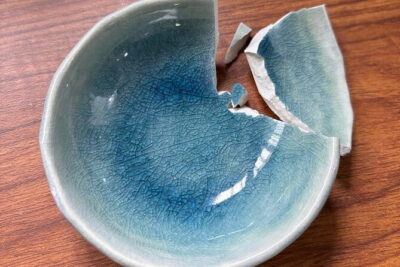
Kintsugi is where damage gets rewritten, not hidden. In Naha, Okinawa, you’ll learn a simplified kintsugi method to repair broken pottery and make it look intentional, even elegant, in just 2 hours.
What I like most is the hands-on, patient teaching and the calm, mindful pace. You’ll also get that satisfying part of Japanese craft culture, where you focus on careful work and leave with something you made yourself. One thing to consider: the piece you finish is for display only, not for eating or drinking.
The workshop runs in a small group (up to 5), and instruction is offered in English and Japanese. With gentle guidance and real craft context, this is a great break from sightseeing.
In This Review
- Key things to know before you go
- What Kintsugi Means in Real Life, Not Just a Slogan
- Your Finished Piece: Display Art, Not Tableware
- Inside Urushi Studio Kodemari in Naha
- The 2-Hour Workshop Flow, Step by Step
- 1) Welcome, intro to kintsugi, and choosing your item
- 2) Learning the repair method with clear guidance
- 3) Making the break look intentional with gold or silver
- 4) Finishing touches and getting ready to take it home
- What the Best Reviews Tell You About the People Teaching
- Why This Feels More Valuable Than a Typical Craft Activity
- Practical Advice Before You Book
- Think about display, not use
- Plan for heat and time, and bring simple travel basics
- Go in curious, not skilled
- If you prefer smaller group attention, this is a good fit
- Who This Workshop Is Best For
- Should You Book the Kintsugi Workshop in Naha?
- FAQ
- How long is the kintsugi workshop?
- Where is the workshop located?
- How much does it cost?
- Do I need any prior experience?
- What languages are offered?
- Is it a small group class?
- Can the finished piece be used for eating or drinking?
- What’s included in the price?
- Is food or drinks included?
- How do I handle getting to the studio?
Key things to know before you go
- Gold or silver repair lines that make the break feel like a design choice
- Small group size (5 max) for close, practical help
- Simplified process in 2 hours, built for beginners with no experience needed
- Take-home souvenir you can display back home
- A mindful, calming workshop vibe, not a rushed craft class
- Studio comfort, including air conditioning, and often tea and a sweet
Island hopping from Naha, reviewed
- Official Street Go-Kart Tour – Okinawa Shop
★ 5.0 · 699 reviews - Naha: North Okinawa Sightseeing Tour & Churaumi Aquarium
★ 4.4 · 472 reviews - Okinawa: From Naha: Kerama Islands 1-day snorkeling tour
★ 4.4 · 423 reviews - From Naha: Tokashiki Island Day Trip by Boat
★ 4.3 · 385 reviews
What Kintsugi Means in Real Life, Not Just a Slogan
Kintsugi is often described as a philosophy, but it’s also a very practical craft. You’re literally repairing a broken object, then highlighting the repair so it becomes part of the piece. That’s the beauty of it. The story of the crack stops being a problem and starts being the point.
In Naha, you’re not doing a giant multi-week production. You’re doing a shortened version that still teaches the core idea and gives you a finished result you can actually take home. That matters if you’re visiting Okinawa with limited time. You still get the cultural experience, but you’re not waiting on days of drying and stages you cannot complete during a vacation.
I also like that the workshop frames kintsugi as sustainability through repair. You’re not tossing something broken and moving on. You’re practicing a different way to treat objects, which feels very Japanese and very Okinawan too, in the sense that people often take care with what they have.
Your Finished Piece: Display Art, Not Tableware
Before you book, check your expectations about function. The item you create in this experience is a simplified kintsugi piece and cannot be used for eating or drinking. It’s meant for display as interior art.
That’s not a deal-breaker. It’s actually part of what makes this workshop manageable as a vacation activity. You’re learning the technique, creating a beautiful repaired surface, and getting something you can place on a shelf or desk.
You might also see that the studio offers different item types. Some guests mention choosing a dish and others mention the possibility of a pendant option. Either way, you’re making a personal souvenir, not just watching from the sidelines.
Inside Urushi Studio Kodemari in Naha
This class takes place in a studio setting, and the vibe is consistently described as friendly and relaxing. Guests talk about a pleasant studio setup, with comfortable seating and air conditioning. That’s a big deal in Okinawa, where you may arrive after heat and sun.
The hosts are also repeatedly praised for being kind and practical. Several people mention the instructors being patient with small-group pacing and offering clear help when someone needs an extra hand. If you’ve ever been worried about holding up the group in a craft class, you can relax here. The teaching style is tuned to beginners.
Language support is a plus. The instructor is listed as English and Japanese, so you’re not forced to guess what you’re supposed to do. Even if you only catch part of an explanation, the instructor can guide you step-by-step with actions and corrections.
Make something to take home. Other workshops
- Kintsugi Experience in Naha, Okinawa – Art from Broken Pieces!★ 5.0 · 28 reviews
The 2-Hour Workshop Flow, Step by Step
You’re in the studio for about 2 hours, and the goal is simple: you leave with a restored kintsugi piece that you can display. Here’s what that usually looks like in practice, based on how the workshop is described and how guests explain the process.
1) Welcome, intro to kintsugi, and choosing your item
You’ll start with an introduction to what kintsugi is and how the process works. Since it’s designed for no prior experience, the explanation is geared toward total beginners. After that, you choose your starting piece. Some guests mention selecting a dish, and others mention choosing something like a pendant option.
This step matters because your finished art depends on your base object. A plate, small dish, or wearable item will let the repair lines show up differently. The instructor will guide you toward an option that makes sense for the simplified workshop format.
2) Learning the repair method with clear guidance
Next comes the hands-on part. Your workshop includes all materials and expert guidance. Guests often highlight that the instructions are easy to follow, and the instructors stay patient even when the group needs extra time.
Also, there’s a cultural context layer. One of the repeat themes in reviews is that you’re not just doing tasks. You learn what’s behind the craft, including the longer traditional timeline. In the traditional approach, urushi glue and related work are known for taking weeks to fully dry. Your class is a shortened version, so you can complete the activity in a vacation-friendly time window.
3) Making the break look intentional with gold or silver
The workshop is built around the signature look of kintsugi: repairs emphasized with gold or silver. You’ll apply the method in a way that makes the lines and joins visually meaningful.
In other words, you’re not trying to erase the break. You’re guiding it into a new design. That shift in mindset is one of the reasons people love this activity. It turns frustration into focus.
4) Finishing touches and getting ready to take it home
By the end, you should have a finished piece ready for travel. Reviews note that the results look good, and the final polish makes the repaired item feel special, not messy or beginner-made.
You also get a souvenir moment that’s more satisfying than a photo stop. You’ll actually have something from the process sitting in your hands.
What the Best Reviews Tell You About the People Teaching
If you’re the kind of person who really notices how a class is taught, this is where the workshop shines. Multiple reviews mention the instructors being kind, patient, and attentive, especially with English support.
Some guests specifically name instructors such as Mayo and Aya. Others mention hosts like Maio and her daughter. The consistent thread is that you get help at the moments that matter: when you’re unsure what to do next, when you need a steady hand, or when you want the repair to look right.
One person also described the workshop as mindful and calming. That matches the overall structure too. You’re focused on small, careful actions rather than rushing between attractions. For many visitors, that’s exactly what they’re looking for on a slower day.
Why This Feels More Valuable Than a Typical Craft Activity
A $55 workshop can be a fun add-on, or it can feel worth it. This one leans toward worth it because you get three things that travel classes often separate:
- Instruction and technique, not just decoration
- A take-home object you didn’t buy ready-made
- Cultural meaning, tied to repair and sustainability
You’re also not paying extra for materials. Materials are included, and the small group size helps you get real time with the instructor. That combination is why so many guests rate it highly.
Also, you’re getting a unique Okinawa activity. Most people think of Japan as food, shrines, and city wandering. Kintsugi is slower and more personal, and it gives you a story you can carry home.
Practical Advice Before You Book
A few things will help you have a smoother experience.
Think about display, not use
Remember: your repaired piece is not for eating or drinking. If you want a functional kitchen item, you’ll be disappointed. If you want a beautiful desk, shelf, or wall display piece, you’re in the right place.
Plan for heat and time, and bring simple travel basics
Transportation to and from the workshop is not included. So plan how you’ll get there from your base in Okinawa. Also, because it’s outdoors in your day before class, consider arriving with water and sun protection, then enjoy the cool studio once you get inside.
Go in curious, not skilled
No experience is needed. But a beginner mindset helps. If you treat it like a mindful craft session rather than a perfection test, you’ll get more out of it.
If you prefer smaller group attention, this is a good fit
With a maximum of 5 participants, you’re less likely to be left waiting. That’s great if you’re traveling solo and want real interaction, or if you and a friend want shared, focused attention.
Who This Workshop Is Best For
This is a smart choice if any of these describe you:
- You want a hands-on cultural activity instead of another museum hour
- You like crafts where attention and care matter
- You want a souvenir with meaning, not just a postcard-style purchase
- You travel with someone who needs a calmer day, not constant walking
It can also work for couples, solo travelers, and small friend groups. The workshop is built for small-group interaction, and guests mention it as a great option for both solo and shared visits.
Should You Book the Kintsugi Workshop in Naha?
If you want a relaxing craft experience, go for it. This workshop offers a rare mix: kintsugi technique, mindful pacing, and a finished display piece you can take home, all in a beginner-friendly format.
I’d especially recommend booking if you like the idea of repairing rather than replacing, and if you’re happy with the end result being display-only. If that part bothers you, you might prefer a different Okinawa activity that produces something functional.
If you’re on the fence, here’s an easy decision rule: if you’d enjoy sitting in a comfortable studio for two hours, learning a real Japanese craft method, and leaving with a repaired piece that looks intentional, this is a solid use of your time in Naha.
FAQ
How long is the kintsugi workshop?
The workshop lasts 2 hours.
Where is the workshop located?
It takes place in Naha, Okinawa, Japan.
How much does it cost?
The price is $55 per person.
Do I need any prior experience?
No. No prior experience is required, and an instructor guides you step by step.
What languages are offered?
The instructor provides guidance in English and Japanese.
Is it a small group class?
Yes. The group is limited to up to 5 participants.
Can the finished piece be used for eating or drinking?
No. The piece you create is a simplified version and cannot be used for eating or drinking. It’s for display.
What’s included in the price?
The workshop includes all materials and expert guidance from the instructor.
Is food or drinks included?
Food and drinks are not included.
How do I handle getting to the studio?
Transportation to and from the workshop is not included, so you’ll need to arrange how you get there.
Made by Hand, and Yours to Keep
Okinawa, Island by Island





Newest Naha write-ups from the Loving Japan desk




Okinawa Islands and Beaches, side by side.
 ★ 5.0Official Street Go-Kart Tour – Okinawa ShopFrom $36699 reviews
 ★ 4.4Naha: North Okinawa Sightseeing Tour & Churaumi AquariumFrom $50472 reviews
 ★ 4.4From Naha: Kerama Islands 1-day snorkeling tourFrom $81423 reviews
 ★ 4.3From Naha: Tokashiki Island Day Trip by BoatFrom $58385 reviews
 ★ 4.7Naha, Okinawa: Keramas Island Snorkeling Day Trip with LunchFrom $70370 reviews
 ★ 5.0[Miyako Island/Half Day] Sea Turtle SnorkelingFrom $45337 reviews
 ★ 5.0Okinawa Ishigaki Blue Cave Snorkeling TourFrom $45332 reviews
 ★ 4.5Snorkeling in the Blue Cave area【Okinawa Prefecture: Free feeding & photo images!English and Chinese speaking guide available!From $19249 reviews
Filed on these lists too