
REVIEW · OKINAWA ISLANDS AND BEACHES
Kintsugi Experience in Naha, Okinawa – Art from Broken Pieces!
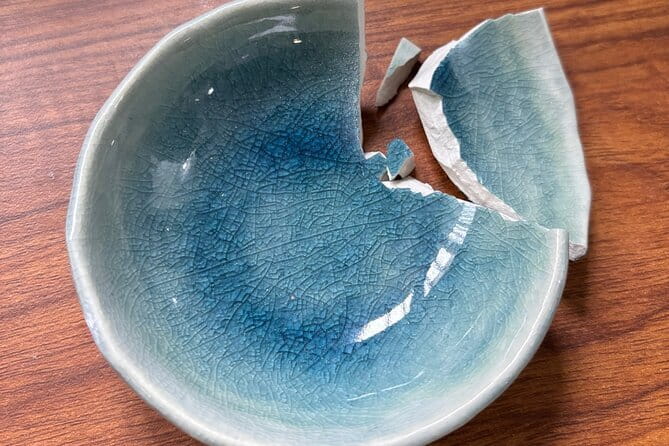
Gold lines turn cracks into calm. In Naha, this Kintsugi workshop teaches you to restore broken pottery with gold or silver effects, and you leave with a take-home souvenir you made yourself. The class caps at 10 people, which helps you get real coaching instead of watching from the sidelines.
I especially like the pacing and the people. The studio team keeps things kind, patient, and supportive, and the experience feels calm even if you have zero crafting background. One small drawback: this is a shortened, simplified version of traditional Kintsugi, so you may wish for more explanation and deeper context as you go.
You also get practical value for your time: the session runs about 2 hours, uses a mobile ticket, and the studio is near public transportation. Just know the finished item is for display, not for eating or drinking, so it works best as an interior piece or a small tray.
In This Review
- Key Things That Make This Naha Kintsugi Class Worth It
- Gold Lines, New Meaning: What Kintsugi Is in Plain Terms
- 漆工房 小手毬 (Urushi Studio Kodemari) and the Comfort of a Small Class
- Inside the 2-Hour Workshop Flow: How Your Session Plays Out
- 1) Start with the basics and pick your break to repair
- 2) Learn the shortened, workshop-friendly technique
- 3) Repair and finish with gold or silver accents
- 4) History and meaning, then wrap-up
- What You Take Home: A Souvenir That Looks Good on Purpose
- It’s not for eating or drinking
- The size may surprise you
- Even imperfect results can still be beautiful
- Price and Value: Why $56 for Kintsugi Feels Fair
- Practical Tips Before You Go (So You Enjoy It More)
- Who This Kintsugi Experience in Naha Is For (And Who Might Hesitate)
- FAQ
- How long is the Kintsugi Experience in Naha?
- What is the price per person?
- Where does the workshop start?
- Do I need any prior experience to do Kintsugi?
- Can the repaired pottery be used for eating or drinking?
- Is there parking at the studio?
- What is the cancellation policy?
- Should You Book This Kintsugi Workshop in Naha?
Key Things That Make This Naha Kintsugi Class Worth It
- Small group size (max 10) for hands-on attention and a more relaxed pace
- No experience needed, with step-by-step guidance you can follow easily
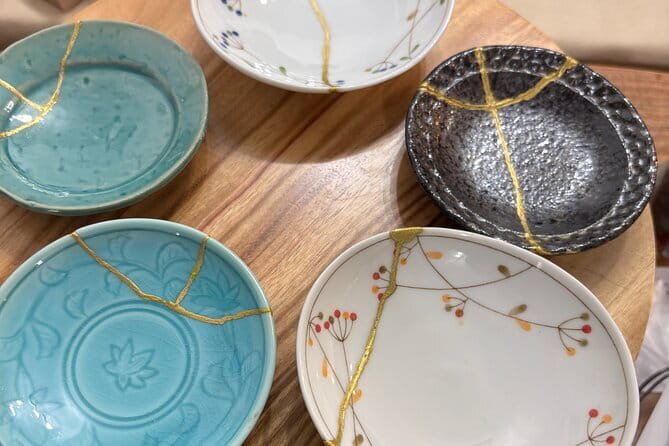
- Gold-and-silver Kintsugi repair concept, done in a shortened format that still feels meaningful
- A take-home piece that’s personalized, so you’re not buying another generic shop souvenir
- Peaceful studio setup, with many people highlighting the meditative, therapeutic feeling
- Display-only finished pottery, so you know exactly what you’re making before you start
Island hopping from Naha, reviewed
- Official Street Go-Kart Tour – Okinawa Shop
★ 5.0 · 699 reviews - Naha: North Okinawa Sightseeing Tour & Churaumi Aquarium
★ 4.4 · 472 reviews - Okinawa: From Naha: Kerama Islands 1-day snorkeling tour
★ 4.4 · 423 reviews - From Naha: Tokashiki Island Day Trip by Boat
★ 4.3 · 385 reviews
Gold Lines, New Meaning: What Kintsugi Is in Plain Terms
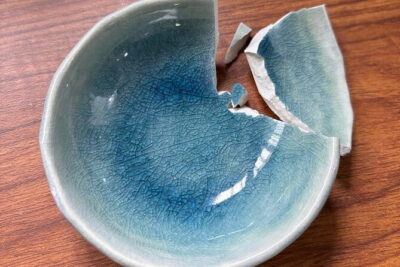
Kintsugi is the Japanese practice of repairing broken pottery in a way that celebrates the break instead of hiding it. Instead of trying to make a chip disappear, you rebuild the missing parts and highlight the repair with gold or silver effects. The result is a piece that looks intentional, even artistic, like the object now has a story.
In this Naha workshop, the “story” angle is the point. You’re not just learning a technique. You’re participating in an idea that treats damage as part of the object’s life. That’s why the mood matters here. Multiple people describe the class as slow, calm, and restorative, the kind of activity that makes your brain stop racing for a bit.
And Okinawa’s setting helps. When you’re in Naha, especially in hot weather, a creative indoor workshop is a welcome change of pace from shopping in the heat.
漆工房 小手毬 (Urushi Studio Kodemari) and the Comfort of a Small Class
The workshop meets at 漆工房 小手毬 Urushi Studio Kodemari in central Naha. The location is close to public transportation, and there’s no car park on site, so plan to arrive by bus or on foot if you can.
Inside, what stood out is how “manageable” the class feels. Reviews repeatedly mention that the studio environment supports a zen-like pace, and the group size is small enough that you’re not ignored. For me, that’s key. Kintsugi is detail work, even in a simplified class format. When the group is small, instructors can catch mistakes early and help you adjust without making you feel rushed.
Language is another practical win. English communication gets called out as strong, and people note they were supported at their own pace. If you’re traveling with kids, that matters too. One family described doing it together with teens, and the atmosphere was described as easy and approachable.
Also, one review mentions a cup of cold tea at the end. It sounds small, but it fits the vibe. This isn’t a production line. It’s a sit, work, slow down type of afternoon.
Inside the 2-Hour Workshop Flow: How Your Session Plays Out
This experience runs about 2 hours (and is described as roughly 1.5 to 2 hours). While it’s not a full-length traditional apprenticeship, it still follows a logical craft rhythm. Here’s what you can expect based on how the process is described.
Make something to take home. Other workshops
- Kintsugi Experience in Naha, Okinawa – Art from Broken Pieces!★ 5.0 · 28 reviews
1) Start with the basics and pick your break to repair
You begin with an overview of Kintsugi and the goal: restore broken pottery using gold or silver colors. The studio explains the steps clearly, and because this is designed for beginners, you do not need prior experience.
You also get to work with a pottery piece suited to the class. Reviews point out that you can choose what you want to repair, which is smart for both motivation and comfort. When you start with a piece you actually like, it’s easier to pay attention and take pride in the final result.
2) Learn the shortened, workshop-friendly technique
This class uses traditional Kintsugi techniques, but in a shortened format. That matters. Full traditional Kintsugi can involve more steps and longer curing times than a two-hour tourist session. Here, you still learn the heart of the method, but the work is simplified so you can finish during your visit.
Some reviews also mention learning about lacquer history. That fits, because urushi-based lacquer traditions are closely tied to Japanese repair craft. Expect the instructor to keep it understandable and focused on what you’re doing today.
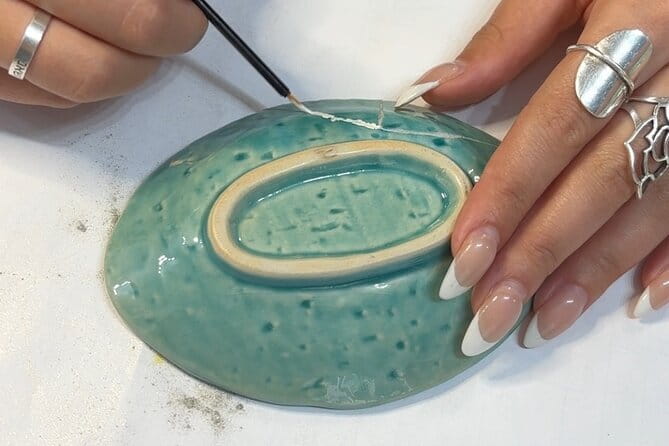
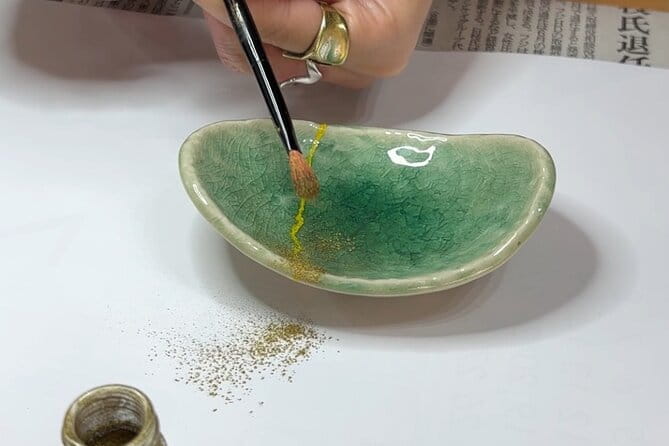
3) Repair and finish with gold or silver accents
During the hands-on portion, you’ll follow the instructor’s guidance through the process of reviving broken pottery. Your job is to apply the repair method as taught, and make the lines and finish look right for the piece you selected.
The payoff is not just learning. It’s the feeling of turning a broken object into something complete-looking. People describe the experience as mindful and therapeutic, and there’s a reason: the work requires attention, steady hands, and patience. That naturally slows you down.
4) History and meaning, then wrap-up
At the end, instructors share additional context and history. One review specifically says the history was presented at the end for self reading, so plan to take in what’s offered and then refresh your understanding afterward.
You’ll also have time to see what you made and ask any last questions. Multiple people say the instructors don’t rush you and stay helpful through the process.
What You Take Home: A Souvenir That Looks Good on Purpose
This is one of the biggest reasons the class earns high marks: you leave with a made-by-you item.
It’s not for eating or drinking
Here’s the practical limitation: the simplified work created in this experience cannot be used for eating or drinking. That means you should treat the finished piece as interior art. Think decoration, a small accessory tray, or a display item where people will see the repair lines as design, not damage.
That limitation is also a benefit. You’re not trying to turn a repair into a functional dish. You’re making something expressive and symbolic.
The size may surprise you
One review notes that the plates are smaller than expected, smaller than a saucer. That’s not a deal-breaker, but it is worth knowing. If you’re imagining a big dinner plate project, adjust your expectations. A smaller piece can still be stunning, and it’s easier to display as a reminder of the workshop.
Even imperfect results can still be beautiful
A few reviews mention that their piece was not a perfect masterpiece, yet they loved the final look. That’s very on-theme with Kintsugi philosophy: the repair is part of the story. In other words, a “handmade, personal” result is not a flaw in this case. It’s the point.
Price and Value: Why $56 for Kintsugi Feels Fair
At about $56.01 per person, this workshop sits in the “worth it for the experience” category rather than the “cheap craft” category. But the value comes from a few things working together:
- You’re paying for guided, hands-on repair instruction, not just a demo.
- You’re paying for small-group time (max 10), which is hard to replicate in larger classes.
- You’re taking home an actual physical souvenir made during the session, not a generic item from a shop.
- You’re also buying the chance to learn the cultural idea behind Kintsugi, which helps the souvenir feel meaningful instead of random.
If you want a safe, memorable Naha activity that’s different from typical sightseeing and shopping, this has good value for your time. It’s also a smart pick when you don’t want a full-day commitment.
And if you’re comparing it to buying a ready-made Kintsugi-style decoration, you’re getting the craft process as part of the product. That usually feels more satisfying later when you’re unpacking.
Practical Tips Before You Go (So You Enjoy It More)

A few small things can make your experience smoother.
- Wear something comfortable. Even short workshops can involve careful hand work and materials handling.
- Plan to reach the studio without a car. There’s no car park, and it’s near public transportation.
- Go in with beginner mindset. This is explicitly beginner-friendly, and the best results come from following the step-by-step support.
- Pick a piece you’ll genuinely want to display. Since you take it home, you’ll enjoy it more if it matches the vibe of what you like in your space.
- Accept the “display-only” reality upfront. If you want a functional dish, this isn’t that type of craft. If you want art, it’s perfect.
Who This Kintsugi Experience in Naha Is For (And Who Might Hesitate)

This workshop is a great fit if you want:
- A short, calming activity in Naha
- A Japanese craft experience that doesn’t require skill
- A personal souvenir you can keep for years
- Something that works for families, including kids and teens, thanks to the approachable teaching pace
It may not be your best choice if you’re hoping for a long, deep academic lecture or a very traditional, full production Kintsugi process. One review specifically wished for more background and explanation, because the teaching can feel very focused on “do this step, then this step,” with history context added near the end. If you want an extended history-heavy workshop, set that expectation.
FAQ

How long is the Kintsugi Experience in Naha?
It runs about 2 hours (approximately 1.5 to 2 hours).
What is the price per person?
The price is $56.01 per person.
Where does the workshop start?
The meeting point is 漆工房 小手毬 Urushi Studio Kodemari, 2-chōme-16-6 Maejima, Naha, Okinawa 900-0016, Japan.
Do I need any prior experience to do Kintsugi?
No experience is needed. The instructor guides you step by step, and most travelers can participate.
Can the repaired pottery be used for eating or drinking?
No. The simplified finished work cannot be used for eating or drinking. It’s intended for interior display or use as an accessory tray.
Is there parking at the studio?
No car park is available.
What is the cancellation policy?
Free cancellation is available up to 24 hours in advance for a full refund. If you cancel less than 24 hours before the experience starts, the amount paid is not refunded.
Should You Book This Kintsugi Workshop in Naha?
Yes, if you want a meaningful Naha activity that combines hands-on craft with calm, supportive teaching, and you like the idea of taking home something personal instead of another store-bought souvenir. The small group size and beginner-friendly instruction make it a low-stress way to try Kintsugi, and the finished piece is a great display item.
I’d only hesitate if you need a full-length traditional class with lots of in-depth explanation throughout, or if you’re specifically looking for functional tableware. For art, symbolism, and a relaxing creative break, this is an easy recommendation.
Made by Hand, and Yours to Keep
Okinawa, Island by Island





Newest Naha write-ups from the Loving Japan desk




Okinawa Islands and Beaches, side by side.
 ★ 5.0Official Street Go-Kart Tour – Okinawa ShopFrom $36699 reviews
 ★ 4.4Naha: North Okinawa Sightseeing Tour & Churaumi AquariumFrom $50472 reviews
 ★ 4.4From Naha: Kerama Islands 1-day snorkeling tourFrom $81423 reviews
 ★ 4.3From Naha: Tokashiki Island Day Trip by BoatFrom $58385 reviews
 ★ 4.7Naha, Okinawa: Keramas Island Snorkeling Day Trip with LunchFrom $70370 reviews
 ★ 5.0[Miyako Island/Half Day] Sea Turtle SnorkelingFrom $45337 reviews
 ★ 5.0Okinawa Ishigaki Blue Cave Snorkeling TourFrom $45332 reviews
 ★ 4.5Snorkeling in the Blue Cave area【Okinawa Prefecture: Free feeding & photo images!English and Chinese speaking guide available!From $19249 reviews
Filed on these lists too