
REVIEW · KOBE AND HIMEJI CASTLE
Sake Brewery and Japanese Life Experience Tour in Kobe
Sake, street snacks, and Kobe culture in one walk. This Kobe tour strings together the Hakutsuru Sake Brewery Museum for tastings, the Kobe Shushinkan producer of Fukuju, and neighborhood shopping streets where sake shows up in everyday food. What I like is how the day mixes production, ingredients, and local shopping so it feels practical, not just sightseeing.
I also like the human touch. Reviews highlight guides such as Norio and Tomoko-san, who explain how Kobe’s Nada region became a sake powerhouse and connect the drink to Japanese table culture. One thing to consider: there is no dining stop, so if you want a full food tour with lots of eating, you’ll need to plan your own meals before and after.
In This Review
- Key moments that make this Kobe sake tour work
- A Kobe half-day built around Fukuju, mirin, and everyday shopping
- Price and time: what you are really paying for
- Meet at Kobe Sannomiya, finish nearby, and plan your walk
- Stop 1: Hakutsuru Sake Brewery Museum for tastings and the basics of brewing
- Stop 2: Kobe Shushinkan brewery and the Fukuju Nobel Prize connection
- Stop 3: Konan Muko no Sato for mirin and pickles, not just sake
- Stop 4: Oyasutei Ichiba and local shopping streets like Suidosuji Shotengai
- Group discounts, mobile tickets, and the private tour feel
- What you should expect to taste and learn
- A realistic caution: this is cultural learning, not a full food crawl
- Guides like Norio and Tomoko-san, and how to get the most from them
- Should you book this Kobe sake and Japanese life experience tour?
Key moments that make this Kobe sake tour work
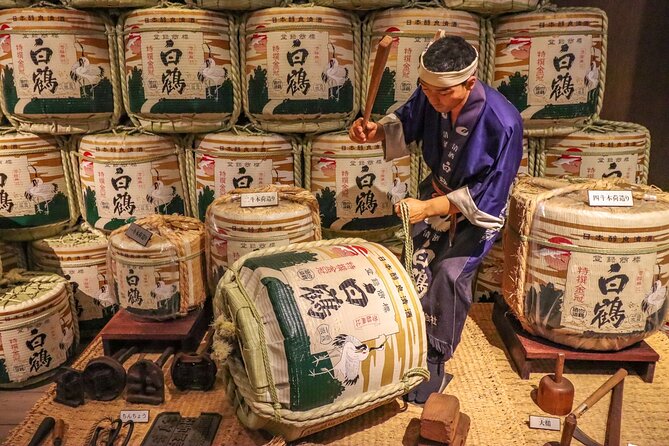
- Hakutsuru Sake Brewery Museum tasting, paired with a look at traditional brewing operations
- Kobe Shushinkan and Fukuju, including its link to Nobel Prize dinners
- Konan Muko no Sato focus on mirin and pickles, not just plain sake
- Time on local shopping arcades and markets, including areas like Suidosuji Shotengai with 500-plus shops
- A private tour format that lets your guide pace the stops for your group
- A tour that expects you to carry cash, since some spots don’t take credit cards
Castle and beef in one run. Other combinations
- KOBE Sake Tasting Tour at Breweries (tasting fee included)
★ 5.0 · 154 reviews - Kobe Highlights & Hidden Gems: Private & Custom Tour with a Guide
★ 4.5 · 70 reviews - Kobe 4hr Private Tour with Government-Licensed Guide
★ 5.0 · 59 reviews - Kobe: Guided Sake Breweries Tour with Tastings
★ 5.0 · 55 reviews
A Kobe half-day built around Fukuju, mirin, and everyday shopping
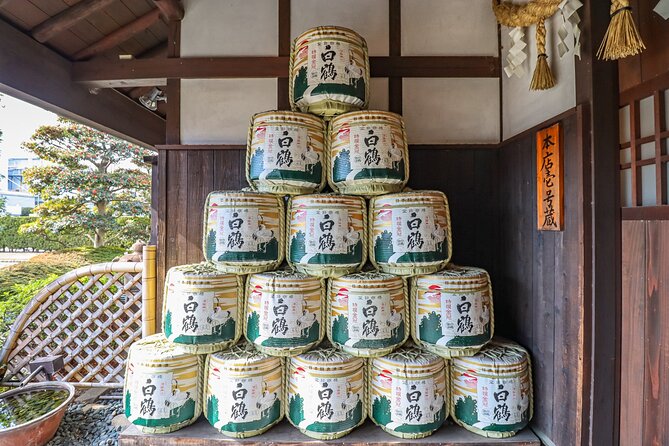
This is the kind of tour that makes the sake story feel real. Instead of treating sake as a single exhibit, you connect the dots: brewing traditions, key ingredients, and the food that depends on sake-related products.
You start with a museum stop, then move into breweries and ingredient-focused learning, and you finish with time in shopping streets where you can see what locals actually buy. If you like tours that teach you something you can use later, this one fits. You’ll leave with more than “I saw a brewery.” You’ll understand why Kobe matters, and how mirin and pickles sit beside sake in Japanese cooking.
Price and time: what you are really paying for
The price is $83.56 per person for a 4 hours 30 minutes private tour experience. That’s not just time in a building, it is guided sequencing: museum first, then brewery context, then ingredient culture, then the shopping walk.
You should also budget for small add-ons. The tour lists an estimated extra cost of 530 JPY per person, broken out as transportation, with admissions and meals handled separately. The Hakutsuru museum includes an admission fee listed as ¥530 per person, so check your voucher carefully so you know what’s included on your day.
Here is the honest value question. If you want a lot of tasting and structured explanations in one compact route, you get that. If you want a long, snack-heavy food crawl with multiple meal stops, this is likely not the match since it does not include a dining spot.
Meet at Kobe Sannomiya, finish nearby, and plan your walk
You meet at Sannomiya Station, 4-chome-1-1, Nunobikichō, Chuo Ward, Kobe and finish at Kobe-Sannomiya Station, 7-chome-1, Onoedori. Your ending point is different from the start. If you want to adjust your finish location, you need to tell your guide.
Because the tour is timed to the day, give yourself buffer time to reach the meeting point on time. The tour notes that if you arrive late, it may be hard to deliver the full experience due to public transport timing.
Wear comfortable clothing. You are walking through several areas, including local shopping streets. Also remember that some stops do not accept credit cards, so bring cash even if you’re usually card-first when traveling in Japan.
Pour another. Breweries and tasting rooms nearby
- Sake Brewery and Japanese Life Experience Tour in Kobe★ 5.0 · 39 reviews
- Kobe: 3-Hour Sake Breweries Tour with Special Tasting★ 4.4 · 25 reviews
Stop 1: Hakutsuru Sake Brewery Museum for tastings and the basics of brewing
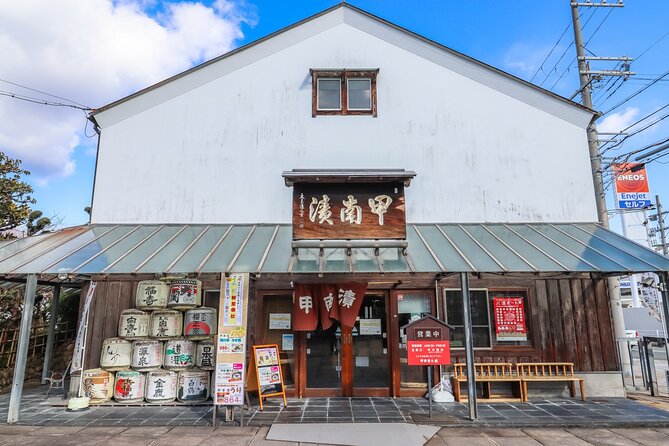
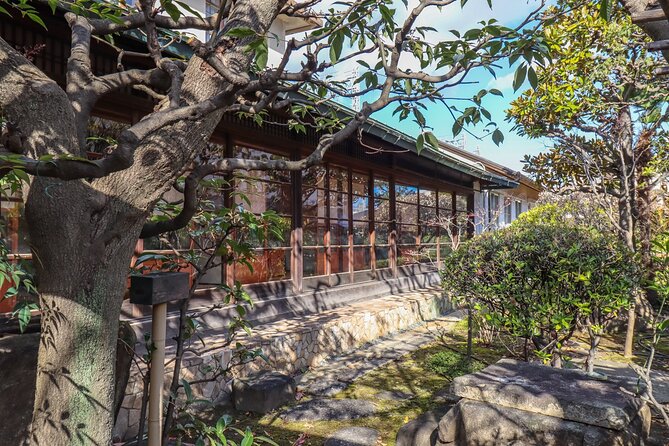
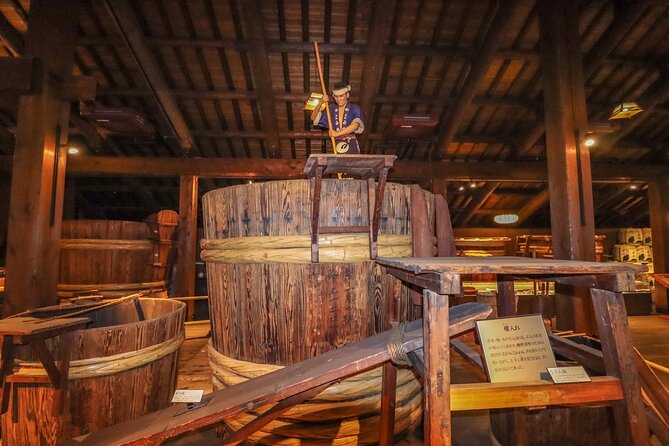
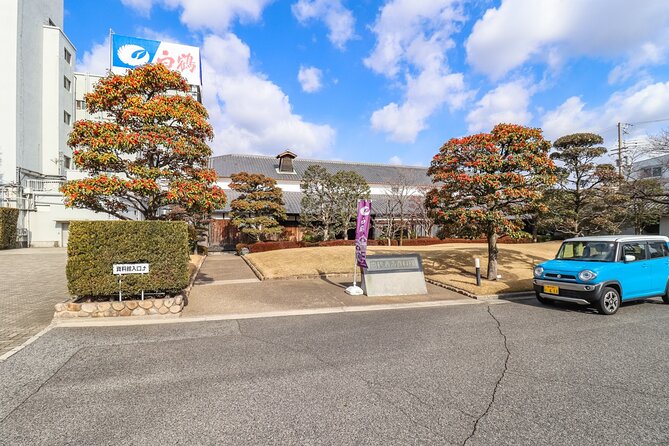
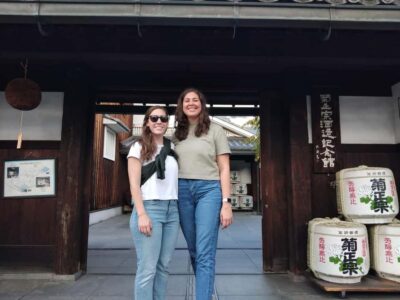
The first stop is the Hakutsuru Sake Brewery Museum, housed in a museum building constructed in the early Taisho era. Expect an overview of traditional sake brewing processes and the way the brewery operated. This is a good “setup” stop, because it gives you the vocabulary to understand the later brewery visit.
Time here is about 40 minutes, and the schedule lists an admission ticket as free, but it also lists a Hakutsuru admission fee of ¥530 per person that is not included. So before you go, confirm what your ticket covers. In either case, the museum visit matters because you also get sake tasting here.
Tasting at a museum works better than random sips on the street. You can compare styles after seeing production steps in plain language and with real context. If you’re new to sake, this is the place where the tour can teach you what to notice, not just what to drink.
Stop 2: Kobe Shushinkan brewery and the Fukuju Nobel Prize connection
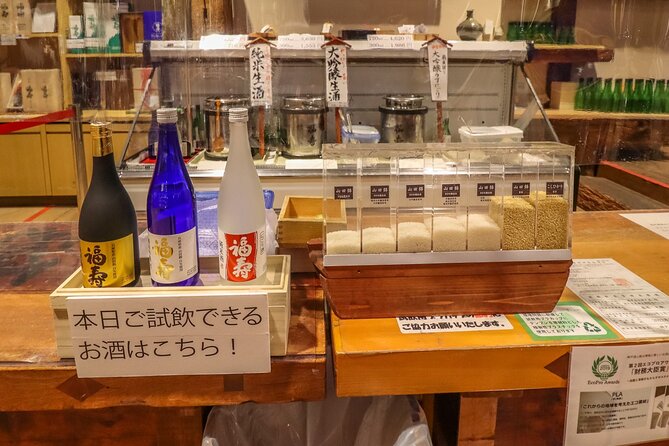
Next up is Kobe Shushinkan (listed as Kobe Shushinkan Breweries), a sake brewery operating for about 250 years since the Edo period. The big selling point is that it produces Fukuju, sake that is served at Nobel Prize dinners and is widely respected in Japan.
Time here is also about 40 minutes. Like many brewery visits, you’ll likely see the traditional scale of operations and hear how brewing practices connect to Kobe’s Nada region. This is where the guide role becomes important. Some tours just point at equipment. A stronger guide explains why the location, climate, rice quality, and water matter, and how those factors shaped local sake production for centuries.
One small consideration: the tour is private, but it still sticks to a tight schedule. If you want extra time inside the brewery itself, you may have to ask your guide on the day.
Stop 3: Konan Muko no Sato for mirin and pickles, not just sake
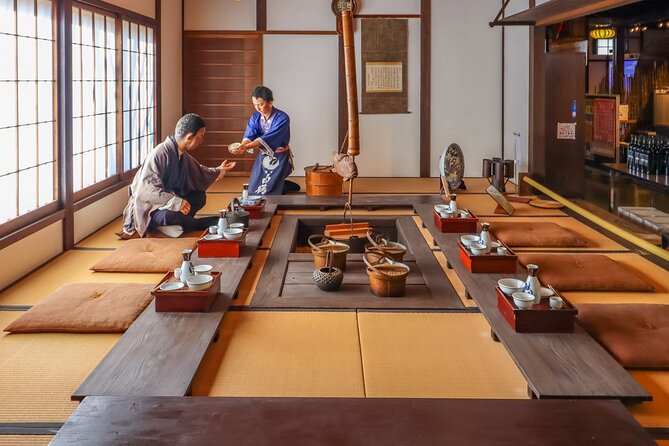
If you only care about drinking sake, this stop could surprise you. Konan Muko no Sato specializes in pickles and mirin. Mirin is sweet cooking rice wine, and the tour emphasizes that it is made from the same raw materials as sake and is an essential part of Japanese cuisine.
The time here is about 30 minutes. The payoff is that you learn how sake is not only a beverage. It is a cooking ingredient that shows up in flavor building, especially when you start thinking about Japanese dishes beyond plain dipping and drinking.
Pickles also matter here because they are part of the same cultural package. Even if you do not buy anything, you can connect the flavors: fermentation traditions, preservation, and the way salt and sweetness balance meals.
This stop is also a good reason to bring an open mind. It’s an ingredient-focused visit, and if you’re the type who enjoys learning how flavors get made, you’ll probably get a lot out of it.
Stop 4: Oyasutei Ichiba and local shopping streets like Suidosuji Shotengai
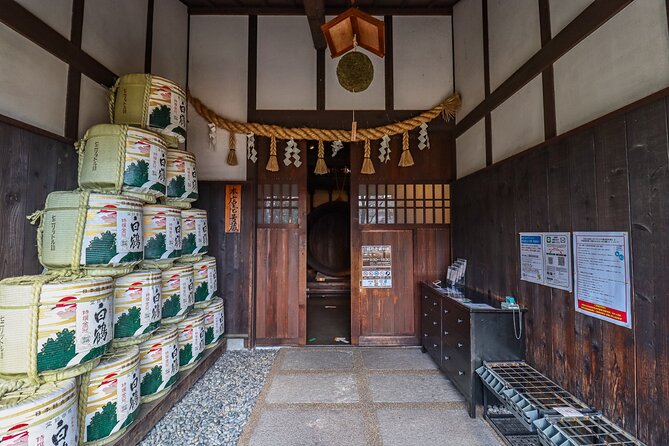
The final segment leans into local life. The itinerary includes Oyasutei Ichiba Shopping Street, described as a market street with history over 100 years and described as one of Kobe’s oldest shopping streets. The tour frames this as a place for long-established stores and traditional neighborhood commerce.
The highlights also mention time at Suidosuji Shotengai, a local arcade of over 500 shops. Since the route can shift due to temporary closures or weather, you might experience more or less of specific streets on your exact day. The key idea is that you finish with a taste of Kobe’s everyday shopping pulse rather than ending back at a station immediately.
This is the right time to slow down and browse. You’ll be thinking about mirin, pickles, and sake by then, so you can spot related snacks and products. Just remember: the tour data warns that some locations do not accept credit cards, so cash keeps you from missing out.
Group discounts, mobile tickets, and the private tour feel
This is a private tour/activity, meaning only your group participates. That matters. You’re not fighting for attention in a crowd, and you can ask for clarification on what you’re seeing, especially at brewery and museum stops.
You also get group discounts and a mobile ticket, which is convenient if you’re juggling multiple bookings while traveling. The private format also helps if your group has different interests, like one person who loves production and another who’s more curious about the food-side learning.
In the best cases, the guide tailors the pacing. The reviews put real weight on guide quality, and names like Norio and Tomoko-san come up for a reason. When the guide clearly enjoys the subject, the tour tends to feel like a conversation instead of a script.
What you should expect to taste and learn
From the tour description, the tasting happens at the Hakutsuru Sake Brewery Museum. The learning is spread across three themes:
- Traditional brewing steps and operations at Hakutsuru
- Kobe and the Nada region’s sake context through a brewery that makes Fukuju
- Ingredient culture through mirin and pickles at Konan Muko no Sato
That combination is useful because it prevents “sake tunnel vision.” You get the sense that sake sits within a wider system of fermentation, cooking, and local products.
Just be aware of the age rule: under age 20 are not allowed to drink in Japan. If someone in your group is under 20, the tasting portion will likely be handled according to that restriction.
A realistic caution: this is cultural learning, not a full food crawl
One negative point from the reviews, in plain terms, is that a sake tour can feel flat if the guide is not enthusiastic about sake, and if your expectations lean toward lots of eating.
Also, the tour explicitly says it does not include a dining spot. So you should treat this as a tasting and shopping experience with educational stops, not a meal-focused route. Plan a proper lunch or dinner outside the tour window.
If you do want food, treat the market streets as browsing time. You can pick up snacks on your own after the official stops, using cash since some places may not take cards.
Guides like Norio and Tomoko-san, and how to get the most from them
The strongest praise in the reviews points to guides who bring the stops to life, especially when they explain the process step by step and connect Kobe’s production to the broader Japanese culinary world.
Two guide names show up repeatedly in the feedback: Norio and Tomoko-san. That gives you a clue about what matters most for a good day: asking questions, listening for the why behind the how, and taking notes when the guide explains how ingredients tie into cooking.
If you want to get maximum value, come with one or two questions ready, like:
- What should I taste for when comparing sake styles?
- How does mirin change a dish compared with using sugar alone?
- Why did Nada become such an important brewing area?
Your guide is your translator between brewery equipment and your plate.
Should you book this Kobe sake and Japanese life experience tour?
Book it if you want a focused Kobe tour that teaches sake in context. You’ll probably like it if you enjoy hands-on learning, want a tasting tied to real production, and you appreciate street-level local life at the end.
I would not make this your only food plan. Since there is no dining stop, schedule meals around it. And if you are chasing a very snack-heavy experience, you might want a different type of tour that includes more structured eating.
If you’re looking for a compact half-day that connects breweries, mirin and pickles, and Kobe shopping streets, this one is a strong choice.
Cups, Cellars and Tasting Rooms

Kobe and the White Castle

Newest Kobe write-ups from the Loving Japan desk
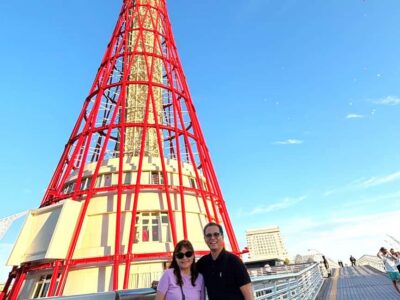
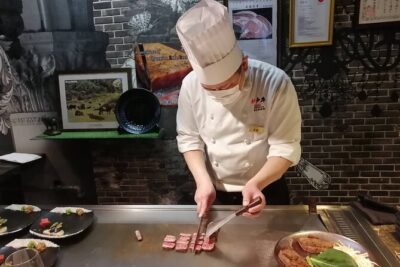
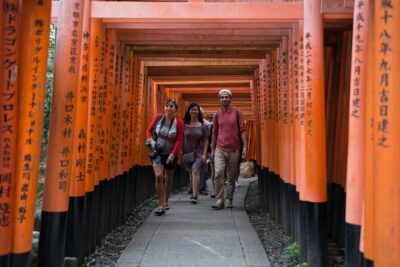
Kobe and Himeji Castle, side by side.
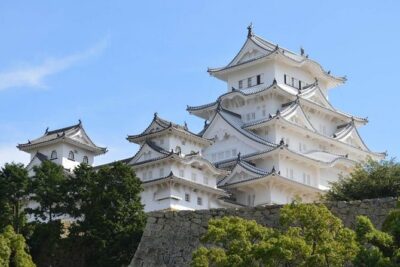 ★ 5.0Himeji Half-Day Private Tour with Government-Licensed GuideFrom $109236 reviews
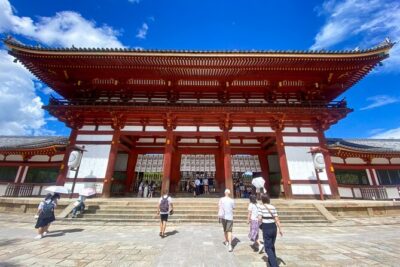 ★ 5.0Nara Park, Osaka & Kobe from Kyoto Full Day tourFrom $90207 reviews
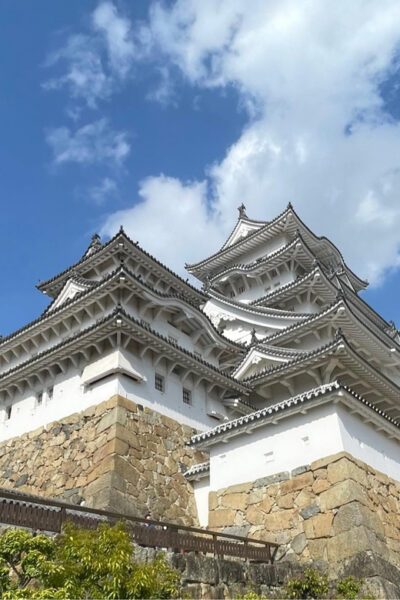 ★ 5.0Best of Himeji Castle: 3hr Tour with Licensed GuideFrom $69186 reviews
 ★ 5.02.5 Hour Private History and Culture Tour in Himeji CastleFrom $178185 reviews
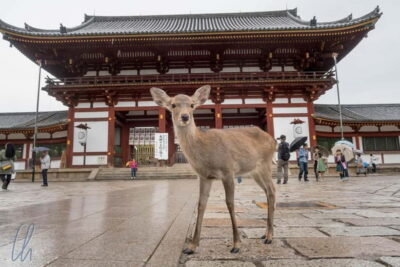 ★ 4.6From Kyoto: Nara, Osaka & Kobe Day Trip – 3 Cities in 1 DayFrom $129160 reviews
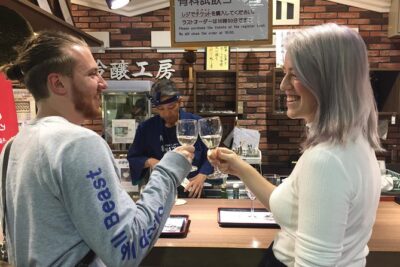 ★ 5.0KOBE Sake Tasting Tour at Breweries (tasting fee included)From $109154 reviews
 ★ 4.8Volleyball in Osaka, Kobe & Kyoto with locals!From $6131 reviews
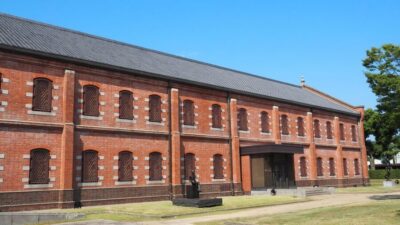 ★ 4.9Himeji: Private Customized Tour with Licensed GuideFrom $106122 reviews