
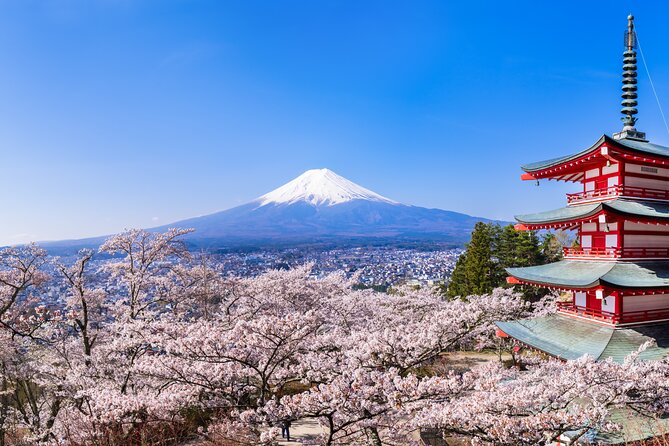
REVIEW · MOUNT FUJI DAY TRIPS
Mt.Fuji and Hakone Tour
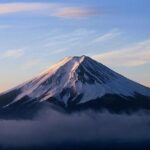
Mt. Fuji plus Hakone in one day sounds simple, but it’s a packed hit of Japan’s natural drama and quiet beauty. I like that you ride in comfort with pickup offered and onboard WiFi, and I also like the way the day mixes classic Fuji viewpoints with Hakone’s volcanic core and lake scenery. One key consideration, though: Mt. Fuji may not be visible, so your best photos depend on weather.
You’ll start early, then spend the day moving between high-elevation viewpoints, lakes, and crater territory, with time built in for short hangs at each stop. In practice, guides from アウテック (Outech) have shown they can handle weather reality, including one instance where Fuji was partly blocked and the group shifted plans to Oshino Hakkai instead of going up to Station 5.
This is a private group tour (up to 9 people), so the rhythm is smoother than group bus chaos, but it does mean you should dress and plan like you’re going to move around for most of the day.
In This Review
- Key points to know before you go
- Why Mt. Fuji and Hakone together is a smart, full-day combo
- The Mt. Fuji 5th Station stop, and what to do when clouds show up
- Lake Kawaguchi: the Fuji reflection lesson you can actually see
- Owakudani Valley: volcanic steam, sulfur smell, and the real Hakone mood
- Hakone Ropeway: the short ride that changes your viewpoint
- Hakone Shrine and Kuzuryu Shrine: the gate that feels like it floats
- Lake Ashinoko and the sightseeing ship: pirate-ship energy, big payoff on clear days
- Hot springs in Hakone: what you get on this day, and what you might add later
- Price and value: what $972.18 per group really means
- Booking with confidence: private group, mobile ticket, and guide style
- The guides you might get, and what good guidance looks like here
- How to plan your day: tickets not included, timing, and what to pack
- Should you book the Mt. Fuji and Hakone tour?
- FAQ
- What time does the Mt. Fuji and Hakone tour start?
- How long is the tour?
- Is pickup offered?
- Is this a private tour?
- What is included in the tour price?
- Which major tickets are not included?
- How much is the sightseeing ship?
- Does the tour guarantee Mt. Fuji will be visible?
- When do I get confirmation after booking?
- Is free cancellation available?
Key points to know before you go
- Private up to 9 people, so you can actually hear your guide and move at a human pace.
- Comfort package included, with an air-conditioned vehicle, bottled water, and snacks for the long drive day.
- Weather matters for Mt. Fuji visibility, and your guide may adjust if clouds roll in.
- Volcanic sights are the star, especially Owakudani, where sulfur fumes and hot-spring activity define the area.
- Top Hakone views rely on added tickets, since the ropeway and the Lake Ashi sightseeing ship are not included.
- Guides get praise for explanations, and names you may see tied to this operator include Ryu, Yosuke, Riley (Ryoko), and Tomoya.
Fuji from Tokyo: the other approaches
- Mt Fuji and Hakone 1-Day Bus Tour Return by Bullet Train
★ 5.0 · 26,383 reviews - Mt Fuji & Hakone Cruise, Drum Show Bullet Train 1 Day from Tokyo
★ 4.0 · 7,413 reviews - Tokyo Mt Fuji 5th St & Hakone Cruise Bus Tour w/Bullet Train
★ 4.4 · 5,024 reviews - From Tokyo: Mount Fuji Full-Day Sightseeing Trip
★ 4.5 · 4,970 reviews
Why Mt. Fuji and Hakone together is a smart, full-day combo
I like pairing Mt. Fuji with Hakone because they scratch different itches. Fuji gives you that instantly recognizable, big-sky, Japan-icon moment. Hakone gives you sensory stuff you can feel in your nose and eyes, the volcanic steam of Owakudani, then the calm lake-and-shrine views around Lake Ashi.
This tour is also built for real schedules. You depart from Tokyo at 8:00 am, then you get organized stops without the stress of figuring out buses, transfers, and ticket lines one by one. The ride time is part of the deal, but you stay comfortable with air conditioning, WiFi, and snack support.
And here’s the practical value: the route hits multiple “Fuji viewing angles” in one day. Even if Fuji isn’t perfectly framed from one place, you still have chances from lakes and higher points. Just remember, the biggest risk is not time or transportation. It’s clouds.
The Mt. Fuji 5th Station stop, and what to do when clouds show up
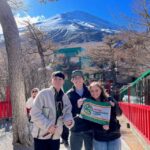
You start with Mt. Fuji 5th Station, the classic access point for climbing. It’s not a random viewpoint. It’s the entrance to the climbing route, so the area has that pilgrimage energy, people in layers of outdoor gear, and a sense of height even if you never step onto the mountain itself.
The drive from Tokyo to the 5th Station is about 2 hours, and that timing matters. Earlier arrival usually improves your odds for clear skies. Still, you can’t control weather. The tour is explicitly weather-dependent for Fuji visibility.
If clouds cut the view, don’t assume the day is ruined. One example from this operator’s guidance style: if Fuji is partly covered and you can’t proceed to the station, the plan can pivot. In a documented case, Oshino Hakkai was used as the substitute instead of continuing with the station plan. That’s the mindset you want from your guide, flexibility without making the day feel chaotic.
Practical tips for this part:
- Dress for temperature swings. High places often feel colder than Tokyo.
- Have a backup attitude for photos. Fuji can hide fast, and you still get value from the scenery and the cultural stop.
Lake Kawaguchi: the Fuji reflection lesson you can actually see
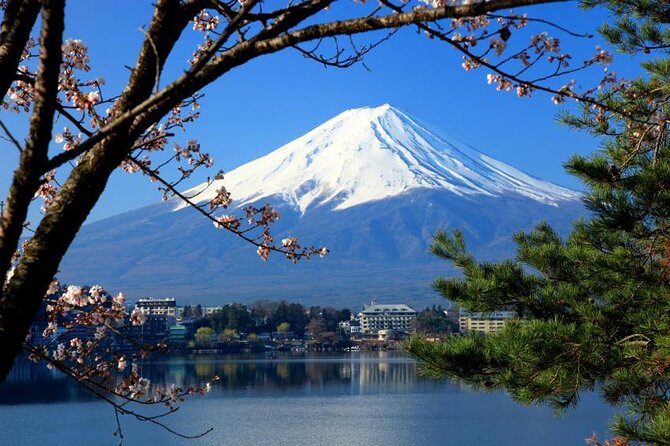
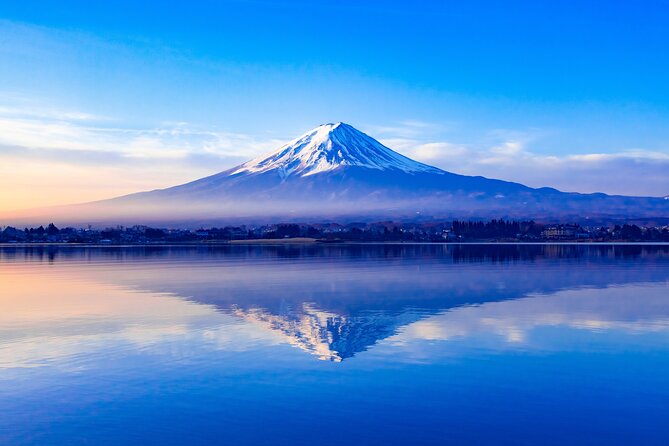
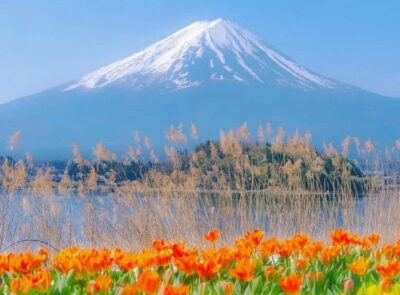
After Fuji, the day shifts to Lake Kawaguchi, where the goal is simple: view Mt. Fuji with the lake as your mirror. The key idea here is that there are two types of views in the same area. You can see Fuji as a mountain, and you can also see it as an inverted reflection on the water, when conditions allow.
You’ll spend about 1 hour here. That may sound short, but for this kind of stop it works well. You can walk to a viewpoint, shoot photos, and then come back before the day gets too late. Because Fuji visibility is weather-driven, the time window gives you a few chances to catch the sky clearing.
This is one of the places where your expectations should be realistic. Calm water improves the reflection effect, but you can’t guarantee it. If the mirror shot doesn’t happen, you still get open-water views and a calmer pace than crater territory.
The Hakone loop runs several ways. Here are the rest
- Tokyo: Mt. Fuji Tour, Hakone Ropeway, Owakudani, Lake Ashi★ 4.7 · 4,002 reviews
- Private Tour to Mt. Fuji and Hakone (Fully Licenced Operator)★ 5.0 · 1,910 reviews
- Mt Fuji & Hakone Cruise, Drum Show Bus 1 Day from Tokyo★ 4.0 · 1,287 reviews
- From Tokyo: Mt. Fuji & Hakone Tour w/ Return by Bullet Train★ 4.2 · 1,278 reviews
- Mt Fuji and Hakone 1-Day Bus Tour Return by Bus★ 4.5 · 929 reviews
Owakudani Valley: volcanic steam, sulfur smell, and the real Hakone mood
Owakudani is the emotional center of Hakone. This is the zone around an ancient crater, created by the last eruption about 3,000 years ago. Today it’s an active volcanic area, and the tour notes the experience includes sulfurous fumes and hot-spring activity.
You’ll be here for about 2 hours, and this is one of the stops where the senses do half the job. The air can smell strongly of sulfur. It’s not unpleasant for everyone, but it is distinctive, and you’ll notice it quickly once you arrive.
This is also where you feel Hakone’s “healing powers” theme in a practical way. The tour is selling hot springs as a healing experience, but even if you do not soak here on this specific day, Owakudani’s geothermal activity is the foundation. You’re not just visiting a resort town. You’re stepping into the source of the heat.
What to watch for:
- Strong smells mean you should plan for it, not fight it.
- If visibility is poor due to weather, the steam and crater terrain still create a dramatic scene.
Hakone Ropeway: the short ride that changes your viewpoint

Hakone Ropeway connects you toward Owakudani and gives you a different perspective over the volcanic area. You’ll spend about 30 minutes in the ropeway segment, and tickets are not included.
This stop is worth planning for because ropeway views can give you “from above” understanding of the geography. On the ground, volcanic zones can feel close and busy. In the air, the scale becomes easier to read.
Because the ropeway isn’t included, you’ll want to budget for that add-on. If you like having everything settled in advance, bring some cash or a payment method ready for the day’s extra tickets.
Hakone Shrine and Kuzuryu Shrine: the gate that feels like it floats
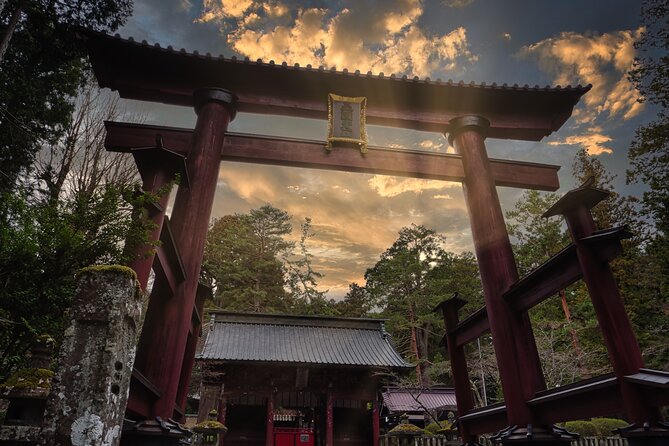
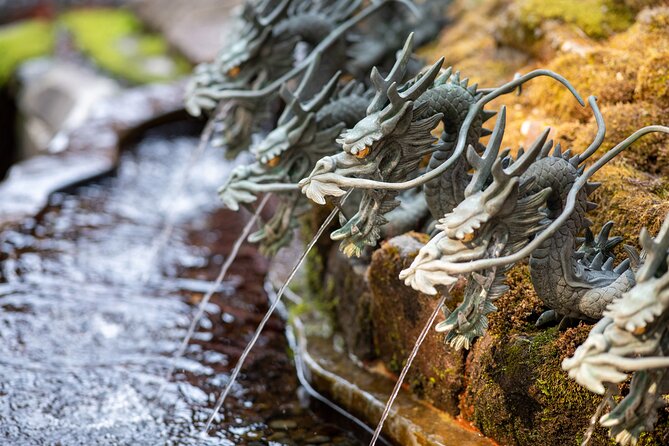
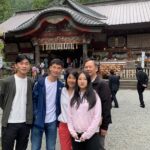
Next comes Hakone Shrine and Kuzuryu Shrine. The big detail is the shrine’s historical age, built in 757, and its famous look. The tour highlights the large gate and says it appears to float on Lake Ashi, which is exactly why people chase this particular view.
You’ll spend about 30 minutes here. That’s enough time to enjoy the setting, take photos, and walk around at a comfortable pace without making the shrine part feel rushed.
This is also a good break in energy. After the sulfur fumes and crater terrain, the shrine gives you calmer water views and a quieter rhythm. If Fuji is visible at all during the day, you’re also in a better position to catch it reflected or framed in the bigger lake-scene compositions.
Lake Ashinoko and the sightseeing ship: pirate-ship energy, big payoff on clear days
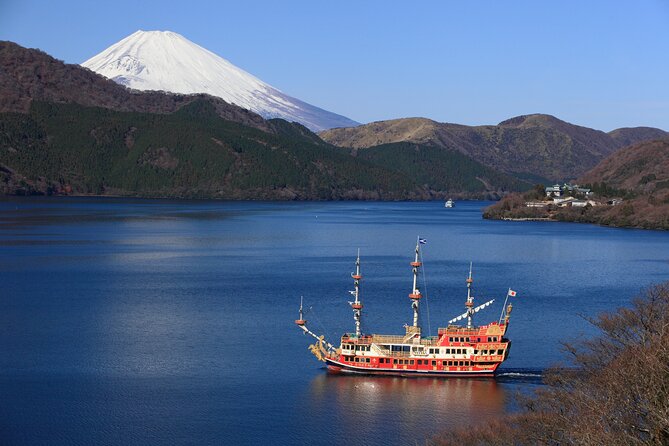
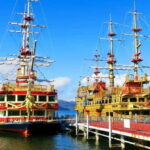
The final major stop is Lake Ashinoko, where you take a sightseeing ship. The tour description calls it pirate-ship style, and the reason is visual. The boat has that fun, bold look that makes the ride feel like a mini attraction, not just transportation.
You’ll have about 3 hours at this stage, and ship tickets are not included. The provided price details are:
- Adult: 2200 yen
- Child under 13: 1110 yen
This is the “if you only get one, make it this” part of the day for many people, because it gives you a moving viewpoint. On a clear day, the tour says you can enjoy breathtaking views of Mt. Fuji and the Hakone shrine gate from the ship.
If the weather turns, don’t panic. Even without Fuji, you still get the lake setting and a classic Hakone perspective. But if your photos are your top priority, aim for a clear-day mindset for this segment.
Hot springs in Hakone: what you get on this day, and what you might add later
Hakone is famous for therapeutic hot springs, and this tour leans into that promise. The itinerary’s volcanic stop at Owakudani is where you see and experience the geothermal basis of that reputation through sulfurous fumes and hot-spring activity.
What the tour does not explicitly promise is a full hot-spring soak as a booked included activity. So if soaking is your main goal, you might want to plan extra time beyond this day trip, before or after, at a local onsen that fits your comfort level and schedule.
That said, even without an onsen bath on the tour itself, the geothermal sights still deliver the “healing place” feeling. You’ll come away understanding why Hakone is more than a postcard town.
Price and value: what $972.18 per group really means
The price is listed as $972.18 per group, up to 9 people. Duration is about 8 to 10 hours, and it’s a private experience with pickup offered, plus practical comforts in the vehicle.
Here’s the value math:
- If you fill all 9 seats, it works out to about $108 per person.
- If you travel as only 2 or 3 people, your cost per person rises fast, because the price is per group, not per person.
So this tour becomes a great deal when you have a small group you can split with, like families or a group of friends who want privacy. If you’re traveling solo, it can still be worth it for the convenience and guide time, but you’ll likely feel the cost more.
What you are buying is not just “a list of places.” You’re buying an organized day with transportation, WiFi, snacks, and a guide who handles the pacing. Those small comforts add up on a long day.
Also, the overall satisfaction score is strong: the tour has a 4.8 rating with 95% recommended. That matters because Fuji and Hakone day trips can go sideways when weather and timing don’t line up. The strong recommendation suggests the operator is typically good at keeping the day working.
Booking with confidence: private group, mobile ticket, and guide style
This is a private tour/activity, meaning only your group participates. For many people, that’s the difference between a stressful day and a smooth one. You can ask questions, take photos without worrying about slowing the group, and keep your pace more naturally.
You also get a mobile ticket, which usually helps reduce friction at ticketed stops. That said, some key add-ons are not included, like the ropeway and the sightseeing ship, so you may still need extra cash or card payment later.
One detail I really appreciate is the onboard support: WiFi, bottled water, and snacks. It’s not flashy, but it’s practical. Long road days can drain energy, and having the basics covered keeps you from spending time hunting for refreshments at the wrong moment.
The guides you might get, and what good guidance looks like here
Guide quality is where a day trip becomes memorable. In the set of named examples tied to this operator, guides like Ryu, Yosuke, Riley (Ryoko), and Tomoya have been praised for being genuinely helpful without taking over.
The best style, from what you can infer from how they’re described, is conversational and calm. Ryu is highlighted for being professional and able to answer questions easily without overbearing explanations. Yosuke is described as showing all the sights smoothly in a nice vehicle. Riley (Ryoko) is praised as fun and engaging, and Tomoya is noted as speaking English well, which matters if you want to understand what you’re seeing beyond the photo angles.
If you care about meaning, not just photos, you’ll enjoy a guide who can connect the dots quickly.
How to plan your day: tickets not included, timing, and what to pack
Two big elements are not included: Hakone Ropeway and the Lake Ashi sightseeing ship. Everything else on the stop list is marked as free admissions for those specific locations.
So plan for:
- Ropeway ticket purchase during the day
- Lake Ashi ship tickets (2200 yen adult, 1110 yen child under 13)
What to pack, based on how the day runs:
- Layers, because high elevation and lakeside air can feel cooler.
- Wind and rain readiness. Fuji weather can shift fast, and you’ll move outdoors during viewpoints.
- Comfortable walking shoes, because even short stops add up when you’re climbing ramps, walking around lakes, and moving through shrine and crater areas.
Also plan mentally for “Fuji might be partial.” If you treat Fuji like a bonus rather than a guarantee, the rest of the day feels richer.
Should you book the Mt. Fuji and Hakone tour?
I’d book this if you want a private, structured day that hits the classic Mt. Fuji viewpoints and the Hakone geothermal core without forcing you to manage public transport and timing alone.
It’s especially good value if you can travel with others and fill more of the group seats, bringing the per-person cost closer to that lower estimate. If your group wants both iconic sights and the volcanic reality of Hakone, this day fits that mix.
I would pause and think twice if Fuji visibility is your make-or-break goal and you’re traveling during a season or week when you are very sensitive to cloud disappointment. The tour can’t promise a clear Fuji view, and station access may depend on conditions.
If you do book, go in smart:
- Bring expectations that are flexible.
- Use the ship and shrine views as your “clear-day bonus.”
- Expect volcanic and lake scenery to carry the day even when Fuji fades.
FAQ
What time does the Mt. Fuji and Hakone tour start?
It starts at 8:00 am.
How long is the tour?
The duration is about 8 to 10 hours.
Is pickup offered?
Yes, pickup is offered.
Is this a private tour?
Yes. Only your group participates.
What is included in the tour price?
Included items are an air-conditioned vehicle, WiFi on board, bottled water, and snacks. You also get mobile ticket support.
Which major tickets are not included?
Hakone Ropeway is not included. The Lake Ashi sightseeing ship ticket is also not included.
How much is the sightseeing ship?
The adult price is 2200 yen, and the child price (under 13) is 1110 yen.
Does the tour guarantee Mt. Fuji will be visible?
No. Mt. Fuji may not be visible depending on weather conditions.
When do I get confirmation after booking?
Confirmation is received within 48 hours of booking, subject to availability.
Is free cancellation available?
Yes. You can cancel up to 24 hours in advance for a full refund. If you cancel less than 24 hours before the start time, it is not refunded.
The Hakone Loop, Reviewed
Mount Fuji, Three More Ways
Newest Tokyo write-ups from the Loving Japan desk






Mount Fuji Day Trips, side by side.
 ★ 5.0Mt Fuji and Hakone 1-Day Bus Tour Return by Bullet TrainFrom $16326,383 reviews
 ★ 4.0Mt Fuji & Hakone Cruise, Drum Show Bullet Train 1 Day from TokyoFrom $1497,413 reviews
 ★ 4.4Tokyo Mt Fuji 5th St & Hakone Cruise Bus Tour w/Bullet TrainFrom $1545,024 reviews
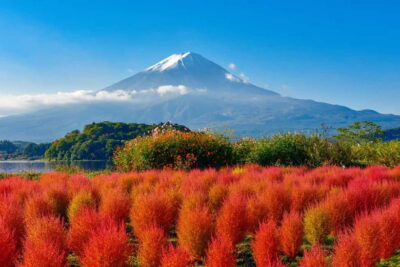 ★ 4.5From Tokyo: Mount Fuji Full-Day Sightseeing TripFrom $684,970 reviews
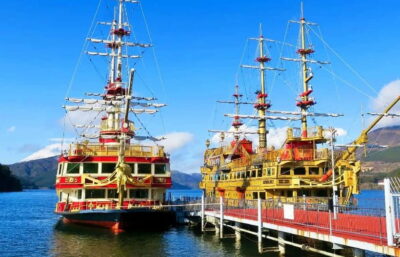 ★ 4.7Mt. Fuji Tour, Hakone Ropeway, Owakudani, Lake AshiFrom $544,002 reviews
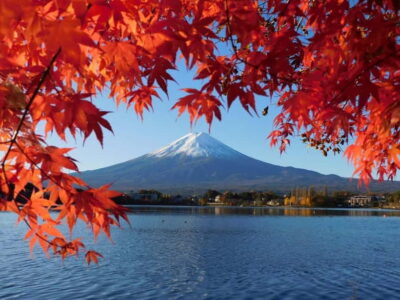 ★ 4.4Mt.Fuji,Kawaguchiko Oishi Park,Arakurayama Sengen ParkFrom $542,682 reviews
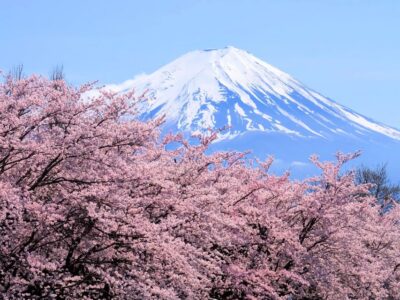 ★ 4.2Mt. Fuji 5th Station & Hakone Cruise 1-Day Bus TourFrom $1292,381 reviews
 ★ 4.7Mt Fuji Top 5 Spots Day Tour: Arakurayama Park,Oshino HakkaiFrom $532,066 reviews
Filed on these lists too