
REVIEW · MOUNT FUJI DAY TRIPS
Mt Fuji & Hakone Cruise, Drum Show Bus 1 Day from Tokyo
If you want Fuji and Hakone without juggling trains, this day trip fits. You get a coach ride with admissions handled plus classic highlights like Mt. Fuji 5th Station, a short Lake Ashi cruise, and the Komagatake Ropeway for Hakone views.
I like that it is built for efficiency from Tokyo, with a clear plan and included entry fees so you are not hunting tickets all day. The trade-off is simple: it is weather dependent, and if you cannot see Fuji or if boats and ropeways pause, your day shifts to alternative stops instead of canceling.
In This Review
- Mt. Fuji and Hakone in One Day, From Shinjuku at 8:10
- Key Points at a Glance
- Coach Travel That Actually Feels Worth It
- Fuji 5th Station: A Short Visit at 2,300m
- Fuji Backup Stops When Visibility Is Low
- Lake Ashi Cruise: The Easy Win for Views and Photos
- Komagatake Ropeway: Cable Car Time Plus Spiritual Stops
- Lunch at Fuji Zakura Hotel, Plus Wadaiko Drums
- The Guide Can Make or Break a Long Day
- How Timing Works: Fixed Stop Windows, So Plan for Focus
- Price and Value: What $122.55 Buys You
- Who This Trip Suits Best (And Who Should Skip It)
- Should You Book This Mt. Fuji and Hakone Day Trip?
- FAQ
- Where do you meet for this Mt. Fuji and Hakone tour?
- What time does the tour start, and when does it end?
- How long is the tour?
- Is lunch included?
- What meals are available with the lunch option?
- What happens if Mt. Fuji is not visible or the Subaru Line is closed?
- What if the Lake Ashi cruise or Komagatake Ropeway are not operating?
- Does the tour include admission fees and a guide?
Mt. Fuji and Hakone in One Day, From Shinjuku at 8:10
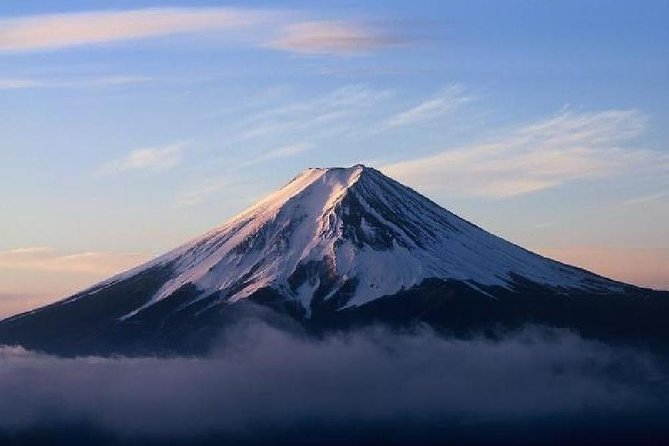
This is a full-day, 12-hour-plus loop that starts in Tokyo and focuses on the Fuji-Hakone core sights. You leave from JTB Sunrise Tours Sales Office in Nishishinjuku (Shinjuku), usually at 8:10am, then you are back in the Tokyo area later in the evening.
The heart of the appeal is that you do not have to plan the logistics yourself. A licensed English guide interpreter rides with the group, and the bus takes care of the long stretches between viewpoints.
Just keep your expectations calibrated. You get fixed time windows at each stop, and Mt. Fuji visibility can be hit or miss. On cold days, you will also feel the altitude more than you expect at the 5th Station.
Fuji from Tokyo: the other approaches
- Mt Fuji and Hakone 1-Day Bus Tour Return by Bullet Train
★ 5.0 · 26,383 reviews - Mt Fuji & Hakone Cruise, Drum Show Bullet Train 1 Day from Tokyo
★ 4.0 · 7,413 reviews - Tokyo Mt Fuji 5th St & Hakone Cruise Bus Tour w/Bullet Train
★ 4.4 · 5,024 reviews - From Tokyo: Mount Fuji Full-Day Sightseeing Trip
★ 4.5 · 4,970 reviews
Key Points at a Glance
- Mt. Fuji 5th Station (about 30 minutes) at roughly 2,300m, plus torii gates, shrines, and souvenir streets
- Lake Ashi cruise (Sorakaze, about 15 minutes) for easy photo angles with Fuji and Hakone mountains in the frame
- Komagatake Ropeway (about 50 minutes) to the mountaintop shrine area, with views toward the Izu Peninsula and islands
- Optional Japanese lunch at Fuji Zakura Hotel, paired with tea or coffee
- Wadaiko drum performance during the lunch break area, timing dependent
- A weather-proof plan using substitutions like Oshino Hakkai and Fujisan-related cultural stops
Coach Travel That Actually Feels Worth It
The bus is air-conditioned and heated, which matters because your day starts in the city and quickly climbs in temperature contrast. You also avoid the mental load of transfers, ticket machines, and figuring out which line goes where.
Real talk: the bus portion is long. Even when everything runs smoothly, you are spending a good chunk of the day traveling, and the pace is part sightseeing, part road time. For me, that is only a good deal if you like the idea of seeing several regions in one go rather than lingering in one place.
Good news if you hate uncertainty: the tour has a structured sequence and includes admissions. That means you can focus on photos, snacks, and dressing right for mountain cold.
Fuji 5th Station: A Short Visit at 2,300m
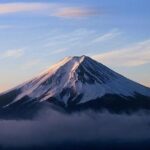
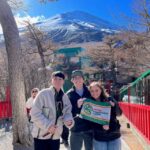
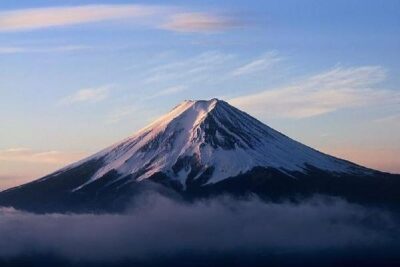
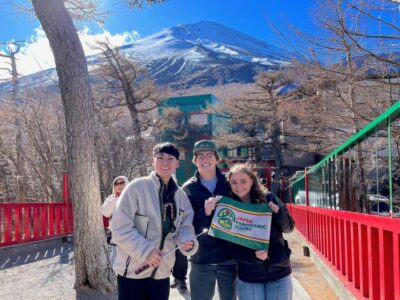
Mt. Fuji 5th Station is the iconic stop, halfway up the mountain, around 2,300m above sea level. You are there long enough to step out, walk a few lanes, and take in the landmark features people come for, like the torii gates and small shrine areas, plus a souvenir zone.
This is also where you will feel the weather and temperature shift the most. Even in warmer months, the day can dip noticeably once you reach higher ground. In winter, conditions can be intense, and that is when the tour may not be able to access certain points if the Subaru Line closes.
What you love about this stop is that it feels like the mountain’s cultural front door. Fuji is treated like a spiritual presence here, not a random scenic peak, and that tone comes through immediately.
Possible drawback: time can feel tight. Several guests say they wished for longer to breathe, wander more slowly, and explore at a less rushed pace. If you want a real hike or a long, unhurried look at the views, this kind of day trip will feel like a highlight reel, not a full climb.
The Hakone loop runs several ways. Here are the rest
- Private Tour to Mt. Fuji and Hakone (Fully Licenced Operator)★ 5.0 · 1,910 reviews
- Mt Fuji & Hakone Cruise, Drum Show Bus 1 Day from Tokyo★ 4.0 · 1,287 reviews
- From Tokyo: Mt. Fuji & Hakone Tour w/ Return by Bullet Train★ 4.2 · 1,278 reviews
- Mt Fuji and Hakone 1-Day Bus Tour Return by Bus★ 4.5 · 929 reviews
- Tokyo: Mt. Fuji, Kamakura, Big Buddha, & Lake Ashi Day Trip★ 4.5 · 867 reviews
Fuji Backup Stops When Visibility Is Low
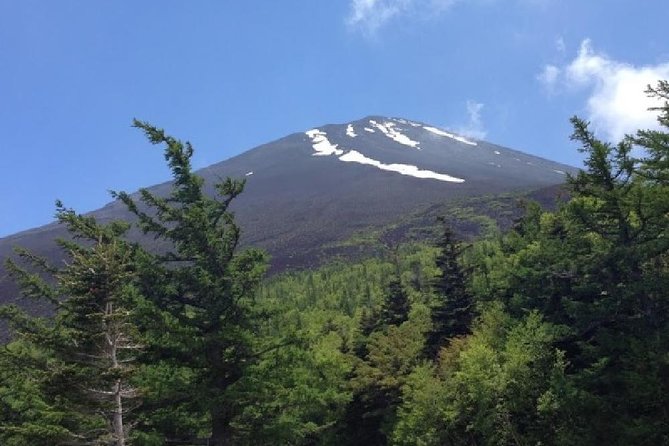
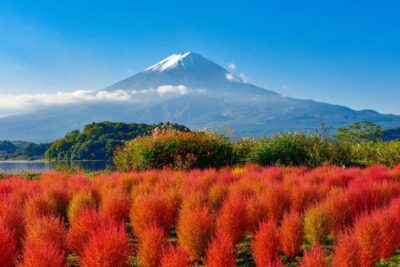
Mt. Fuji can vanish into cloud. The tour plan accounts for that by shifting to other Fuji-area experiences instead of canceling the day.
If the Fuji Subaru Line is closed, or if conditions make it unlikely you will see views from the 4th and 5th Stations, the guide can reroute to alternatives such as:
- Fujisan Museum
- Lake Kawaguchi Oishi Park
- Fujisan World Heritage Center
- Itchiku Kubota Art Museum
- Oshino Hakkai
This matters because it changes your day from purely scenic to a mix of viewpoints plus cultural stops. It is not the same as standing on the mountain, but it can still deliver a satisfying Fuji-area experience when the skies refuse to cooperate.
Lake Ashi Cruise: The Easy Win for Views and Photos
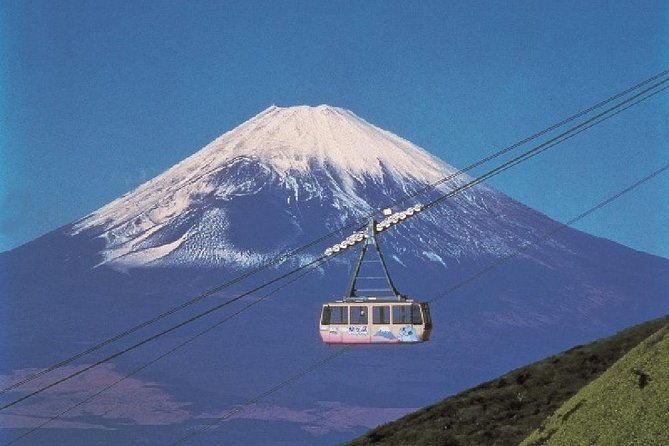
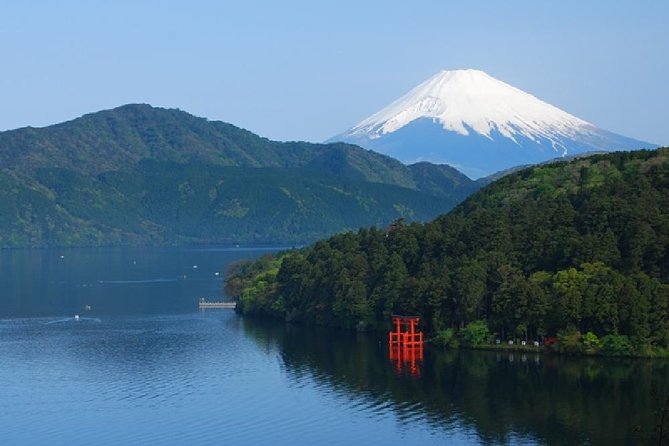
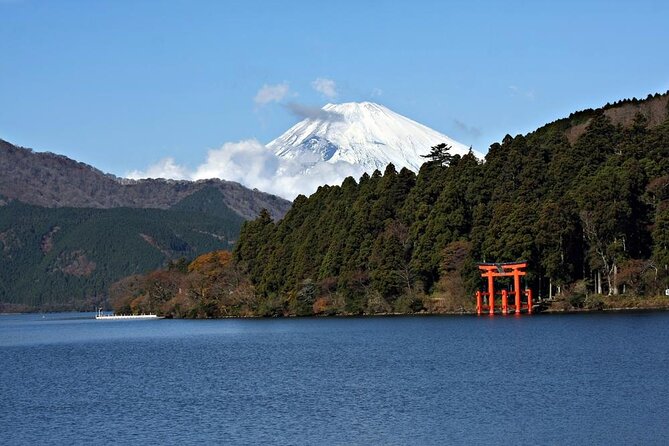
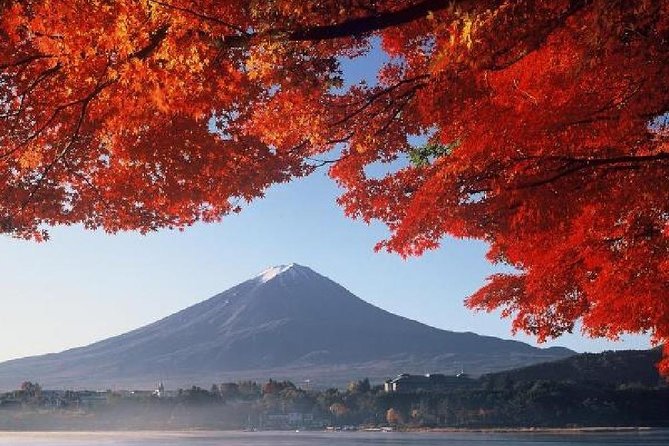
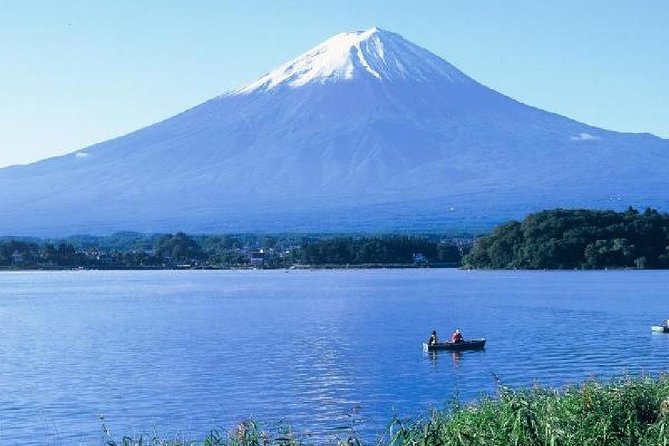
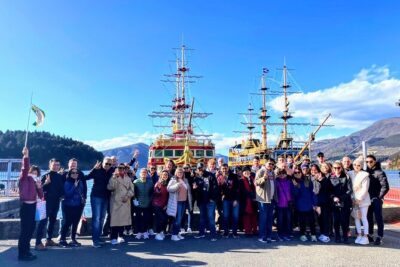
After Fuji, you move into Hakone, where Lake Ashinoko (Lake Ashi) is the star water scene. The lake sits in a crater from an eruption about 3,000 years ago, and that volcanic origin is part of the drama of the setting.
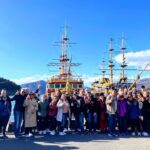
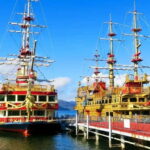
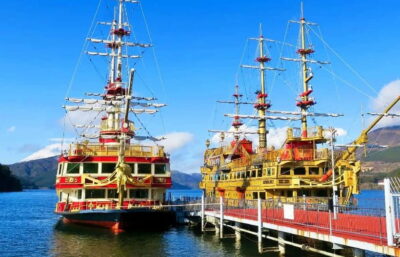
You board the Sorakaze cruise ship for an easy, relaxed ride for about 15 minutes. This is a short window, but it is built for payoff: you get wide angles across the water and chances to frame Mt. Fuji and the Komagatake area in the same shot if visibility is good.
One practical tip: the cruise is short, so treat it like a photo sprint with breathing room. If you want a slow wander mood, do not expect to stretch your legs much here. Instead, use the time for skyline photos, then jump back into the day.
Also, if you are hoping for a full narration during the boat portion, that is not guaranteed in every setup. What you can rely on is the overall guidance from the group plus optional multilingual audio support in the vehicle. If you care about context, listen during the bus parts so the cruise is the visuals.
Komagatake Ropeway: Cable Car Time Plus Spiritual Stops
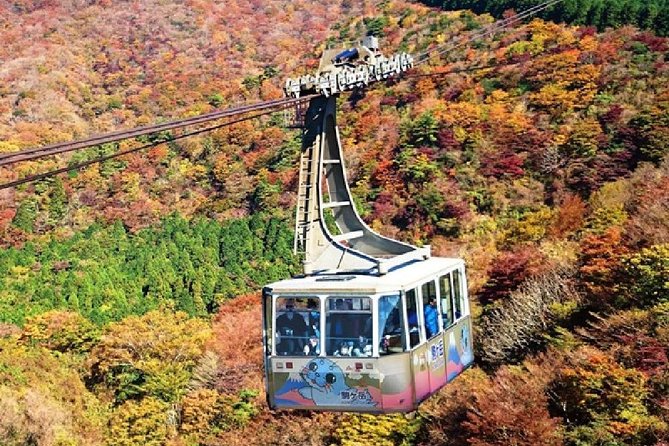
The Hakone Komagatake Ropeway is one of the most direct ways to get above the lake and open up the views. You ride up by cableway to the area around Hakone Shrine Mototsumiya, then you have about 50 minutes total on this section, including time to wander and take in the panorama.
This is where Hakone starts to feel different from Fuji. The air feels sharper, and you get that layered mountain look across the national park area. When conditions are clear, the summit views can stretch toward the Izu Peninsula and even the Izu islands.
A caution that comes up for some visitors is that the ropeway time can feel like a budget version of a full sightseeing day, especially if you compare it to more time-intensive Hakone routes. Still, for a one-day plan from Tokyo, it is a smart use of time because it buys height quickly without requiring a long hike.
Lunch at Fuji Zakura Hotel, Plus Wadaiko Drums
Lunch is included if you choose the option with meals. You eat at Fuji Zakura Hotel and typically get a Japanese-style set meal with tea or coffee, with a planned stop time of about 50 minutes.
Meal options include:
- Vegetarian
- Muslim-friendly (no pork or alcohol, not halal certified)
- Indian thali (vegetarian, no meat or fish)
One smart note for planning: lunch is held at a specific facility, and if you choose the no-lunch option, the tour does not provide another reliable place to buy food at the lunch break. The safest move if you skip lunch is to pack snacks before you depart Tokyo.
During the lunch break area, there is usually a wadaiko (Japanese drum) performance. The idea is to add culture without adding travel time. There are limits though: the performance may not be viewable if the bus arrives late due to road conditions, and it may be canceled in some cases, such as February 28, 2026.
The Guide Can Make or Break a Long Day
A day like this lives and dies by pacing, explanations, and keeping people organized. This tour depends on its guide, and you can see that in the way people talk about guides by name.
In past departures, you might be with guides such as Nao, Hiro, Ito San, Joe, Miko, Toshi, or Marie, and the common thread is that they keep the day moving without making it feel like a rushed checklist. They explain what you are looking at, give practical how-to guidance, and help you understand why places matter, not just what is there.
If your priority is cultural context, this is a major advantage. It is also why the included guide interpreter fee is a real part of the value, not just fine print.
How Timing Works: Fixed Stop Windows, So Plan for Focus
The day is built around stop blocks that are short on purpose:
- Mt. Fuji 5th Station: about 30 minutes
- Lunch stop: about 50 minutes (only if you choose lunch)
- Lake Ashi cruise: about 15 minutes
- Komagatake Ropeway: about 50 minutes
That is enough time to do the essentials at each highlight, but it is not enough for long wandering. If you go in expecting short visits plus scenic photos, you will enjoy it more.
You also need to remember that traffic and road conditions can shift order and timing. The tour notes that the order and arrival times are estimates, and the guide may adjust based on congestion and weather. So bring patience, not a strict schedule mindset.
Price and Value: What $122.55 Buys You
At $122.55 per person, this is not a cheap tour on paper. But it can be good value if you price in what is included:
- round-trip bus from Tokyo
- air-conditioned and heated coach
- admission fees included for the stops
- English guide interpreter support
- optional lunch if you select that option
A big part of the value is you are paying for time management. Getting to the Fuji and Hakone area efficiently from central Tokyo is the hardest part for many independent travelers. This tour hands you that structure.
The flip side is that the day is sensitive to conditions. If Mt. Fuji cannot be seen from the mountain base viewpoints, the tour will still run and substitutions may happen, and refunds are not given just because the views are missing. This is one of the biggest reasons the price can feel unfair to some people when weather blocks the main attractions.
So I think the real question is this: are you okay with a plan that might trade scenery for Fuji-area alternatives? If yes, the price starts to look reasonable for a one-day hit list.
Who This Trip Suits Best (And Who Should Skip It)
This is a strong fit if you:
- want Mt. Fuji plus Hakone in one day from Tokyo without public-transport stress
- like a mix of viewpoints and easy, guided experiences
- appreciate included admissions and a guide who keeps the long ride useful
- enjoy boat rides and ropeways more than long hikes
It may not be the right choice if you:
- dream of spending hours at the 5th Station or doing a serious climb
- are the type who needs guarantees for clear Fuji views
- dislike coach days and want more slow travel time in fewer places
If you are traveling in a winter month, pack for cold. Mt. Fuji-area temperatures can drop fast, and the tour expects you to dress warm for altitude.
Should You Book This Mt. Fuji and Hakone Day Trip?
I’d book this if you are short on time in Tokyo and want an efficient, guided sampler of Fuji and Hakone highlights. The included admissions, the coach convenience, and the structured stops make it a practical way to see the region without planning. If you choose the lunch option, the drum performance adds a fun cultural moment with minimal extra effort.
I would not book it if your top priority is one specific view with no substitutions. Weather can take the day in a different direction, and the main stops are time-boxed by design.
If you do book, come prepared for cold, think photo-first at each stop, and lean on the guide for context so the day feels more than just a checklist.
FAQ
Where do you meet for this Mt. Fuji and Hakone tour?
The meeting point is the JTB Sunrise Tours Sales Office at 2-chōme-2-2 Nishishinjuku, Shinjuku City, Tokyo.
What time does the tour start, and when does it end?
It starts at 8:10am. The tour typically concludes between 6pm and 9pm upon arrival in the Tokyo area, depending on your drop-off option.
How long is the tour?
The duration is approximately 12 hours 35 minutes.
Is lunch included?
Lunch is included only if you select the with lunch option. Without lunch, meals are not included and you are told there are no cafes or restaurants near the lunch break area.
What meals are available with the lunch option?
The tour offers vegetarian, Muslim-friendly (no pork or alcohol, not halal certified), and Indian thali options (vegetarian with no meat or fish), as well as a standard Japanese-style meal.
What happens if Mt. Fuji is not visible or the Subaru Line is closed?
If the Fuji Subaru Line is closed, or if views are not expected from the 4th and 5th Stations due to weather, the guide will take you to alternative Fuji-area facilities such as Fujisan Museum, Lake Kawaguchi Oishi Park, Fujisan World Heritage Center, Itchiku Kubota Art Museum, or Oshino Hakkai.
What if the Lake Ashi cruise or Komagatake Ropeway are not operating?
If those parts cannot operate due to weather or road conditions, the tour will use alternative facilities, which can include options like Hakone Pirate Ship, Hakone Ropeway, Owakudani, or Oshino Hakkai, among others.
Does the tour include admission fees and a guide?
Yes. Admission fees for the included activities are handled as part of the tour price, and a national government licensed English guide interpreter fee is included.
The Hakone Loop, Reviewed
Mount Fuji, Three More Ways
Newest Tokyo write-ups from the Loving Japan desk

Mount Fuji Day Trips, side by side.
 ★ 5.0Mt Fuji and Hakone 1-Day Bus Tour Return by Bullet TrainFrom $16326,383 reviews
 ★ 4.0Mt Fuji & Hakone Cruise, Drum Show Bullet Train 1 Day from TokyoFrom $1497,413 reviews
 ★ 4.4Tokyo Mt Fuji 5th St & Hakone Cruise Bus Tour w/Bullet TrainFrom $1545,024 reviews
 ★ 4.5From Tokyo: Mount Fuji Full-Day Sightseeing TripFrom $684,970 reviews
 ★ 4.7Mt. Fuji Tour, Hakone Ropeway, Owakudani, Lake AshiFrom $544,002 reviews
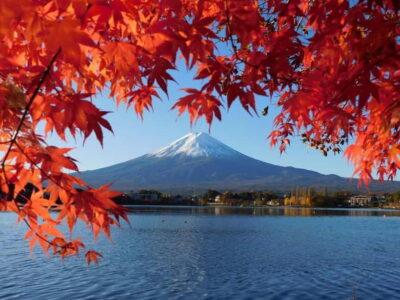 ★ 4.4Mt.Fuji,Kawaguchiko Oishi Park,Arakurayama Sengen ParkFrom $542,682 reviews
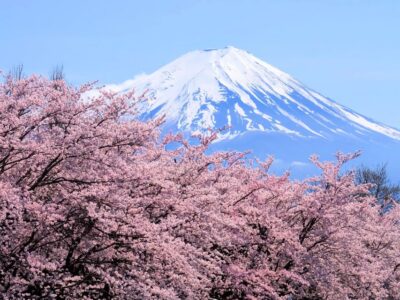 ★ 4.2Mt. Fuji 5th Station & Hakone Cruise 1-Day Bus TourFrom $1292,381 reviews
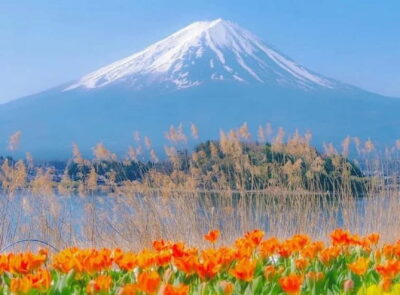 ★ 4.7Mt Fuji Top 5 Spots Day Tour: Arakurayama Park,Oshino HakkaiFrom $532,066 reviews