

REVIEW · MOUNT FUJI DAY TRIPS
Mt. Fuji Guided Scenic Trike Adventure from Lake Kawaguchi
Mt. Fuji looks different from a trike seat. This guided scenic ride around Lake Kawaguchi puts you on an open-air trike with a local route plan, so you can enjoy the views instead of handling directions. I like how the crew keeps things organized, starting with a briefing that makes the ride feel manageable.
I also like that Haggy (and the team) shoot photos and videos during the tour, then share them after you’re back. The main catch is the driver requirement: if you want to drive, you need an International Driving Permit (IDP, 1949 Geneva Convention) plus your original home license.
In This Review
- Key things to know before you go
- Why an open-air trike around Fuji feels like the point
- Morning vs afternoon: choose your Fuji mood
- Meeting at Rental Trike BOSS and how the 3 hours really work
- How the guide turns “good views” into real photo opportunities
- Lake Kawaguchi, traditional villages, and the stop rhythm that keeps it fun
- Price and value: what you’re really paying for
- Licenses, rules, and clothing that can ruin your day if ignored
- Who should book this trike adventure, and who should skip
- Tips to make the ride smoother on the ground
- Should you book this Mt. Fuji Scenic Trike Adventure from Lake Kawaguchi?
- FAQ
- Do I need an International Driving Permit (IDP) to ride the trike?
- What if I am only a passenger?
- How many people can ride per trike?
- How long is the tour, and what does it include?
- What time do I need to arrive at the meeting point?
- What languages does the guide speak?
- Is food included in the tour price?
- Are entrance fees to attractions included?
- What should I wear or not wear?
Key things to know before you go
- An eye-catching open-air trike ride you won’t see as a standard rental option in the Fuji area
- Two route styles to choose from morning for riding comfort, afternoon for lakeside sightseeing
- Local guiding with controlled pacing you follow in formation rather than self-navigating
- Built-in photo stops plus guided photo/video so you spend more time enjoying and less time hunting viewpoints
- Small group size limited to 3 participants, which makes the experience feel personal
- Up to 2 people per trike and passengers do not need a driver’s license
Fuji from Fujikawaguchiko: the other approaches
- From Tokyo: Mount Fuji Full Customized Tour English Guide
★ 5.0 · 137 reviews - Mt Fuji Hakone/Enoshima Tour:Optional Ropeway/Lake Ashi Boat
★ 4.3 · 49 reviews - From Kawaguchiko: Mt. Fuji Private Tour with a Local Guide
★ 5.0 · 35 reviews - Tokyo: Mt. Fuji Hidden Gems and Aokigahara Forest Tour
★ 4.6 · 20 reviews
Why an open-air trike around Fuji feels like the point
If your idea of Mt. Fuji touring is mostly buses, cars, and packed viewpoints, this changes the texture fast. The trike is open-air, so you feel the breeze around Lake Kawaguchi and you get that playful “we’re actually moving” feeling instead of a slow, window-only experience.
The bigger practical win is the format. This is not a self-drive rental. A guide leads the route, and you ride at a controlled pace while staying in safe formation. That matters because Fuji-area roads can be busy, and navigating on your own would add stress right when you want to be relaxed and looking ahead.
Also, the trikes are described as stable and easy to handle, so you are not stuck imagining what a new vehicle type will feel like. One review specifically mentioned people in their mid 60s finding the trikes easy to manage, which is a good signal if you want confidence more than adrenaline.
Morning vs afternoon: choose your Fuji mood
This tour has two routes, and the difference is more than just timing. Morning is designed as a riding-focused loop, aiming for smoother roads and open scenery across the Fuji Five Lakes area. It still includes selected photo spots, but the emphasis is on enjoying the ride first and sightseeing second.
Afternoon shifts into a sightseeing-focused mode. You follow lakeside roads around Lake Kawaguchi and visit popular sightseeing areas and famous Mt. Fuji viewpoints. If photos are your main goal, afternoon tends to align well because the route is built for viewpoints and atmosphere.
Which one feels better depends on your travel style. If you like movement and want the ride to be the headline, go morning. If you want the most time oriented toward viewpoints, go afternoon.
Meeting at Rental Trike BOSS and how the 3 hours really work
Plan around the fixed tour timing. For the morning tour, you arrive at 09:00 and the ride starts at 10:00. For the afternoon tour, you arrive at 14:00 and the ride starts at 15:00.
That arrival window is not optional because you need check-in, a safety briefing, and riding instructions before you mount up. Late arrivals may not be able to join, so I suggest treating the meeting time as serious business, not a vague start.
The meeting point is at Rental Trike BOSS, across from the Happy Drink vending machine near Lawson Kawaguchiko Ohashi. If you like certainty, search Rental Trike BOSS in Google Maps and you should be able to spot the shop quickly.
Once the briefing is done, you follow your guide at a controlled pace. The tour time is about 3 hours total, including that pre-ride training and the ride itself. During the tour, Haggy takes photos and videos of your ride, and then shares them after you return to the shop.
- Mt. Fuji Guided Scenic Trike Adventure from Lake Kawaguchi★ 5.0 · 15 reviews
How the guide turns “good views” into real photo opportunities
A lot of guided tours tell you where to stop, then give you a quick minute at a viewpoint. Here, the stops are described as carefully selected photo locations, and that changes how the route feels. Instead of guessing which road angle will work, you’re being guided to spots that match the Mt. Fuji framing you want.
It also helps that you’re riding rather than standing in one place all the time. Your perspective shifts as you move around Lake Kawaguchi, so the views feel more layered. Open-air riding adds to this because you are not looking through glass, and you can angle yourself naturally for photos when you stop.
One of the most praised parts in the feedback is Haggy’s attention to photos. Multiple people highlighted that the guide took strong pictures of the group with Mt. Fuji and Lake Kawaguchi in the background. If you want a clean set of “we were there” images without spending your whole day playing photographer, this is built for that.
A small practical tip: listen to the guide during stops. Those photo spots usually come with a reason, like timing, line of sight, or angle. If you wander off, you might miss the best setup.
Lake Kawaguchi, traditional villages, and the stop rhythm that keeps it fun
Lake Kawaguchi is the star setting for this whole experience, and the tour is designed to let you see it from multiple angles along the route. Afternoon especially is described as lakeside-road touring with sightseeing areas and famous Mt. Fuji viewpoints.
Beyond the viewpoint stops, the tour can include visits connected to traditional areas. One review mentioned visiting Saiko Iyashi no Sato Nenba, described as a healing village with traditional houses. Another mentioned a stop involving a festival and a village of traditional houses. That kind of stop is valuable because it gives you a break from pure scenery chasing, plus it adds cultural texture to the trip.
You may also have the chance to stop for a traditional lunch. That sounds appealing, but food and drinks are not included in the tour price, so treat it as an optional spend when you see something you want.
If you plan to pay for attractions, note that entrance fees to paid attractions are not included. So if the traditional village or festival spot you visit has ticketed areas, you’ll want to budget separately.
Price and value: what you’re really paying for
The price is listed as $161, and it is priced per trike. Up to 2 people can ride per trike, so this can be better value if you split the ride with a companion who wants the experience.
What makes it feel like value is what’s included. You get the guided tour, the 3-wheeled trike rental during the tour, a safety briefing and riding instructions, fuel, basic insurance coverage, and photo stops.
If you were trying to DIY this, you would still need to handle driving logistics, route planning, and the “where should we stop for photos” problem. Here, the guide handles that. You are paying for convenience plus road knowledge plus pacing, which is what turns a “sightseeing day” into a smoother experience.
Small group size also matters. The tour is limited to 3 participants, so you are not one face in a big group getting rushed through stops. You can ask questions in English or Japanese, and the guide can manage the formation without turning it into a production.
Licenses, rules, and clothing that can ruin your day if ignored
This part is not optional, so double-check early. If you want to drive the trike, you need a valid International Driving Permit (IDP) issued under the 1949 Geneva Convention. You also must bring your original driver’s license from your home country. Passengers do not need a driver’s license.
Good news: you do not need a Japanese driver’s license. The requirement is about making sure your IDP and home license match.
If you are traveling light, remember the clothing rule. Warm clothing is recommended, and you cannot wear sandals or flip flops. Closed, secure footwear is smart because you’ll be on the trike, and you don’t want to feel unstable or get uncomfortable in breeze and cool air.
Rules also include no alcohol or drugs, and no alcoholic drinks in the vehicle. Also, the tour is not suitable for pregnant women. If that applies, I would look for a different Fuji-area experience.
For families: children can ride safely with seat belts provided, so it’s not restricted to adults only. If you have a child passenger, it’s worth planning for their comfort in open-air conditions.
Who should book this trike adventure, and who should skip
This is a strong fit if you:
- want open-air fun around Mt. Fuji without the hassle of self-driving decisions
- like photo stops guided for views rather than just random pulls over
- want a local guide who leads you at a controlled pace, especially if you’re new to vehicles like this
- appreciate small group touring, where you can actually talk to the guide
- want the guide to handle photos and video during the ride
It’s especially appealing if your group includes people who might not want a full day of city walking but still want memorable moments with Mt. Fuji and Lake Kawaguchi.
Skip this one if you do not have the required IDP for the driver role. Even if you could be a passenger, the tour is built around drivers riding the trikes and following the guide’s formation.
Also, if open-air rides in cool weather feel like a dealbreaker for you, plan your clothing carefully. Warm layers are specifically recommended for a reason.
Tips to make the ride smoother on the ground
Here are the practical things that tend to matter most with tours like this.
First, arrive early enough to be calm. You must arrive at the shop at the specified meeting time for check-in, the safety briefing, and riding instructions. Treat it like a safety class, not a casual meet-up.
Second, bring the right documents on paper and physical form. The IDP needs to be valid, and you need your original home license with it. If you forget, you may lose the chance to drive.
Third, lean into the photo plan. When Haggy calls out photo spots, listen and align your timing. The guide’s job is to know which angles will work, and the most praised part of the experience is that the guide actively captures your group against Mt. Fuji and the lake.
Finally, plan your expectations about food and attractions. Food and drinks are not included, and paid attractions can have entrance fees. You can still enjoy lunch or optional visits, just budget for them.
Should you book this Mt. Fuji Scenic Trike Adventure from Lake Kawaguchi?
I think you should book it if you want Mt. Fuji without the stress of self-driving and you like the idea of open-air riding with a guide who leads you to photo spots. The biggest strengths are the guided approach, the easy-to-handle trikes, and Haggy’s hands-on photo/video help that many people highlight as a major reason they’d recommend this.
You might skip it if you do not have the IDP for the driver role, or if you dislike open-air experiences. Also, if you mainly want guaranteed ticketed attractions and included meals, this tour is more about the ride plus viewpoints than about bundled entry fees.
If you can meet the IDP requirement and you want a fun, scenic way to experience Lake Kawaguchi and Mt. Fuji, this is a very solid choice.
FAQ
Do I need an International Driving Permit (IDP) to ride the trike?
If you want to drive the trike, yes. A valid IDP is required, issued under the 1949 Geneva Convention, and you must also show your original home driver’s license.
What if I am only a passenger?
Passengers do not need a driver’s license. The IDP requirement is for the drivers.
How many people can ride per trike?
Up to 2 people can ride per trike.
How long is the tour, and what does it include?
The total experience time is about 3 hours, including check-in, a safety briefing, and riding instructions before departure.
What time do I need to arrive at the meeting point?
For the morning tour, arrive at 09:00. For the afternoon tour, arrive at 14:00. The tours start at 10:00 and 15:00 respectively.
What languages does the guide speak?
The live tour guide speaks English and Japanese.
Is food included in the tour price?
No. Food and drinks are not included, though you may have opportunities to stop for meals during the ride.
Are entrance fees to attractions included?
No. Entrance fees to paid attractions are not included.
What should I wear or not wear?
Do not wear sandals or flip flops. Also, alcohol and drugs are not allowed, and you cannot have alcoholic drinks in the vehicle.
Mount Fuji, Three More Ways
Newest Fujikawaguchiko write-ups from the Loving Japan desk

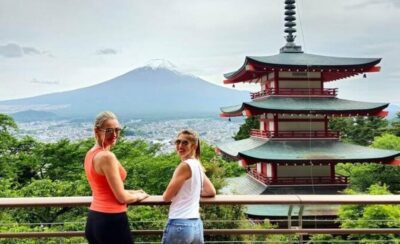
Mount Fuji Day Trips, side by side.
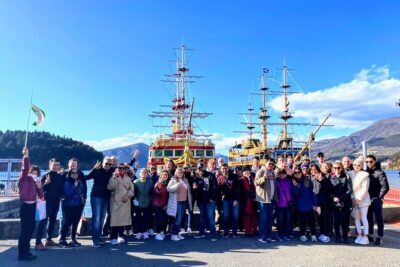 ★ 5.0Mt Fuji and Hakone 1-Day Bus Tour Return by Bullet TrainFrom $16326,383 reviews
 ★ 4.0Mt Fuji & Hakone Cruise, Drum Show Bullet Train 1 Day from TokyoFrom $1497,413 reviews
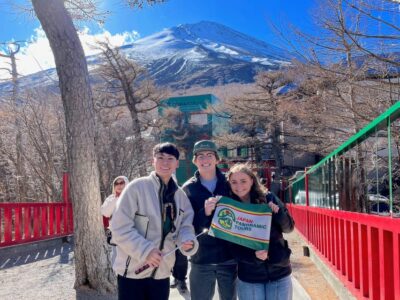 ★ 4.4Tokyo Mt Fuji 5th St & Hakone Cruise Bus Tour w/Bullet TrainFrom $1545,024 reviews
 ★ 4.5From Tokyo: Mount Fuji Full-Day Sightseeing TripFrom $684,970 reviews
 ★ 4.7Mt. Fuji Tour, Hakone Ropeway, Owakudani, Lake AshiFrom $544,002 reviews
 ★ 4.4Mt.Fuji,Kawaguchiko Oishi Park,Arakurayama Sengen ParkFrom $542,682 reviews
 ★ 4.2Mt. Fuji 5th Station & Hakone Cruise 1-Day Bus TourFrom $1292,381 reviews
 ★ 4.7Mt Fuji Top 5 Spots Day Tour: Arakurayama Park,Oshino HakkaiFrom $532,066 reviews
Filed on these lists too