
REVIEW · MOUNT FUJI DAY TRIPS
Mt Fuji Hakone/Enoshima Tour:Optional Ropeway/Lake Ashi Boat
Fuji day trips are rare. This one strings the best parts together.
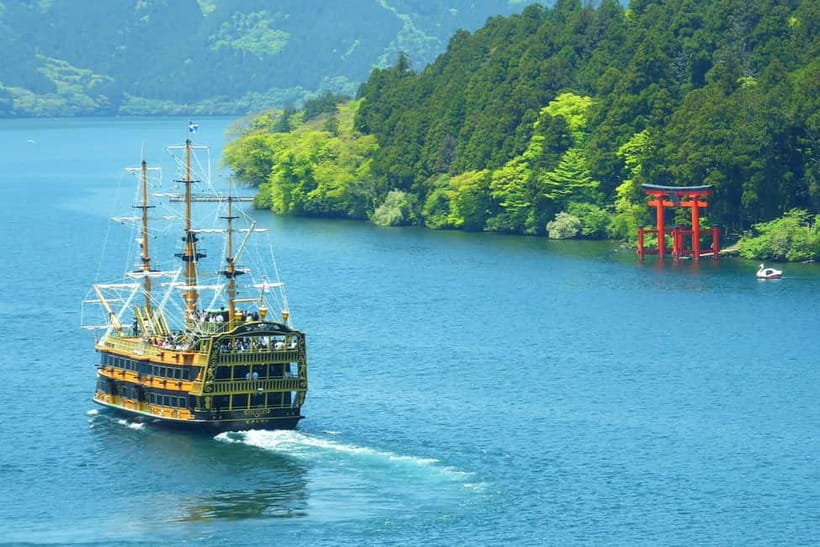
I love the Lake Ashi pirate ship cruise with that near-magical red torii look on calm water, and I love the Owakudani black eggs experience for both the steam-valley drama and the simple, snackable tradition. The main drawback to plan around is weather, because you are counting on Mt. Fuji views that are not guaranteed.
From Tokyo, this is a long but efficient 10 to 11 hour outing packed with real sights, not just bus windows. You’ll ride in an A/C vehicle with a multilingual guide (English, Japanese, and Chinese), plus a driver who keeps things moving when traffic gets stubborn.
One more thing I like for your planning: the pacing leaves room to enjoy photos and short stops, but you will still need comfortable shoes and a flexible mindset. If you get a guide like Wanting, expect extra clarity and helpful multi-language commentary; if the guide is also driving (smaller groups), you may get more drop-off style timing.
In This Review
- Key points worth knowing before you go
- A Smooth Tokyo Day Trip: Timing, Group Size, and What You Can Control
- Hakone Shrine and the Torii You Came for
- Pirate Ship Cruise on Lake Ashi: Breezy Views That Feel Like a Story
- Hakone Ropeway Over Volcanic Views: Worth It If Weather Treats You Well
- Owakudani Volcanic Valley and the Black Eggs for Seven-Year Legend
- Enoshima Island: Shrine Steps, Sea-Air Snacking, and Benzaiten Nakamise Dori
- Price and Logistics: Real Value for a Packed Day
- Who This Mt Fuji Hakone Enoshima Tour Fits Best (and Who Should Skip It)
- Guides Matter: The Difference Between Helpful and Just Drop-Off
- Should You Book This Mt Fuji Hakone Enoshima Tour?
- FAQ
- How long is the Mt Fuji Hakone Enoshima tour?
- What is included in the tour price?
- Are food and drinks included?
- Is Mt. Fuji guaranteed to be visible?
- What is the meeting point?
- Do I need to bring cash?
- What should I bring and wear?
- Is the tour wheelchair accessible?
Key points worth knowing before you go
- Lake Ashi pirate ship cruise turns a scenic lake ride into a themed, breezy outing
- Hakone Ropeway gives elevated views over volcanic terrain between Owakudani and Ubako
- Owakudani black eggs are a memorable stop, and the steam valley feels seriously dramatic
- Enoshima Shrine and Benzaiten Nakamise Dori combine spiritual calm with snack-and-souvenir time
- A long day with variable Mt. Fuji visibility means you should watch the forecast and keep expectations realistic
- Shared group dynamics can affect how much the guide walks with you versus providing directions
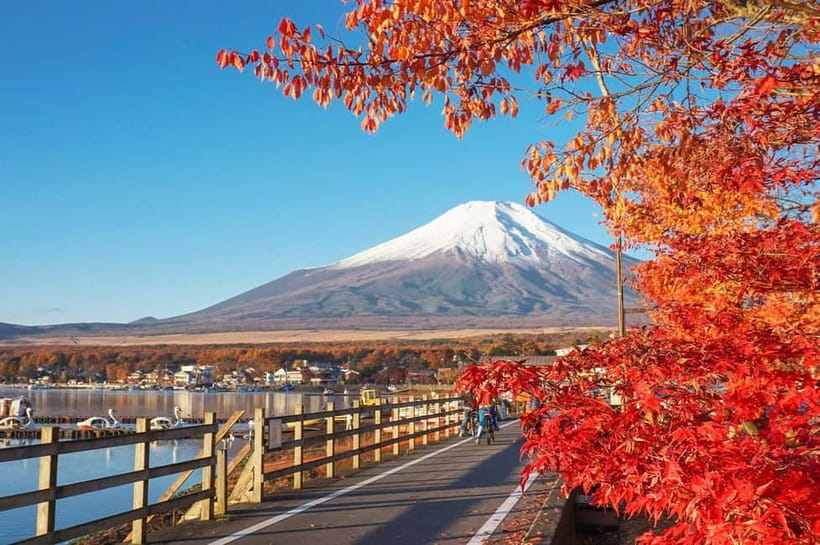
Fuji from Fujikawaguchiko: the other approaches
- From Tokyo: Mount Fuji Full Customized Tour English Guide
★ 5.0 · 137 reviews - From Kawaguchiko: Mt. Fuji Private Tour with a Local Guide
★ 5.0 · 35 reviews
A Smooth Tokyo Day Trip: Timing, Group Size, and What You Can Control
This is a shared group tour, so you are making peace with two truths: you’re covering big distances, and you’re sharing time with other people. The total time is listed as 10 to 11 hours, with a chunk of transit from Tokyo (about 2.5 hours each way in the plan).
Your biggest control lever is arriving on time. The meeting point is at Stand T, 東京MODE學園 (depending on the option you book), and you should arrive at least 15 minutes early because the area can get crowded with multiple groups.
Also, keep an eye on group size. The tour notes that if the group is under 13 people, the guide may drive, which can mean simpler commentary and less time walking with you through attractions. That does not ruin the day, but it changes the feel from guided companion to logistics manager.
Hakone Shrine and the Torii You Came for
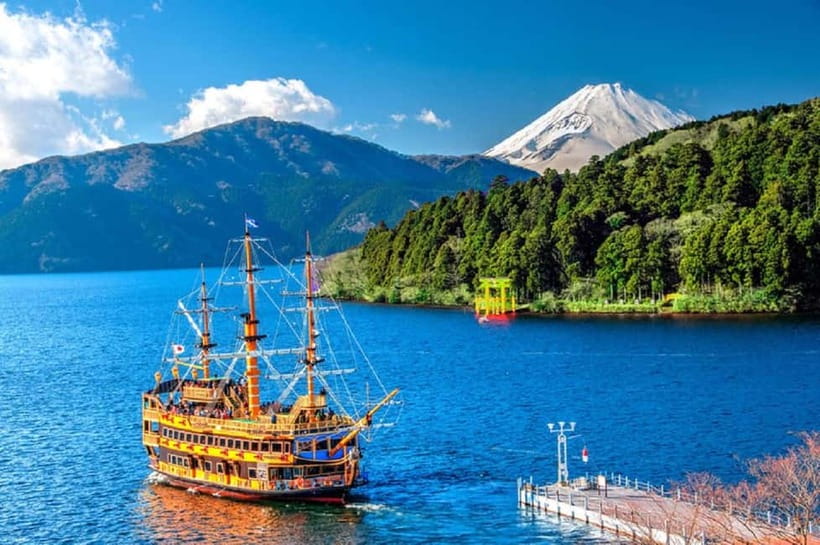
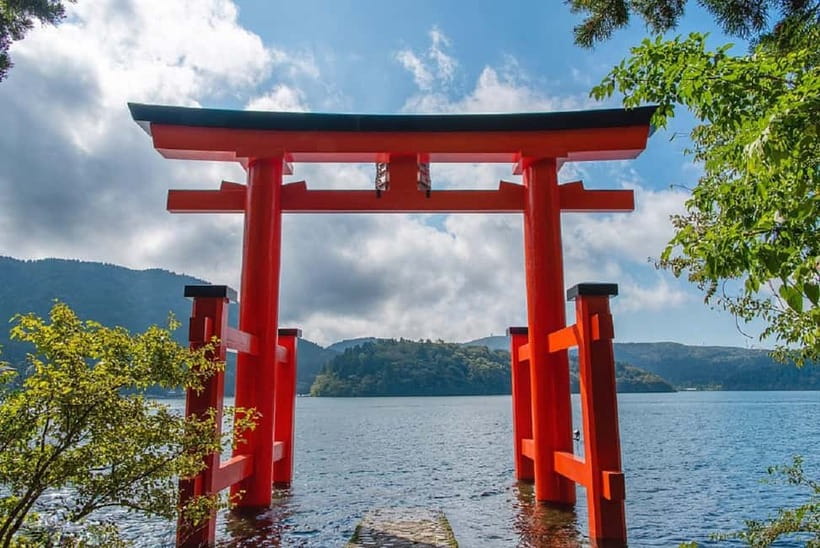
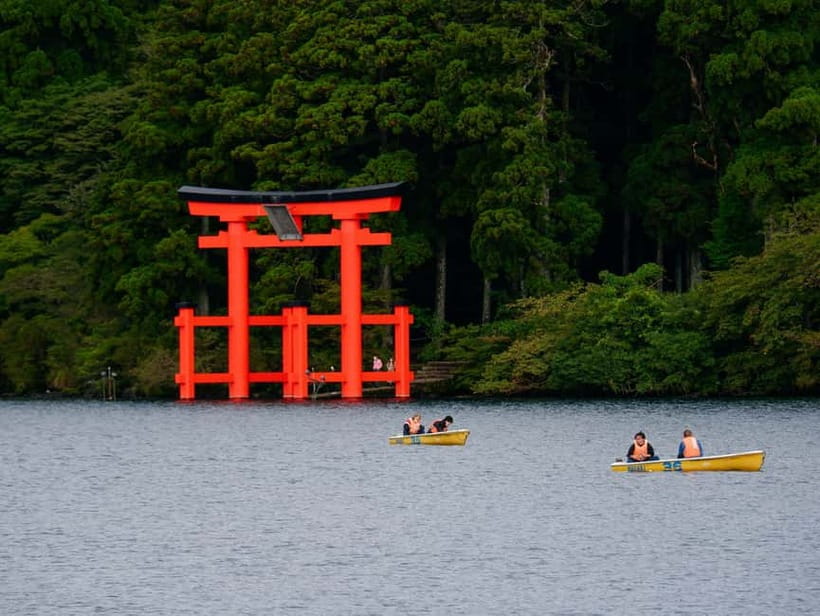
The tour’s first major stop is Hakone Shrine, with a photo stop of about 20 minutes. The star here is the lakeside setting: Lake Ashi forms the stage for that iconic red torii gate that looks like it is floating on the water.
In practice, this is a classic “show up and frame it” moment. With the right light and clear skies, you get the strongest composition: red gate, distant mountain silhouette, and the calm water that makes the whole scene feel unreal. If clouds swallow Mt. Fuji, the shrine location still works because it is visually striking on its own.
One planning note I really appreciate: you are not locked into a long hike here. You get enough time to take the shots you want, move on, and save energy for the steam valley and the island later.
Pirate Ship Cruise on Lake Ashi: Breezy Views That Feel Like a Story
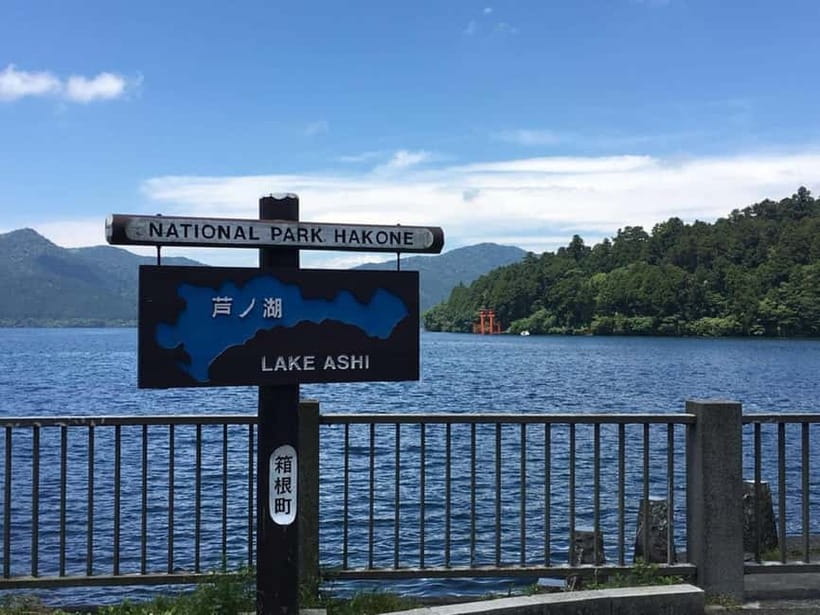
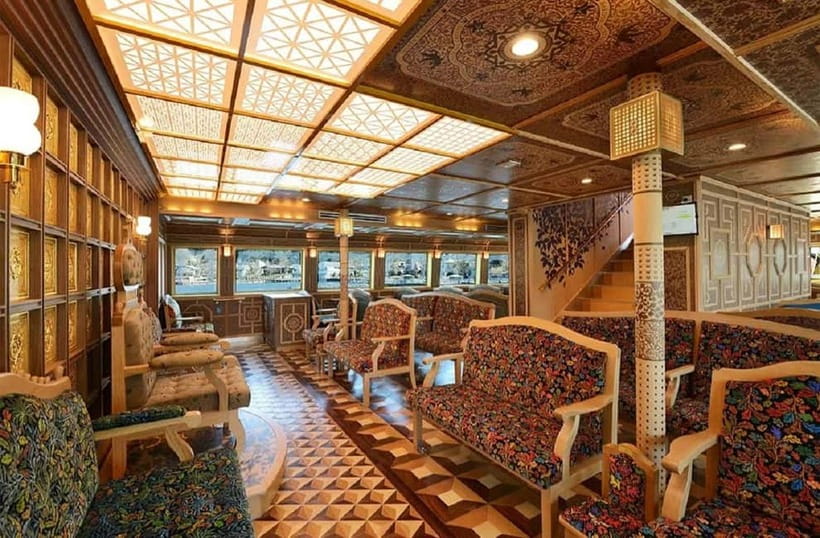
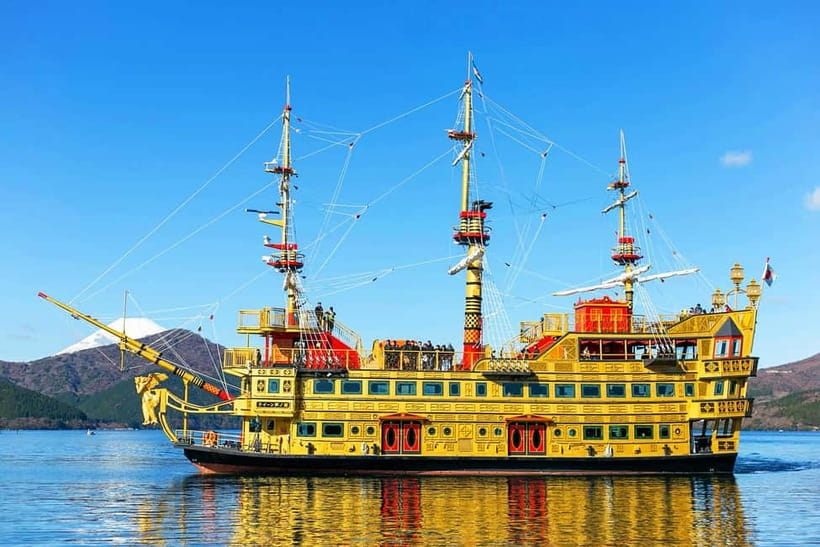
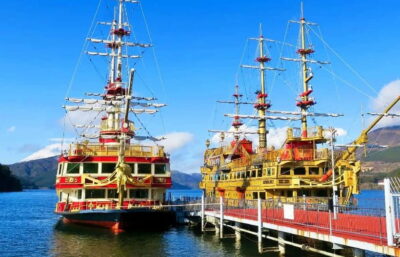
Then comes the highlight that many people remember first: the themed Hakone sightseeing cruise on Lake Ashi, for about 30 minutes. The vessel is described as a pirate ship, and the tone is definitely playful, but the payoff is real scenery.
You’ll board and head across the lake with crisp breeze, and from the open deck you have a strong chance at panoramic views. Even if Mt. Fuji is partly hidden, you can still get that layered effect: water reflections, mountain shapes, and the red torii in the distance.
I like this stop because it breaks up the day. After bus rides, stepping onto the boat resets your focus. You also get a change of pace, which matters when you have to hit ropeway and Owakudani later.
Hakone Ropeway Over Volcanic Views: Worth It If Weather Treats You Well
The ropeway ride is about 30 minutes and connects you with views over the volcanic area between Owakudani and Ubako. This is not just a transit tool. It’s your aerial “look around” moment, and it can make the volcanic region feel more understandable.
As the cable car lifts, you should expect a widening view of Lake Ashi below and volcanic terrain in the mid-ground. The experience description emphasizes steam vents and rugged ground, so when it’s clear, you get that bird’s-eye perspective of what makes the area special.
Real talk for your planning: ropeway timing matters because it fits into the flow of the day. If conditions are foggy, the ropeway still has value, but Fuji visibility may be limited. That’s why watching the forecast in advance is more than a checkbox.
Owakudani Volcanic Valley and the Black Eggs for Seven-Year Legend
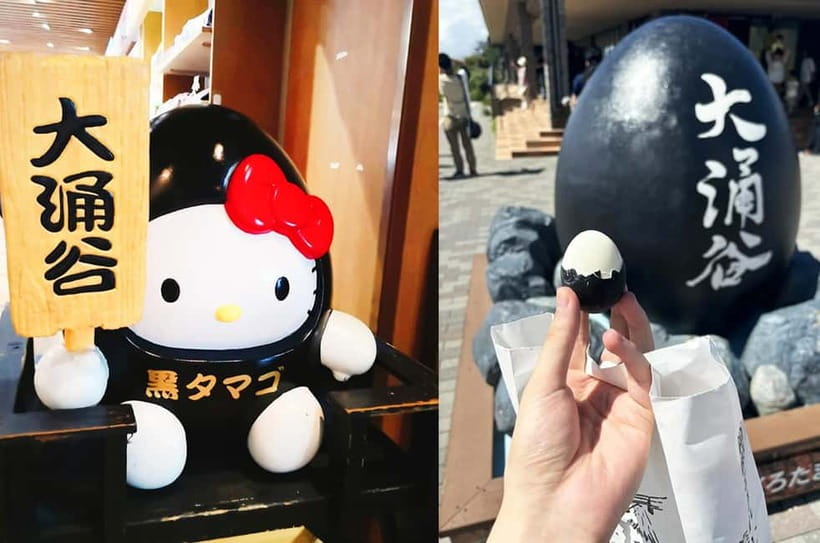
If you want drama, go straight to Owakudani. The tour includes a photo stop and sightseeing time of about 40 minutes in this volcanic valley. Expect sulfurous steam, active vents, and a mineral smell in the air that lets you feel the power of the place.
The famous detail is the black eggs, boiled in hot spring water in the area. The tour description notes a popular legend that eating them adds seven years to your life. Even if you treat the “seven years” as folklore, the eggs are still a memorable, easy-to-understand ritual. It’s a snack you can point to and remember.
What’s smart about this timing is that it is long enough to look around and try the eggs, but short enough that you don’t feel trapped in a steam cloud all day. Bring water, and expect the valley to feel warmer than you think. If you’re sensitive to strong odors, plan accordingly.
Enoshima Island: Shrine Steps, Sea-Air Snacking, and Benzaiten Nakamise Dori
Enoshima is where the tour shifts from volcanic heat to island calm. You get about 2 hours on Enoshima Island, plus additional time for Enoshima Shrine (noted as Hetsunomiya) and time to explore Benzaiten Nakamise Dori.
Start with the shrine side. Enoshima Shrine is dedicated to three sister goddesses of fortune, and the tour description highlights its long tradition, along with beliefs tied to love, success, and prosperity. Even if you do not care about the mythology, the shrine area gives you a quieter rhythm after the steam valley. You can slow down on the steps and look around without feeling rushed.
Then comes the street time. Benzaiten Nakamise Dori is described as a lively shopping lane with seafood stalls, snack stops, and traditional souvenirs. The scent cues are part of it: grilled clams and sweet treats in the air, plus familiar Japanese snack-shop energy. This is a good place to decide what you want to eat, since the tour does not include food.
I also like that the tour description suggests a stroll on Komachi Street in Kamakura before you head back, depending on how the day flows. You might find that kind of add-on pleasant if you like streets with craft shops and tea houses, but treat it as “if time allows,” not a guaranteed must-do.
Price and Logistics: Real Value for a Packed Day
The price is listed at $53 per person, and for a day trip that includes transportation, taxes, parking, and a multilingual guide, it’s positioned as value-focused. The A/C vehicle helps on hot days, and having a driver reduces the stress of train transfers across Tokyo, Hakone, and Enoshima.
The big reason this feels like good value is that the tour bundles the core experiences you would otherwise piece together: Lake Ashi cruise, ropeway, Owakudani, and Enoshima. That’s four separate “projects” in one day, and a lot can go wrong when you plan it solo.
What you pay attention to is what is not included: food and drinks. So while the tour price covers the transport and major activities, you need a basic budget for meals and snacks at the island street stops. Also, bring some cash because certain locations may not accept credit cards. This is especially relevant in small stalls where paying quickly is part of the fun.
If you are the type who likes to eat well, this tour is still fine, but you’ll want to plan your lunch timing and keep it flexible. The day is busy enough that a slow sit-down meal can bump you into a time crunch.
Who This Mt Fuji Hakone Enoshima Tour Fits Best (and Who Should Skip It)
This is a strong fit for you if you want variety in one day: mountain views, a lake cruise, a cable car, volcanic sights, and a shrine island. You also benefit if you like structure. Stops are defined, timing is planned, and the guide helps bridge language gaps.
It may be a weaker fit if you want total freedom. This is shared, so you follow the group rhythm, and you will be moving on relatively quickly from place to place. If you prefer long unhurried wandering, you might feel the schedule.
The tour data also lists who should avoid it: it is not suitable for wheelchair users, and it is not suitable for pregnant women. If those factors apply, you’ll need a different plan.
Another small reality check: Mt. Fuji visibility depends on weather and cannot be guaranteed. That uncertainty is not a dealbreaker, but it changes how you should think about your photos. If you treat Fuji as a bonus rather than the whole point, the day still delivers.
Guides Matter: The Difference Between Helpful and Just Drop-Off
One thing I appreciate about this type of tour is that your experience can hinge on your guide’s style. The tour is offered with English, Japanese, and Chinese speaking guides, and the info notes that you may get multilingual explanations.
Based on what’s been shared from past participants, when the guide is like Wanting, you tend to get clear information and a strong effort to keep different nationalities connected. Another guide listed in feedback, Laila, is described as attentive and kind, and people felt the day’s planned stops actually happened smoothly.
On the other hand, I would not ignore the tour’s own note about smaller group situations. When the guide drives, you may get less walking time and more directions, which can feel less explanatory at each stop. If you want deep context and guidance, this is something to keep in mind when choosing a departure time and when you show up ready to ask questions.
Should You Book This Mt Fuji Hakone Enoshima Tour?
Book it if you want the most “Japan highlight sampler” feel in one long day and you like structured routes. The combination of Lake Ashi pirate ship cruise, ropeway, Owakudani black eggs, and Enoshima shrine and shopping street is a lot for $53, especially with transport and a multilingual guide included.
Skip it if you hate schedules, you need full accessibility accommodations, or you cannot handle uncertain Mt. Fuji visibility. Also, if you are very picky about having an on-the-ground guide at every stop, pay attention to the group-size note.
If you do book, your best strategy is simple: watch the weather, wear comfortable shoes, bring water and a camera, and arrive early so you start the day calm instead of searching for your group.
FAQ
How long is the Mt Fuji Hakone Enoshima tour?
The duration is listed as 10 to 11 hours.
What is included in the tour price?
It includes an A/C vehicle, all taxes, parking fees, and gas fees, plus an English, Japanese, and Chinese speaking tour guide and the driver.
Are food and drinks included?
No. Food and drinks are not included, and you will also have personal expenses during the day.
Is Mt. Fuji guaranteed to be visible?
No. The visibility of Mt. Fuji depends entirely on weather and cannot be guaranteed.
What is the meeting point?
The meeting point may vary depending on the option booked, but one listed option is Stand T, 東京MODE學園.
Do I need to bring cash?
Yes. The tour notes that some locations may not accept credit cards, so bringing some cash is a good idea.
What should I bring and wear?
Bring comfortable shoes, a camera, water, and comfortable clothes.
Is the tour wheelchair accessible?
No. It is not suitable for wheelchair users, based on the provided information.
Mount Fuji, Three More Ways
Newest Fujikawaguchiko write-ups from the Loving Japan desk
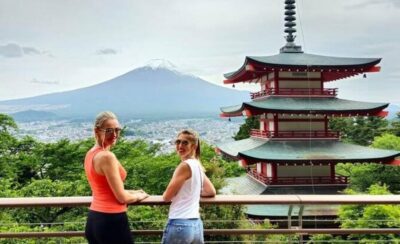
Mount Fuji Day Trips, side by side.
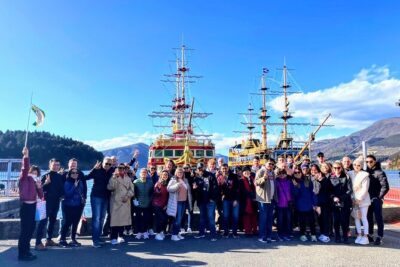 ★ 5.0Mt Fuji and Hakone 1-Day Bus Tour Return by Bullet TrainFrom $16326,383 reviews
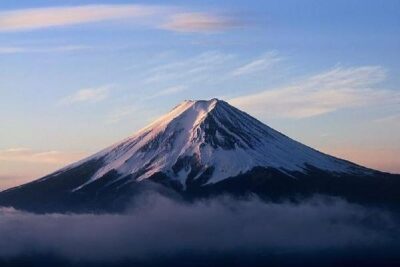 ★ 4.0Mt Fuji & Hakone Cruise, Drum Show Bullet Train 1 Day from TokyoFrom $1497,413 reviews
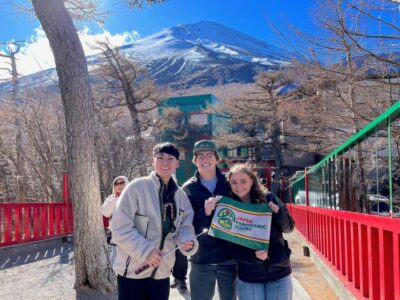 ★ 4.4Tokyo Mt Fuji 5th St & Hakone Cruise Bus Tour w/Bullet TrainFrom $1545,024 reviews
 ★ 4.5From Tokyo: Mount Fuji Full-Day Sightseeing TripFrom $684,970 reviews
 ★ 4.7Mt. Fuji Tour, Hakone Ropeway, Owakudani, Lake AshiFrom $544,002 reviews
 ★ 4.4Mt.Fuji,Kawaguchiko Oishi Park,Arakurayama Sengen ParkFrom $542,682 reviews
 ★ 4.2Mt. Fuji 5th Station & Hakone Cruise 1-Day Bus TourFrom $1292,381 reviews
 ★ 4.7Mt Fuji Top 5 Spots Day Tour: Arakurayama Park,Oshino HakkaiFrom $532,066 reviews