
REVIEW · MOUNT FUJI DAY TRIPS
Tokyo: Mt. Fuji Hidden Gems and Aokigahara Forest Tour
Mt. Fuji feels quieter today. This private 10-hour day trip strings together some of the most interesting geology and lakeside scenery around Mt. Fuji, with room to move at your pace instead of being herded on a fixed bus schedule. You’ll hit Narusawa Ice Cave, Fugaku Wind Cave, Lake Kawaguchi area viewpoints, and Aokigahara Forest in one smooth loop.
What I really like is the private car approach. You get hotel pickup and drop-off in Central Tokyo, plus an English-speaking driver, and the driving quality is repeatedly praised by names like Zeeshan, Soma, Saki, and Amane. I also appreciate the pacing choices, short enough to stay energetic, but flexible enough to pause for photos and bathroom stops without feeling rushed.
The main consideration is that your key wow-moments depend on conditions. Narusawa Ice Cave can be closed for stretches of time, and Mt. Fuji visibility is never guaranteed if clouds roll in.
In This Review
- Key highlights worth your attention
- Why this Mt. Fuji loop works better than big-bus tours
- Price and value: $577 for up to 5, plus real-world extras
- Pickup, timing, and what the 10 hours really means
- Oishi Park: your first big Mt. Fuji framing at Lake Kawaguchi
- Saiko Nenba-hama: quieter lakeside time and a good lunch rhythm
- Tatego-Hama Beach by Lake Motosuko: calm water, photo time, and breathing room
- Narusawa Ice Cave: a volcanic wonder, but check access and seasonal conditions
- Fugaku Wind Cave: geology plus a human story about silkworm eggs
- Aokigahara Forest trails: “Suicide Forest” as context, not the whole story
- Comfort and smart packing for a 10-hour Mt. Fuji day
- The best kind of traveler for this day
- Should you book it, or pick a different Mt. Fuji day?
- FAQ
- What does the $577 price include?
- Are entrance fees included for Narusawa Ice Cave, Fugaku Wind Cave, and the other stops?
- Are meals and drinks included?
- How long is the tour, really?
- Where does pickup and drop-off happen in Tokyo?
- Is the tour suitable for people with claustrophobia or for wheelchair users?
- What should I bring for the day?
- Does the tour run in rain?
- Can I eat in the car, and is smoking allowed?
Key highlights worth your attention
- Private car, English-speaking driver: Move on your schedule instead of a crowd timetable.
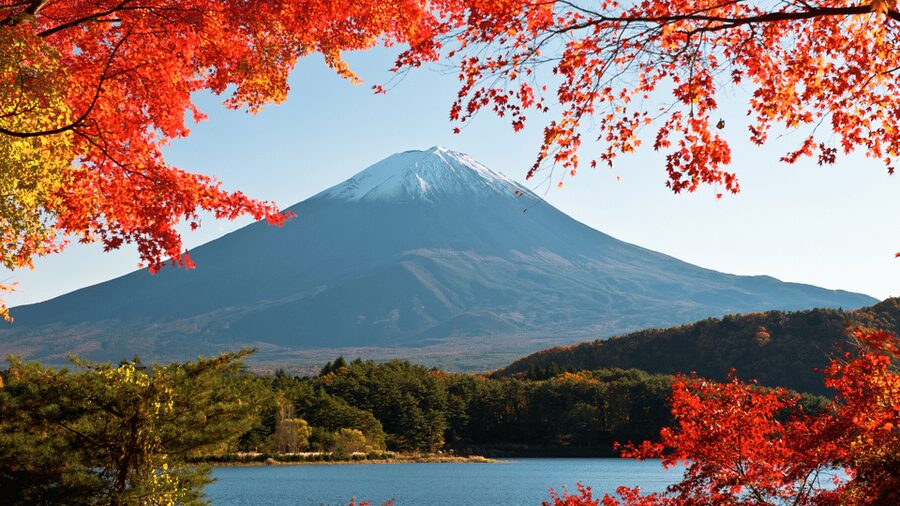
- Lake Kawaguchi views first: Start at Oishi Park for seasonal flowers framing Mt. Fuji (if the sky cooperates).
- Two volcanic caves: Narusawa Ice Cave and Fugaku Wind Cave add a science angle, not just photos.
- Quiet lakeside stops: Saiko Nenba-hama and Tatego-Hama Beach break up the day with calmer water views.
- Aokigahara Forest time: Learn the softer side of the famous woods by walking the trails for about an hour and a half.
Fuji from Fujikawaguchiko: the other approaches
- From Tokyo: Mount Fuji Full Customized Tour English Guide
★ 5.0 · 137 reviews - Mt Fuji Hakone/Enoshima Tour:Optional Ropeway/Lake Ashi Boat
★ 4.3 · 49 reviews - From Kawaguchiko: Mt. Fuji Private Tour with a Local Guide
★ 5.0 · 35 reviews - Tokyo: Mt. Fuji Hidden Gems and Aokigahara Forest Tour
★ 4.6 · 20 reviews
Why this Mt. Fuji loop works better than big-bus tours
The best thing about this tour style is control. You’re not stuck with “30 minutes at stop 1, run to stop 2” energy. Instead, you get a modern air-conditioned vehicle for the day and an English-speaking driver who can also share practical travel advice.
That matters around Mt. Fuji because the day can swing fast. Traffic, weather, and even whether a cave is accessible can change your plan. With a private setup, you can adjust on the fly, stay longer where you want, and shorten where you don’t.
The route also makes a lot of sense as a geology and nature day. You’re not only chasing vistas. You’re also seeing how volcanic activity shaped what you’re looking at, then ending with Aokigahara Forest’s distinct ecosystem and mood.
Price and value: $577 for up to 5, plus real-world extras
At $577 per group up to 5 people, this is built for shared value. If you’re traveling solo, it’s pricier than a standard bus trip. But if you’re a small group of friends or a couple who prefers comfort and control, it can pencil out quickly because you’re paying for a full private vehicle, not just seat time.
Do keep expectations balanced. Entrance fees are not included, and you also need to budget for food and drinks. The tour allows food in the car, but there’s no alcohol allowed inside the vehicle, and there can be a cleaning fee if the vehicle gets unusually dirty.
Two other cost notes matter for your day plan:
- Tickets are purchased on the spot at each stop.
- If you run overtime, there’s a stated overtime rate of 2,500 JPY for every extra 30 minutes, paid in cash to the driver.
Pickup, timing, and what the 10 hours really means
This is designed as a Tokyo pickup and drop-off experience, with hotel pickup and drop-off included for Tokyo’s 23 wards. The vehicle time is about 10 hours for this Tokyo-only setup, and you’ll return to Tokyo at the end of the day.
In practice, your timing still depends on traffic and how long you spend at caves and parks. Some people also report that the day can feel shorter than the headline duration once you account for actual time moving between stops and planned breaks.
My advice: treat 10 hours as a target for planning, not a promise of exact stop timing. If you care about seeing every single site, plan your “must do” items first, and keep your schedule flexible for the weather.
Also, the operator will message you via WhatsApp the day before between 4 and 5 PM (Japanese Standard Time). If you want any small adjustments, this is your moment to be clear.
- Mt. Fuji Guided Scenic Trike Adventure from Lake Kawaguchi★ 5.0 · 15 reviews
Oishi Park: your first big Mt. Fuji framing at Lake Kawaguchi
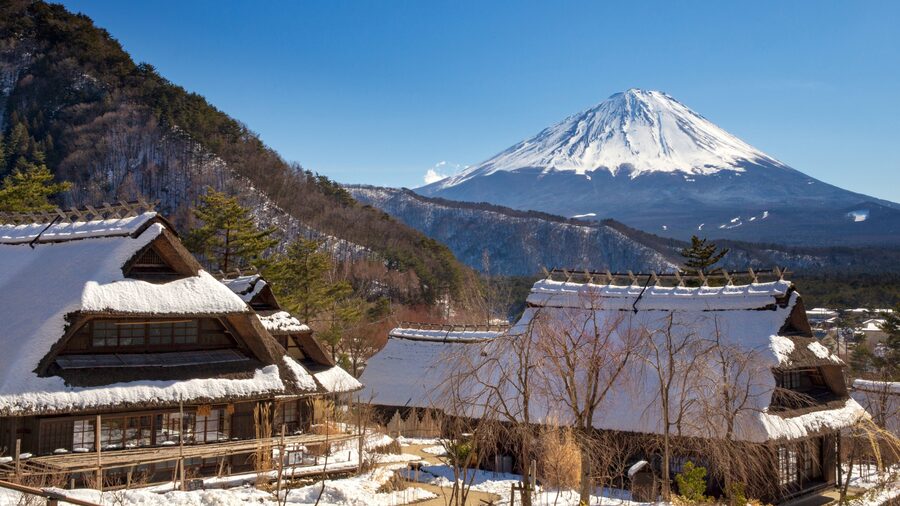
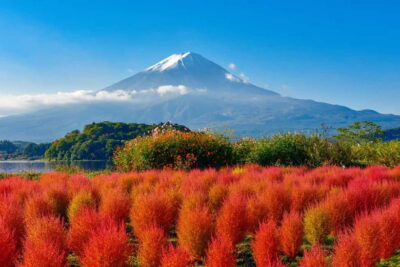
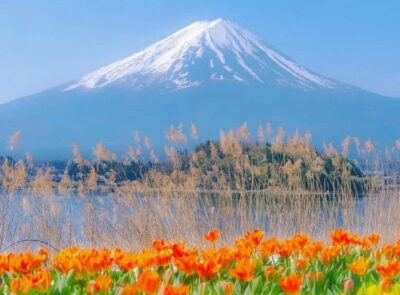
You start with Oishi Park, with a mix of photo time, sightseeing, and a walk that’s roughly an hour. This is the kind of place where Mt. Fuji views tend to be visually “composed” for you, often with Lake Kawaguchi as the foreground and seasonal flowers adding color.
Why this first stop works: it sets expectations for the day early. If Mt. Fuji is visible from the start, you’ll likely get a better sense of how you’ll want to pace the rest of your route. If it’s cloudy early, at least you’ve already seen a pretty lakeside park while you wait for the sky to change.
Quick practical tip: wear shoes that handle light walking. Even when the schedule is “just a walk,” the ground can be uneven on park paths.
Saiko Nenba-hama: quieter lakeside time and a good lunch rhythm
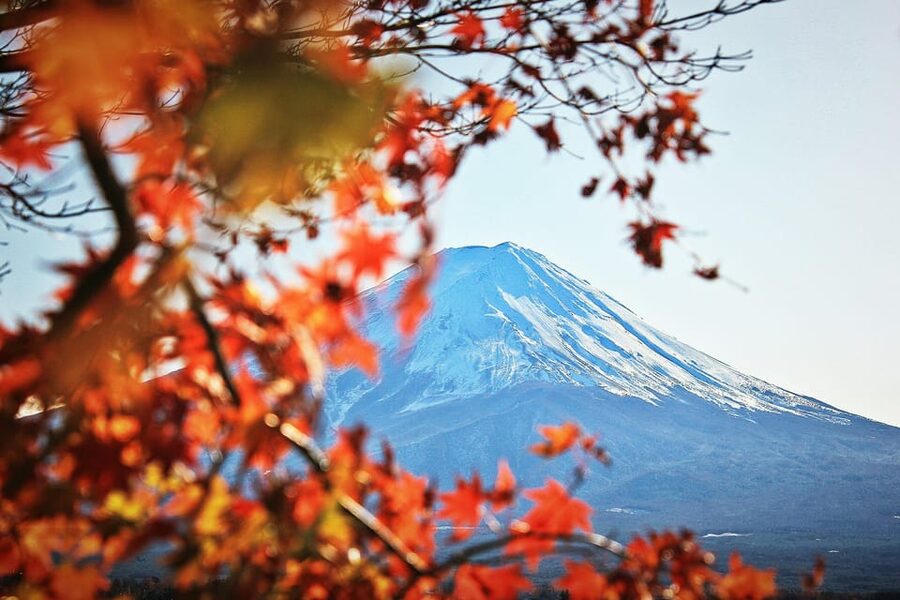
Next up is Saiko Nenba-hama, another photo stop and walk with about an hour allotted. This is a more peaceful lakeside feeling than the most crowded viewpoint zones, and it’s a great spot to regroup for lunch.
The tour’s own description suggests this is a good lunch area, and that’s how I’d use the hour: eat, relax, and reset your energy before the caves. You’re also close to the Lake Saiko area, which can help you enjoy a slower pace even on a packed day.
Drawback to note: like most Mt. Fuji locations, your view depends on weather. If you don’t see the mountain clearly here, don’t panic. You’re still collecting the calmer “Fuji region” atmosphere in between the geology stops.
Tatego-Hama Beach by Lake Motosuko: calm water, photo time, and breathing room
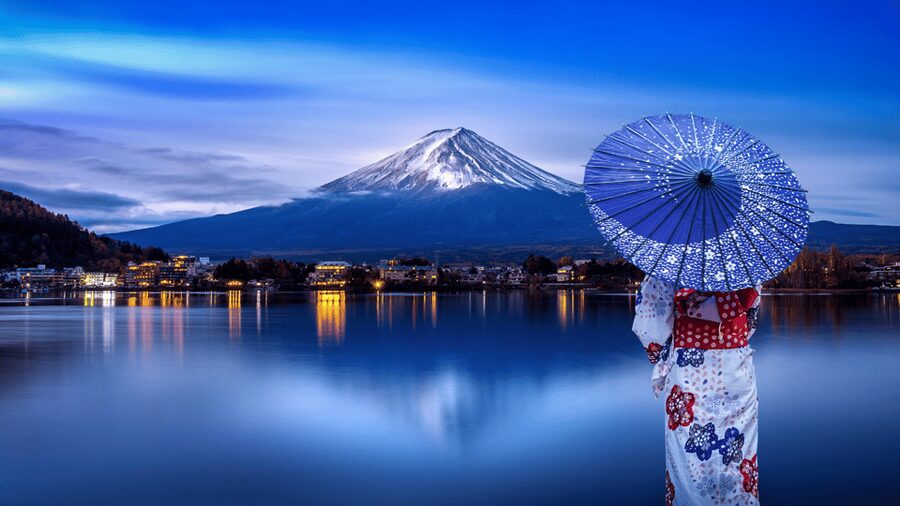
Tatego-Hama Beach is one of the more tranquil pauses on the day. Plan for another about-hour window of photo time, sightseeing, and walking, designed to let you actually stand there and look.
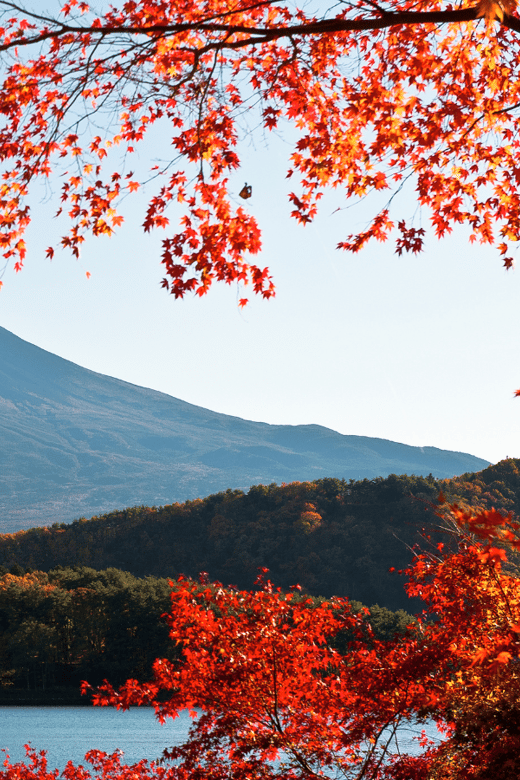
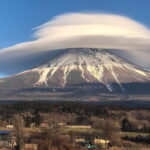
What makes it memorable is the combination of clear water and Mt. Fuji views when conditions are good. Even if visibility is patchy, the beach setting gives your brain a break from caves and forests. It’s also an easy place to slow down your photography rhythm, rather than racing to capture one shot and move on.
If you’re the type who likes to explore at your own pace, this stop usually fits well. You can take a bit longer if the light is right, then rejoin the driving flow when you’re ready.
Narusawa Ice Cave: a volcanic wonder, but check access and seasonal conditions
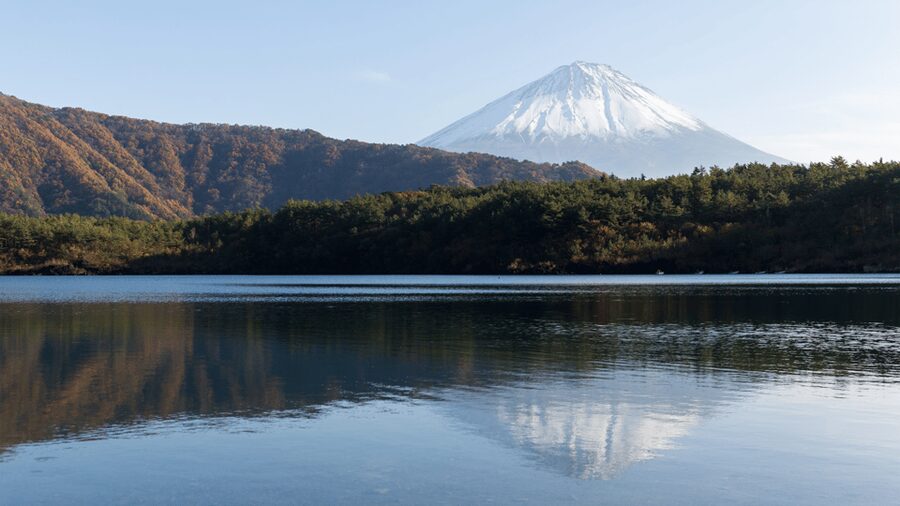
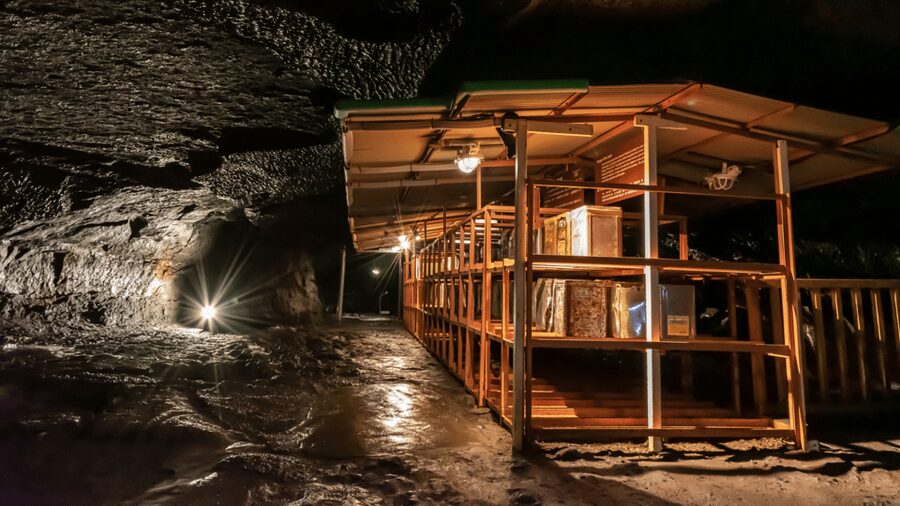
Narusawa Ice Cave is the tour stop that adds the most “wow” on paper, with a photo stop, visit, and about an hour on site. The cave is formed by Mt. Fuji eruptions, which is the key idea behind why ice can persist there.
Here’s the balanced part. Ice cave conditions can vary, and access can be limited. Some visitors have reported the cave being closed for stretches, and they also note that ice pillar visibility can be seasonal, with ice pillar structures reportedly most visible from about February to June.
What you can do to protect your day:
- If possible, confirm same-day status with your driver before you commit time there.
- If the cave is open but not at peak ice display, shift your mindset from ice “wow factor” to geology and atmosphere.
Also, because caves can involve tighter spaces, this stop is a consideration if you’re prone to claustrophobia. The overall tour is not listed as suitable for claustrophobia, and the cave timing is part of why.
Fugaku Wind Cave: geology plus a human story about silkworm eggs
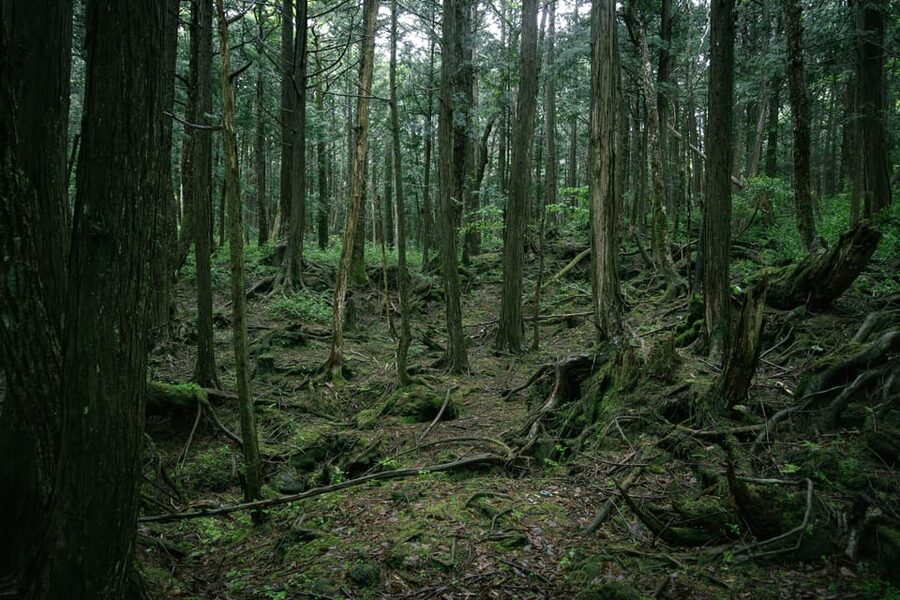
Fugaku Wind Cave brings a different kind of interest. You get another photo stop, visit, and about an hour here too, with the cave being described as geologically significant.
The most interesting detail is also a human one: the cave was once used to store silkworm eggs. That’s a reminder that these volcanic spaces weren’t only scientific curiosities. People used them for practical reasons.
If you enjoy explanations, ask your driver what they recommend focusing on inside. Since the tour is private and English-friendly, you can nudge the day toward what you personally find meaningful, whether that’s geology, local use, or how people adapted to the environment.
Aokigahara Forest trails: “Suicide Forest” as context, not the whole story
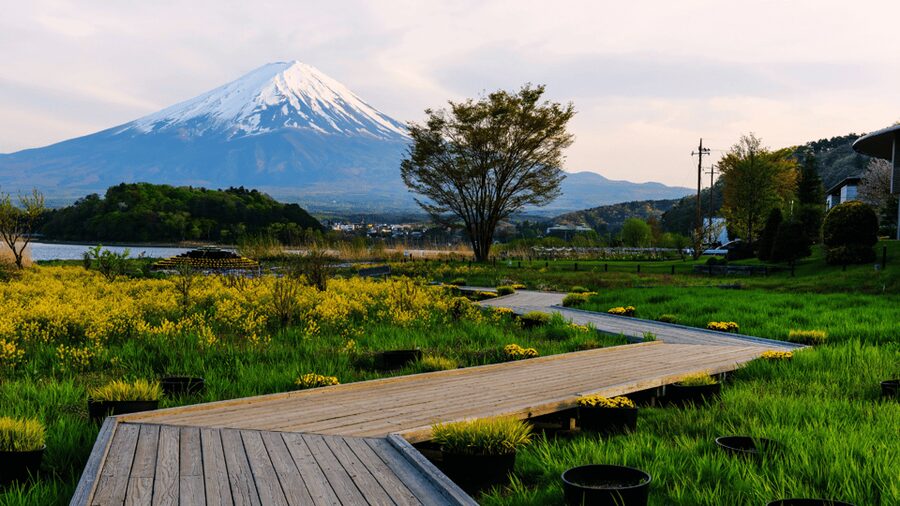
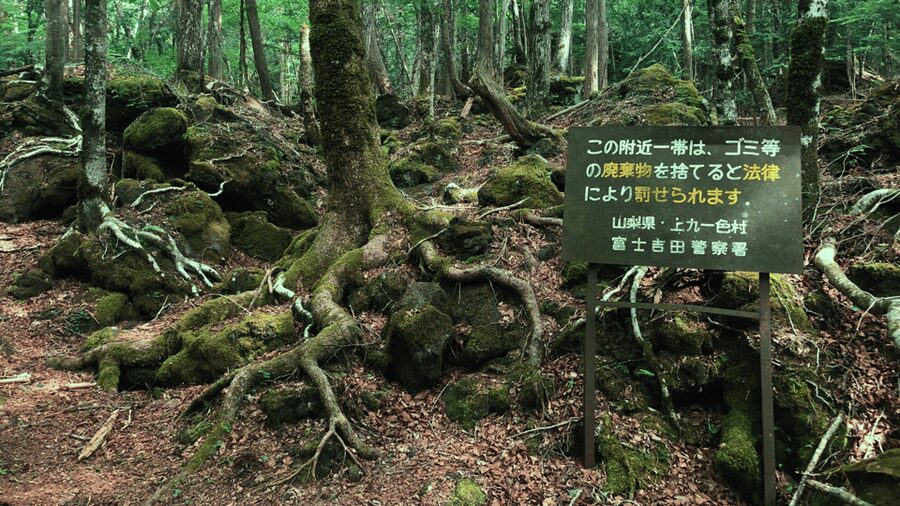
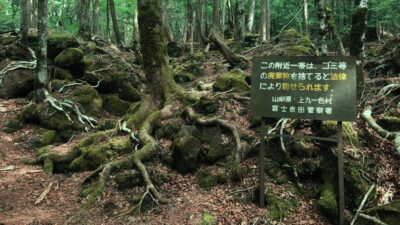
Aokigahara Forest is the last major stop and a strong mood shift. It’s often called Suicide Forest, but the point of this tour is to show the quieter side too: dense, darker woods with trails where you can experience tranquility and the ecosystem in a respectful way.
You’ll have about an hour and a half for the forest portion, with photo time, visiting, and walking. This is enough time to slow down and actually notice details like how the forest changes the soundscape and air feel compared to lakes and viewpoints.
Important fit note: this tour is not suitable for wheelchair users, and people with claustrophobia may find parts of the caves and enclosed settings challenging. If you’re on the edge with comfort, this is the day to be honest with yourself before you step into tighter spaces.
A practical behavior tip: stick to the allowed paths and give yourself extra time to turn around if you feel overwhelmed. You’re here for nature, not an endurance test.
Comfort and smart packing for a 10-hour Mt. Fuji day
This is a practical outdoor day with caves and forests, plus several lakeside walks. Bring comfortable shoes, warm clothing, and a camera if you like to capture Fuji when it appears.
You should also bring:
- Snacks and water, since food and drinks are not included
- Cash for entrance tickets and any possible overtime fee
- A light layer that you can manage as you move between sunlit parks and cooler cave air
Two “inside rules” that matter:
- Smoking is not allowed in the vehicle.
- Food in the car is allowed, but alcohol is not, and there can be a cleaning fee if the vehicle gets unusually dirty.
If you’re the type who likes music on the drive, you may be able to use your own playlist. Smooth driving is repeatedly mentioned, and comfort seems to be a major plus of the private car format.
The best kind of traveler for this day
This tour fits best if you:
- Want a private pace around Mt. Fuji instead of a crowded day
- Love geology and natural features, not just viewpoint photos
- Prefer an English-speaking driver who can explain things while you move
- Are traveling as a small group that can share the vehicle cost
It may be less ideal if you need fully guaranteed access to every stop. Cave closures can happen, and weather can affect how often you see Mt. Fuji clearly. Also, the tour is not designed for wheelchair users, and claustrophobia is a no-go.
Should you book it, or pick a different Mt. Fuji day?
I’d book this tour if your goal is depth over crowds. The pairing of lakeside parks and volcanic caves plus an Aokigahara Forest walk is the kind of mix that feels more like a story than a checklist.
I’d hesitate if your trip is tightly scheduled around one specific date and you’re depending on Narusawa Ice Cave to be in perfect condition. In that case, you can still book, but you should go in with a flexible mindset and plan your expectations for Mt. Fuji visibility.
Finally, think about your group. If you have up to 5 people and you want comfort, an English-speaking driver, and the ability to adjust time where you want it, this is strong value for a private day.
FAQ
What does the $577 price include?
It includes hotel pickup and drop-off from Central Tokyo, a private modern air-conditioned vehicle for 10 hours, and an English-speaking driver. It’s priced per group up to 5 people.
Are entrance fees included for Narusawa Ice Cave, Fugaku Wind Cave, and the other stops?
No. Attraction tickets are not included, so you’ll need to purchase entrance fees on the spot.
Are meals and drinks included?
No. Food and drinks are not included. You can bring snacks and you may eat in the car under the stated rules, but alcohol is not allowed in the vehicle.
How long is the tour, really?
The duration is 10 hours for Tokyo area pickup and drop-off. Your actual pacing can still vary with driving time and how long you spend at each stop.
Where does pickup and drop-off happen in Tokyo?
Pickup and drop-off are included for hotels within Tokyo’s 23 wards listed by the operator. Other Tokyo areas can have a surcharge of JPY 5,000 to 20,000 depending on location.
Is the tour suitable for people with claustrophobia or for wheelchair users?
No. It is not suitable for people with claustrophobia, and it is not suitable for wheelchair users.
What should I bring for the day?
Bring comfortable shoes, warm clothing, a camera, snacks, water, and cash. Entrance tickets are not included, and cash can also be needed for any overtime.
Does the tour run in rain?
Yes. The tour operates rain or shine and only cancels in unsafe weather as determined by the operator.
Can I eat in the car, and is smoking allowed?
You can have food in the car under the stated conditions, but no alcohol is allowed. Smoking is not allowed in the vehicle.
Mount Fuji, Three More Ways

Newest Fujikawaguchiko write-ups from the Loving Japan desk

Mount Fuji Day Trips, side by side.
 ★ 5.0Mt Fuji and Hakone 1-Day Bus Tour Return by Bullet TrainFrom $16326,383 reviews
 ★ 4.0Mt Fuji & Hakone Cruise, Drum Show Bullet Train 1 Day from TokyoFrom $1497,413 reviews
 ★ 4.4Tokyo Mt Fuji 5th St & Hakone Cruise Bus Tour w/Bullet TrainFrom $1545,024 reviews
 ★ 4.5From Tokyo: Mount Fuji Full-Day Sightseeing TripFrom $684,970 reviews
 ★ 4.7Mt. Fuji Tour, Hakone Ropeway, Owakudani, Lake AshiFrom $544,002 reviews
 ★ 4.4Mt.Fuji,Kawaguchiko Oishi Park,Arakurayama Sengen ParkFrom $542,682 reviews
 ★ 4.2Mt. Fuji 5th Station & Hakone Cruise 1-Day Bus TourFrom $1292,381 reviews
 ★ 4.7Mt Fuji Top 5 Spots Day Tour: Arakurayama Park,Oshino HakkaiFrom $532,066 reviews
Filed on these lists too