
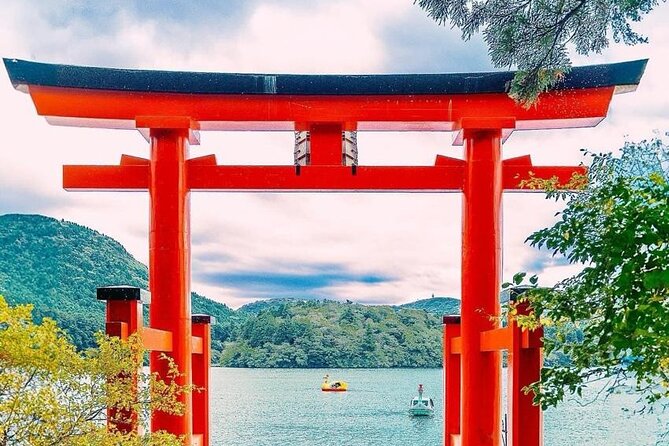
REVIEW · MOUNT FUJI DAY TRIPS
Mt. Fuji & Hakone Cherry Blossom private One Day Tour
One day, two icons: Fuji and Hakone. I like that this is a private day tour with pickup so you are not wrestling Tokyo trains, and I also like the built-in time at the Mt. Fuji Subaru Line 5th Station for big views without the stress of DIY logistics. The one thing to watch is that this can feel more like a private car-and-schedule than a full, hands-on history tour, so set your expectations if you want lots of storytelling.
You’ll move through the classic Hakone-to-Fuji loop in about 10 hours, with mostly short stops: spring ponds at Oshino Hakkai, scenic Lake Ashinoko, Moto Hakone Shrine by the water, volcanic Owakudani, and then time at Gotemba Premium Outlets. It is a smart way to see a lot in one day, especially if your group includes kids or multiple generations who want comfortable transport over long transfers.
In This Review
- Quick take: what makes this Mt. Fuji and Hakone private day tick
- Private transport from Tokyo: why this is worth it for a tight day
- The Fuji Subaru Line 5th Station: the best odds for a big view
- Oshino Hakkai: eight spring ponds, thatched roofs, and drinkable water
- Lake Ashinoko and Togendai area: Hakone’s classic scenery in motion
- Moto Hakone Shrine: torii gate in the water, plus a quiet pause
- Owakudani Valley: volcano fumes, hot springs, and the black eggs ritual
- Gotemba Premium Outlets: the practical end of the day
- The guidance question: driver-first versus tour-guide energy
- Timing, traffic, and how to avoid feeling rushed
- What about the cherry blossom angle?
- Who this private Mt. Fuji and Hakone day works best for
- Should you book this Mt. Fuji & Hakone private one-day tour?
- FAQ
- How long is the Mt. Fuji & Hakone cherry blossom private one-day tour?
- What does the price include, and how many people can be in a group?
- Where does the tour start and end?
- What are the main stops on the day?
- Are there any extra fees I should budget for?
- Does the tour include meals and drinks?
Quick take: what makes this Mt. Fuji and Hakone private day tick
- Private, door-to-door style comfort: air-conditioned vehicle plus pickup and drop-off are part of the package.
- Big-view time at the Fuji Subaru Line 5th Station with a planned 2-hour stop.
- Oshino Hakkai’s crystal spring ponds are a quick, scenic reset, with time to stroll and snap photos.
- Hakone’s lake-and-shrine combo: Lake Ashinoko viewpoints and Moto Hakone Shrine’s torii gate in the water.
- Owakudani volcanic energy: sulfur fumes, hot spring areas, and the famously sold black eggs.
- Optional shopping at Gotemba Premium Outlets before you head back.
Fuji from Tokyo: the other approaches
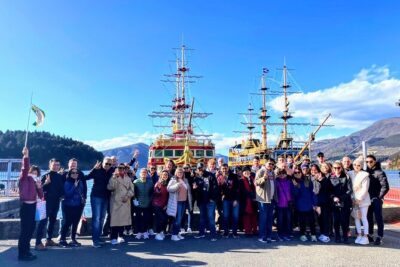
- Mt Fuji and Hakone 1-Day Bus Tour Return by Bullet Train
★ 5.0 · 26,383 reviews - Mt Fuji & Hakone Cruise, Drum Show Bullet Train 1 Day from Tokyo
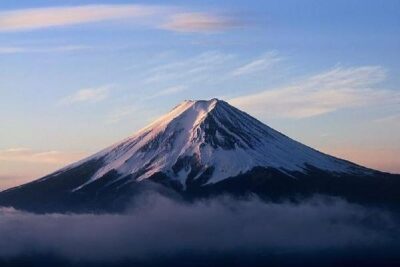
★ 4.0 · 7,413 reviews - Tokyo Mt Fuji 5th St & Hakone Cruise Bus Tour w/Bullet Train
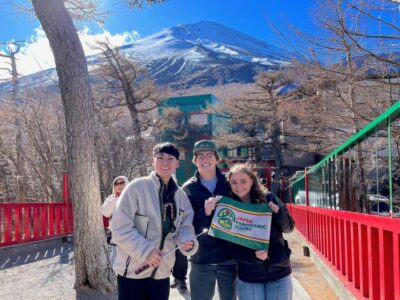
★ 4.4 · 5,024 reviews - From Tokyo: Mount Fuji Full-Day Sightseeing Trip
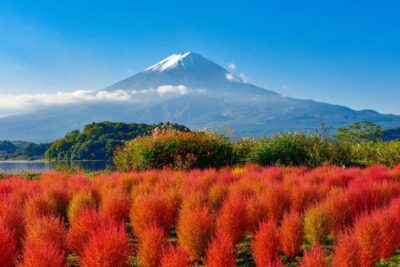
★ 4.5 · 4,970 reviews
Private transport from Tokyo: why this is worth it for a tight day
When you do Mt. Fuji and Hakone on your own, the hard part is rarely the sightseeing. It is the travel math: which train, which bus, which connection, and how much time you lose if one leg runs late.
Here, you get a pre-made route and a driver handling the moving pieces. The tour includes a hotspot on board, which sounds small, but it is genuinely useful for last-minute map checks, translating signs, or booking a quick lunch if you end up hungry between stops. You also get mobile ticketing, so you are not fumbling paperwork while you are on the clock.
Price-wise, $450 is listed per group (up to 5). That can be excellent value if you have a full group. If you are a couple, it is still workable because you are buying time and comfort, not just transportation. And since the day is about “hit the highlights efficiently,” the biggest cost is often your energy. This tour spends money to save that energy.
The Fuji Subaru Line 5th Station: the best odds for a big view
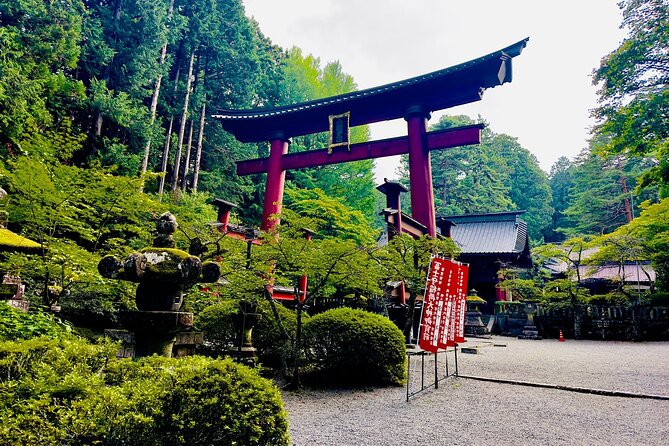
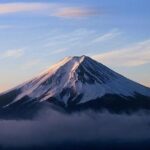
The Mt. Fuji Subaru Line 5th Station is one of the key choices in this whole itinerary. It is one of the most developed 5th stations and it is easier to reach from Tokyo than the alternatives, which matters when you only have a single day.
Plan for a 2-hour stop here. At around 2,300 meters, it is the kind of location where the air feels different and the views can be dramatic on clear days. It is also described as accessible almost year-round, with winter road and snow conditions as the main variable. During the climbing season, the route can restrict private vehicles (the tour information even notes a period when private vehicles are not allowed), so having this stop built into a scheduled plan helps you avoid dead ends.
Extra cost: there is a 5th Station Subaru line fee listed as $15 USD only, which is not included. Expect that this is the main paid add-on you may need to budget for.
One practical tip: if you are aiming to make the most of the day and reduce stress around traffic, ask for the earliest feasible start time. The route up toward Fuji can get clogged, and later starts can squeeze your time at each stop.
Oshino Hakkai: eight spring ponds, thatched roofs, and drinkable water
Oshino Hakkai is a short stop with a big payoff. You get to see a cluster of spring ponds fed by Mount Fuji snowmelt filtered through volcanic rock. The water is known for its clarity, and on clear days Mount Fuji can reflect in the ponds, which is exactly the kind of moment you cannot recreate elsewhere.
This is a 30-minute stop with free entry. Even with a time limit, you can usually get a good stroll loop, find a couple of photo angles, and browse small shops. The area also has thatched-roof houses, plus stalls selling local treats. And yes, you can typically drink fresh water directly from the springs area, which is a nice sensory bonus if you like trying local basics.
Tradeoff to know: because it is short, you will want to move at a calm walking pace rather than slow down for every single shop. If your group includes shoppers, set the expectation before you arrive, so you do not end up racing the clock.
The Hakone loop runs several ways. Here are the rest
- Private Tour to Mt. Fuji and Hakone (Fully Licenced Operator)★ 5.0 · 1,910 reviews
- Mt Fuji & Hakone Cruise, Drum Show Bus 1 Day from Tokyo★ 4.0 · 1,287 reviews
- From Tokyo: Mt. Fuji & Hakone Tour w/ Return by Bullet Train★ 4.2 · 1,278 reviews
- Mt Fuji and Hakone 1-Day Bus Tour Return by Bus★ 4.5 · 929 reviews
- Tokyo: Mt. Fuji, Kamakura, Big Buddha, & Lake Ashi Day Trip★ 4.5 · 867 reviews
Lake Ashinoko and Togendai area: Hakone’s classic scenery in motion
Lake Ashinoko (also called Lake Ashi) is a crater lake in Hakone, formed after a volcanic eruption about 3,000 years ago. That means the scenery feels more sculpted than flat, and the waterline viewpoints tend to feel dramatic when the sky cooperates.
You get about 2 hours here, and it is listed as free. The area is popular for boat cruises, hot springs, and walking trails around the shore, so even if you do not add a cruise, you will still have options for where to stand, what to photograph, and how to stretch your legs.
The tour also connects this area to Togendai, a popular spot near the lake. Togendai is known as a starting point for ascent to the Mount Fuji summit via the Fujisan Gotemba Trail, and it is also positioned for views of the surrounding landscape and the lake. In other words, it is not just “pretty water,” it is part of the larger Fuji story.
Practical consideration: because Mt. Fuji visibility depends on the day, keep your mind open. Even without a perfect view, Lake Ashinoko is a satisfying place to reset, snack, and regroup before the volcanic stop.
Moto Hakone Shrine: torii gate in the water, plus a quiet pause
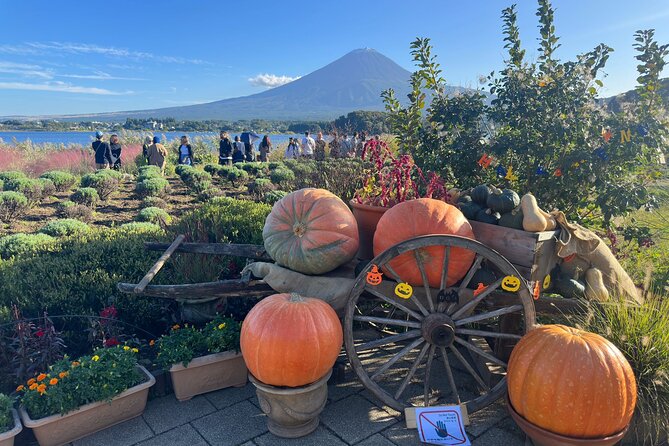
Moto Hakone Shrine sits on the shore of Lake Ashi, and it is famous for a torii gate that appears to stand in the water, often called the torii of peace. It is a compact stop, but it has a very different vibe from the more tourist-heavy lanes.
You get about 30 minutes here, with free entry. The shrine itself is in a forested area, with Mount Hakone and the lake giving you the backdrop. This is also a spot associated with prayers for good fortune, especially protection and prosperity related to travel and business.
Accessibility note that matters for planning: Moto Hakone Shrine is reachable by boat or on foot from the nearby area, so if your driver offers a route that includes walking, it is usually an easy way to stretch between stops.
Owakudani Valley: volcano fumes, hot springs, and the black eggs ritual
Owakudani is where the day gets real. This is the area around a crater created by the last eruption of Mount Hakone about 3,000 years ago. Today, much of the area is an active volcanic zone, so you can experience sulfurous fumes and hot springs or hot rivers, depending on where you are and what trails are open.
You have about 1 hour here, and it is listed as free. It is also one of the stops with possible Mount Fuji views on clear days, so it can deliver a “wow” moment if the sky cooperates.
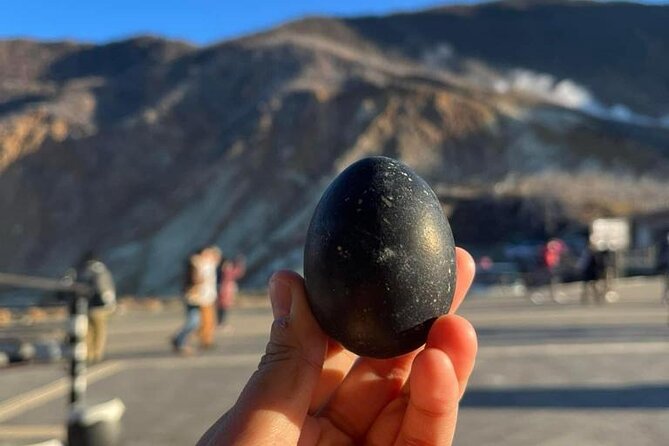
The food detail is part of the fun. Eggs cooked in the hot spring pools with the shells blackened by sulfur are sold nearby, and the tradition says eating one can prolong your life by seven years. You do not have to buy one, but it is a fun bite-size experience tied to the volcanic theme.
Safety and comfort reality check: volcanic zones can be windy and smelly, and surfaces can be uneven. Wear shoes you trust and keep an eye on posted signs. This is not a “stroll in sandals” kind of stop.
Gotemba Premium Outlets: the practical end of the day
At the end of your Fuji and Hakone loop, you get about 2 hours at Gotemba Premium Outlets near the base of Mount Fuji. This is Japan’s most popular outlet mall, with around 300 stores and lots of food options, plus a 50-meter-high Ferris wheel, a hotel, and a public hot spring bath.
The tour frames the value honestly: prices are not likely to be wildly low compared with everything back home, but they are often better than regular retail in Japan. It is also a good place for groups with mixed interests. Some people want souvenirs and quick basics, others want brand-name shopping, and everyone can find somewhere to sit for a break.
If you want a different final feel, know that this stop is more retail-focused than sightseeing. It can be great, but it is not the kind of place that delivers spiritual calm.
The guidance question: driver-first versus tour-guide energy
Here is the honest part. Some private tours are heavy on narration. Others are mainly logistics with a driver who keeps things moving. This one lands closer to the second style, at least sometimes.
In the experience feedback included with this offering, I saw clear examples of strong guide support, including a named driver/guide Rezi who helped the group hit sites that were less crowded and made sure there was time for photos. But I also saw complaints that the day felt like “car and driver” rather than a fully guided cultural experience.
So, how should you plan? If you want deep history, ask direct questions in the car. Have a short list ready: what you should notice at each stop, what to prioritize at Fuji, and what not to miss at Hakone. If you are more focused on the sights themselves and you are happy to use your own phone, photos, and reading later, this style can be a good match.
Timing, traffic, and how to avoid feeling rushed
A full day with Mt. Fuji and Hakone can feel fast because the total duration is about 10 hours. The stop schedule itself is not too dense, but the driving time can stretch depending on traffic and road conditions.
The itinerary pattern is efficient:
- Fuji Subaru Line 5th Station for the big view moment
- Oshino Hakkai for a short scenic walk
- Lake Ashinoko for a longer lake-side window
- Moto Hakone Shrine as a calm break
- Owakudani for active volcanic atmosphere
- Gotemba for shopping and an easy final stretch
The key strategy is to start early if you can, because the route toward Fuji can get stuck. If you are arriving in Tokyo the day before, aim for a stress-free morning. If your group needs more relaxed pacing, consider whether a full day is the best fit for you, or whether you might prefer fewer stops.
What about the cherry blossom angle?
The tour name includes cherry blossoms, which is a big seasonal draw in Japan. But the day you will actually experience is built around Fuji viewpoints, Oshino Hakkai, Lake Ashinoko, Moto Hakone Shrine, Owakudani, and Gotemba.
If cherry blossoms are blooming when you go, you might get lucky with scenery. If they are not, you will still get the core experience: Fuji views if the sky is clear, and Hakone’s nature and volcanic energy. In other words, treat cherry blossoms as a possible extra, not the backbone of the itinerary.
Who this private Mt. Fuji and Hakone day works best for
This fits best if you value convenience and you want one-driver simplicity.
It is a strong choice for:
- Couples who want a smooth day without changing transport multiple times
- Families with kids, because you are not dragging strollers or negotiating transfers
- Friends traveling together who can split the $450 group cost up to five people
- Multi-generational groups, especially if stairs and long walking are hard
It might not be the best fit if you want a lecture-style guide experience the whole day. If that is your priority, bring your own questions and expect the driver to focus on getting you safely and efficiently between stops.
Should you book this Mt. Fuji & Hakone private one-day tour?
I think this is a good booking when your goal is clear: see major Mt. Fuji and Hakone highlights in one day, with comfort and minimal planning. The best part is the format itself, a private route from Tokyo that reduces stress and keeps the day moving. The standouts are the Fuji Subaru Line 5th Station time, Oshino Hakkai’s spring-pond atmosphere, and Owakudani’s volcanic wow factor.
Book it if you are okay with a flexible “car-first” style, you want a classic highlight route, and you have a group size that can make the per-person cost feel reasonable. If you want heavy narration and a hands-on guided museum-style experience, you may need to confirm what the guide role looks like on your date, then come prepared with questions.
FAQ
How long is the Mt. Fuji & Hakone cherry blossom private one-day tour?
The tour runs for about 10 hours.
What does the price include, and how many people can be in a group?
The price is $450 per group, up to 5 people. Included items list an air-conditioned vehicle, private transportation, hotspot on board, and all fees and taxes. Pickup and drop-off from your hotel are also part of the highlights.
Where does the tour start and end?
The meeting point listed is Tokyo Station (1 Chome-9 Marunouchi, Chiyoda City, Tokyo 100-0005, Japan). The activity ends back at the meeting point.
What are the main stops on the day?
The planned stops are Mt. Fuji Subaru Line 5th Station, Oshino Hakkai, Lake Ashinoko, Hakone Moto Tsumiya Shrine (Moto Hakone Shrine), Owaku-dani Valley, and Gotemba Premium Outlets.
Are there any extra fees I should budget for?
Yes. The tour lists a $15 USD 5th Station Subaru line fee only as not included. It also lists a $15 USD Hakone Open Air Museum Fee only as not included.
Does the tour include meals and drinks?
No. Coffee and/or tea, lunch, and alcoholic beverages are not included.
The Hakone Loop, Reviewed
Mount Fuji, Three More Ways
Newest Tokyo write-ups from the Loving Japan desk
Mount Fuji Day Trips, side by side.
 ★ 5.0Mt Fuji and Hakone 1-Day Bus Tour Return by Bullet TrainFrom $16326,383 reviews
 ★ 4.0Mt Fuji & Hakone Cruise, Drum Show Bullet Train 1 Day from TokyoFrom $1497,413 reviews
 ★ 4.4Tokyo Mt Fuji 5th St & Hakone Cruise Bus Tour w/Bullet TrainFrom $1545,024 reviews
 ★ 4.5From Tokyo: Mount Fuji Full-Day Sightseeing TripFrom $684,970 reviews
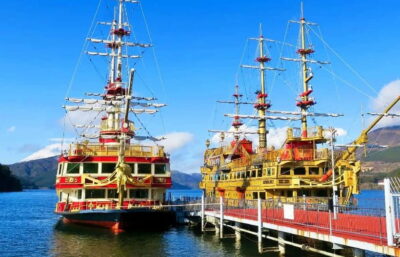 ★ 4.7Mt. Fuji Tour, Hakone Ropeway, Owakudani, Lake AshiFrom $544,002 reviews
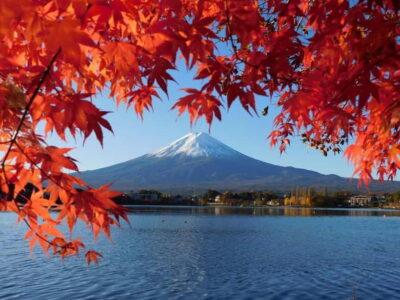 ★ 4.4Mt.Fuji,Kawaguchiko Oishi Park,Arakurayama Sengen ParkFrom $542,682 reviews
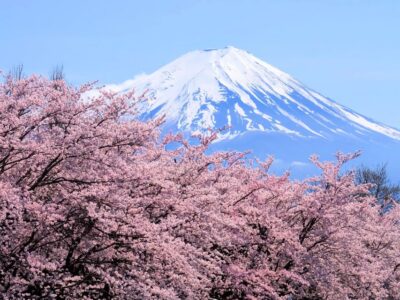 ★ 4.2Mt. Fuji 5th Station & Hakone Cruise 1-Day Bus TourFrom $1292,381 reviews
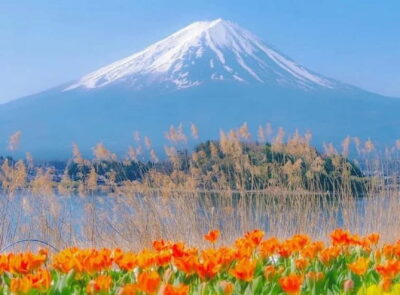 ★ 4.7Mt Fuji Top 5 Spots Day Tour: Arakurayama Park,Oshino HakkaiFrom $532,066 reviews
Filed on these lists too