
REVIEW · TOURS WITH GOVERNMENT-LICENSED GUIDES
Naoshima Full-Day Private Tour with Government-Licensed Guide
Naoshima is small, but the art feels huge. This private, government-licensed day tour turns the island’s big names into a plan you can actually follow, with a licensed English guide and an itinerary built around your pace and interests. I love the custom 3 to 4 site approach, and I love how the guide connects the museums to the island villages around them. One thing to watch, though: it’s a walking day, with no bicycles, and museum tickets and ferry or bus costs are extra.
If you want contemporary art plus architecture plus a little local life, this is one of the best ways to do Naoshima. The stops you choose can include Honmura’s Art House Project, Tadao Ando’s Chichu Art Museum, Lee Ufan and Benesse House projects, and even the sento bathhouse I♥YU when your energy allows. The only real tradeoff is time: with 8 hours, you’ll need to decide what matters most, because adding other islands takes ferry time and careful transit planning.
In This Review
- Key points to know before you go
- Naoshima feels like a scavenger hunt, but you get a map
- From Takamatsu to the island: expect a guided start, then walking
- Honmura’s Art House Project: the “small village, big ideas” start
- Chichu Art Museum: why the underground building matters more than you expect
- Lee Ufan Museum and the Benesse House zone: art that spreads, not crowds
- Lee Ufan Museum
- Benesse House
- I♥YU sento bathhouse: the kitschy ending that actually works
- Optional island hops: Teshima and Inujima when you want more than Naoshima
- Teshima
- Inujima
- Price and value: what you’re really paying for
- The biggest win is the guide: real names, real problem-solving
- Who should book this Naoshima private tour?
- Should you book it? My quick decision guide
- FAQ
- How long is the Naoshima private tour?
- Can I choose which sites to visit on Naoshima?
- Is pickup available from Takamatsu?
- Are entrance fees included?
- Is the tour private or shared with other groups?
- What is the cancellation policy?
Key points to know before you go
- Government-licensed, English-speaking guide who can tailor a full day rather than rushing you through list items.
- Choose 3 to 4 sites from the Naoshima art lineup, so your day fits your interests.
- Walking tour on Naoshima, with no bicycles and no private vehicles included.
- Chichu Art Museum is a centerpiece, with Ando’s underground design and natural light doing the heavy lifting.
- I♥YU sento is an easy, fun ending if you still have steam after the museums.
- Optional island extensions like Teshima and Inujima work best if you plan transit early with your guide.
Naoshima feels like a scavenger hunt, but you get a map
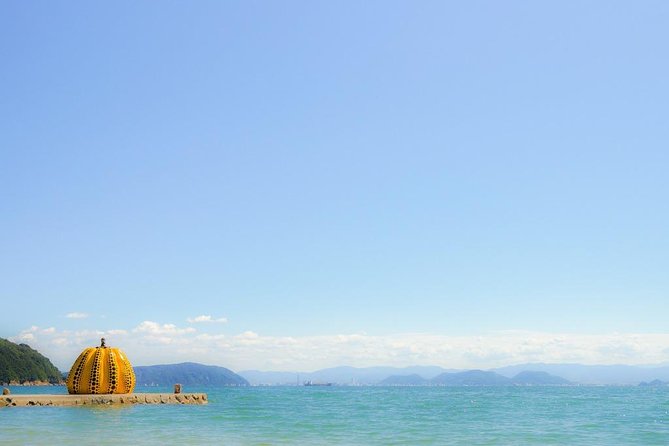
Naoshima’s art isn’t stacked neatly in one building. It’s spread through villages, museums, and even a bathhouse, so if you go solo, you can burn hours just figuring out what’s where and how to time it. With a private guide, you get a plan that makes sense, plus someone who can steer you toward the “why this matters” side of each site, not only the what.
I also like that the tour is built around choices. You pick 3 to 4 sites, and that flexibility is the difference between a satisfying art day and a stressful one. If you want more architecture, you can lean into Chichu and Ando’s design. If you prefer installations and artists’ ideas, you can balance museums with village art houses.
The other big advantage is pacing. Naoshima can feel slow and dreamy, but it’s still walking between multiple locations. A guide can help you keep a realistic rhythm and not turn your day into a sprint.
From Takamatsu to the island: expect a guided start, then walking
The tour offers pickup from your Takamatsu hotel, which is a big deal when you’re dealing with rural island logistics. Once you’re in the Naoshima area, you meet your guide on foot within the designated area.
Here’s what that means for you in practice:
- You should plan for a walking day once you’re on the island.
- Bicycles are not allowed on this tour, and private vehicles are not provided.
- Transport costs are not included, so you’ll pay for ferries and local movement on your own during the day.
This matters because a “private” tour doesn’t automatically mean door-to-door comfort. It means someone is steering the plan. You still need to wear good shoes, bring water, and accept that the island is a place you move through.
Honmura’s Art House Project: the “small village, big ideas” start
Honmura sits on the eastern edge of Naoshima, and it’s where you get your first taste of the island’s approach to art. You’ll see an Art House Project made from abandoned houses and workshops, plus a temple and a shrine.
This stop is special for two reasons.
First, it resets your expectations. Instead of art on a clean white wall, you’re in lived-in spaces where the works feel connected to the slow rhythms of village life. Even if you’re not the type to read museum labels for fun, Honmura tends to “click” because the setting does part of the explaining.
Second, it helps you understand Naoshima’s comeback story, from near collapse to global attention. Your guide can connect what you’re seeing to the island’s transformation, and that context makes later sites like Benesse House hit differently.
Possible drawback: Honmura is spread out. It can be a lot of walking early in the day, and if the weather is hot, you’ll feel it. If you have mobility limits, tell the guide at the start so they can adjust the sequence and pacing.
Chichu Art Museum: why the underground building matters more than you expect
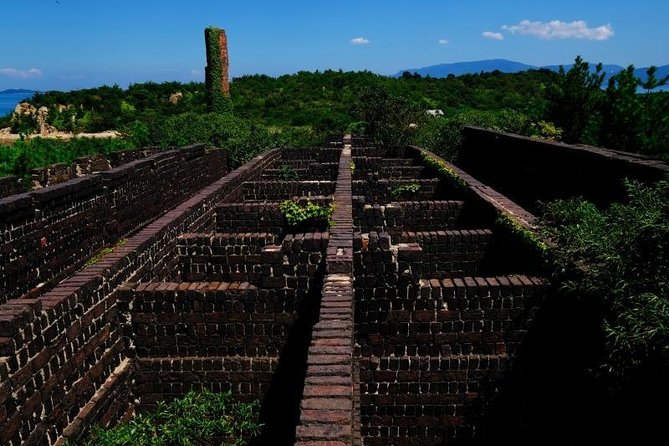
For many people, Chichu Art Museum is the main event. It was designed by Tadao Ando, and a lot of the building is underground. The key point is that Ando designed the museum so natural light plays a starring role, changing how you see the artworks through the day.
When you visit with a guide, you don’t just get the logistics of the museum. You get help noticing how light changes the mood. That’s the part that turns Chichu from “another museum” into a specific Naoshima experience.
What I love about including Chichu as one of your selected stops:
- It’s architecture-led, so even if contemporary art isn’t always your thing, you still get something powerful.
- It gives your day a structure. After wandering village art houses, Chichu feels like a deliberate pause and a shift in scale.
One practical consideration: museum tickets and any entry fees are not included. Build time for entry and security lines so you don’t rush inside.
Lee Ufan Museum and the Benesse House zone: art that spreads, not crowds
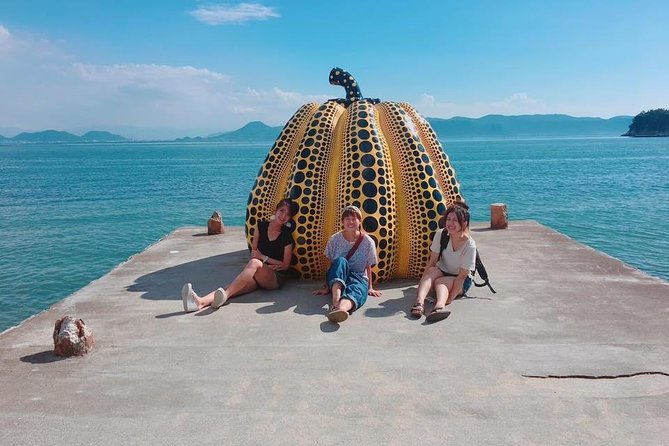
After Honmura and Chichu, you’ll often move into the cluster that anchors much of Naoshima’s art scene.
Lee Ufan Museum
Lee Ufan’s museum is nearby in the island’s museum area, and it’s a strong complement to Chichu. If you liked how Ando used space and light, Lee Ufan’s works often feel like the next step in understanding how art can control attention without relying on visual clutter. Your guide’s job is to help you read the experience without over-explaining.
Benesse House
Benesse House is both a museum and a hotel complex, and it’s often described as the island’s centerpiece. It’s also where Naoshima’s art-project energy feels most concentrated.
From your day plan, this stop is valuable because it offers a different kind of feeling than the underground museum and the village houses. Benesse House projects connect art to the experience of being on the island, not just passing through it.
In particular, some visitors really remember the Hiroshi Sugimoto Time Corridors exhibit in the Benesse House area. If you care about experiencing famous contemporary works in a setting that feels designed for them, Benesse House is the place to put in the time.
Possible drawback: Benesse House can take more time than you expect because there are multiple areas and you’ll likely want to slow down. With only 8 hours total, this is where choosing exactly which sites you want becomes crucial. If you feel pressed, ask your guide to prioritize the section you care about most.
I♥YU sento bathhouse: the kitschy ending that actually works
If you still have energy, plan for I♥YU, Naoshima’s sento bathhouse. The name is playful, and it’s genuinely fun after a day of museums. Your guide can help you fit the timing so you don’t waste daylight or feel too rushed.
Also, the word yu means hot water, so this is not just a themed stop. It’s a real bathhouse, and ending your art day here is a great way to reset your body and brain.
What makes I♥YU a smart add-on:
- It breaks up the “art-only” rhythm with something local.
- It gives you a relaxed social vibe, which can be a welcome shift from quiet museum spaces.
- It can turn a long day of walking into a satisfying finish, especially in warmer months.
The only consideration is obvious but important. It’s time and energy dependent. If you’re already worn out, skip it rather than forcing it.
Optional island hops: Teshima and Inujima when you want more than Naoshima
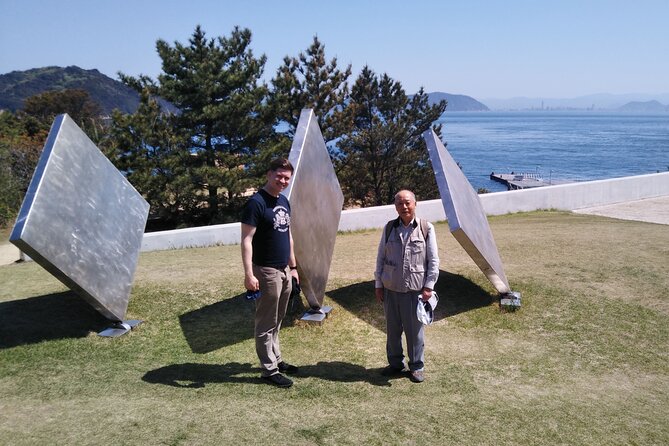
Your tour is designed around choosing 3 to 4 sites, but the plan you choose can also include nearby island add-ons if the timing works. The days that include these extra ferries require more planning, and that’s where a guide earns their fee.
Teshima
Teshima is about 30 minutes by ferry from Naoshima, and it’s a smaller, laid-back art island. The centerpiece is the Teshima Art Museum, described as an architectural structure shaped like a water drop. If you enjoy architecture and installations that feel designed around quiet space, this is a great match.
One practical warning comes from real-world experience on the island: getting around on Teshima can involve infrequent buses, with gaps that can be close to a couple hours. If you’re considering Teshima, ask your guide ahead of time how you’ll time museum entry versus transport. That single conversation can save you from a long wait.
Inujima
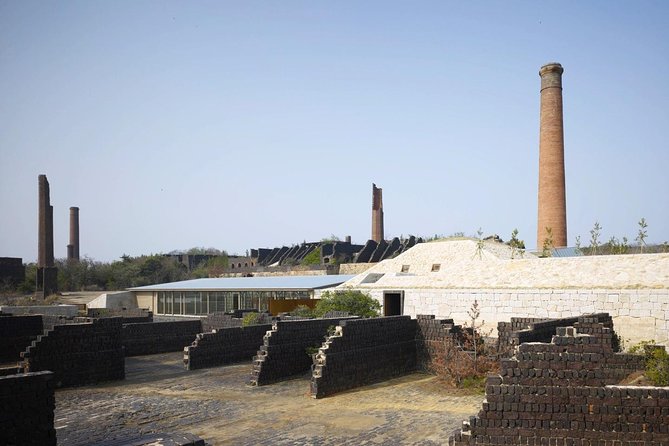
Inujima is smaller still, about 40 minutes by ferry from Naoshima, or about 10 minutes by ferry from the mainland port of Hoden. It’s less visited, and it has a single major museum: the Seirensho Art Museum.
If you like “less crowded, more focused” experiences, Inujima can feel like a calm contrast after Naoshima’s most famous sites.
Possible drawback: ferry schedules and transit timing. Since entrance fees and transportation costs are not included, you’ll want to plan for extra expenses. And because you’re on foot once you arrive, you should still expect walking.
Price and value: what you’re really paying for
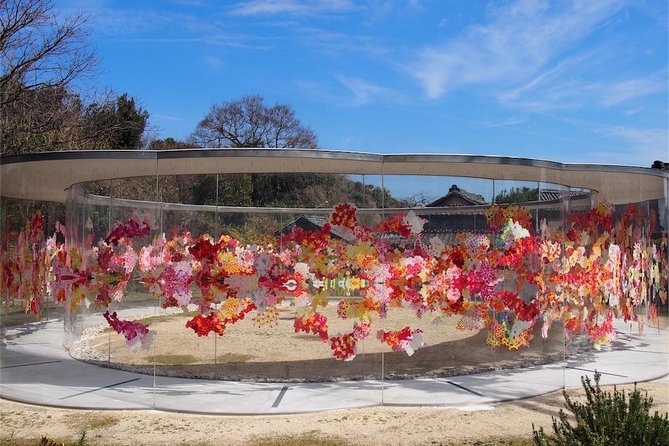
The price is $200.96 per person for an 8-hour private tour.
At first glance, that’s not a cheap day. But the value shows up in how the tour is built:
- You’re not paying for a generic route. You’re paying for a guide to build an itinerary around you, picking 3 to 4 sites so you don’t waste time.
- You get a licensed English-speaking guide, and the guide can explain what you’re seeing, connect sites, and help with real logistics between stops.
- If you’re traveling as a couple or small group, private time often beats paying for multiple separate tickets, transfers, and your own failed attempt at coordination.
Now, the part to factor in: what’s extra.
- Transportation fees are not included.
- Entrance fees are not included.
- Lunch and other personal expenses are not included.
So the true “total cost” is the tour price plus what you spend to move and enter sites. Before booking, decide which ticketed museums you want most, because those choices drive your final spend.
Also, private tours are limited by how you travel. This one is walking-based with no bicycles, and it does not include private vehicles. If you’re hoping to avoid walking entirely, this might not be the best fit.
The biggest win is the guide: real names, real problem-solving
The best part of this kind of tour is not the map on your phone. It’s having a human who can translate the art island into a doable day.
In past days on this route, guides like Kaji, Sato, Reiko, Yoko, and Ray were praised for turning confusion into motion. For example, Kaji handled crowded conditions when the island was busy because of Setouchi Triennale 2025, and still got the group through safely. Sato guided a multi-generational group with care on a hot day. Reiko matched the day closely to a visitor’s ideas and knowledge level, and Ray helped make sure nothing major got missed.
Two practical tips stood out from those experiences:
- If Teshima is on your list, ask your guide for a transport plan early. Buses can be far apart.
- Bring cash. At least one guide explicitly reminded people, which is a good habit to have on islands where payment options can be less straightforward.
And one more thing you should appreciate: private doesn’t mean rigid. Some guides adjusted pace for the realities of the day. If someone in your party has a knee, walking speed issue, or heat sensitivity, speak up early and let the guide shape the order.
Who should book this Naoshima private tour?
This is a great fit if you:
- Love contemporary art, especially when it’s tied to place and architecture.
- Want a day that feels planned without feeling robotic.
- Appreciate clear explanations but do not want a lecture. A good guide keeps it moving and relevant.
- Want to include the major sights like Chichu and Benesse House, but still keep room for your preferences.
It’s also a solid choice for older travelers who can handle walking, because the guide can adjust sequencing and pace. The tour notes that most travelers can participate, but it’s still a walking itinerary, and there are no bicycles for an escape hatch.
If you have limited mobility, you should discuss it before booking. Even with a guide, a walking-first day is a walking-first day.
Should you book it? My quick decision guide
Book this tour if you want the smartest way to see Naoshima in limited time: private, English-speaking, and designed around your 3 to 4 site priorities. The combination of Honmura, Chichu, and Benesse House gives you the classic island story, and adding I♥YU gives you a memorable ending that feels local rather than purely “museum.”
Skip or reconsider if:
- You hate walking and want a fully car-based plan.
- You’re only interested in one museum and can happily DIY the rest without stress.
- You’re not ready to pay extra for entrances and transport after the tour price.
If you’re on the fence, I’d use this simple checklist. Do you care about Chichu and Benesse House, and do you want help timing everything? If yes, this is a very good use of a full day.
FAQ
How long is the Naoshima private tour?
It runs about 8 hours.
Can I choose which sites to visit on Naoshima?
Yes. You customize the day by selecting 3 to 4 sites from the tour’s list of attractions.
Is pickup available from Takamatsu?
Pickup is offered from your Takamatsu hotel. Once you’re on Naoshima, you meet the guide on foot within the designated area.
Are entrance fees included?
No. Entrance fees are not included.
Is the tour private or shared with other groups?
It’s private. Only your group participates, and you cannot combine multiple tour groups.
What is the cancellation policy?
You can cancel for a full refund if you cancel at least 24 hours in advance of the experience start time.
Tours with Government-Licensed Guides, side by side.
 ★ 5.0Tokyo 6hr Private Tour with Government-Licensed GuideFrom $1553,902 reviews
 ★ 5.0Kyoto 6hr Private Tour with Government-Licensed GuideFrom $1551,369 reviews
 ★ 5.0Hiroshima / Miyajima Full-day Private Tour with Government Licensed GuideFrom $2021,298 reviews
 ★ 5.0Kyoto 4hr Private Tour with Government-Licensed GuideFrom $109629 reviews
 ★ 4.8Private Tour with Local Licensed GuideFrom $106463 reviews
 ★ 5.0Hiroshima City 4hr Private Walking Tour with Licensed GuideFrom $122437 reviews
 ★ 5.0Private Kyoto Tour with Licensed Guide & Vehicle (Max 15 persons)From $634417 reviews
 ★ 5.0Osaka 4hr Private Tour with Government-Licensed GuideFrom $109359 reviews
Filed on these lists too