
REVIEW · TOURS WITH GOVERNMENT-LICENSED GUIDES
Naoshima FullDay Private Tour with Government-Licensed Guide
Art that changes how you see buildings. Naoshima has a way of turning a quiet island into a living gallery, and this private full-day tour is a smart way to get there and actually understand what you are looking at. I like that you design your own route and choose 3 to 4 stops based on your interests, whether that is history and culture or the island’s contemporary art scene. I also like the human touch from a government-licensed, English-speaking guide, with names like Ray, Mari, Mika, Yoko Miyake, Kaji, and Kanji showing up in real schedules. One drawback to plan for, this is a walking day with no private vehicle included, so you will want to be ready for transfers and a bit of walking.
Naoshima’s story is part of the experience. It went from rural island to something much bigger in scale, thanks to major architects and a chain of museums and artist spaces, plus a boutique hotel and bathhouse that fit the art-world mood. That means your day is not just about viewing art, it is about seeing how architecture and exhibitions sit in the real terrain around you. If you want max freedom but also want everything to run smoothly, this format fits well, as long as you accept that you will need to coordinate taxis or public transport between selected sites.
In This Review
- Key points to know before you choose this Naoshima tour
- Naoshima’s art island energy, planned with a real guide
- Build-your-day freedom, why choosing 3 to 4 stops matters
- Government-licensed English guidance, what it changes on site
- A walking-day tour, how transfers actually fit into your schedule
- How guides pace your 8 hours so you do not feel rushed
- What stops feel like on Naoshima, art, museums, and Ando architecture
- Contemporary art spaces that feel part of the island
- Architect-driven buildings where light becomes a guide
- The museum, boutique hotel, and bathhouse atmosphere
- If you want a Triennale-style art day
- Price and value: why $196 can make sense here
- What to ask your guide before you lock in your sights
- Who this tour is best for, and who should rethink it
- Quick practical tips to make your day feel easy
- Should you book this Naoshima full-day private tour?
- FAQ
- How many sites can I visit on this Naoshima tour?
- Is this a private tour?
- What language will the guide speak?
- Do I get pickup from my hotel or train station?
- Is transportation by private vehicle included?
- Are entrance fees included?
- Is the tour wheelchair accessible?
- Can I cancel and get a full refund?
Key points to know before you choose this Naoshima tour
You pick 3 to 4 sites, so you can tailor the day to art, architecture, or a balanced mix.
Government-licensed English support means you spend less time guessing and more time understanding.
Walking-focused route, with taxis or public transport between stops when needed.
Your guide helps with timing and on-the-ground decisions, including bookings and pacing at key moments.
You need Japanese yen on hand for transfer costs that are not included.
Guide entry fees are only covered for stops on the selected What to Expect list, so choose carefully.
Naoshima’s art island energy, planned with a real guide
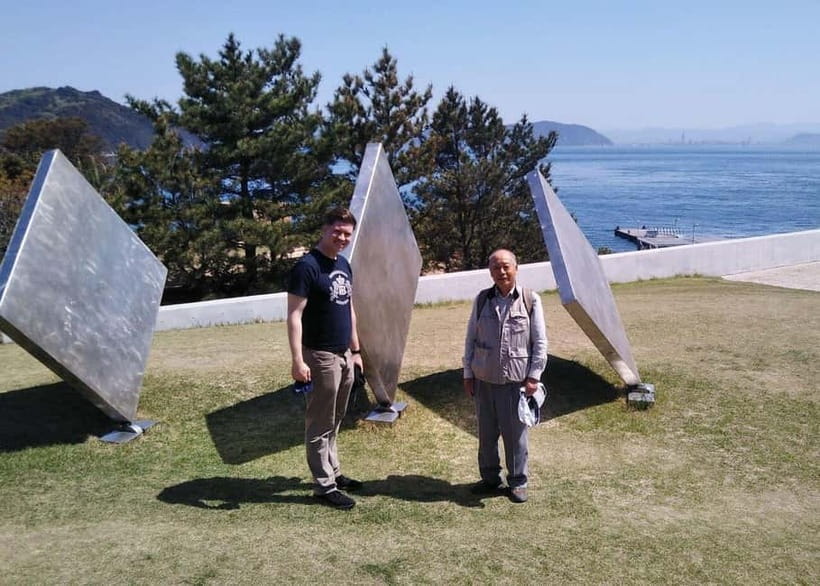
Naoshima does something rare. It makes you feel like the setting is part of the artwork, not just a backdrop. You start to notice how light lands on concrete, how water and plants frame an installation, and how the route between buildings becomes a slow reveal. That is exactly why a private guide is such a good match here. You are not just ticking places off. You are building a line of sight through the island.
The other reason this tour works is that it is not forced into a fixed run. You choose your 3 to 4 stops from the available set, and then the guide builds the day around those choices. If you care about contemporary art but do not want to see everything, you finally get the best kind of control. You also get someone who can translate what you see into plain language, so you do not feel lost inside modern design.
Build-your-day freedom, why choosing 3 to 4 stops matters
This tour is built around a simple idea: better to see fewer things with clarity than rush past too much. With 3 to 4 sites over 8 hours, you get room to breathe. You can spend time where it clicks, and you can move on before you start seeing art as a blur.
When I look at a day like this, I care about two things you should care about too.
First, walking time adds up on Naoshima. Even when transfers are available, you will likely walk between exhibition spaces and buildings. Second, art needs time. Contemporary works often reward you for pausing, stepping back, and then stepping forward again.
That is why 3 to 4 stops is not just a limitation. It is the sweet spot that keeps you from turning the day into a sprint.
Before the tour, you communicate with your guide about which sites you want. That matters because the guide can shape the route based on distance, timing, and the kind of experience you want, not just the order on a poster.
Government-licensed English guidance, what it changes on site
A guide is not just a translator. On Naoshima, a good guide becomes a lens. You learn what questions to ask while you walk through light wells, along corridors, and past installations that interact with their surroundings.
In the experiences shared by past guests, guides have been praised for how well they manage the day. Ray is noted for organization, assistance with transportation, and keeping timing on track so the schedule stays realistic. Mari is described as making a smooth program that combines museums and artworks, plus even arranging a taxi to help with transfers. Mika is praised for planning an art-focused day around the Triennale, including how long to spend at each place. Guides like Yoko Miyake and Kaji are highlighted for energy, pacing, and clear English.
There is a quiet takeaway here: the best value is not only the art you see, it is the art you understand. When your guide explains how something is meant to be experienced, you do not need to pretend you already get it.
A walking-day tour, how transfers actually fit into your schedule

This is a walking day tour, and private vehicle transport is not included. That affects how you should plan your expectations. You should think in terms of short walks plus local transfers when needed, using public transport or local taxis.
The tour provider is clear about needing Japanese yen for transfer costs. So, if you want the day to feel smooth, I suggest you arrive with some yen ready. It avoids delays and lets your guide make quick decisions on the fly.
Also, the meeting structure is simple but slightly flexible. You meet your guide within the designated area on foot near Naoshima and the nearby port. You will also find that the service includes pickup, with your guide waiting in the hotel lobby or in the train station you request about 10 minutes before the scheduled time. In practice, this means you should confirm your exact meeting point early and keep your contact details accurate.
Another detail that can surprise first-timers: you cannot combine multiple tour groups. So do not plan on adding friends or mixing schedules at the last minute. This tour is designed as a private group experience.
How guides pace your 8 hours so you do not feel rushed
An 8-hour private tour sounds long until you are actually moving between sites. The good news is that this format is built for pace control. Since you pick only 3 to 4 sites, the guide can allocate time properly and adjust based on how you are moving.
In past schedules, guides have been credited with planning how long to spend at each location, when to use taxis, and when it makes sense to do sections by foot. One guest description focused on a route built around Tadao Ando architecture, where the schedule even included the ferry used to move through the route and a suggested option to add a newly opened Ando-designed museum.
That tells you what you can ask for. If your interests are specific, you can request a plan that supports them, including transport timing and how you split the day between walking sections and transfers.
What stops feel like on Naoshima, art, museums, and Ando architecture
Because the exact site list is not shown here, I will describe the types of stops you can aim for, based on what the tour is built around.
Contemporary art spaces that feel part of the island
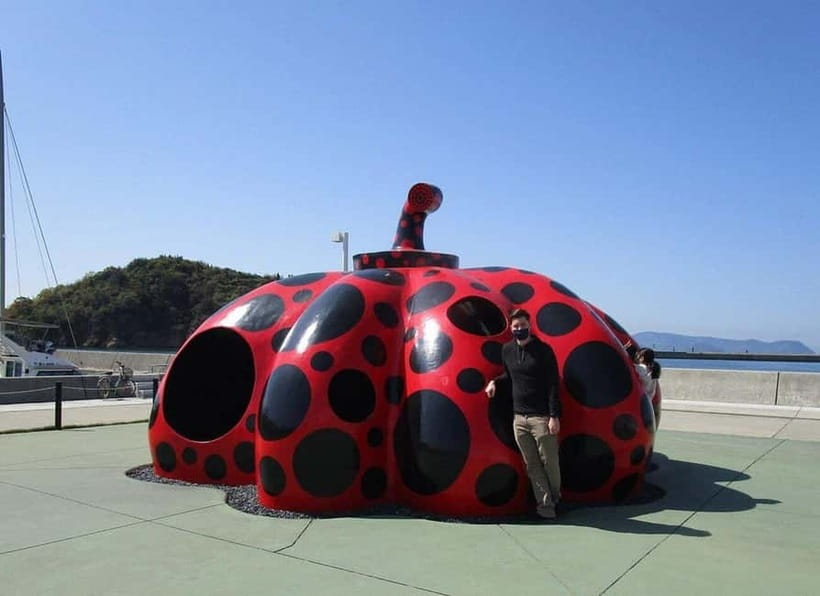
Naoshima’s contemporary art is famous because it is not separated from the world around it. You are seeing installations in context, in spaces that are designed to frame light, silence, and movement. On a guided route, you learn what to notice as you walk, like how a room changes the way you perceive scale, or why materials are chosen the way they are.
Architect-driven buildings where light becomes a guide
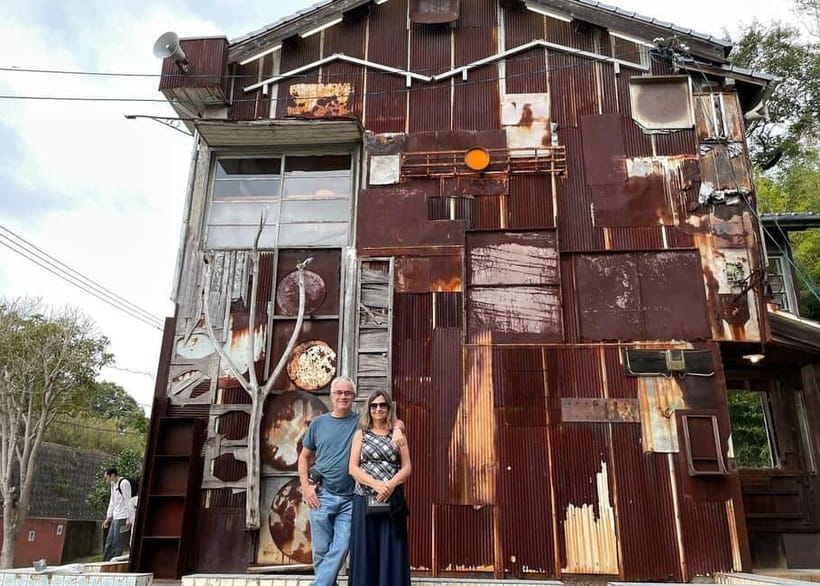
If you care about architecture, this tour can lean into that. Reviews specifically mention interest in Tadao Ando’s architecture, and the day was set up to visit multiple Ando buildings in one day. That is a big win because Ando architecture can take a while to appreciate properly. A guide can help you notice how light and form are working together, and can keep the day flowing so you can still absorb each site without feeling like you are sprinting from photo spot to photo spot.
The museum, boutique hotel, and bathhouse atmosphere
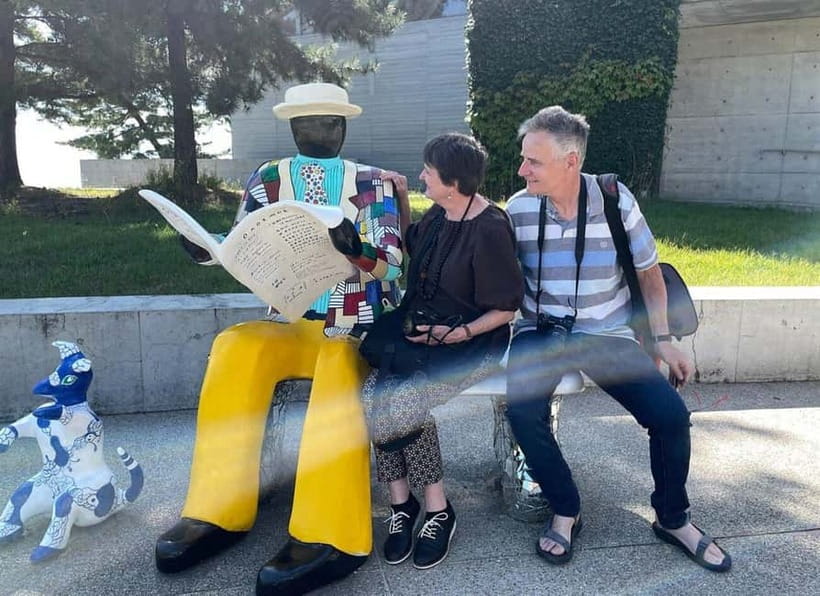
The tour’s description also points to Naoshima’s museum cluster style, plus a boutique hotel and bathhouse. Even when you are not staying overnight, these spaces set the mood. They reinforce that Naoshima is not only about a daytime museum visit. It is an environment designed for slow experience, and your guide can help you connect what you see inside with what you see outside.
If you want a Triennale-style art day
One guest specifically called out seeing a lot of the Triennale through guide planning. If your visit lines up with the relevant seasonal art program, this tour can be a strong way to focus your time. Ask your guide if there are exhibitions or installations that fit your interests, and then use the 3 to 4 site limit to your advantage.
Price and value: why $196 can make sense here
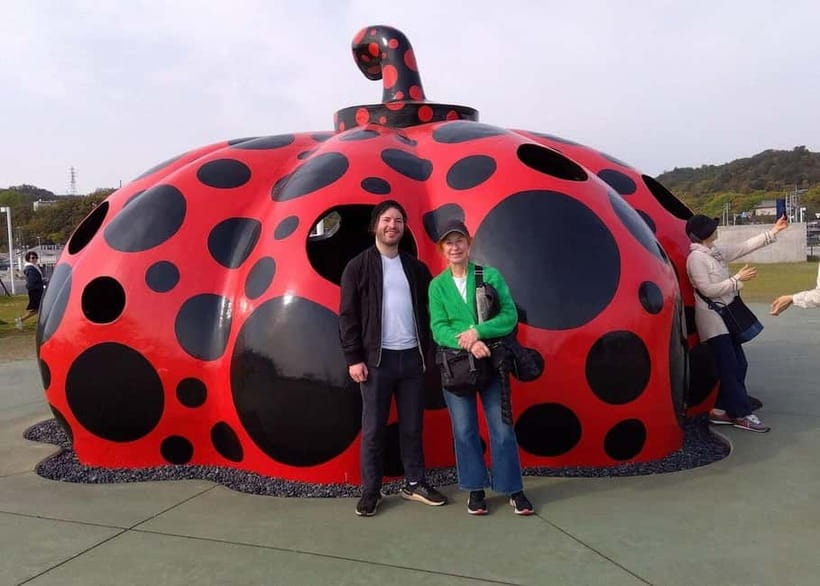
$196 per person for an 8-hour private day is not cheap. But it is also not random pricing. You are paying for a government-licensed English-speaking guide who handles your route decisions, timing, and site-to-site transitions.
Here is where the value can click for you.
First, you are buying local expertise in real time. Naoshima’s art can be confusing if you read signs and hope you get it. A guide turns confusion into understanding quickly.
Second, you are buying efficiency. Guides like Mari and Ray are described as helping with transportation choices and timing so you can see what you planned. When you have only 8 hours, efficiency matters.
Third, you are buying focus. A custom 3 to 4 site plan often beats the same money spent on a big, generic tour that rushes through too many stops.
To be fair, this price becomes less of a bargain if you are the type who only wants broad overview photos, because that kind of visit can be done independently. But if you want meaning, pacing, and a plan that fits your taste, this private format usually delivers.
What to ask your guide before you lock in your sights
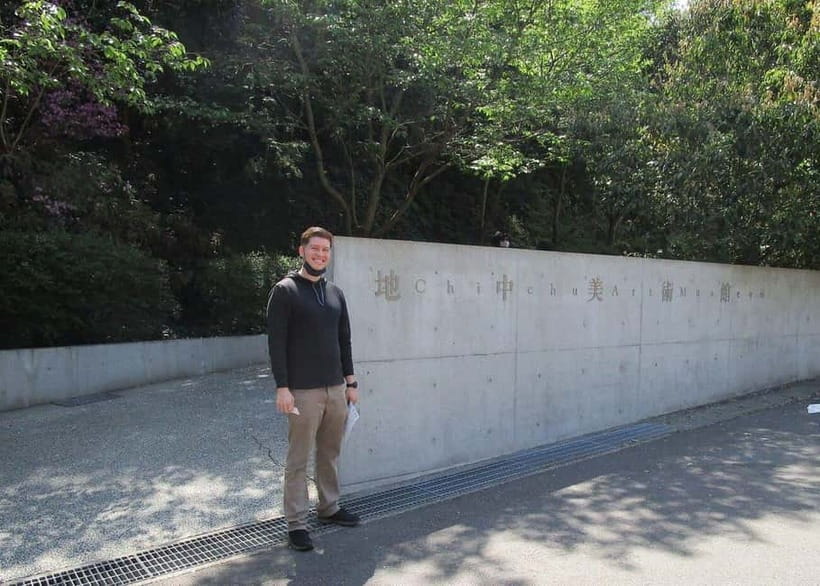
Once you reserve, you will want to communicate post-reservation about which sites you want. I recommend you do two things in your message.
- Tell them your priority: art installations, architecture like Ando spaces, or a balanced mix.
- Tell them your pace: slow and thoughtful, or efficient and see more.
If you already know your must-see type, you can get a smarter route. Past experiences also show guides can help with bookings and transport decisions during the day, so giving them your preference helps them build a day that fits your energy.
Who this tour is best for, and who should rethink it
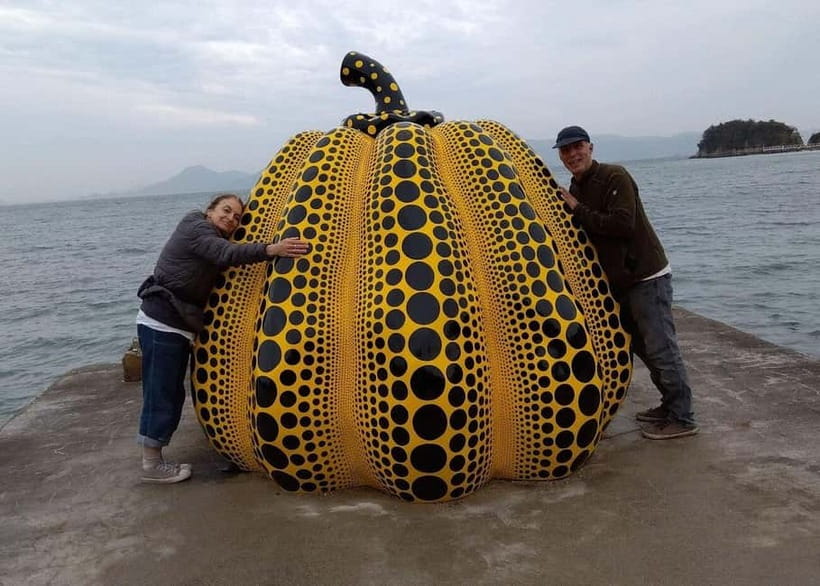
This is a strong pick if you want an art-first day with real explanation, not just a walk-through. It is also a great fit if you have limited time and want to choose the most relevant sites instead of letting a fixed itinerary decide for you.
It may not be ideal if you hate walking, hate scheduling, or expect private car comfort between every stop. This is a walking day tour with no private vehicle included. Transfers may mean buses, taxis, and some waiting time. The guide can help smooth it out, but it will still feel more active than a car-based tour.
The upside is that your group is private, so you are not negotiating with strangers about pace. And if you are traveling with someone who moves at a different speed, you can align more easily with a guide working one-on-one.
Quick practical tips to make your day feel easy
Bring Japanese yen for transfer costs you handle during the day. Since private vehicle transport is not included, taxi and public transport expenses may come up between stops.
Wear comfortable shoes. You are on foot for a good part of the experience, and Naoshima is a place where you will want to pause, step back, and look again.
Plan for a clear meeting point. Confirm whether you are meeting within the designated area near the port or via hotel lobby or train station pickup for your requested location. The 10-minute early wait is part of the system.
Finally, remember the guide entry fees coverage is tied to the sights selected under the What to Expect list. So if you want something outside that set, you should ask how it would work for fees before you count on it.
Should you book this Naoshima full-day private tour?
Book it if you want a focused art day and you like the idea of choosing 3 to 4 sites that match your taste. The combo of a government-licensed English-speaking guide, careful pacing, and the flexibility to aim your day at architecture or installations makes this one of the more practical ways to experience Naoshima.
Consider skipping or choosing a different format if you want a car-based sightseeing day with minimal walking. This tour is built for people who are happy to move, pause, and look. If that sounds like you, you will likely leave Naoshima with more than photos. You will have a better sense of how the art and buildings connect to the island itself.
FAQ
How many sites can I visit on this Naoshima tour?
You can visit 3 to 4 sites from the available list. You communicate with your guide after reservation to choose which sites you want to see.
Is this a private tour?
Yes. It is a private group tour with a licensed local English-speaking guide.
What language will the guide speak?
The guide speaks English and Japanese.
Do I get pickup from my hotel or train station?
Pickup is included. Your guide will be waiting in the hotel lobby or the train station that you request, about 10 minutes before your scheduled pickup time. The tour also notes meeting within a designated area on foot near Naoshima and the nearby port.
Is transportation by private vehicle included?
No. This is a walking day tour and a private vehicle is not included. Public transportation or local taxis may be used between sites, and you should have Japanese yen available for those costs.
Are entrance fees included?
Entrance fees are not included. The guide entry fees are covered only for sights listed under the What to Expect selection.
Is the tour wheelchair accessible?
Yes, the tour is listed as wheelchair accessible.
Can I cancel and get a full refund?
Yes. Free cancellation is available up to 24 hours in advance for a full refund.
Tours with Government-Licensed Guides, side by side.
 ★ 5.0Tokyo 6hr Private Tour with Government-Licensed GuideFrom $1553,902 reviews
 ★ 5.0Kyoto 6hr Private Tour with Government-Licensed GuideFrom $1551,369 reviews
 ★ 5.0Hiroshima / Miyajima Full-day Private Tour with Government Licensed GuideFrom $2021,298 reviews
 ★ 5.0Kyoto 4hr Private Tour with Government-Licensed GuideFrom $109629 reviews
 ★ 4.8Private Tour with Local Licensed GuideFrom $106463 reviews
 ★ 5.0Hiroshima City 4hr Private Walking Tour with Licensed GuideFrom $122437 reviews
 ★ 5.0Private Kyoto Tour with Licensed Guide & Vehicle (Max 15 persons)From $634417 reviews
 ★ 5.0Osaka 4hr Private Tour with Government-Licensed GuideFrom $109359 reviews
Filed on these lists too