
REVIEW · FOOD & DRINK
Osaka: Food Tour at Night with Tastings
Neon, smoke, and street food, all in one walk. This Osaka Dotonbori night tour turns the city’s famous food streets into a guided tasting route, with takoyaki and kushikatsu at the center of it. I especially like the local English-speaking guide element, because it turns ordering and navigating into something you can actually enjoy instead of figure out.
The other thing I like a lot is the small group size, capped at 10, which keeps the pace human and makes restaurant stops feel more like you’re tagging along with someone who knows the best corners. One possible drawback is logistical: there is no hotel pickup, the meeting spot is specific (Starbucks Tsutaya Ebisu-Bashi in Dotonbori), and the tour will leave after a tight 5 minute grace period.
In This Review
- Key Points You Should Know
- Why Dotonbori at 5 PM Changes the Whole Trip
- Meeting Point and Timing, the Stuff That Actually Matters
- The Tastings: From Takoyaki to Kushikatsu and Beyond
- What to watch for at the food stops
- Stories That Turn Streets into Characters
- Japanese Pub Feel, Ordering Support, and How the Pace Works
- Dessert at the End, Why the Sweet Stop Works
- Price and Value: Is $181 Worth It for 4 Tastings?
- Best Fit: Who This Tour Suits in Osaka
- Should You Book This Osaka Night Food Tour?
- FAQ
- What is the duration of the Osaka food tour?
- Where do I meet the guide?
- How many food stops and tastings are included?
- What drinks are included?
- Is hotel pickup included?
- Can dietary requirements be accommodated?
- Do I need to bring a passport copy?
- What is the minimum age for drinking the included drink?
- What is the cancellation policy?
- What is the group size limit?
- Is transportation included?
Key Points You Should Know
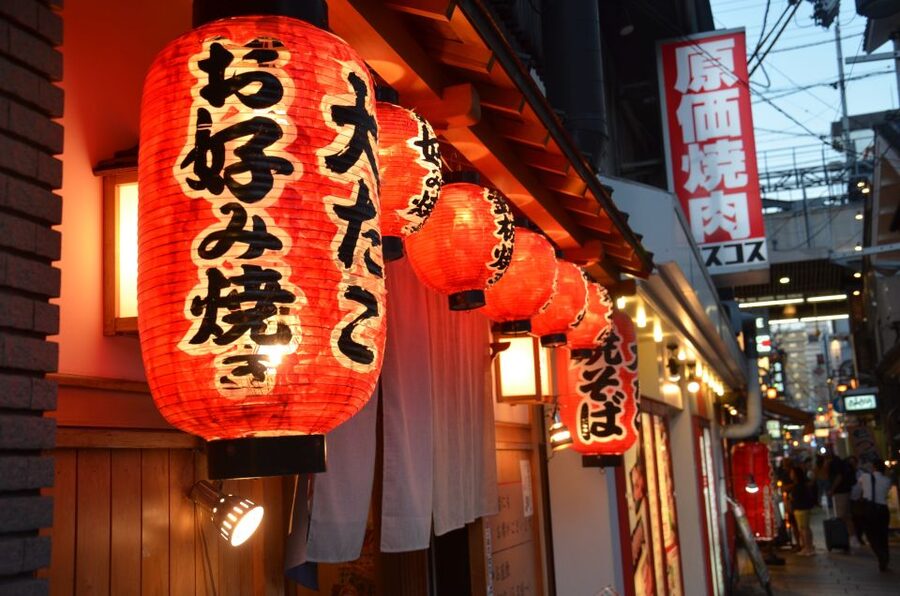
- Dotonbori at night: you follow the neon-lit lanes where Osaka people actually eat and unwind.
- 4 food stops plus dessert: you get a real sequence of tastings, not just one or two bites.
- Ordering help built in: guides are set up to take care of the ordering so you can focus on tasting.
- A secret shrine detour: you’ll reach a calmer side stop most people miss in the noise.
- Small group, capped at 10: easier conversations, less waiting, better flow between stops.
- One included drink: it helps set the mood without turning the night into a party tour.
Still weighing up options in Osaka? These are the ones our reviewers rated highest.
- Osaka Go Karting Tour with Funny Costume
★ 5.0 · 2,658 reviews - Osaka Castle: Museum and Tower Entry Ticket
★ 4.5 · 2,380 reviews - Osaka: Shinsekai Food Tour with 13-15 Dishes at 5 Eateries
★ 4.8 · 2,204 reviews - Osaka Food Tour: 13 Dishes at 5 Local Eateries
★ 5.0 · 2,149 reviews
Why Dotonbori at 5 PM Changes the Whole Trip
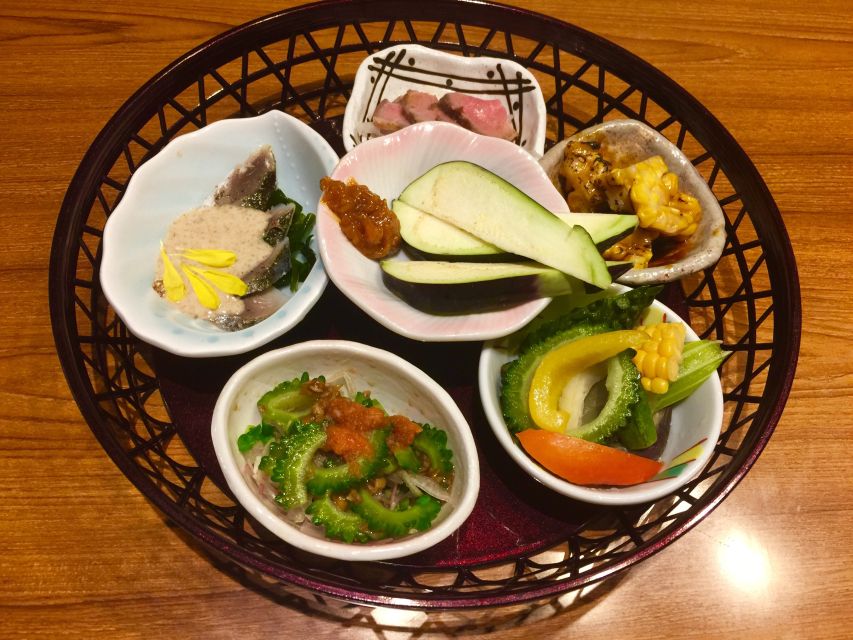
Osaka’s Dotonbori is easy to spot in daylight, but it hits different after sunset. The lights come on, the grills start hissing, and the street scenes feel like a movie set where real people are eating in the same spaces you’re walking through. This tour uses that timing on purpose, starting in the late afternoon and running until the evening, so you experience the neighborhood when it’s most alive.
What I like about the setup is that it does not treat food as a checklist. You’re walking through Osaka’s culinary reputation as the Kitchen of Japan, guided in a way that connects what you taste to why the area works the way it does. The guide is also there to point out the little character details, the kinds of stories that make Dotonbori more than signage and photos.
You will likely see a mix of modern neon and older wooden storefronts side by side. That contrast is part of Osaka’s charm, and it matters because it explains how the city keeps moving while still honoring its local food culture. In a place like Dotonbori, the guide’s narration helps you notice what you would otherwise steamroll past, like why certain dishes show up again and again, and why the area’s rhythm feels the way it does.
Meeting Point and Timing, the Stuff That Actually Matters
The meeting point is in front of Starbucks Tsutaya Ebisu-Bashi in Dotonbori. You meet at 4:45 PM, and the tour starts at 5:00 PM. The rules are clear: your guide can only wait an additional 5 minutes after the starting time, then the group departs.
This matters because Dotonbori is crowded, and it’s easy to lose track of minutes while you’re checking the map or stopping for a quick photo. If you arrive a little early, you’ll get the best experience, because you can settle in and start walking with the group without stress.
One more practical note: once the tour begins, you can’t contact the guides on the phone and you cannot get directions from them. The idea is to keep things smooth and to respect relationships with the restaurants you’ll visit. So if you’re the type who wants a lot of back-and-forth reassurance during the first 10 minutes, plan to do that before you meet your group.
If you are coming from farther away and you’re not sure where you’ll exit from the station, I’d give yourself extra time. The tour covers about 3 hours (with the meeting and end time running later in the evening), so you’ll want to start fully present, not half-rushing.
The Tastings: From Takoyaki to Kushikatsu and Beyond
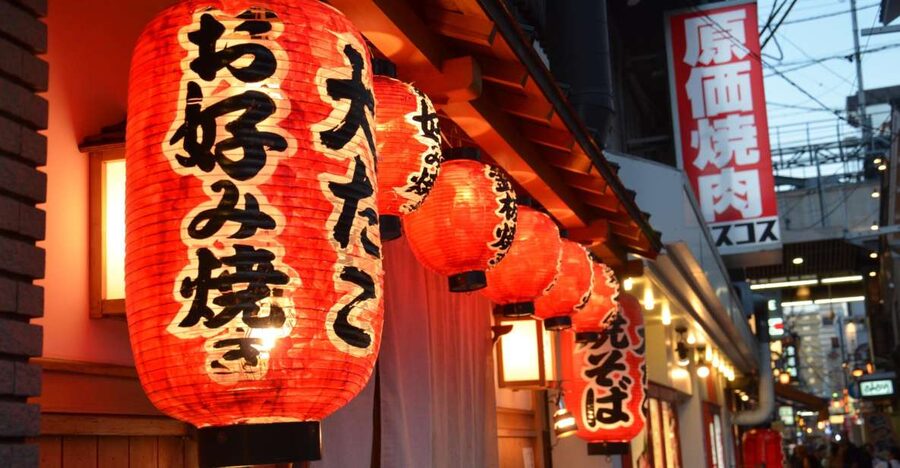
You have four food stops, plus one traditional Japanese dessert at the end. The tour includes one drink, so you’re not stuck figuring out what pairs well with snacks while you’re hungry and overwhelmed by menu choices.
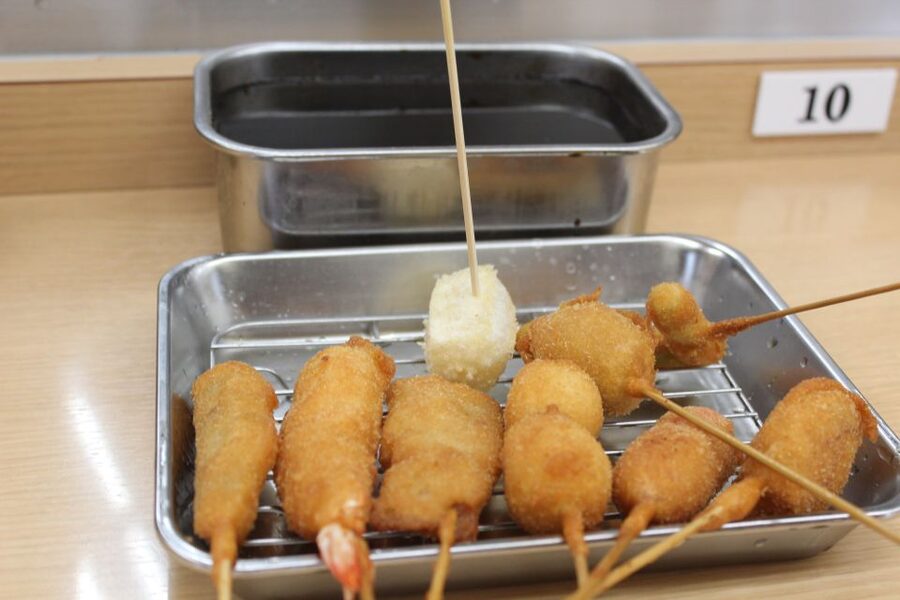
The big two you should expect are takoyaki and kushikatsu. Takoyaki, Osaka’s octopus balls, are all about that crisp outside and soft, warm center. They’re made for street eating, easy to share, and perfect for setting the tone in Dotonbori. Kushikatsu, skewered and fried delights, is more structured, and it’s the kind of dish where a guide’s timing and ordering help you get it right without turning the meal into a guessing game.
The other two food stops are about variety, not repetition. You should count on savory street food and traditional regional specialties that help explain why Osaka people love eating in these lanes. The tour is built so you don’t just sample flavors, you also get a feel for how Osaka portions, textures, and snack culture work together.
A useful angle here is that the guide is there to help you order and move through each spot. One of the repeated themes from past guests is that the guide handles the ordering so you can sit down, relax, and just enjoy the food and the stories. Even if you know a few Japanese phrases, that kind of hands-on help can make a real difference when menus are fast, printed small, or focused on local practices.
- Hungry Osaka Street Food Tour:15 Tastings & 3 Drinks with a Local★ 5.0 · 1,727 reviews
- Osaka: Tea Ceremony Experience★ 4.9 · 1,426 reviews
- Osaka Kickstart: Hotspots & Hidden Gems Tour★ 5.0 · 1,306 reviews
- Osaka: Hotspots & Hidden Gems Walking Tour Private or Group★ 4.9 · 1,300 reviews
- Deep Backstreet Osaka Tours (Option to add Dinner)★ 5.0 · 1,290 reviews
What to watch for at the food stops
If you’re sensitive to spicy foods or have strong texture preferences, tell the guide up front. The tour notes that dietary requirements can be accommodated, which is good news, but you still want to communicate clearly at the start. Also, because it’s a night tour with multiple stops, come hungry. These are tastings, but you’ll burn through an appetite walking in the neon air.
Stories That Turn Streets into Characters
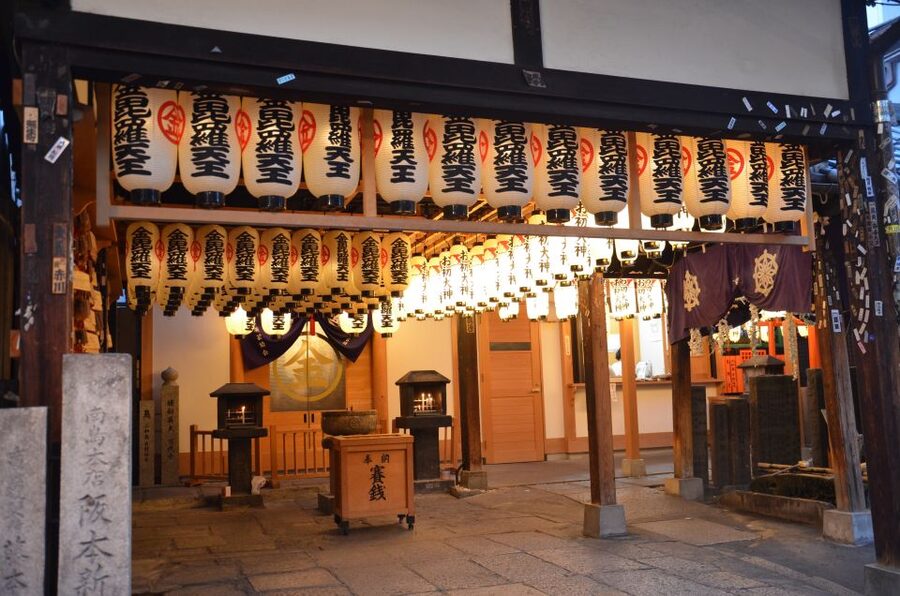
Food tours can be repetitive: eat, smile, move on. This one tries to add meaning by tying the dishes to the neighborhood. As you walk, you’ll hear insider stories about Dotonbori traditions and the characters that shaped how this place became Osaka’s nightlife mecca.
That storytelling is not just entertainment. It’s practical. When you understand the area’s logic, you feel less like you’re wandering and more like you’re learning how the city functions. You start recognizing patterns, like why certain street foods dominate a block, why some restaurants feel purpose-built for quick visits, and how Osaka’s nightlife energy stays grounded in everyday habits.
You’ll also get a special detour to a secret shrine tucked away from the busiest streets. This is one of the most memorable components because it breaks the visual noise. After neon signs and the sound of grills, you step into a quieter pocket, and suddenly the neighborhood feels layered instead of just loud. Most visitors miss this kind of sidestep because they’re moving too fast or staying only on the main drag.
The tour’s pacing seems designed for that rhythm: start with high energy street scenes, then slow down long enough for a calmer stop, then finish with something sweet. That structure helps the whole night feel like a story arc, not a string of snacks.
And yes, there’s also a strong comfort factor in the guide’s approach. Past guides named Matt O., Miki, and Spencer are described as kind, informative, and focused on leading people to places they’d never find alone. Even if you’ve been to Osaka before, this kind of guide-led navigation can change what you notice after dinner.
Japanese Pub Feel, Ordering Support, and How the Pace Works
One of the pleasures of this tour is that it includes time for sitting down, not just standing in lines. You’ll get the chance to experience the kind of eating atmosphere Osaka is known for, where a casual meal can still feel like a social event.
In the reviews tied to this experience, guides are praised for doing the ordering and letting you focus on tasting. For me, that’s a big deal, because street food restaurants can be chaotic if you don’t know the flow. You might not be sure what to pick, how to confirm you’re ordering the right thing, or when dishes arrive. A guide handling that removes the mental tax, and suddenly you’re just enjoying the night.
Group size plays into this. With a maximum of 10, you’re less likely to feel like part of a herd. That matters when you’re bouncing between four stops in one evening, because you need room for conversation, quick questions, and natural pacing around crowds.
You should also expect a mix of standing-and-walking segments with occasional breaks to eat. The tour’s duration, paired with the time windows (meet at 4:45, start at 5:00), suggests you’ll spend the early part of the walk getting settled into Dotonbori and building appetite, then shift into restaurant tastings and end with dessert.
Dessert at the End, Why the Sweet Stop Works
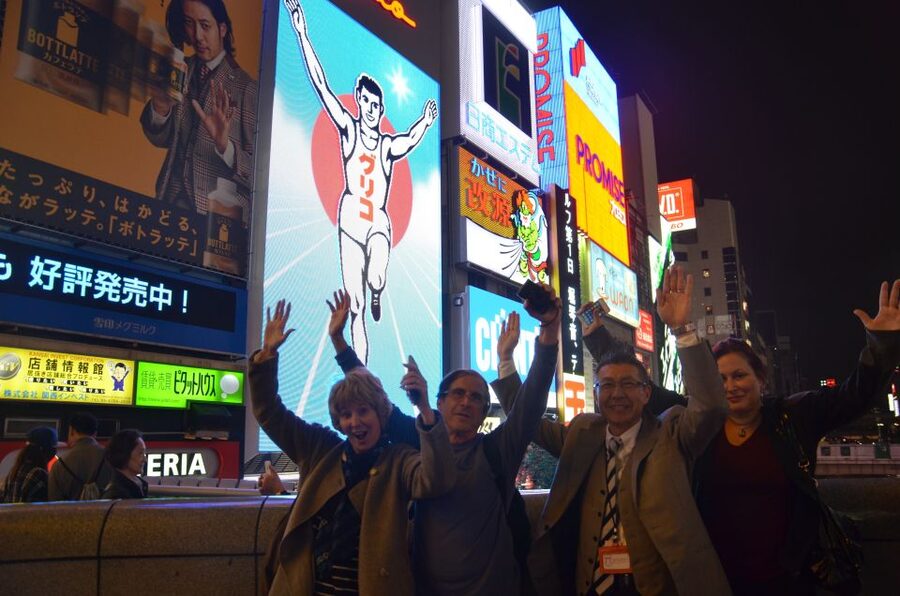
Many food tours rush you into dessert right after the last savory bite. This one is timed to make dessert feel like a finish line instead of an afterthought. You’ll end with a traditional Japanese dessert described as a community favorite.
That matters because it gives you contrast. Street food is usually salty, crunchy, fried, or savory. Dessert gives you a clean palate and a “memory anchor” for the whole night. It also makes it easier to talk about the tastings after you’re done, because sweet flavor tends to be easier to compare.
Another small but real benefit: finishing together at the end of the evening can help you plan the rest of your night. You get out of the tour already knowing what you liked, what you want more of, and which part of Dotonbori you’ll circle back to on your own.
Price and Value: Is $181 Worth It for 4 Tastings?
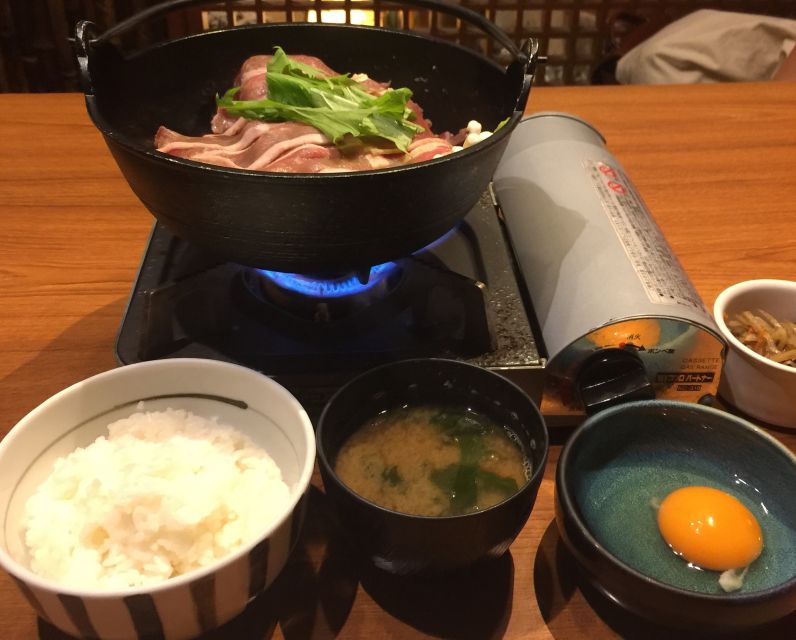
At $181 per person for a roughly 3 hour night experience, you’re paying for more than food. You’re paying for guided routing, ordering help, timing, and access to a few stops you might not easily find on your own.
Here’s the value math that actually matters:
- 4 food stops means you’re sampling more than the typical one or two bites people grab independently.
- 1 drink plus dessert adds up, especially in tourist-heavy areas where drinks and sweets can get pricey.
- Small group size (up to 10) reduces crowd friction and makes restaurant stops manageable.
- The local English-speaking guide adds real-world convenience, especially for menus, restaurant etiquette, and pacing.
Could you eat your way through Dotonbori without a tour? Sure. But you’d be doing it with trial and error, and likely spending more time figuring out where to go next. This tour compresses decision-making, then adds the story layer and the shrine detour.
Is it expensive compared to buying street snacks solo? Yes. Is it expensive compared to paying for a guided night out that includes multiple meals and support? It starts to feel reasonable. If you want a confident plan for your Dotonbori evening, the price starts making sense fast.
Best Fit: Who This Tour Suits in Osaka
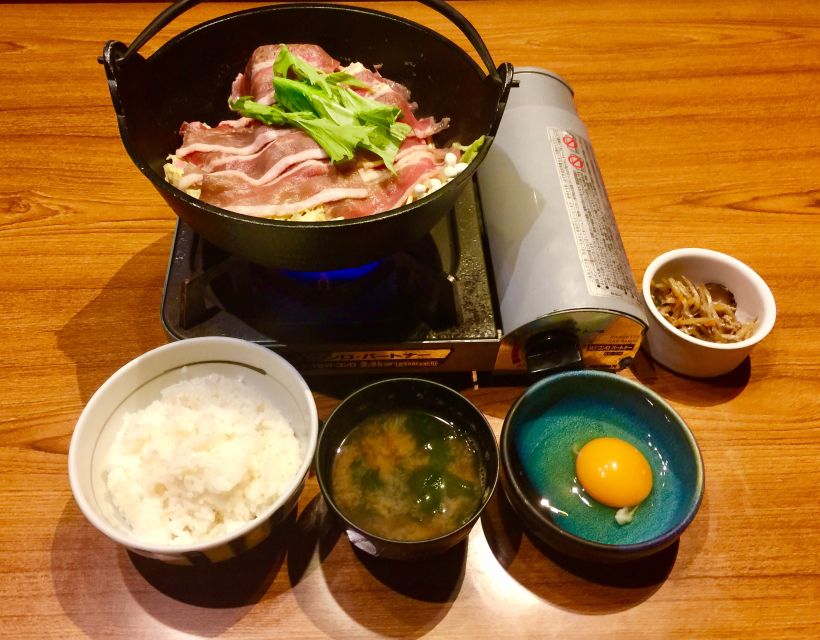
This is a great match if you want your first night in Osaka to feel organized. It’s also a strong choice if Dotonbori feels overwhelming, since the guide helps with ordering and navigation.
It’s also a good fit for couples and small groups who want to talk while moving. The small group cap helps with that. People also seem to like the sit-down moments, where you’re not just in a line holding a paper tray.
The tour notes that it’s perfect for all ages, and it also requires passport information for every participant aged 10 and over. That makes it easier to show up ready, but it also means you should plan ahead with documents.
There is a minimum drinking age of 21. Since one drink is included, you should think ahead about how that will work for anyone under 21 in your group. The tour does state dietary requirements can be accommodated, but the data you have here does not spell out drink substitutions, so I’d ask the booking team if you have mixed ages.
Should You Book This Osaka Night Food Tour?
I’d book it if you want a structured, tasty Dotonbori evening where the guide handles the hard parts, like ordering and deciding where to stop next. The combination of four tastings, a drink, dessert, plus Osaka night stories and a secret shrine stop is a strong package, especially for your first time in this neighborhood.
I would think twice if your plans are very loose and you hate meeting at a specific time. The meeting logistics are tight, and there’s no hotel pickup. If you want maximum flexibility, build extra time for arriving early, and make sure you’re at Starbucks Tsutaya Ebisu-Bashi in Dotonbori before your group starts moving.
FAQ
What is the duration of the Osaka food tour?
The tour duration is listed as 3 hours. The schedule notes you meet at 4:45 PM, tour starts at 5:00 PM, and ends at 8:30 PM.
Where do I meet the guide?
Meet in front of Starbucks Tsutaya Ebisu-Bashi in Dotonbori. Your guide will be holding a sign.
How many food stops and tastings are included?
The tour includes tries at 4 food stops, plus a traditional Japanese dessert.
What drinks are included?
One drink is included.
Is hotel pickup included?
No, hotel pickup is not included. It can be arranged for an additional charge.
Can dietary requirements be accommodated?
Yes. Dietary requirements can be accommodated.
Do I need to bring a passport copy?
Yes. A copy of passport information is required for every participant aged 10 and over.
What is the minimum age for drinking the included drink?
The minimum drinking age is 21 years.
What is the cancellation policy?
Free cancellation is available up to 24 hours in advance for a full refund.
What is the group size limit?
This is a small group limited to 10 participants. A minimum of 2 people is required per booking.
Is transportation included?
Transportation costs are not included. You pay for your own transportation.
Newest Osaka write-ups from the Loving Japan desk


Food & Drink, side by side.
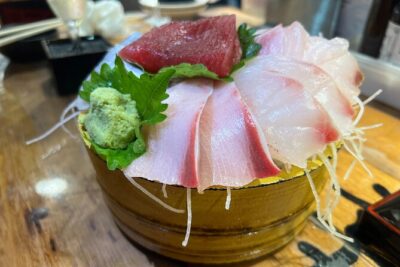 ★ 5.0Shinjuku Food Tour (13 Dishes at 4 Local Eateries)From $866,603 reviews
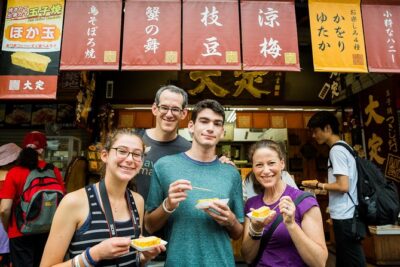 ★ 5.0Tokyo Tsukiji Fish Market Food and Culture Walking TourFrom $993,184 reviews
 ★ 4.8Shinsekai Food Tour with 13-15 Dishes at 5 EateriesFrom $532,204 reviews
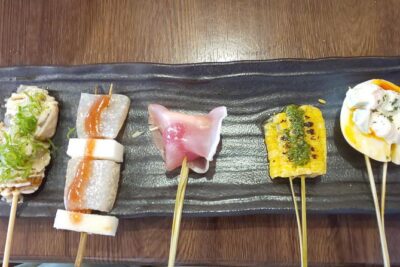 ★ 5.0Osaka Food Tour: 13 Dishes at 5 Local EateriesFrom $732,149 reviews
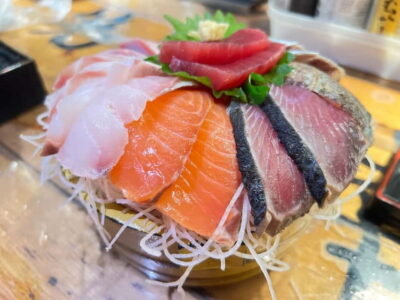 ★ 4.9Shinjuku Food Tour (15 Dishes and 4 Eateries)From $852,033 reviews
 ★ 5.0Kyoto Night Foodie Tour in Gion (9+ dishes + 6 Sake tastings)From $1631,762 reviews
 ★ 5.0Hungry Osaka Street Food Tour:15 Tastings & 3 Drinks with a LocalFrom $731,727 reviews
 ★ 5.0Tsukiji Fish Market Food and Walking tourFrom $301,724 reviews
Filed on these lists too