
REVIEW · FOOD & DRINK
Osaka: Guided Food Tour with 12 Dishes at 4 Local Eateries
Osaka night food hits different when someone guides you through. You’ll taste 12 Japanese dishes on a tight 150-minute walking loop, with stops that lean local, including sake bars and street eats you would not easily find on your own. It is a fun way to learn how Osaka actually eats, not just what Osaka looks like.
I especially love the pace and planning. You get enough variety to try your favorites (and discover new ones), but the stops feel relaxed, with guides like Mao, Ukyo, and Spike bringing energy and clear explanations at each bite. One consideration: the specific restaurants and dishes can vary by day, so this is best if you enjoy surprises more than you need an exact lineup.
In This Review
- Key highlights worth your attention
- Starting in Dotonbori: The Don Quijote meeting point that gets you moving
- Stop 1 at a local restaurant: your first round of Osaka flavors
- How the drink choices work (and why that matters in Japan)
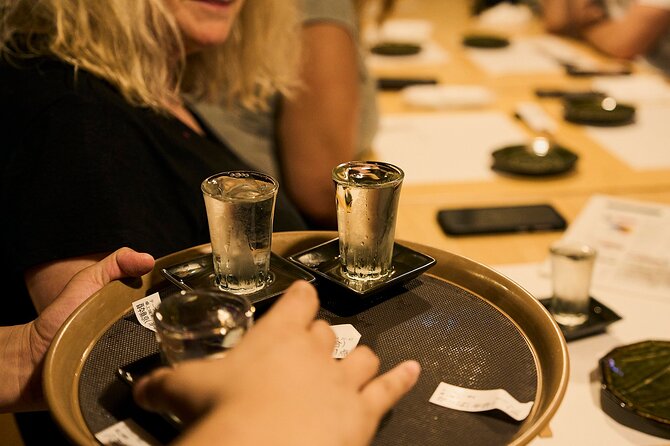
- Izakaya energy and sake-bar hopping: the local bar stop that changes the whole vibe
- Street food in Dotonbori: the Michelin Guide flavor moment
- Hidden dessert and a last walk back to Don Quijote
- The value of $73: why 12 dishes and 2 drinks is a good deal
- What the 12 dishes teach you about Osaka (even if your tastes differ)
- Pace, group size, and why the night feels friendly
- Practical tips so you get the most out of the night
- Who this tour is best for
- Should you book this Osaka 12-dish food tour?
- FAQ
- How long is the Osaka guided food tour?
- What does the tour cost?
- Where do I meet the guide?
- What language is the tour guide?
- How many dishes and drinks are included?
- Are alcohol drinks included, and is there an age restriction?
- Can I buy extra food or drinks during the tour?
- What should I bring?
- Is there free cancellation?
- Are the dishes the same every day?
Key highlights worth your attention
- 12 dishes, first-timer friendly, built to give you a real taste of Osaka flavors
- Sake-bar focused stops that feel like evenings out with locals, not a checklist
- Street food with Michelin Guide cred, including popular Dotonbori-style snacks
- Guides with personality, from Mao to Ken to Kenta, who explain what to look for and how to eat
- A social vibe without the pressure, where conversation often starts at the table
Still weighing up options in Osaka? These are the ones our reviewers rated highest.
- Osaka Go Karting Tour with Funny Costume
★ 5.0 · 2,658 reviews - Osaka Castle: Museum and Tower Entry Ticket
★ 4.5 · 2,380 reviews - Osaka: Shinsekai Food Tour with 13-15 Dishes at 5 Eateries
★ 4.8 · 2,204 reviews - Osaka Food Tour: 13 Dishes at 5 Local Eateries
★ 5.0 · 2,149 reviews
Starting in Dotonbori: The Don Quijote meeting point that gets you moving
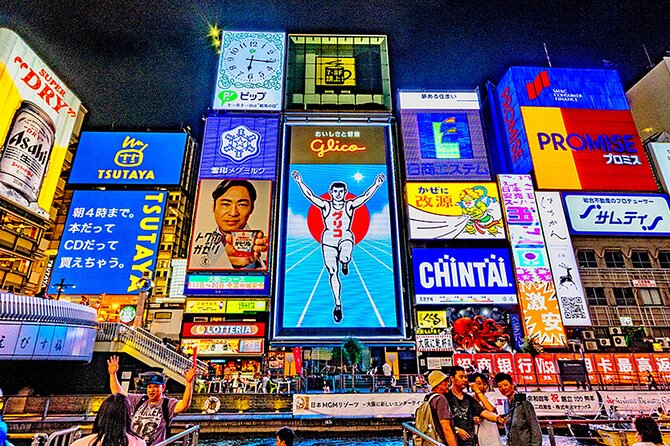
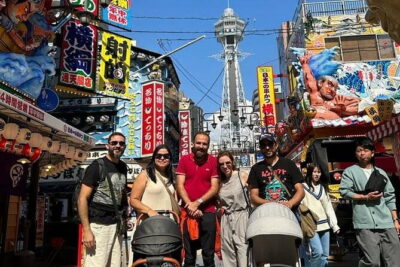
You meet in front of Don Quijote Dotonbori Midosuji Store. Yes, it is loud, bright, and hard to miss. The key detail is to look for the Local Guide Stars sign, so you can spot your guide quickly and avoid that awkward wandering-before-you-start.
What I like about this setup is that it anchors the tour in the exact neighborhood most first-timers want to see, Dotonbori. You get immediate context. This is where the city’s food scene is on display, and where you can walk from one type of eatery to the next without burning time on navigation.
Wear comfortable shoes. You are walking through a busy area, and the tour’s whole rhythm depends on being able to move comfortably. If it rains, you will still want to keep going, just with a bit of waiting and sheltering, like one guide group did when heavy rain hit on the way to the final stop.
Stop 1 at a local restaurant: your first round of Osaka flavors
The tour begins with a local restaurant experience that typically starts with an aperitif-style setup. Depending on the night, you may get choices like beer, cocktail, wine, tea, coffee, or other drink options, but the point is the same: you ease in, then start eating right away.
This is where that “12 dishes in 150 minutes” plan actually works. Guides keep you fed, but they also give you context. Based on guide styles described in the reviews, you’ll usually hear what makes each dish Osaka, what to notice in taste and texture, and how to approach it so it makes sense the first time you try it.
You can also expect variety early on, with elements such as fresh fish dishes and classic Osaka comfort flavors. If you have ever landed in Japan and felt a little overwhelmed by menu reading, this first restaurant stop is the antidote. Someone else orders, someone else explains, and you get to focus on eating.
Possible drawback here: the exact dishes can shift depending on the day. That means you might not get the exact same items as the person next to you on a different date. The upside is that you get a broader range over multiple visits, if you ever come back.
How the drink choices work (and why that matters in Japan)
You get 2 drinks included over the tour. The drink types are not one-size-fits-all, because you can choose from options like beer, cocktails, spirits, tea, coffee, wine, and more. That flexibility matters in Japan, where different places lean toward different spirits and food pairings.
It also affects your comfort level. If you want to try sake, you will likely get your chance through the later bar stops. If you do not, you can still enjoy the drink side without feeling pressured.
One important rule: participants under 20 are welcome, but they are not permitted to consume alcohol. The tour is designed to still work for you, but this is a real boundary, so plan accordingly.
- Osaka Go Karting Tour with Funny Costume★ 5.0 · 2,658 reviews
- Osaka Castle: Museum and Tower Entry Ticket★ 4.5 · 2,380 reviews
- Osaka: Shinsekai Food Tour with 13-15 Dishes at 5 Eateries★ 4.8 · 2,204 reviews
- Osaka Food Tour: 13 Dishes at 5 Local Eateries★ 5.0 · 2,149 reviews
- Hungry Osaka Street Food Tour:15 Tastings & 3 Drinks with a Local★ 5.0 · 1,727 reviews
Izakaya energy and sake-bar hopping: the local bar stop that changes the whole vibe
After the first restaurant, the tour moves into a local bar setting, which is where many people fall in love with Osaka. A “bar” here is not just about drinks. It is about atmosphere. Darker lighting, close seating, small plates, and a sense that everyone is doing this for fun, not for photos.
This is where the reviews shine. Multiple guides, including names like Nao, Mao, and Diego, are praised for making the experience feel authentic and personal. You do not just get food handed to you. You get explanations and context that turn a random venue into a place with meaning.
You’ll also likely encounter the kind of menu ordering that makes Japan click. Guides tend to help you understand what you are eating, and they often suggest how to eat it properly, so you do not miss the best part.
If you drink alcohol, this portion is also the easiest way to meet sake in a low-stress way. You get guidance, and you are not stuck trying to interpret sake labels while hungry and jet-lagged.
Street food in Dotonbori: the Michelin Guide flavor moment
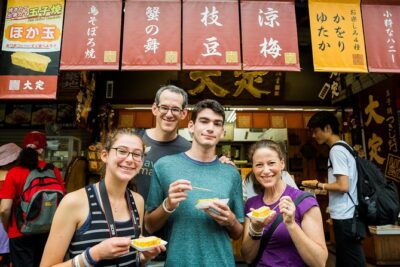
Osaka does street food like it means it. The tour includes street food featured in the Michelin Guide, and in practice, this is often where the fun spikes. Dotonbori is loud and crowded, so having a guide steer you to the right stall and keep the timing on track is a big help.
From the experiences shared, you may see popular items like takoyaki. One review also mentioned a street-stall takoyaki stop as part of the route. Another mentioned eating Osaka-style okonomiyaki at the end. That combination, street snack first, then a heavier Osaka dish later, is a smart flow.
If you are thinking, Will I be able to handle all this food? Yes, because the tour is built around tastings. You get enough to feel the variety and learn what you like, without needing to order extra full-size portions every time.
Still, the practical advice is to go into this hungry, but not starving. If you show up with a massive lunch already eaten, you can end up too full for the last bites and miss the final “aha” dish.
Hidden dessert and a last walk back to Don Quijote
Near the end, the tour includes another stop that can include dessert alongside more dinner-style offerings. The “hidden gem” phrasing used in the description fits the feeling: smaller spaces, less tourist flow, more local comfort.
This part is especially useful for readers who like their food experiences rounded out. A lot of tours focus only on savory, then you wander off and hunt dessert afterward. Here, dessert becomes part of the structure, so you finish the tour with something sweet and familiar enough to feel satisfying.
You also end back at Don Quijote Dotonbori Midosuji Store. That return matters more than you might think. It makes it easy to continue your night on foot, grab a second drink on your own, or head back toward your hotel without stress.
If it is raining, you might find yourself waiting undercover for a bit before the last push. One group described heavy rain on the final stretch, but the mood stayed good. The takeaway for you: pack patience, and bring shoes that can handle wet streets.
The value of $73: why 12 dishes and 2 drinks is a good deal
$73 for 150 minutes may sound like a lot until you picture what you are actually buying. You are not paying for one meal. You are paying for:
- 12 recommended dishes across multiple venues
- 2 drinks included
- Ordering help so you do not waste time translating menus
- A guide who gives context so each bite teaches you something
- A route that handles timing, walking, and variety
In a place like Osaka, the hidden cost is effort. Finding the right spots, figuring out what to order, and then repeating that process multiple times eats your day. Here, the structure does that work for you.
The other value is social. Reviews repeatedly mention meeting fellow travelers and feeling comfortable chatting. Some bookings even ended up smaller, like a private feel for just two people with a guide such as Momo. That matters if you are a solo traveler, or if you simply prefer your night out to have human conversation, not just a food pipeline.
What the 12 dishes teach you about Osaka (even if your tastes differ)
Your included dishes can vary by day, but the core themes show up. You’ll typically see:
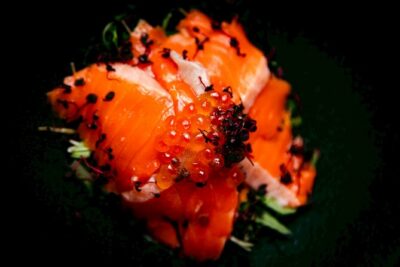
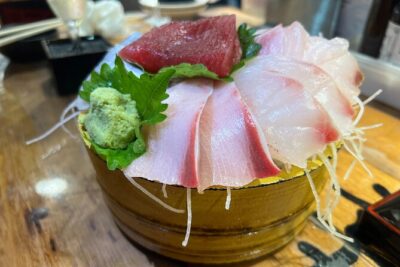
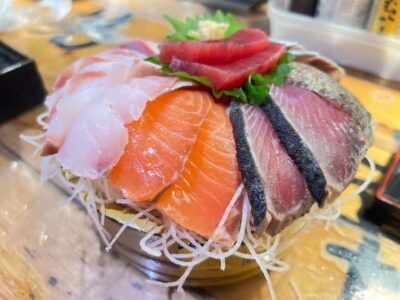
- Fresh fish dishes, a reminder that Osaka’s food culture is not only about meat and carbs
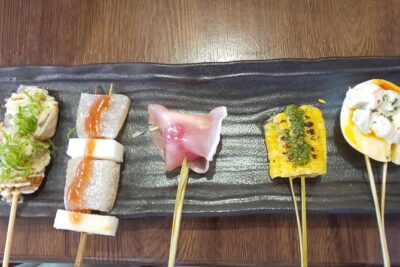
- Grilled skewers, a comfort category that is common in izakaya-style eating
- Traditional sweets, giving you a sense of how Osaka handles dessert
- Popular Dotonbori staples you might recognize, like takoyaki and Osaka-style okonomiyaki on some nights
I like how the tour balances familiar and new. You get enough recognizable items that you do not feel lost, and enough first-time flavor to keep you curious.
Another smart element is how guides explain what you’re eating. One review specifically appreciated Mao’s gluten-free accommodation, which suggests that some dietary needs can be supported depending on the guide and situation. If you have allergies or a strict diet, do not assume it will automatically be handled, but it is worth mentioning to your guide in advance if your booking process allows for notes.
Pace, group size, and why the night feels friendly
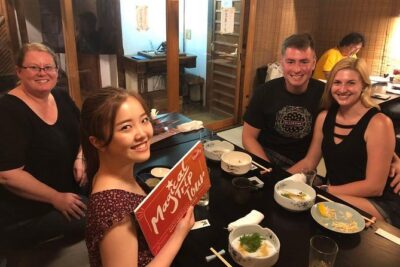
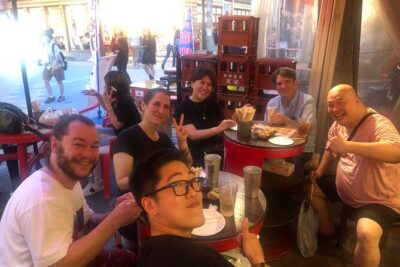
The tour is designed to be comfortable. Reviews call out good pacing and a relaxed feel. One person highlighted a small group size, and another described the experience as not rushed and very personal, with laughter and easy conversation.
That pacing is what makes it work for most people. If you were doing this alone, you might line up at one spot too long, or you might pick two restaurants that end up overlapping menus. Here, the plan keeps you moving, eating, and talking.
If you are traveling solo, this can be a standout choice. Several reviews mention enjoyment for solo travelers. You still walk at a human pace, you can ask questions, and you are not stuck eating one dish at a time in silence.
Practical tips so you get the most out of the night
Here’s my straight advice to make this tour easier and more fun.
- Bring cash for any extras. The tour includes food and drinks, but additional orders need cash.
- Use comfortable shoes. You will be on your feet in a crowded entertainment district.
- Eat with curiosity. Guides will often tell you how to approach a dish, like what to notice first.
- Consider your drink plan. You are getting 2 drinks included, plus you might have chances to try more during bar stops depending on how you choose.
- Bring a camera, and also remember that you may not want to stop for photos during every bite. Focus on taste first, snap a few key moments after.
And one last tip, Osaka is intense in the best way. The streets can feel chaotic. Having a guide walk you through Dotonbori without getting lost is a real quality-of-life win.
Who this tour is best for
This is a great fit if you are:
- New to Japanese food and want a guided first taste across 12 dishes
- Interested in Osaka’s nightlife side, especially sake bars and izakaya culture
- Traveling with friends, a couple, or even solo, and you want friendly conversation built into the evening
- Short on time but want variety without spending your night doing menu research
It is also a smart choice if you care about authenticity. Multiple reviews highlight that the experience feels local and personal, and that guides take you to places you would not find on your own.
If you are picky about one specific dish you must eat, read that last line carefully. Because restaurants and dishes can change by day, you should think of this tour as a curated sampling of Osaka, not a guarantee for one exact menu.
Should you book this Osaka 12-dish food tour?
I think you should book it if your goal is a high-value food evening with structure. For $73 and 150 minutes, you get a lot of eating, plus the missing piece that most self-guided nights struggle with: ordering help and on-the-spot explanations.
It is also a good booking for first-timers because you do not need to know Japanese menu vocabulary to enjoy yourself. You just show up hungry, bring some cash, and follow your guide.
If you hate surprises and want a fixed list of exact dishes every time, then this may feel less predictable, since stops and dishes can vary by day. But if you like variety, want sake-bar energy, and enjoy learning while you eat, this tour is a very solid choice for an Osaka night.
FAQ
How long is the Osaka guided food tour?
It runs for 150 minutes.
What does the tour cost?
The price is listed as $73 per person.
Where do I meet the guide?
Please meet in front of Don Quijote Dotonbori Midosuji Store, and look for the Local Guide Stars sign.
What language is the tour guide?
The tour offers a live English guide.
How many dishes and drinks are included?
You’ll get 12 recommended Japanese dishes and 2 drinks included.
Are alcohol drinks included, and is there an age restriction?
Alcohol may be included as part of the drink options, but participants under 20 are not permitted to consume alcohol.
Can I buy extra food or drinks during the tour?
Any extras must be paid in cash.
What should I bring?
Bring comfortable shoes and a camera.
Is there free cancellation?
Yes, you can cancel up to 24 hours in advance for a full refund.
Are the dishes the same every day?
The tour visits different restaurants depending on the day, so the dishes may differ as well.
Newest Osaka write-ups from the Loving Japan desk

Food & Drink, side by side.
 ★ 5.0Shinjuku Food Tour (13 Dishes at 4 Local Eateries)From $866,603 reviews
 ★ 5.0Tokyo Tsukiji Fish Market Food and Culture Walking TourFrom $993,184 reviews
 ★ 4.8Shinsekai Food Tour with 13-15 Dishes at 5 EateriesFrom $532,204 reviews
 ★ 5.0Osaka Food Tour: 13 Dishes at 5 Local EateriesFrom $732,149 reviews
 ★ 4.9Shinjuku Food Tour (15 Dishes and 4 Eateries)From $852,033 reviews
 ★ 5.0Kyoto Night Foodie Tour in Gion (9+ dishes + 6 Sake tastings)From $1631,762 reviews
 ★ 5.0Hungry Osaka Street Food Tour:15 Tastings & 3 Drinks with a LocalFrom $731,727 reviews
 ★ 5.0Tsukiji Fish Market Food and Walking tourFrom $301,724 reviews
Filed on these lists too