
REVIEW · SAPPORO, OTARU AND HOKKAIDO
Otaru 4hr Private Trip with Government-Licensed Guide
Otaru feels intimate with the right guide. This private half-day plan gives you personal attention and a flexible route, so you focus on what you actually want to see. I like how it keeps the day efficient, with 2 to 3 customizable stops instead of a one-size route that burns time.
One thing to know up front: this is a walking tour, and while pickup is offered, there is no private car included. Transportation costs and most entry fees are extra, so you’ll want a little cash and comfortable shoes.
In This Review
- Key points that make this Otaru private tour a smart move
- Why Otaru Canal plus a guide beats wandering on your own
- Choosing your 2 to 3 stops in Otaru (and how to pick well)
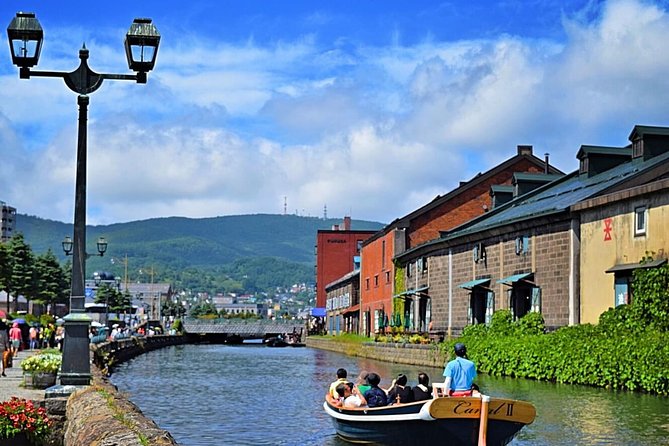
- Otaru Canal: your best first hour for photos and context
- Otaru Art Base: early 20th-century buildings turned into something you can feel
- Sakaimachi Street: where to shop and snack without wandering in circles
- Tanaka Sake Brewing Kikkogura: old-world Japan through sake brewing
- Mt. Tengu Ropeway and the Ski Museum area: add the viewpoint when conditions allow
- What the guide actually brings to the streets (and why names matter)
- How to plan your budget for Otaru without surprises
- Timing and pacing: a half-day that stays enjoyable
- Who this Otaru tour is best for
- Should you book this Otaru private half-day tour?
- FAQ
- How long is the Otaru private tour?
- Is this tour private or shared?
- Do I get an English speaking guide?
- Is transportation included in the price?
- Where do we meet the guide?
- Can I choose which sights to visit?
- Are entry tickets included?
- Will lunch be provided?
- Can I cancel and get a refund?
- Are service animals allowed?
Key points that make this Otaru private tour a smart move
- Government-licensed English speaking guide: You get a professional local voice, not just a list of facts.
- Choose 2 to 3 sites: You control the vibe, from canal photos to shopping streets to sake.
- Walking format with meet up on foot: Easy to start, but plan for several hours of strolling.
- No private vehicle: You may use public transport, and you’ll pay your own way.
- Entry fees are separate: Canal is free, but places like the Art Base and other stops often cost extra.
Further north. Our other Hokkaido write-ups
- Otaru 4hr Private Trip with Government-Licensed Guide
★ 4.5 · 20 reviews - Otaru 6hr Private Trip with Government-Licensed Guide
★ 5.0 · 16 reviews - Sea Kayaking Tour – Otaru Coastal Adventure
★ 5.0 · 13 reviews
Why Otaru Canal plus a guide beats wandering on your own
Otaru is famous for that old-town atmosphere, but it can also feel like you’re just following crowds from one photo spot to the next. This tour helps you slow down and understand why places look the way they do, instead of treating the day like a scavenger hunt.
The biggest value here is time management. In about 4 hours, you can hit a small set of key areas, then move on while the energy is still good and your feet aren’t totally done. That is especially helpful if you have limited time in Hokkaido and want Otaru to be a highlight, not an obligation.
Choosing your 2 to 3 stops in Otaru (and how to pick well)
You pick from a highlights list and your route gets built around 2 to 3 attractions. That means you can tailor your day to your pace and interests.
A good way to choose:
- If you want classic Otaru photos and atmosphere, make Otaru Canal your anchor.
- If you love craft, small history details, and tasting culture, add Tanaka Sake Brewing Kikkogura.
- If you want food, snacks, and easy browsing, Sakaimachi Street is the natural partner.
- If you like architecture and photo-friendly corners, the Otaru Art Base fits well after the canal.
- If you want a viewpoint option, add the Mt. Tengu Ropeway and Ski Museum area, but keep weather in mind.
Since entry fees and transport are extra, your best value comes from choosing stops you genuinely want, not just ticking boxes.
Otaru Canal: your best first hour for photos and context
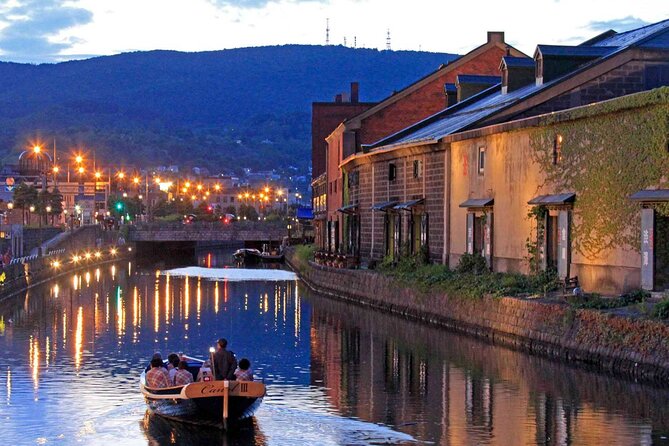
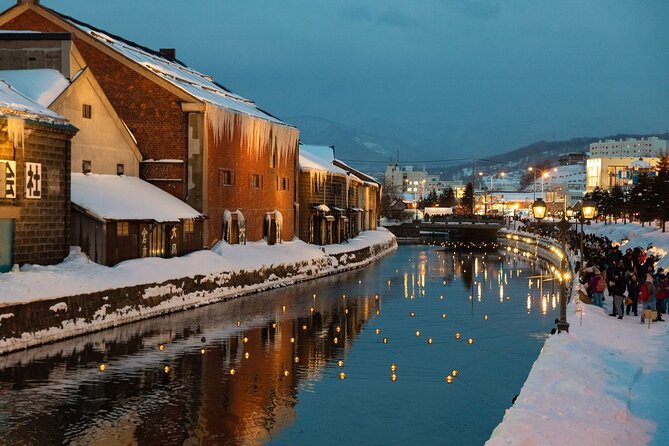
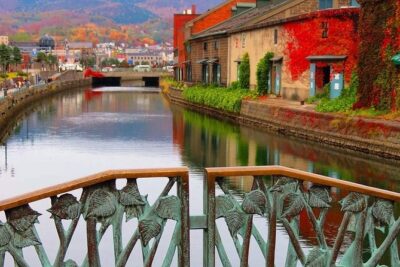
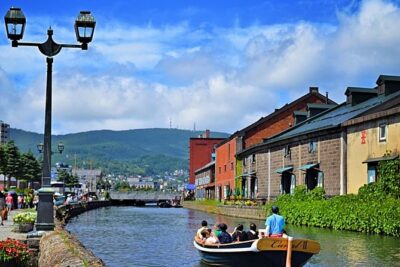
The Otaru Canal is the classic starting point for a reason. It was once a major distribution hub for Hokkaido, and the town’s importance was big enough to surpass even Sapporo at one point. That is the kind of context that turns a pretty waterfront walk into an actual story.
Timing-wise, canal time works well at the beginning. You get to set the tone for the day, see the main views while light is still forgiving, and orient yourself before you branch into side streets.
Good practical tip: canal areas are great for pictures, but you’ll want a light layer. Even in pleasant seasons, waterfront air can feel cool when you’re walking for hours.
Otaru Art Base: early 20th-century buildings turned into something you can feel
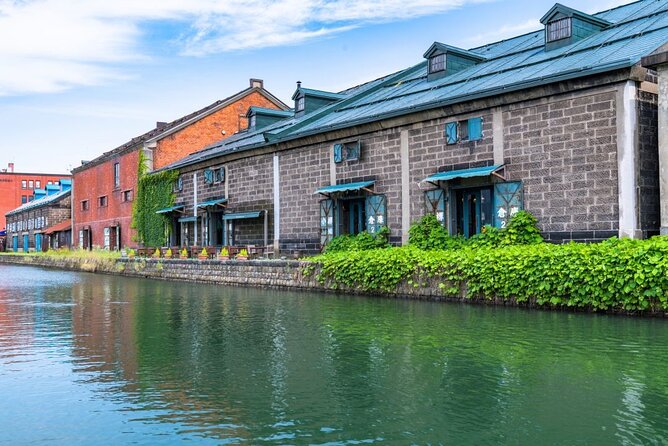
Across the canal and along Rinkosen Street, the Otaru Art Base uses early 20th-century historical buildings for today’s tourism. It is a good stop when you want Otaru to feel more than just scenic. You’re seeing old architecture repurposed, which is a theme across Otaru.
This stop also pairs well with the canal because you stay in the same visual world. You go from water and warehouses to textured buildings and indoor space where you can slow down if the weather turns.
Plan for about an hour. Entry is not included, so check your budget before you lock it in.
Sakaimachi Street: where to shop and snack without wandering in circles
Otaru Sakaimachi Street is a pleasure stop, built for gourmet eating and browsing. It runs inland from Rinkosen Street, parallel to the canal side, so you can connect the two without backtracking.
If you like trying small bites, this is usually your best chance to do it. You can also treat it as your shopping hour, focusing on souvenirs that fit Otaru’s style, rather than trying to do everything at once.
A practical move: pick one direction and stick with it. With only 4 hours total, it’s easy to “accidentally” zigzag your way through the town.
Tanaka Sake Brewing Kikkogura: old-world Japan through sake brewing
Otaru has that nostalgic, Western-influenced architectural look, plus a reputation tied to craft and glass. Tanaka Sake Brewing Kikkogura adds another layer: it ties that atmosphere to Japan’s older traditions through sake brewing.
This is the stop I’d choose if you want the day to include something hands-on and cultural, not just pretty streets. Even if you do not do a deep dive, the setting alone helps you understand why sake matters here.
Like the other add-ons, entry is not included. Since your guide entry fees are only covered for sights included in the plan, you’ll want to be sure you’re comfortable paying for the places that are not free.
Mt. Tengu Ropeway and the Ski Museum area: add the viewpoint when conditions allow
The optional Otaru Tenguyama Ropeway Ski Museum stop brings a different kind of Otaru experience. Mt. Tengu sits about 15 minutes by car from Otaru IC, and it offers views over the seaside city and the Sea of Japan.
In real life, this is a “weather decision” stop. If it’s clear, the viewpoint option can be the highlight. If it’s rainy or gloomy, it may not feel worth the effort.
If you do include it, plan your route so you’re not stressed about time for the last part of your walk. It is easy to underestimate how quickly a viewpoint visit can eat your half-day schedule.
What the guide actually brings to the streets (and why names matter)
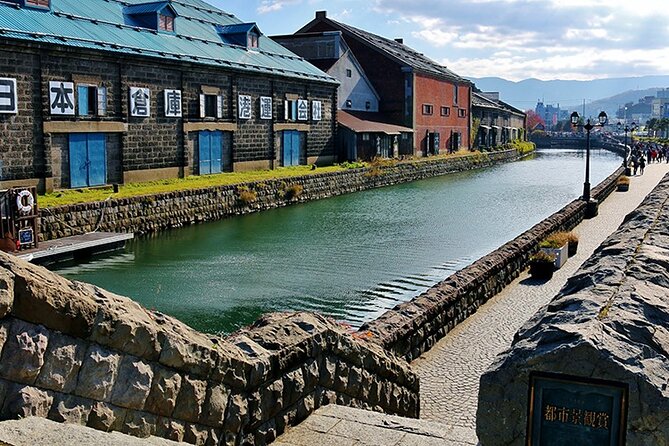
This is a private tour, so the guide’s style is not background noise. It shapes your whole day, especially when you have varied interests or different walking comfort levels.
I like that the tour is tied to a licensed local English speaking guide, and past guides assigned to this experience have been praised for practical, people-first pacing. For example, guides like Kazuo Sumi have been commended for being patient with elderly parents and for taking time to explain art in a way that actually lands. Kumiko-san earned credit for adapting when rain hit hard and temperatures dropped, keeping the day enjoyable rather than miserable. Teri has been praised for combining multiple stops, like a sake brewery visit and an old bank area, with clear explanations.
And if you’re the type who likes to ask questions, that is a big part of the value here. Guides such as Roy Aoki and others have been recognized for sharing history plus what life looks like now in Otaru, not just dates and names.
Bottom line: the best version of this tour is the one where you communicate your priorities at the start. Tell your guide what matters most to you, and the day will feel more like a conversation and less like a schedule.
How to plan your budget for Otaru without surprises
The price is $108.38 per person for about 4 hours with a government-licensed English speaking guide. That sounds simple, but there are costs layered on top.
Here’s what you should expect to pay separately:
- Transportation fees, since there is no private vehicle included
- Entrance fees, since entry tickets cost extra for most stops
- Lunch and personal expenses
The canal is listed as free admission, which helps. But if you add the Art Base, the sake brewery, or the ropeway area, you should treat those as paid add-ons.
Value check: this tour is usually best when you compare it to a day of independent planning. If you would otherwise spend time figuring out route, transit, and which places are actually worth it, paying for a guide can be the shortcut.
Also, it’s priced per person. If you’re traveling as a small group, the per-person total may feel like a splurge, but you’re buying focus and convenience, not just walking time.
Timing and pacing: a half-day that stays enjoyable
Because it’s a walking tour, how it feels depends on your comfort level. The standard plan is built around selecting 2 to 3 sites, which keeps you from feeling stretched thin across too many areas.
Pickup is offered, and the meeting point is on foot within a designated area in Otaru. Since there’s no private car, you’ll either keep it local on foot or use public transit between areas when needed.
Practical packing advice:
- Wear comfortable shoes you trust for long stretches.
- Bring a light rain layer or umbrella if the forecast looks shaky.
- Carry a small amount of cash for transit and entry fees, since those are not included.
Who this Otaru tour is best for
This works well if you want:
- A private experience with your own group
- A guide to explain the why behind the canal, streets, and sake culture
- A short, efficient half-day that does not leave you exhausted
It also suits families and mixed ages, as long as everyone can handle walking. The tour’s structure is flexible through your choice of 2 to 3 attractions, so you can avoid overloading the schedule.
If you hate walking in general, this is probably not your best match. The tour is designed for strolling, not for lots of car time.
Should you book this Otaru private half-day tour?
Yes, if you want Otaru to feel intentional. The combination of a licensed English speaking guide, a custom selection of 2 to 3 stops, and a short walking route is strong value for a limited-time Hokkaido trip.
I would not book it if:
- You want a car-based sightseeing day
- You hate paying extra for entrance and transport
- You only care about seeing the canal and nothing else
If you do book, choose your stops based on your interests, not on what sounds famous. Then tell your guide what matters most, and you’ll get a half-day that feels like Otaru, not like a rushed checklist.
FAQ
How long is the Otaru private tour?
It lasts about 4 hours.
Is this tour private or shared?
This is a private tour. Only your group participates.
Do I get an English speaking guide?
Yes. You get a licensed local English speaking guide.
Is transportation included in the price?
No. Transportation fees are not included, and there is no private vehicle. You can pay to use public transport.
Where do we meet the guide?
You meet the guide on foot within a designated area in Otaru.
Can I choose which sights to visit?
Yes. You can choose 2 to 3 sites from the listed highlights.
Are entry tickets included?
No. Entry fees cost extra. Otaru Canal is listed as free admission, but other stops have admission tickets not included.
Will lunch be provided?
No. Lunch is not included.
Can I cancel and get a refund?
Yes. You can cancel for free up to 24 hours in advance for a full refund.
Are service animals allowed?
Yes. Service animals are allowed.
Licensed Guides on the Same Ground
Hokkaido, Further North
Newest Otaru write-ups from the Loving Japan desk
Sapporo, Otaru and Hokkaido, side by side.
 ★ 5.0Sapporo Bar Hopping Food TourFrom $108232 reviews
 ★ 4.7Hokkaido Seasonal: Lake Toya & Noboribetsu Jigokudani ValleyFrom $55173 reviews
 ★ 5.0Sapporo Private Tour with a Local – Highlights & Hidden GemsFrom $10991 reviews
 ★ 4.1Hokkaido, Noboribetsu and Lake Toya Day TourFrom $6688 reviews
 ★ 4.9Sumo Show Experience with Japanese food & PhotoFrom $7781 reviews
 ★ 5.0Mondo’s most popular plan! Experience making soba noodles and the king of Japanese cuisine, tempura, in Sapporo!From $8571 reviews
 ★ 5.0【Private Car】Asahiyama Zoo, Blue Pond, Shirahige Falls, Ningle Terrace (from Sapporo)From $46560 reviews
 ★ 5.0Sapporo 6hr Private Tour with Government Licensed GuideFrom $15557 reviews
Filed on these lists too