
REVIEW · MOUNT FUJI DAY TRIPS
Private Car Tour to Mt. Fuji Lake Kawaguchiko or Hakone
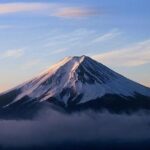
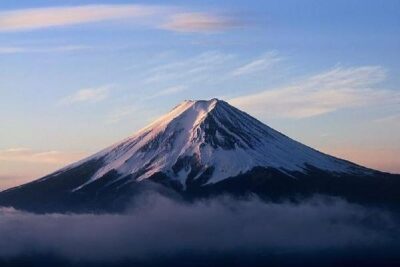
Mt. Fuji looks different when you plan for the right angles. I really like the private pickup and driver setup, and I love how the day mixes famous spots like Arakura Sengen Shrine with calmer, Fuji-framed detours around the lakes. One thing to consider is that weather can hide the peak, and the schedule can shift, but the tour is not automatically canceled for partial visibility.
You’ll also get a real guide experience, not just sightseeing “checkpoints.” You can choose about 4 to 6 sites from a menu, so the day fits your pace, your interests, and your season. And if you want a change of scenery, you can swap to Hakone for ropeways, volcanic views, and Lake Ashi.
In This Review
- Key points before you book
- Why this private car Fuji day feels better than a big tour
- Getting from Tokyo: pickup, long hours, and the traffic reality
- Arakura Sengen Shrine and the Chureito Pagoda: classic Fuji, done right
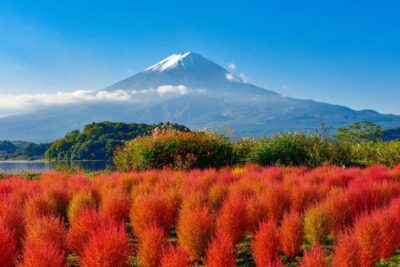
- Lake Kawaguchiko area: how the Fuji views change by season
- Lake Kawaguchiko viewpoints and the World Heritage Center
- Kitaguchi Hongu Fuji Sengen Jinja Shrine
- Oishi Hana Terrace and Oishi Park
- Oshino Hakkai: eight ponds fed by snowmelt
- The 5th Station by car: when it’s worth it and when it’s not
- Aokigahara Jukai caves: a different side of Fuji country
- Kawaguchiko villages and lakeside add-ons: choose your vibe
- Saiko Iyashi no Sato Nemba
- Kawaguchiko Music Forest Museum
- Ropeway over Lake Kawaguchiko
- Oshino Shinobi no Sato and ninja costumes
- When you switch to Hakone: ropeway views, volcanic eggs, and Lake Ashi cruising
- Hakone Ropeway and Owakudani
- Hakone Shrines and the floating-torii vibe
- Hakone Open-Air Museum
- Lake Ashi cruise options
- Price and value: what you’re paying for, and what you still budget
- Who this tour suits best
- Should you book this private Mt. Fuji and Hakone car tour?
- FAQ
- How many people can this private tour accommodate?
- How long is the Mt. Fuji and Hakone private car tour?
- What’s included in the price?
- What costs extra during the day?
- Can I choose whether to go to Lake Kawaguchiko or Hakone?
- How does the itinerary selection work?
- Is the Mt. Fuji 5th Station available year-round?
- What happens if the weather affects visibility of Mt. Fuji?
Key points before you book
- Private vehicle for up to 8 so you’re not sharing your day with strangers or riding the slow-route bus crowd
- Pickup and drop-off in Tokyo plus a pro driver means more time at viewpoints and less time stuck in transit
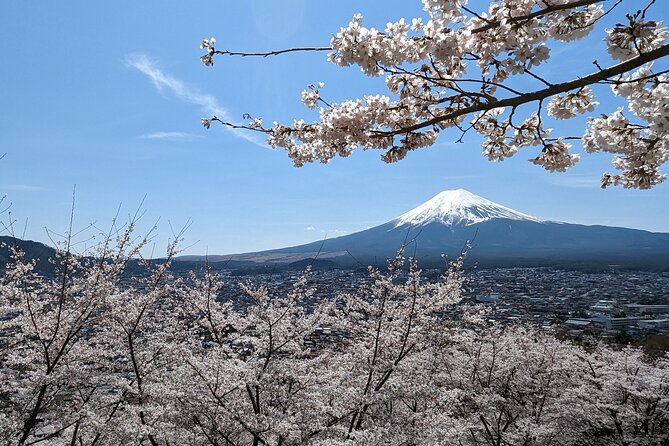
- Fuji photo planning at Arakura Sengen Shrine, Chureito Pagoda, and multiple lake viewpoints across the seasons
- Seasonal bonus options like shibazakura, seasonal fruit tastings (reservation required), ice caves, and art museums
- Hakone alternative included with ropeway views, Owakudani black eggs, Lake Ashi cruising, and open-air art
- 5th Station is optional but limited with a toll on the spot and seasonal closures
Fuji from Tokyo: the other approaches
- Mt Fuji and Hakone 1-Day Bus Tour Return by Bullet Train
★ 5.0 · 26,383 reviews - Mt Fuji & Hakone Cruise, Drum Show Bullet Train 1 Day from Tokyo
★ 4.0 · 7,413 reviews - Tokyo Mt Fuji 5th St & Hakone Cruise Bus Tour w/Bullet Train
★ 4.4 · 5,024 reviews - From Tokyo: Mount Fuji Full-Day Sightseeing Trip
★ 4.5 · 4,970 reviews
Why this private car Fuji day feels better than a big tour
This is the kind of day trip that’s built for control. You choose your stops from a list, and your guide can adjust timing based on light, crowds, and what the group actually wants to see. In a place like Mt. Fuji, that matters because one clear viewpoint can make your whole day, while a wrong timing window can turn “Fuji?” into “fog?”
I also like that the format keeps the day realistic. You’re traveling by air-conditioned minivan, with hotel-style pickup and drop-off, and your guide handles the practical stuff. One bottled water per person is included, which sounds small until you’re in hot summer traffic.
Possible drawback: the itinerary has many outdoor components. If the sky turns gray, you might lose some summit views, even if you still get lake scenery, shrines, and caves.
Getting from Tokyo: pickup, long hours, and the traffic reality
Plan for about 10 to 11 hours total. That long window is the price of admission for seeing Mt. Fuji from Tokyo without stress. And traffic can be intense, especially around holidays, so you should expect a bit of “sit and look out the window” time while the driver gets you safely through.
The upside is comfort and efficiency. You won’t need to coordinate trains, tickets, and station transfers. A pro driver takes the road so you can focus on your next stop, whether it’s the Arakura viewpoints near Fujiyoshida or the lake area around Kawaguchiko.
This tour is fully private, so your group of up to 8 stays together. If you’re traveling with parents, kids, or mixed mobility needs, that matters for pacing.
Arakura Sengen Shrine and the Chureito Pagoda: classic Fuji, done right
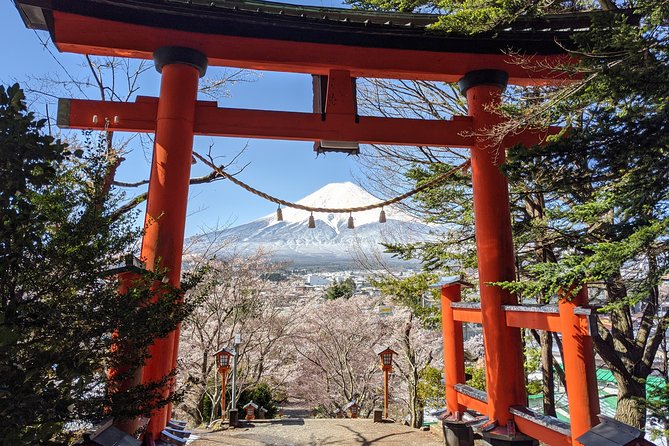
If you want the iconic Fuji silhouette, start here. Arakura Sengen Shrine is where you get Mt. Fuji framed by the 5-storied pagoda views. It’s a World Cultural Heritage site, and it’s famous for the spiritual connection to the mountain, including the goddess of Fire tied to Fuji’s symbolism.
You’ll hit the shrine and the viewpoint areas in short, focused segments. That includes time for the classic Chureito Pagoda photo setup and the nearby Arakurayama Sengen Park panoramic angles. These stops are brief, but they’re efficient, which is helpful when weather is changing fast.
One practical tip: build your photos into the visit flow. Use the time for one “wide shot,” one “pagoda foreground” shot, and then let your guide take you to the best nearby angle once the crowd moves.
The Hakone loop runs several ways. Here are the rest
- Private Tour to Mt. Fuji and Hakone (Fully Licenced Operator)★ 5.0 · 1,910 reviews
- Mt Fuji & Hakone Cruise, Drum Show Bus 1 Day from Tokyo★ 4.0 · 1,287 reviews
- From Tokyo: Mt. Fuji & Hakone Tour w/ Return by Bullet Train★ 4.2 · 1,278 reviews
- Mt Fuji and Hakone 1-Day Bus Tour Return by Bus★ 4.5 · 929 reviews
- Tokyo: Mt. Fuji, Kamakura, Big Buddha, & Lake Ashi Day Trip★ 4.5 · 867 reviews
Lake Kawaguchiko area: how the Fuji views change by season
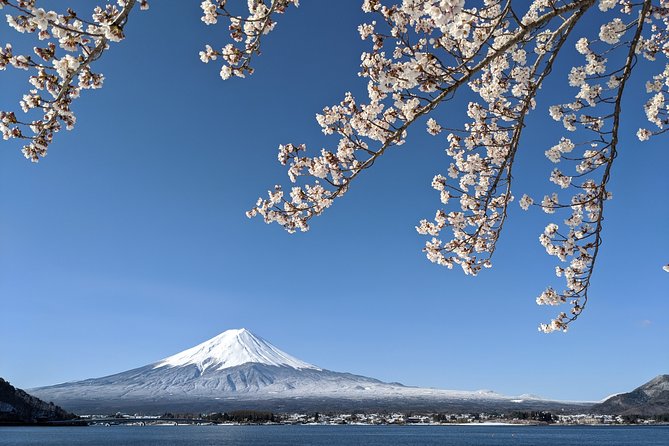
Once you’re at the lakes, Mt. Fuji becomes a “mood,” not a single view. Lake Kawaguchiko is often the star, and this day uses several different shoreline perspectives so you can catch what works best when the weather cooperates.
Lake Kawaguchiko viewpoints and the World Heritage Center
You’ll spend time around Fuji’s World Heritage learning spot, the Mt. Fuji World Heritage Center. Even if you’re not a museum person, a quick video helps you understand the region’s rituals and mountain meaning, so the photos feel connected instead of random.
Kitaguchi Hongu Fuji Sengen Jinja Shrine
This is the main northern shrine linked to Fuji culture, and it connects to the idea of Fuji as a sacred destination for those who ascend. It’s also part of the Fujisan Cultural Site World Heritage cluster. Expect it to feel calmer than the busiest camera spots, with time built in for quiet looking.
Oishi Hana Terrace and Oishi Park
These are your “slow down” stops, designed for breaks and atmosphere. Oishi Hana Terrace is where you can shop for local crafts and pick up Fuji-area treats, including ice cream and sorbet made with local fruits. Oishi Park is the flower counter, with multiple seasons and a known lavender highlight.
If your group includes kids or anyone who gets restless, these are great reality-check stops. They keep you moving through the day without turning everything into another viewpoint line.
Oshino Hakkai: eight ponds fed by snowmelt
Oshino Hakkai is a World Heritage related spot with eight ponds formed from Mt. Fuji snowmelt. It’s a nice change of pace because it’s not just “look at Fuji,” it’s “watch water features and explore a historic-feeling area.”
You also get a snack and shopping mix here, which helps solve the lunch problem later. Just remember that food and drinks are not included, so budget for it as part of your day plan.
The 5th Station by car: when it’s worth it and when it’s not
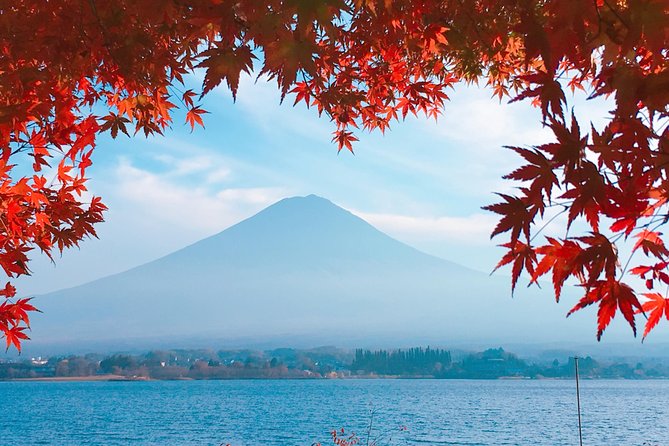
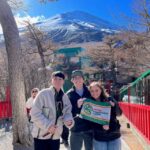
The 5th Station option is the biggest “Wow, we tried” moment. It goes up to around 2,300 meters, and it’s the closest you can reach by car. Your group needs to pay a toll fee of 2,100 yen on the spot if you choose this option, and it usually takes about 2 hours.
Two timing realities matter a lot:
- Access to the 5th station is closed from July to mid-September due to the climbing season.
- It is also closed in winter season.
If you’re visiting outside those windows and the sky looks promising, I think it’s often worth considering. If visibility seems questionable, you can still get a satisfying Fuji day without it by leaning into lake viewpoints and shrine panoramas instead.
Aokigahara Jukai caves: a different side of Fuji country
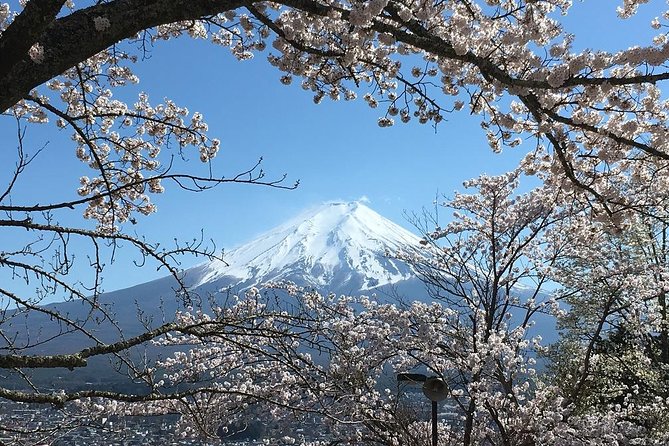
Not every Mt. Fuji day needs to feel calm. This tour includes options tied to the Aokigahara Jukai forest area, which many people associate with mystery and dense greenery.
There are multiple cave choices, typically short visits:
- Narusawa Ice Cave (time at least 15 to 30 minutes)
- Fugaku Wind Cave (15 to 30 minutes)
- Saiko Bat Cave (20 to 45 minutes)
These stops are not about summit views. They’re about a change of pace and a more “adventure” feel. For groups who get bored by repeated viewpoints, caves can be a welcome reset.
Practical note: these are timed stops, so wear comfortable shoes. Caves tend to have cooler air and uneven footing, even when the main walk is manageable.
Kawaguchiko villages and lakeside add-ons: choose your vibe
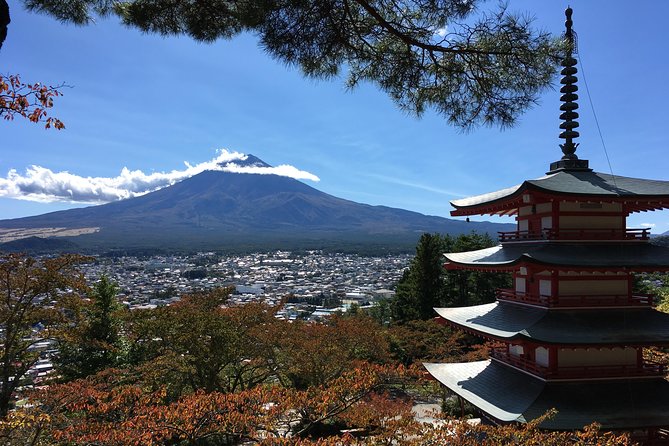
After the core shrine and lake hits, you can shape the rest of the day around what your group likes.
Saiko Iyashi no Sato Nemba
This traditional village stop is built for “old Japan” visuals, with straw-roof houses and Mt. Fuji in the background. You may also find local crafts and meet artists. There’s also optional rental kimono or samurai armor by reservation, if you want a more hands-on cultural moment.
Kawaguchiko Music Forest Museum
This is a themed break with European-style displays and automatic musical instruments that are over a hundred years old. It’s a good option if your group includes music lovers or you want something indoors between outdoor spots. Tickets here are not included.
Ropeway over Lake Kawaguchiko
The Mt. Fuji Panoramic Ropeway gives a high viewpoint above Lake Kawaguchiko. It’s quick to board, and the view is the point, but you’ll want to factor in queue time, which can affect your schedule. Tickets are not included.
Oshino Shinobi no Sato and ninja costumes
If you’re traveling with families, the ninja village show and costume rentals are playful and energy-filled. It’s a non-museum way to break up a long day of scenery, but it is an extra ticket stop.
When you switch to Hakone: ropeway views, volcanic eggs, and Lake Ashi cruising
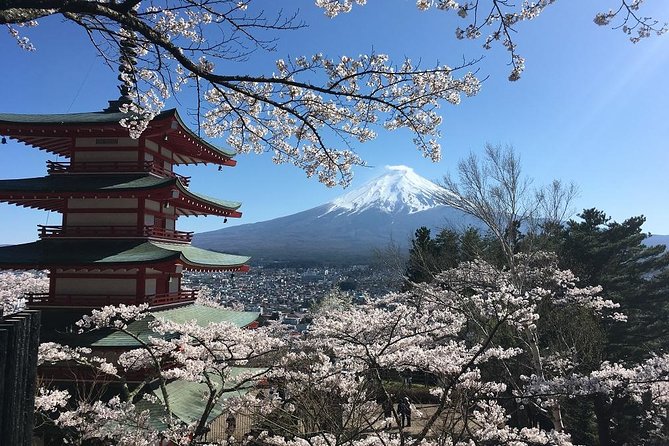
If Mt. Fuji lakeside is crowded or weather seems unstable, Hakone is a strong Plan B. The Hakone option includes the classic Mt. Fuji viewing moments that pair well with its own scenery.
Hakone Ropeway and Owakudani
You can take the Hakone Ropeway to a higher viewpoint area, then head to Owaku-dani Valley for volcanic activity views. Owakudani is famous for black eggs, and you also get a better chance at a Fuji glance on clear days. Tickets for the ropeway are not included, but Owakudani itself is listed with free admission time.
Hakone Shrines and the floating-torii vibe
Hakone Shrine and the Kuzuryu Shrine area give you a more spiritual, photo-friendly stop. It’s known for a striking torii gate look and is described as powerful, with history tied to visitors like shogun.
Hakone Open-Air Museum
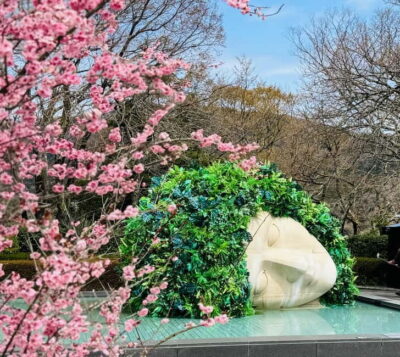
If your group enjoys art, this is a nice mid-day change. It’s designed for photos, and it’s outdoors, so it’s best when weather cooperates. Tickets are not included.
Lake Ashi cruise options
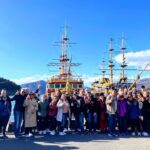
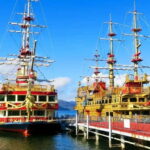
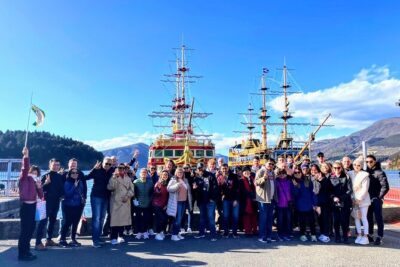
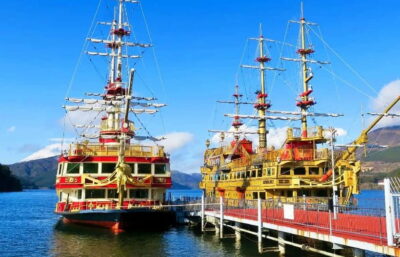
You’ll also get Lake Ashi cruising. You can choose between a more famous pirate-style cruiser or a regular cruise ship if you want to avoid heavy crowd feel. Tickets are not included, but the ride is a natural way to slow the day down while still seeing big views.
Hakone also has optional stops like Odawara Castle, Hakone Sekisho history sites, Onshi Hakone Park, and Mishima Skywalk for extra viewpoints depending on your selected time.
Price and value: what you’re paying for, and what you still budget
The price is $1,286.89 per group, up to 8 people, with average booking around 62 days in advance. For value math, that can come out to about $160 per person if you fill eight seats, or more if you travel with fewer people.
What you get inside that price is the hard part to DIY:
- Hotel pickup and drop-off
- Round-trip private transportation by air-conditioned minivan
- A private guide
- One bottled water per person
- Mobile ticket
What you don’t get is also important to plan for:
- Entrance fees (museums, ropeways, caves, and similar)
- Food and drinks and lunch
- Gratuity (often 5 to 20 percent is suggested)
- Mt. Fuji 5th Station
So this tour is best when you want a guided day with minimal friction. If you enjoy riding trains, buying tickets yourself, and building your own route, you can spend less on transportation. But if your time and comfort matter, this turns a huge chunk of travel planning into something you can actually enjoy.
One more reality check: there’s no guarantee of a summit view. If weather blocks Mt. Fuji, the day can still be beautiful, but you’re buying a guided Fuji-region experience, not a guaranteed peak photo.
Who this tour suits best
This is a strong fit if:
- You want maximum decision-making help and minimum logistics work.
- Your group includes different ages, or you want a paced day without rushing.
- You care about the right photo angles and want a guide to nudge you toward the best places in a changing day.
It’s also a good match if you’re the type who likes to add one “non-routine” stop, like the ice or wind caves, instead of repeating the same shrine-and-shop rhythm.
If your group is very cost-focused, you’ll need to compare to DIY. And if you hate long car days, remember this is roughly a 10 to 11 hour day trip.
Should you book this private Mt. Fuji and Hakone car tour?
If your priority is comfort, timing help, and a customizable route that can include both classic shrines and off-the-main-corridor stops, I’d lean yes. The biggest reason is the private guide and driver setup, which keeps your day smooth even when crowds and traffic show up. Also, the variety of options means you can build a day around clear-sky odds by mixing lake viewpoints, cultural stops, and caves.
But book with open eyes. Weather can hide Mt. Fuji, and the day can shift, with no promise of refund if some views are missed. If that risk stresses you out, consider planning a second lighter Fuji-region day in your itinerary or choose a season with better visibility patterns.
If you want a Fuji day that feels like it belongs to your group, not to a schedule, this private car experience is a smart way to do it.
FAQ
How many people can this private tour accommodate?
The tour is priced per group and is offered for groups up to 8 people.
How long is the Mt. Fuji and Hakone private car tour?
Expect about 10 to 11 hours.
What’s included in the price?
Included are hotel pickup and drop-off, round-trip private transportation in an air-conditioned minivan, a private guide, and one bottled water per person.
What costs extra during the day?
Entrance fees, food and drinks, lunch, and gratuity are not included. Mt. Fuji 5th Station is also not included.
Can I choose whether to go to Lake Kawaguchiko or Hakone?
Yes. The program offers a Mt. Fuji and Lake Kawaguchiko option, and a Hakone option is available as an alternative.
How does the itinerary selection work?
The itinerary is a list of possible stops, and you can select around 4 to 6 sites based on what you want to see.
Is the Mt. Fuji 5th Station available year-round?
No. Access is closed from July to mid-September, and it is also closed in winter season. If it’s open during your dates, you may need to pay a toll fee of 2,100 yen on the spot.
What happens if the weather affects visibility of Mt. Fuji?
This experience requires good weather. It will not be canceled just because some spots are not fully visible due to weather, and the schedule can change because of weather or traffic. If the experience is canceled due to poor weather, you will be offered a different date or a full refund.
The Hakone Loop, Reviewed
Mount Fuji, Three More Ways
Newest Tokyo write-ups from the Loving Japan desk

Mount Fuji Day Trips, side by side.
 ★ 5.0Mt Fuji and Hakone 1-Day Bus Tour Return by Bullet TrainFrom $16326,383 reviews
 ★ 4.0Mt Fuji & Hakone Cruise, Drum Show Bullet Train 1 Day from TokyoFrom $1497,413 reviews
 ★ 4.4Tokyo Mt Fuji 5th St & Hakone Cruise Bus Tour w/Bullet TrainFrom $1545,024 reviews
 ★ 4.5From Tokyo: Mount Fuji Full-Day Sightseeing TripFrom $684,970 reviews
 ★ 4.7Mt. Fuji Tour, Hakone Ropeway, Owakudani, Lake AshiFrom $544,002 reviews
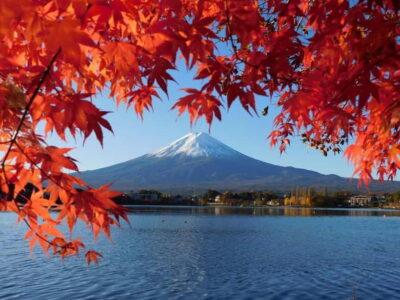 ★ 4.4Mt.Fuji,Kawaguchiko Oishi Park,Arakurayama Sengen ParkFrom $542,682 reviews
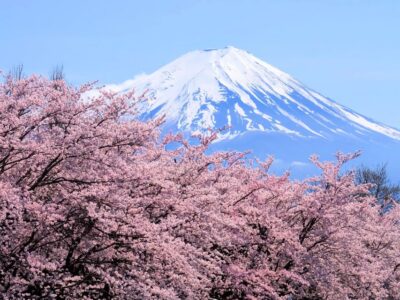 ★ 4.2Mt. Fuji 5th Station & Hakone Cruise 1-Day Bus TourFrom $1292,381 reviews
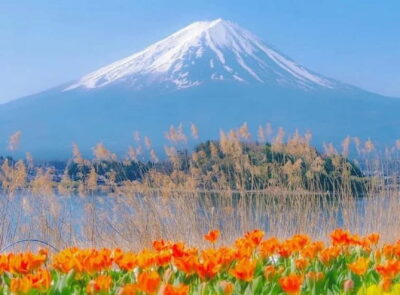 ★ 4.7Mt Fuji Top 5 Spots Day Tour: Arakurayama Park,Oshino HakkaiFrom $532,066 reviews
Filed on these lists too