
REVIEW · PRIVATE
Private Tour – Thousands of lucky cats! Go by tram, Gotokuji Tour
Cat luck meets calm streets. This private Gotokuji tour takes you through Setagaya’s quieter side, where the neon steps back and thousands of maneki neko take over your attention. You’ll ride by tram, then walk past shrines, a shopping street, an Edo-era mansion site, and a local museum before the big finale at Gotokuji Temple.
What I like most is that the pacing feels human. On a private tour, you can slow down for photos, linger at the little details, and ask questions without waiting for a crowd. I also like the mix of sights: the tour is not just cat figurines, it’s local history and culture you can actually stand in front of.
One thing to plan around: if a stop is closed on the day, it can mess with your schedule, as happened for one past group during a holiday. That’s usually rare, but this itinerary depends on small local venues being open, so keep your expectations flexible.
In This Review
- Quick Takes on the Gotokuji Tram Tour
- Setagaya By Tram: Why This Feels Different From Central Tokyo
- Price and Value: What $68.64 Buys You Here
- Your Route, Stop by Stop: Shrines, Streets, Mansion, Museum, Temple
- Stop 1: Shoin Shrine (Shoin Yoshida, stone lanterns, and music to the gods)
- Stop 2: Shōin Shrine Avenue shopping street (where you can actually browse)
- Stop 3: Site of Setagaya Daikan’s Residence (Edo-era rule, sense of place)
- Stop 4: Setagaya Local History Museum (Edo-era literature and paintings)
- Stop 5: Gotokuji Temple (Zen temple, 600 years, and the maneki neko wall)
- The Private Guide Advantage: Better Questions, Less Waiting
- Timing and Walking Reality: What 3.5 Hours Feels Like
- What to Bring: Small Things That Save Big Headaches
- Who Should Book This Tour (and Who Might Not)
- Should You Book? My Decision Guide
- FAQ
- How long is the Gotokuji tram tour?
- How much does the tour cost?
- Where do I meet and where does the tour end?
- Is the tour private?
- What is included in the price?
- Do I need cash?
Quick Takes on the Gotokuji Tram Tour
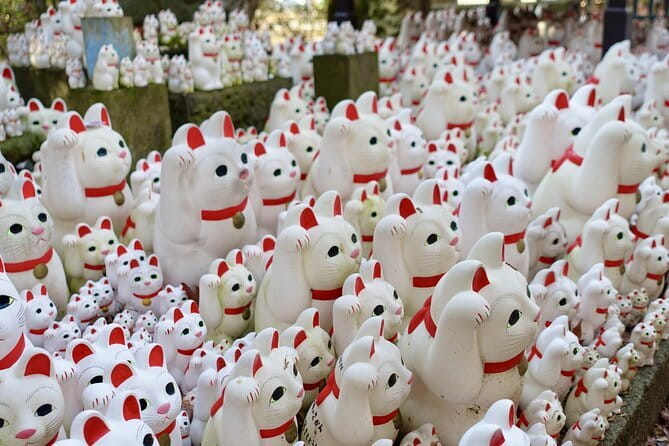
- Thousands of maneki neko at Gotokuji Temple: The temple is famous for beckoning cats, and it’s the kind of Tokyo moment you can feel instantly.
- A peaceful Setagaya walk: You’ll spend time in an area tourists often skip, away from the loud center.
- English-speaking guide on a private tour: You get personal attention, plus you can move at your group’s pace.
- Edo-era sites in compact walking distance: A mansion site and a local museum sit right next to each other, so the time adds up.
- Bring some cash: Some spots may not accept credit cards, so plan for small purchases or simple payments.
- End at Gotokuji Station: Your finish spot is different from the start, which helps you flow into the rest of your day.
Still weighing up options in Tokyo? These are the ones our reviewers rated highest.
- Mt Fuji and Hakone 1-Day Bus Tour Return by Bullet Train
★ 5.0 · 26,383 reviews - 1-Day Tokyo Bus Tour
★ 5.0 · 14,250 reviews - Tokyo: teamLab Planets TOKYO Digital Art Museum Entry Ticket
★ 4.6 · 9,779 reviews - Mt Fuji & Hakone Cruise, Drum Show Bullet Train 1 Day from Tokyo
★ 4.0 · 7,413 reviews
Setagaya By Tram: Why This Feels Different From Central Tokyo
This is one of those Tokyo tours that makes the city feel bigger than your usual route. Instead of stacking your day with major landmarks, you head to Setagaya, where the streets feel more lived-in and less choreographed. The tram ride is part of the charm. It gives you that easy, local momentum before you start walking.
You also get a private format, which matters more here than on a big bus tour. If you want to photograph shrines and shopfronts, or if your group moves slower, the tour can flex. If you want to ask about what you’re seeing, your guide can tailor the explanations. That’s the practical side of a private tour, not just the comfort factor.
Price and Value: What $68.64 Buys You Here
At $68.64 per person for about 3 hours 30 minutes, this tour sits in the mid-range for Tokyo private experiences. Here’s the real value math. The listed site admissions are free, and the estimated additional cost is about 380 JPY per person for transportation. So your payment mostly covers a guide, the private time, and the logistics of connecting multiple stops into one smooth route.
Also notice the tour design. You get five meaningful stops, not a quick stop-and-run. That makes the per-hour cost feel more reasonable because you’re not spending most of your time traveling between unrelated places. And because it’s a private tour, you can spend extra time where you care most, like the shopping street vibe or the big Gotokuji cat moment.
Your Route, Stop by Stop: Shrines, Streets, Mansion, Museum, Temple
This itinerary is compact and thoughtfully ordered. You’ll start near Sangenjaya Station, then end near Gotokuji Station. The order moves from a shrine atmosphere into neighborhood life, then into Edo-era history, and finally into the famous temple scene.
- Mt Fuji and Hakone 1-Day Bus Tour Return by Bullet Train★ 5.0 · 26,383 reviews
- 1-Day Tokyo Bus Tour★ 5.0 · 14,250 reviews
- Tokyo: teamLab Planets TOKYO Digital Art Museum Entry Ticket★ 4.6 · 9,779 reviews
- Mt Fuji & Hakone Cruise, Drum Show Bullet Train 1 Day from Tokyo★ 4.0 · 7,413 reviews
- Tokyo Mt Fuji 5th St & Hakone Cruise Bus Tour w/Bullet Train★ 4.4 · 5,024 reviews
Stop 1: Shoin Shrine (Shoin Yoshida, stone lanterns, and music to the gods)
Shoin Shrine is dedicated to Shoin Yoshida, an educator and philosopher from the 19th century. The feel here is more reverent than flashy, with stone lanterns and a stage for playing music to the gods. Even if you’re not there for a lesson, the atmosphere gives you context for how shrines function in everyday culture.
Why it’s worth your time: It sets a calm tone early, before the day shifts into shopping street energy and history sites. It’s also a nice reminder that Japanese religious spaces often connect education, community, and tradition.
Possible drawback: This first stop is short and focused. If you expected a long temple complex, you might find the time brief before the next leg starts.
Stop 2: Shōin Shrine Avenue shopping street (where you can actually browse)
Right after the shrine, you’ll walk along Shōin Shrine Avenue, a long-established shopping street. The big win is that this isn’t a theme street built for tourists. You’re more likely to see everyday shops and browse without feeling rushed.
Why it’s worth your time: It’s a quick window into neighborhood commerce and local character. If you want small snacks, souvenirs, or just the pleasure of wandering, this is the moment to do it.
Practical note: Some shops and sites may not take credit cards, so keep cash accessible.
Stop 3: Site of Setagaya Daikan’s Residence (Edo-era rule, sense of place)
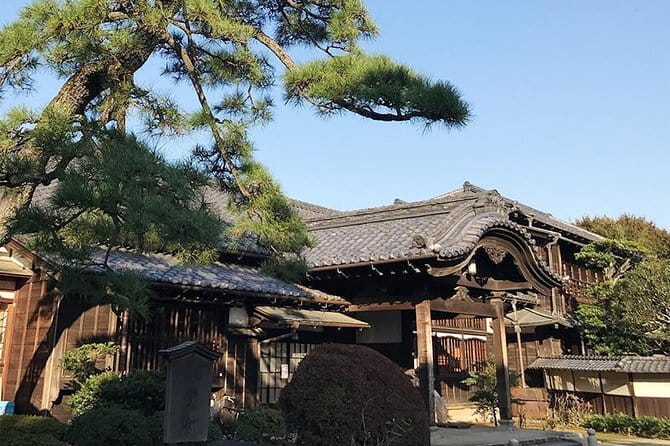
Next up is the Setagaya Daikan’s Residence site, a traditional mansion connected to the clan who ruled the area during the Edo era. You’ll get a sense of how power and administration worked at the local level, not just the grand story of Japan’s capital eras.
Why it’s worth your time: This is where the tour stops being only scenic. It becomes historical in a tangible way. Even without a huge building complex in front of you, the location helps you understand why the area matters.
Possible drawback: Since this is a site, not described as a fully intact museum building, some groups may want a bit more physical interpretation. Your guide can help you connect the dots if you ask questions.
Stop 4: Setagaya Local History Museum (Edo-era literature and paintings)
Right beside the mansion site, you’ll visit the Setagaya Local History Museum. Here you can learn about Setagaya’s story, including literature and paintings from the Edo era.
This stop is especially good for anyone who loves “how people lived,” not just big dates. It also adds balance to the earlier religious stop, since you get culture expressed through art and writing rather than ritual.
A real-life caution: One past group had to skip this stop because it was closed for a holiday, and the guide was not informed in time. You can’t control closures, so I recommend you bring a flexible mindset. If it happens, at least you’ll still have the rest of the day’s structure.
Stop 5: Gotokuji Temple (Zen temple, 600 years, and the maneki neko wall)
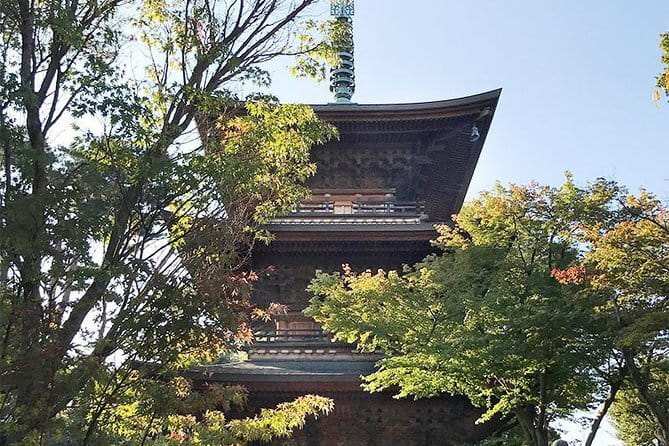
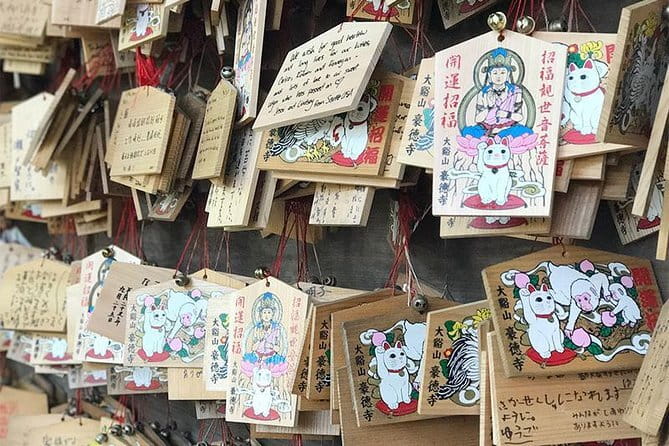
Finally, you reach Gotokuji Temple, a Zen sect temple with a history said to be about 600 years. This is the stop that turns the whole tour into a must-see photo memory. Gotokuji is associated with manekineko, the beckoning cats believed to bring good luck and success in business.
Why this finale works: The previous stops prepare your brain. Shrines, neighborhood life, Edo-era governance, and local art all build a sense of place. Then the temple gives you a clear, iconic visual payoff.
How to enjoy it more: Go slowly. Don’t just take the shot, look at how the figurines cluster and how the space feels. The fun is in noticing the details, not racing through.
The Private Guide Advantage: Better Questions, Less Waiting
A private tour is not automatically better. But here, it helps because the itinerary includes different styles of places, shrines, shopping streets, a historical site, a museum, then a temple. You do not want to feel like you’re stuck with someone else’s pace for all of that.
On this tour, you also have an English-speaking guide, which is huge for turning what could be confusing into something you actually get. When you can ask what something means, you stop feeling like you’re just reading signs. You start understanding why the place is arranged the way it is, and what role it played historically.
One family-friendly detail worth noting from an earlier experience: a group included a ten-year-old who stayed riveted by the guide. That tells me the explanations likely work at more than just adult speed. If you’re traveling with kids, this is one of the better “keep their attention” styles of tour, since the cat theme is immediate, then the history gives it depth.
Timing and Walking Reality: What 3.5 Hours Feels Like
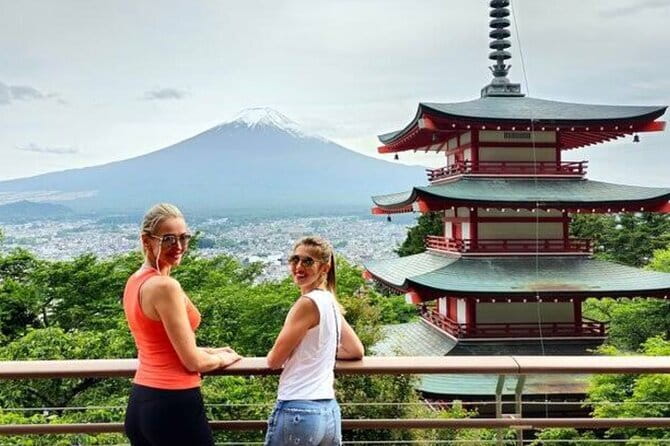
The tour clocks in at about 3 hours 30 minutes. That’s long enough to connect multiple neighborhoods and stops, but not so long that you’ll dread the next segment. It also means you’re likely to fit it into your Tokyo day without sacrificing your evening plans.
You should expect walking between stops, plus time spent at each location. The stops themselves are mostly short and focused, which is why the total feels efficient.
Also, the meeting and finish spots differ. You start at Sangenjaya Station and end at Gotokuji Station. If you want to change the ending point, you’ll need to tell your guide. This is a small detail, but it can matter if you have train reservations or a later appointment near your hotel.
What to Bring: Small Things That Save Big Headaches
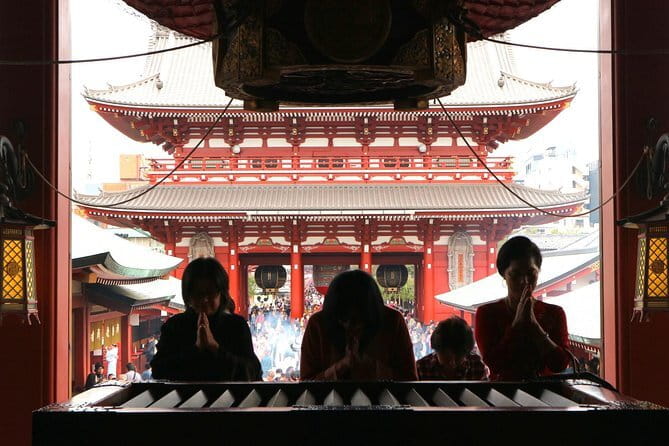
Based on the tour notes, these practical items help a lot:
- Cash: Some places do not accept credit cards.
- Comfortable shoes: You’re walking through a sequence of stops.
- Water: You’ll be out for most of half a day, and lunch is not included.
- A flexible plan for closures: The itinerary may shift if a stop is temporarily closed, including weather-related changes.
Lunch is not included, so if you need food, you’ll have to plan it yourself. The upside is flexibility. You can grab something casual near your route, then finish when the tour ends near Gotokuji Station.
Who Should Book This Tour (and Who Might Not)
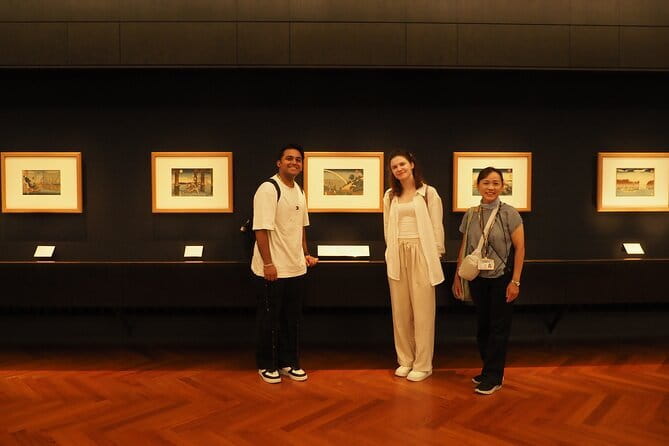
This tour fits best if you want a Tokyo day that feels local and quieter, not just famous. It’s ideal for:
- People who like temples, but also want neighborhood context
- Anyone who prefers smaller, calmer areas over the central crowd
- Families, since the maneki neko theme can grab kids quickly
- Travelers who want a guide to explain what you’re seeing in plain language
It might be less perfect if you want long museum time or a fully indoor, rainy-day itinerary. The route relies on outdoor walking and multiple local stops. If you’re the type who hates schedule surprises, bring a backup plan and expect minor changes if closures pop up.
Should You Book? My Decision Guide
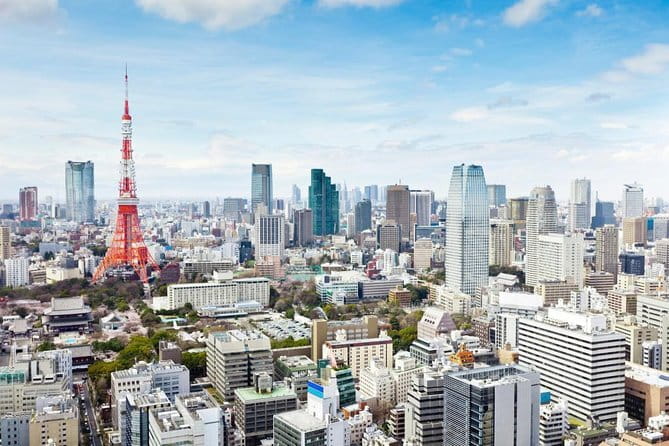
If you’re choosing between another busy central Tokyo day and something quieter, I’d lean toward this. You get the iconic cat payoff at Gotokuji, and you also get the practical value of guided context at Shoin Shrine, a neighborhood shopping street, an Edo-era mansion site, and a local history museum.
But book with eyes open. One stop can close on certain holidays, and you may need to adjust on the fly. Still, the overall structure is strong enough that even if one piece changes, you’re not left with a half-finished day. You’ll end near Gotokuji Station with a story, not just a photo.
If your goal is authentic Tokyo, this is a smart way to get it without spending your whole day in crowds.
FAQ
How long is the Gotokuji tram tour?
It runs for about 3 hours 30 minutes.
How much does the tour cost?
The price is $68.64 per person.
Where do I meet and where does the tour end?
You start at Sangenjaya Station and end at Gotokuji Station. Your finish spot is different from the start.
Is the tour private?
Yes. It is a private tour, and only your group participates.
What is included in the price?
A tour guide and private tour are included. Necessary expenses for the guide are also covered.
Do I need cash?
Yes. Some visited places do not accept credit cards, so it’s a good idea to bring cash.
Newest Tokyo write-ups from the Loving Japan desk






Private, side by side.
 ★ 5.0Tokyo 6hr Private Tour with Government-Licensed GuideFrom $1553,902 reviews
 ★ 5.0Private Tour to Mt. Fuji and Hakone (Fully Licenced Operator)From $4971,910 reviews
 ★ 4.9Mount Fuji Full-Day Private Tour from Tokyo (Customizable)From $3931,470 reviews
 ★ 4.8Private City Highlights Tour with Local GuideFrom $1061,433 reviews
 ★ 5.0Private Custom Tour: Tokyo in a DayFrom $1591,432 reviews
 ★ 5.0Kyoto 6hr Private Tour with Government-Licensed GuideFrom $1551,369 reviews
 ★ 5.0Tokyo Customized Private Tour: See Top Attractions in 1 DayFrom $1451,351 reviews
 ★ 4.9Hotspots & Hidden Gems Walking Tour Private or GroupFrom $331,300 reviews