
REVIEW · PRIVATE
Private tour Tokyo – The Harmony of Modernity and Tradition
Tokyo tells two stories at once. I like how the route hits free-entry icons from palace to shrine to temple to the city’s biggest street-crossing moment, and I like that the guide helps you handle subway and sidewalk navigation without stress. One consideration: the schedule gives about 30 minutes at each main stop, so you’ll have to choose what you want to linger on.
This kind of private walking day works especially well when you want a real mix of modern Tokyo and tradition in one sweep. In the same spirit, guides connected with My Japan Guide, including Yoko and Xavier, are frequently described as punctual and good at tailoring the pace for different interests, from food focus to history focus.
Pricing is straightforward for a private guide plus pickup: it’s $196.48 per person for an 8-hour experience. Hotel pickup and a local guide are included, but food and transport to attractions are not (transport averages JPY 1,500 per person per day), so you’ll want to plan for that extra spend.
In This Review
- Key points that make this Tokyo day tick
- A smart way to see Tokyo’s contrasts in one day
- Private comfort, small-group energy, and real tailoring
- Stop 1: Imperial Palace, a calm start with free admission
- Stop 2: Meiji Jingu Shrine, Shinto focus in the middle of the city
- Stop 3: Tsukiji Fish Market, market culture with a fast lens
- Stop 4: Senso-ji Temple, Tokyo’s oldest temple energy
- Stop 5: Ueno Park, a local favorite with major attractions nearby
- Stop 6: Shibuya Crossing, the city’s most recognizable moving moment
- Price and value: what $196.48 per person really covers
- Logistics that affect your comfort on an 8-hour walking day
- The guide factor: why Yoko and Xavier show up in people’s feedback
- Who this tour suits best
- Possible drawback to plan around
- Should you book this private Tokyo harmony tour?
- FAQ
- What time does the tour start?
- How long is the tour?
- Is the tour private?
- Is hotel pickup included?
- Are admission tickets included?
- What is not included in the price?
- Does the tour run in bad weather?
- When do I get confirmation after booking?
- Can I cancel for a full refund?
Key points that make this Tokyo day tick
- Hotel pickup: start from your Tokyo hotel, so you waste less time figuring out meeting spots
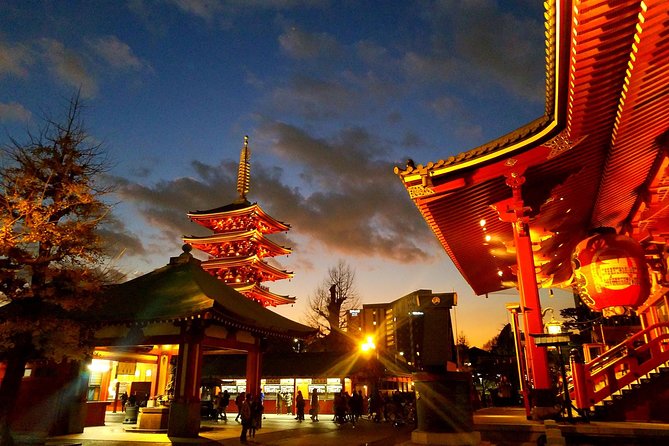
- A tight mix of icons: Imperial Palace, Meiji Jingu, Tsukiji, Senso-ji, Ueno Park, and Shibuya Crossing, all in one plan
- Free admission at each listed stop: the schedule lists free tickets for every major stop on the itinerary
- Guide-led transit know-how: you’ll get help moving by subway and on foot like someone who actually lives there
- Tailored pacing: the itinerary can be adjusted to what your group cares about most
Still weighing up options in Tokyo? These are the ones our reviewers rated highest.
- Mt Fuji and Hakone 1-Day Bus Tour Return by Bullet Train
★ 5.0 · 26,383 reviews - 1-Day Tokyo Bus Tour
★ 5.0 · 14,250 reviews - Tokyo: teamLab Planets TOKYO Digital Art Museum Entry Ticket
★ 4.6 · 9,779 reviews - Mt Fuji & Hakone Cruise, Drum Show Bullet Train 1 Day from Tokyo
★ 4.0 · 7,413 reviews
A smart way to see Tokyo’s contrasts in one day
Tokyo has two tempos. One is quiet and ceremonial, the other is loud, fast, and always moving. This tour is built to let you experience both without playing travel chess all day.
You spend the morning and early afternoon on places tied to Japan’s emperor era and Shinto tradition, then you swing toward market culture and the big-street spectacle of Shibuya. That contrast matters because it turns a checklist day into a “feel the city” day.
Private comfort, small-group energy, and real tailoring
The big advantage here is that it’s private. Only your group participates, which means you can talk as much as you want and slow down when someone spots something interesting.
The schedule is structured, but it’s not rigid. The plan is designed so your guide can tailor the order to your group’s interests and the day’s flow, which is exactly what you want in a city where lines, crowds, and weather can change everything quickly.
Also, this format tends to work well for families and mixed-age groups. The experience notes that most travelers can participate, and it also flags that children must be accompanied by an adult.
Stop 1: Imperial Palace, a calm start with free admission
You kick off at the Imperial Palace, the main residence of Japan’s Emperor. It’s a powerful first stop because it sets the tone: less neon, more ceremony.
The itinerary assigns about 30 minutes here, and it lists admission as free. That matters for value because you’re not paying to get the “big name” sights early in the day, when you’re most likely to be fresh and ready to walk.
What you should do with this short window:
- Take it as an orientation stop. Get your mental map of the area and the atmosphere, then move on.
- Decide early if you want more time for photos and perimeter views, or if you want to focus on understanding what you’re looking at.
- Mt Fuji and Hakone 1-Day Bus Tour Return by Bullet Train★ 5.0 · 26,383 reviews
- 1-Day Tokyo Bus Tour★ 5.0 · 14,250 reviews
- Tokyo: teamLab Planets TOKYO Digital Art Museum Entry Ticket★ 4.6 · 9,779 reviews
- Mt Fuji & Hakone Cruise, Drum Show Bullet Train 1 Day from Tokyo★ 4.0 · 7,413 reviews
- Tokyo Mt Fuji 5th St & Hakone Cruise Bus Tour w/Bullet Train★ 4.4 · 5,024 reviews
Stop 2: Meiji Jingu Shrine, Shinto focus in the middle of the city
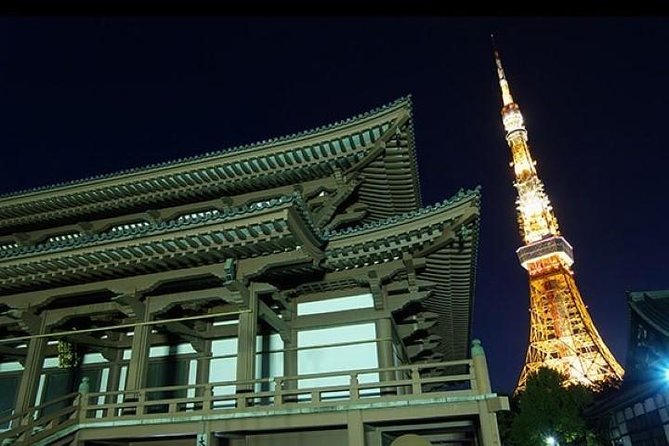
Next up is Meiji Jingu Shrine, dedicated to the deified spirits of Emperor Meiji and his wife. This stop is different from the palace because it’s explicitly spiritual and Shinto in focus, not state residence.
Again, it’s timed at about 30 minutes with free admission listed. That free ticket piece is nice, but the bigger value is the way a guide can connect what you see to what it means, even when the stop is short.
In this kind of shrine visit, your “win” is usually behavior and attention. You’re not there for a quick snack-and-selfie circuit. You’re there to understand the place’s purpose and keep your pace respectful, even when the surrounding city is doing its usual thing.
Stop 3: Tsukiji Fish Market, market culture with a fast lens
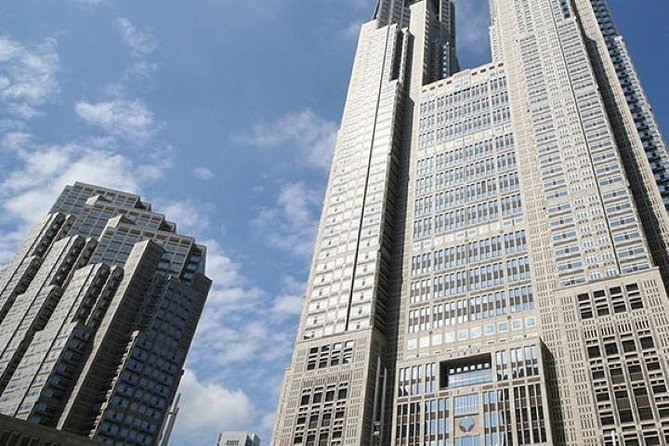
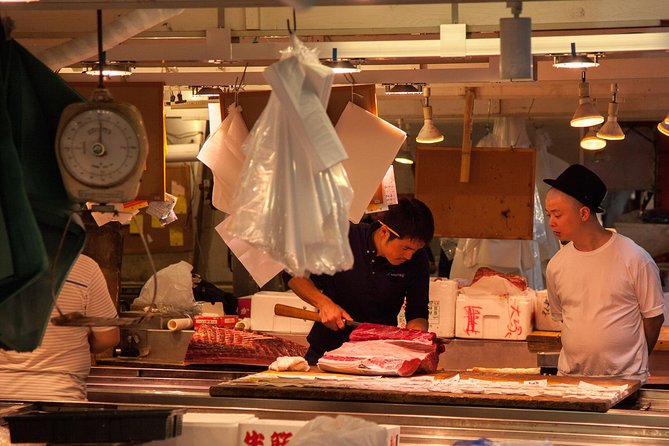
Then comes Tsukiji Fish Market, known for being the world’s largest fish market in its day. Even if you only have about 30 minutes, this stop helps you feel Tokyo through food and commerce, not just monuments.
The itinerary lists it as free admission, so you’re not paying extra for access to the “market vibe.” Also, Tsukiji is a great place for a guided walkthrough because it’s easy to get lost in the noise without context.
In your 30 minutes, aim for:
- Observing how people shop, move, and treat the area like work, not sightseeing
- Looking for the cues that explain what the market is known for
- Asking your guide what to notice, since a guide can turn random bustle into meaning
Stop 4: Senso-ji Temple, Tokyo’s oldest temple energy
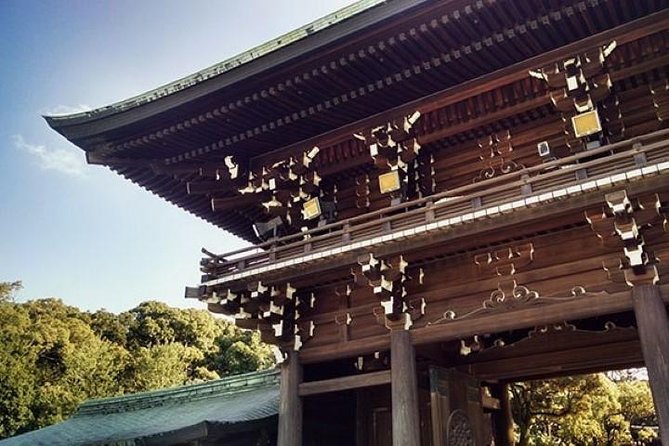
Now you hit Senso-ji Temple, described in the itinerary as Tokyo’s oldest temple and one of its most significant. This stop is a classic reason people come to Asakusa, and it tends to deliver immediate atmosphere.
You get about 30 minutes, with free admission listed. The benefit of that timing is that you’re not stuck for hours in one single place. Instead, you see a major landmark, absorb the vibe, then keep moving while the day is still full of energy.
A practical way to use Senso-ji in a guided schedule:
- Get oriented first, then decide where you want your best photo and where you want your attention for the spiritual parts of the visit
- Keep your pace steady. Crowds can form fast, and part of the value of a private guide is knowing how to route through them efficiently
Stop 5: Ueno Park, a local favorite with major attractions nearby
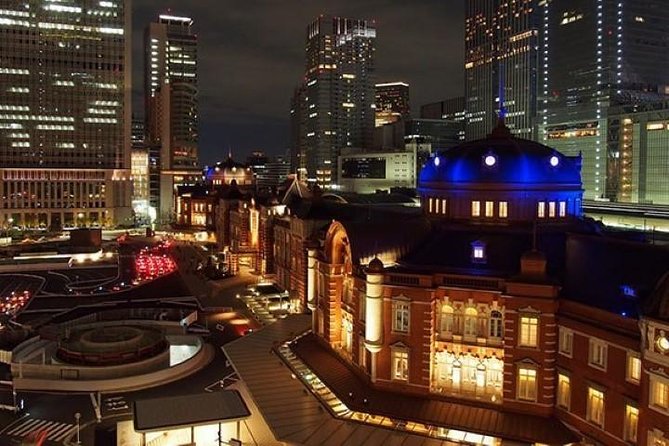
Next is Ueno Park, a large park and a favorite destination of Tokyo residents. This stop matters because it’s not just a tourist stage. It’s a place locals use for downtime, and it sits right next to major cultural sites.
The itinerary lists free admission here and mentions big-name attractions within it, including the Tokyo National Museum and Toshogu. Since you only have about 30 minutes, the smart play is not trying to do everything. You’ll get more out of picking one focus area and using your guide to point out what’s worth your time.
For this stop, you’ll likely find it helps to ask your guide a simple question at the start: what’s the one thing in this park that connects best to your interests? That’s where tailoring really shows.
Stop 6: Shibuya Crossing, the city’s most recognizable moving moment
You finish with Shibuya Crossing, described as Tokyo’s most identifiable landmark. Even if you’ve seen it in videos, seeing it in person hits differently because you feel the flow.
It’s scheduled for about 30 minutes, free admission listed. That’s enough time to get your bearings and experience the crossing as a real public space, while your guide handles the practical side, like how to move through the area efficiently.
One big value that shows up repeatedly in feedback about this kind of guiding: getting help navigating Tokyo’s public transportation system. Many people come to Tokyo expecting to figure trains out alone, then realize it’s easier with a guide who knows the best routes and how to time your moves.
Price and value: what $196.48 per person really covers
At $196.48 per person, you’re paying for a private guide, plus pickup. Hotel pickup and the local guide are included, which helps value because Tokyo neighborhoods can be tricky to connect quickly when you’re starting from your own hotel.
What’s not included is also clear:
- Food and drinks are not included unless specified
- Transportation to and from attractions averages JPY 1,500 per person per day
So the real value equation is this: you’re buying time saved, navigation help, and interpretation, while you budget your own meals and transit fare.
One more factor: this tour is described as frequently booked about 68 days in advance on average. If your trip dates are fixed, don’t wait too long. Good guides and tight schedules go fast in Tokyo.
Logistics that affect your comfort on an 8-hour walking day
This experience runs about 8 hours and starts at 10:00 am. With six major stops and walking and subway legs between them, the day will feel like a coordinated route, not a casual wander.
It operates in all weather conditions, and the advice is to dress appropriately. Since the plan relies on walking, weather matters. If it’s raining, you’ll want gear that keeps you moving and makes you comfortable enough to stay engaged.
Also, you’ll get a mobile ticket, and confirmation is sent within 48 hours of booking, subject to availability. That’s useful if you like having your plan locked in before you arrive.
The guide factor: why Yoko and Xavier show up in people’s feedback
What repeatedly makes tours like this feel worth it is the people running them. Names like Yoko and Xavier come up often, and multiple notes describe them as responsive and helpful with planning.
In particular, some feedback emphasizes that guides can teach you how to navigate Tokyo public transportation, turning what feels like chaos into something manageable. Other notes describe guides as punctual and meeting people at the hotel lobby.
And if you care about personalization, the reviews mention guides adjusting for different interests, including teens and adults with different priorities. That matters because a big-city day can go sideways when the group isn’t aligned.
Who this tour suits best
This tour fits you well if you want:
- A guided day that hits major Tokyo landmarks without you building a complicated route
- A blend of modern energy and traditional Japan, in one long day
- A private experience where the guide can shift emphasis based on your group
It’s also a solid fit for first-time visitors who want a structured orientation. And it can work well for families, as long as you’re good with a walking-heavy schedule and you have adults supervising children.
Possible drawback to plan around
The main drawback is baked into the schedule length. Each major stop is about 30 minutes, so you may not have time for deep museum-style exploration within the listed locations. If your group loves slow pacing, ask your guide to prioritize one or two stops for extra attention and use the others for context.
There’s also the cost piece to watch. Since transportation averages JPY 1,500 per person per day and food is not included, your final day budget will be higher than the base price alone. That’s not a deal breaker, but it’s smart to plan meals and transit early.
Should you book this private Tokyo harmony tour?
Book it if you want an organized, private, walking-and-subway day that blends Tokyo’s tradition with its high-energy street life, and you value having a guide handle navigation. The fact that the itinerary lists free admission tickets at each major stop adds real value, because you’re not stacking extra attraction fees on top of your guide time.
Skip it, or modify your expectations, if you want long stays in one place or you’re hoping for a museum-heavy itinerary. This is designed for coverage and momentum, not for lingering.
My practical call: if you’re the kind of traveler who likes to learn how a city works while seeing famous sites, this is a strong choice. Just go in with one plan for your group, pick what matters most, and let your guide do the route thinking. That’s where the day pays off.
FAQ
What time does the tour start?
The tour start time is 10:00 am.
How long is the tour?
The duration is about 8 hours.
Is the tour private?
Yes. It’s a private tour/activity, so only your group participates.
Is hotel pickup included?
Hotel pickup is included.
Are admission tickets included?
For the stops listed in the itinerary, admission tickets are listed as free.
What is not included in the price?
Food and drinks are not included unless specified. Transportation to/from attractions is not included, and it averages JPY 1,500 per person per day.
Does the tour run in bad weather?
Yes, it operates in all weather conditions. You should dress appropriately.
When do I get confirmation after booking?
Confirmation is received within 48 hours of booking, subject to availability.
Can I cancel for a full refund?
Yes. You can cancel up to 24 hours in advance for a full refund. If you cancel less than 24 hours before the start time, the amount paid is not refunded.
Newest Tokyo write-ups from the Loving Japan desk




Private, side by side.
 ★ 5.0Tokyo 6hr Private Tour with Government-Licensed GuideFrom $1553,902 reviews
 ★ 5.0Private Tour to Mt. Fuji and Hakone (Fully Licenced Operator)From $4971,910 reviews
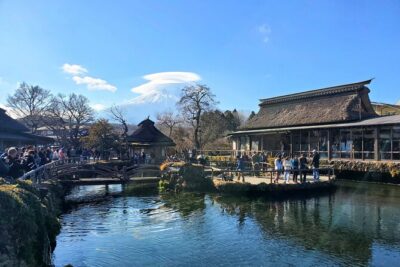 ★ 4.9Mount Fuji Full-Day Private Tour from Tokyo (Customizable)From $3931,470 reviews
 ★ 4.8Private City Highlights Tour with Local GuideFrom $1061,433 reviews
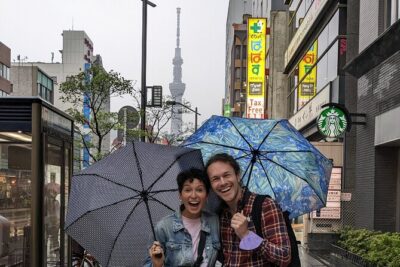 ★ 5.0Private Custom Tour: Tokyo in a DayFrom $1591,432 reviews
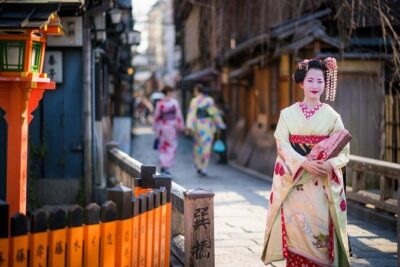 ★ 5.0Kyoto 6hr Private Tour with Government-Licensed GuideFrom $1551,369 reviews
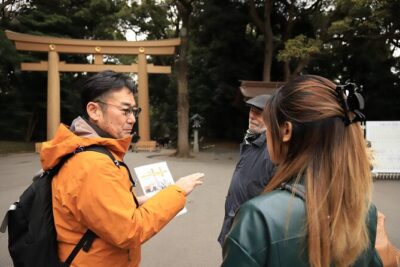 ★ 5.0Tokyo Customized Private Tour: See Top Attractions in 1 DayFrom $1451,351 reviews
 ★ 4.9Hotspots & Hidden Gems Walking Tour Private or GroupFrom $331,300 reviews