
REVIEW · SAPPORO, OTARU AND HOKKAIDO
Sapporo 4hr Private Tour with Government Licensed Guide
Half a day can feel like a week. This private tour is built for time-tight visitors who want a licensed English-speaking guide taking care of navigation, with a route you can shape around what you actually care about.
I especially like two things: first, the guide comes to you so you avoid hunting down a meeting place. Second, you get a smart mix of “Sapporo identity” stops like Odori Park and the Beer Museum, plus options for winter views, parks, and even onsen towns, all without doing research.
One consideration: it’s a walking tour, so shoe choice matters, and entrance fees plus transportation are not included. If you pick far-flung options (like Jozankei Onsen), you may feel the schedule get tight in a 4-hour window.
In This Review
- What makes this private Sapporo tour work so well
- A half-day private tour that actually fits real life
- Price and what you’re truly paying for
- Meeting your guide, then getting moving fast
- How the guide customizes the day in real terms
- The stop menu, and how to choose your 2 to 3
- 1) Sapporo Snow Festival (winter focus)
- 2) Moerenuma Park (design-meets-nature)
- 3) Historical Village of Hokkaido, Kaitaku-no Mura (open-air time travel)
- 4) Mt. Moiwa (views over the city)
- 5) Shiroi Koibito Park (chocolate theme energy)
- 6) Sapporo Beer Museum (the city’s brewing story)
- 7) Odori Park (the central spine)
- 8) Susukino (Sapporo’s entertainment district)
- 9) Okurayama Ski Jump Stadium (Olympic legacy)
- 10) Sapporo Factory (shopping and entertainment)
- 11) Jozankei Onsen (onsen town with a natural setting)
- 12) Nijo Market (seafood and produce)
- 13) Clock Tower (Tokei-dai)
- 14) Hokkaido Shrine, Ton-gu (a key Shinto stop)
- 15) Maruyama Park (park time, any season)
- 16) Sapporo TV Tower (classic city landmark)
- 17) Former Hokkaido Government Office Building (western-influenced landmark)
- 18) Sapporo Science Center (hands-on, family-friendly)
- Practical tips that make the tour feel effortless
- What the guide experience really adds
- Where this tour shines, and who should pick it
- Should you book this Sapporo private tour?
- FAQ
- How long is the Sapporo private tour?
- Is this a walking tour?
- Do I need to meet the guide at a fixed location?
- Can I choose which places we visit?
- Are admission tickets included?
- Are transportation costs included?
- Is the guide English speaking and licensed?
- Is free cancellation available?
- What kind of ticket do I get?
What makes this private Sapporo tour work so well
- Private, government licensed guide in English, so you’re not stuck decoding signage
- Hotel-area meeting on foot means less time lost to logistics
- Choose 2 to 3 stops from a strong menu, so your half day matches your interests
- Flexible route lets the guide adjust timing based on weather and what you want to see
- Popular local highlights are included in the selection, like Nijo Market and the Clock Tower
- Small group experience means you can ask questions and keep moving at your pace
Further north. Our other Hokkaido write-ups
- Sapporo Bar Hopping Food Tour
★ 5.0 · 232 reviews - Hokkaido Seasonal: Lake Toya & Noboribetsu Jigokudani Valley
★ 4.7 · 173 reviews - Sapporo Private Tour with a Local – Highlights & Hidden Gems
★ 5.0 · 91 reviews - Sapporo: Sumo Show Experience with Japanese food & Photo
★ 4.9 · 81 reviews
A half-day private tour that actually fits real life
Sapporo is a city where it’s easy to feel productive when you’re planning, and then oddly lost when you’re standing on the street. This tour fixes that mismatch. You get a guide who can explain what you’re seeing and, just as important, help you move efficiently between standout neighborhoods and landmarks.
The “private” part is not just a marketing label. It changes the whole experience. You’re not waiting for a group photo. You’re not stuck in a pace that’s too fast or too slow. And you can steer the route with simple requests like, I’d rather focus on food, I want views, or we prefer history over shopping.
Now, the tour length is only about 4 hours, and it’s structured around choosing 2 to 3 sites. That’s the key to enjoying it. If you try to force too much into one day, you’ll feel rushed. If you choose well, you’ll come away with a clear sense of Sapporo’s neighborhoods, seasons, and what makes the city tick.
Price and what you’re truly paying for
At $122.20 per person for a private half-day, this is not the cheapest way to “see sights.” But it can be good value if you compare what you’re buying: a licensed guide, a customized route, and navigation help in English.
If you’re traveling as a couple or with a small group, a private guide also removes stress. In Japan, that stress is real, because transit and ticketing can be simple, but only once you know how to do it. Here, you’re outsourcing the problem-solving to your guide. That’s worth money when you have limited time.
Also, many of the most famous central stops in this menu have free admission. The tour doesn’t include entrance fees or transportation, but you’re often choosing sites where you only pay if you want something ticketed like towers, museums, or special exhibits.
Meeting your guide, then getting moving fast
One of the biggest practical wins is that you don’t need to go to a meeting point in some far corner. The guide meets you within a designated area and pickup is offered, which usually means you’ll start from your hotel area and walk from there.
This matters more than it sounds. In Sapporo, weather can shift quickly, and winter or windy days can drain energy. Starting near where you already are helps you get to the good part sooner, and you’re more likely to keep your day feeling light instead of administrative.
The tour is also built as a walking experience, and the listing makes that explicit. That means you’ll want comfortable shoes, and you’ll want to pick sites that match your walking tolerance. If you’d rather minimize pavement, choose mostly central stops like Odori Park, the Clock Tower area, Susukino, or Nijo Market.
Licensed guides working the same ground
- Sapporo 4hr Private Tour with Government Licensed Guide★ 5.0 · 42 reviews
How the guide customizes the day in real terms

The route selection is flexible, and that’s where your experience can become personal. Your guide can steer you toward the right “Sapporo mood” based on what you care about most.
In the feedback you can see a pattern. Guides like Roy Aoki and Kumiko are praised for being punctual, professional, and good at matching what people want. Some guides even use local events to shape the day, like planning around seasonal festivals near Odori Park, or finding food moments that fit the group.
If you’re a first-timer and want a global feel for the city, you can build a route around central landmarks plus one “Sapporo identity” stop like the Beer Museum. If you’re more nature-minded, you can bias toward Moerenuma Park or Maruyama Park. If your group includes kids or teens, you can lean into the Science Center, where interactive exhibits are part of the attraction.
The stop menu, and how to choose your 2 to 3
This tour offers a menu of sights, but you only choose 2 to 3. That’s a blessing. Here’s how each stop works as a “half-day choice,” plus a realistic consideration for each.
1) Sapporo Snow Festival (winter focus)
This one is the seasonal headline. Held for a week every February in Sapporo, it’s famous for snow and ice displays that feel like you’re wandering through a sculptor’s playground.
Why it’s worth it: it instantly signals what makes Sapporo different from other Japanese cities. If you’re in town in February, this is the simplest way to understand the city’s winter personality.
Consideration: timing. Because it’s tied to a specific week in February, you’ll only pick this when it’s actually running. If it’s off-season, you’ll want a different selection.
2) Moerenuma Park (design-meets-nature)
Moerenuma Park is a large park on the outskirts, surrounded by marsh, with a 4-kilometer circumference. It’s scenic and gives you room to breathe.
Why it’s worth it: parks like this show Sapporo’s “outdoors first” side, especially when you want a change from dense city blocks.
Consideration: it’s out of the core, so it can eat up part of your 4 hours if you choose other farther stops too.
3) Historical Village of Hokkaido, Kaitaku-no Mura (open-air time travel)
This open-air museum shows about 60 typical buildings from across Hokkaido, dating mainly from the Meiji and Taisho periods.
Why it’s worth it: it’s a clear way to learn how the island developed. Buildings make history easier to picture than dates do.
Consideration: admission is not included. Also, 30 minutes can be enough for a quick overview, so pick it when you genuinely want historical architecture rather than just a photo stop.
4) Mt. Moiwa (views over the city)
Mount Moiwa is one of the small forested mountains southwest of central Sapporo. The big draw is the spectacular view over the city.
Why it’s worth it: if you want a “map in your head,” a view stop does that fast.
Consideration: views are best when visibility is good, and the tour timing may or may not align with peak light depending on the day you book.
5) Shiroi Koibito Park (chocolate theme energy)
This park is tied to Ishiya, a local chocolate company, and it centers on the Shiroi Koibito cookie.
Why it’s worth it: it’s fun, easy, and very Sapporo flavored without requiring deep research.
Consideration: admission is not included. Also, this is a themed stop, so it’s best if your group likes food culture and playful attractions.
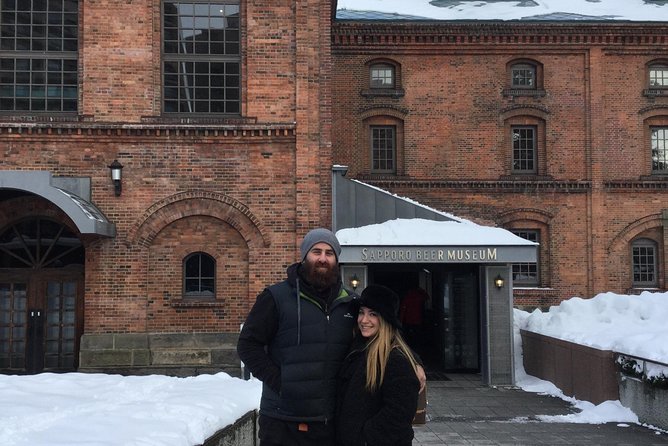
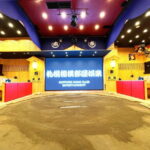
6) Sapporo Beer Museum (the city’s brewing story)
Hokkaido is described as the birthplace of beer in Japan, and Sapporo Beer has been brewed in Sapporo since 1877. The museum is a logical choice if you want an anchor story for the city.
Why it’s worth it: it ties together culture and craft. Plus, it’s the kind of stop where a guide’s explanations make a big difference in how fast you connect the dots.
Consideration: admission is not included, and it’s a museum, so it’s less “walk and roam” than parks and streets.
7) Odori Park (the central spine)
Odori Park is the broad median running through the city center, roughly 1.5 kilometers, separating north and south. It’s a classic anchor stop.
Why it’s worth it: it helps you orient yourself immediately. You’re literally standing at the city’s organizing line.
Consideration: depending on the season, there may be festivals or crowds. That can be great if it’s running, but it can also mean slower foot traffic.
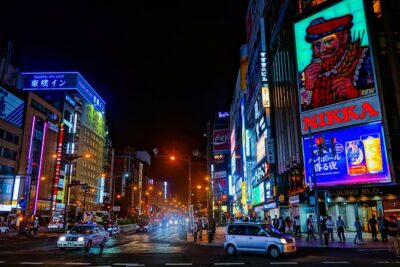
8) Susukino (Sapporo’s entertainment district)
Susukino is the big nightlife and entertainment area north of Tokyo, with shops, bars, restaurants, karaoke, pachinko, and even red light establishments.
Why it’s worth it: it shows the city’s modern, adult side and gives you contrast to parks and museums.
Consideration: it can feel intense if your group wants quiet sightseeing. It’s also not a place where everyone wants to linger, so pick it if your group is curious.
9) Okurayama Ski Jump Stadium (Olympic legacy)
The 90-meter ski jump stadium hosted Winter Olympics 1972 competitions. When events are not happening, it can still be a landmark visit.
Why it’s worth it: it’s a direct connection to Sapporo winter sports history.
Consideration: admission is not included. Also, this stop works best when you’re pairing it with other areas that make geographic sense for your chosen route.
10) Sapporo Factory (shopping and entertainment)
Sapporo Factory is a large shopping and entertainment complex opened in 1993. It has about 160 establishments, including shops, souvenir options, and restaurants and cafes.
Why it’s worth it: it’s a convenient “one place for many needs,” especially if you want souvenirs and a food option without hunting.
Consideration: admission is not included. Also, this is more commercial than historic, so it may not be your top priority if you’re aiming for culture-only.
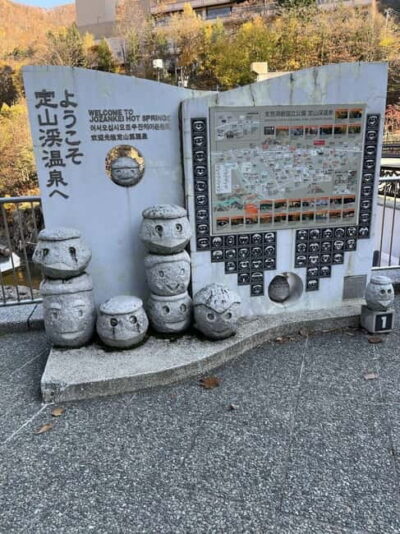
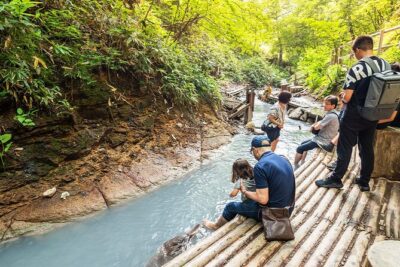
11) Jozankei Onsen (onsen town with a natural setting)
Jozankei Onsen is located within Shikotsu-Toya National Park between the cliffs of the Toyohira River. It’s about one hour from central Sapporo, so it’s a popular escape.
Why it’s worth it: if you want to feel the “get away from the city” side of Hokkaido, an onsen town is the fastest way.
Consideration: it’s further out, so choosing it can crowd your schedule. Admission is free for the stop itself, but you’ll likely pay for whatever onsen experience you choose, since entrance is not included.
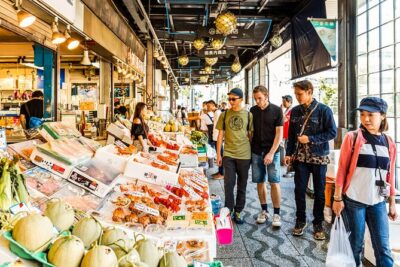
12) Nijo Market (seafood and produce)
Nijo Market occupies about one city block and sells fresh local produce and seafood, including crabs and salmon.
Why it’s worth it: a market is one of the best places to understand local tastes quickly. It’s also a good “flex” stop, because you can snack lightly without committing to a long meal.
Consideration: the stop is free to visit, but lunch is not included. Plan on buying something small if you want the full effect.
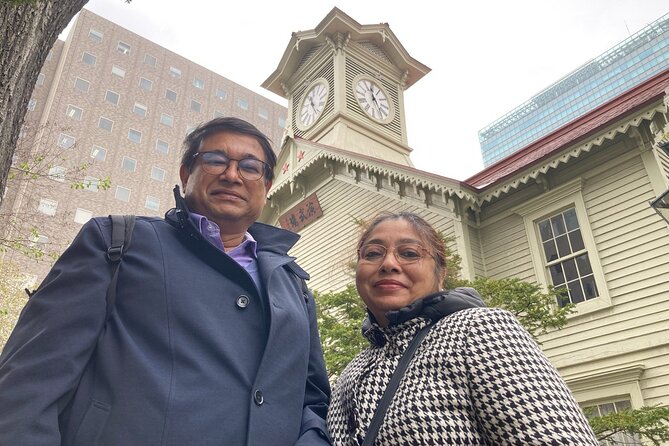
13) Clock Tower (Tokei-dai)
The Clock Tower is a symbol of Sapporo. It was constructed in 1878 as a drill hall of the Sapporo Agricultural College, and later a clock was added in 1881.
Why it’s worth it: it’s one of those “one photo, instant understanding” landmarks. You see it, then you realize Sapporo has deep roots beyond modern city life.
Consideration: admission is not included, but many landmarks like this are primarily about sight, so you’re paying for nearby time rather than an exhibit.
14) Hokkaido Shrine, Ton-gu (a key Shinto stop)
The Hokkaido Shrine was built in 1871 and is adjacent to Maruyama Park. It became even more popular after it was dedicated.
Why it’s worth it: it’s a spiritual pause that also connects to seasonal changes in the area.
Consideration: entrance is free, but it may take time to walk around the grounds, so keep it paired with nearby sights to avoid wasting time.
15) Maruyama Park (park time, any season)
Maruyama Park is a natural area on the west side of Sapporo. It’s popular year-round, and in spring the hill blooms.
Why it’s worth it: when your itinerary feels too “museum-heavy,” a park gives you breathing room.
Consideration: admission is not included, so it’s best if your group genuinely wants a stroll and views.
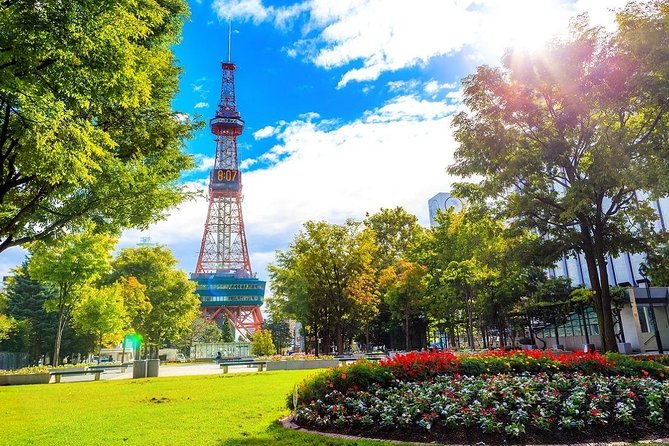
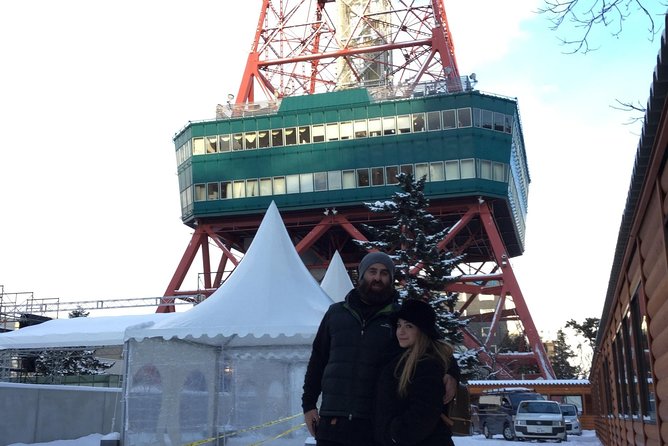
16) Sapporo TV Tower (classic city landmark)
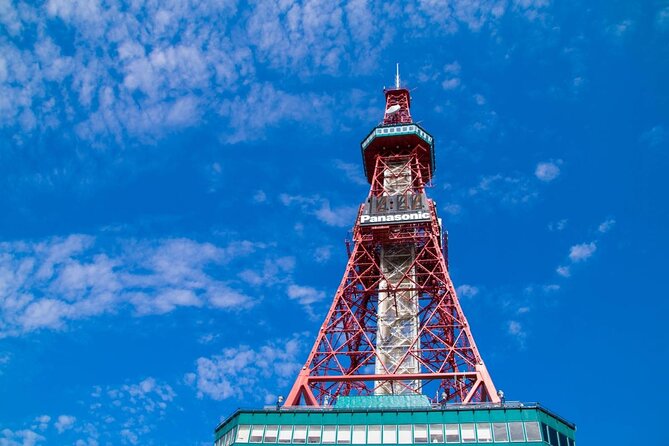
Built in 1957 and 147 meters tall, the TV Tower is one of Sapporo’s most visited landmarks and offers views over the city from its observation level.
Why it’s worth it: it’s central and easy to understand as a landmark stop.
Consideration: admission is not included, and you’ll want to pick this when you have enough time to actually enjoy the view, not just snap a photo and rush.
17) Former Hokkaido Government Office Building (western-influenced landmark)
This building is one of Sapporo’s most obviously western-influenced landmarks, built in 1873.
Why it’s worth it: it helps you see why Sapporo developed the way it did, and why the city feels slightly different from other Japanese towns.
Consideration: admission is not included, so check if you want to go inside versus just see the exterior area.
18) Sapporo Science Center (hands-on, family-friendly)
This modern facility includes more than 200 displays and exhibits, many hands-on and interactive, and it’s a good option when traveling with children.
Why it’s worth it: interactive science turns a short stop into real learning time, especially for younger visitors.
Consideration: admission is not included, and 30 minutes can be just enough to pick a few exhibits.
Practical tips that make the tour feel effortless
Here are the habits that turn this from a “list of stops” into an actual great day.
First, decide your theme before you pick sites. If your theme is food, pair Nijo Market with the Beer Museum or Shiroi Koibito Park. If your theme is city layout, pair Odori Park with either the Clock Tower area or Sapporo TV Tower. If your theme is outdoors and winter, consider Snow Festival plus Moerenuma Park or Mt. Moiwa.
Second, treat free admission stops as your backbone. Odori Park, Odori-area landmarks, Susukino, Nijo Market, and the Clock Tower are great for keeping costs under control.
Third, keep expectations flexible about seasonal moments. One reason guides get praised is that they know what’s happening around the places you choose. For example, guides have steered people toward seasonal festivals near Odori Park or found local events that fit the group. You can ask your guide what’s on that day while you’re walking.
Finally, if you’re traveling with teens, ask the guide how to make the day more than “photos and facts.” Some guides are specifically praised for food knowledge, and that helps keep energy high.
What the guide experience really adds

A licensed guide changes the tone. Instead of reading signs and guessing, you get context. You also get better flow. In the feedback, guides like Ms. TERY are praised for professionalism and for walking people through how to use the subway system to find their way around. That’s a quiet superpower because it helps you not just during the tour, but after it too.
Other guides are repeatedly described as efficient and friendly, with strong local knowledge. Tom (Tamaki Yakuwa) is noted for city history and navigation help. Waka is praised as patient and family-friendly, with lots of food tips that even a teenager foodie group could appreciate. Kumiko Nakamura is described as a standout local guide for markets, TV Tower, and shop areas.
The consistent takeaway: you’re not only seeing Sapporo. You’re learning how to think about it.
Where this tour shines, and who should pick it
This tour shines if you fit one of these profiles:
- You have limited time in Sapporo and want a fast orientation with memorable stops.
- You prefer a guide who can tailor the day instead of following a strict route.
- You want a mix of city sights and culture, with options like markets, parks, and history.
- You’re traveling with kids or teens and need activities that don’t feel like “just standing.”
It may not be the best fit if you want a slow, chill day with lots of independent wandering. Since you’re choosing only 2 to 3 sites within about 4 hours, you’ll have to commit to a plan. It’s still flexible, but it’s designed for momentum.
Should you book this Sapporo private tour?
Yes, if you want clarity and you want it fast. A private licensed guide, hotel-area start on foot, and the ability to choose 2 to 3 stops from an excellent menu is a strong formula for first-time visitors and anyone with a tight schedule.
Book it especially if you like the idea of pairing one “anchor landmark” with one “Sapporo identity” experience, like Odori Park plus the Beer Museum or Nijo Market plus the Clock Tower area. You’ll get a day that feels organized, not rushed.
Skip it only if you’re the type who wants to roam freely with no structure and you’re comfortable navigating Sapporo on your own. The tour is at its best when you let the guide help you plan, then use the time to see the right things at the right pace.
FAQ
How long is the Sapporo private tour?
It runs for about 4 hours.
Is this a walking tour?
Yes. It’s described as a walking tour, with pickup on foot.
Do I need to meet the guide at a fixed location?
No. Pickup is offered, and the guide meets you on foot within a designated area of Sapporo, typically near where you are staying.
Can I choose which places we visit?
Yes. The tour is customizable, and you can pick 2 to 3 sites from the available list.
Are admission tickets included?
Not always. Entrance fees are not included, and some stops are listed as free while others are not included.
Are transportation costs included?
No. Transportation fees are not included, and a private vehicle is not included.
Is the guide English speaking and licensed?
Yes. The tour includes a licensed local English-speaking guide.
Is free cancellation available?
Yes. You can cancel for a full refund up to 24 hours in advance of the experience start time.
What kind of ticket do I get?
A mobile ticket is included.
Licensed Guides on the Same Ground

Hokkaido, Further North



Newest Sapporo write-ups from the Loving Japan desk



Sapporo, Otaru and Hokkaido, side by side.
 ★ 5.0Sapporo Bar Hopping Food TourFrom $108232 reviews
 ★ 4.7Hokkaido Seasonal: Lake Toya & Noboribetsu Jigokudani ValleyFrom $55173 reviews
 ★ 5.0Sapporo Private Tour with a Local – Highlights & Hidden GemsFrom $10991 reviews
 ★ 4.1Hokkaido, Noboribetsu and Lake Toya Day TourFrom $6688 reviews
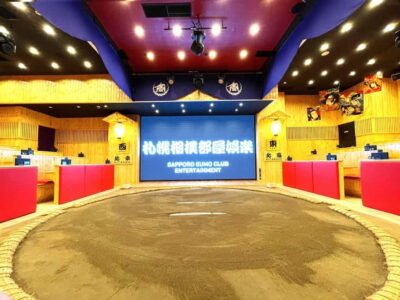 ★ 4.9Sumo Show Experience with Japanese food & PhotoFrom $7781 reviews
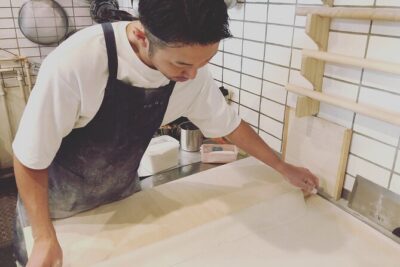 ★ 5.0Mondo’s most popular plan! Experience making soba noodles and the king of Japanese cuisine, tempura, in Sapporo!From $8571 reviews
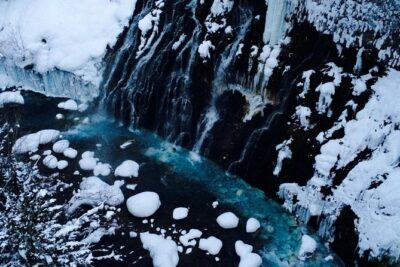 ★ 5.0【Private Car】Asahiyama Zoo, Blue Pond, Shirahige Falls, Ningle Terrace (from Sapporo)From $46560 reviews
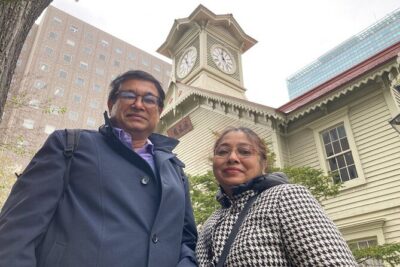 ★ 5.0Sapporo 6hr Private Tour with Government Licensed GuideFrom $15557 reviews
Filed on these lists too