
REVIEW · TOURS
Shinto Shrine Tour: Explore Japanese Culture in Tokyo
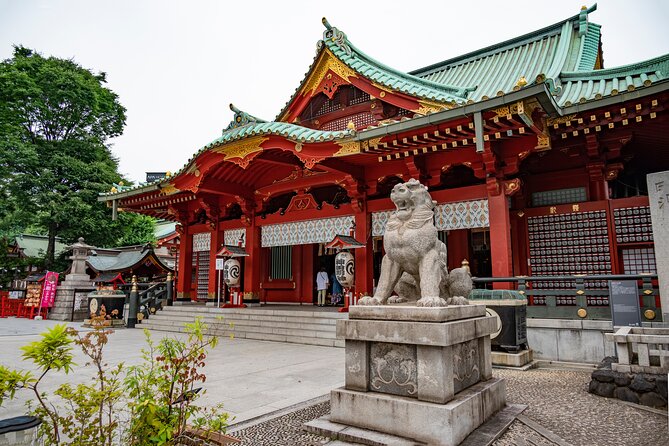
A Shinto visit in Tokyo feels like time travel. You get a private, group-only tour with a Shinto expert, hitting three major shrines in about three hours, so you learn the mythology and everyday practice without getting stuck in lines. I especially like how you are taught how to pray and purify in a straightforward, respectful way, and how the pacing lets you see real culture, fast.
One drawback to plan for: you will walk between sites, and it can feel like a lot in a short window, even if the guide keeps things moving smoothly.
In This Review
- Key moments you will care about
- Why Three Shrines in One Morning Works Better Than Doing It Solo
- Getting Oriented Fast at Harajuku Station Meeting Point
- Meiji Jingu Shrine: The Forest, the Emperor, and the Feeling of Stillness
- Kanda Shrine: 1,270 Years of Tokyo With Fire and Earthquake in the Backstory
- Tokyo Daijingu: O-Ise-sama in Tokyo and the God of Marriage for Girls
- The Etiquette Lesson That Changes Everything
- Public Transit Between Shrines, Without the Planning Headache
- Photo Stops and the Small Moments That Feel Real
- Is 206.26 Per Person Good Value for Three Shrines?
- Smart Casual Dress Code: What to Wear So You Are Comfortable
- Who This Tour Suits Best (and Who Might Want to Skip It)
- FAQ
- FAQ
- What shrines are included on this tour?
- How long is the tour?
- Where does the tour start?
- What time does it start?
- Is the tour private?
- What is included in the price?
- What is not included?
- What should I wear?
- What if I am late?
- What happens if weather is bad?
- Is it suitable for kids?
- Should You Book This Shinto Shrine Tour?
Key moments you will care about
- Three shrines, one focused route, so you are not juggling separate tickets and schedules
- Entrance fees are included, which removes one annoying part of planning
- Meiji Jingu forest setting, where the atmosphere does half the explaining for you
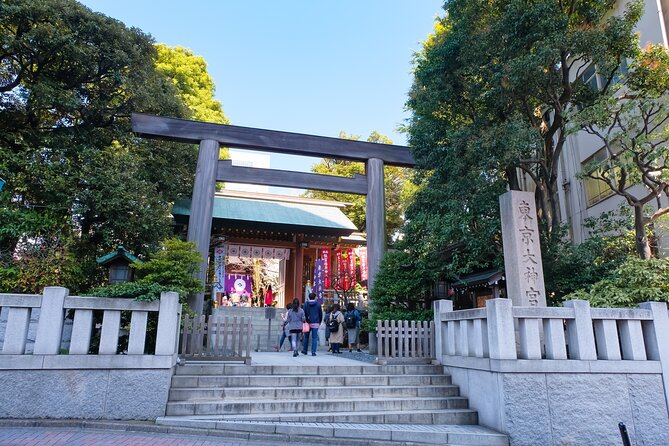
- Kanda Shrine history in the fabric of Tokyo, including rebuilding after fire and earthquakes
- Tokyo Daijingu’s marriage connection, taught with context for the local beliefs around praying
Still weighing up options in Tokyo? These are the ones our reviewers rated highest.
- Mt Fuji and Hakone 1-Day Bus Tour Return by Bullet Train
★ 5.0 · 26,383 reviews - 1-Day Tokyo Bus Tour
★ 5.0 · 14,250 reviews - Tokyo: teamLab Planets TOKYO Digital Art Museum Entry Ticket
★ 4.6 · 9,779 reviews - Mt Fuji & Hakone Cruise, Drum Show Bullet Train 1 Day from Tokyo
★ 4.0 · 7,413 reviews
Why Three Shrines in One Morning Works Better Than Doing It Solo
Tokyo can be overwhelming if you try to do shrine-hopping on your own. This tour is built for limited time, with a simple plan: start near Harajuku, then visit three shrines back to back, each with its own rhythm and meaning. You also get public transportation between stops, so you spend less energy figuring out the route and more time actually looking.
The private-group setup matters, too. Instead of trying to hear a distant guide while everyone rushes, you get a more personalized flow, and questions are easier to ask. That is a big deal when the goal is learning the “what” and “why” behind Shinto customs.
Getting Oriented Fast at Harajuku Station Meeting Point
Your tour starts at Harajuku Station, near Jingumae, in Shibuya. Since you do not have hotel pickup or drop-off, using the train makes the day cleaner and more predictable. Also, you start at 9:00 am, which is usually a smart time for making shrine visits feel calmer.
If you are arriving late, the guide waits up to 30 minutes after the scheduled start time. After that, the tour is treated as cancelled, so I would treat the start time as real business, not a loose suggestion.
Meiji Jingu Shrine: The Forest, the Emperor, and the Feeling of Stillness
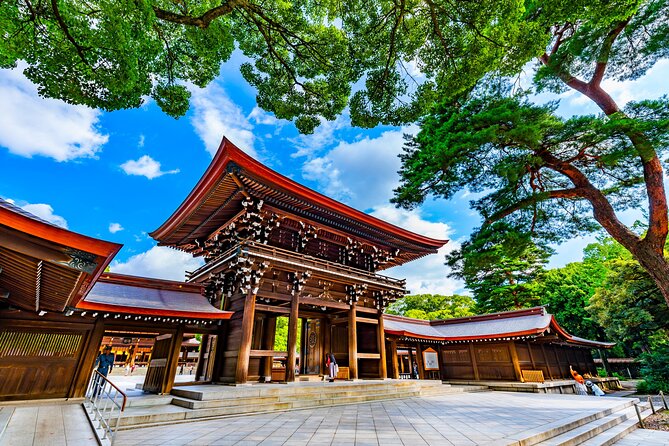
Meiji Jingu Shrine is your first stop, and it sets the tone in a big way. This shrine is dedicated to the souls of the late Emperor Meiji and Empress Shōken, and the grounds are surrounded by a lush forest made from trees donated from different regions of Japan. That is not just pretty scenery. It is part of the shrine’s message about national respect and shared memory.
In practice, this is where you start learning how the space works. You can expect the guide to explain what you are seeing and how the rituals connect to belief. I like that you get about an hour here, because you need time to slow down, notice details, and still move on without feeling rushed.
A practical note: the experience is popular. The tour includes entrance fees and is designed to help you avoid long visitor lines, but you should still expect crowds at peak moments.
- Mt Fuji and Hakone 1-Day Bus Tour Return by Bullet Train★ 5.0 · 26,383 reviews
- 1-Day Tokyo Bus Tour★ 5.0 · 14,250 reviews
- Tokyo: teamLab Planets TOKYO Digital Art Museum Entry Ticket★ 4.6 · 9,779 reviews
- Mt Fuji & Hakone Cruise, Drum Show Bullet Train 1 Day from Tokyo★ 4.0 · 7,413 reviews
- Tokyo Mt Fuji 5th St & Hakone Cruise Bus Tour w/Bullet Train★ 4.4 · 5,024 reviews
Kanda Shrine: 1,270 Years of Tokyo With Fire and Earthquake in the Backstory
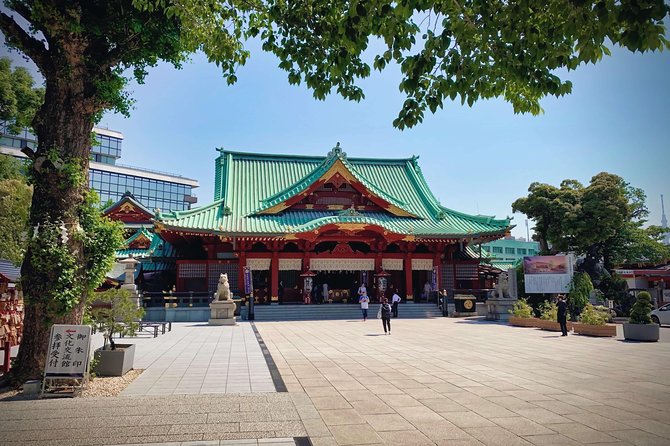
Next up is Kanda Shrine, located in Chiyoda. The site dates back about 1,270 years, but the current structure has been rebuilt multiple times due to fire and earthquakes. That history gives you a useful lens for understanding why shrines can feel both ancient and repeatedly renewed.
This stop is great if you want Japanese culture that is not stuck in the past. You are in modern Tokyo, and yet you are standing in a sacred place shaped by resilience. The guide can help you connect the age of the shrine with what people still do there today, so it feels alive rather than like a museum label.
You get another hour here. I would use that time to watch how people behave when they pray, then follow the guide’s etiquette tips so you are respectful without overthinking it.
Tokyo Daijingu: O-Ise-sama in Tokyo and the God of Marriage for Girls
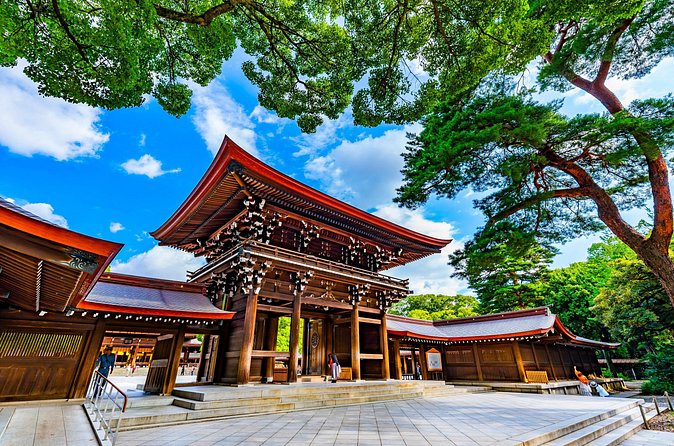
Your third stop is Tokyo Daijingu Shrine. It is affectionately known as O-Ise-sama in Tokyo, and the enshrined deities give it a special standing in the capital. One of its best-known themes is the god of marriage among girls, which makes this stop feel personal for many visitors.
Because of that reputation, you might notice that people approach Tokyo Daijingu with very specific hopes and prayers. A good guide does not just recite facts. They help you understand how prayer in Shinto can be both symbolic and practical, something people do to ask for good fortune and success.
You will likely spend about an hour here, which is enough time to take photos, learn the meaning behind what you are seeing, and practice the proper way to pray.
The Etiquette Lesson That Changes Everything
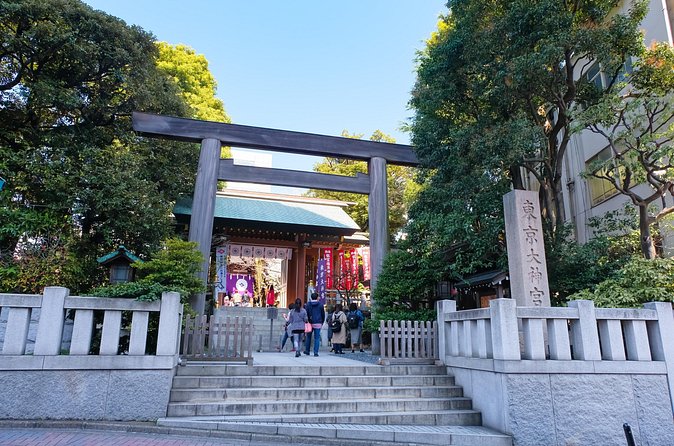
One reason these tours earn a high satisfaction rate is the etiquette. Shrines are not complicated, but they are easy to get wrong if you go in blind. With this kind of Shinto expert, you learn how to purify yourself and how to pray in a respectful way.
Think of it as the translation layer between what you see and what it means. Instead of just walking through gates and taking pictures, you learn why people pause, where they stand, and what the gestures are trying to communicate.
This is also where the tour feels most “Japanese culture” and least “tour checklist.” The guide’s explanations turn the visit into an understanding of daily life and belief systems, not just sightseeing.
Public Transit Between Shrines, Without the Planning Headache
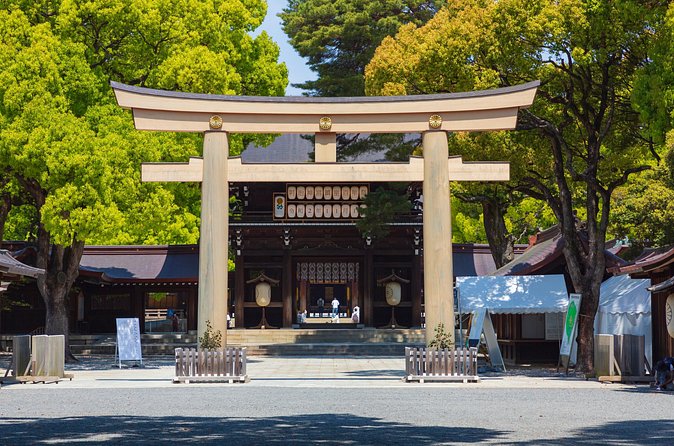
Between the three sites, you travel using public transportation. For me, that is one of the practical advantages of a guided plan. You do not have to guess which train line works best, which exit is closest, or how to budget walking time.
Just remember, included transit does not mean no walking. You will still be on your feet, especially around shrine approach paths and between gates and main areas. Wear smart casual clothing that is comfortable for walking, and bring shoes you trust for Tokyo sidewalks and stone paths.
Photo Stops and the Small Moments That Feel Real
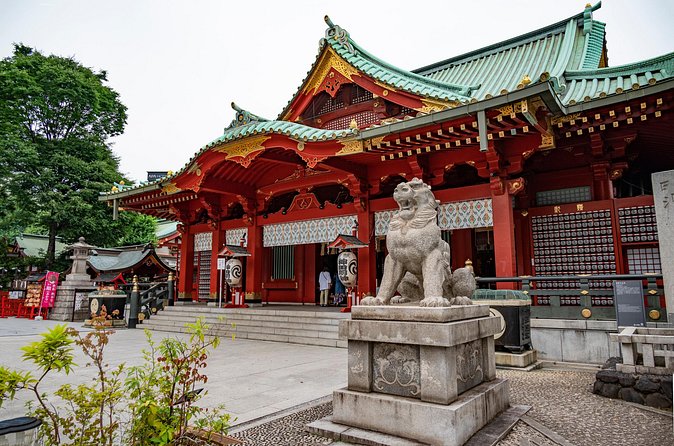
You get photo opportunities throughout the tour. That matters, because shrine photography is not just about finding a pretty angle. It is about capturing the right context, like the entrance path, the main hall approach, and the kind of atmosphere that makes the place feel sacred.
I also like that the tour structure makes time for watching. When you know what you are looking at, the photos feel more meaningful.
Is 206.26 Per Person Good Value for Three Shrines?
At $206.26 per person for about three hours, this is not the cheapest thing you can do in Tokyo. But it can be good value if you compare it to the time cost and the friction of doing it alone.
Here is where the price helps you:
- Three major shrines in one run, so you are not paying for separate planning and extra transportation
- Entrance fees included, which removes a variable cost
- A professional English-speaking guide, who provides cultural context and practical etiquette
- Public transportation between shrines, so your day is less chaotic
If you are the type who likes understanding what you are seeing, the guide time is the main reason the price feels fair. If your goal is only photos and quick stops, you could do shrines independently more cheaply. But you would miss the how-to-pray and purification context that makes shrine visits click.
Smart Casual Dress Code: What to Wear So You Are Comfortable
Dress code is smart casual. That is helpful because it gives you flexibility, but it also nudges you toward looking respectful. Practical comfort is the real key, since you will likely spend meaningful time walking and standing.
If you are traveling in warmer months, breathable layers help. If it is cooler, bring something you can remove in transit because you may move between shaded shrine areas and more open streets.
Who This Tour Suits Best (and Who Might Want to Skip It)
This tour fits best if you want Shinto culture in a tight schedule. It is ideal for first-time visitors who want to learn mythology and religious beliefs without building a private plan from scratch.
I also think it is a strong match if you care about etiquette. The guided explanation makes shrine visits feel respectful and less confusing.
It might be less ideal if you hate walking or dislike structured group movement. Even with a flexible pace, you still cover three shrines in a short window.
Children must be accompanied by an adult, so it can work for families who want a guided cultural experience.
FAQ
FAQ
What shrines are included on this tour?
You visit Meiji Jingu Shrine, Kanda Shrine, and Tokyo Daijingu Shrine.
How long is the tour?
The duration is about 3 hours, with about 1 hour at each shrine.
Where does the tour start?
It starts at Harajuku Station (1 Chome-18 Jingumae, Shibuya, Tokyo 150-0001, Japan).
What time does it start?
The start time is 9:00 am.
Is the tour private?
Yes. It is exclusively for your group, so only your group participates.
What is included in the price?
A professional English-speaking tour guide, photo opportunities, public transportation between the shrines, and entrance fees.
What is not included?
Food and drinks, gratuities (optional), hotel pickup and drop-off, and transportation to or from the meet-up.
What should I wear?
The dress code is smart casual.
What if I am late?
The guide waits up to 30 minutes after the scheduled start time. If you do not arrive within that time, the tour is considered cancelled.
What happens if weather is bad?
The tour depends on favorable weather. If cancelled due to a typhoon or other extreme weather conditions, you are offered an alternative date or a full refund.
Is it suitable for kids?
Children must be accompanied by an adult.
Should You Book This Shinto Shrine Tour?
If you want a fast, respectful introduction to Shinto in Tokyo, I think this tour is a smart choice. The strongest value is the combo of three major shrines, included entrance fees, and a guide who teaches you how to purify and pray instead of treating the stops like a checklist.
Book it if your schedule is tight and you want cultural context you cannot easily pick up on your own. Skip it if you want a slow, independent day with minimal walking, or if you are not interested in etiquette and meaning, just quick sightseeing.
Newest Tokyo write-ups from the Loving Japan desk






Tours, side by side.
 ★ 5.0Mt Fuji and Hakone 1-Day Bus Tour Return by Bullet TrainFrom $16326,383 reviews
 ★ 5.01-Day Tokyo Bus TourFrom $12914,250 reviews
 ★ 5.0PERFECT KYOTO 1-Day Bus TourFrom $12913,518 reviews
 ★ 5.0Shinjuku Food Tour (13 Dishes at 4 Local Eateries)From $866,603 reviews
 ★ 5.0Peaceful Hiroshima & Miyajima UNESCO 1 Day Bus TourFrom $1295,309 reviews
 ★ 4.4Tokyo Mt Fuji 5th St & Hakone Cruise Bus Tour w/Bullet TrainFrom $1545,024 reviews
 ★ 5.0Flagship 2-Hours Official Street Go-Kart Tour – Tokyo Bay ShopFrom $644,974 reviews
 ★ 4.8Fushimi Inari, Kinkakuji, Bamboo Grove 1 Day Bus TourFrom $1224,316 reviews