
REVIEW · FOOD & DRINK
Small Town in the Big City: Tasting Tokyo’s Kichijoji
Tokyo tastes better by neighborhood. That is the big idea behind this 6-hour Kichijoji food walk in Musashino, where you trade giant-city sightlines for a real shopping street rhythm and food that locals actually go out for. I like how it mixes old-school stops with modern department store flavor counters, and I like that the group stays small, up to 6 people, so the guide can keep things moving without turning it into a stampede.
You get a full meal flow too, not just a few bites: lunch, snacks, coffee or tea, and even alcoholic beverages are part of the package. One thing to keep in mind, though, is that a small tour can be sensitive to timing, and there has been at least one complaint about repeated cancellations that can throw off planning if you are working with firm dates.
In This Review
- Key highlights before you go
- Why Kichijoji Feels Like Tokyo Without the Chaos
- Six Hours of Food, Not a Food Marathon
- Stop One: Kichijoji street eats, yakitori joints, and shopfront flavor
- Stop Two at Inokashira Onshi Park: depachika food halls to sushi counters
- Meals and drinks that feel worth the price
- Price and what $195 gets you in real terms
- Guides make the difference in how this tour feels
- One caution: planning around possible cancellations
- Who should book this Kichijoji food tour?
- Should you book? My bottom line
- FAQ
- How long is the Kichijoji tasting Tokyo experience?
- Where does the tour start and end?
- What is included in the price?
- Is private transportation included?
- What is the group size limit?
- Are admission tickets included for the stops?
- What is the cancellation policy?
Key highlights before you go
- Kichijoji shotengai street time with everyday shopping, plus street-side tastings like yakitori skewers and octopus balls
- Depachika department store food hall start with a wide mix of pickles, fruit, and Japanese junk food before sushi
- Sushi at a counter locals pick, not a generic tourist setup
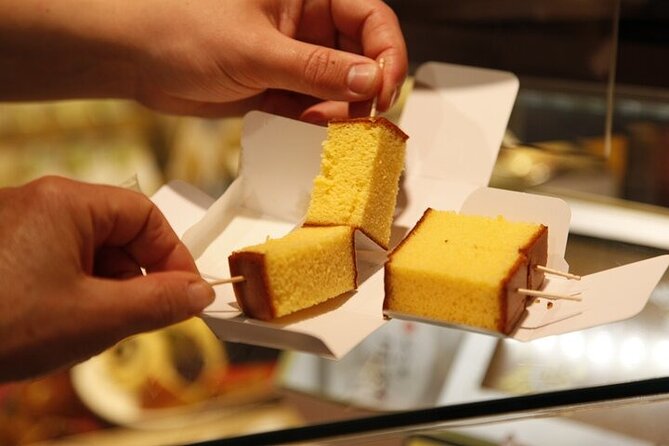
- A family senbei stop where you can see how craft food gets passed across generations
- Small group pacing (max 6), with guides who are praised for English and keeping everyone comfortable
Still weighing up options in Musashino? These are the ones our reviewers rated highest.
- Small Town in the Big City: Tasting Tokyo’s Kichijoji
★ 5.0 · 195 reviews - The 10 Tastings of Tokyo With Locals: Private Street Food Tour
★ 5.0 · 48 reviews - Explore Kichijoji: Walk Through One of Tokyo’s Beloved Districts
★ 5.0 · 21 reviews - Small Town in the Big City: Tasting Tokyo’s Kichijoji
★ 5.0 · 16 reviews
Why Kichijoji Feels Like Tokyo Without the Chaos
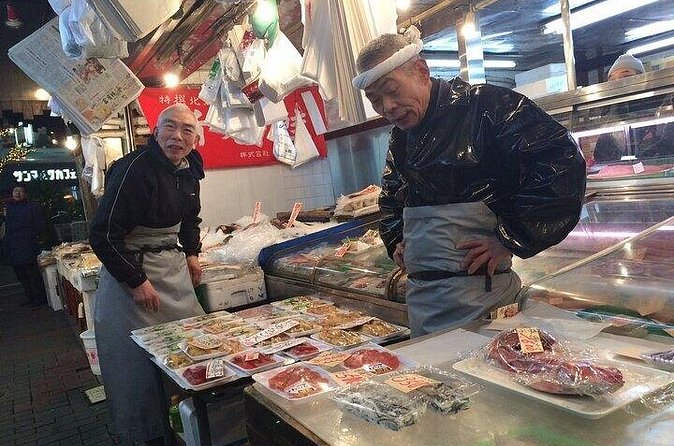
Kichijoji is a smart choice if you love Tokyo, but you also want to breathe. This area has the feel of a normal neighborhood where people pop out for daily needs, then linger over food, not just rush past it. You’ll be moving through that real-life flow on foot, starting near Kichijoji Station and spending real time in the surrounding shopping streets.
The tour also does something I really value: it treats food as culture, not just calories. You’ll taste across different styles, from classic yakitori and street snacks to department store food halls, where modern tastes sit right next to tradition.
Six Hours of Food, Not a Food Marathon
This is listed as an approximately 6-hour experience, and it is built around multiple tasting moments rather than one long sit-down. The itinerary is anchored by two main blocks, with the first starting at Kichijoji and the second centered around Inokashira Onshi Park and the nearby shopping area.
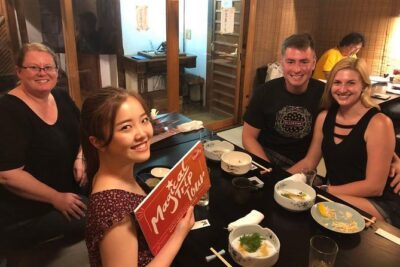
The max group size is 6 travelers, which matters more than it sounds. With a small group, you can ask questions, get quick explanations, and keep a good pace without getting swallowed by crowds. Your ticket is mobile, and the tour ends back at the meeting point, which makes the logistics feel simple.
One practical note: private transportation is not included. You’ll want to plan how to get to the meeting spot by public transit on your own. The start point is clearly specified near the station, which helps.
Stop One: Kichijoji street eats, yakitori joints, and shopfront flavor
The tour begins with a first stop in Kichijoji that runs about 1 hour. Admission for the stop is listed as free, which usually means you are not paying extra on-site just to get going.
In this first stretch, the focus is on the neighborhood’s flavor variety. Expect old-school yakitori-style places and other casual spots where people actually eat, plus the mix of convenience and character you find around local department stores and small taverns. This is where the tour sets your baseline, so later stops make more sense. If you walk into Tokyo’s food world cold, you’ll feel the difference, because Kichijoji gives you a grounded starting point.
A tip that helps here: come hungry, but don’t try to “win” by forcing big bites. The tour is designed for a balanced amount, and the guides are praised for keeping things reasonable rather than piling on.
Stop Two at Inokashira Onshi Park: depachika food halls to sushi counters
The second major block runs about 4 hours and starts with something very Tokyo, the depachika. That is the basement food hall at a department store, and it’s where you see how Japanese food culture thinks about variety, packaging, and quality all at once.
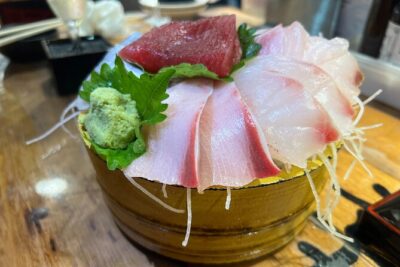
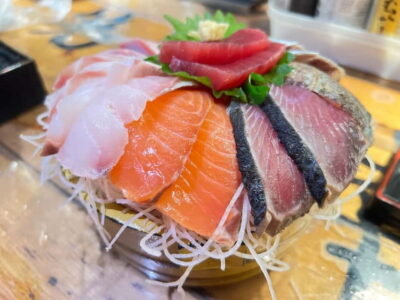
You’ll walk through a food-hall maze that includes highly prized pickles, fruit that looks almost too perfect to eat, and an aisle of Japanese junk food. Then the tour moves you toward a sushi bar that is described as a choice among locals. That wording matters: you’re not just looking for the most famous sign in town, you’re learning how people decide what to buy and where to stand.
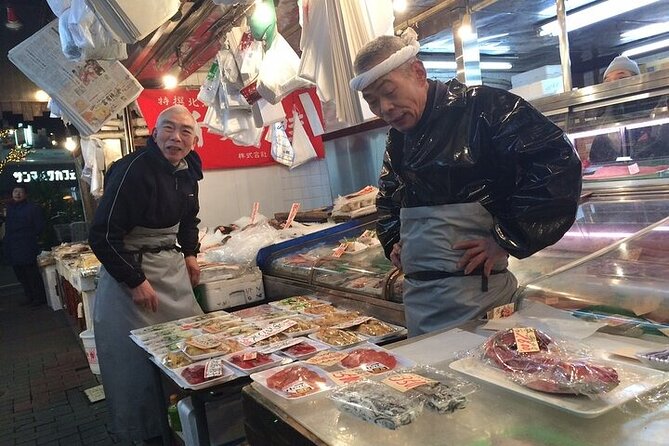
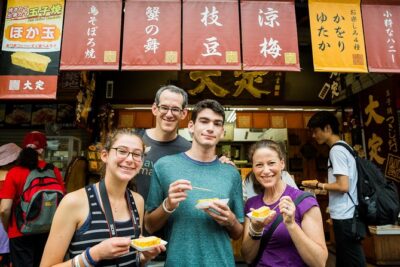
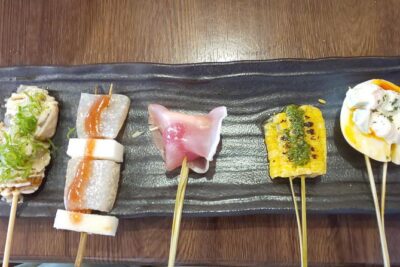
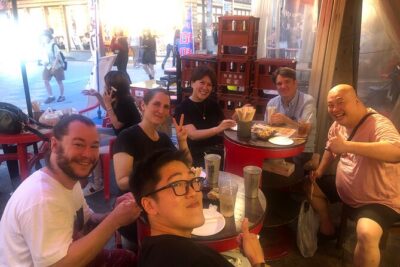
From there, the tour continues into the everyday rhythm outside. Along the shotengai shopping street, you’re watching locals shop for day-to-day needs while you get taste samples at street-style stands. This is where the tour specifically mentions skewers of yakitori and octopus balls served street-side.
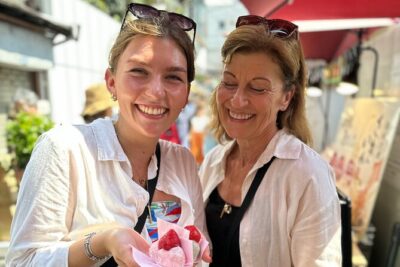
And then there’s the craft stop. You will meet three generations of a family senbei maker, which is exactly the kind of food detail that turns a tasting into a story you’ll remember. Senbei is rice cracker craft in a form that can be quietly fascinating when you see how the process links family experience to daily products.
Meals and drinks that feel worth the price
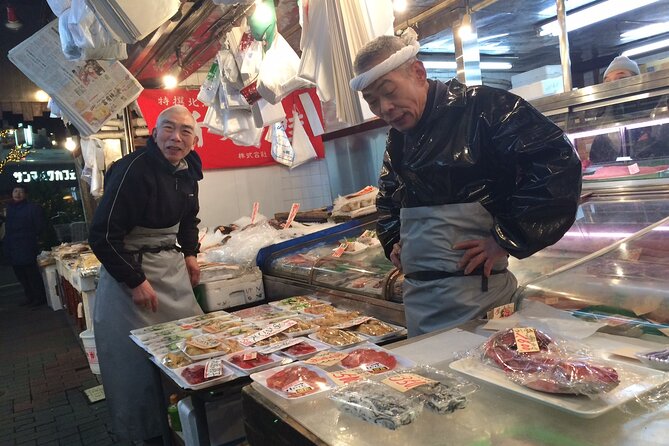
The package includes meals, lunch, snacks, coffee and/or tea, and alcoholic beverages. That is a big deal for value in Tokyo, where buying food one-by-one can add up fast, especially when you’re sampling multiple styles.
The goal here is not to stuff you. In the experiences shared, guides are praised for pacing and for giving everyone enough variety without sending your stomach into full rebellion. You’ll also sometimes get the sense of “surprise in a good way.” One account notes trying items like puffer fish as part of the broader mix, which hints at the tour’s willingness to go beyond the safest options.
Because alcohol is included, it also helps to have a calm plan for the rest of your day. You’ll likely taste more than once, and you’re walking through a neighborhood, so I recommend treating this as a food-focused outing, not something to stack with strenuous activities later.
Price and what $195 gets you in real terms
At $195 per person for about 6 hours, this is not a budget snack crawl. But it often works out better than it looks, because the price covers far more than “a couple of bites.”
Here’s what you are actually getting based on the tour details:
- Lunch plus snacks, not just samples
- Coffee or tea, and alcoholic beverages
- Multiple tasting moments tied to specific types of food culture
- A small group size up to 6, which usually means more attention per person
- Meals and drinks included, which you would otherwise buy separately
So the value isn’t only in the food. It is in the access and guidance, especially when you are getting explanations tied to particular shops and craft makers. That access is hard to replicate on your own without already knowing where to go in Kichijoji.
One cost wrinkle to consider: private transportation is not included. The tour does start near public transit, which helps, but you still need to budget for getting there.
Guides make the difference in how this tour feels
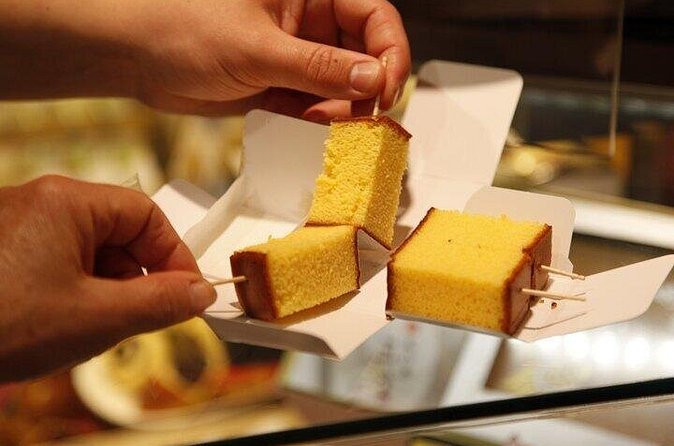
This is one of those tours where the guide quality has a direct impact on your day. Multiple named guides show up in the feedback: Elly, Michelle, Ken, and Diana. Common praise themes are strong English, engaging conversation, and a real relationship with the people running the stops.
That matters because some food places do not give you the full story just by walking in. When the guide has rapport, you tend to get smoother service, better context, and a more natural pace. Several accounts also mention that guides checked in with everyone and managed the day so the group stayed happy.
If you care about learning while you eat, this kind of guide-led neighborhood tour is a good fit. If you prefer silence with your snacks, you might find it chatty. But the interaction is part of the value: it turns tasters into understanding.
One caution: planning around possible cancellations
One negative note you should take seriously involves inconsistent booking and repeated cancellations that can make planning inconvenient. Even though the tour lists free cancellation and a time window, you still do not want to build an inflexible schedule around a single date without a backup.
If your trip has tight anchors, I suggest booking early when possible, then keeping another day option in mind. The tour is often booked about 31 days in advance on average, so earlier selection can reduce last-minute stress.
Who should book this Kichijoji food tour?
I think this tour is ideal if you want a calmer Tokyo day with real neighborhood texture. You’ll likely enjoy it most if you like:
- Food as an entry point to culture, not just eating for its own sake
- Walking through Kichijoji’s shopping streets with locals in motion
- A small group day where you can actually talk to the guide
- Trying multiple styles, from department store food halls to street-side snacks
It also fits well for people who want a complete food plan without researching every stop. The route is structured so you’re not spending your precious vacation time hunting for what to eat next.
Should you book? My bottom line
Book it if you want a small-group, half-day-to-evening feel (about 6 hours) centered on Kichijoji’s everyday food world, with lunch, snacks, drinks, and guide-led explanations that make the tastings click. The price is higher than a basic walking tour, but the included meals and drinks make it easier to justify, especially if you hate food planning chores.
Skip it or approach with extra caution if your dates are strict and you cannot handle potential schedule changes. Also, if you are not into walking and conversation, this may feel like too much structure.
If you can be flexible and you like neighborhood Tokyo, this is a strong bet for a memorable, food-first day.
FAQ
How long is the Kichijoji tasting Tokyo experience?
It runs for approximately 6 hours.
Where does the tour start and end?
It starts at KICHIJOJI STA.1 Chome-6 Kichijoji Minamicho, Musashino, Tokyo 180-0003, Japan and ends back at the same meeting point.
What is included in the price?
Meals, coffee and/or tea, alcoholic beverages, lunch, and snacks are included.
Is private transportation included?
No, private transportation is not included.
What is the group size limit?
The maximum group size is 6 travelers.
Are admission tickets included for the stops?
The tour notes free admission tickets for the listed stops.
What is the cancellation policy?
You can cancel for a full refund if you cancel up to 24 hours before the experience start time. If you cancel less than 24 hours before, the amount paid is not refunded.
Newest Musashino write-ups from the Loving Japan desk
Food & Drink, side by side.
 ★ 5.0Shinjuku Food Tour (13 Dishes at 4 Local Eateries)From $866,603 reviews
 ★ 5.0Tokyo Tsukiji Fish Market Food and Culture Walking TourFrom $993,184 reviews
 ★ 4.8Shinsekai Food Tour with 13-15 Dishes at 5 EateriesFrom $532,204 reviews
 ★ 5.0Osaka Food Tour: 13 Dishes at 5 Local EateriesFrom $732,149 reviews
 ★ 4.9Shinjuku Food Tour (15 Dishes and 4 Eateries)From $852,033 reviews
 ★ 5.0Kyoto Night Foodie Tour in Gion (9+ dishes + 6 Sake tastings)From $1631,762 reviews
 ★ 5.0Hungry Osaka Street Food Tour:15 Tastings & 3 Drinks with a LocalFrom $731,727 reviews
 ★ 5.0Tsukiji Fish Market Food and Walking tourFrom $301,724 reviews
Filed on these lists too