
REVIEW · FOOD & DRINK
Small Town in the Big City: Tasting Tokyo’s Kichijoji
Tokyo can feel too big for food. This walk turns the scale down by focusing on one Tokyo neighborhood, Kichijoji, with a small group (max 6) and a plan that keeps the tastes flowing while you stay oriented.
I especially like the way the food covers both old school and new school Tokyo. You get guided access to a depachika food hall style experience plus classic street snacks like yakitori and octopus balls, so you are not just seeing sights, you are eating the city’s everyday favorites.
One consideration: this tour does not include private transportation, so you will want to reach Kichijōji Station on your own before it starts.
In This Review
- Key highlights worth planning for
- Kichijoji, the small-town feeling inside Tokyo
- Kichijōji Station to your first food cues
- Inokashira Onshi Park area and the depachika food hall moment
- Shotengai street snacks: yakitori, octopus balls, and daily life
- Senbei meeting: three generations of craft, not just crackers
- Lunch, coffee or tea, and how the day stays comfortable
- Price and value: is $195 for 6 hours actually fair?
- What kind of traveler should book this?
- Should you book Small Town in the Big City: Tasting Tokyo’s Kichijoji?
- FAQ
- How long is the tour?
- Where does the tour start and end?
- What does the tour cost?
- What is included in the price?
- Is private transportation included?
- How many people are in the group?
- What is the cancellation policy?
- Is the tour affected by weather?
Key highlights worth planning for
- Small-group pace (up to 6 travelers) keeps questions easy and the walk feeling personal
- Depachika department store food halls for pickles, fruit, and sushi a lot of locals seem to choose
- Shotengai street snacks like yakitori skewers and octopus balls served street-side
- Senbei from a three-generation family adds a craft element, not just random tasting
- Lunch plus coffee or tea, snacks, and bottled water included means you arrive hungry and leave full
- Easy start and finish at Kichijōji Station helps you fit it into a busy Tokyo day
Still weighing up options in Musashino? These are the ones our reviewers rated highest.
- Small Town in the Big City: Tasting Tokyo’s Kichijoji
★ 5.0 · 195 reviews - The 10 Tastings of Tokyo With Locals: Private Street Food Tour
★ 5.0 · 48 reviews
Kichijoji, the small-town feeling inside Tokyo
Kichijoji works as a smart food base because it is all about neighborhood scale. Instead of hopping across the whole city, you get to stay in one area long enough to notice patterns, like where people snack, where they shop for daily needs, and how food becomes part of the street rhythm.
What I like most is that the tour is designed for real eating, not just photo stops. You are guided to places that make sense for locals and you sample a mix of textures and flavors, from savory skewers to crunchy rice crackers and department store desserts-like displays that still feel practical.
The “big city, small town” idea is more than branding. It is how you keep your Tokyo day from turning into a logistical maze, especially if you only have a limited number of hours and want real value from your time.
Kichijōji Station to your first food cues
You start at Kichijōji Station, which is good because it anchors your day. Once you are in the neighborhood flow, you can relax. You do not have to keep re-checking maps every time your hunger nudges forward.
From there, the focus is on Kichijoji’s food culture, with a mix that is both traditional and modern. You will be moving through a zone where you can find old-school yakitori spots next to shinier, more modern shopping experiences, and that combo is exactly what makes the neighborhood interesting.
Practical tip: wear shoes that can handle standing and short walks. Since the day is about tasting and moving, you want comfort to stay high so you can enjoy the food instead of thinking about your feet.
If you end up with guide Phoebe, plan on a lot of explanation and patience. One bit of praise that comes up around her is that she is calm, encouraging, and genuinely enthusiastic about what you are tasting and why it matters.
Inokashira Onshi Park area and the depachika food hall moment
Next, you head into a food hall setting at a department store. This is one of the smartest parts of the day because depachika culture is basically Tokyo’s high-wire act of making everyday food feel special without making it stuffy.
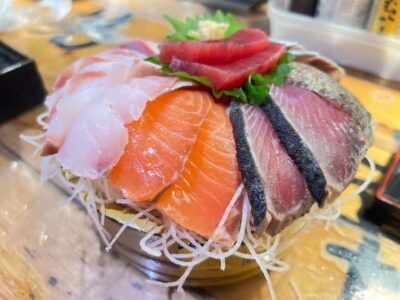
You will spend time at a counter-style sushi option that is described as a local choice, and that is a big deal. A guided stop like this helps you avoid the usual vacation trap of ordering based on what looks good in a photo, then realizing too late you missed what locals actually go for.
Expect the food hall experience to cover both tradition and trends. The plan points to things like highly prized pickles, fruit that is presented in a royal-kind of way, and even an aisle that leans into Japanese junk food. That junk-food detail matters because it signals what Tokyo snack culture really looks like in practice, bright, casual, and made for grabbing between errands.
You will also get a feel for how Japanese food display works, from careful packaging to how counters pull you in. This is not just about eating one item. It is about learning the logic of the environment so you can shop like a local after the tour.
Shotengai street snacks: yakitori, octopus balls, and daily life
After the department store detour, the tour shifts to the street level of Kichijoji’s shotengai shopping area. This is where you get the most “Tokyo day in motion” feel, because the shops are set up for daily needs, not staged tourism.
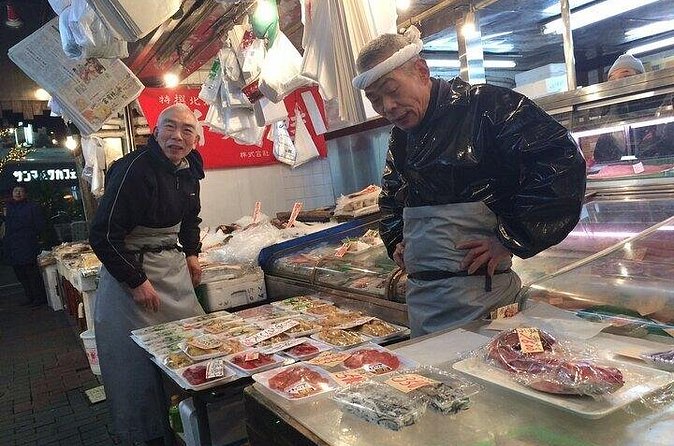
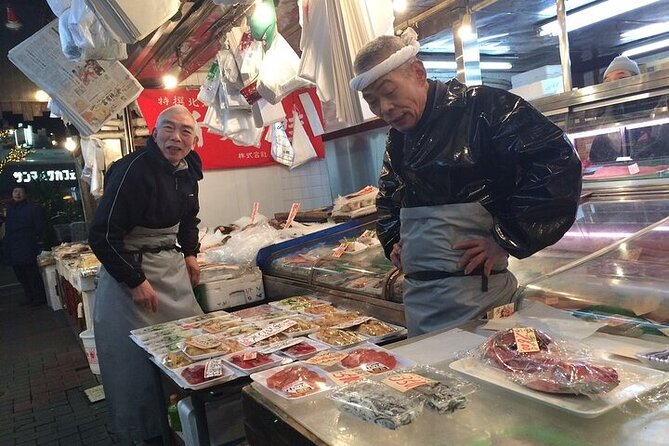
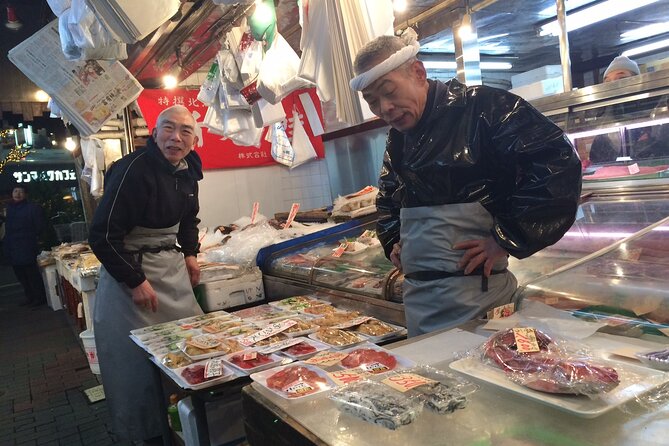
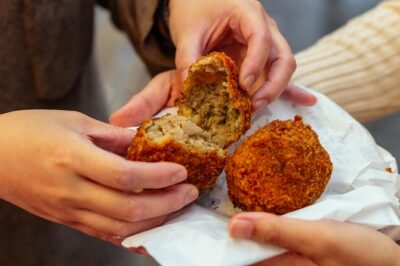
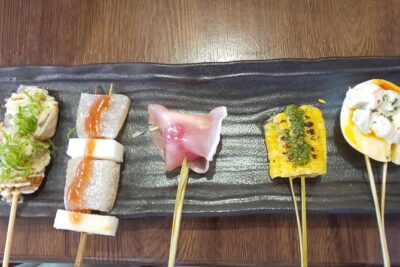
You will taste street-side items like skewers of yakitori and octopus balls. These are classic choices for a reason: they are portable, shareable, and they show you how Tokyo does comfort food when it is served hot and fast.
I love the way this part of the day is about learning basics of Japanese cuisine through tasting. Even if you know very little going in, you can pick up the idea that ingredients and seasoning are consistent themes, not random experiments. You are not just eating, you are building a mental map for what to look for later.
Also, being in a small group helps here. On a crowded street, you do not want to get separated. With a max of 6 travelers, you stay in sync and you can ask quick questions without the tour rhythm breaking.
Senbei meeting: three generations of craft, not just crackers
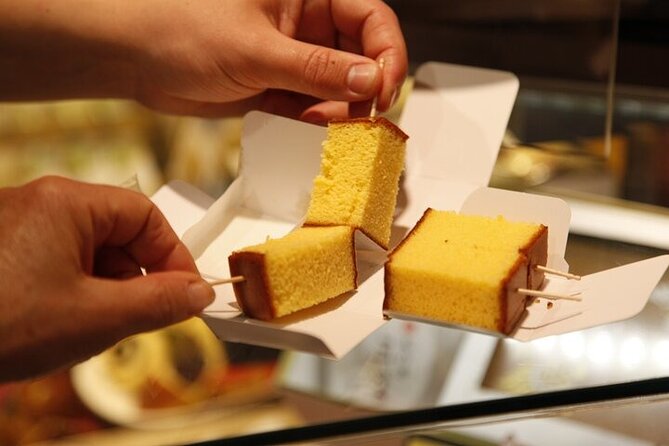
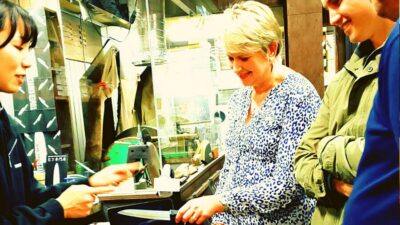
One of the most memorable stops is meeting a family of artisanal senbei makers across three generations. This turns your day from pure snacking into something more meaningful, because senbei is a craft with technique and tradition behind it.
You are not just handed a bag of rice crackers and sent on your way. The plan includes meeting the family, which means you get context. You start to understand why a cracker can taste different depending on thickness, seasoning, and how it is made.
This kind of stop is great for souvenir logic too. When you taste a product and learn the maker’s approach, you have a better chance of choosing gifts that actually match your taste, instead of picking what looks cute at first glance.
If you like food experiences that feel hands-on, this is one of the best reasons to book the tour. It adds a human anchor to the day, and that makes the other tastings feel less like randomness and more like a story.
Lunch, coffee or tea, and how the day stays comfortable
The tour includes lunch, coffee and/or tea, snacks, and bottled water. That matters because a food walk only feels fun if you are not constantly paying for extras or trying to guess your hunger curve.
You can treat the day like a managed meal plan. Since lunch is included, you are less likely to overdo it early with sweets or just grab whatever looks available. Instead, you can savor tastings as they come, knowing a proper meal is already part of the plan.
The included bottled water also helps, especially in warmer or humid conditions. You can stay focused on eating and walking instead of constantly hunting for convenience store options.
Tip for you: go easy on breakfast if you can. If you arrive too full, you can still enjoy the tour, but the best part is how the flavors keep stacking and building.
Price and value: is $195 for 6 hours actually fair?
At $195 per person for about 6 hours, this is not a budget activity. But it is also not overpriced for the type of experience you are getting.
Here is the value math that matters: you get guided tastings around one neighborhood, with lunch and multiple snack moments included. You also get a small group size, up to 6 travelers, which usually means more attention and less waiting around. Add in coffee and/or tea plus bottled water, and you can see how the day is designed to keep costs from creeping up.
What is not included is private transportation. That is the main cost-related caveat, because you will need to get to Kichijōji Station yourself. If you are already planning to use public transit in Tokyo, this usually is not an issue. But if you are depending on taxis for most of your day, factor in those rides.
Overall, I think the price makes sense if your goal is a guided tasting in a specific neighborhood with real food stops, not just a walking tour with a couple of samples. If you are only looking for a quick snack hit, you might find other options cheaper. But if you want a whole Tokyo food day that stays manageable, this is a strong value for time and attention.
What kind of traveler should book this?
This tour fits you best if you want food you can explain to friends when you get home. The neighborhood focus means you can connect the dots between street snacks, department store food halls, and craft foods like senbei.
It is also a good choice if you like variety. The day includes classic items like yakitori and octopus balls, plus sushi in a depachika setting, plus crunchy senbei made by a family across generations. That blend is perfect for people who do not want only one style of eating.
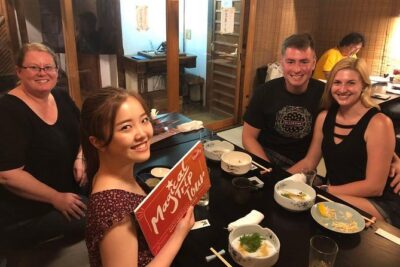
If you are traveling as a couple or small group and you prefer a smaller group feel, the max of 6 travelers is a major plus. You get a structured path, but you are not stuck in a giant crowd.
One more practical note: the plan says it requires good weather. That is not a deal breaker in Tokyo, but it does mean you should be ready for the possibility of a change of date if conditions are poor.
Should you book Small Town in the Big City: Tasting Tokyo’s Kichijoji?
Book it if you want a guided Tokyo food experience that stays in one neighborhood and delivers real meals, not just samples. The mix of depachika food hall choices, street-side yakitori and octopus balls, and a three-generation senbei stop is a smart trio.
I would skip it if you hate walking or if you want a purely free-form food hunt with zero structure. This is a planned 6-hour tasting walk, and you will get the most out of it when you treat it as a guided meal day.
If your schedule can handle Kichijōji, you are likely to love the way the tour makes Tokyo feel smaller, tastier, and easier to navigate.
FAQ
How long is the tour?
It runs for about 6 hours.
Where does the tour start and end?
It starts at Kichijōji Station and ends back at the meeting point.
What does the tour cost?
The price is $195.00 per person.
What is included in the price?
The tour includes coffee and/or tea, snacks, bottled water, and lunch.
Is private transportation included?
No, private transportation is not included.
How many people are in the group?
This experience has a maximum of 6 travelers.
What is the cancellation policy?
You can cancel for free up to 24 hours in advance for a full refund.
Is the tour affected by weather?
Yes, the experience requires good weather. If it is canceled due to poor weather, you will be offered a different date or a full refund.
Newest Musashino write-ups from the Loving Japan desk
Food & Drink, side by side.
 ★ 5.0Shinjuku Food Tour (13 Dishes at 4 Local Eateries)From $866,603 reviews
 ★ 5.0Tokyo Tsukiji Fish Market Food and Culture Walking TourFrom $993,184 reviews
 ★ 4.8Shinsekai Food Tour with 13-15 Dishes at 5 EateriesFrom $532,204 reviews
 ★ 5.0Osaka Food Tour: 13 Dishes at 5 Local EateriesFrom $732,149 reviews
 ★ 4.9Shinjuku Food Tour (15 Dishes and 4 Eateries)From $852,033 reviews
 ★ 5.0Kyoto Night Foodie Tour in Gion (9+ dishes + 6 Sake tastings)From $1631,762 reviews
 ★ 5.0Hungry Osaka Street Food Tour:15 Tastings & 3 Drinks with a LocalFrom $731,727 reviews
 ★ 5.0Tsukiji Fish Market Food and Walking tourFrom $301,724 reviews
Filed on these lists too