
REVIEW · WALKING TOURS
Explore Kichijoji: Walk Through One of Tokyo’s Beloved Districts
Kichijoji feels like Tokyo’s cooler cousin. This 2-hour walking tour strings together the neighborhood’s best public spaces, starting on Sunroad Shopping Street and finishing in Hamonika Yokocho for a snacky send-off. What I like is the mix of everyday shopping streets, calm temple time, and a food stop that actually feels local.
I especially like Gesso-ji Temple as a breather. It’s a Zen Buddhist temple with greenery and a sense that this area has a center, not just retail. Second, the tour leans into that old-meets-new feeling along Nakamichidori and the surrounding lanes.
One consideration: it’s only about 2 hours, so the pace is brisk. If you want to linger in shops or take slow photos for long stretches, you may wish you had more time in Kichijoji on your own.
In This Review
- Key things I think you should care about
- Kichijoji: Tokyo’s Pleasant Neighbor, 15 Minutes From Shibuya or Shinjuku
- Sunroad Shopping Street: A 300-Meter Stroll With About 150 Shops
- Gesso-ji Temple: The Quiet Core That Explains Why Kichijoji Exists
- Nakamichidori: Old-School Shops, Modern Cafés, and In-Between Streets
- Hamonika Yokocho: The Yakitori Alley That Ends the Walk on a High Note
- Price and Value: Why About $45.98 Can Make Sense
- The Guides: Kate and Michi, and Why Their Style Matters
- Timing, Group Size, and the 2-Hour Pace
- Pair It With Ghibli Museum, Then Keep Wandering Musashino
- Who This Tour Suits Best, and Who Should Consider Another Option
- Should You Book This Kichijoji Walking Tour?
- FAQ
- How long is the Kichijoji walking tour?
- What does the tour cost?
- Where do I meet for the tour, and where does it end?
- What time does the tour start?
- What is included during the Harmonica Yokocho stop?
- What is the maximum group size?
- Is the ticket digital?
- Can I cancel and get a full refund?
Key things I think you should care about
- Small group size (max 8) keeps the stories personal and the route easy to follow.
- Sunroad Shopping Street is a real local drag, about 300 meters with roughly 150 shops.
- Gesso-ji Temple gives you a quiet, green pause right in the middle of the town walk.
- Nakamichidori connects classic storefronts with modern cafés and sweets.
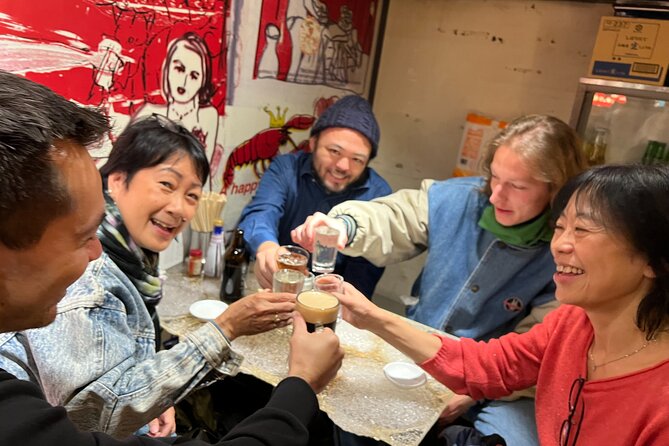
- Hamonika Yokocho is the lively finale, with a set-up for one drink and two yakitori skewers.
Still weighing up options in Musashino? These are the ones our reviewers rated highest.
- Small Town in the Big City: Tasting Tokyo’s Kichijoji
★ 5.0 · 195 reviews - The 10 Tastings of Tokyo With Locals: Private Street Food Tour
★ 5.0 · 48 reviews - Explore Kichijoji: Walk Through One of Tokyo’s Beloved Districts
★ 5.0 · 21 reviews - Small Town in the Big City: Tasting Tokyo’s Kichijoji
★ 5.0 · 16 reviews
Kichijoji: Tokyo’s Pleasant Neighbor, 15 Minutes From Shibuya or Shinjuku
Kichijoji sits in Musashino, and it’s close enough to feel like a regular Tokyo day trip. You’re looking at about a 15-minute train ride from Shibuya or Shinjuku, which matters because it keeps the plan realistic. You can do this without losing half your day to transit, then still have time to keep exploring on your own.
This neighborhood also has a character that helps the walking tour make sense. It’s urban, yes, but it doesn’t feel like you’re trapped in a crowd the whole time. The route mixes shopping streets with a temple stop and ends in a tight alley food zone. That structure gives you a simple story arc: move, rest, wander, then eat.
It helps that the tour starts at 3:00 pm. Late afternoon is a nice window for strolling, because you’re not doing your whole day in the hottest part of the day, and you’re also not stuck only in nighttime mode.
Sunroad Shopping Street: A 300-Meter Stroll With About 150 Shops
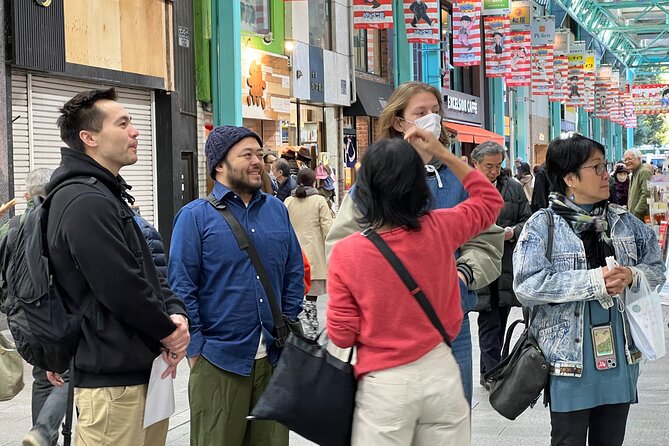
The walk begins on Sunroad, Kichijoji. This is not a themed attraction, it’s a working shopping street where people actually browse and buy things. The numbers help you picture it: it runs about 300 meters and lines up around 150 shops.
It’s also been recognized by locals, voted Tokyo residents’ second favorite shopping street in 2022, just after Ameyoko. That tells me something important for value. If locals rank it that high, you’ll likely see more than the same handful of tourist shops you can find almost anywhere.
What I like about using Sunroad as your first stop is the immediate orientation. You get your bearings fast, you learn what kinds of streets and signage to expect, and you get the rhythm of Kichijoji early. If you’ve spent time in Tokyo, you know shopping streets vary a lot by neighborhood. Sunroad is a good baseline.
Practical note: since it’s a shopping street with lots of storefronts, it can be a lot of visual input. If you prefer quiet sightseeing over browsing, you may want to keep your expectations simple here. Treat Sunroad as your warm-up, then save your attention for the temple and the alley food.
Gesso-ji Temple: The Quiet Core That Explains Why Kichijoji Exists
After the shopping energy, the tour steps into Gesso-ji Temple. This is described as the heart of Kichijoji’s history and also the reason the town originally formed. That’s a key point. The tour isn’t just moving you from one commercial lane to another. It connects the neighborhood’s layout and identity to a real spiritual center.
The tone here is peaceful. You’re in a Zen Buddhist temple setting surrounded by greenery, and it works as a reset button. In a 2-hour plan, that kind of contrast is gold. It breaks the walking so your head can switch gears from browsing to observing.
This stop is also a good reminder that Kichijoji isn’t only about cute streets. It has long roots. Even if you don’t consider yourself a temple person, you’ll probably appreciate the calm and the way the guide’s storytelling makes the neighborhood feel less random.
If you like seasonal details, keep an eye out around temple grounds. One review notes a Tanabata moment during their visit, where a small temple celebration offered tanzaku, those paper strips used to write wishes. The tour doesn’t promise specific dates, but it does position you near places where seasonal culture shows up.
Nakamichidori: Old-School Shops, Modern Cafés, and In-Between Streets
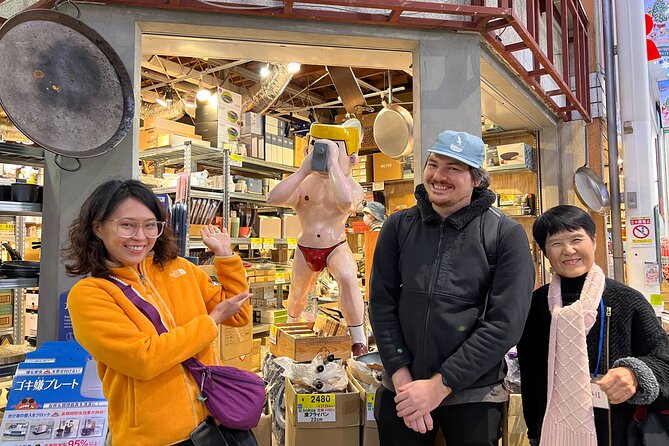
Next comes Nakamichidori shopping arcade and the nearby streets. This is where Kichijoji starts to feel like a mixed-age neighborhood. You’ll see old and new side by side, with shops that have been beloved for over half a century, paired with more recent cafés, sweets spots, and unique boutiques.
I like this part of the route because it’s less about a single landmark and more about atmosphere. A shopping arcade like Nakamichidori gives you that layered Tokyo feeling. Some sections feel like they’ve been there forever, while other storefronts reflect current tastes. You can sense how the area stays relevant without fully losing its past.
There’s also a practical upside. Even if you don’t buy anything, wandering Nakamichidori helps you learn what Kichijoji specializes in. One review mentioned enjoying local artisan stores and antique shops, plus the chance to spot pottery collected from across Japan. That fits this stop well, because shopping arcades and side streets are where those kinds of stores tend to live.
A small caution: because this segment includes lots of shopfronts and side lanes, it can be easy to lose time if you drift away from the group. Keep your phone charged for quick photos, but also keep your attention on the guide, since the value here is in how they connect what you’re seeing to the area’s story.
Hamonika Yokocho: The Yakitori Alley That Ends the Walk on a High Note
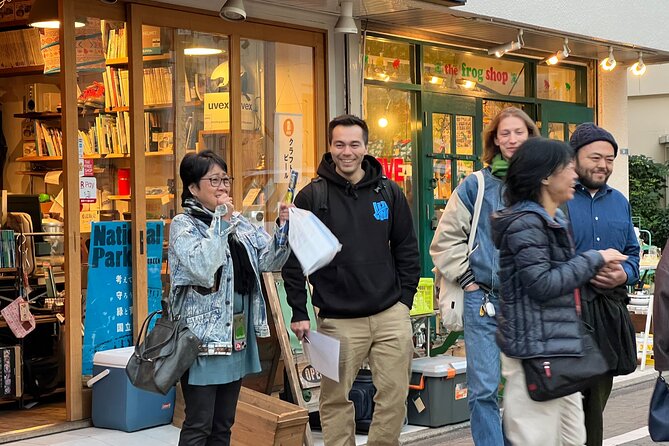
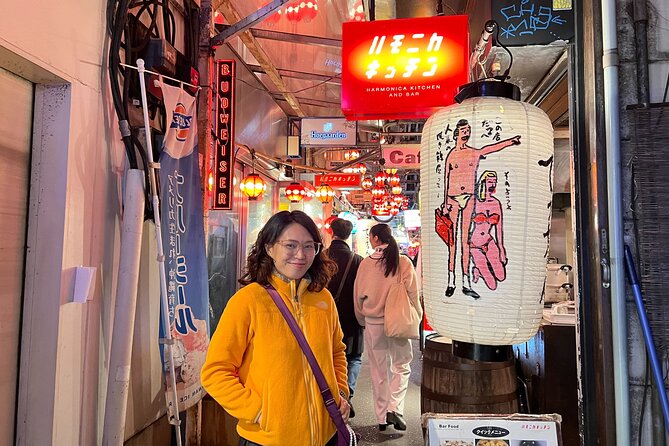
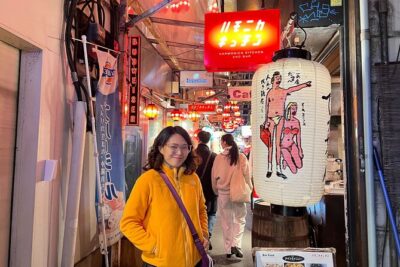
The finale is Hamonika Yokocho, a narrow maze of small bars and eateries. This is where the tour turns from “walk and look” to “eat and relax.”
A key detail is the origin story. It began as a post-war black market, and the name comes from the way the tiny alleyways resemble the reeds of a harmonica. That kind of explanation changes the experience. You’re not just going into a cute alley, you’re stepping into a place with a very specific backstory.
Here’s also the part that makes this tour better value than a basic strolling route: you’re set up for one drink and two yakitori skewers. That’s a concrete payoff after 2 hours of moving around. And it’s the sort of meal that works well for most people because it’s easy, shareable, and not a huge time sink.
Because this section is focused on small bars and eateries, it’s not the place if you want silent sightseeing. It’s a social food alley, so if you prefer calm and quiet the whole time, you might find this part louder than expected. Still, as an ending, it’s a smart choice. It lets you finish while the neighborhood is still in a relaxed, local mood.
If you’re pairing this with other plans, it also helps that Hamonika Yokocho is near Kichijoji Station. The tour ends close enough that you can keep your evening flexible.
Price and Value: Why About $45.98 Can Make Sense

At $45.98 per person, the big question is what you actually get for the money. This tour bundles three things that cost time and effort if you do them alone:
- A guided route through Sunroad, Gesso-ji Temple, Nakamichidori, and the Hamonika Yokocho area.
- The context that helps you understand what you’re seeing, not just walk past it.
- The included food setup: one drink and two yakitori skewers.
Two hours also helps. You’re not committing to a half-day or a full day. The group size caps at 8, which matters because it keeps the experience from turning into a line-walk. It’s easier for the guide to keep an eye on the group and answer questions without turning everything into chaos.
One more value point shows up in reviews: people highlight how guides explain both older Kichijoji roots and current retail trends. One review notes stories about an earthquake from around 350 years ago that helped trigger the creation of the city. That kind of explanation is exactly what you pay for on a walking tour. You’re not just buying a location, you’re buying a faster path to meaning.
So when does the price feel less worth it? If you don’t eat yakitori and you don’t drink, the included items stop being a payoff. In that case, you’d be paying mainly for the guidance and the walking route, which can still be worthwhile, just more dependent on how much you enjoy guided storytelling.
The Guides: Kate and Michi, and Why Their Style Matters
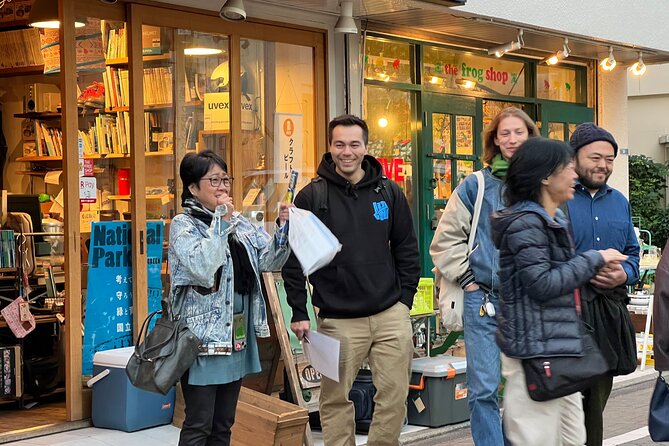
The guide experience is a major reason this tour scores high. Two names stand out from the feedback: Kate and Michi.
Kate is described as lovely and informative, with good local knowledge and a clear ability to show special places. Michi is also praised for knowing Kichijoji well and sharing lots of interesting stories. Both appear to do the same essential job: help you understand what you’re seeing within limited time.
For me, that’s the whole point. A great walking guide doesn’t just list stops. They make connections, like why a temple marks a town’s origin, or how a post-war alley became a food-and-drink destination. The best guides also help you notice what you would otherwise skip, like antique shops or small cultural moments around seasonal observances.
If you want a tour where the guide helps you read the neighborhood instead of just escorting you, this is the right type.
Timing, Group Size, and the 2-Hour Pace

This is listed as about 2 hours, and that time box is important. It means you’ll cover a lot of ground, but you won’t have time to become deeply attached to a single store for an hour. That can be a plus if you like a structured hit of highlights. It can be a minus if you want a slow, independent day.
The maximum group size of 8 also shapes the feel. Small groups usually mean you can ask questions without shouting. It also means the guide can move the group along at a pace that feels like sightseeing rather than a stampede.
Start time is 3:00 pm. That’s a smart slot for a walking route that includes street shopping and an alley dinner atmosphere. You’re not starting too early, and you’re not starting so late that everyone is exhausted before the food stop.
You’ll also get a mobile ticket, which is straightforward if you want to keep your planning simple.
Pair It With Ghibli Museum, Then Keep Wandering Musashino
The tour is positioned well if you’re also visiting the Ghibli Museum. Hamonika Yokocho is mentioned as being close to that area, which makes it an easy post-museum plan.
Even if you don’t do the museum, this tour works as a good introduction to Musashino. You get a feel for Kichijoji as a neighborhood: shopping street energy, a temple pause, arcades for browsing, then a food alley ending. Afterward, you’ll likely want to keep exploring on your own, because 2 hours leaves you with a sense of unfinished business.
That matches what some people say in their feedback: two hours feels like it went fast, in a good way, and it makes them want a return visit.
Who This Tour Suits Best, and Who Should Consider Another Option
This tour fits you if you want:
- A compact plan that still covers temple, arcades, and an alley food finale
- Local context for everyday places like shopping streets
- A guided walk with a small group rather than a large crowd experience
- The included meal payoff, one drink and two skewers of yakitori
It might not fit if you prefer:
- Long unstructured time in one or two places
- A purely cultural or purely food-focused day, with no shopping street mix
- Quiet sightseeing all the way through, since Hamonika Yokocho is a small-bar, small-eateries alley
If you’re a first-timer to Kichijoji, I think this tour is a strong way to get your bearings. If you already know the neighborhood and you just want to snack, it could still work, but you might get more value by choosing a plan focused only on shopping or only on food.
Should You Book This Kichijoji Walking Tour?
I’d book it if you want a guided introduction that feels local, not scripted. The strongest reasons are practical: you get a smart route through Sunroad, Gesso-ji, and Nakamichidori, and you end with an included treat in Hamonika Yokocho.
The best part is the balance. You’re not stuck in one type of place, and you’re not spending your whole budget only on one attraction. You’re buying variety, plus the guide storytelling that turns the streets into something you can actually remember.
Skip booking if you already planned a full day of independent shopping, or if you know you won’t want the included yakitori and drink. In that case, the tour becomes more about the guided walk than the built-in value.
If you’re on the fence, use this simple test: do you want someone to help you notice what matters in Kichijoji within a short window? If yes, this tour is a very reasonable way to do it.
FAQ
How long is the Kichijoji walking tour?
It’s about 2 hours.
What does the tour cost?
The price is $45.98 per person.
Where do I meet for the tour, and where does it end?
You start at 1-chōme-1-24 Kichijōji Minamichō, Musashino, Tokyo 180-0003, Japan. The tour ends at Harmonica Yokocyo, 1-chōme-1 Kichijōji Honchō, Musashino, Tokyo 180-0004, Japan, and Harmonica Yokocyo is a short walk from the north exit of Kichijoji Station.
What time does the tour start?
The start time is 3:00 pm.
What is included during the Harmonica Yokocho stop?
You can enjoy one drink and two skewers of yakitori.
What is the maximum group size?
The tour has a maximum of 8 travelers.
Is the ticket digital?
Yes, it uses a mobile ticket.
Can I cancel and get a full refund?
Yes. You can cancel up to 24 hours in advance for a full refund. If you cancel less than 24 hours before the experience starts, the amount paid is not refunded.
Newest Musashino write-ups from the Loving Japan desk


Walking Tours, side by side.
 ★ 4.7Kyoto Geisha Walking Tour: Gion District & Hidden GemsFrom $253,273 reviews
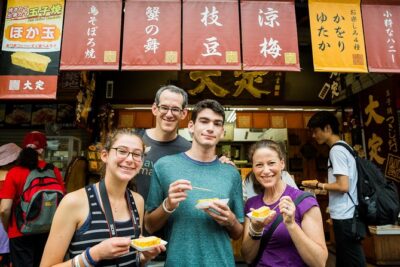 ★ 5.0Tokyo Tsukiji Fish Market Food and Culture Walking TourFrom $993,184 reviews
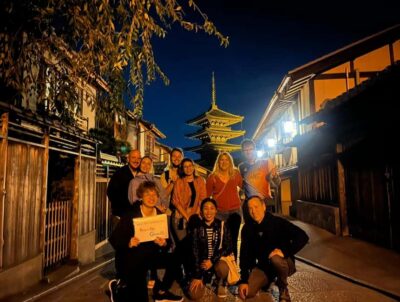 ★ 4.9Gion Magical Night Walking Tour with Geisha TriviaFrom $242,393 reviews
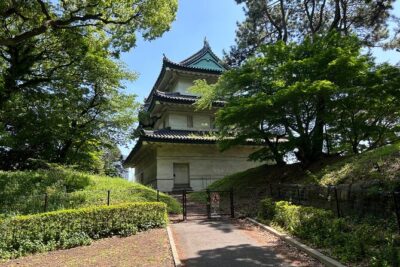 ★ 5.0Imperial Palace and Shogun Historical Walking TourFrom $222,251 reviews
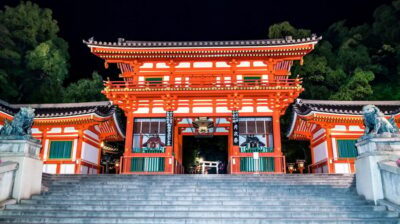 ★ 4.7Gion Geisha District Walking Tour – Stories of GeishaFrom $202,187 reviews
 ★ 4.5Night Walk in Gion: Kyoto’s Geisha DistrictFrom $212,003 reviews
 ★ 4.9Shinjuku Local Bar and Izakaya Guided Walking TourFrom $341,794 reviews
 ★ 5.0Tsukiji Fish Market Food and Walking tourFrom $301,724 reviews