
REVIEW · NAGANO, SNOW MONKEYS AND SKI COUNTRY
Snow Monkey Park & Miso Production Day Tour from Nagano
Miso and monkeys in one long day.
This tour is a smart mix of miso craft and Japan’s wild winter icon, the snow monkeys of Jigokudani. I like that you get an English-speaking, nationally licensed guide-interpreter and clear time blocks, not a rushed grab bag. One thing to weigh, though, is the physical side, there’s a hard walk in cooler mountain air and lunch is not included.
You also get a village stroll built into the plan. Obuse-machi gives you free time to wander historic streets and focus on local foods like chestnuts, without the pressure of a packed schedule.
Here’s the big idea: use a guided day to cover three very different experiences, then handle dinner on your own near Nagano Station when you finish.
In This Review
- Key Points I’d Plan Around
- A Nagano Day Built Around Food and Wildlife
- Miso at a Historic Brewery: Watching the Staple Being Made
- Obuse-Machi Free Stroll: Chestnuts, Streets, and Hokusai’s Twilight Years
- Jigokudani Snow Monkey Park: Wild Macaques in Winter Hot Springs
- The Walk Up to the Park: 850 Meters, Cooler Air, and Slip Risks
- Guide-Interpreter Skills: When the Explanations Actually Matter
- Transportation, Timing, and Where You End Up
- What’s Included, What Isn’t, and How to Budget Smart
- What to Wear and Bring for a Cold Mountain Wildlife Day
- Best Fit: Who This Tour Suits (and Who Should Reconsider)
- Should You Book This Snow Monkey Park and Miso Day Tour?
- FAQ
- What time does the tour start and where do I meet?
- How long is the tour?
- Is lunch included?
- What is included in the price besides the guide?
- How long do you spend at Jigokudani Snow Monkey Park?
- Is the walk to the monkey park difficult?
- Can I get a full refund if I cancel?
Key Points I’d Plan Around
- A 300-year-old miso brewery visit where you can watch the traditional process tied to Japanese food culture
- Obuse-machi free time (1 hour 20 minutes) for wandering historic streets and sampling local chestnut specialties
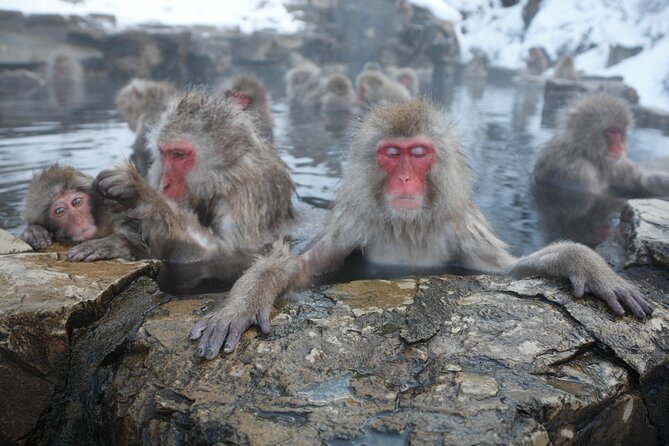
- Jigokudani Snow Monkey Park (2 hours 30 minutes) with wild macaques up close, plus seasonal baby sightings
- Hot springs are seasonal and you may or may not see the monkeys soaking, especially outside winter
- A tougher walking segment near Jigokudani, often around 50 minutes each way, with winter slipperiness risks
Snow country and the monkey valley, other departures
- 1-Day Snow Monkeys, Zenko-ji Temple & Sake in Nagano
★ 5.0 · 1,020 reviews - Nagano: Snow Monkeys, Zenkoji Temple & Sake Day Trip
★ 4.9 · 833 reviews - 1-Day Tour from Nagano and Matsumoto Kamikochi & Matsumoto Castle
★ 5.0 · 105 reviews - 1-Day Snow Monkeys & Snow Fun in Shiga Kogen Tour
★ 5.0 · 94 reviews
A Nagano Day Built Around Food and Wildlife
This is the kind of day tour that makes sense if you want range without getting overwhelmed. You start with a food tradition that’s been around for ages, then shift gears to a storybook mountain town feel, and finally end at a wildlife spot that most people only know through photos.
What makes it work is the structure. You have included admissions and transportation, and the guide is there to explain what you’re seeing in plain English. The day is about 8 hours, and you return to Nagano Station East Exit around 6:00 pm.
If you’re flexible about timing, you’ll have an easier day. The order of stops can shift with road conditions and congestion, and park viewing can vary with weather. That is not a failure of the tour. It’s how this part of Japan behaves.
Miso at a Historic Brewery: Watching the Staple Being Made
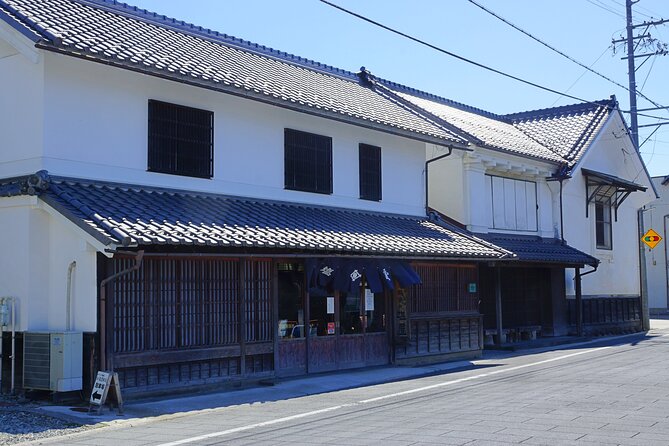
The first stop is 塩屋醸造, a miso brewery tied to Nagano’s reputation as Japan’s leading miso-producing region. Expect a guided look at the manufacturing process and why miso matters so much to Japanese cooking, especially the role it plays in miso soup.
This is a good stop even if you think you already know what miso is. Watching how it’s made turns it from a generic pantry item into something grounded in time, tools, and technique. Also, the brewery’s history is about 300 years, so you’re not just touring a showroom. You’re walking through a long food tradition.
Admission is free for this stop. That’s a small but real value boost, because it keeps the total out-of-pocket costs down for a day that’s otherwise packed with paid sightseeing.
Obuse-Machi Free Stroll: Chestnuts, Streets, and Hokusai’s Twilight Years
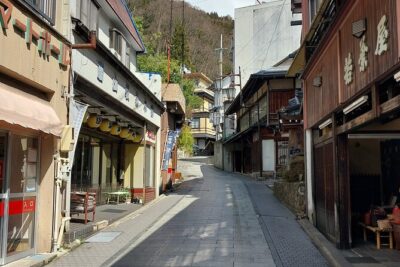
After the brewery, the tour shifts into a slower mode with Obuse-machi. You get 1 hour 20 minutes of free time, so you can wander at your own pace instead of sticking to a tight group line.
Obuse has a couple of pulls. It’s associated with ukiyo-e artist Katsushika Hokusai, who spent his twilight years here. It’s also famous for chestnuts, and this is the part of the day where you can turn that into real snacks and simple tasting.
What I like about adding Obuse is that it balances the day. The miso stop is indoor craft and the monkey park is outdoor nature. Obuse is your middle ground, a place where you can slow your brain down and just walk.
A practical note: many shops close around 5:00 pm. Since you return in the evening, you’ll still have time for dinner plans later, but if you’re the type who wants to shop, keep an eye on closing times.
- Full-Day Tour: Matsumoto Castle & Kamikochi Alpine Valley★ 4.8 · 78 reviews
- (Spring Only) 1-Day Snow Walls of Tateyama-Kurobe Alpine Route Tour★ 5.0 · 75 reviews
- Private Nagano 1-Day Tour:Snow Monkeys,Zenko-ji,Obuse,Sake,Onsen★ 5.0 · 71 reviews
- Izakaya Food Tour in Nagano★ 5.0 · 60 reviews
- Food & Cultural Walking Tour around Zenkoji temple in Nagano★ 5.0 · 58 reviews
Jigokudani Snow Monkey Park: Wild Macaques in Winter Hot Springs
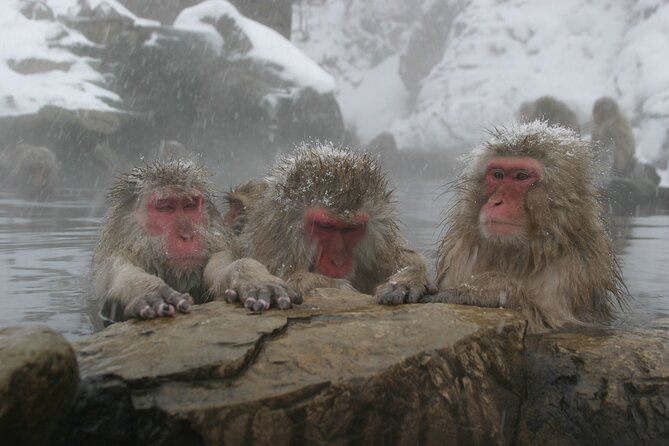
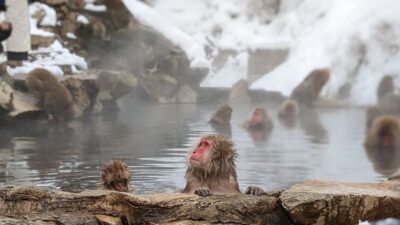
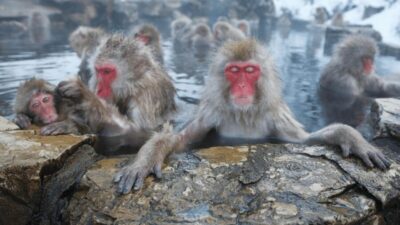
If there’s one reason people sign up, it’s Jigokudani Snow Monkey Park. The tour includes admission and gives you 2 hours 30 minutes here, which is enough time to find viewpoints and reset your expectations when the monkeys move.
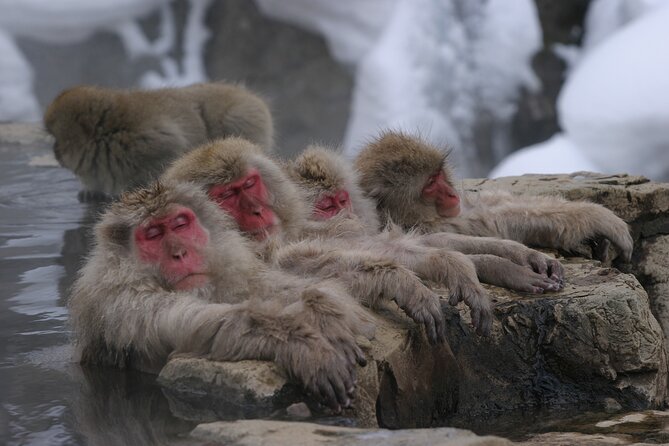
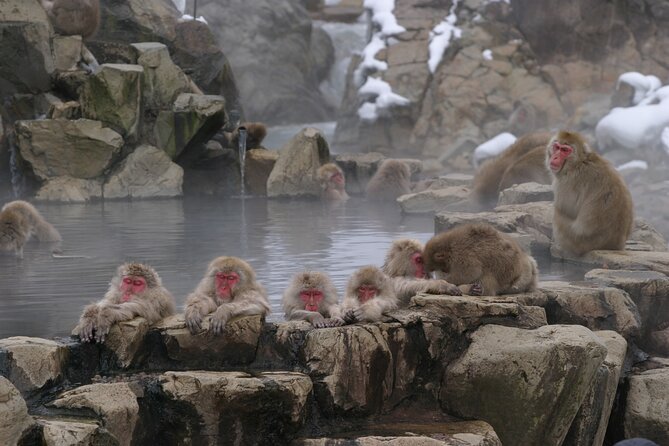
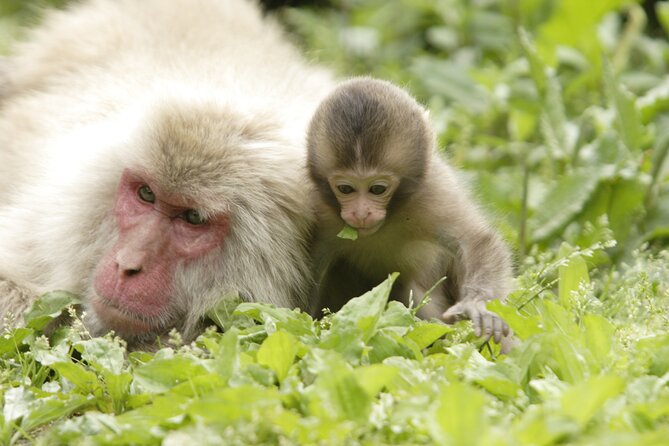
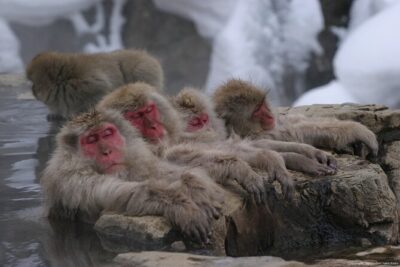
This is a rare kind of viewing because the Japanese macaques are wild and you can watch them at close range as the scenery changes by season. In spring and summer, the focus tends to shift toward younger monkeys and baby sightings. In winter, the famous hot spring soaking is often what people hope to see.
Here’s the important truth to know up front: the monkeys soaking in hot springs can be seen until around March, and you might not see it depending on weather and timing. The tour also notes that refunds are not issued if you don’t see the soaking portion. That’s not to be mean, it’s to keep expectations honest.
Also, monkeys are wild animals. You can’t feed or touch them. Their behavior can be unpredictable, and the park may close suddenly due to weather, seasonal conditions, or the monkeys’ behavior.
The Walk Up to the Park: 850 Meters, Cooler Air, and Slip Risks
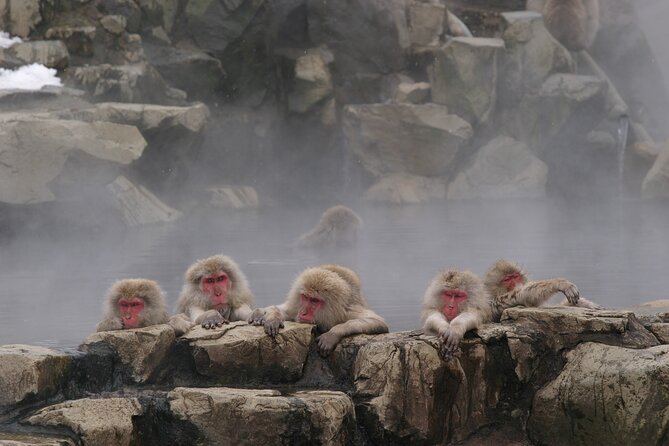
The monkey park is not a simple roadside stop. There’s a hard walking component built into the day, about 50 minutes of walking each way between the Shiga Kogen Roman Museum area and Jigokudani Monkey Park.
So think of this tour as a guided outing for people with moderate physical fitness. The good news is that it’s not hours of climbing with zero breaks. The day has other stops around it. The bad news is that you do need to be ready for cold air and potentially icy ground.
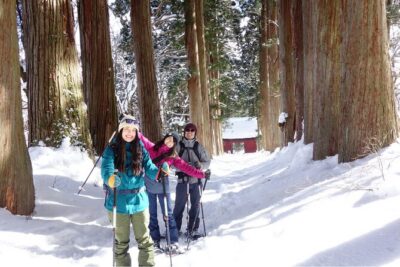
Jigokudani sits 850 meters above sea level, so it runs cooler than the plain. In winter, paths may be frozen and slippery. Wear winter boots or other non-slip footwear, and bring warm clothing even if Nagano city feels mild.
If the guide thinks your gear is not enough, you may be recommended to rent equipment from a shop near Jigokudani Monkey Park. If that happens, the rental cost is on you. It’s worth treating this as a “be ready” item in your planning rather than something to handle last minute.
Guide-Interpreter Skills: When the Explanations Actually Matter
This tour runs with an English-speaking, nationally licensed guide-interpreter. That matters more than you might expect, because a lot of what you’ll enjoy at the miso brewery and the monkey park depends on understanding what you’re looking at.
One guide name that shows up in the strongest feedback is Humiko. People praised the way she combined warmth with practical details and fun facts tied to daily Japanese life. Even if you do not get Humiko, the tour’s format is built around interpretation, not just transportation.
I like guided days like this because they help you avoid the classic sightseeing mistake: staring at something great while missing the reason it’s great. Here, the guide can connect food culture to the real process of miso making, and connect monkey behavior to seasonal changes you might otherwise misread.
Also, the group size is capped at 20 travelers. Smaller groups usually mean fewer people to manage and better chances of getting questions answered before everyone streams off in different directions.
Transportation, Timing, and Where You End Up
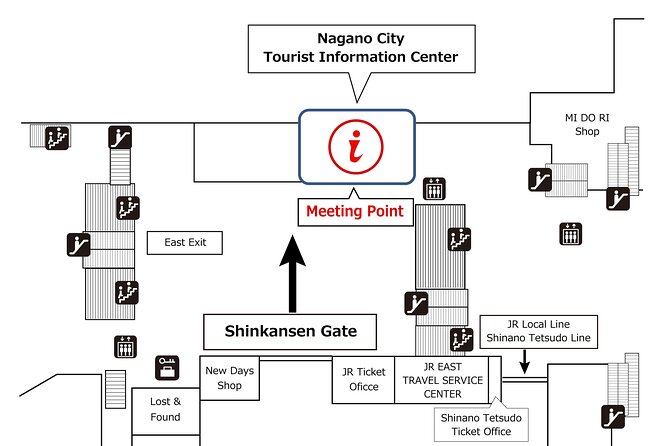
The day starts at 9:50 am at the Nagano Tourist Information Center. You’ll finish around 6:00 pm at Nagano Station East Exit, with an option to request a drop-off near the Nakamise Shopping Street approaching Zenko-ji.
That drop-off flexibility is useful if you want to turn your final hour into a quick walk and snack stop near one of Nagano’s best-known areas. Just remember that many shops close around 5:00 pm, so don’t plan on late browsing as if it’s a big-city shopping district.
Seats are not designated on the bus, so expect standard group seating. The order and arrival times can shift due to road conditions and congestion, so keep your mental schedule loose.
Price-wise, this is $176.04 per person, and it’s an experience people often book about 69 days in advance on average. You’re paying for a full day wrapper: licensed English interpreting, transportation between sites, and key admission fees including the monkey park.
Is it expensive? It’s not cheap. But when you look at the fact that it bundles admissions and the day’s travel into one guided outing, it starts to look more reasonable than DIY in winter. Especially if you want the language support and you want to avoid sorting out mountain-area transit on your own.
What’s Included, What Isn’t, and How to Budget Smart
Included:
- The national government licensed English guide-interpreter
- Other admission fees and transportation costs
- Monkey park admission fee
Not included:
- Lunch
- Any other fees not listed above
That lunch gap is the main budget surprise. You can handle it easily, but you should plan for it rather than hoping it’s quietly covered. Since Obuse-machi gives you free time in the middle of the day, that’s the logical place to eat, then snack your way through the rest.
For the monkey park day portion, pack water and simple snacks if your day-trip style allows it. And because the day can include cold walking, small calorie hits help you stay comfortable while you wait for monkeys to do something interesting.
What to Wear and Bring for a Cold Mountain Wildlife Day
If you remember one packing checklist, make it this: protect your feet and keep your body warm. The route to Jigokudani can include frozen or slippery paths in winter, and the tour explicitly warns to use non-slip footwear.
Plan for cooler temperatures because Jigokudani sits 850 meters above sea level. Even if you’re dressed for a mild city day, the mountain air can feel sharper once you’re walking and waiting outdoors.
Other basics that help:
- Warm layers you can remove if you get hot during walking
- A jacket with wind resistance
- Hand protection if you’re prone to cold fingers while taking photos
If you get the recommendation to rent equipment near the park, treat it as a safety upgrade, not a hassle. It’s also a way to save yourself from walking with gear that isn’t designed for ice.
Best Fit: Who This Tour Suits (and Who Should Reconsider)
This tour fits best if you want a structured day and you’re excited about both food culture and wildlife viewing. The miso brewery is hands-on and educational, Obuse gives you breathing room, and Jigokudani is the star for seasonal monkey watching.
It’s also a good match if you rely on an English guide to translate cultural context quickly. The licensed interpreter format is built for visitors who want more meaning than just a checklist of sights.
But it’s not ideal for everyone. The tour notes it cannot provide special support for those with trouble walking, or small children. You also need to be ready for about 50 minutes of walking each way on a hard walking segment.
If you’re bringing kids, there are age rules: parental permission in writing is required for all participants under 18. Participants under 15 or not yet enrolled in middle school must join with a parent or guardian on the tour.
Should You Book This Snow Monkey Park and Miso Day Tour?
Book it if you want maximum variety with minimum planning stress. You’ll cover a historic miso stop, a classic Nagano-area town stroll in Obuse, and a snow monkey experience where the viewing changes by season. The English-language, nationally licensed guide-interpreter is a big part of the value, because it turns each stop into something you can actually understand.
Consider skipping or adjusting plans if you hate cold-weather walking or you don’t want to deal with slippery paths. This is a day that asks for winter-ready footwear and moderate fitness. Also, if lunch being excluded would annoy you, plan your meal ahead while you still have the energy.
If you’re thinking about whether you’ll be satisfied, here’s the honest bottom line: you’re paying for a guided, bundled day that makes Jigokudani practical in winter, and it pairs that with a miso craft visit that adds real cultural depth. Just don’t lock your happiness to one specific monkey behavior. The monkeys are wild, and the park can change your viewing in real time.
FAQ
What time does the tour start and where do I meet?
The tour starts at 9:50 am at the Nagano Tourist Information Center in Nagano (Kurita, 北河原1038−4).
How long is the tour?
The duration is about 8 hours.
Is lunch included?
No. Lunch is not included.
What is included in the price besides the guide?
The price includes the English guide-interpreter, other admission fees and transportation costs, and the monkey park admission fee.
How long do you spend at Jigokudani Snow Monkey Park?
The stop at Jigokudani Snow Monkey Park is about 2 hours 30 minutes.
Is the walk to the monkey park difficult?
Yes, the tour includes a hard walking segment of about 50 minutes of walking each way between the Shiga Kogen Roman Museum and Jigokudani Monkey Park. The route can be slippery in winter.
Can I get a full refund if I cancel?
Yes. You can cancel up to 24 hours in advance for a full refund. If you cancel less than 24 hours before the start time, the amount paid is not refunded.
Snow Country and the Monkey Valley

Newest Nagano write-ups from the Loving Japan desk
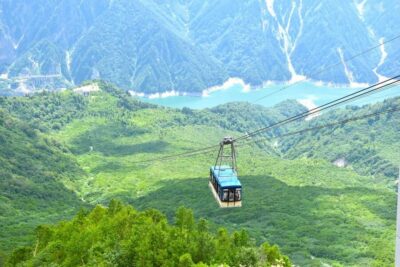
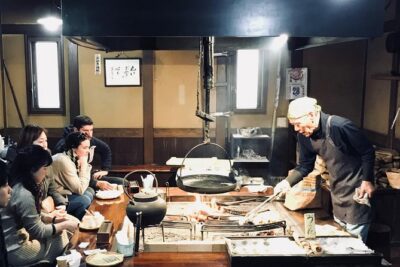
Nagano, Snow Monkeys and Ski Country, side by side.
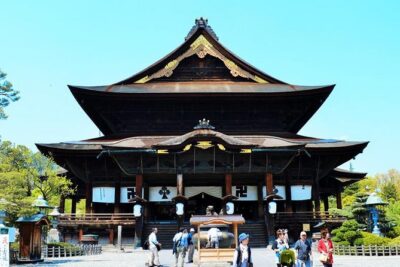 ★ 5.01-Day Snow Monkeys, Zenko-ji Temple & Sake in NaganoFrom $1511,020 reviews
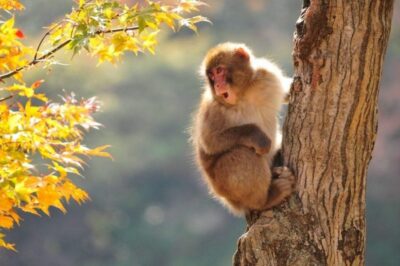 ★ 4.9Nagano: Snow Monkeys, Zenkoji Temple & Sake Day TripFrom $135833 reviews
 ★ 4.6From Tokyo: Snow Monkey 1 Day Tour with Beef Sukiyaki LunchFrom $151295 reviews
 ★ 4.7From Tokyo: Private Tour Snow Monkey Park & Zenko-ji TempleFrom $445184 reviews
 ★ 4.7Hokkaido Seasonal: Lake Toya & Noboribetsu Jigokudani ValleyFrom $55173 reviews
 ★ 4.8Snow Monkey & Nagano Customiseable Private Day TourFrom $466138 reviews
 ★ 4.9Matsumoto Castle Tour & Samurai ExperienceFrom $88128 reviews
 ★ 4.5Nagano Snow Monkey 1 Day Tour with Beef Sukiyaki Lunch from TokyoFrom $151123 reviews
Filed on these lists too