
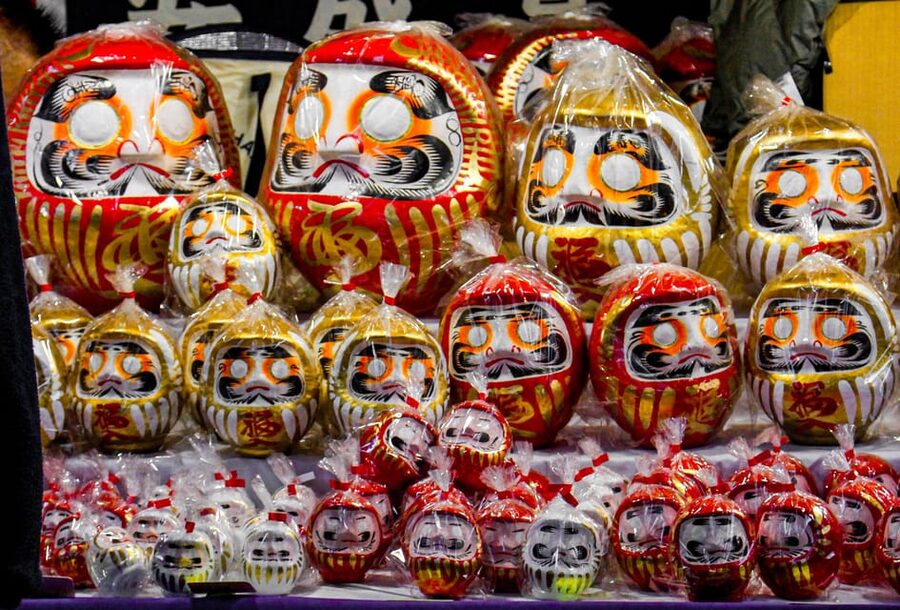
REVIEW · TOURS
Tokio A: Tour de la ciudad en Español – Spanish
Tokyo in Spanish is a different kind of fun. This 8-hour walk connects classic temples, park time, and neon nightlife into one easy plan, led by a live guide in Spanish with a friendly, close style. You also get practical advice so the day keeps working even after the tour ends, not just during it.
I like two things a lot here. First, the route is smart: Asakusa, Ueno, Shinjuku, then Kabukicho, with guided time at each stop instead of quick photo stops. Second, the experience is built around culture with respect, including an emphasis on being mindful of the environment while you travel.
One consideration: this tour is not suitable for hearing-impaired people. If you need accessibility support beyond the listed wheelchair access, you’ll want to double-check fit before booking.
In This Review
- Key things to know before you go
- A smart 8-hour route that actually makes Tokyo make sense
- Sensō-ji in Asakusa, where the day’s tone gets set
- Ueno Park, a break from the “scroll” and into real space
- Lunch at Ueno, built into the pacing
- Ameyoko market, the “oddly fascinating” interlude
- Shinjuku viewpoint, modern Tokyo with a plan B
- Kabukicho to Golden Gai energy, end the day on neon
- Transportation, timing, and the real cost of convenience
- What the guides do that makes the day feel personal
- Who this Tokyo tour fits best
- Booking tips, what to expect on the ground
- Should you book Tokio A: Tour de la ciudad en Español?
Key things to know before you go
- Spanish-led guidance for every major step, from temple explanations to neighborhood context in Shinjuku and Kabukicho
- Skip-the-line access via a separate entrance, so you spend more time seeing and less time waiting
- A route that mixes old Tokyo and night Tokyo, with real neighborhood contrast from Sensō-ji to Kabukicho
- Ueno + lunch + Ameyoko market time, so you get culture plus an eating window without stress
- Shinjuku viewpoint backup plan to Ebisu if the original mirador is closed
- Public-transport travel, with extra transport cost not included (plan for it)
Still weighing up options in Tokyo? These are the ones our reviewers rated highest.
- Mt Fuji and Hakone 1-Day Bus Tour Return by Bullet Train
★ 5.0 · 26,383 reviews - 1-Day Tokyo Bus Tour
★ 5.0 · 14,250 reviews - Tokyo: teamLab Planets TOKYO Digital Art Museum Entry Ticket
★ 4.6 · 9,779 reviews - Mt Fuji & Hakone Cruise, Drum Show Bullet Train 1 Day from Tokyo
★ 4.0 · 7,413 reviews
A smart 8-hour route that actually makes Tokyo make sense
Tokyo can feel like a puzzle when you land. Neighborhood names blur together, and if you chase sights on your own, it’s easy to miss the “why” behind each place. This tour is designed to keep the story straight, starting in Asakusa, moving through Ueno, then heading to Shinjuku, and finishing in Kabukicho.
What makes it work is the pacing. You get guided time at the big anchors (Sensō-ji and Ueno, then Shinjuku), plus structured movement between areas by subway and train. That matters because it’s not just a long walk, it’s a planned day with transitions built in.
And since it’s in Spanish, the explanations stay simple and clear. You’re not decoding translated signage while you’re also trying to watch your footing on crowded sidewalks. You can focus on what you’re seeing, and then ask questions when something catches your attention.
The tour is priced at $96 per person for 8 hours. You should also budget for extra transportation cost, since transportation is listed as not included (400¥). When you add that, the value comes from the guided time and the fact that you’re covering multiple districts in one shot with skip-the-line access. If you were doing this alone, you’d likely spend your day figuring out transit routes and waiting at popular entrances.
Sensō-ji in Asakusa, where the day’s tone gets set
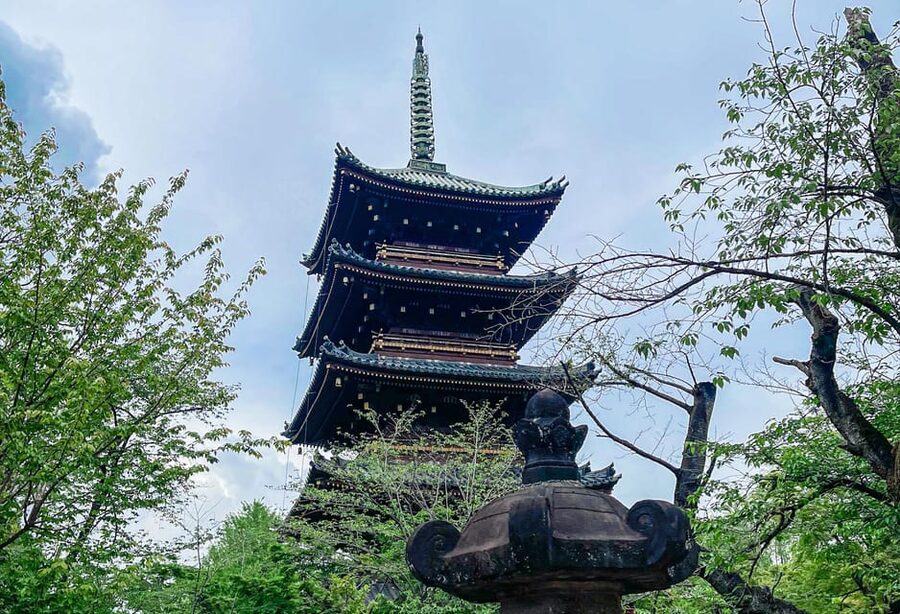
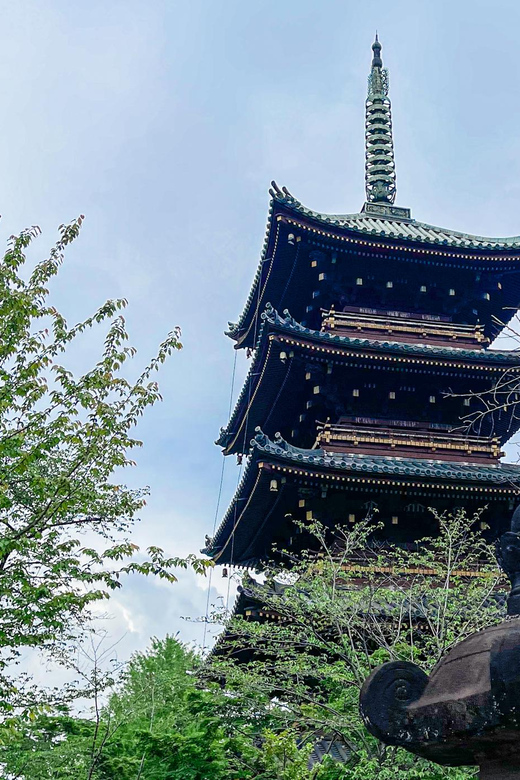
Asakusa is where many first-time visitors start for a reason. It feels more traditional at street level, with old Tokyo energy right where you arrive. This tour begins with Sensō-ji Temple and includes a guided visit lasting about 2 hours.
That length is key. Sensō-ji isn’t just a single viewpoint or a quick stop. You’re there long enough to understand what you’re looking at and how to move through the area without getting lost in the crowd flow. You also get the benefit of skip-the-line through a separate entrance, which is a real time-saver when you’d otherwise be stuck waiting.
I also like that the tour begins with context before it starts speeding up. Once you’re grounded in what you’re seeing at Sensō-ji, later stops like Ueno and Shinjuku don’t feel random. They start to feel like chapters of the same city story: tradition, everyday culture, then modern Tokyo and its neon corners.
Practical tip: keep your camera ready, but don’t rush. You’ll see moments that are easy to miss when you’re only looking for the postcard shot. Let the guide’s cues shape where you pay attention.
Ueno Park, a break from the “scroll” and into real space
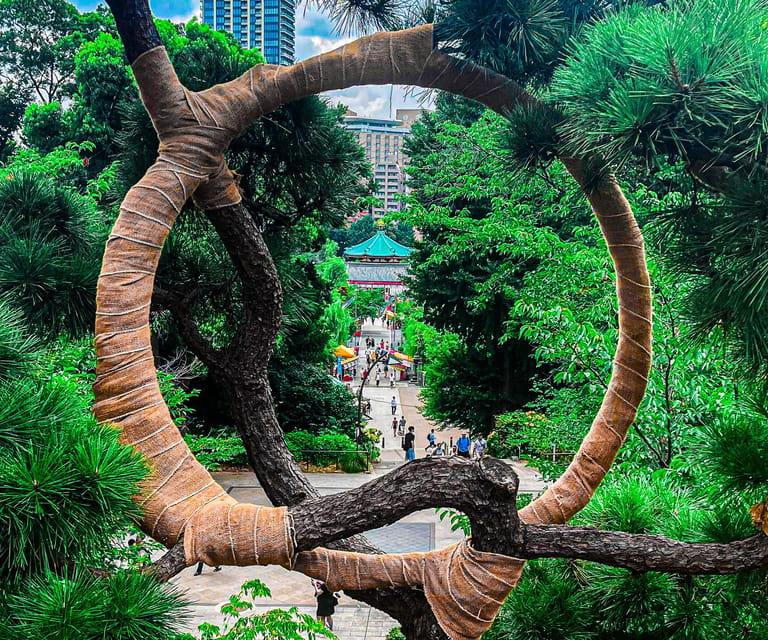
After Asakusa, the tour shifts toward Ueno, with a short subway segment and then guided time in the park area (about 1.5 hours). Ueno Park is popular for a reason: it’s one of the places where Tokyo still feels like you’re in a larger public space, not just between train stations.
This part of the day is valuable because it resets you. You go from temple intensity to park atmosphere. You also get guided structure, which helps if you’re not sure what you’re looking at among the paths, cultural sites, and open grounds.
A common mistake in Tokyo is treating parks like rest stops only. On this tour, Ueno is treated like a main course. That means you have time to look properly, not just pass through.
- Mt Fuji and Hakone 1-Day Bus Tour Return by Bullet Train★ 5.0 · 26,383 reviews
- 1-Day Tokyo Bus Tour★ 5.0 · 14,250 reviews
- Tokyo: teamLab Planets TOKYO Digital Art Museum Entry Ticket★ 4.6 · 9,779 reviews
- Mt Fuji & Hakone Cruise, Drum Show Bullet Train 1 Day from Tokyo★ 4.0 · 7,413 reviews
- Tokyo: Shinjuku Food Tour (13 Dishes at 4 Local Eateries)★ 5.0 · 6,603 reviews
Lunch at Ueno, built into the pacing
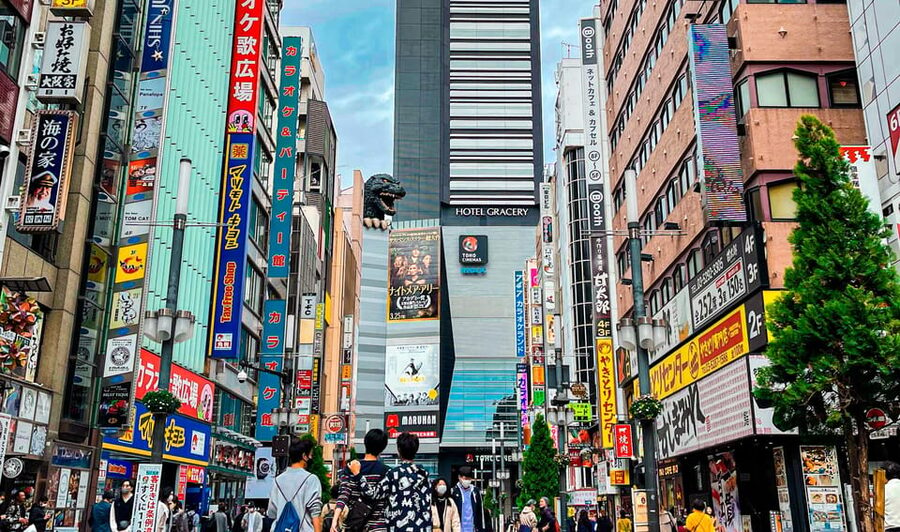
Lunch is scheduled at Ueno for about 80 minutes. That’s a healthy chunk of time, long enough to eat without feeling rushed, and long enough to step back if you want to digest what you saw earlier.
Food isn’t included, but the point is timing. If you’ve ever tried to eat between guided stops in Tokyo, you know how quickly it turns into stress. Here, lunch is part of the plan, so you can focus on choosing something that fits your tastes and energy level.
If you’re sensitive to big crowds, consider picking a place slightly off the most obvious lanes. You’re still in a high-traffic area, but you can often find calmer pockets.
Ameyoko market, the “oddly fascinating” interlude
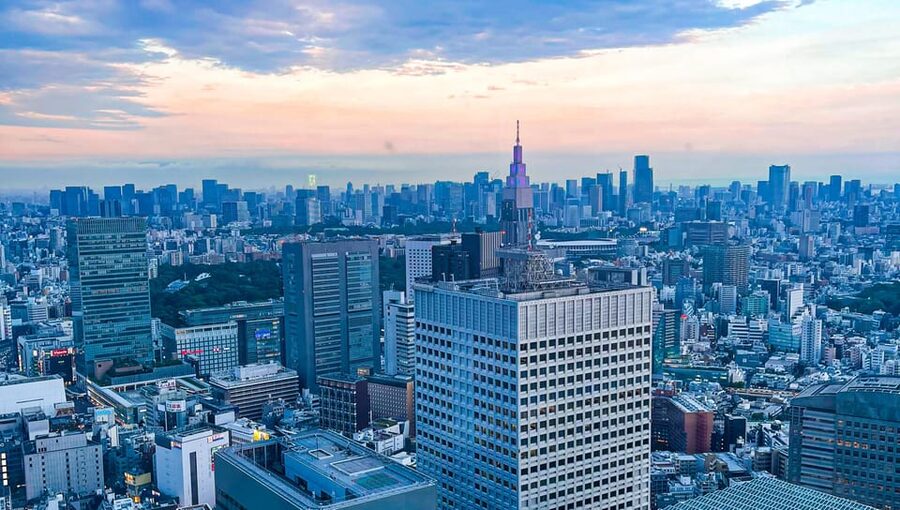
After lunch, the tour includes time at the atypical Ameyoko market. Markets like this are why Tokyo works so well when you’re with someone who can explain what you’re seeing.
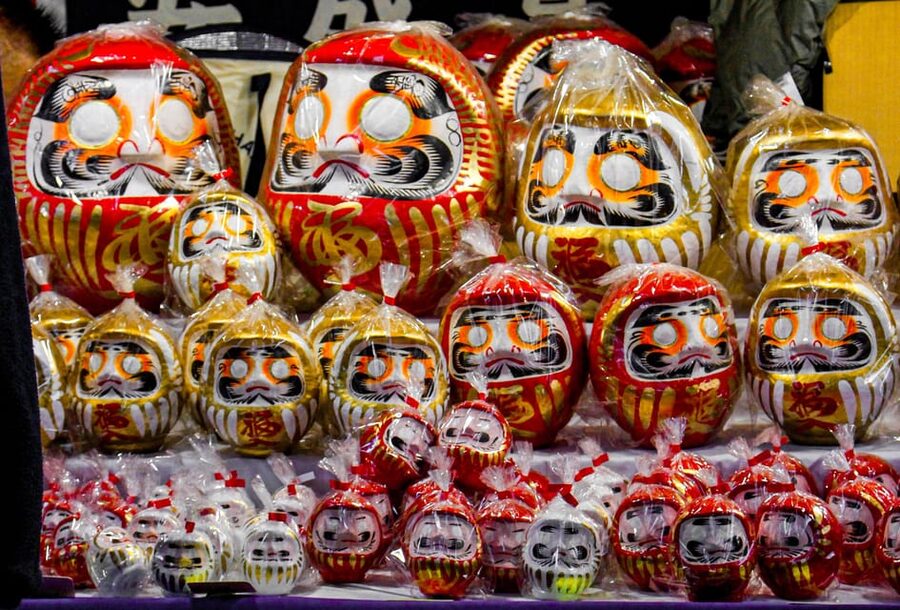
Ameyoko tends to be chaotic in a very specific way, with stalls, signs, and nonstop motion. That can be fun, but only if you understand what you’re walking through. A guided context makes it feel less like you’re wandering and more like you’re learning how daily Tokyo shopping and street culture operates.
Also, this is a good moment to slow your pace. After temple and park time, you can let your curiosity take over. Look around, try a snack if you want (drinks and food aren’t included), and ask your guide what’s worth paying attention to in the market layout.
Shinjuku viewpoint, modern Tokyo with a plan B
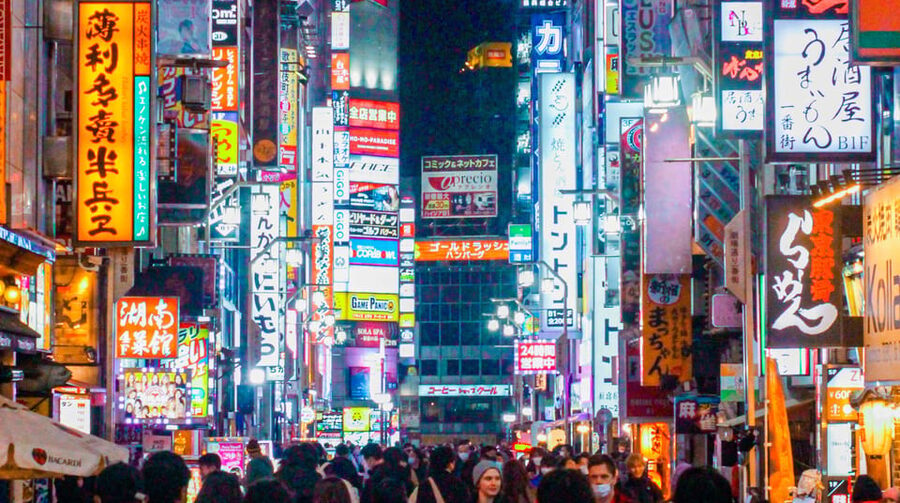
Next comes Shinjuku, with guided time of about 1.5 hours and a viewpoint stop described as one of the best in Tokyo. This is the part of the day that gives you the scale of the city.
From a good viewpoint, Tokyo stops being a map of stations and starts being a real place. You understand where neighborhoods sit relative to each other and how dense the city really is. It’s also a great contrast to the temple start, because you go from calm tradition to height, traffic, and modern geometry.
Now, one practical detail you should know: the viewpoint can change if the planned Shinjuku mirador is closed, with a swap to the Ebisu viewpoint. So if you’re the type who likes to plan every photo location, keep flexibility in your mind. The goal remains the same, a top-down sense of Tokyo.
Kabukicho to Golden Gai energy, end the day on neon
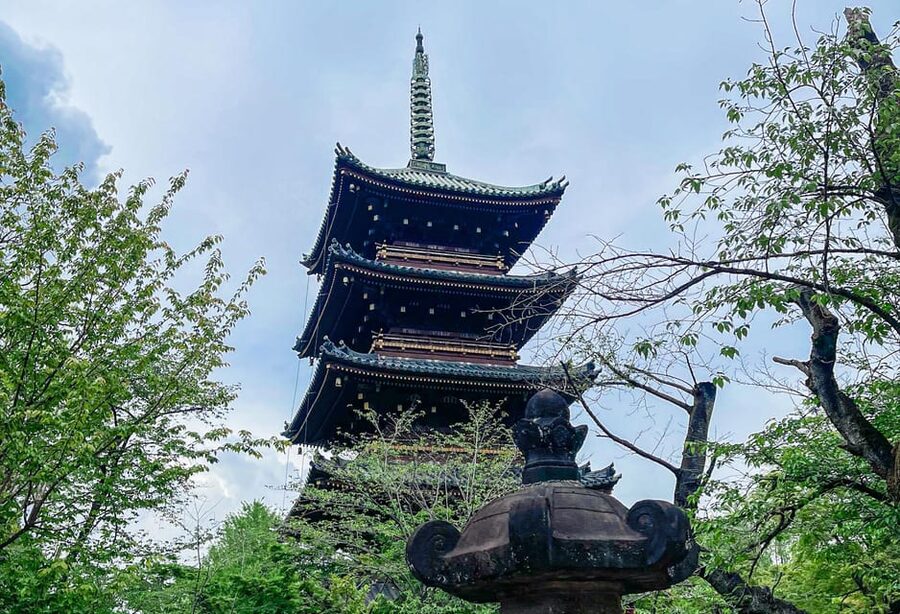
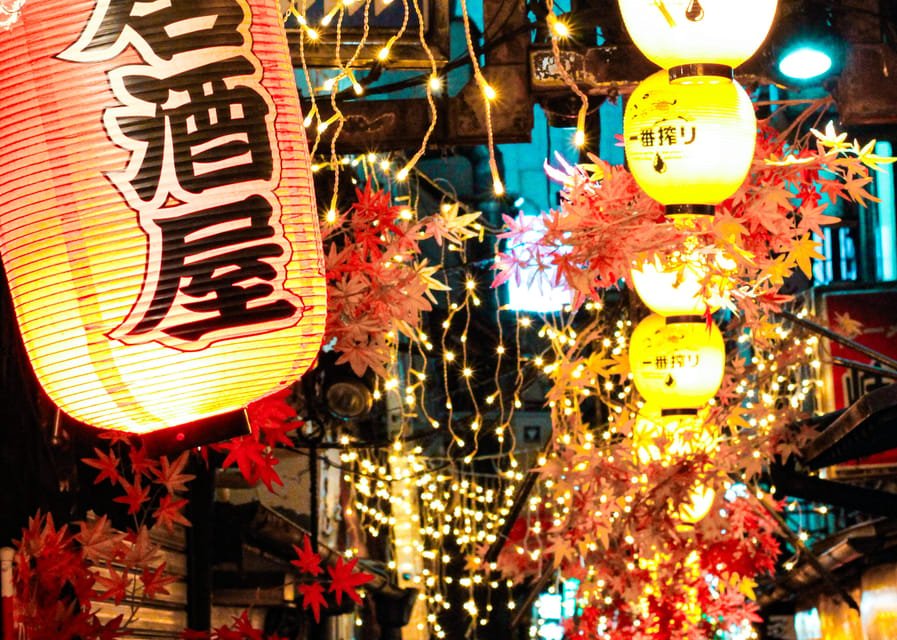
The final stretch moves on foot into Kabukicho, followed by about 50 minutes of guided time, ending at Kabukicho Theater. The neighborhood is described as Tokyo’s red light district, often associated with Golden Gai, plus nightlife like karaoke bars, bars, restaurants, and gaming stores with bright neon-filled facades.
If you’ve only seen Tokyo at night on social media, this is the reality check. Kabukicho is loud, busy, and full of storefront personality. The guide helps you interpret what you’re seeing so it doesn’t feel like a random set of signs and lighting effects.
This ending works because it matches how people experience Tokyo. You start with heritage, move through everyday culture, then finish where the city turns up the volume. It’s a day that feels like you’re doing something, not just ticking boxes.
One more reason I like the Kabukicho finish: it’s a natural decompression point. After the tour, you can decide how much nightlife you want, from a quick drink to a full evening plan, because you’re already in the right pocket of Tokyo.
Transportation, timing, and the real cost of convenience
Let’s talk money and movement, because this is where tours can either save you stress or create new headaches.
The listed tour price is $96 per person, but transportation is not included and is estimated at 400¥. That matters. If you’re doing your own day, transit costs add up fast anyway. With a guided plan that uses subway and train between districts, you’re paying for time you don’t have to spend figuring out routes and transfers.
Also, the tour uses public transportation for pickups and travel segments. Even if you choose pickup at your hotel, you’re still traveling by public transit. Plan for stairs and station navigation, especially in older stations or crowded transfer points.
Another practical note: you skip the line via a separate entrance, which usually means less wasted time at the biggest bottleneck area. On an 8-hour schedule, those minutes matter.
What the guides do that makes the day feel personal
A good city guide doesn’t just point at landmarks. They help you understand what matters, and they help you move without friction.
The tour highlights mention a close and friendly way of guiding, respectful behavior toward the environment, and recommendations so you keep enjoying your trip after the tour. That last part is underrated. Tokyo has plenty to do, but it’s easy to waste your remaining hours on the wrong things. A good guide hands you a mental shortlist.
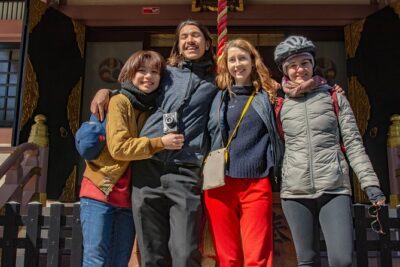
In the guide feedback tied to this experience, names like Nikita, Camila, and Emi come up with consistent praise for friendliness, attention, and helpful tips. For example, Nikita is described as kind, attentive, and eager to help, while Camila is praised as a great host, and Emi is noted for being communicative and flexible, including planning around the day and explaining things clearly.
You can’t control which guide you get, but you can reasonably expect the guiding style to be interactive and supportive, not robotic.
Who this Tokyo tour fits best
This tour is especially well-suited for you if:
- You want Spanish explanations rather than relying on translation alone
- You like seeing multiple neighborhoods in one day, without spending half your time on transit planning
- You want an itinerary that balances temples, parks, markets, and nightlife
- You appreciate a guide who gives practical recommendations, so your remaining time in Tokyo feels more usable
It may not be ideal if you:
- Need accessibility beyond wheelchair access, since it is not suitable for hearing-impaired people
- Have luggage or large bags, because luggage or large bags are not allowed
- Are traveling with unaccompanied minors, since unaccompanied minors are not allowed
If your main goal is to understand Tokyo’s contrast, this tour is a strong match. The day intentionally moves from tradition to modern city scale and then to Kabukicho nightlife, with a guided thread tying it together.
Booking tips, what to expect on the ground
A few practical reminders will make your day smoother.
First, your meeting point is in front of the entrance to the Asakusa Tourist and Cultural Information Center. The guide will have an identification hanging that says NIPONEANDO. Show up a little early, because finding the right person in a crowded area is always easier with a few extra minutes.
Second, expect that the tour is structured around public transit segments and scheduled guided blocks. You’ll have guided time at Sensō-ji, Ueno, Shinjuku, and Kabukicho, plus lunch and market time, and shorter travel windows in between.
Third, be ready for a changing viewpoint situation. Shinjuku’s mirador may switch to Ebisu if the original spot is closed. That’s not unusual in a city with many variables. It also helps you enjoy the day without getting stuck on disappointment.
Should you book Tokio A: Tour de la ciudad en Español?
If you want a guided day that gives you a real sense of Tokyo’s major contrasts, I think this is a solid buy. The combination of Spanish live guidance, skip-the-line access, and a route that stitches together Asakusa, Ueno, Shinjuku, and Kabukicho is a practical way to avoid turning your vacation into transit math.
Book it if Spanish is your best way to understand what you’re seeing, and if you’re comfortable moving through busy neighborhoods with a set schedule. It’s also a good fit if you like being handed clear next steps, not just a list of places.
Skip it or reconsider if hearing accessibility is a concern, or if you need to travel with luggage, because large bags are not allowed. Also keep that 400¥ transportation budget in mind so there are no surprises.
Overall, for $96 plus transit, you’re buying a full, guided day with time in the most important areas, and you end in a neighborhood where you can choose how to continue the night. That makes it a tour with value, not just one more stamp on your Tokyo itinerary.
Newest Tokyo write-ups from the Loving Japan desk
Tours, side by side.
 ★ 5.0Mt Fuji and Hakone 1-Day Bus Tour Return by Bullet TrainFrom $16326,383 reviews
 ★ 5.01-Day Tokyo Bus TourFrom $12914,250 reviews
 ★ 5.0PERFECT KYOTO 1-Day Bus TourFrom $12913,518 reviews
 ★ 5.0Shinjuku Food Tour (13 Dishes at 4 Local Eateries)From $866,603 reviews
 ★ 5.0Peaceful Hiroshima & Miyajima UNESCO 1 Day Bus TourFrom $1295,309 reviews
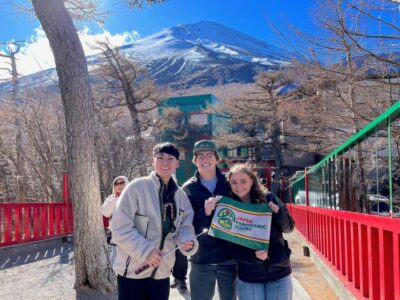 ★ 4.4Tokyo Mt Fuji 5th St & Hakone Cruise Bus Tour w/Bullet TrainFrom $1545,024 reviews
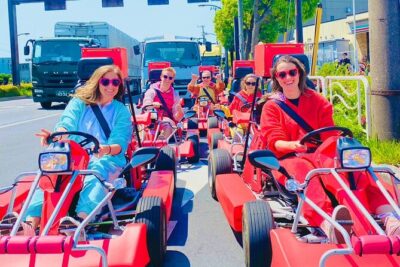 ★ 5.0Flagship 2-Hours Official Street Go-Kart Tour – Tokyo Bay ShopFrom $644,974 reviews
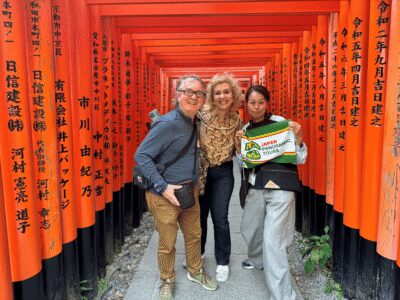 ★ 4.8Fushimi Inari, Kinkakuji, Bamboo Grove 1 Day Bus TourFrom $1224,316 reviews