
REVIEW · TOURS
Tokyo: Full Course Tour: Explore 10 Must-Sees & Hidden Gems
Ten stops, one smooth day. That is the appeal here, pairing free entry to every planned site with born-and-raised guides who explain what you are seeing and why it matters in everyday Tokyo.
My only caution is the pace. You will walk a lot, roughly 20,000 steps in 7 hours, and you will be hopping between neighborhoods by metro.
I also like that the guides, from Sam-san to Yasuko, focus on practical culture coaching, like shrine etiquette and how to move on public trains without standing out.
In This Review
- Key things that make this Tokyo day work
- A 7-hour Tokyo sampler that starts with how locals move
- Meeting at JR Yoyogi station, then getting rolling by metro
- Seven-Eleven and konbini culture, the fastest way to understand Tokyo
- Meiji Jingu shrine, where etiquette becomes part of the experience
- Shibuya Hachiko and the Scramble Crossing, learn the story before the photos
- Tsukiji Honganji Temple and Outer Market, culture plus the food reality
- Imperial Palace grounds and Marunouchi, modern Tokyo with a spine of stone
- Tokyo Station and Akihabara, rail landmark to pop culture neighborhood
- Asakusa Sensoji and Asakusa Shrine, old Tokyo with room to breathe
- Guide-led etiquette and public transport tips that save real time
- Price and value: what you pay, what you do not
- Who this Tokyo full-course tour fits best
- Should you book this Tokyo tour?
- FAQ
- Where is the meeting point for the Tokyo tour?
- How long is the tour?
- Is this tour free to enter at the attractions?
- What is included in the price?
- Are transportation fares included?
- Do I need an IC card for the metro?
- Is lunch included?
- What should I bring?
- Who should not book this tour?
- What is the cancellation policy?
Key things that make this Tokyo day work
- Free entry at every stop, so your money goes to food and transit, not tickets
- Small group limited to 7, which keeps questions from getting lost in the crowd
- Konbini culture (Seven-Eleven) as an orientation tool, not just a quick photo stop
- Metro travel coaching with an IC card, plus real public transport manners
- Shrine and temple visits with respectful steps, so you know what to do, not just where to stand
- Tsukiji food stops with vegetarian and vegan options, so you do not have to scramble for meals
Still weighing up options in Tokyo? These are the ones our reviewers rated highest.
- Mt Fuji and Hakone 1-Day Bus Tour Return by Bullet Train
★ 5.0 · 26,383 reviews - 1-Day Tokyo Bus Tour
★ 5.0 · 14,250 reviews - Tokyo: teamLab Planets TOKYO Digital Art Museum Entry Ticket
★ 4.6 · 9,779 reviews - Mt Fuji & Hakone Cruise, Drum Show Bullet Train 1 Day from Tokyo
★ 4.0 · 7,413 reviews
A 7-hour Tokyo sampler that starts with how locals move
This is the kind of first-day tour I recommend when Tokyo feels like a puzzle made of train lines and side streets. The plan is built around short, efficient shifts between neighborhoods, then time on foot so you can actually read the streets, not just pass through them.
You should expect a guided day that blends big landmarks with real-life Tokyo moments. The difference is that you are not left to figure things out on your own, especially the parts that can feel awkward at first, like shrine etiquette and moving through stations.
Small group size is a quiet advantage. With a limit of 7 participants, your guide can adjust pace, answer questions, and help you use public transport without feeling rushed.
Meeting at JR Yoyogi station, then getting rolling by metro
The meeting point is JR Yoyogi station, west exit, outside the ticket gate. When you book, the provider sends the guide name and photo after confirmation, so you can spot the right person easily.
Because transportation fares are not included (about 1,500 JPY, roughly $10), you will want an IC card ready. The tour explicitly calls for a pre-charged Suica, Pasmo, or Icoca for metro travel. I find this matters more than people expect. If you have to stop to buy or figure things out mid-day, you lose momentum fast.
Also, plan your morning around walking comfort. The day calls for easy clothes and sporty shoes, and the tour does not allow high-heeled shoes or oversize luggage. If you show up prepared, you will feel the day flow instead of fight it.
Seven-Eleven and konbini culture, the fastest way to understand Tokyo
The tour starts with a smart reality check: Tokyo runs on convenience stores. The stop at Seven-Eleven is not random, it is an introduction to konbini culture and the everyday rhythm behind it.
Here is what you learn to notice. What you see on shelves is curated for quick meals, snacks, and drinks you can grab between activities. You also start to understand why these stores are such a practical part of local life, from signage that tells you what is inside to the simple choreography of paying and moving on.
Practical win for you: once you know what konbini shopping looks like, you can solve a common travel problem. Meals become less stressful, especially on days when you do not want a long sit-down restaurant plan.
- Mt Fuji and Hakone 1-Day Bus Tour Return by Bullet Train★ 5.0 · 26,383 reviews
- 1-Day Tokyo Bus Tour★ 5.0 · 14,250 reviews
- Tokyo: teamLab Planets TOKYO Digital Art Museum Entry Ticket★ 4.6 · 9,779 reviews
- Mt Fuji & Hakone Cruise, Drum Show Bullet Train 1 Day from Tokyo★ 4.0 · 7,413 reviews
- Tokyo: Shinjuku Food Tour (13 Dishes at 4 Local Eateries)★ 5.0 · 6,603 reviews
Meiji Jingu shrine, where etiquette becomes part of the experience
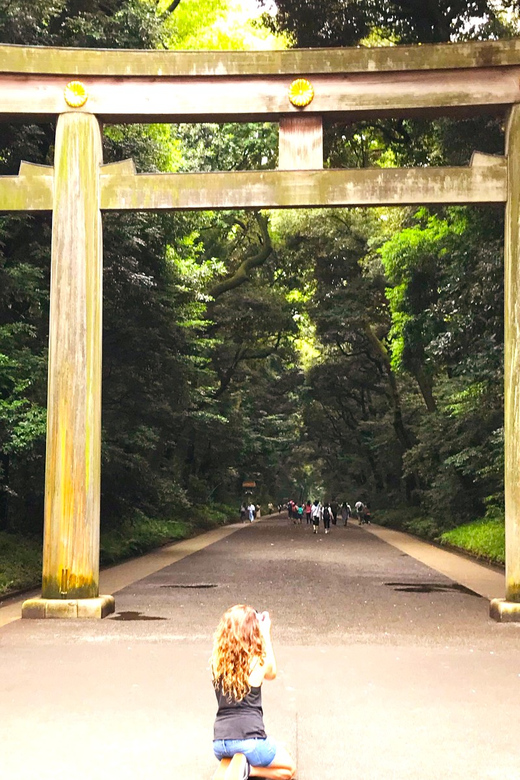
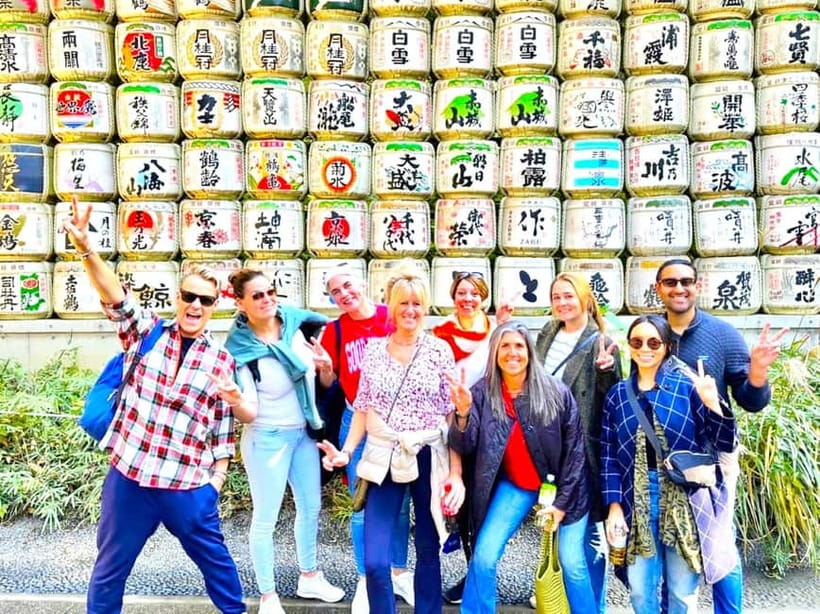
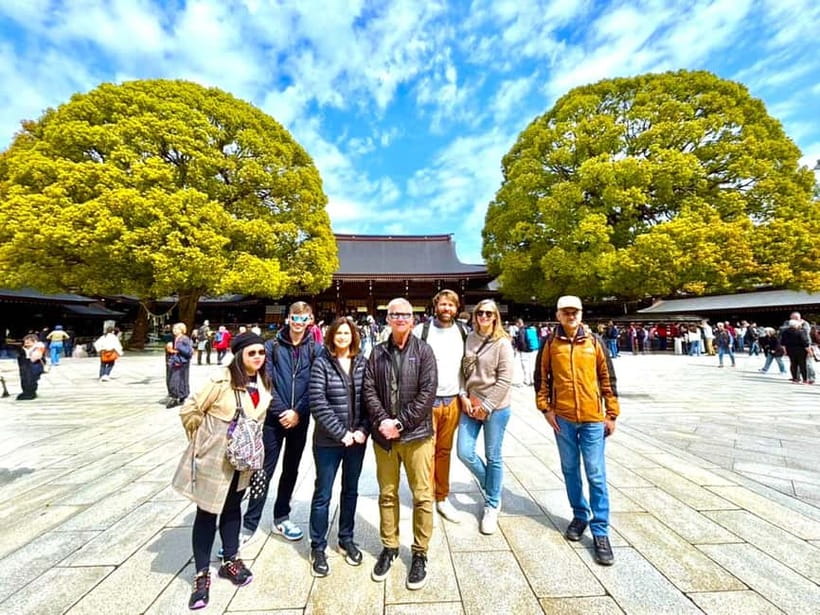
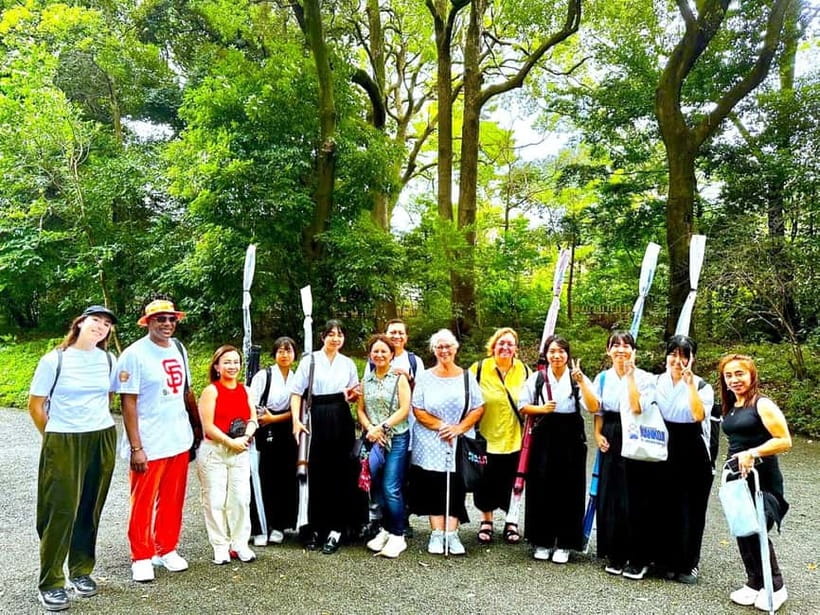
Next comes Meiji Jingu Shrine, a peaceful forest setting that feels like an intentional pause from the city noise. This is the kind of place where Tokyo etiquette can change your whole experience, not just how polite you are.
Your guide will help you understand how to act respectfully in shrine spaces. That includes the basic “how to behave” mindset, so you do not end up standing in the wrong area or doing something you did not mean to do.
What I like about this stop is the contrast it gives you. Tokyo can be loud and fast, then suddenly you are in a quiet ritual environment. It is a real lesson in pacing, and it makes the rest of the day easier because you are not just collecting stops, you are learning the tempo of the city.
Shibuya Hachiko and the Scramble Crossing, learn the story before the photos
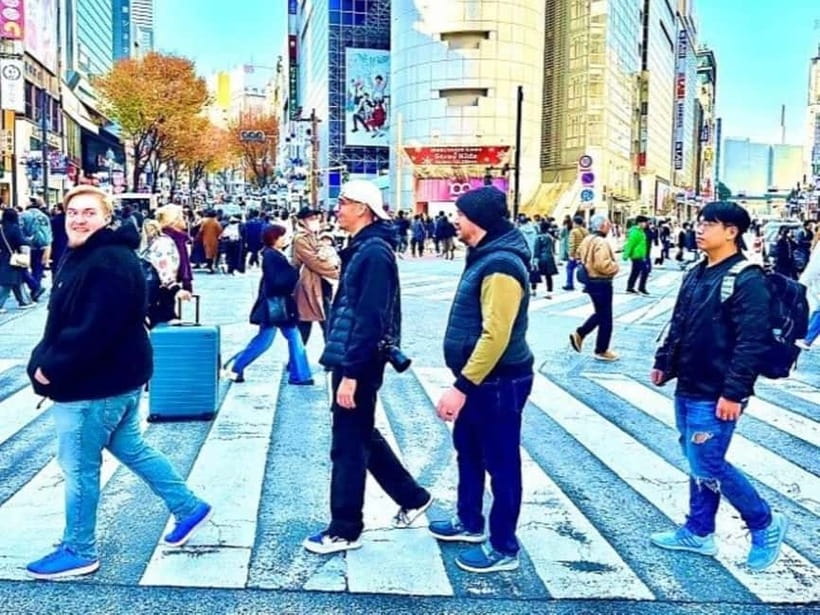
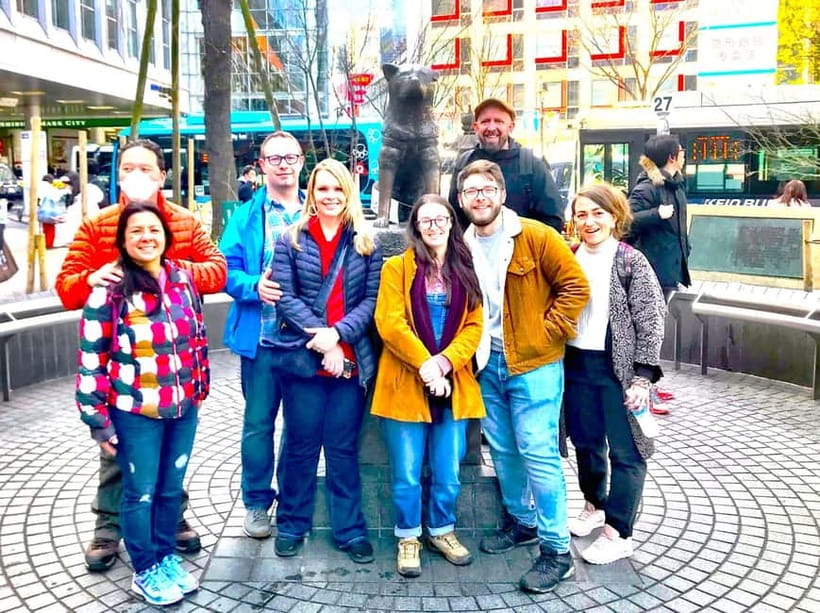
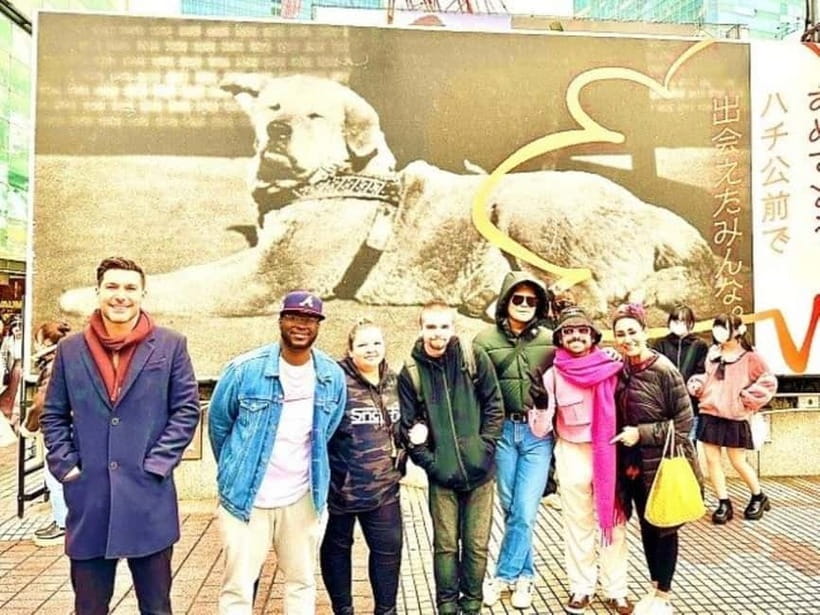
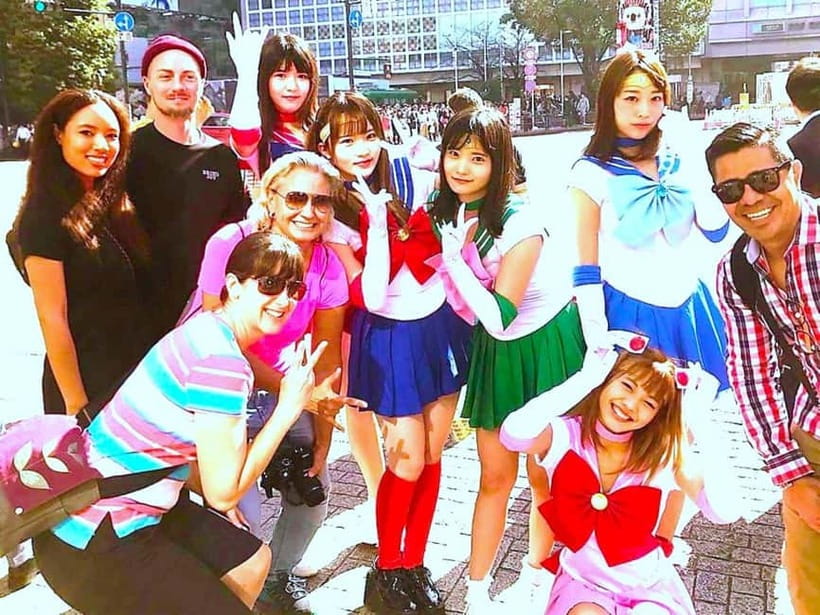
In Shibuya, you get two iconic moments: Hachiko and the Scramble Crossing. The statue visit is more than a checklist photo. You get the legend and context for why people gather there, which helps you feel the place instead of just seeing it.
Then you move to the Scramble Crossing, the world-famous crossing where you watch waves of people flow across multiple lanes. A guide helps here because timing and positioning matter. If you go in cold without a plan, you end up stuck somewhere inconvenient or miss the best angles.
This stop is valuable because it teaches you a Tokyo skill. Learn where to stand, when to cross, and how to read pedestrian movement patterns. After Shibuya, you start trusting your routes more.
Tsukiji Honganji Temple and Outer Market, culture plus the food reality
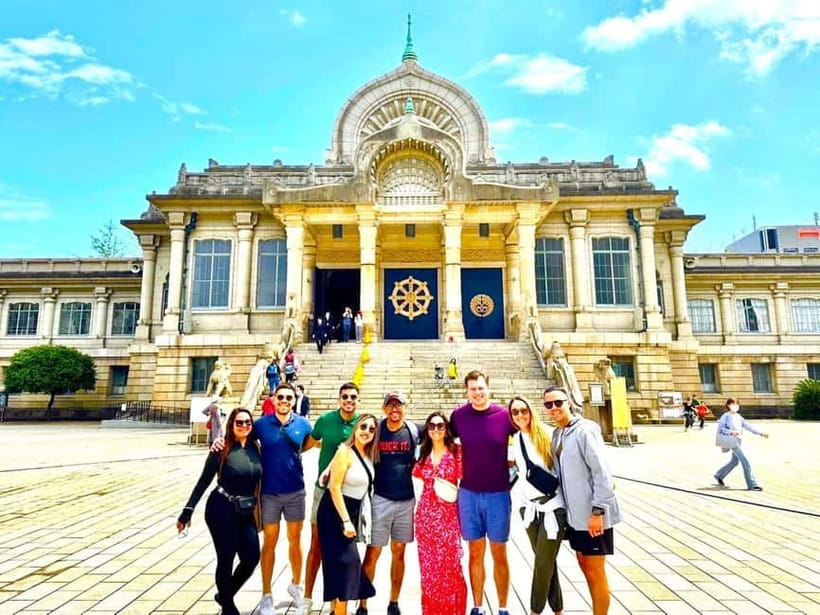
Tsukiji is one of the best places to understand Japanese architecture and daily eating culture in the same area. The tour includes Tsukiji Honganji Temple first, where you can admire Indian-inspired architecture and stained glass.
That temple visit adds breathing room before the market rush. It also gives you a moment to slow down and look up, which is a good reset after busy streets.
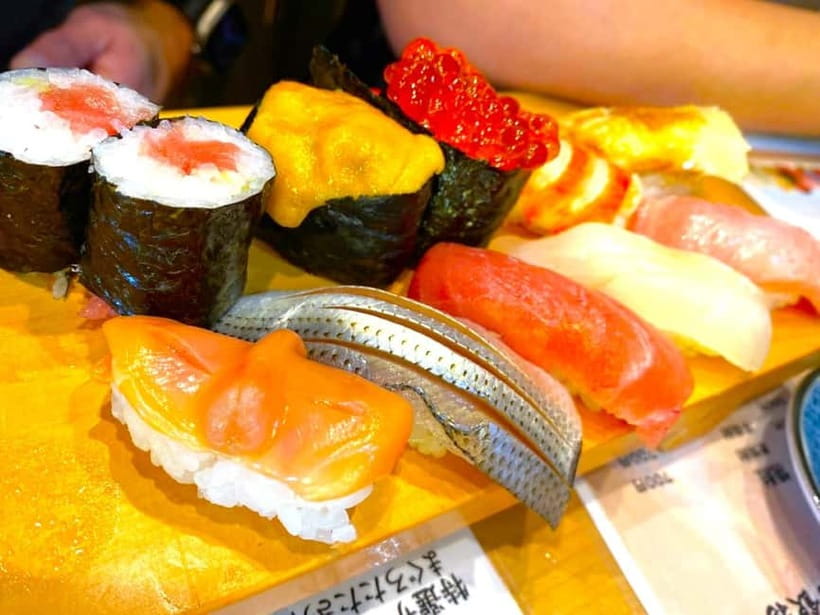
Then you are at Tsukiji Outer Market, often called Japan’s Kitchen for a reason. You will see seafood, Wagyu, and snacks and regional ingredients that make you understand why people build whole days around eating here.
Two practical notes for you. First, the tour says lunch at Tsukiji and snacks are not included in the price, so you will be choosing what you eat on the day. Second, vegetarian and vegan options are always available, which takes the guesswork out of planning meals ahead of time.
Imperial Palace grounds and Marunouchi, modern Tokyo with a spine of stone
The Imperial Palace stop gives you a different kind of landmark experience. Instead of neon and trains, you get the historic heart of Japan and the stone walls of the former Edo Castle area.
This works well in a tour schedule because it changes what your camera sees and what your brain feels. You go from busy streets and markets to a more measured atmosphere, even if you are still moving as a group.
Then the tour continues into Marunouchi, where sleek modern skyscrapers meet imperial heritage. I like this combination because it shows how Tokyo layers time. It is not a museum-only approach. You can feel the contrast just by walking the streets.
Tokyo Station and Akihabara, rail landmark to pop culture neighborhood
Tokyo Station is a must-see for anyone who likes the feeling of arriving. The tour points you to the red-brick landmark, and it makes sense as a transition stop because the station is a transit hub you will likely use anyway.
From there, you head toward Akihabara, the so-called Electric Town for anime and gaming. This is a useful stop even if you do not follow pop culture closely. You get a handle on how Tokyo organizes niche neighborhoods and why crowds gather around them.
One advantage of having a guide here: you do not just get a “look at stores” walk. You get context that helps you understand the neighborhood’s vibe and where you can linger without getting turned around.
If shopping is your thing, this is also where it helps to be practical with cash, because the tour notes some shops and gems accept cash only.
Asakusa Sensoji and Asakusa Shrine, old Tokyo with room to breathe
Toward the end of the day, the tour shifts into old Tokyo atmosphere with Sensoji Temple. You walk through the Kaminarimon Gate, then toward the spiritual heart of Asakusa.
After the main temple space, Asakusa Shrine is a calmer Shinto moment within the same area. I like that the tour does not treat these as two identical checkboxes. A guide helps you understand how the spaces feel different and why that matters when you are there.
If you care about respectful visiting, this is a strong finish. The tour highlights learning Japanese etiquette, and temple areas are where you see that in action. Even if you only remember a few basic steps, you will feel more confident walking through crowds.
Guide-led etiquette and public transport tips that save real time
The biggest value driver in this tour is the guide coaching. Tokyo transport can be overwhelming, and the tour specifically addresses that by having born-and-raised Japanese expert guides trained to top standards. That matters because they know how tourists get stuck and how to prevent it.
Expect explanations tied to what you are about to do: how to behave on public trains, how to move through stations, and what to keep in mind for daily life. You also get practical tips on walking routes between areas, so you are not guessing every turn.
The guides you will meet, like Sam and Yasuko, are praised for being generous with questions. That is important. On a first day, your questions are not small. They are about how Tokyo works. When your guide answers clearly and patiently, you gain independence for the rest of your trip.
Price and value: what you pay, what you do not
The price is $77 per person for a 7-hour tour with a professional guide fee and all taxes included. That sounds reasonable because the tour also emphasizes all attractions are free to enter. So you are not buying entry tickets all day.
What is not included is transportation and meals. Metro and JR fares are estimated around 1,500 JPY, and lunch plus snacks are not included. That is not a dealbreaker, because it also lets you choose what you want to eat in Tsukiji rather than being locked into one menu.
To judge value honestly, do this math in your head. If you would pay for a guide anyway on a tight schedule, $77 starts to feel like the cheapest part of the plan. The real currency you get is guidance through Tokyo’s complexity: how to get from place to place, how to act appropriately, and what to prioritize when you only have one day.
Also, vegetarian and vegan options are always available. In Tokyo, that kind of promise can save you from spending your precious appetite budget on searching.
Who this Tokyo full-course tour fits best
This tour is ideal for your first day in Tokyo, especially if you have limited time or want a structured orientation. It is also a good choice if you plan to revisit a few spots later, because the day gives you strong “where do I go back to?” instincts.
It is not the right fit if you are dealing with mobility limits or low stamina. The tour is not for people with mobility issues, wheelchair users, people with back problems, or pregnant guests. It also notes it is not suitable if you have a cold.
Age rules matter too. Under 18s must be accompanied by an adult, and under 13s require a private tour.
Should you book this Tokyo tour?
If your priority is learning how to move through Tokyo and seeing major sights without losing half your day to logistics, I think this is a smart booking. The combo of free entry, a small group, and guides like Sam-san or Yasuko who explain culture and courtesies gives you a first-day foundation you can build on.
I would only hesitate if you know you struggle with long walking days. With about 20,000 steps planned, you need comfortable shoes and energy to keep pace.
If you want a confident start, and you like guided structure more than solo wandering, book this. You will walk away with both place memories and the habits that make Tokyo easier to handle.
FAQ
Where is the meeting point for the Tokyo tour?
You meet at JR Yoyogi station, west exit, outside the ticket gate (1-chōme-34 Yoyogi, Shibuya City, Tokyo 151-0053).
How long is the tour?
The tour lasts 7 hours.
Is this tour free to enter at the attractions?
Yes. The tour states that all attractions on the itinerary are free to enter.
What is included in the price?
The price includes the professional guide fee and all taxes.
Are transportation fares included?
No. Transportation fares (Metro and JR train) are not included, and the estimate given is about 1,500 JPY (around $10).
Do I need an IC card for the metro?
Yes. The tour recommends a pre-charged Suica, Pasmo, or Icoca for metro travel.
Is lunch included?
No. Food and drinks are not included, including lunch at Tsukiji and snacks.
What should I bring?
Bring comfortable shoes, cash, and a public transport ticket or IC card setup for metro travel.
Who should not book this tour?
It is not suitable for pregnant guests, wheelchair users, people with back problems, people with a cold, and those with low level of fitness. Under 13s require a private tour, and under 18s must be accompanied by an adult.
What is the cancellation policy?
Free cancellation is available up to 7 days in advance for a full refund.
Newest Tokyo write-ups from the Loving Japan desk


Tours, side by side.
 ★ 5.0Mt Fuji and Hakone 1-Day Bus Tour Return by Bullet TrainFrom $16326,383 reviews
 ★ 5.01-Day Tokyo Bus TourFrom $12914,250 reviews
 ★ 5.0PERFECT KYOTO 1-Day Bus TourFrom $12913,518 reviews
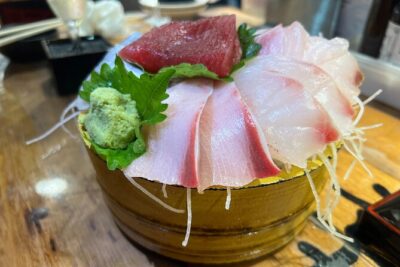 ★ 5.0Shinjuku Food Tour (13 Dishes at 4 Local Eateries)From $866,603 reviews
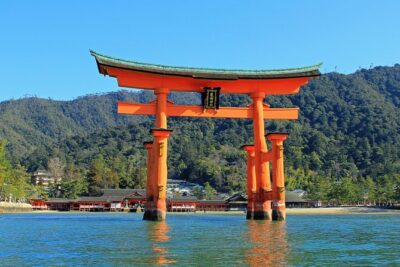 ★ 5.0Peaceful Hiroshima & Miyajima UNESCO 1 Day Bus TourFrom $1295,309 reviews
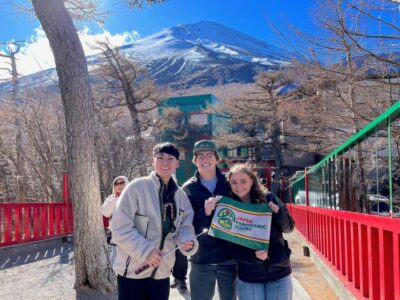 ★ 4.4Tokyo Mt Fuji 5th St & Hakone Cruise Bus Tour w/Bullet TrainFrom $1545,024 reviews
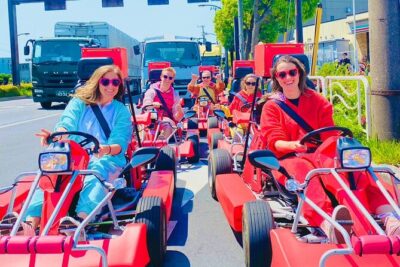 ★ 5.0Flagship 2-Hours Official Street Go-Kart Tour – Tokyo Bay ShopFrom $644,974 reviews
 ★ 4.8Fushimi Inari, Kinkakuji, Bamboo Grove 1 Day Bus TourFrom $1224,316 reviews