
REVIEW · TOURS
Tokyo Full Course Tour: Explore 15 Must-See Sights & Hidden Gems
Tokyo can overwhelm you fast. This full-day 15-stop walk-and-metro tour keeps it organized, and I like how the expert local guide points out the stuff most visitors miss. You will also get a small group (max 5) with enough time for questions. One tradeoff: the pace is set by the group, and the tour starts just on time, so late arrivals cannot join.
What makes the day work is the mix of famous landmarks and quieter, local-feeling streets. You move from classic Tokyo to pop culture to old neighborhoods, while the guide connects each place to Japanese history and daily life.
At the end, you are not just sightseeing. You get a food moment in Tsukiji and a casual izakaya bar stop for drinks, so the day feels like Tokyo, not a checklist. Just plan for extra costs on transport and meals, since those are not included.
In This Review
- Key highlights that matter before you book
- A 10-hour Tokyo circuit that feels like you have a local plan
- From Meiji Jingu calm to Harajuku style: Tokyo’s two moods early
- Hachiko and Shibuya Crossing: iconic stops with context
- Tsukiji: temples, the fish market moment, and sushi where it counts
- Imperial Palace exterior and Marunouchi: a quick dose of formal Tokyo
- Akihabara for tech culture, then Ueno Park for breathing space
- Ameyoko and Asakusa: street shopping energy to Sensoji-area spirituality
- How the small group format changes your day in Tokyo
- Price and value: $104.34 gets a plan, not extra spending
- Practical tips before you meet Yoyogi Station
- Should you book this Tokyo Full Course Tour?
- FAQ
- How long is the Tokyo Full Course Tour?
- Where does the tour start and end?
- How many people are in the group?
- What is included in the tour price?
- Are transportation and attraction tickets included?
- Is food included?
- Do I need a transit IC card?
- Do I need cash?
- What fitness level do I need?
- What happens if I arrive late?
Key highlights that matter before you book
- Max 5 travelers so you are not lost in a big crowd
- Mobile ticket and a route built for on-foot exploring plus metro rides
- Tsukiji stop with sushi lunch timed into a longer market visit
- A real neighborhood arc, from Shibuya and Akihabara to Ueno and Asakusa
- Culture lessons on the move, with context for history and modern society
- Sensible touring pace for a moderate-fitness day in Tokyo
Still weighing up options in Tokyo? These are the ones our reviewers rated highest.
- Mt Fuji and Hakone 1-Day Bus Tour Return by Bullet Train
★ 5.0 · 26,383 reviews - 1-Day Tokyo Bus Tour
★ 5.0 · 14,250 reviews - Tokyo: teamLab Planets TOKYO Digital Art Museum Entry Ticket
★ 4.6 · 9,779 reviews - Mt Fuji & Hakone Cruise, Drum Show Bullet Train 1 Day from Tokyo
★ 4.0 · 7,413 reviews
A 10-hour Tokyo circuit that feels like you have a local plan
This is the kind of day trip that helps if you want structure on your first or second visit. You cover around 15 stops across Tokyo in roughly 10 hours, mostly on foot with metro connections. Instead of hopping randomly, you follow one route and let the guide stitch the story together.
The small group format is the real advantage. With up to 5 travelers, you get more direct attention, and you are more likely to ask questions without feeling rushed. In places like Shibuya and Akihabara, where crowds and signage can blur together, that focus helps.
You should also know what kind of day it is physically. The tour requests moderate physical fitness, and that usually means steady walking and being ready for stairs and crowded train stations. If you get slowed down easily, the schedule may feel tight.
From Meiji Jingu calm to Harajuku style: Tokyo’s two moods early
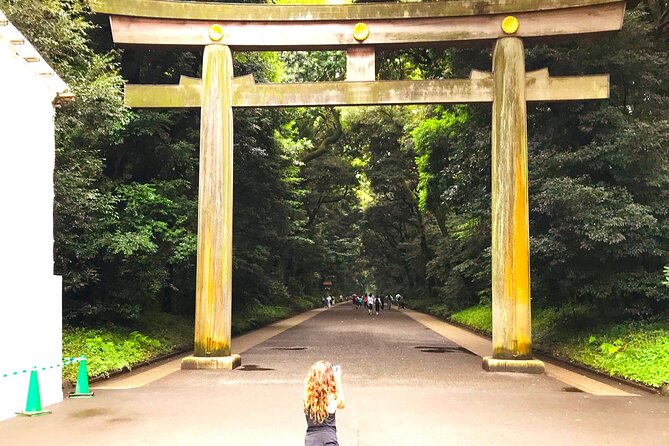
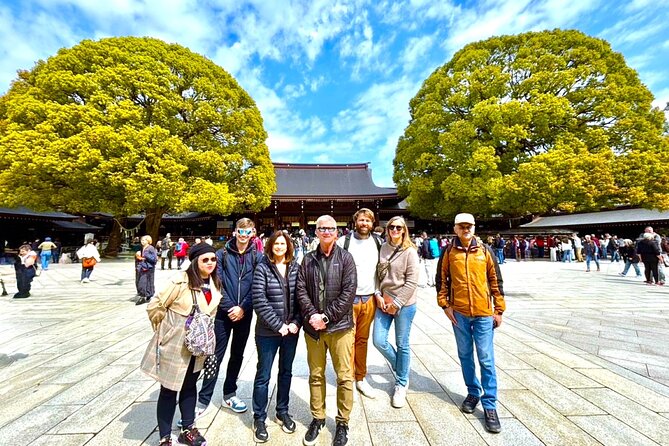
The day opens at Meiji Jingu Shrine, with about 30 minutes there and free admission. Even if you have seen photos, I like starting here because it resets your head before the city gets loud. You get a traditional Tokyo atmosphere right away, and you can feel the contrast before the tour swings into fashion and youth culture.
Next is Harajuku, about 30 minutes focused on the fashion street area. This is where Tokyo shows its wearable creativity: bold color, quick trends, and people-watching energy. It is a short stop, so it works best if you treat it like a snapshot, not a deep dive.
You also get practical benefits from the order. Starting with a serene shrine and then moving into Harajuku makes it easier to stay alert. Tokyo can feel repetitive when you plan your own routes, but this sequence gives your eyes a break between neighborhoods.
Hachiko and Shibuya Crossing: iconic stops with context
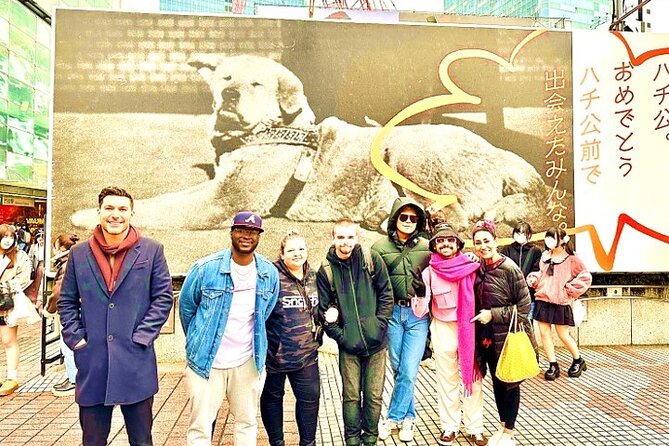
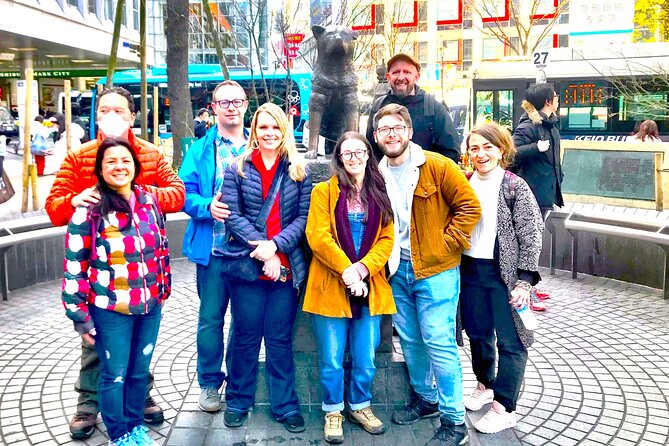
After Harajuku, the tour touches the classic photo moment at Hachiko for about 10 minutes. The short time is on purpose. This is one of those places where you want the scene, the story behind it, and then you move on before crowds swell further.
Then comes Shibuya Crossing for another 10 minutes. This stop is about the choreography. Crossing Tokyo streets is one thing, watching the way people flow through that scramble is another. If you have never navigated Shibuya before, you will appreciate having a guide keep you oriented.
The drawback of these quick landmark hits is obvious. You may want longer to linger for photos or shop a bit nearby. But in a 10-hour full-course format, the value is that you do not spend half your day waiting in lines or searching for bearings.
- Mt Fuji and Hakone 1-Day Bus Tour Return by Bullet Train★ 5.0 · 26,383 reviews
- 1-Day Tokyo Bus Tour★ 5.0 · 14,250 reviews
- Tokyo: teamLab Planets TOKYO Digital Art Museum Entry Ticket★ 4.6 · 9,779 reviews
- Mt Fuji & Hakone Cruise, Drum Show Bullet Train 1 Day from Tokyo★ 4.0 · 7,413 reviews
- Tokyo Mt Fuji 5th St & Hakone Cruise Bus Tour w/Bullet Train★ 4.4 · 5,024 reviews
Tsukiji: temples, the fish market moment, and sushi where it counts
Tsukiji is where the tour shifts from “famous sights” to “Tokyo habits.” First you stop at Tsukiji Hongwanji Temple for about 30 minutes. That calm pocket is useful. It breaks up the energy before the market, and it also helps you notice how different religious spaces feel inside a high-traffic area.
Then you move to the Tsukiji Fish Market segment for about 1 hour 30 minutes, with free admission listed. The tour plan also includes lunch sushi at a nice sushi restaurant during this time. A key practical point: your base ticket does not include food and beverage, so expect to pay for lunch on your own.
This is still one of the most valuable parts of the day. The fish market area can be confusing if you are trying to go alone, especially when you are hungry and the crowds move fast. Having a guide manage the timing helps you get the market atmosphere without losing the plot.
Imperial Palace exterior and Marunouchi: a quick dose of formal Tokyo
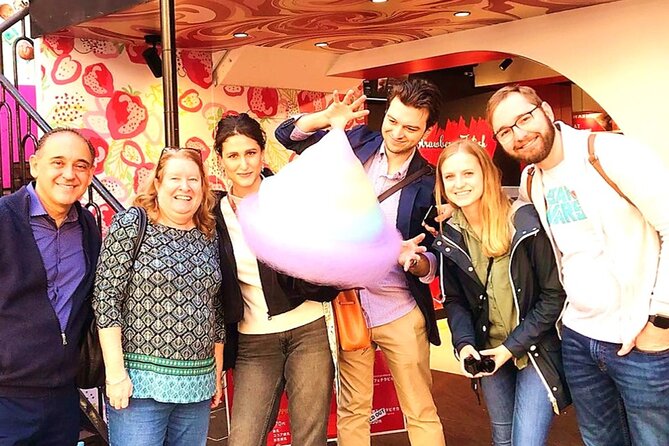
After Tsukiji, the schedule shifts to a lighter “walk-by Tokyo” rhythm. You will see the Imperial Palace exterior area for about 15 minutes, then move into Marunouchi street for about 15 minutes.
These stops are short, but they matter if you want variety. Meiji-era shrines and market energy are fun, but Marunouchi and the palace area show the ordered side of Tokyo. You also get a break from nonstop walking because these are more about viewing and understanding where things sit in the city’s layout.
One more practical note: Tokyo Station Marunouchi Ekimae Hiroba is listed as a stop, with Tokyo Station included but ticketed admission not listed. Think of this as a “see the place” segment, not a museum visit.
Akihabara for tech culture, then Ueno Park for breathing space
Next you head into Akihabara for about 30 minutes. This is where Tokyo becomes playful and specific. You get a sense of the electronics and anime-adjacent side of the city, and the guide can explain what you are seeing in a way that makes it click, even if you are not a lifelong fan.
Then the tour moves to Ueno Park for about 30 minutes, again with free admission. I like this pairing because it balances Akihabara’s intensity with a green, open-space feeling. Parks in Tokyo can help you rest your legs, and Ueno is positioned well for the next street-market stop.
If you are traveling with mixed interests, this stretch is a good compromise. One person might love the pop-culture shopping vibe, while another just wants landmarks and a place to reset. The schedule gives both a fair share of time.
Ameyoko and Asakusa: street shopping energy to Sensoji-area spirituality
At Ameyoko Shopping Street, you get about 15 minutes. It is a compact time window for a street known for noise, food smells, and a mix of bargain shopping and casual snack culture. This stop is best if you go with the mindset of sampling and looking, not trying to “finish” the street.
Then you reach Asakusa Higashi Hongan-ji Temple for about 30 minutes, followed by Asakusa Shrine for about 10 minutes. This is the heart of old Tokyo vibes. Sensoji-area neighborhoods can be crowded, but a guided time slot helps you focus on what to see and how the spaces relate to each other.
Some groups also mention a kimono dress option, so if that is on your wish list, ask before you go. Even if you do not plan to wear one, Asakusa is where you will feel the traditional aesthetic most strongly.
How the small group format changes your day in Tokyo
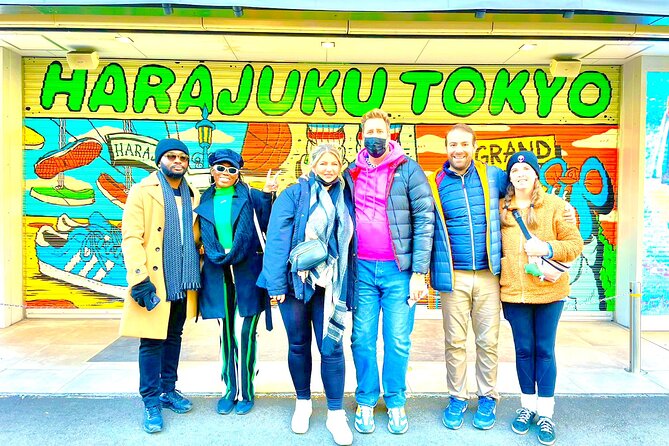
With a maximum of 5 travelers, the tour is set up for real interaction. You are less likely to feel like a numbered head following a line. When crowds surge around Shibuya or market areas, you also get a stronger sense of safety because you are moving with the guide as the reference point.
This format also helps with pacing. You can adjust to questions, photo stops, and quick clarifications without breaking the entire schedule. And because the guide explains history and culture as you go, you are not stuck reading signs that are hard to interpret.
One important behavior rule matters for your experience. You are required to follow the host from your side. If you break away, the host cannot look for you, and that can ruin the day fast. In Tokyo crowds, staying connected is not just etiquette, it is the difference between smooth touring and stress.
Price and value: $104.34 gets a plan, not extra spending
The price is $104.34 per person, and it includes the tour fee plus consumption tax. For a day that runs about 10 hours with 15 stops, plus a small-group guide, this can be good value if you want efficiency.
Here is the part you should budget for upfront. Transportation expenses and food and beverage are not included. The tour recommends having cash ready, and it suggests preparing a transportation IC card like SUICA or PASMO in advance. That means you should plan to spend extra during the day, especially for the sushi lunch and drinks at the izakaya-style stop.
I see this tour as paying for three things:
- A route that prevents “where do we go next” fatigue
- A guide to connect sights to context and culture
- Time saved versus planning and navigating alone
If you are comfortable building your own itinerary and navigating trains smoothly, the savings may be less obvious. But if you want a curated day with minimal decision-making, the cost starts to look fair.
Practical tips before you meet Yoyogi Station
Start point is Yoyogi Station area in Shibuya (Yoyogi Station 1 Chome-34 Yoyogi). The tour ends around Asakusa Station. Since it is a full-day format, you should arrive early, not just on time.
The tour uses a mobile ticket, so make sure your phone battery is healthy. Also, the program starts just on time. Late arrivals will not be allowed to participate and there are no refunds for missing the start. In Tokyo, station exits can be confusing, so give yourself a buffer.
For moving around, use SUICA or PASMO if you can. You might still pay cash sometimes, but an IC card makes metro rides easier, especially on a route with multiple transfers. The tour also explicitly suggests cash, so bring a mix of payment options.
Finally, if you are going with kids, note the age rule. Anyone under 18 must be accompanied by a guardian. If you are traveling with children under 13, you need to send a request as a Private Tour. And if anyone in your group is unwell or under the influence of alcohol, participation is not permitted.
Should you book this Tokyo Full Course Tour?
Book it if you want a structured first-day plan and you like the idea of seeing iconic Tokyo spots plus the side streets that feel more local. The best match is a traveler who values context while walking, someone who wants a mix of history, pop culture, and food, without spending hours planning train routes.
Skip it if you hate tight schedules or you need long, slow wandering time at each place. This is a “see a lot in one day” tour, and the pacing assumes you can keep up. Also, if you are not interested in sushi or an izakaya-style drinks stop, you may not get as much out of the day.
If you are on your first trip and you want your bearings fast, this is a strong choice. It is one of those rare Tokyo experiences where the guide acts like a translator for the city itself, not just a person who points you from one landmark to the next.
FAQ
How long is the Tokyo Full Course Tour?
It runs for about 10 hours.
Where does the tour start and end?
The tour starts around Yoyogi Station in Shibuya and ends around Asakusa Station.
How many people are in the group?
The tour has a maximum of 5 travelers.
What is included in the tour price?
The price includes the tour fee and consumption tax.
Are transportation and attraction tickets included?
Transportation expenses are not included, and the plan lists free admissions for many stops. One item notes Tokyo Station Marunouchi Ekimae Hiroba as ticket not included, so treat this day as primarily guided sightseeing rather than paid-entry attractions.
Is food included?
Food and beverage are not included in the overall price, though sushi lunch is built into the Tsukiji market segment and you will also have an izakaya bar stop for drinks.
Do I need a transit IC card?
The tour recommends preparing a SUICA or PASMO IC card in advance.
Do I need cash?
Yes. The tour recommends having cash ready since food, drinks, and transportation are not included.
What fitness level do I need?
The tour asks for moderate physical fitness, since you will be walking and moving through busy areas.
What happens if I arrive late?
The tour starts on time, and late arrivals are not allowed to participate with no refunds.
Newest Tokyo write-ups from the Loving Japan desk






Tours, side by side.
 ★ 5.0Mt Fuji and Hakone 1-Day Bus Tour Return by Bullet TrainFrom $16326,383 reviews
 ★ 5.01-Day Tokyo Bus TourFrom $12914,250 reviews
 ★ 5.0PERFECT KYOTO 1-Day Bus TourFrom $12913,518 reviews
 ★ 5.0Shinjuku Food Tour (13 Dishes at 4 Local Eateries)From $866,603 reviews
 ★ 5.0Peaceful Hiroshima & Miyajima UNESCO 1 Day Bus TourFrom $1295,309 reviews
 ★ 4.4Tokyo Mt Fuji 5th St & Hakone Cruise Bus Tour w/Bullet TrainFrom $1545,024 reviews
 ★ 5.0Flagship 2-Hours Official Street Go-Kart Tour – Tokyo Bay ShopFrom $644,974 reviews
 ★ 4.8Fushimi Inari, Kinkakuji, Bamboo Grove 1 Day Bus TourFrom $1224,316 reviews