
REVIEW · TOURS
Tokyo: Full Course Tour: Explore 15 Must-Sees & Hidden Gems
Fifteen Tokyo stops, one well-paced day plan. This tour is built for first-timers who want all attractions free to enter and a smart mix of major sights plus the smaller lanes locals use. My only real caution is that it is a long day, expect about 20,000 steps, so comfy shoes matter.
I also like that the tour leans on born-and-raised Japanese guides, with English you can actually follow. Recent feedback repeatedly praises guides such as Yasuko and Michiko for being organized, friendly, and attentive to your group’s needs.
You will cover serious neighborhoods in one loop, using foot and metro, while learning what to do on trains and in public spaces. It is a fast way to build your Tokyo map before you venture out on your own.
In This Review
- Key Things I’d Put at the Top
- A First-Day Tokyo Loop Built for 15 Stops on Foot and Metro
- Price and Value: What the $90 Covers (and What It Does Not)
- Who Leads the Tour, and Why It Changes the Day
- Tokyo Etiquette and Metro Skills You’ll Use Again
- From Meiji Jingu to Harajuku: Start With Nature, Then Youth Culture
- Shibuya Icons: Hachiko and the Scramble Crossing Photo Moment
- Tsukiji Hongan-ji Temple and Outer Market: Architecture Meets Japan’s Kitchen
- Imperial Palace Grounds, Marunouchi, and Tokyo Station: Edo Heritage in Modern Dress
- Akihabara and Ueno Park: Anime Energy Meets Art and Samurai Stories
- Ameyoko Street and Sensō-ji: From Market Energy to Temple Calm
- The Izakaya Celebration Stop: What to Ask Your Guide
- Where This Tour Fits Best (and Where It Might Not)
- Should You Book This Tokyo Full Course Tour?
- FAQ
- Where do I meet the guide?
- How long is the tour?
- What is included in the price?
- Are entrance fees included?
- Do I need to pay for metro or train rides during the tour?
- Is lunch or dinner included?
- Do they offer vegetarian or vegan options?
- What should I bring, and what should I avoid?
- Can I cancel for a full refund?
Key Things I’d Put at the Top
- All stops listed as free to enter, so your budget stays predictable
- Small group size (up to 7), which makes it easier to keep together and ask questions
- Local guide leadership in English, including praise for pace and individual attention
- Practical Tokyo training, from metro habits to everyday etiquette
- A smart mix of “big name” Tokyo plus side-street experiences, especially around markets and temples
Still weighing up options in Tokyo? These are the ones our reviewers rated highest.
- Mt Fuji and Hakone 1-Day Bus Tour Return by Bullet Train
★ 5.0 · 26,383 reviews - 1-Day Tokyo Bus Tour
★ 5.0 · 14,250 reviews - Tokyo: teamLab Planets TOKYO Digital Art Museum Entry Ticket
★ 4.6 · 9,779 reviews - Mt Fuji & Hakone Cruise, Drum Show Bullet Train 1 Day from Tokyo
★ 4.0 · 7,413 reviews
A First-Day Tokyo Loop Built for 15 Stops on Foot and Metro
This is a full-course Tokyo day, designed to feel like you are learning the city, not just checking boxes. The rhythm is straightforward: you meet near JR Yoyogi Station, then move through classic Tokyo hubs, with short sightseeing blocks and metro hops between areas. The goal is to help you get oriented quickly, so the rest of your trip feels easier.
The “15 must-sees” idea matters because it keeps you from doing that common first-day mistake, wandering aimlessly and missing the best timing. Tokyo is big, and neighborhoods feel different from each other. Doing them in a planned order helps you understand the pattern, how Yoyogi and Harajuku lead into Shibuya, how Shinjuku-style energy flips into the calmer imperial-area walk, and how the day ends in temple and market country.
The tradeoff is simple: it is still a walking tour. You are out for 10 hours, and the operator specifically calls out about 20,000 steps. If you arrive with broken-in shoes or plan to sightsee in high-heeled shoes, you will feel it.
Price and Value: What the $90 Covers (and What It Does Not)
The price is $90 per person, with professional guide fees and taxes included. Entrance fees are covered as free entries, since the tour states all attractions on the route are free to enter. That is a key part of the value.
Your extra costs are clearly listed:
- Transportation fares (metro and JR), about 1,500 JPY or roughly $10
- Food and drinks, including lunch at Tsukiji, snacks, and dinner at the Izakaya celebration stop
So what are you really paying for? You are paying for two things that cost money in Tokyo: expert guidance and time. A local guide saves you the chaos of sorting train lines, choosing which exits to use, and figuring out where to walk next. Even if you could technically do this route by yourself, doing it organized is the whole point.
Also, the group size is small (limited to 7). That usually increases value because you are not stuck behind crowds while trying to hear stories, history notes, or practical tips about how people actually behave in Tokyo.
Who Leads the Tour, and Why It Changes the Day
This tour runs with live English guides, and they are described as born-and-raised Japanese experts trained to top standards. That matters in Tokyo because so much is about micro-details: where people stand on platforms, how to move through narrow streets without blocking others, and how to read the city’s flow.
The best part is how the reviews describe the guides’ style. People repeatedly highlight guides such as Yasuko and Michiko for being pleasant, organized, and willing to adapt. One review also mentions a guide helping someone hail a taxi, which is the kind of practical kindness that can save a stressful moment.
In a day this packed, pacing is everything. When a guide keeps the group moving with clear timing, you feel like you are progressing, not constantly waiting. When the guide watches your comfort level, it feels like the tour is built for humans, not robots.
- Mt Fuji and Hakone 1-Day Bus Tour Return by Bullet Train★ 5.0 · 26,383 reviews
- 1-Day Tokyo Bus Tour★ 5.0 · 14,250 reviews
- Tokyo: teamLab Planets TOKYO Digital Art Museum Entry Ticket★ 4.6 · 9,779 reviews
- Mt Fuji & Hakone Cruise, Drum Show Bullet Train 1 Day from Tokyo★ 4.0 · 7,413 reviews
- Tokyo Mt Fuji 5th St & Hakone Cruise Bus Tour w/Bullet Train★ 4.4 · 5,024 reviews
Tokyo Etiquette and Metro Skills You’ll Use Again
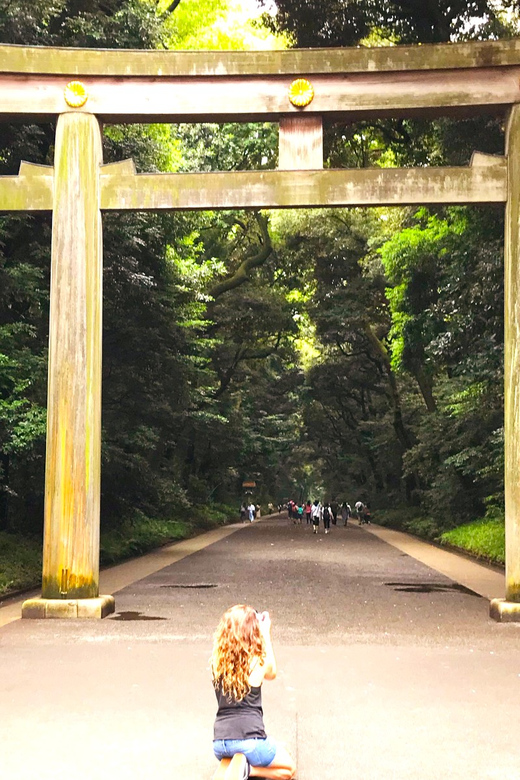
One reason this tour works well on a first day is that it includes an “insider’s manual” style approach. You learn practical tips about daily life, and you practice the etiquette that makes public transit less stressful.
Here are the rules that the tour is serious about:
- Bring a public transport ticket, plus a transport IC card (Suica, Pasmo, or Icoca) that is pre-charged
- Walk with the group and stay where your guide can see you
- No intoxication, and the tour notes no alcohol
- Wear comfortable shoes, since the walking load is heavy
- Late arrivals cannot join once the tour departs on time
This is not just “culture talk.” These are the mechanics that let you feel confident after the tour ends. If you leave the day knowing what to do at station gates and how to handle crowded sidewalks, you will spend the rest of your Tokyo days with less stress.
From Meiji Jingu to Harajuku: Start With Nature, Then Youth Culture
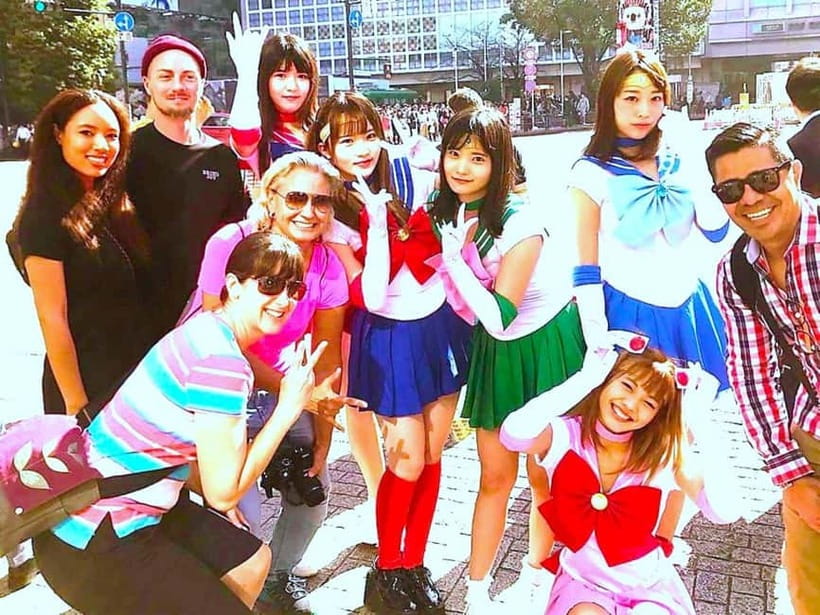
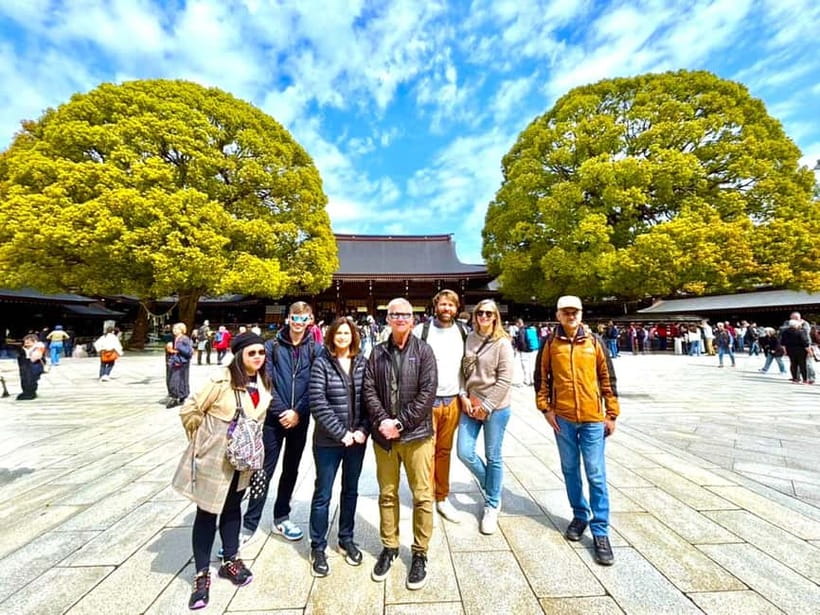
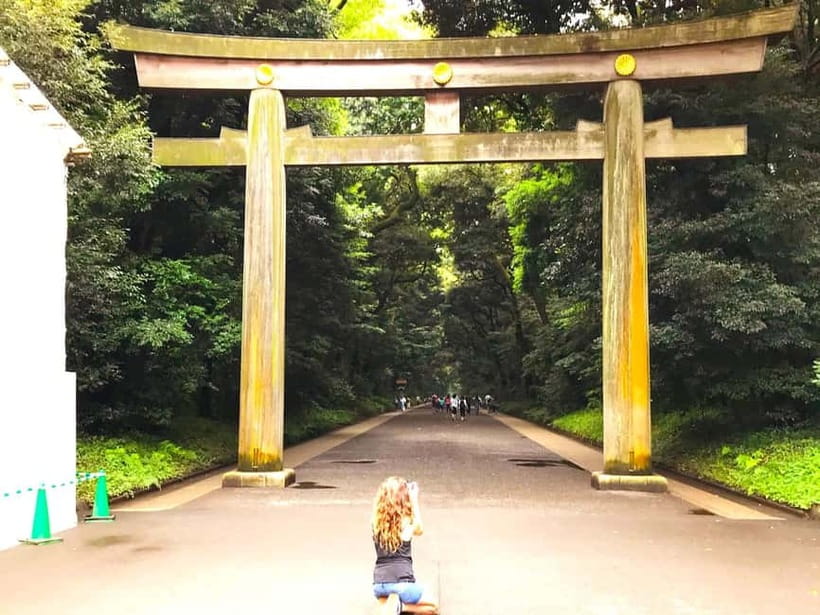
You begin at JR Yoyogi Station, then head to Meiji Jingu Shrine for about 30 minutes. Even with limited time, this stop helps you reset your brain. The grounds are described as a serene forest oasis in the middle of Tokyo. For first-timers, that contrast is powerful: you go from modern rail-and-street energy into a calmer, more traditional space.
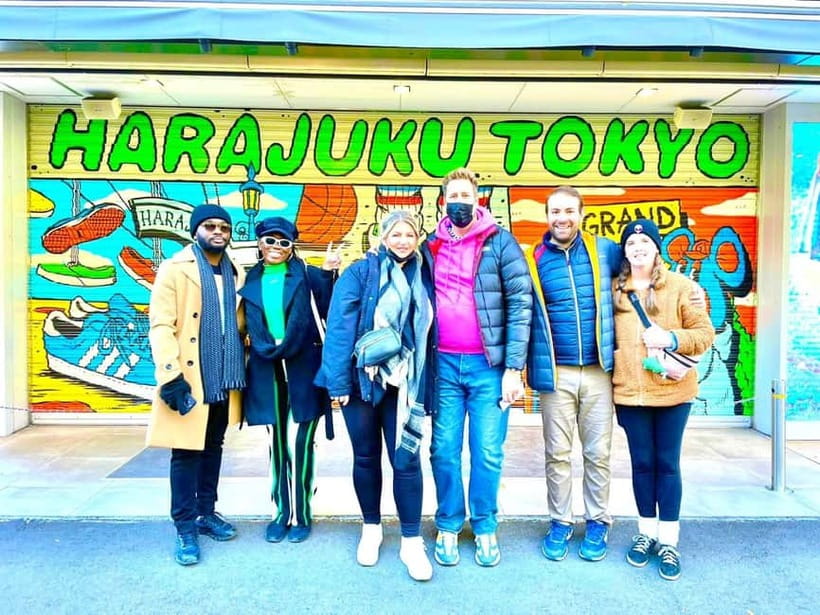
Next comes Harajuku Fashion Street for around 30 minutes. This is where Tokyo shows its playful side. Expect youth fashion, “kawaii” style energy, and street food culture in the mix. The time box is short, so I’d use it like this: pick one main lane to explore, then step into side streets only when you see something you actually want to photograph or try.
One consideration: Harajuku is famous for being busy and trend-driven. That means it can feel chaotic fast. If you are sensitive to crowds, treat this as a quick orientation stop, not a deep shopping marathon.
Shibuya Icons: Hachiko and the Scramble Crossing Photo Moment
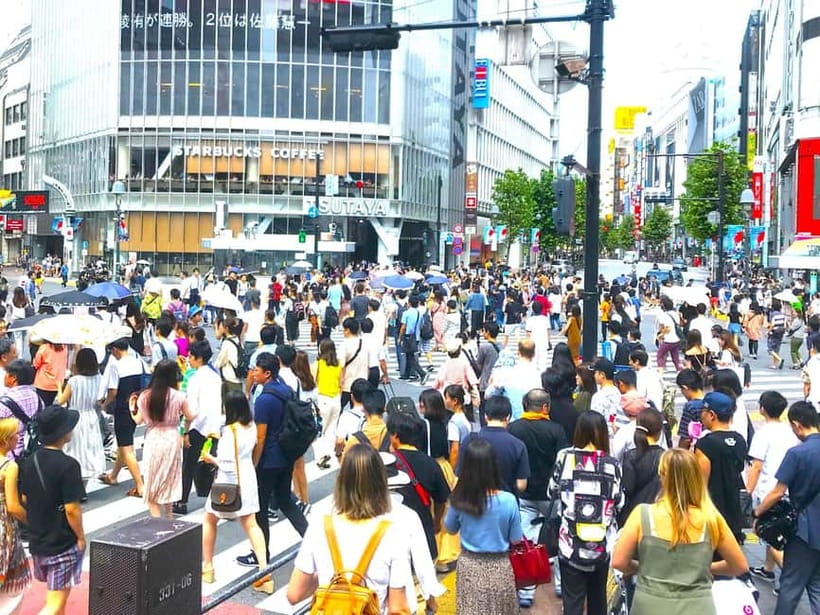
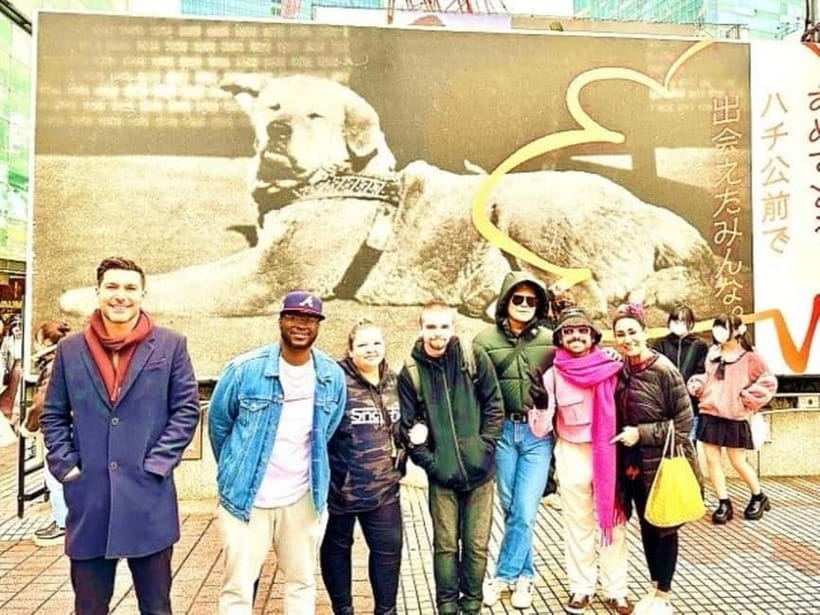
After Harajuku, you hit Hachikō Statue for about 10 minutes. This is one of those stops that feels small but matters because it tells a story tied to loyalty and Japanese pop culture. It is short by design, so you can move on without burning your energy.
Then it is Shibuya Scramble Crossing, again around 10 minutes. This is the signature “Tokyo moment” for many visitors, and the tour gives it a tight window. That is good, because if you try to linger too long, you lose time you need for places you might not see later.
If you want photos, arrive ready:
- Wear shoes you can stand in
- Keep your phone accessible
- Watch for where you can move to without blocking pedestrians
The only drawback here is time pressure. Ten minutes goes fast when the street is full. Focus on getting the shot and moving.
Tsukiji Hongan-ji Temple and Outer Market: Architecture Meets Japan’s Kitchen
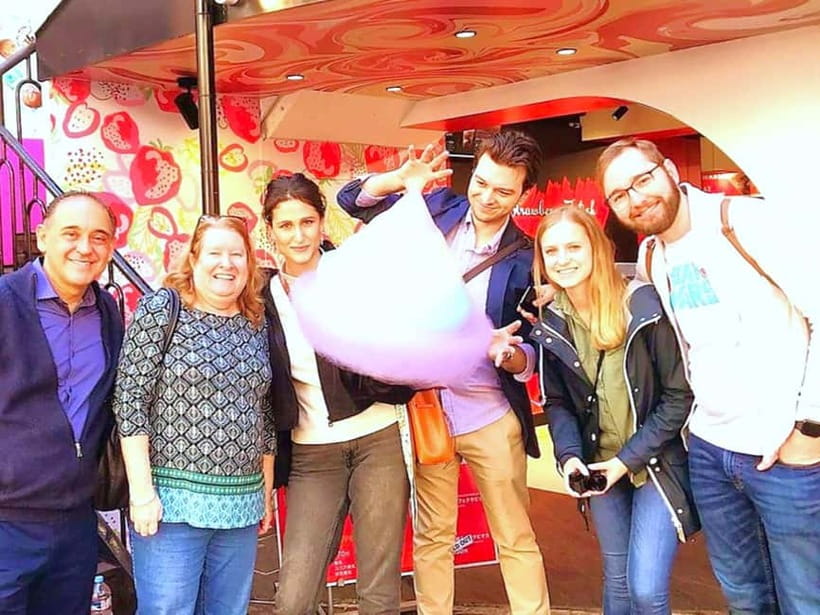
Then the tour moves into a different Tokyo mood: Tsukiji Hongan-ji Temple for about 30 minutes. The description calls out Indian-inspired architecture and stained glass. Even if you only get a quick look, this stop adds variety. It is not just “temple photos,” it is a reminder that Tokyo’s religious and design influences are layered.
After that, you get Tsukiji Outer Market for 1.5 hours. This is a foodie-heavy segment and a major reason to do the tour. The market is framed as Japan’s Kitchen, with fresh seafood and delicacies. Even if you do not plan to make it a full tasting day, you can still treat it like a sensory scouting mission: note what looks best, check where people are buying, and decide what you want for your own future visit.
Food note that affects your planning: the tour includes lunch at Tsukiji as part of what you pay for yourself, and it also states vegetarian and vegan options are always available. That’s helpful, but it still means meals are not included in the tour price.
If you are budgeting, this is also where you might spend the most. Decide early what you want to eat, rather than hopping from stall to stall while everyone moves quickly.
Imperial Palace Grounds, Marunouchi, and Tokyo Station: Edo Heritage in Modern Dress
Next comes a transition to Tokyo’s grand civic core. You visit the Imperial Palace area for about 15 minutes, described as walking the grounds of the former Edo Castle and seeing majestic stone walls. Even in a short time, this gives you a sense of Tokyo’s “power and history” axis.
Then you move through Marunouchi and Tokyo Station Square for about 15 minutes each. Marunouchi is a more polished urban stroll where sleek buildings meet imperial heritage. Tokyo Station is the red-brick landmark you see on postcards, and the tour uses it as a classic photo and orientation point.
This part can be a little less hands-on than the markets and street scenes. If you love architecture and city design, it will click. If you prefer food or shopping, treat this as a breather. It is still worth it because Tokyo Station is a major transit hub, and seeing it in daylight helps you understand your future routes.
Akihabara and Ueno Park: Anime Energy Meets Art and Samurai Stories
After a metro/train hop, you reach Akihabara for around 30 minutes. The tour frames it as a neon paradise for anime, gaming, and Japanese pop culture. This is a great stop if you want to feel Tokyo’s pop culture heartbeat. The time is short, so pick one or two things to focus on, like a specific kind of shop or a single street to explore carefully.
Then you go to Ueno Park for about 30 minutes, described as a forest of art with world-class museums and samurai history. Even if you do not enter any museums in that time, the value is the context. Ueno is a different kind of Tokyo walk, calmer and green, with historical depth.
If your schedule is tight, Ueno can be a “window shopping” park stop. You’ll get enough to understand the area, but you might still want to return later if you love museums.
Ameyoko Street and Sensō-ji: From Market Energy to Temple Calm
Now you head into one of Tokyo’s most memorable commercial streets: Ameyoko Street (Ameya-Yokocho) for about 15 minutes. The tour describes it as a bustling market with gritty energy and local street food. This is where the day turns more sensory and less formal. Expect smells, snack options, and the feeling of Tokyo living right in front of you.
Then it is Sensō-ji Temple for about 30 minutes. This is Tokyo’s oldest temple and it sits in the spiritual heart of old Asakusa. The stop is longer than some others because it needs time for you to actually notice details, not just pose and move on.
Finally, you finish with Asakusa Shrine for about 10 minutes, a peaceful Shinto gem within the Sensō-ji grounds. The tour’s finish point is Asakusa Shrine, which is smart because it gives you a recognizable end area you can navigate afterward.
The Izakaya Celebration Stop: What to Ask Your Guide
The tour description includes a goal celebration party at an Izakaya. However, the provided day flow ends at Asakusa Shrine. So, here is what I suggest: ask your guide early whether that izakaya celebration is scheduled on your specific day, or if it is an optional add-on timing-wise.
Either way, your food and drinks are not included. You will be deciding your own budget for lunch, snacks, and dinner. The good news is that vegetarian and vegan options are always available, so you should not feel locked out even if you do not eat meat.
Where This Tour Fits Best (and Where It Might Not)
This is best for you if:
- You are in Tokyo for a short time and want a strong “first-day map”
- You like walking through neighborhoods and want a guide to manage train hops and timing
- You care about learning practical etiquette, not just looking at famous sights
- You want a small-group experience limited to 7 people
It is not ideal if:
- You have mobility issues or back problems, since it is not listed as suitable
- You are pregnant, since the tour states it is not for pregnant guests
- You use a wheelchair, since wheelchair users are not suitable
- You are under 13 years old, since the tour sets an age limit
- You have low fitness, or you are currently sick with a cold
Also, the tour is clear that you should plan to walk a lot and avoid high-heeled shoes and oversize luggage. If you show up with heavy baggage, your day will slow down fast.
Should You Book This Tokyo Full Course Tour?
I’d book it if you want an organized first-day hit list that still includes real Tokyo texture. The biggest reasons are the value levers: a small group, an English local guide, and a route where attractions are free to enter. Then add the practical training on metro behavior and everyday etiquette, and you get something that lasts beyond your day.
Skip it if you cannot handle long walking days or if you need a low-movement tour. The pacing is meant to be efficient, and the operator expects punctuality and full group attention. If that sounds stressful, you might prefer a slower, more flexible format.
If you are excited by a tight loop through Meiji Jingu, Harajuku, Shibuya, Tsukiji, Tokyo Station area, Akihabara, Ueno, and Asakusa, this tour is a strong use of time.
FAQ
Where do I meet the guide?
You meet at JR Yoyogi station, West exit, outside the ticket gate. The address provided is 1-chōme-34 Yoyogi, Shibuya City, Tokyo 151-0053.
How long is the tour?
The duration is 10 hours.
What is included in the price?
The price includes the professional guide fee and all taxes.
Are entrance fees included?
The tour states that all attractions on this route are free to enter.
Do I need to pay for metro or train rides during the tour?
Yes. Transportation fares are not included, and the tour notes about 1,500 JPY (about 10 USD) for metro and JR trains.
Is lunch or dinner included?
Food and drinks are not included. Lunch at Tsukiji, snacks, and dinner at the Izakaya celebration are listed as not included.
Do they offer vegetarian or vegan options?
Vegetarian and vegan options are stated to be always available.
What should I bring, and what should I avoid?
Bring comfortable shoes, cash (JPY), and a transport IC card (Suica, Pasmo, or Icoca). Avoid high-heeled shoes and oversize luggage, and note that intoxication is not allowed.
Can I cancel for a full refund?
Yes. The tour offers free cancellation up to 7 days in advance for a full refund.
If you want, tell me your travel dates and what you care about most (food, temples, anime, history), and I can help you choose whether this route matches your pace.
Newest Tokyo write-ups from the Loving Japan desk






Tours, side by side.
 ★ 5.0Mt Fuji and Hakone 1-Day Bus Tour Return by Bullet TrainFrom $16326,383 reviews
 ★ 5.01-Day Tokyo Bus TourFrom $12914,250 reviews
 ★ 5.0PERFECT KYOTO 1-Day Bus TourFrom $12913,518 reviews
 ★ 5.0Shinjuku Food Tour (13 Dishes at 4 Local Eateries)From $866,603 reviews
 ★ 5.0Peaceful Hiroshima & Miyajima UNESCO 1 Day Bus TourFrom $1295,309 reviews
 ★ 4.4Tokyo Mt Fuji 5th St & Hakone Cruise Bus Tour w/Bullet TrainFrom $1545,024 reviews
 ★ 5.0Flagship 2-Hours Official Street Go-Kart Tour – Tokyo Bay ShopFrom $644,974 reviews
 ★ 4.8Fushimi Inari, Kinkakuji, Bamboo Grove 1 Day Bus TourFrom $1224,316 reviews