
REVIEW · MOUNT FUJI DAY TRIPS
Tokyo: Mt. Fuji, Owakudani, Hakone Shrine, & Open-Air Museum
That first steam smell changes your day.
This one-day Hakone escape from Tokyo is built around Hakone Open-Air Museum art outdoors and the Owakudani volcanic valley up close, with Lake Ashi and the famous torii at Hakone Shrine as the calm payoff. I also like that the tour keeps you moving with a guide who helps with timing, even when weather and crowds make plans wobble. A possible drawback is that you are trading flexibility for structure, so if you want to wander at your own pace all day, you may feel a bit scheduled.
What makes it work is the way the stops line up: big visual hits in the morning, a sensory volcanic detour, then quieter scenery for photos and a breather. In practice, guides such as Icchi, Yuichi, and Juna have been noted for being attentive, safe drivers in tough rain, and willing to shuffle the order when it helps you see more (like arranging an early window at Lake Ashi). Just know your view of Mount Fuji can depend on the sky, and the optional extras like the ropeway or pirate ship are subject to weather and local conditions.
In This Review
- Key Takeaways Before You Go
- Why This Hakone Day Tour Works From Tokyo
- Hakone Open-Air Museum, Big Outdoor Art Without the Fuss
- Owakudani Volcanic Valley, Steam Vents and Real Geology
- Hakone Shrine on Lake Ashi, The Torii Gate in the Water
- When Mount Fuji Is Cloudy, The Tour Still Delivers
- Price and Logistics, Is $79 a Good Deal?
- What to Bring for a Comfortable Day
- Should You Book This Hakone Day Trip?
- FAQ
- What is included in the tour?
- Are meals included?
- Is the Ropeway ticket included?
- Can I take the Pirate Ship on Lake Ashi?
- What should I bring?
- How long is the tour likely to run?
Key Takeaways Before You Go
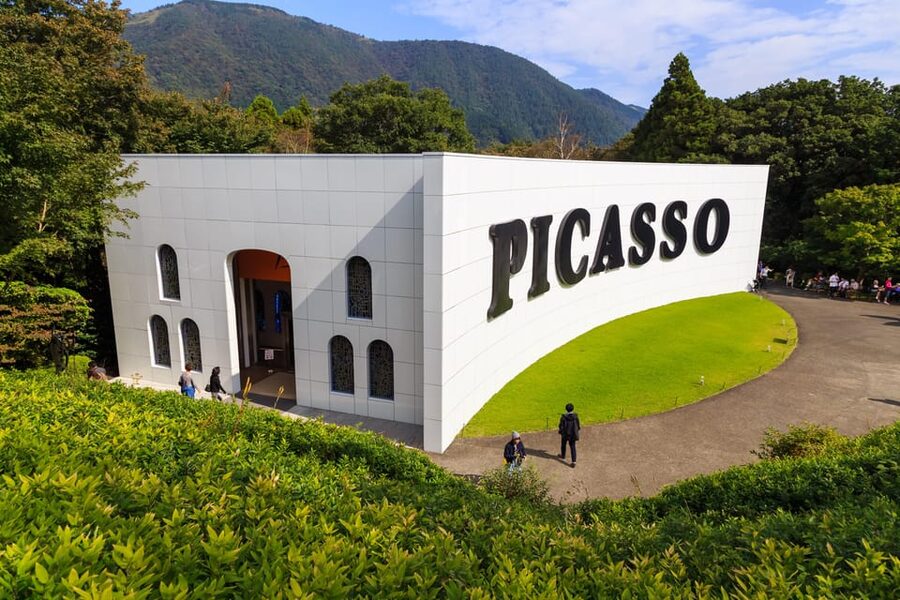
- Hakone Open-Air Museum is the art warm-up with Henry Moore, Joan Miró, and a Picasso section, all set in gardens and open installations.
- Owakudani is the sensory highlight, where you see active volcanic features and the geothermal vibe you came for.
- Lake Ashi and Hakone Shrine are your photo reset, with a torii gate in the water at the shrine’s lakeside setting.
- Optional ropeway and pirate ship depend on conditions, and your guide will help you decide on the day.
- Your itinerary may shift for crowds or weather, and guides have been known to reorder stops to improve your odds for Fuji views.
- It is a value play for time, because you get transport, tickets, and a plan without stitching together buses and trains yourself.
Indoors instead? Galleries and light rooms we visited
- Tokyo: teamLab Planets TOKYO Digital Art Museum Entry Ticket
★ 4.6 · 9,779 reviews - Tokyo: Samurai Ninja Museum Guided tour and Experience
★ 4.6 · 1,010 reviews - Ninja Experience (Family Friendly) at Samurai Ninja Museum TOKYO
★ 5.0 · 441 reviews - Tokyo Studio Ghibli Museum and Ghibli Film Appreciation Tour
★ 4.5 · 421 reviews
Why This Hakone Day Tour Works From Tokyo
Hakone is one of those places where one day feels both short and perfect. You get a mix of famous sights that are hard to line up cleanly on your own, and the tour does the heavy lifting on routing and timing. The price is set at $79 per person, which is not cheap for a day trip, but it covers transportation, admissions, and a guide to smooth out the logistics.
The most practical benefit is that you are not spending your whole day figuring out connections. You also avoid the stress of deciding, then backtracking, when traffic surges or clouds roll in. I like that the tour is designed for a straightforward loop, and it returns you back to the meeting point at the end.
One more real-world detail matters in Japan: vehicles cannot operate more than 10 hours under Japanese law. In plain terms, the schedule is built with a time cap, so the guide can adjust the order based on traffic and weather so you still hit the core stops.
Hakone Open-Air Museum, Big Outdoor Art Without the Fuss
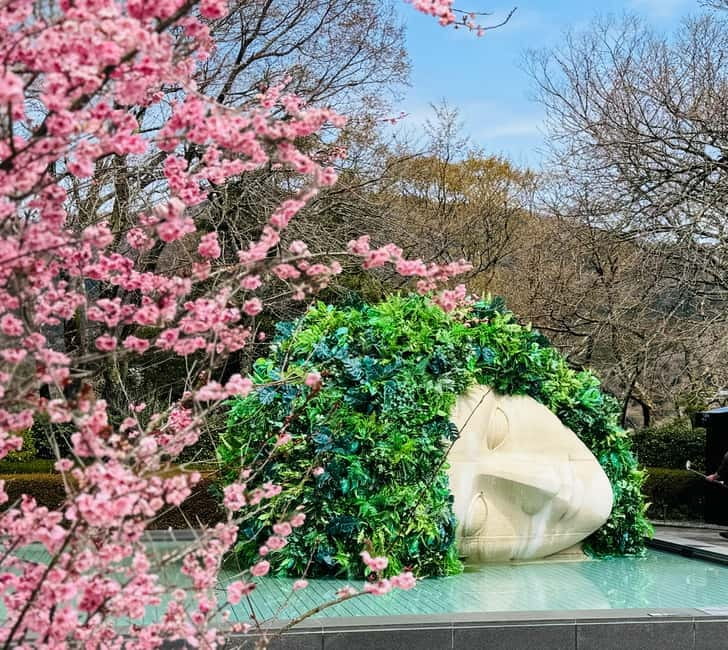
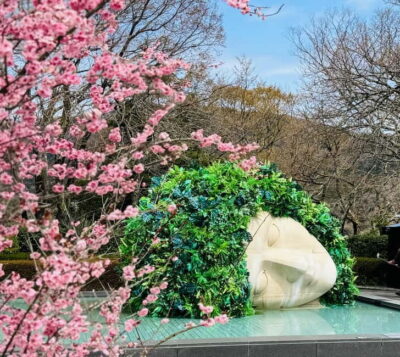
The day starts with the Hakone Open-Air Museum, and that is a smart move. It is easier to enjoy the outdoor exhibits when you are fresh, plus the museum grounds naturally give you space to slow down. This is Japan’s first open-air art museum, and you are not looking at a room full of paintings under fluorescent lights. Instead, the sculptures sit in landscaped gardens and open-air settings where the environment becomes part of the experience.
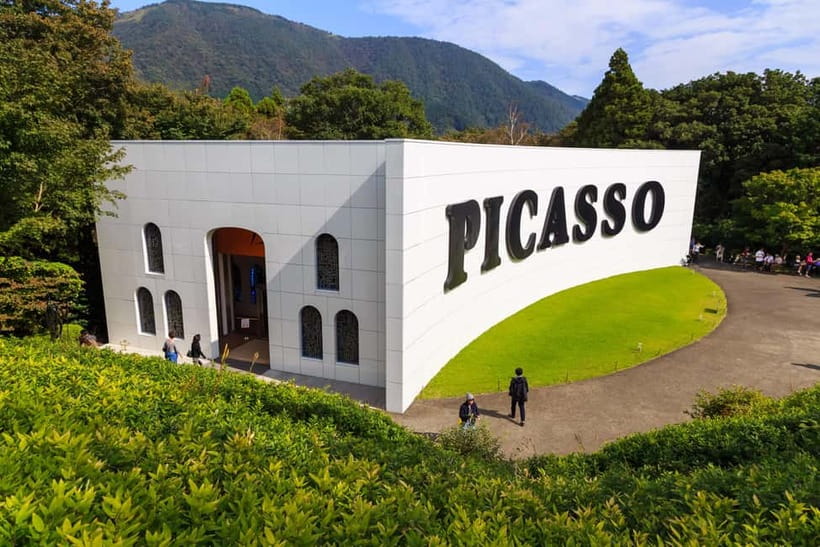
You’ll see works by major names like Henry Moore and Joan Miró, plus a Picasso gallery area. You also get interactive installations, which helps when you want more than just a photo stop. If your travel style is part art, part scenery, this is a nice balance because you are not forced to choose one all day.
The museum can also be a “weather buffer.” If the skies are gloomy, the sculptures still work. If it clears, you may get the extra thrill of Mount Fuji in the distance from other parts of the route, since Hakone is where Fuji often tries to show itself.
A small consideration: outdoor exhibits mean your comfort depends on the day’s conditions. Wear shoes that handle walking and shifting terrain, and bring a light layer if you tend to get cold in cooler weather.
Owakudani Volcanic Valley, Steam Vents and Real Geology
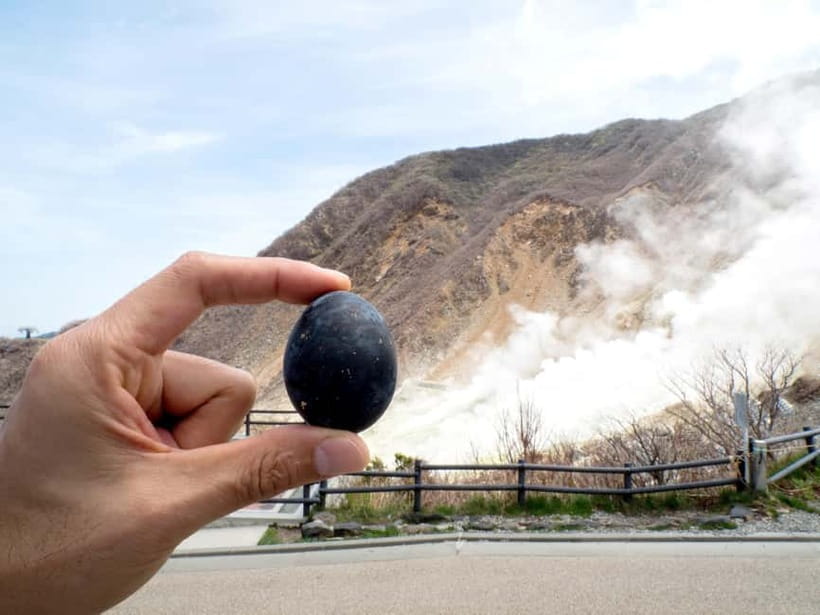
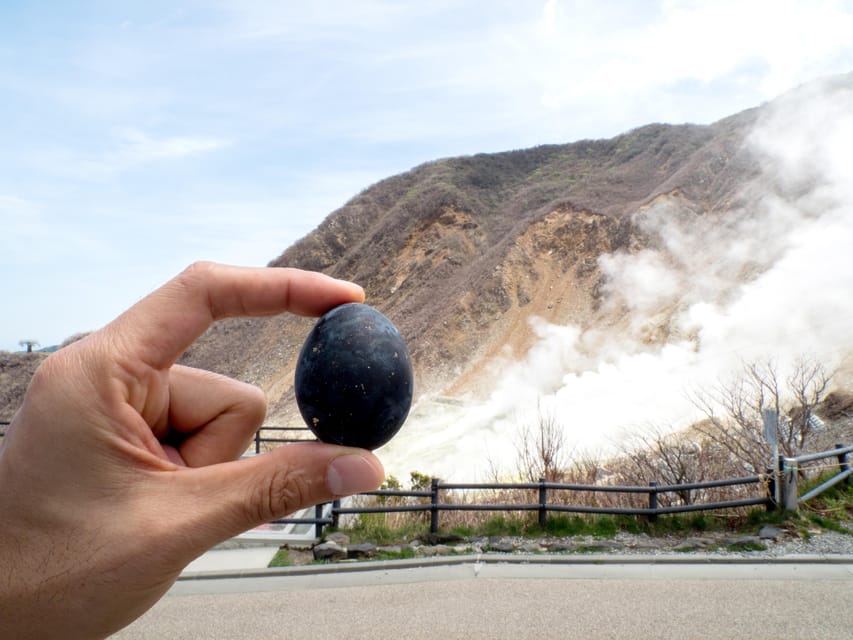
Next comes Owakudani, the part of Hakone that tells you what the region is really about. This active volcanic valley is famous for sulfuric springs and dramatic geological features, and the experience is built around seeing volcanic activity rather than just reading about it.
I like Owakudani because it feels sensory. It is not subtle. You’ll notice the geothermal atmosphere, and the visuals of steam and sulfur-related activity make the science feel immediate. Even if you have visited other volcanic sites, Owakudani tends to hit differently because you are right in the valley where the activity is visible.
A drawback to keep in mind is that weather matters here. Rain or low visibility can change what you can see and how comfortable you feel walking around. That said, having a guide helps because they can keep the day on track even if conditions slow the experience down.
There is also a practical reason to enjoy Owakudani as a group stop: it sits in a route where timing can get complicated. The tour’s transport plan helps you reach it without turning the day into a logistics puzzle.
Fuji from Tokyo: the other approaches
- Mt Fuji and Hakone 1-Day Bus Tour Return by Bullet Train★ 5.0 · 26,383 reviews
- Mt Fuji & Hakone Cruise, Drum Show Bullet Train 1 Day from Tokyo★ 4.0 · 7,413 reviews
- Tokyo Mt Fuji 5th St & Hakone Cruise Bus Tour w/Bullet Train★ 4.4 · 5,024 reviews
- From Tokyo: Mount Fuji Full-Day Sightseeing Trip★ 4.5 · 4,970 reviews
- Tokyo: Mt. Fuji Tour, Hakone Ropeway, Owakudani, Lake Ashi★ 4.7 · 4,002 reviews
Hakone Shrine on Lake Ashi, The Torii Gate in the Water
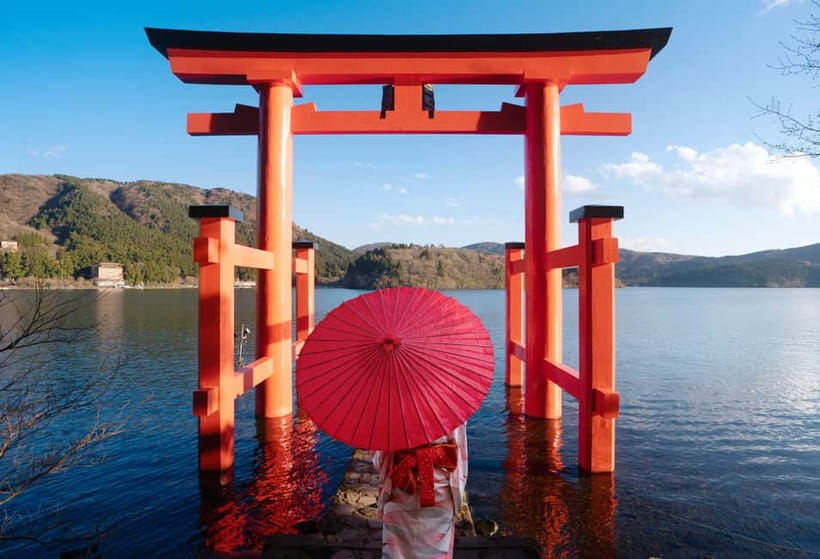
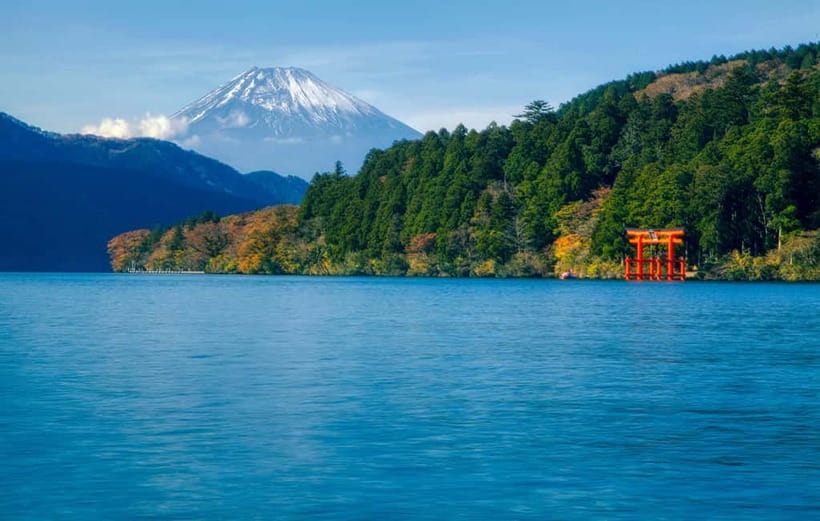
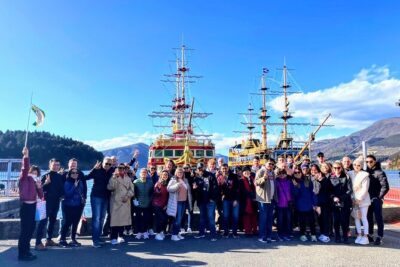
After the volcanic stop, the day shifts from action to calm. The Hakone Shrine lakeside setting at Lake Ashi is known for its iconic torii gate standing in the waters, and it is one of the most recognizable images from this part of Japan. This is the moment when you get a breather, stretch your legs on a more scenic promenade, and reset your eyes.
If the sky cooperates, Lake Ashi is also where the Fuji story can come alive. One guide, Yuichi, was specifically mentioned for changing the order so the group arrived early at Hakone Shrine and Lake Ashi, which improved the odds of seeing Mount Fuji. When you travel in peak seasons or the weather is changeable, this kind of timing can be the difference between a rushed snapshot and a genuinely satisfying view.
A useful on-the-ground tip: at the shrine area, bring a bottle so you can fill up with mineral water. Another helpful detail is the small offering practice, with 5 yen described as especially auspicious by one guide. These are small things, but they help you feel connected to the place, not just passing through it.
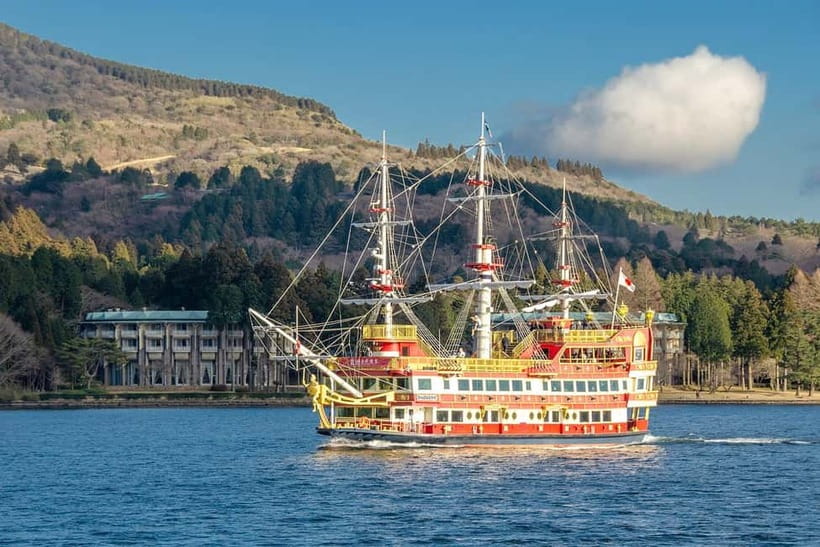
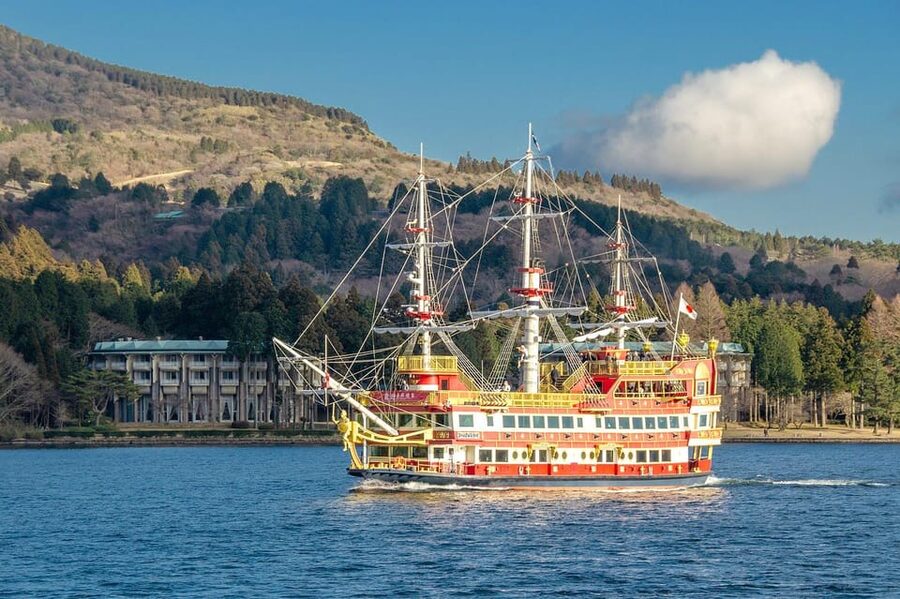
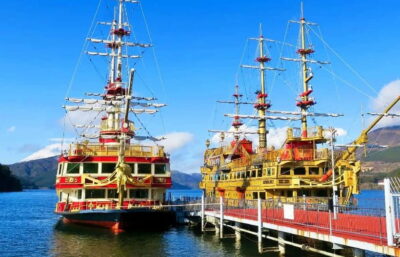
Optional add-ons can play into this stop too. Depending on conditions, you might be able to join a boat crossing on the lake (pirate ship) or take a ropeway segment. The guide helps with the call on-site, so you are not stuck making decisions blind.
When Mount Fuji Is Cloudy, The Tour Still Delivers
Hakone is famous, but Fuji is not guaranteed. That is reality. On a cloudy or rainy day, you may not get the views you hoped for, and the tour has no control over the weather.
What I like here is that the day still has three strong pillars that work even without clear Fuji: museum art, volcanic visuals, and the shrine torii over Lake Ashi. You are not betting the whole day on one skyline moment.
There is even a small consolation detail mentioned by one group: a Mt Fuji origami keepsake handed at the end of the day. It is not the same as seeing Fuji in the distance, but it helps make the trip feel complete, especially on days when the mountain hides.
If your priority is maximizing Fuji odds, plan to be flexible about timing and ready for itinerary shifts. Guides have been noted for rearranging stops based on real-time conditions, including arriving earlier when crowds and visibility would otherwise limit your experience.
Price and Logistics, Is $79 a Good Deal?
Let’s talk value, because $79 can sound either fair or high depending on how you compare.
Here, your ticket price covers transportation, an English and Korean-speaking guide, and admission tickets. Meals are not included, so you should plan to snack or do a light lunch yourself. One practical suggestion that comes up often is to bring a few snacks because you will want energy for walking, and you might appreciate something quick between stops.
You also get a structured plan that helps avoid transit headaches. One group specifically noted that taking the tour saved a lot of time compared to getting to Hakone by car or dealing with a confusing transit route. That matches what I’d expect: Hakone can be a bit of a puzzle, and spending money to remove friction is often worth it on a tight schedule.
A consideration on logistics: your itinerary order can reverse in peak season due to heavy traffic. The guide may also adjust the itinerary due to traffic and weather. That is not a problem, as long as you stay flexible about when each stop happens. If you are the type who hates plan changes, keep your expectations grounded.
What to Bring for a Comfortable Day
This is a walking day dressed up as a sightseeing loop. Your two biggest needs are comfort and flexibility.
Bring:
- Comfortable shoes with grip.
- A bottle if you want mineral water at the shrine area.
- Snacks or a light lunch, since meals are not included.
- A small layer in case the weather swings, since it is an outdoor-heavy day.
If you are traveling with a stroller, you should inform the operator ahead of time. The tour data also notes that an infant is free of charge, but there is no seat.
One more small mindset tip: start the day thinking in terms of segments. Museum first, volcano second, lake and shrine last. When you treat it like a sequence instead of a single long grind, the pace feels easier and your photos come out better.
Should You Book This Hakone Day Trip?
If you want a clean, time-efficient introduction to Hakone, I’d say yes. This tour makes sense if you like hitting multiple top sights in one day without sorting transportation yourself, and if you appreciate both art and nature. It also fits well if you value a guide who can keep the day safe and organized, with flexibility built in for weather and traffic.
I would only hesitate if you strongly prefer solo wandering with minimal structure. You are still free to explore within each stop, but you are trading some independence for the smoother route and included admissions.
If your goal is to see Hakone Open-Air Museum, experience Owakudani’s volcanic atmosphere, and finish at Hakone Shrine on Lake Ashi with the torii in the water, this is a solid way to do it. The $79 price is easiest to justify when you add up transport time saved and the admissions handled for you.
FAQ
What is included in the tour?
The tour includes transportation, an English and Korean-speaking guide, and admission tickets.
Are meals included?
No. Meals are not included, so you should plan to bring snacks or a light lunch to enjoy at the attraction sites or in the bus.
Is the Ropeway ticket included?
No. The Hakone Ropeway ticket is optional and not included, and you can purchase it on-site depending on weather and local conditions.
Can I take the Pirate Ship on Lake Ashi?
Yes, the Pirate Ship option may be available depending on weather and local conditions. The ticket is optional and purchased on-site, and your guide can help you with the decision.
What should I bring?
Wear comfortable shoes. It is also recommended to bring snacks or a light lunch, and some people bring a bottle to fill mineral water at the shrine area.
How long is the tour likely to run?
The schedule is built around the fact that vehicles cannot operate for more than 10 hours under Japanese law. The guide may adjust the itinerary based on real-time traffic and weather.
Mount Fuji, Three More Ways
Tokyo Indoors: Galleries and Light Rooms


Newest Tokyo write-ups from the Loving Japan desk



Mount Fuji Day Trips, side by side.
 ★ 5.0Mt Fuji and Hakone 1-Day Bus Tour Return by Bullet TrainFrom $16326,383 reviews
 ★ 4.0Mt Fuji & Hakone Cruise, Drum Show Bullet Train 1 Day from TokyoFrom $1497,413 reviews
 ★ 4.4Tokyo Mt Fuji 5th St & Hakone Cruise Bus Tour w/Bullet TrainFrom $1545,024 reviews
 ★ 4.5From Tokyo: Mount Fuji Full-Day Sightseeing TripFrom $684,970 reviews
 ★ 4.7Mt. Fuji Tour, Hakone Ropeway, Owakudani, Lake AshiFrom $544,002 reviews
 ★ 4.4Mt.Fuji,Kawaguchiko Oishi Park,Arakurayama Sengen ParkFrom $542,682 reviews
 ★ 4.2Mt. Fuji 5th Station & Hakone Cruise 1-Day Bus TourFrom $1292,381 reviews
 ★ 4.7Mt Fuji Top 5 Spots Day Tour: Arakurayama Park,Oshino HakkaiFrom $532,066 reviews