
REVIEW · TOKYO MUSEUMS, GALLERIES AND TEAMLAB
Tokyo Sword Experience – includes Museum Ticket/Ninja Experience
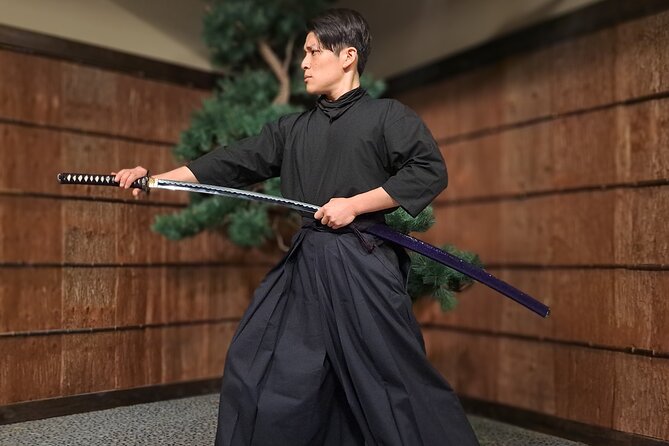
A sword class in Asakusa feels like theater with rules. You start in traditional hakama and move into hands-on sword practice led by instructors who focus on form and control, not cosplay. It also includes a museum ticket plus a fun add-on style ninja element, so you get more than just one skill lesson.
The main consideration is that this experience can run crowded in peak times, and participation in the cutting or katana portion may have age restrictions that surprise families. If you’re traveling with kids, I’d plan carefully and double-check what parts your group can join before you go.
In This Review
- Quick takeaways
- Entering the Samurai Ninja Museum in Asakusa
- Hakama dressing, poses, and getting into the right mindset
- Iaido techniques with a safe, controlled setup
- The dueling and kata moment, with instructors like Ryo-sensei
- Samurai and Ninja museum ticket, what you actually get
- Ninja stars and the costume area, fun extras and time traps
- Price and value for Tokyo Sword Experience at $84.23
- Group size, crowds, and why your timing can feel different
- Age rules and participation limits you should confirm
- Who this experience is best for (and when to pick something else)
- Should you book the Tokyo Sword Experience in Asakusa?
- FAQ
- Is this experience using a real sword?
- What is included in the Tokyo Sword Experience?
- Where do I meet and where does it end?
- How long does it take?
- Are there age limits?
- What fitness level do I need?
- Final decision
Quick takeaways
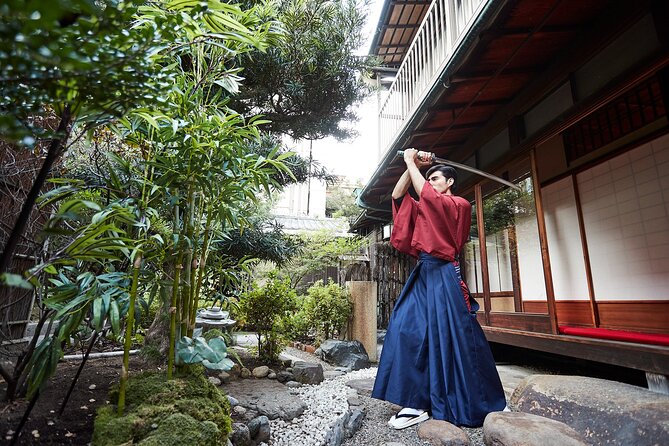
- Hakama first: you don’t just watch, you dress the part from the start.
- Iaido basics with coaching: instruction emphasizes stance, grip, and safe movement.
- Safe replica dueling: kata and partner practice builds confidence fast.
- Museum ticket included: you get the samurai and ninja museum time without paying extra.
- Ninja stars and extras can add time: you can opt into more activities, so plan for a flexible schedule.
Indoors instead? Galleries and light rooms we visited
- Tokyo: teamLab Planets TOKYO Digital Art Museum Entry Ticket
★ 4.6 · 9,779 reviews - Tokyo: Samurai Ninja Museum Guided tour and Experience
★ 4.6 · 1,010 reviews - Ninja Experience (Family Friendly) at Samurai Ninja Museum TOKYO
★ 5.0 · 441 reviews - Tokyo Studio Ghibli Museum and Ghibli Film Appreciation Tour
★ 4.5 · 421 reviews
Entering the Samurai Ninja Museum in Asakusa
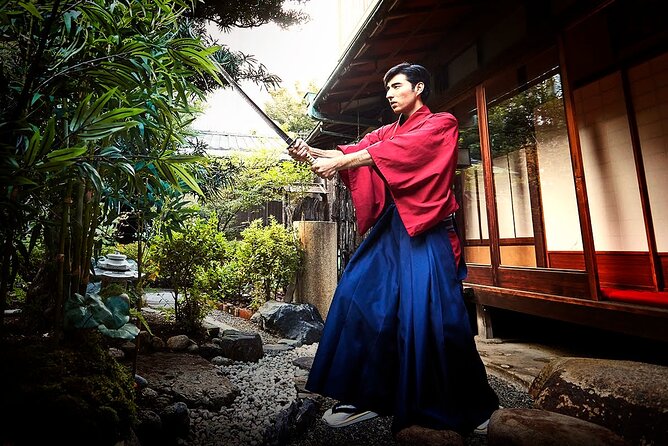
Your experience starts at the Samurai Ninja Museum in Asakusa (1-chōme-8-13 Nishiasakusa, Taito City). The big practical win here is that everything happens in one tight area. You’re not bouncing across town, and you don’t have to stitch together multiple tickets.
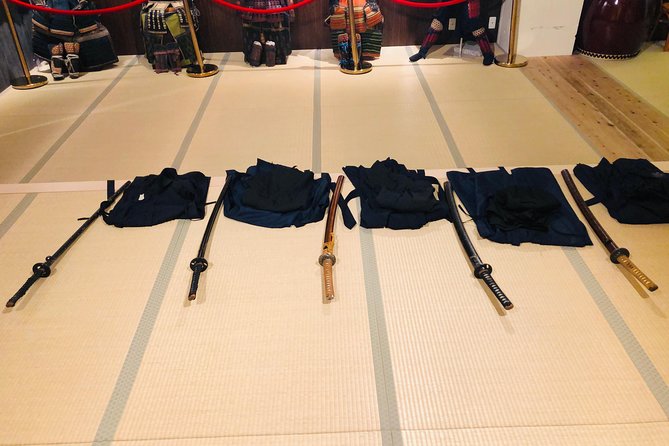
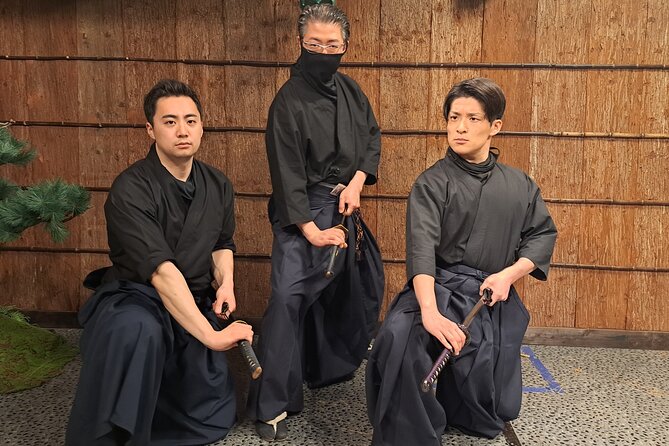
Once you arrive, you’ll be directed into the samurai-themed setup. The experience is built around the idea that you should feel like you belong in the story. That starts with getting dressed in a hakama, plus photo moments in front of samurai-styled backgrounds and studio areas. It’s a theatrical start, but it matters because it shapes how you move during the lesson.
A tip for your day: wear shoes that can handle some indoor-to-outdoor moving, and expect people flowing in and out. Even with a guided format, this is a popular venue area.
Hakama dressing, poses, and getting into the right mindset
This is not a “put on a costume and leave” situation. The hakama dressing is the first real step, and it sets expectations: you’re stepping into a training environment with safety rules and technique checks.
In the dressing and photo portion, staff members such as Leon are known for helping guests get suited up and capturing pictures. That’s useful because the outfit can be tricky at first. If you’ve never worn formal Japanese attire, you’ll likely appreciate the help getting it adjusted so you can move comfortably during the sword practice later.
What I like about this approach is that the experience treats you as a participant, not a spectator. You’ll feel the difference during training. When your clothing fits, your stance works better. And your instructor can focus on your hands and body instead of fixing basic discomfort.
One practical note: this is a busy venue. If your group is photo-heavy, consider doing posed shots early before the training crowd builds.
Iaido techniques with a safe, controlled setup
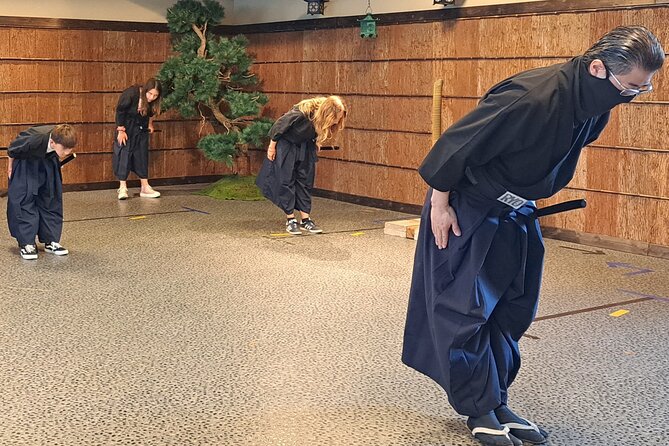
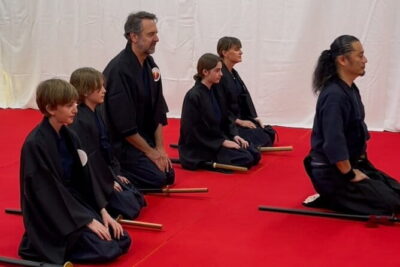
The heart of the experience is iaido training. That’s the “draw, cut, and return” style that emphasizes control and discipline. You won’t be sent into chaos. You’ll be coached step by step, with attention paid to your grip, posture, and the motion pattern that instructors want you to repeat.
Instead of a “learn one move and you’re done” lesson, the structure is designed to build. You start with fundamentals using a replica sword. Then you move toward basic kata-like sequences. The goal is not to make you a swordsman in one hour. It’s to give you the right feel for what serious technique looks like.
There’s also an important legal update you should know ahead of time: Japanese law bans facilitating or selling activities involving real swords. This activity is described as not involving a real sword or a sharp blade. So if you’re coming specifically for dangerous cutting action, adjust your expectations and focus on the safe practice element.
That said, you still get a real training vibe. Instructors are known for correcting your positioning, and the lesson often feels structured around safety and repetition, which is exactly how you want an experience like this to work.
Blade work and stagecraft, other sessions
- Tokyo: Samurai Sword & Archery Class from Samurai Descendant★ 5.0 · 603 reviews
- Best Samurai Experience in Tokyo★ 5.0 · 458 reviews
- Tokyo: Samurai Entertainment Night Show in Kanda Shrine★ 4.6 · 417 reviews
- Tokyo Sword Experience – includes Museum Ticket/Ninja Experience★ 5.0 · 314 reviews
- Samurai Ninja Museum Asakusa: Samurai Sword Lesson & Tour★ 4.8 · 306 reviews
The dueling and kata moment, with instructors like Ryo-sensei
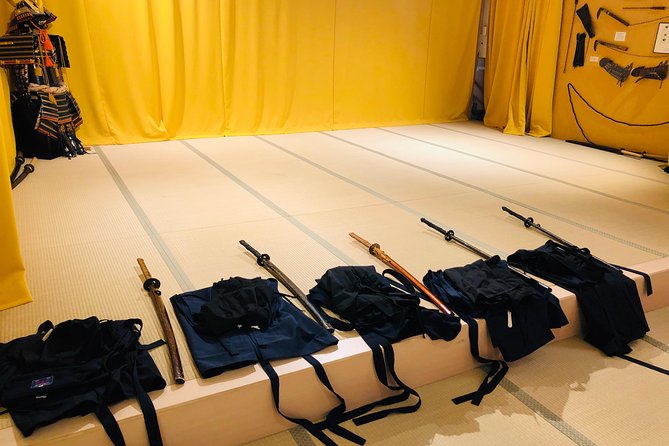
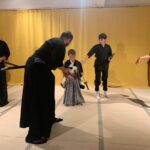
After the foundational iaido movements, the experience shifts into something more interactive. You’ll engage in partner practice or a simple sword fight format using safe equipment such as replica or foam-style swords, depending on the session. This is where the tone changes from “class” to “try it.”
Ryo-sensei is one instructor name that comes up often. Guests describe sessions where he teaches a kata and then organizes foam-sword fighting with a partner. That’s the kind of setup that helps you loosen up without losing control. You get a chance to apply what you practiced, and the rules keep the energy playful rather than risky.
Koki is another name strongly associated with performing and teaching samurai moves and participating in ninja-star throwing. In sessions with multiple instructors, the teaching roles can feel like a small team putting on a smooth production.
For your expectations, look for the coaching to feel firm. You’ll likely be told to adjust your timing or grip if you’re off. That’s not a drawback. It’s part of what makes this feel authentic. You’re not just mimicking motions, you’re learning why they matter.
Samurai and Ninja museum ticket, what you actually get
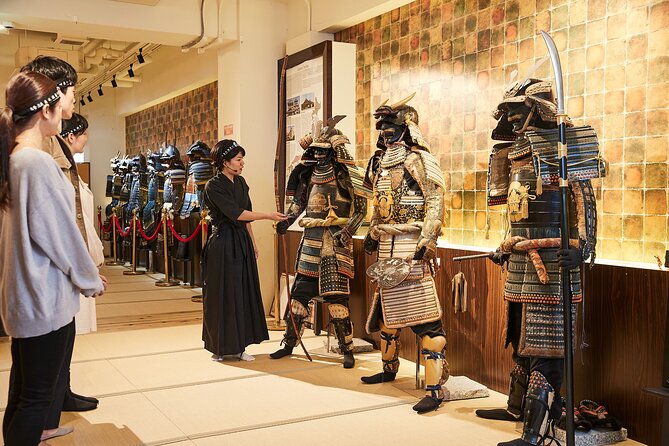
Included in the package is a free tour of the samurai and ninja museum from the tour guides. The museum itself is described as small, with multiple rooms, and the guides are known for making it entertaining rather than static.
What this means for you: the museum portion won’t be a slow “wander at your own pace for hours” visit. It’s guided, and you’re expected to listen. That’s great if you want context while you’re in the mood for training. It can be less ideal for young kids who get restless during talk-heavy segments.
The upside is that the museum supports the training experience. When you hear explanations about samurai discipline and technique, it connects directly back to the movements you’re doing with your replica sword. If you’re traveling with someone who loves history, that connection tends to be a highlight.
If you’re short on time, pay attention to how long you spend before the sword section begins. Some people miss portions when they move too quickly through the day, so it helps to treat this like a real appointment, not an optional add-on.
Ninja stars and the costume area, fun extras and time traps
On top of the sword lesson and museum tour, the experience includes ninja star throwing at plastic or polystyrene targets. Some guests call it a bit silly, but it still tends to land as a memorable activity because it’s quick, visual, and easy to do safely.
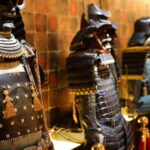
The costume portion is another extra. You may dress in a helmeted samurai style armor or costume using modern plastic components and clips. Some people found the costume less authentic than expected. Still, many felt it didn’t matter much because the sword class and instruction are the main event.
Here’s the real practical effect: these extras can affect timing. While the listing suggests a duration of about 1 hour 15 minutes, multiple factors can stretch it out. If you join the complimentary museum tour and the ninja-star activity, the day can easily run longer than the shortest estimate.
If you’re working around a tight itinerary in Asakusa, plan buffer time. Give yourself the option to do the core sword training and skip one extra if you need to move on.
Price and value for Tokyo Sword Experience at $84.23
At $84.23 per person, this sits in the mid-range for Japan experiences that blend performance, history, and a hands-on activity. The real question is value: what do you get for that price?
You’re not just paying for one short photo moment. You get:
- Hakama dressing and structured posing
- Iaido instruction with a replica sword
- Safe partner practice (often foam-style)
- A museum ticket plus a guided tour
- Ninja star throwing as an included extra
That bundle is why many people rate it highly for value. The training part is the “why,” and the museum ticket plus ninja element is the “why it feels like more than the sum of its parts.”
One thing to keep in mind: if you’re expecting multiple cutting attempts with real swords, this is not that. The law update and the listed note that real sword use is not included means your value comes from technique practice and safe performance, not from dangerous action.
Still, for many travelers, that’s exactly the point. You get to feel like a samurai while staying in a controlled, instructor-led environment.
Group size, crowds, and why your timing can feel different
Officially, the experience lists a maximum of 4 travelers. That’s great for focus. But the venue also can have additional participants depending on session flow and booking channels, and some guests report crowding that makes photos more difficult.
What I recommend: if you care about photos, arrive a little early and plan your shot plan. Don’t wait until right before the training area gets busy. Also, keep your expectations flexible. If your session has more people, your turn time may expand.
On duration, there’s a similar mismatch between what’s listed and what some visitors experience. Some sessions run as a tighter 1.5 hour block, while other experiences stretch closer to two hours when you include the free museum tour and the ninja star throwing. If the day is rainy or peak season, the session pace can shift.
The best way to manage it is to treat it as a single block you build around. Don’t schedule another “must-do” right after unless you’ve left time.
Age rules and participation limits you should confirm
There are clear age restrictions in the information you’re given: children under 6 cannot enter the samurai venue.
Beyond that, some families report that the katana cutting or specific cutting-part participation had age limits that were not fully clear at booking. One person described restrictions where only adults met the eligibility for the cutting portion. Another described teenagers being unable to participate in that part.
So here’s the practical advice: if you’re bringing children or teens, confirm which parts your age group can do. Ask specifically about participation in the cutting or katana portion before you assume everyone can join every segment. That single question can save a lot of disappointment.
Also keep the physical level in mind. The experience calls for a moderate physical fitness level. That doesn’t mean athletic. It means you should be comfortable standing, moving your arms, and holding technique positions long enough to learn and practice.
Who this experience is best for (and when to pick something else)
Tokyo Sword Experience is ideal if you want:
- A structured hands-on samurai skills lesson (not just a costume photo stop)
- A way to combine samurai history + ninja fun in one visit
- Guidance that cares about safety and form
- An experience led by instructors who teach with energy, including names like Ren (history), Koki (moves and ninja-star action), and Ryo-sensei (kata and practice)
It might be a weaker fit if:
- You want only the museum and hate talk-heavy guided segments
- You are extremely tight on time and can’t absorb possible crowd delays
- You are traveling with kids or teens and need everyone to participate in cutting segments
If you’re the type of traveler who likes short, focused “try it” workshops, this works well. If you want a long, slow cultural immersion walk through multiple temples, you may prefer a different day plan.
Should you book the Tokyo Sword Experience in Asakusa?
I’d book it if you’re excited by the mix of hijama-dressed training, instructor coaching, and safe practice that lets you play at being a samurai without pretending it’s a real combat movie.
Don’t book it expecting real sword danger or edge-based cutting. The experience is built around safe replicas and training setups, plus a museum and ninja extras that can add time.
Most importantly, if age matters for your group, confirm the participation rules for the cutting or katana portion before you go. With that sorted, this is a fun, well-loved Asakusa experience that gives you the feeling of serious technique, not just tourist theater.
FAQ
Is this experience using a real sword?
The provided information says the activity does not involve using a real sword or a sharp blade, and it follows a Japanese law update. You do sword practice with safe equipment such as replica swords.
What is included in the Tokyo Sword Experience?
It includes hakama dressing, posing with swords in themed areas, hands-on iaido techniques with instruction, safe sword-fight practice, and a free tour of the samurai and ninja museum, plus ninja-star throwing. A mobile ticket is included.
Where do I meet and where does it end?
You meet at Samurai Ninja Museum Asakusa Tokyo (1-chōme-8-13 Nishiasakusa, Taito City, Tokyo 111-0035, Japan). The experience ends back at the meeting point.
How long does it take?
The duration is listed at about 1 hour 15 minutes. Some parts of the experience include complimentary museum and ninja extras, so your total time may run longer depending on what you do during your session.
Are there age limits?
Children under 6 cannot enter the samurai venue. The cutting or katana portion may have additional age limits, so it’s worth confirming for your specific group before booking.
What fitness level do I need?
The experience calls for a moderate physical fitness level, since you’ll be standing and practicing controlled movements with the training equipment.
Final decision
If you want a hands-on samurai skills session in Asakusa, with history context and ninja-star fun in the same stop, this is a strong choice. Just confirm the age rules for any cutting or katana participation, and give yourself a little buffer time for museum and extra activities so the day stays fun instead of rushed.
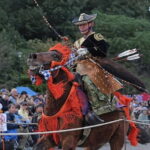
Blade Work and Stagecraft



Tokyo Indoors: Galleries and Light Rooms


Newest Tokyo write-ups from the Loving Japan desk



Tokyo Museums, Galleries and teamLab, side by side.
 ★ 4.6teamLab Planets TOKYO Digital Art Museum Entry TicketFrom $259,779 reviews
 ★ 4.5Osaka Castle: Museum and Tower Entry TicketFrom $72,380 reviews
 ★ 4.5teamLab Botanical Garden Entry TicketFrom $111,710 reviews
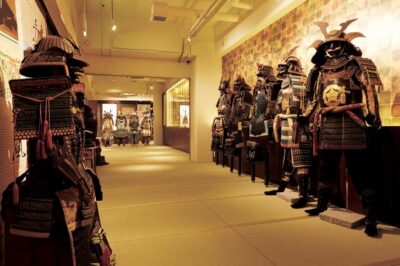 ★ 4.6Samurai Ninja Museum Guided tour and ExperienceFrom $271,010 reviews
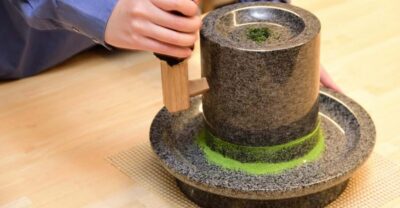 ★ 4.9Tea Museum Tickets and Matcha Grinding ExperienceFrom $23739 reviews
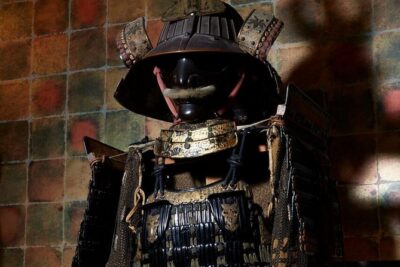 ★ 4.5Skip the lines Basic Ticket at SAMURAI NINJA MUSEUM KYOTOFrom $28632 reviews
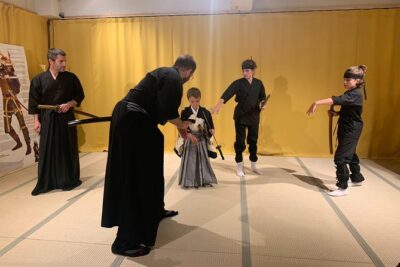 ★ 5.0Ninja Experience (Family Friendly) at Samurai Ninja Museum TOKYOFrom $47441 reviews
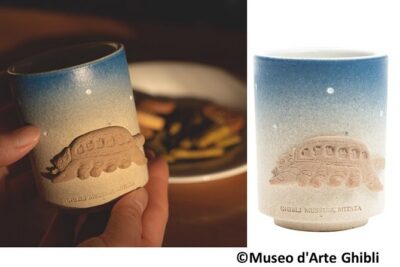 ★ 4.5Tokyo Studio Ghibli Museum and Ghibli Film Appreciation TourFrom $193421 reviews
Filed on these lists too