
REVIEW · PRIVATE
Tokyo : Must-see attractions private tour
Tokyo gets easier with one good guide. This private walking tour in Tokyo is interesting because you can shape the day around what you actually want, then get smart help from a guide who knows the area and can steer you toward the right next stop. I really like the customizable route, and I also love the kind of extra guidance that turns random sightseeing into a plan you can use the rest of your trip.
One possible drawback to think about: with a tour that can run from 2 to 8 hours and includes lots of walking, the pace can feel fast if you pack in too many areas. And if you want heavy historical context, it is worth making sure your guide knows that upfront, since the depth of cultural talk can vary.
In This Review
- Key reasons this private Tokyo walking tour works
- Private walking tour with hotel meetup, plus real guide time
- How your 2 to 8 hours turn into a custom Tokyo day
- What is included, and what that means for your day
- Tsukiji Outer Market and Senso-ji in Asakusa: food, rituals, and photo time
- Meiji Shrine and Ueno Park: a break from the noise, with context that sticks
- Akihabara and Ginza: tech culture meets serious etiquette
- Odaiba, Tokyo Skytree, and Roppongi Hills: skyline views with a plan
- What you are really paying for: guide time and smarter choices
- A realistic look at strengths and the one thing to manage
- Practical tips before you choose your stops
- Should you book this Tokyo private tour?
- FAQ
- How long is the Tokyo private tour?
- Where does the guide meet us?
- Is this a private group?
- What sights can the guide help you visit?
- What languages are available for the live guide?
- Does the tour include public transport?
- Is the tour wheelchair accessible?
- What is the cancellation policy?
- What is the price?
Key reasons this private Tokyo walking tour works
- Hotel meetup saves you time so your day starts moving right away.
- Customization beats cookie-cutter routes, letting you prioritize Temples, tech, shopping, or skyline views.
- Local etiquette tips are the secret sauce, like guidance on train manners and simple do and don’t rules for street behavior.
- You get practical navigation help, especially in dense areas where it is easy to lose time.
- Your guide can slow down when needed, helping you take photos and shop without feeling rushed through everything.
Still weighing up options in Tokyo? These are the ones our reviewers rated highest.
- Mt Fuji and Hakone 1-Day Bus Tour Return by Bullet Train
★ 5.0 · 26,383 reviews - 1-Day Tokyo Bus Tour
★ 5.0 · 14,250 reviews - Tokyo: teamLab Planets TOKYO Digital Art Museum Entry Ticket
★ 4.6 · 9,779 reviews - Mt Fuji & Hakone Cruise, Drum Show Bullet Train 1 Day from Tokyo
★ 4.0 · 7,413 reviews
Private walking tour with hotel meetup, plus real guide time
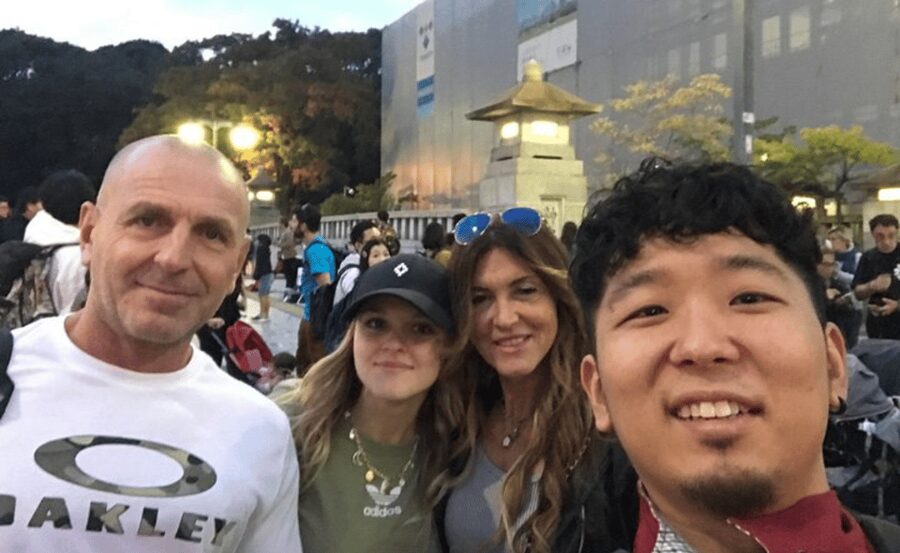
This is a private, on-foot Tokyo experience. That single detail matters more than it sounds, because Tokyo rewards smooth movement. You do not just show up at a place and hope you understand what you are seeing. You walk with someone who can point out what is going on, help you decide where to spend time, and keep the route efficient.
The setup is straightforward. The guide meets you at your hotel, and pickup is optional depending on what you choose. The tour is private, so it is not a group herded along in one big rhythm. You can ask questions as you go, which is where this tour often earns its value.
Another plus is the language lineup. The live guide is available in English, French, Italian, Spanish, Japanese, Chinese, and Traditional Chinese. If you are comfortable in a second language, you can also use this as a chance to learn a few polite phrases while you walk.
How your 2 to 8 hours turn into a custom Tokyo day
The tour length can run from 2 hours up to 8 hours. That range is useful because Tokyo can be exhausting, even when you like it. A short version is great when you want a quick hit of highlights or you are recovering from jet lag. The longer version fits a mix of classic sights plus neighborhoods that show Tokyo’s personality.
The itinerary itself is flexible. You may include the big-name stops, but you are not stuck with only one strict order. You can combine places such as Tsukiji Outer Market, Senso-ji Temple and Asakusa, Meiji Shrine, Akihabara, Tokyo Skytree, Ginza, Odaiba, Ueno Park, Roppongi Hills, and more. The guide uses your interests to decide what makes sense in the time you have.
A nice detail from real guide approaches: the best guide style here is not speed for the sake of speed. One guide experience emphasized pacing that lets you take photos and browse shops at your own speed. That helps, because Tokyo can be visually demanding, and you should not feel like you are sprinting through it.
What is included, and what that means for your day
Your tour includes a private walking tour and tour customization. It also includes walking plus public transport in the plan, except if you select an option that changes that. In practice, this usually means you can hop between far-apart neighborhoods without having to figure out transit on the fly every time.
Also, the tour includes the basics you expect from a guided day: photo stops, guided sightseeing, and time to walk. You are not just looking from a bus window. You are moving through the city.
- Mt Fuji and Hakone 1-Day Bus Tour Return by Bullet Train★ 5.0 · 26,383 reviews
- 1-Day Tokyo Bus Tour★ 5.0 · 14,250 reviews
- Tokyo: teamLab Planets TOKYO Digital Art Museum Entry Ticket★ 4.6 · 9,779 reviews
- Mt Fuji & Hakone Cruise, Drum Show Bullet Train 1 Day from Tokyo★ 4.0 · 7,413 reviews
- Tokyo: Shinjuku Food Tour (13 Dishes at 4 Local Eateries)★ 5.0 · 6,603 reviews
Tsukiji Outer Market and Senso-ji in Asakusa: food, rituals, and photo time
If you want Tokyo’s classic “start here” energy, Tsukiji Outer Market and Senso-ji in Asakusa are a strong pair. With a guide, you are not just wandering through crowds. You get help sorting out what to eat, what to notice, and how the market and temple area work.
At Tsukiji Outer Market, a guide can help you navigate the busy seafood and street-food scene. You should expect a focus on what different items mean and how to order or pick what fits your tastes. Even if you are not a hardcore foodie, it helps because market areas can be sensory overload. A guide can point you toward a sensible path so you do not burn time backtracking.
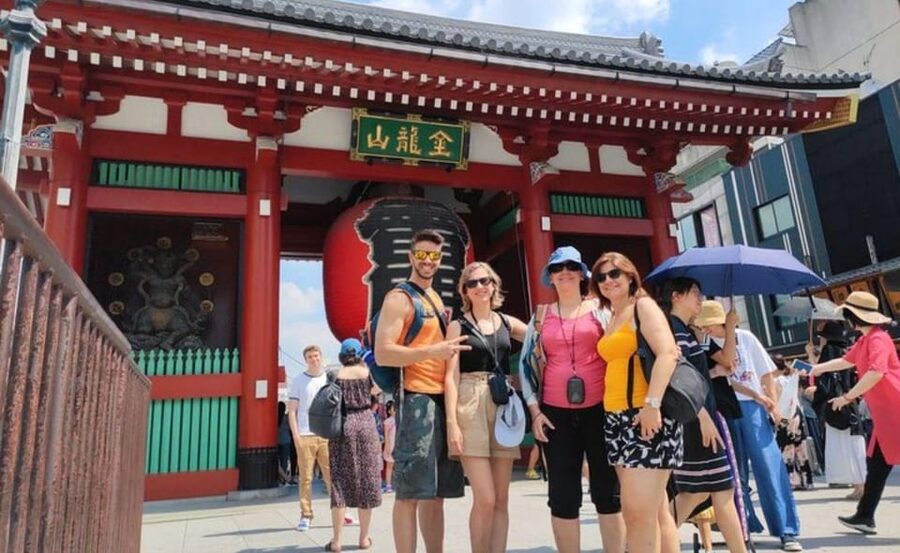
Senso-ji Temple is the anchor of Asakusa. With a guide, you get historical context and practical tips for the visit, including walking through the Thunder Gate area and participating in traditional rituals if you want. That context is what makes the place more than a landmark. You understand why people behave the way they do and what to look for while you are there.
Watch-outs to plan for: these are popular areas, so expect a lot of foot traffic. If your personal goal is calm photos and a slower pace, tell your guide before you start. The private format is what lets you adjust.
Meiji Shrine and Ueno Park: a break from the noise, with context that sticks
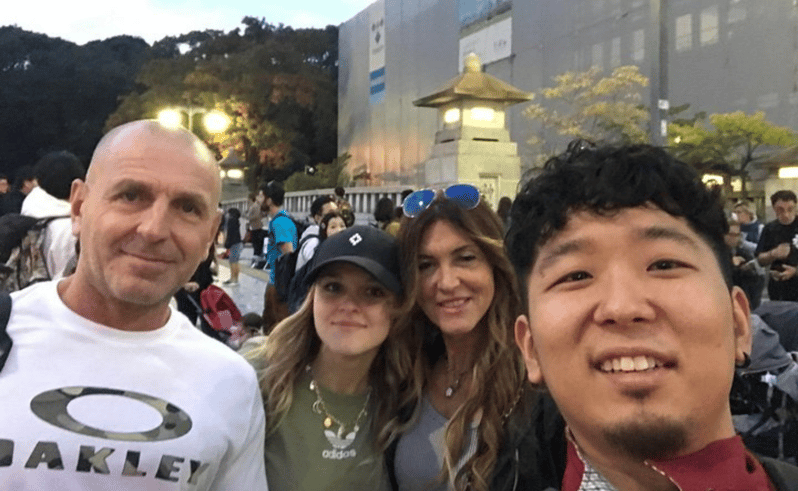
Tokyo can feel nonstop. Meiji Shrine and Ueno Park give you breathing room, and a guide helps you see what you might otherwise miss.
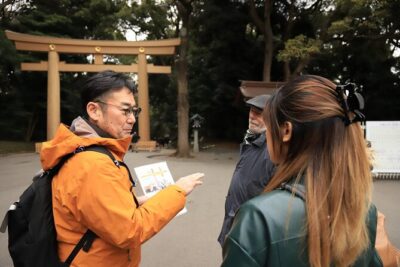
At Meiji Shrine, the guide can explain Shinto context and the significance of elements like the torii gate. You should also expect stories tied to the shrine and the surrounding forest setting. The point is simple: a guide gives you a framework so you know what you are looking at and why it matters.
Ueno Park is different, because it is both a park and a cluster of attractions. With a guide, you can move through the park efficiently and understand what each museum or attraction area represents. If you are visiting around cherry blossom season, Ueno Park is often a top choice, and a guide can help you find good spots depending on timing.
Watch-outs to plan for: if you are short on time, Ueno Park can turn into a decision maze (lots of museums, lots of choices). If you go for the longer tour, you can take your time. If you go for a 2 to 3 hour tour, keep your goal focused, like a single museum area plus a relaxed park stroll.
Akihabara and Ginza: tech culture meets serious etiquette
Akihabara and Ginza show two sides of modern Tokyo. With a guide, you get a better sense of what you are seeing, not just where the shops are.
Akihabara is tied to electronics, anime, and gaming culture. A guide can explain cultural significance and help you navigate the store variety without getting lost in the endless storefront maze. If you like browsing, this is one of those neighborhoods where having a local guide can save hours of wandering without purpose.
Ginza is a more upscale shopping and entertainment district. A guide can help you understand the area’s history and also point you toward shops or dining options that match your style. Ginza can be intimidating if you feel like you do not belong, so I like having a guide act as your translator for what is worth your time.
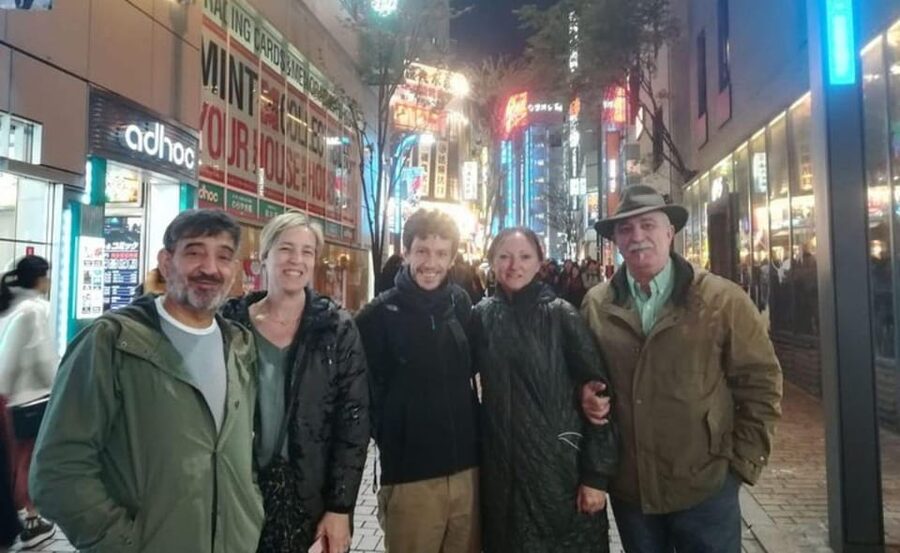
One practical thing that can make this tour extra valuable: cultural etiquette tips. For example, one guide experience highlighted basic norms like not talking on public transport and not eating while walking. Those sound small, but they are the kinds of details that help you avoid awkward moments and fit in fast.
Odaiba, Tokyo Skytree, and Roppongi Hills: skyline views with a plan
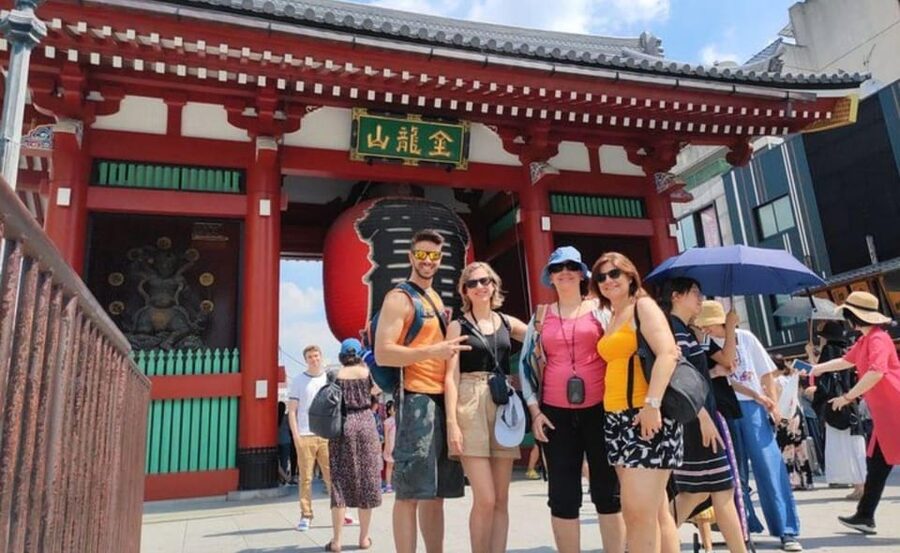
Tokyo is famous for big views, and these stops are built for photos and wide-angle city moments. The trick is getting there with the right time and knowing what to look for once you are standing there.
Tokyo Skytree is a natural choice if you want panoramic views. With a guide, you can learn what makes it significant and get interesting facts while you enjoy the observation areas. If you care about photography, a guide can also help you think about photo timing and what angles might work best.
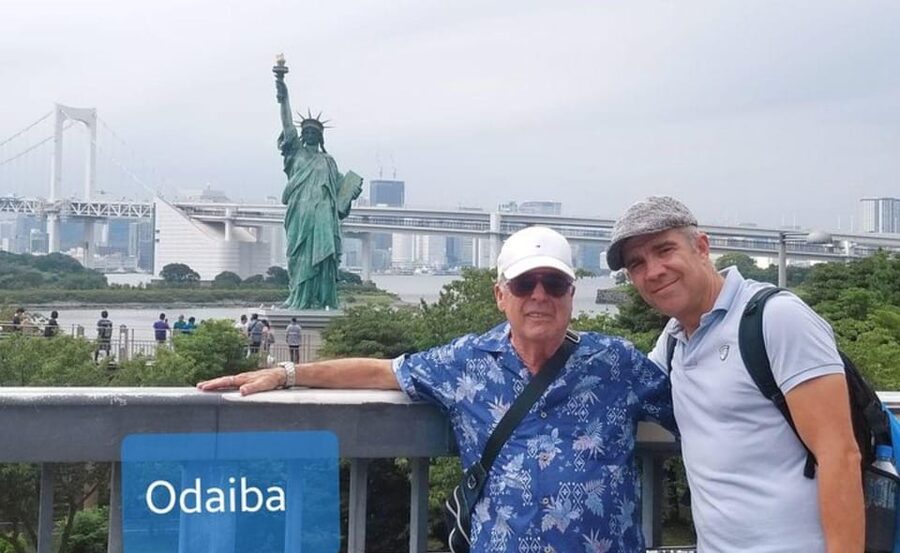
Odaiba is an artificial island with entertainment complexes and futuristic architecture. A guide can navigate you through what to prioritize and share pointers on where the best photo viewpoints are. If you like a more modern Tokyo vibe, Odaiba often delivers.
Roppongi Hills is another modern stop, tied to art, shopping, and entertainment. A guide can help you explore the area and point you toward the Mori Art Museum, plus discuss architecture and cultural events where relevant. Even if you do not plan to enter a museum, the area can be interesting as a contrast to older neighborhoods.
Watch-outs to plan for: view spots are popular, so crowding can affect how long you want to stand around taking pictures. If your priority is photos, tell your guide early so the route accounts for it.
What you are really paying for: guide time and smarter choices
The price is listed at $53 per person, with durations from 2 to 8 hours. On the surface, that sounds like a simple sightseeing add-on. In reality, the value comes from decision-making power.
You are paying for:
- A private guide who can tailor what you do
- Better use of limited time, especially if you are hopping between neighborhoods
- Context so you understand what you see
- Practical navigation help, including walking plus public transport when included
Is $53 always a bargain? If you only want a photo and you already have a tight plan with no questions, you might be able to do something similar on your own. But if you want your day to run smoothly, with fewer detours and more meaning, the guide time usually makes the math feel more reasonable.
Also, your experience can hinge on your guide’s style. One guide was praised for strong history and traditions knowledge, while another was described as friendly but not always providing the historical and cultural details you would expect from a tour focused on understanding Tokyo. That does not mean you will get a weak tour. It does mean you should communicate your preferences early. If you want more storytelling, say so.
A realistic look at strengths and the one thing to manage
Here is what tends to work very well with this kind of private route.
You get flexibility without losing structure. You still visit major areas, but you can adjust based on your energy and interests.
You get personalized advice. That can include what else to do later in the trip, plus practical etiquette and how to behave in shared spaces.
You get a guide who can manage pacing. Some guides emphasize not treating the day like a checklist. That makes it easier to enjoy the places, not just stamp them.
The main thing to manage is expectations about depth and pace. If you want lots of cultural background, ask for that. If you want to shop and snack, say that too. If you try to cram too many far-apart areas into an 8 hour plan, walking and transit time can start to feel like it is doing the sightseeing for you.
Practical tips before you choose your stops
If you book this, do a little prep so you get a tour that feels like you, not a generic highlight reel.
First, pick your theme for the day. Examples:
- Temples and traditions, with food stops
- Modern Tokyo, with tech and viewpoints
- A balanced day with both old and new neighborhoods
Second, tell your guide your priorities and your limits. If you want shopping time, say so. If you care about history, say so.
Third, use the private format to your advantage. Ask questions while you walk. You will get better answers than if you wait and try to ask at the end.
Finally, pack like you will be on your feet. This is a walking tour, and Tokyo is made for shoes.
Should you book this Tokyo private tour?
I think this is a strong choice if you want a custom Tokyo route, prefer walking with a guide, and like getting practical advice that helps you enjoy the city beyond the tour stops. The hotel meetup and private format are also ideal if you hate wasting time figuring out where to meet or which direction to go next.
Skip it or adjust expectations if you are the type who just wants to tick off landmarks with minimal guidance, or if you only want deep historical explanation and would rather ensure that before booking. Either way, you can make it work by communicating what you want your guide to emphasize, like historical context, cultural etiquette, food, shopping, or photo viewpoints.
If you want, tell me your travel dates, your language preference, and which of these areas you care about most, Tsukiji, Asakusa, Meiji, Akihabara, Skytree, Ginza, Odaiba, Ueno, or Roppongi, and I can suggest a sensible 2 to 8 hour route order.
FAQ
How long is the Tokyo private tour?
It runs for 2 to 8 hours, depending on the option you select. Check availability for starting times.
Where does the guide meet us?
The guide will meet you up at your hotel. Pickup is optional.
Is this a private group?
Yes. It is a private group experience.
What sights can the guide help you visit?
The tour can include major Tokyo highlights such as Tsukiji Outer Market, Senso-ji Temple in Asakusa, Meiji Shrine, Akihabara, Tokyo Skytree, Ginza, Odaiba, Ueno Park, and Roppongi Hills.
What languages are available for the live guide?
English, French, Italian, Spanish, Japanese, Chinese, and Traditional Chinese.
Does the tour include public transport?
Walking and public transport are included, except if you select one of the options that changes this.
Is the tour wheelchair accessible?
Yes, it is wheelchair accessible.
What is the cancellation policy?
You can cancel up to 24 hours in advance for a full refund.
What is the price?
The price is listed at $53 per person.
Newest Tokyo write-ups from the Loving Japan desk


Private, side by side.
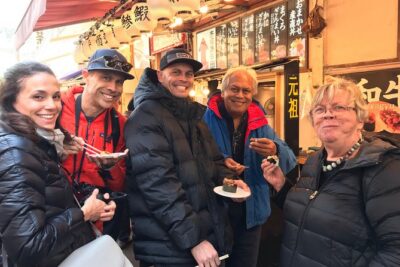 ★ 5.0Tokyo 6hr Private Tour with Government-Licensed GuideFrom $1553,902 reviews
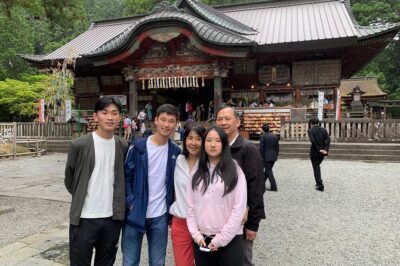 ★ 5.0Private Tour to Mt. Fuji and Hakone (Fully Licenced Operator)From $4971,910 reviews
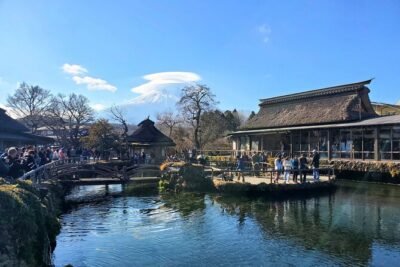 ★ 4.9Mount Fuji Full-Day Private Tour from Tokyo (Customizable)From $3931,470 reviews
 ★ 4.8Private City Highlights Tour with Local GuideFrom $1061,433 reviews
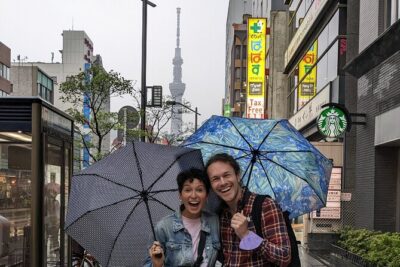 ★ 5.0Private Custom Tour: Tokyo in a DayFrom $1591,432 reviews
 ★ 5.0Kyoto 6hr Private Tour with Government-Licensed GuideFrom $1551,369 reviews
 ★ 5.0Tokyo Customized Private Tour: See Top Attractions in 1 DayFrom $1451,351 reviews
 ★ 4.9Hotspots & Hidden Gems Walking Tour Private or GroupFrom $331,300 reviews