
REVIEW · PRIVATE
Tokyo: Personalized Private 6-Hour Tour
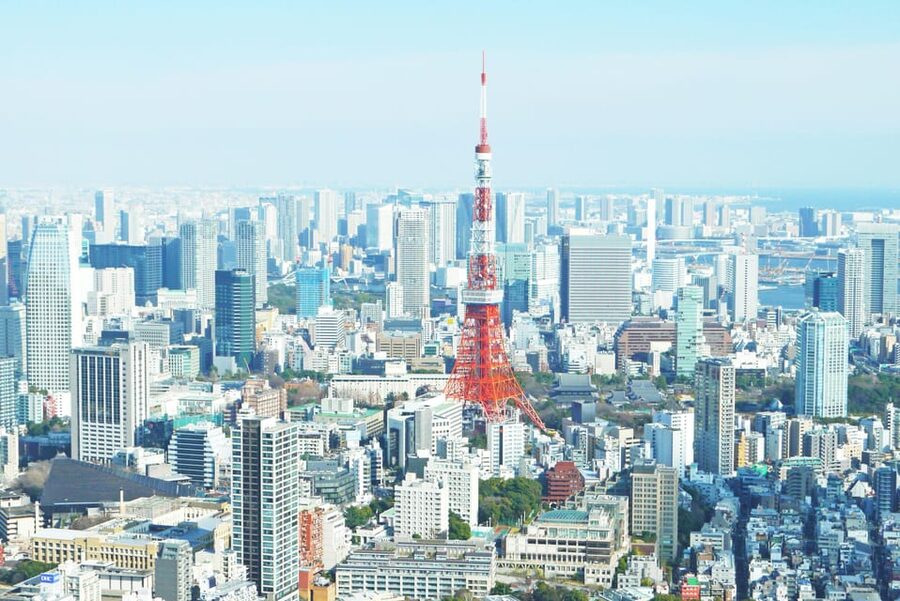
Tokyo can feel like a moving maze. This private 6-hour tour makes it manageable by combining iconic neighborhoods with a plan shaped around your interests. I especially like the way the day can blend calm stops like Meiji Shrine with modern Tokyo energy, and the fact you’re not stuck in a one-size-fits-all group schedule. The only real catch is that it’s still a lot of walking plus public transit, and many stations have limited elevators, so comfy shoes matter.
You get a professional English-speaking guide (also offered in French, German, or Spanish), plus pickup directly from your hotel lobby in Tokyo’s ward 23. In other words, you show up, and your guide does the thinking.
A private format also helps you ask questions as you go, whether you care more about food, design, shopping, or temple culture. Just know the tour ends at the planned time even if you arrive late, so try not to gamble with trains.
In This Review
- Key Points You Actually Care About
- Tokyo Pickup to First Steps: How This Tour Works in Real Life
- Meiji Shrine: A Calm Reset Before the Busy Parts of Tokyo
- Harajuku Shopping Time: Fashion Energy, Short and Sweet Walks
- Shibuya: Modern Tokyo Through Shopping, Views, and People-Watching
- Tsukiji Outer Market: Food Without the Decision Fatigue
- The Imperial Palace East Garden and Asakusa Choice: Why Your Guide’s Plan Matters
- Ginza, Hamarikyu Garden, and Green Tea: A Pause That Helps the Whole Day
- Yanaka Old Town Streets: The Local Slow-Down If You Want It
- Naritasan Fukagawa Fudōdō and the Finish Near Marunouchi
- What the Guide Really Adds: Tailored Day, Real Communication
- Price and Value: Paying for Time, Focus, and Fewer Guessing Games
- Who This Tour Suits Best (and Who Might Want a Different Style)
- Should You Book This Private 6-Hour Tokyo Tour?
- FAQ
- What’s the duration of the Tokyo private tour?
- How many places will we see in a 6-hour day?
- Is pickup included, and where does it happen?
- What’s included in the price?
- What is not included?
- What languages does the live guide speak?
- Will I be walking a lot, and are elevators available?
- What if I arrive late or plans change?
Key Points You Actually Care About
- Private guide planning with room for 3 to 4 main sights, depending on pace
- Meiji Shrine start that balances the day before Shibuya and shopping areas
- Tsukiji Outer Market food time built around easy browsing and trying multiple Japanese foods
- Shibuya city experience with scenic viewpoints on the way and time to shop
- Yanaka old-street vibe for small shops and a slower, local feel (if it fits your plan)
- Naritasan Fukagawa Fudōdō stop for a quieter temple moment near central Tokyo
Still weighing up options in Tokyo? These are the ones our reviewers rated highest.
- Mt Fuji and Hakone 1-Day Bus Tour Return by Bullet Train
★ 5.0 · 26,383 reviews - 1-Day Tokyo Bus Tour
★ 5.0 · 14,250 reviews - Tokyo: teamLab Planets TOKYO Digital Art Museum Entry Ticket
★ 4.6 · 9,779 reviews - Mt Fuji & Hakone Cruise, Drum Show Bullet Train 1 Day from Tokyo
★ 4.0 · 7,413 reviews
Tokyo Pickup to First Steps: How This Tour Works in Real Life
This is built as a true private outing, not a “follow the leader” day. Your guide meets you near the reception desk in your hotel lobby within Tokyo’s ward 23, then you head out together by subway and train. That matters because Tokyo navigation can be stressful when you’re juggling station layouts, exits, and changing lines.
The tour is 6 hours, and you can usually fit in 3 to 4 attractions depending on how fast you move. If you like to browse, take photos, and stop for snacks, you’ll want to plan for fewer stops. If you’re efficient and mostly sightsee, you might squeeze more in.
You’ll also be walking. The tour is designed for public transportation, and the note about limited elevators or escalators is real. If stairs are a problem for you, tell your guide upfront. They can often adjust where you enter stations or how you pace the day, but the route still uses transit.
Meiji Shrine: A Calm Reset Before the Busy Parts of Tokyo
Meiji Shrine is a smart first choice because it’s a breather right at the start. Expect a forest-like setting and a peaceful shrine atmosphere that feels very different from the shopping and traffic you’ll hit later. Even if you’ve seen other famous shrines before, Meiji Shrine has a special “pause” factor.
This stop also helps you get oriented. After your quiet start, Tokyo’s rhythm makes more sense. You’ll understand where people are heading and why certain neighborhoods feel fast and others feel slow.
Practical tip: wear shoes you can stand in for a while. Shrine areas can be more walk-heavy than they look on a map.
Harajuku Shopping Time: Fashion Energy, Short and Sweet Walks
From Meiji Shrine, you head toward Harajuku, where pop fashion and street style take center stage. The best part here is that you can control how deep you go. If you’re curious about styles, you’ll have time to walk, watch, and pop into shops. If you’re more into the atmosphere, you can enjoy it without committing to buying anything.
Harajuku is also great for learning by observation. You’ll see how Tokyo mixes playful fashion with everyday practicality. Your guide’s job is to help you connect the dots so you’re not just looking at outfits, you’re understanding the vibe.
One caution: Harajuku can be crowded. You’ll feel that in the sidewalks and in shop entrances. Your private guide helps because you can adjust speed and take short breaks instead of getting swallowed by the crowd.
- Mt Fuji and Hakone 1-Day Bus Tour Return by Bullet Train★ 5.0 · 26,383 reviews
- 1-Day Tokyo Bus Tour★ 5.0 · 14,250 reviews
- Tokyo: teamLab Planets TOKYO Digital Art Museum Entry Ticket★ 4.6 · 9,779 reviews
- Mt Fuji & Hakone Cruise, Drum Show Bullet Train 1 Day from Tokyo★ 4.0 · 7,413 reviews
- Tokyo Mt Fuji 5th St & Hakone Cruise Bus Tour w/Bullet Train★ 4.4 · 5,024 reviews
Shibuya: Modern Tokyo Through Shopping, Views, and People-Watching
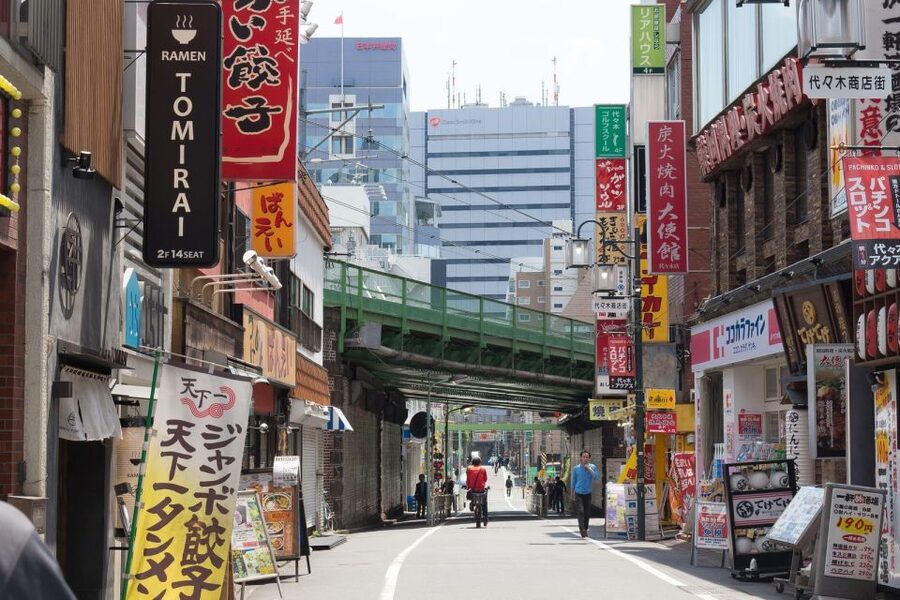
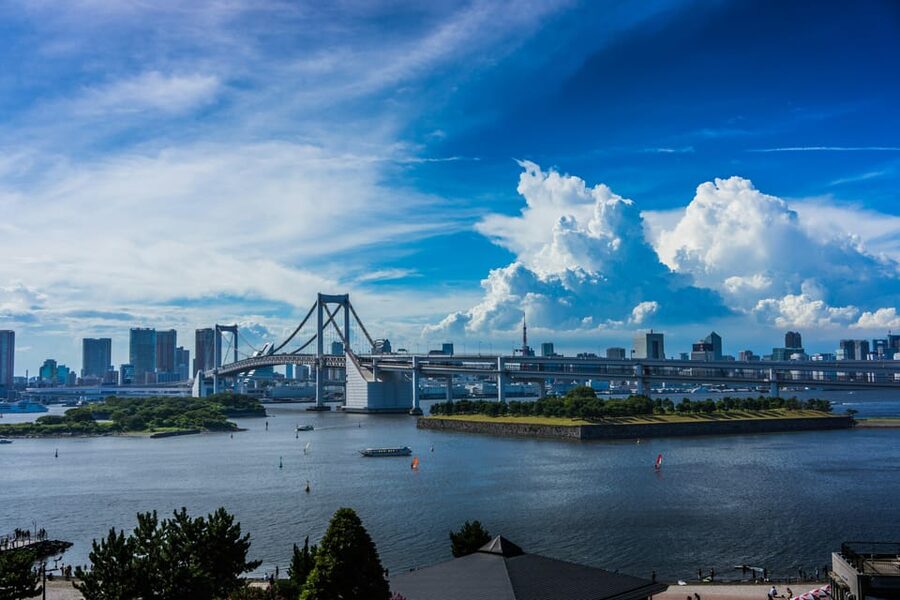
Next up is Shibuya, and this is where the day shifts gears into modern Japan. Think busy station area, shopping streets, and frequent chances to pause for viewpoints on the way. Even if you’ve seen Shibuya in photos, walking through it feels different because everything is close together and constantly moving.
This part of the tour is perfect if you like energy and variety. You can window shop, browse stores, and still get sightseeing moments. The tour time is set aside to let you do more than just pass through.
If shopping is a priority for you, tell your guide early in the day. One booking highlighted how responsive the guide was to your wishes, and that kind of flexibility is exactly what you want in Shibuya, where there are too many options to list.
Tsukiji Outer Market: Food Without the Decision Fatigue
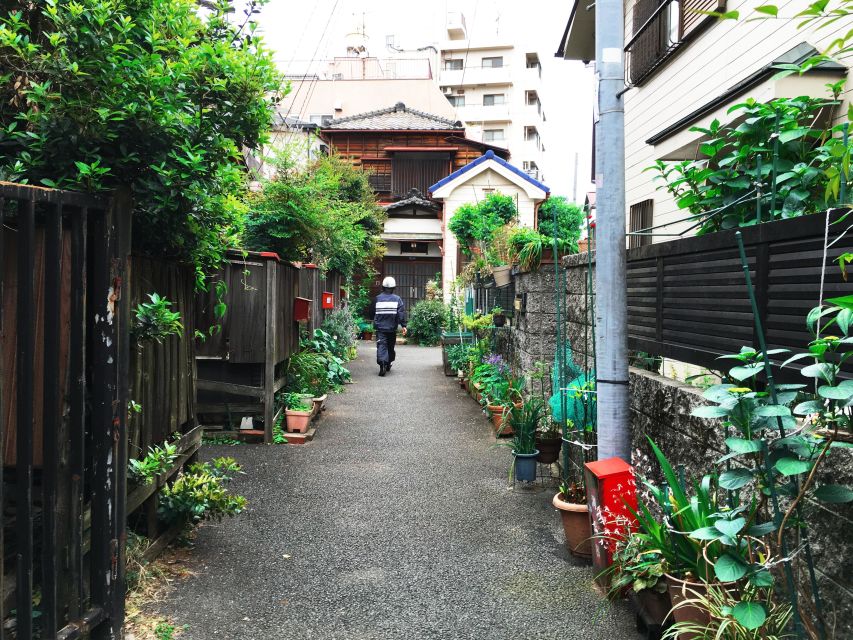
Tsukiji Outer Market is the food stop you’ll probably remember most. The whole point here is not just seeing stalls, but trying Japanese foods as you walk. Your guide can help you pick places that make sense for a quick tasting style rather than turning the market into a sit-down meal marathon.
You’ll have about an hour here, which is a good amount of time for tasting multiple items and getting a sense of how the market feels from the inside. You don’t need to be a “food expert” to enjoy it. The fun is sampling, comparing flavors, and learning what you’re eating as you go.
Practical notes:
- Bring cash or make sure you’re comfortable with how vendors accept payments, since setups vary.
- Expect to stand, walk, and weave through crowds.
- If you have dietary needs, mention them early so your guide can steer you toward choices that work.
The Imperial Palace East Garden and Asakusa Choice: Why Your Guide’s Plan Matters
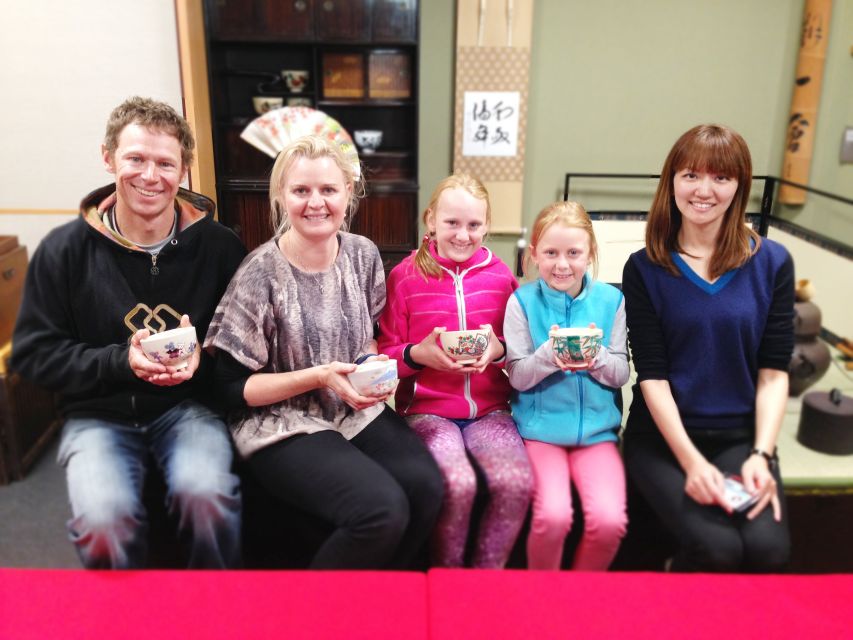
Some versions of this tour can include the Imperial Palace East Garden, and Asakusa is often another option. The key point is that your guide designs the day around your interests, so these can become either your main theme or your bonus stop.
The East Garden angle is about Tokyo’s calmer side, with open space and a sense of order that contrasts with the market and shopping neighborhoods. Asakusa, especially around Sensoji Temple, gives you another kind of contrast: a longer-standing temple atmosphere with classic streets nearby.
Because your time is limited, I like having this selection built into the experience. You’re not locked into a rigid script. You can decide whether your energy goes to gardens and temple space, or to food and neighborhoods.
If you care about photography, gardens and temple areas give you easier backgrounds than the densest shopping corridors.
Ginza, Hamarikyu Garden, and Green Tea: A Pause That Helps the Whole Day
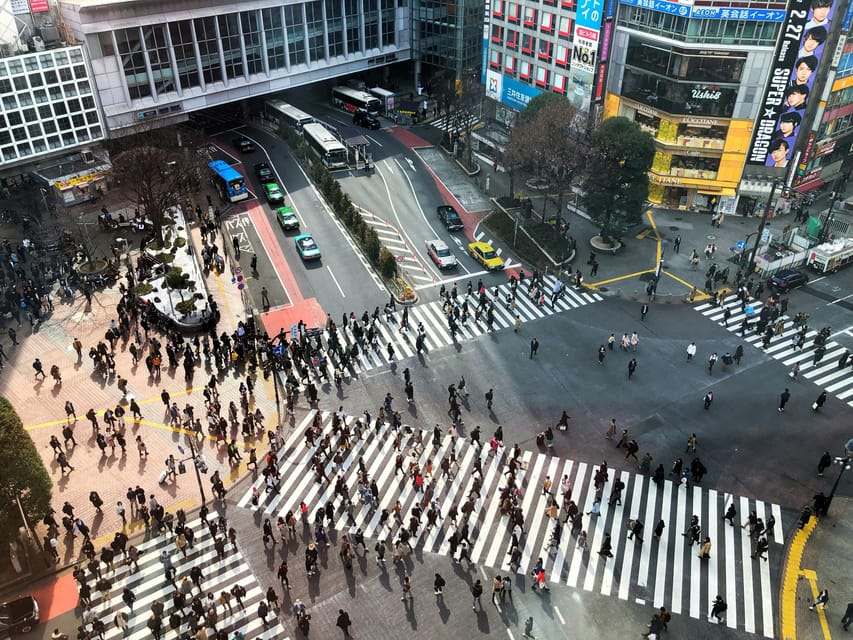
If your plan includes Ginza or Hamarikyu Garden, you’ll get a structured break in the middle-to-late part of the outing. Ginza is a great choice if you want polished shopping streets and a more refined side of the city.
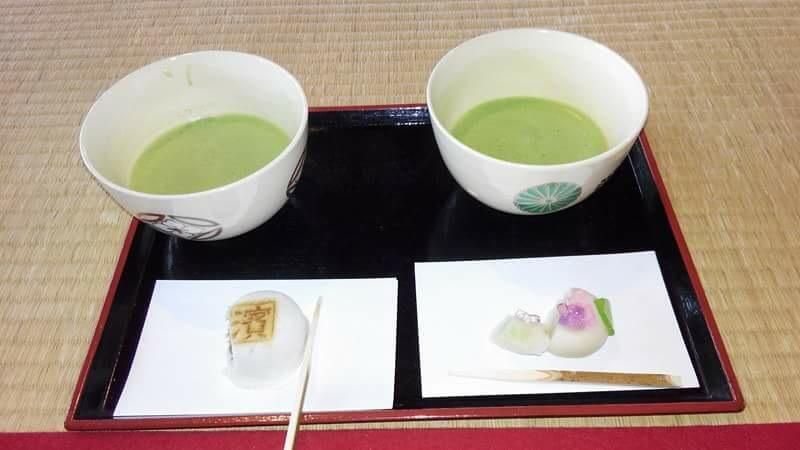
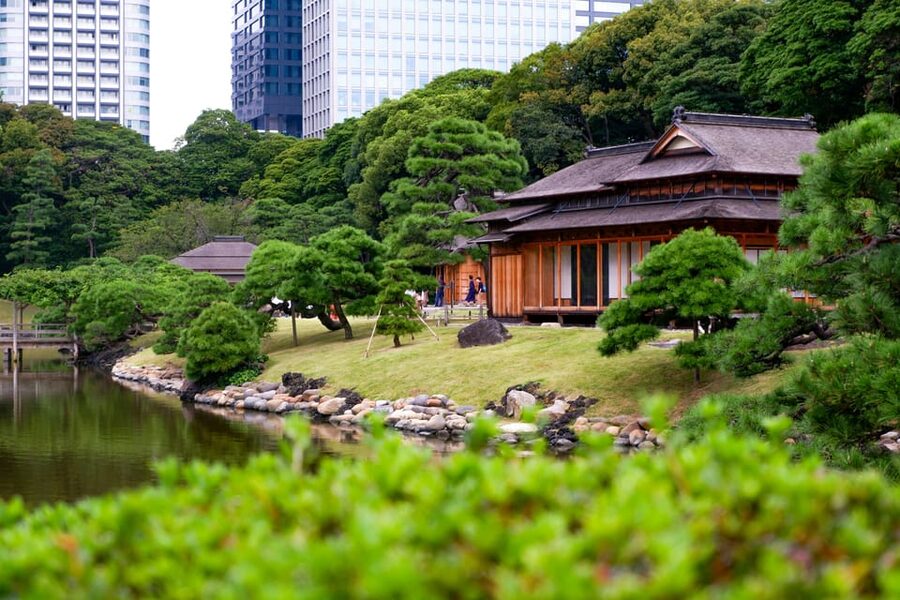
Hamarikyu Garden brings you back to nature and tradition. The green tea element is a useful detail here, because it’s a practical way to slow down without losing time. A tea break can make the remaining walking feel lighter.
This is also where a guide’s local thinking pays off. You don’t want to spend your one day in Tokyo deciding where to sit and how long you’ll wait. Having a plan for a tea break means you come out of it refreshed.
Yanaka Old Town Streets: The Local Slow-Down If You Want It
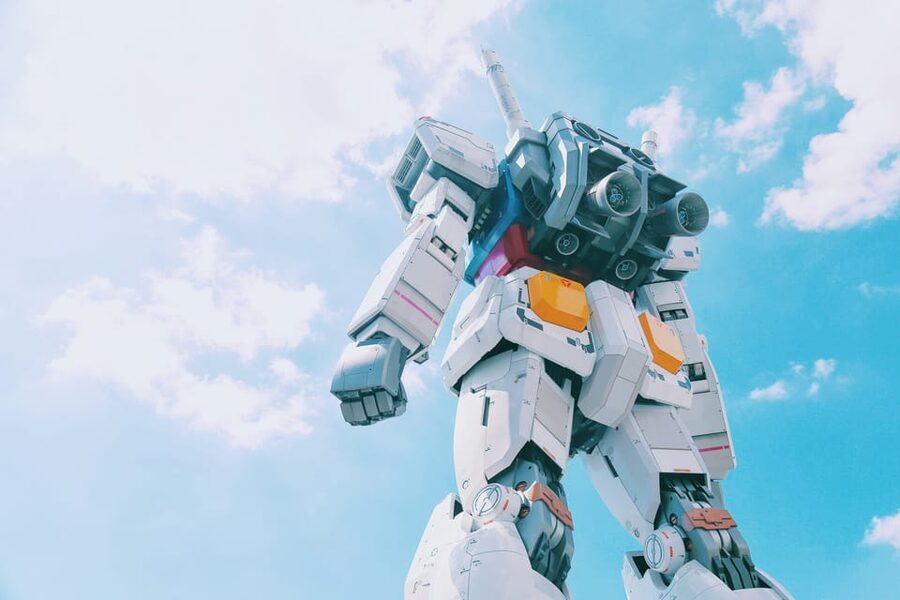
Yanaka is mentioned as a small shopping street option, and I agree with the logic. After Shibuya and Tsukiji, Yanaka gives you a different Tokyo story: smaller scale, more old-street feel, and fewer neon distractions.
What I like about including Yanaka is that it’s not just another “famous spot.” It’s a change in tempo. If you want Tokyo beyond the big-name landmarks, this is where you can feel like a regular person wandering a neighborhood.
Time is still the limiter. That’s why this tour’s private nature is valuable. If you’re the type who hates rushing, your guide can make Yanaka happen, or swap it in for something else.
Naritasan Fukagawa Fudōdō and the Finish Near Marunouchi
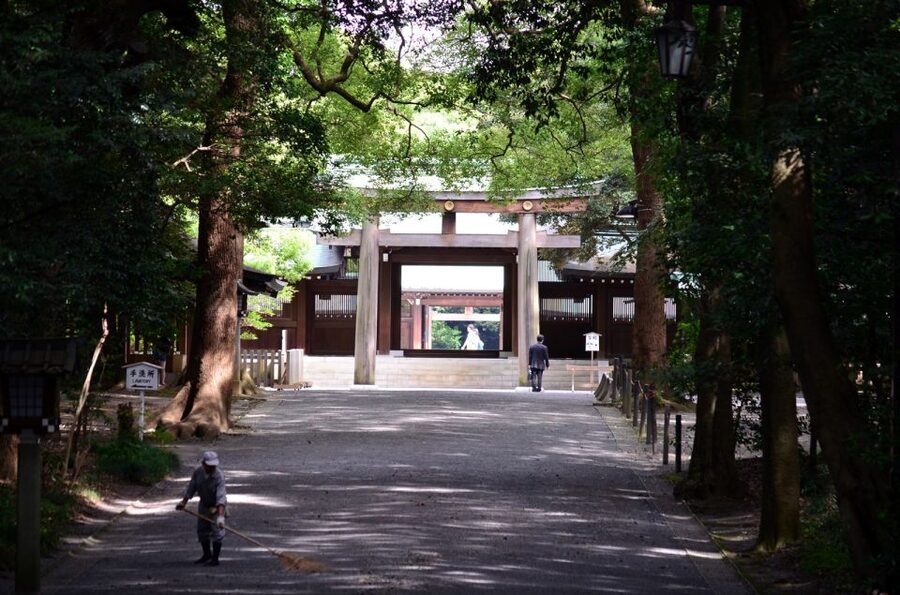
A temple stop near the end gives your day a satisfying emotional arc. Naritasan Fukagawa Fudōdō offers a quieter, more grounded feel than the day’s earlier shopping-heavy sections. You’ll have time to visit, and this is a good moment for reflection after crowded streets.
Ending near Marunouchi keeps things convenient. Marunouchi is central, so you can more easily connect to where you need to go next, whether that’s dinner or heading back toward your hotel.
If you’re planning evening plans, I’d treat the finish area as your anchor. Don’t schedule something that requires a complicated transfer with a strict time window.
What the Guide Really Adds: Tailored Day, Real Communication
This tour’s biggest strength is the human part: professional guiding that’s responsive to your interests. One standout example was Mamiko, who picked guests up right on time at their hotel and then moved through the neighborhoods at a pace that felt efficient but not rushed. Another booking credited Yuko Hashinaga with building an itinerary based on specific preferences and adjusting immediately when plans changed. A third mentioned that Frau Rie’s explanations were clear and helpful, including when German was the comfort language.
You can expect guides to explain culture and context while you walk. That turns common sights into something you actually understand, not just something you tick off.
Also, the private format helps with shopping and food. Instead of guessing what’s good or getting stuck in lines with a large group, you get a plan that keeps momentum.
Price and Value: Paying for Time, Focus, and Fewer Guessing Games
At $459 per group for up to 1 person for a 6-hour day, this is not a budget tour. The value comes from what’s included: guiding by a professional plus the transportation fee for the guide. Your transport is not included, and entrance fees and lunch for both you and the guide are also not covered.
So is it worth it? For many people, yes, if you want:
- A day packed with Tokyo highlights but without the stress of designing the route
- Someone to help you navigate neighborhoods like Shibuya and Tsukiji efficiently
- Clear explanations so you understand what you’re seeing
- The option to adjust stops based on your interests rather than forcing a fixed itinerary
If you enjoy planning on your own, you can absolutely do a similar day using transit apps. But the cost here buys you less friction and more time spent enjoying, not figuring out. In a city where walking and transit can be intense, that’s a real benefit.
Who This Tour Suits Best (and Who Might Want a Different Style)
This tour fits best if you want a guided day that covers several major areas without turning into a marathon. You’ll be happiest if you like the mix of temples, food, shopping streets, and modern-city stops.
It’s especially good for:
- First-time Tokyo visitors who want structure
- Solo travelers who want personalization and direct answers
- Couples or small groups who prefer private pacing over group tours
- Travelers who care about food sampling and neighborhood atmosphere, not just photos
You might consider a different approach if you:
- Want to spend long stretches in one place only, like a full-day food crawl
- Have very limited ability to walk or use stairs, since the tour relies on public transit and many stations have limited elevators or escalators
- Need a strict schedule where you cannot accommodate walking time between stops
Should You Book This Private 6-Hour Tokyo Tour?
If your goal is a smart, guided snapshot of Tokyo with room for 3 to 4 meaningful stops, I’d book it. The biggest reason is the guide’s ability to keep the day flowing while still responding to what you care about, whether that’s markets and food, modern shopping neighborhoods, or a quieter temple or garden moment.
Choose this tour if you want less stress and more understanding as you move through the city. Skip it if you’re traveling with a strong preference for fully independent exploring, because the route flexibility only helps if you actually use the guidance.
FAQ
What’s the duration of the Tokyo private tour?
The tour runs for 6 hours.
How many places will we see in a 6-hour day?
Depending on pace, you can visit 3 or 4 attractions.
Is pickup included, and where does it happen?
Yes. You’re met near the reception desk in the lobby of your hotel in Tokyo’s ward 23.
What’s included in the price?
The price includes professional guiding and the transportation fee for the guide.
What is not included?
Entrance fees, and lunch for guests and a guide are not included. Guest transportation is also not included.
What languages does the live guide speak?
The live tour guide is available in English, French, German, and Spanish.
Will I be walking a lot, and are elevators available?
You will walk and take public transportation. Most stations have few elevators or escalators, so let your guide know if you prefer elevators to stairs.
What if I arrive late or plans change?
If you arrive late, the tour will still end at the planned time. You can cancel up to 30 days in advance for a 50% refund.
Newest Tokyo write-ups from the Loving Japan desk






Private, side by side.
 ★ 5.0Tokyo 6hr Private Tour with Government-Licensed GuideFrom $1553,902 reviews
 ★ 5.0Private Tour to Mt. Fuji and Hakone (Fully Licenced Operator)From $4971,910 reviews
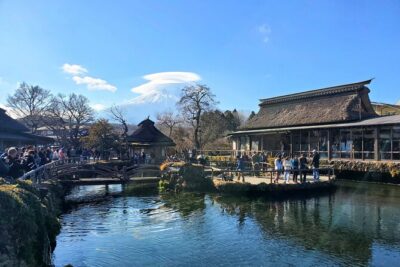 ★ 4.9Mount Fuji Full-Day Private Tour from Tokyo (Customizable)From $3931,470 reviews
 ★ 4.8Private City Highlights Tour with Local GuideFrom $1061,433 reviews
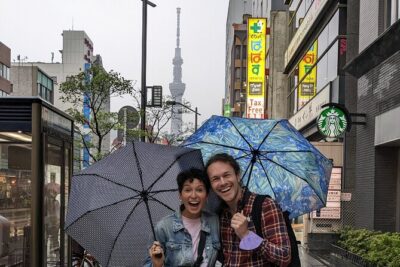 ★ 5.0Private Custom Tour: Tokyo in a DayFrom $1591,432 reviews
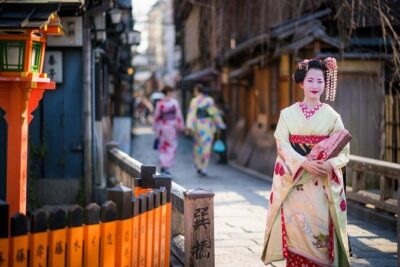 ★ 5.0Kyoto 6hr Private Tour with Government-Licensed GuideFrom $1551,369 reviews
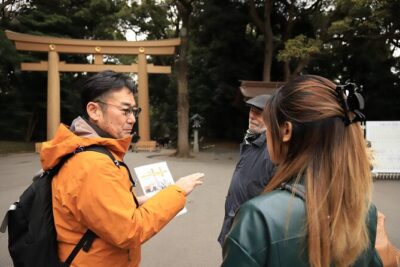 ★ 5.0Tokyo Customized Private Tour: See Top Attractions in 1 DayFrom $1451,351 reviews
 ★ 4.9Hotspots & Hidden Gems Walking Tour Private or GroupFrom $331,300 reviews